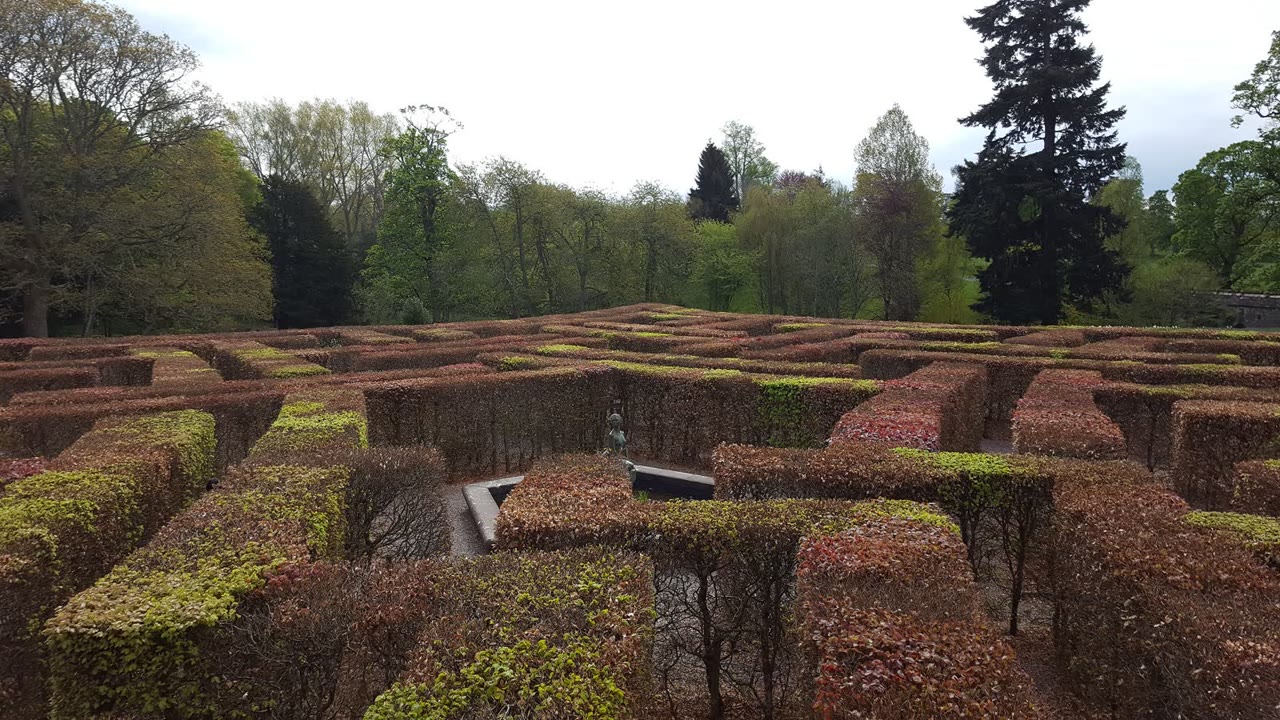
One-to-One Theater: How Maze and Walk-Through Shows Work
One-to-one theater is usually described as a fringe-festival format: one performer, one spectator, a few minutes in a room. There is an older branch of the form that works differently. A single visitor walks alone through a maze of built rooms, guided by a recorded voice, and Antenna Theater was touring that version in the early 1980s.
Quick answer
How does a one-to-one maze production work?
A one-person-audience maze production sends a single visitor through a series of built rooms, guided by a recorded soundtrack, live actors or both. In Antenna Theater’s Artery (1983), an usher hung a Sony Walkman around each visitor’s neck, and the tape then led them alone through a 17-room maze for about 50 minutes.
What “one-person audience” means
The Live Art Development Agency’s study guide to One to One performance, by Rachel Zerihan, gives the working definition: these “are all terms used to describe a performance that invites one audience member to experience the piece on their own.” Such pieces “generally last for around five or ten minutes.”
Zerihan writes that “it is impossible to give a definitive answer as to which was the first One to One performance,” and suggests Chris Burden’s Five Day Locker Piece of April 1971. The artist Franko B, in a 2009 interview quoted in the guide, said that when he began his in 1997, “nobody was doing One to One.” His point concerned live art in England; a theater precedent already existed in the United States.
NPR’s 2012 report on intimate theater still called it “an innovative kind of theater popping up at fringe festivals and independent venues.” Its example, Theatre for One, staged “a short play” in “a red plush booth about the size of an office cubicle.”
Anatomy of a maze production
The handover: usher, headset, start
David Sterritt described the start of Artery for the Christian Science Monitor in June 1983. “An usher hangs a Sony Walkman tape player around your neck,” he wrote, and “From there, you’re on your own for 50 minutes.” He summed up the arrangement: “There’s just one performer, and one member of the audience, and both of them are you.”
The route: rooms, paths and random order
The route is usually a fixed sequence of rooms: 17 in Artery and 13 in Etiquette of the Undercaste, according to Antenna’s chronology. Radio Interference (1987-1988) arranged “13 different theater events” instead. Amnesia (1983-1984) broke the order on purpose: “Four different memory paths are taken in random order as each ‘audient’ struggles to regain their sense of self.”
The guide: recorded voice, masked actors, set events
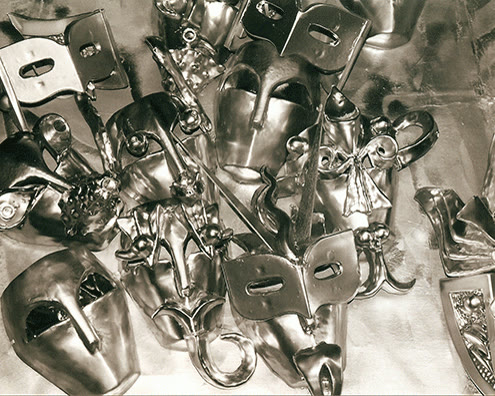
The recording does most of the steering, but live performers help. In Amnesia, “Masked actors assisted the ‘audient’ through the swirl of events,” among sets “created entirely out of highly colored, slotted wooden pieces.” Because each visitor wears a headset, the archive notes, “they can receive entirely separate information,” which is why Antenna calls each visitor an audient.
Pacing rules: describe what comes next, keep people walking
Elizabeth Boling’s 2014 study of Hardman’s Alcatraz tour design, in the International Journal of Designs for Learning, records rules that apply to any maze:
- The audio “always describes or talks about something a visitor is about to see.”
- “walking is good; standing is not.”
- The voices “are creating the scene.”
Case study: Artery (1982-1985), a “one-man audience”
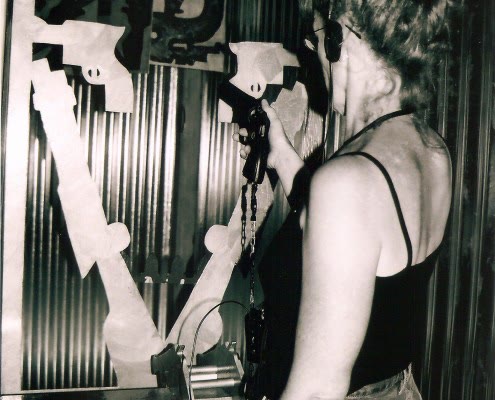
Antenna’s chronology says audients “were transformed into the main character of a noir-like mystery thriller and sent through a 17 room performance maze.” Artery opened in 1982 at the Mill Valley Post Office Annex and toured to the Cervantino Festival in Mexico (1983), Spoleto in Charleston (1984), Seattle (1985) and San Diego (2000).
The chronology lists the Performing Garage in New York in 1984, but the Monitor’s review, dated June 28, 1983, caught it “during its current run,” so it was playing there by 1983. The Monitor’s headline was “You’ve heard of one-man shows – well how about a one-man audience?”
Sterritt found the plot “thin, sometimes vague, and occasionally confusing,” yet wrote, “There are precedents for ‘Artery,’ but I’ve never seen a show quite like it.” Where Artery sits in the longer story is traced in our headphone theater history from the théâtrophone to the Walkman.
Enola/Alone, Amnesia, Etiquette and Euphor!um in brief
Etiquette of the Undercaste (1988-1995) put each visitor through rooms in which the visitor “died” and was “reborn” into worsening circumstances, and it played the Smithsonian’s Experimental Gallery from February 14 to April 15, 1992. Its rooms, reviews and touring are in the full story of Etiquette of the Undercaste.
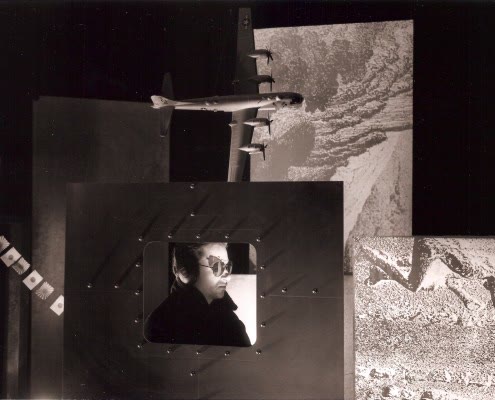
Enola/Alone (1994) was “An interactive theater maze that put each visitor into the boots of a World War II bomber pilot,” mixing “museum exhibits, radio theater, carnival funhouses, and audience participation” in a Presidio warehouse.
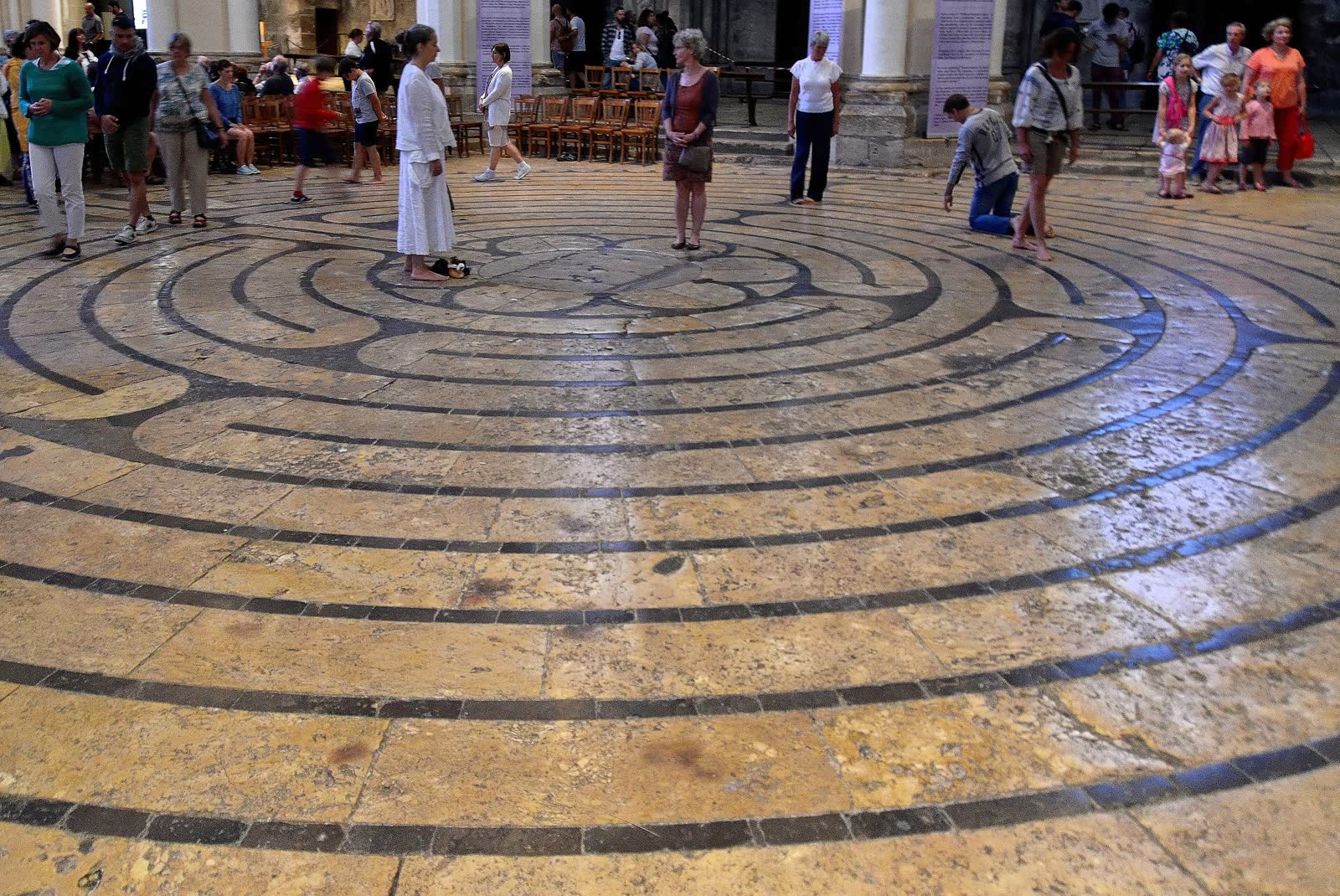
Euphor!um (2000-2003) was “A walk-through dreamscape of Samuel Taylor Coleridge’s poem, Kubla Khan, featuring digital audio effects, infinite mirrors, and a few Coney Island funhouse tricks.” Its production history has its own post on Euphor!um and Coleridge’s Kubla Khan.
| Production | Years | Rooms or paths | The audient’s role | What guides you |
|---|---|---|---|---|
| Artery | 1982-1985, 2000 | 17-room maze | Hero of a noir thriller | Walkman tape, alone, about 50 minutes |
| Amnesia | 1983-1984 | Four memory paths in random order | Regaining a sense of self | Masked actors |
| Etiquette of the Undercaste | 1988-1995 | 13 rooms | “Reborn” into poverty | Props and recorded monologues |
| Enola/Alone | 1994 | Theater maze | A World War II bomber pilot | Exhibit, radio theater and funhouse elements |
| Euphor!um | 2000-2003 | Walk-through dreamscape | A traveller through Kubla Khan | Digital audio and infinite mirrors |
Where the maze came from: Coney Island funhouses
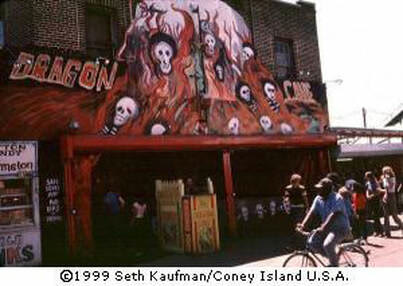
Hardman’s biography records that his first paid art commission, in 1970, was refurbishing a Coney Island carnival ride, the “Dragons Cave.” Antenna’s exhibitions page names Coney Island as an inspiration both for the mazes and for mirror illusions, including Pepper’s Ghost.
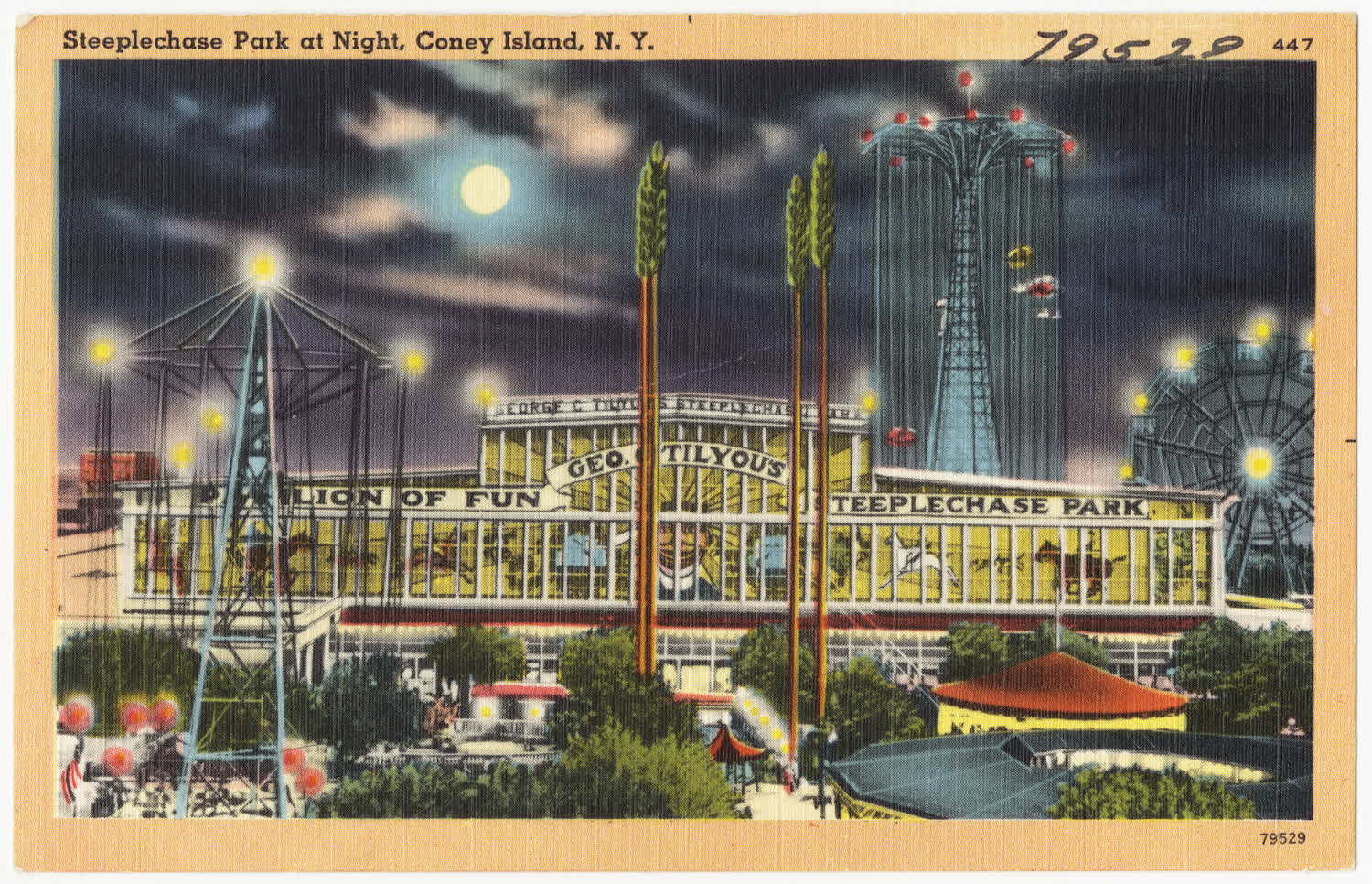
The debt shows in the descriptions: “carnival funhouses” in Enola/Alone, “Coney Island funhouse tricks” in Euphor!um. More of that lineage is in Coney Island funhouse illusions and Pepper’s Ghost in Antenna’s exhibitions.
The form today: one-to-one festivals and headphone labyrinths
The LADA guide quotes the Guardian’s Lyn Gardner in 2009: “Such work is not new; but the wide-spread availability of it is.” In 2025 NPR described Punchdrunk’s Viola’s Room, where “six people at a time put on headphones and listen to a recorded story as they wind their way through a labyrinth,” with sound that makes “it feel like the story is being told only to you.”
| Model | Example | How many at once | What guides you | Length |
|---|---|---|---|---|
| Recorded-audio maze | Artery (1983) | One | Walkman narration | About 50 minutes |
| Installation maze | Etiquette of the Undercaste (1992) | Individual visitors | Props, monologues, rooms | Not confirmed |
| Booth encounter | Theatre for One (2012) | One, with one actor | A live actor | A short play |
| Live-art one-to-one | LADA definition | One | The performer | Five to ten minutes |
| Headphone labyrinth | Viola’s Room (2025) | Six | Recorded narration | Not stated |
Frequently asked questions
What is one-to-one theater?
A performance that invites one audience member to experience the piece on their own, in the Live Art Development Agency’s definition.
How long does a one-to-one performance last?
Live-art one-to-ones generally last around five or ten minutes, according to LADA. Antenna’s Artery kept each visitor on their own for 50 minutes, the Christian Science Monitor reported.
How does a maze show guide someone who is alone?
In Artery an usher hung a Sony Walkman around the visitor’s neck and the recording led them room by room. Hardman’s audio rule was to describe what the visitor is about to see.
Is one-to-one theater a new idea?
No. NPR called intimate theater innovative in 2012, but the Christian Science Monitor reviewed a one-man-audience maze in 1983, and the Smithsonian showed Antenna’s maze installation in 1992.
Do maze shows still exist?
Yes. NPR reported in 2025 that Punchdrunk’s Viola’s Room sends six people at a time through a labyrinth on headphones.
For the productions themselves, see Antenna’s maze productions under Walkmanology and new theater forms and Artery, Amnesia and Enola/Alone in the Antenna chronology.