
Pauline Oliveros and Deep Listening: A Practice of Hearing Everything
The composer Pauline Oliveros spent much of her life on one question: what changes when you really listen? Her answer was Deep Listening, a practice of exercises, scores and group work that still has its own centre. This guide follows it from a crisis in San Diego to an underground cistern in Washington State, in her own words.
Quick answer
What is Deep Listening?
Deep Listening is a practice created by the composer Pauline Oliveros (1932 to 2016) that trains attention to all sound, from the room and the street to one’s own thoughts. It grew from her Sonic Meditations of the early 1970s and took its name from a 1988 recording made in an underground cistern in Washington State.
Hearing is not listening: how Oliveros defined Deep Listening
The Center for Deep Listening at Rensselaer puts it in one line: “Deep Listening, as developed by Pauline Oliveros, explores the difference between the involuntary nature of hearing and the conscious nature of listening.”
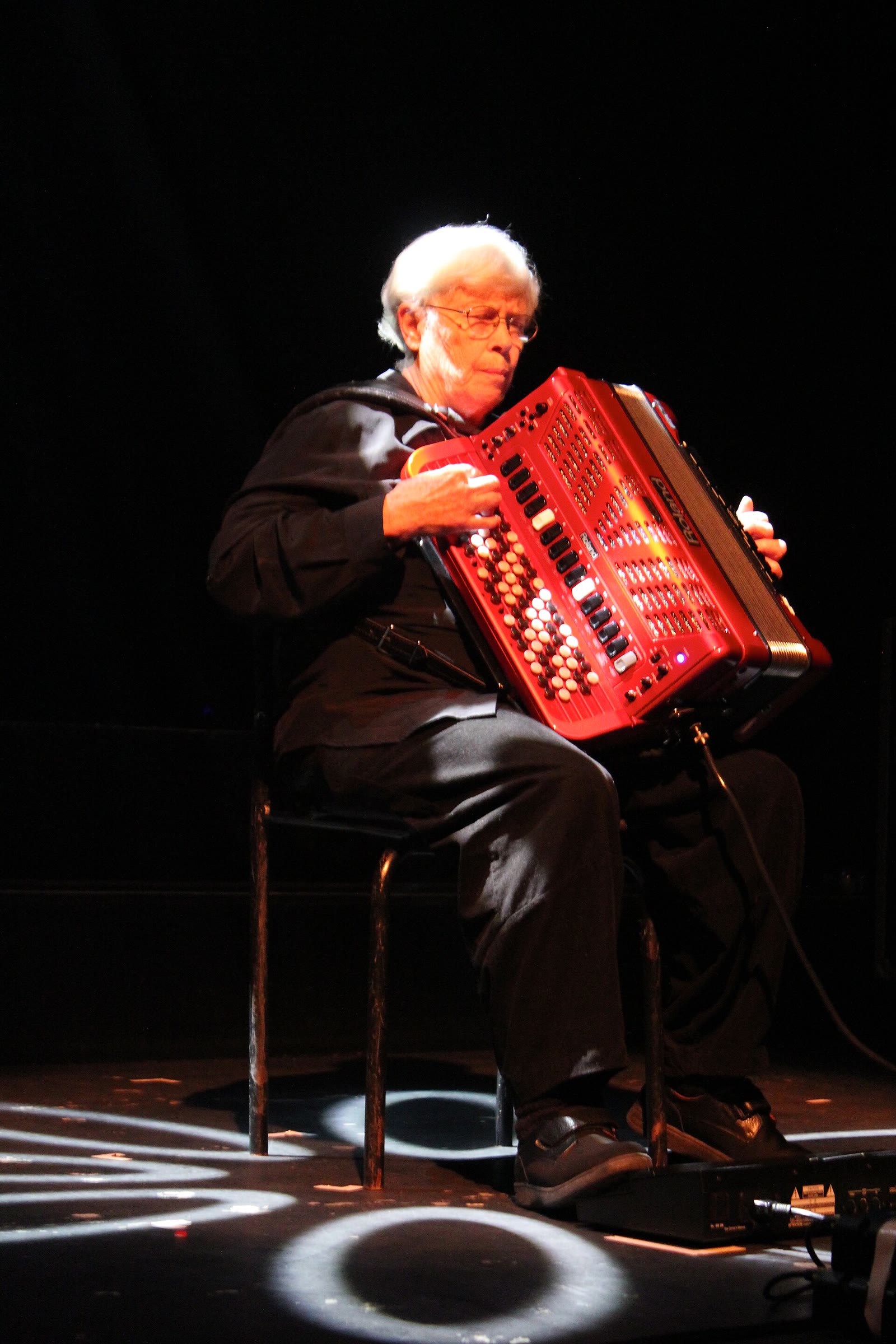
Her own definition, from a 1999 essay, goes further: “Deep Listening involves going below the surface of what is heard, expanding to the whole field of sound while finding focus.”
The practice, the Center says, “includes bodywork, sonic meditations, and interactive performance, as well as listening to the sounds of daily life, nature, one’s own thoughts, imagination, and dreams.” Oliveros added that “Previous musical training is not required.” The Center for Deep Listening’s page on the practice quotes her essay at length.
One note in San Diego
Oliveros came to the practice through a crisis. She had been a founding member of the San Francisco Tape Music Center, and her year as the first director of the Mills Tape Music Center has its own post. In the late 1960s, as the New Yorker tells it, she “moved from San Francisco, where she had been a pioneer of electronic music, to San Diego, to start a university job.”
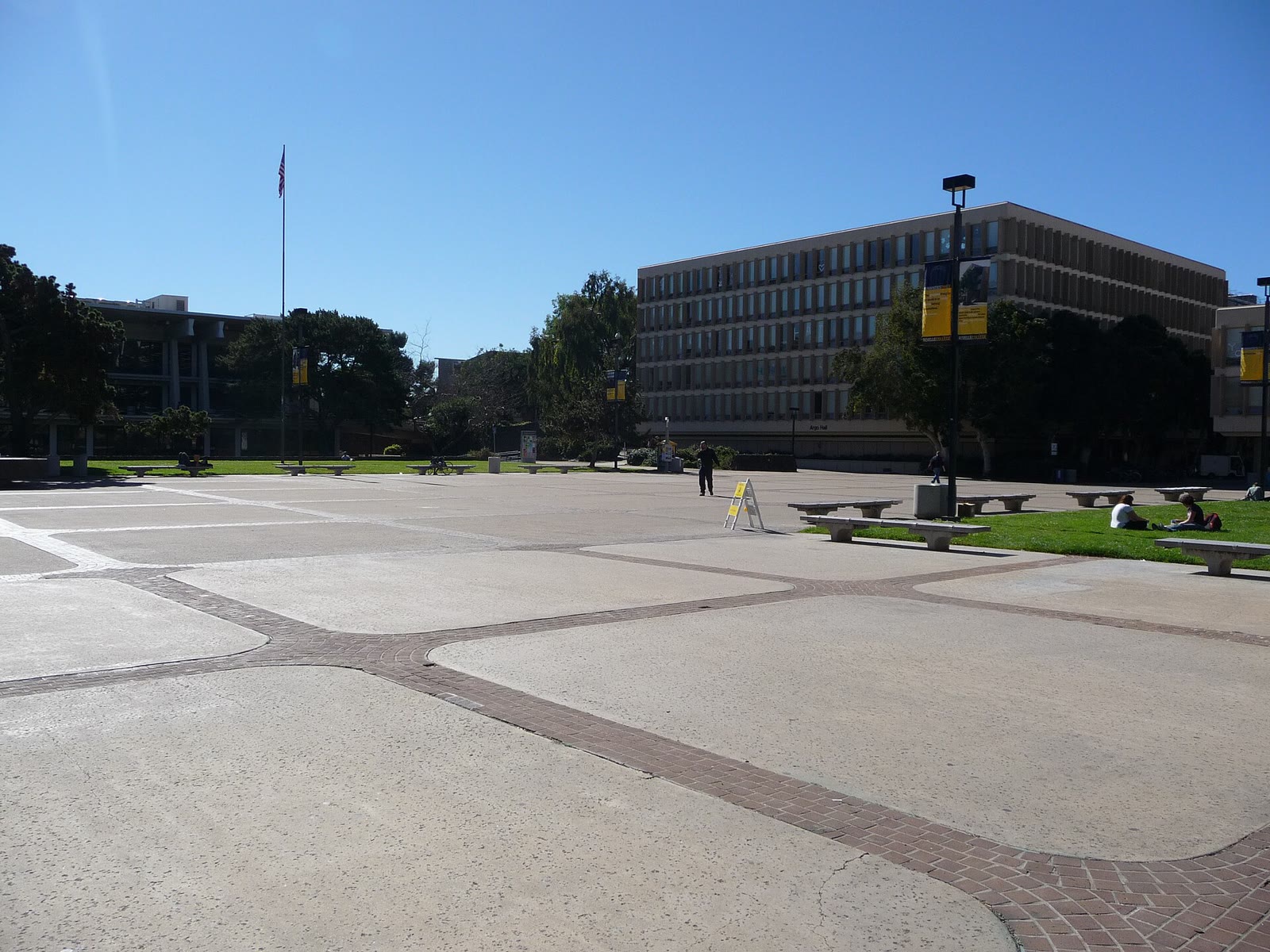
Of 1970 she said in a 1977 interview: “I felt the temper of the times. I felt the tremendous fear.”
Her answer was to withdraw: “I began to retreat. I didn’t want to play concerts. I began to turn inward.” She spent nearly a year on a single note, an A, and took up Tai Chi and, from 1969, Kinetic Awareness with the dancer Elaine Summers.
The Sonic Meditations
Around 1971 Oliveros began meeting weekly with a group of women at her home in Leucadia. “The Sonic Meditation group began at the time the women’s-liberation movement was emerging,” she said in 1977. The group came to call itself the ♀ Ensemble (also written fem-ensemble).
The resulting text scores, the Sonic Meditations, were first printed in the magazine Source in 1971 and published in expanded form as a book in 1974. Kerry O’Brien’s New Yorker essay on the Sonic Meditations tells the group’s story in full.
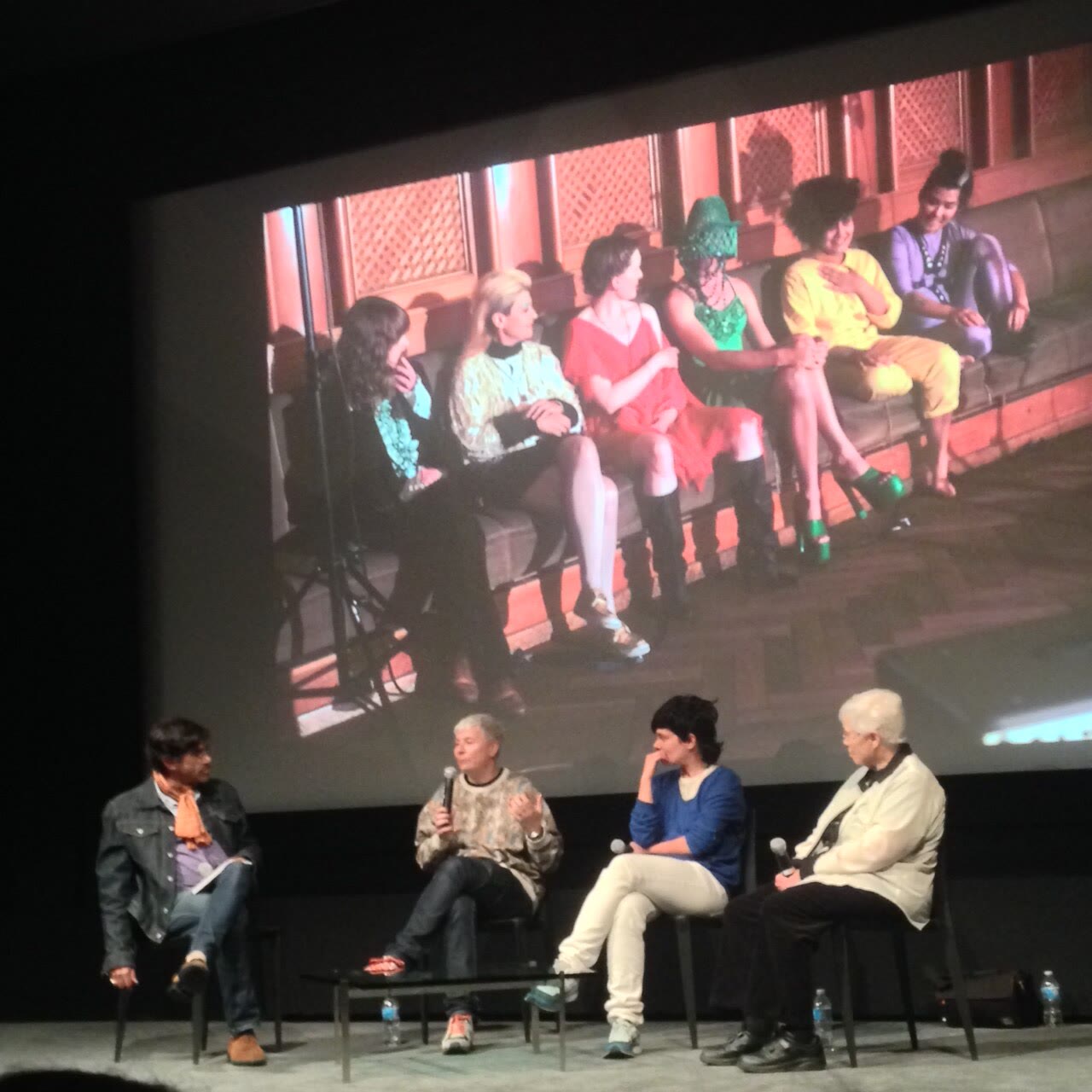
The first score, “Teach Yourself to Fly,” begins: “Any number of persons sit in a circle facing the centre. Illuminate the space with dim blue light.” The New Yorker notes that the group’s breathing can come to “resemble the noise of an airplane taking flight.”
Another is a single instruction: “Take a walk at night. Walk so silently that the bottoms of your feet become ears.” It sits close to the soundwalk, listening on foot without a script, and to field recording and soundscape listening.
In the 1974 book she wrote of herself in the third person: “She attempts to erase the subject/object or performer/audience relationship by returning to ancient forms which preclude spectators.”
Fourteen feet under: the Fort Worden cistern
The name came later. In 1988 Oliveros, the trombonist Stuart Dempster and Panaiotis, with the audio engineer Albert Swanson, recorded in a disused cistern at Fort Worden in Port Townsend, Washington. The American Scholar describes them carrying their instruments “down a 14-foot ladder” into it.

Rensselaer gives the measurements: built in 1907, “The cistern is 186 feet in diameter, made of reinforced concrete, with more pillars per square yard than a skyscraper.” Its sound is the point, with “a long reverberation of 45 seconds at low frequencies.”
The album, Deep Listening, came out on New Albion in 1989, and Rensselaer calls it the “namesake of the concept for which Oliveros is best known today.” The name came from the record; the practice grew from scores she had written since about 1970.
In 2012, for her 80th birthday, Rensselaer’s EMPAC recreated the space with “An electroacoustic system with 32 loudspeakers.” A Bay Area room with a similar aim is the Audium, San Francisco’s theatre of sound.
From a band to an institute
In the 1990s Oliveros began teaching Deep Listening retreats, and the workshops and certification programme were developed with the playwright IONE, her partner, and the movement artist Heloise Gold.
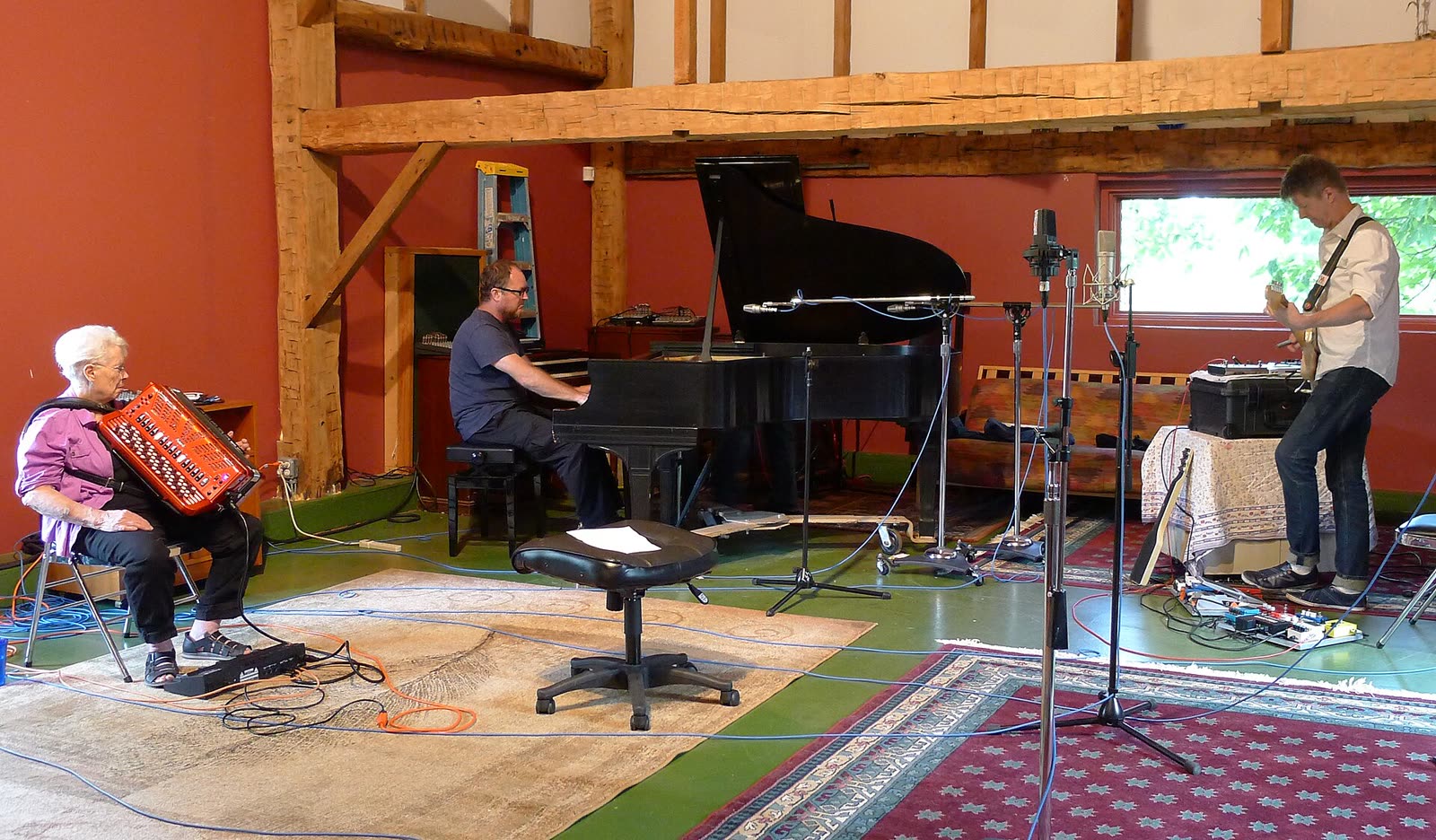
Her foundation became the Deep Listening Institute, which merged with Rensselaer Polytechnic Institute to form the Center for Deep Listening at Rensselaer. Oliveros died on November 24, 2016, at 84.
| Year | Event |
|---|---|
| Late 1960s | Oliveros moves from San Francisco to teach at UC San Diego |
| 1970 | Turns inward; nearly a year on a single note |
| 1971 | Weekly women’s group in Leucadia; Sonic Meditations printed in Source |
| 1974 | Expanded Sonic Meditations published as a book |
| 1988 | Recording in the Fort Worden cistern with Dempster and Panaiotis |
| 1989 | Deep Listening released by New Albion |
| 2012 | Cistern acoustics recreated at EMPAC, Rensselaer |
| 2016 | Oliveros dies, November 24 |
Listening as the audience’s act: a comparison with Antenna Theater
Oliveros wanted forms “which preclude spectators.” Antenna Theater also took the spectator out of the seat. Its audient, the audience member who walks the set, moved through a scene with a personal soundtrack. In High School, Antenna’s first Walkman walk-through (1981), listeners “experienced interactions with environment and actors as if they were ‘inside his head.’”

Chris Hardman described the effect in meditative terms. Speaking to the Philadelphia Inquirer in 1992 about Etiquette of the Undercaste, Antenna’s walk-through of poverty, he said: “A lot of the power is the focus it takes to move through this piece while listening to these voices, and how your mind starts to listen very carefully because you’re alone.” The isolation, he added, built “a sense of … inward meditation.”
The contrast is plain. Deep Listening needs no device and opens the ear to everything. Antenna filled the ear with a composed track that told the listener where to go, and Hardman had bought his first Walkman to fill silence rather than attend to it. No source connects Oliveros and Antenna; the comparison is the Journal’s own.
| Aspect | Deep Listening (Oliveros) | Antenna’s walk-throughs |
|---|---|---|
| What you attend to | Everything that can be heard | A composed soundtrack in headphones |
| Device | None required | Walkman or headset |
| The audience | Forms which preclude spectators | The audient as the main actor |
| The effect described | Expanded consciousness | Inward meditation, in Hardman’s words |
Frequently asked questions
What is the Deep Listening practice?
A practice developed by Pauline Oliveros that explores the difference between involuntary hearing and conscious listening, through listening and sounding exercises, bodywork and group performance.
Where does the name Deep Listening come from?
From Deep Listening, an album recorded in 1988 by Oliveros, Stuart Dempster and Panaiotis in a disused cistern at Fort Worden in Port Townsend, Washington, and released in 1989.
What are the Sonic Meditations?
Short text scores Oliveros developed with a women’s group in Leucadia, California, first printed in Source in 1971 and published as a book in 1974. One asks you to walk at night so silently that the bottoms of your feet become ears.
Who carries on the practice today?
The Center for Deep Listening at Rensselaer in Troy, New York, successor to the Deep Listening Institute that Oliveros founded.
For more on listening and the audience, see Walkmanology and Antenna’s other new theater forms, Complicite’s The Encounter, a play heard through headphones, and the history of pirate radio and low-power FM.