
The History of Drive-In Theaters: From a Camden Lot to the 2020 Comeback
The history of drive-in theaters starts with a businessman, a Kodak projector on the roof of his car and a screen in his New Jersey driveway. Twenty-five years after the first lot opened there were more than 4,000 drive-ins in the United States; by 2024 fewer than 300 were left. In between came in-car speakers, teenage “passion pits,” the VCR and one pandemic summer when drive-ins took most of the country’s box office.
Quick answer
What was the first drive-in movie theater?
The first drive-in opened on June 6, 1933, just outside Camden, New Jersey. Richard Hollingshead Jr. had patented the design that May: rows of ramps that tilted each car upward so its passengers could see over the car ahead. The first feature was a 1932 comedy starring Adolphe Menjou, listed in one encyclopedia as Wife Beware.
A projector on the car: Richard Hollingshead’s driveway
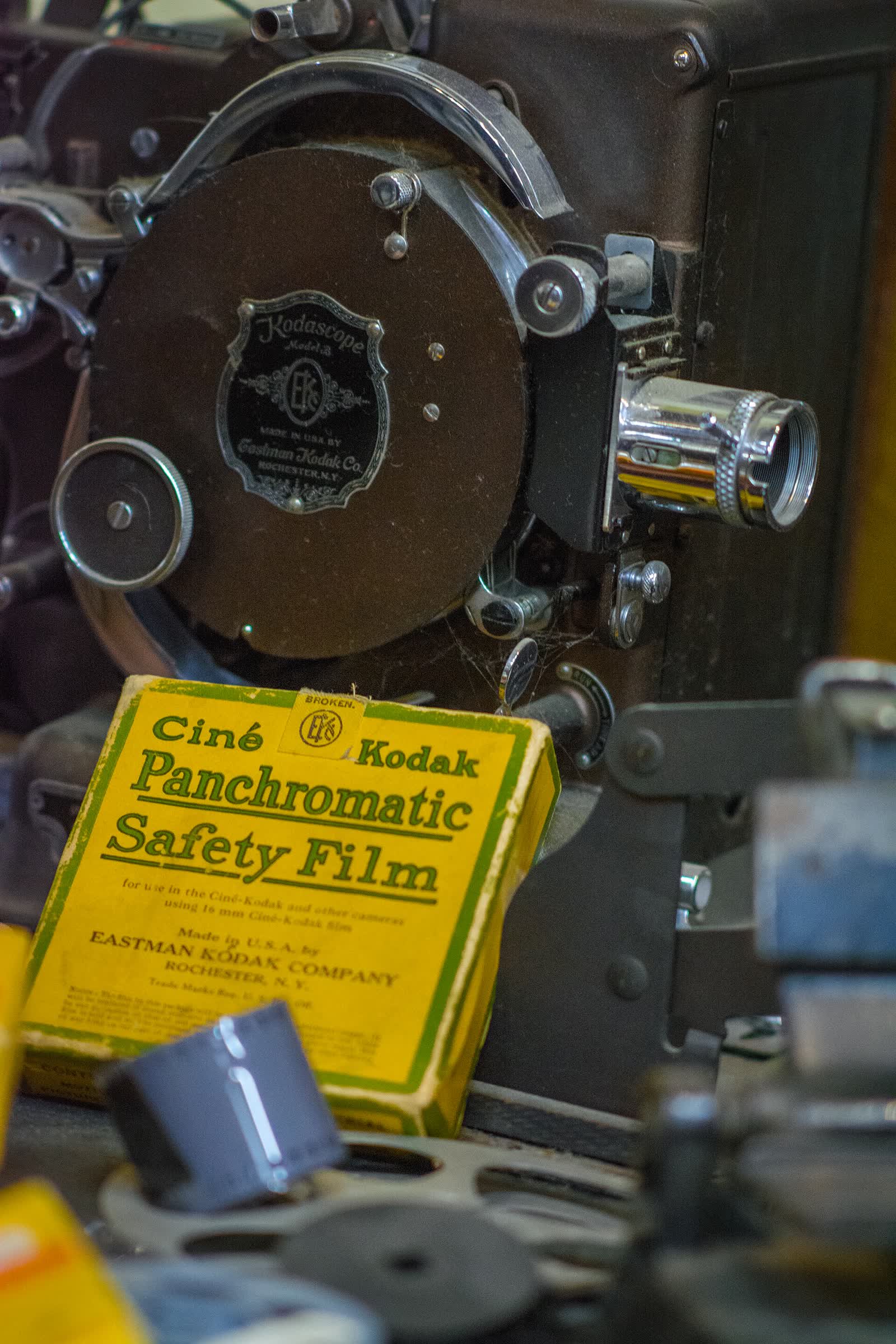
“As early as 1928, Richard Hollingshead, Jr., owner of an auto products business, was experimenting with screening films outdoors,” says the St. James Encyclopedia of Popular Culture’s entry on the drive-in theater. “In the driveway of his New Jersey home he mounted a Kodak projector atop his car and played the image on a nearby screen.”
His patent, US 1,909,537, was filed on August 6, 1932, and granted on May 16, 1933. It claims a theater where a show “may be seen and heard from a series of automobiles” arranged so that “the successive cars behind each other will not obstruct the view.” Each stall was “inclined upwardly at a slight angle,” and the driveways sloped so cars could coast in, “so that interference due to sound of the engine may be minimized.”
June 6, 1933: the first drive-in movie theater

“The first drive-in opened on June 6, 1933, just outside of Camden, New Jersey,” the St. James entry says, and Guinness World Records also names Camden. The feature, it says, “was Wife Beware, a 1932 release starring Adolph Menjou,” though titles vary between accounts.
Richard Hollingshead’s drive-in did not stay his for long. “Around 1935, Richard Hollingshead sold most of his interest in the drive-in,” believing that poor sound and pictures, building costs, a limited choice of films and the weather would keep investors and customers away.
Shankweiler’s and the slow spread

The oldest drive-in still running is Shankweiler’s in Orefield, Pennsylvania, which by Guinness’s account “opened on 15 April 1934.” Wilson Shankweiler had seen the Camden lot on a business trip. Guinness adds a caveat: the earliest newspaper ads date from the summer of 1935, and a “grand opening” was announced in 1937.
The National Trust’s story on Shankweiler’s, America’s oldest drive-in, tells how Hurricane Diane leveled its projection booth and screen in 1955. Paul Geissinger started in the booth in 1971 “for just a couple weeks” and bought the theater with his wife, Susan, in 1984: “That’s basically what Susan and I are: preservationists.” “By 1942 there were 95 drive-ins in over 27 states; Ohio had the most at 11, and the average lot held 400 cars.”
Speakers, playgrounds and passion pits: the 1950s peak

Sound was the early weakness. With three central speakers, “The sound was not only distorted, but also was nearly impossible for the cars in the back rows to hear.” Then “The first in-car speakers were put into production by RCA in 1946,” and “In the late 1940s, drive-ins became more popular than indoor theaters.”
Postwar car culture and the baby boom did the rest: a drive-in was a way “to avoid paying a baby-sitter.” Lots added “playgrounds, baby bottle warmers, fireworks, laundry services, and concession stands,” and the films, often B movies or second runs, were “always incidental to the other forms of attractions.”
The back rows had another use. “Known as ‘passion pits,’ drive-ins became places where kids went to have sex,” with families parked in front and dating teenagers behind them. “Drive-ins peaked in 1958, numbering 4,063.”
Why drive-ins declined
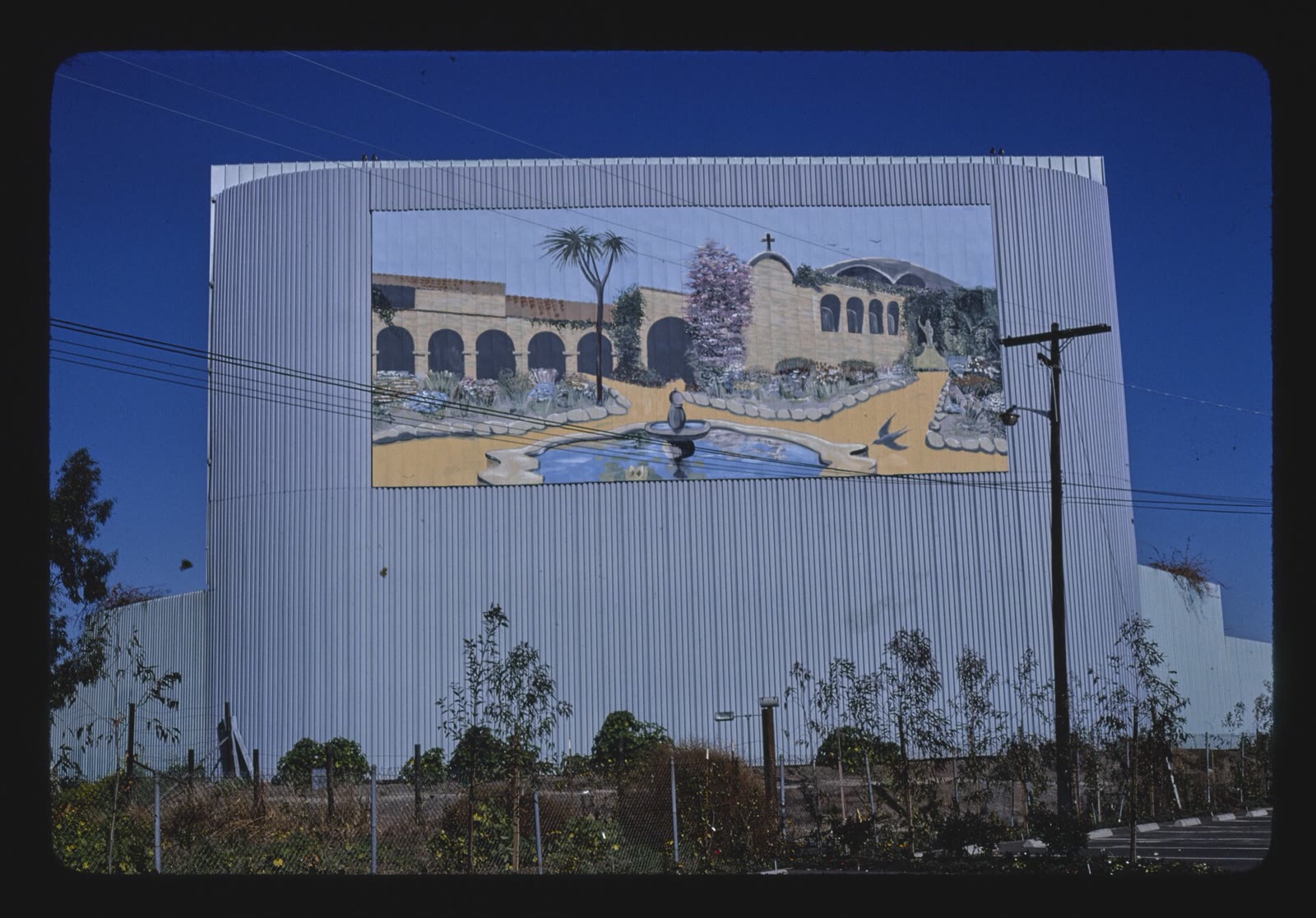
“The drive-in business started to stagnate in the 1960s and began its decline in the 1970s.” Land prices rose, and the lots “took up a lot of space that could be made more profitable with other ventures.” Families could stay home with cable or “their video cassette recorders,” and after the gasoline shortages many drivers bought compact cars, uncomfortable for a double feature.
By 1983 there were “only 2,935 screens.” One drive-in history adds daylight saving time, which pushed first shows close to 10 p.m., and the costly switch to digital projection.
| Force | Rise | Fall |
|---|---|---|
| Cars | Postwar car culture | Compact cars after the gasoline shortages |
| Families | Baby boom: no babysitter needed | Cable TV and VCRs at home |
| Sound and picture | In-car speakers from 1946 | Costly digital projection in the 2000s |
| Land | Room for playgrounds and concessions | Rising land values |
The drive-in theater revival
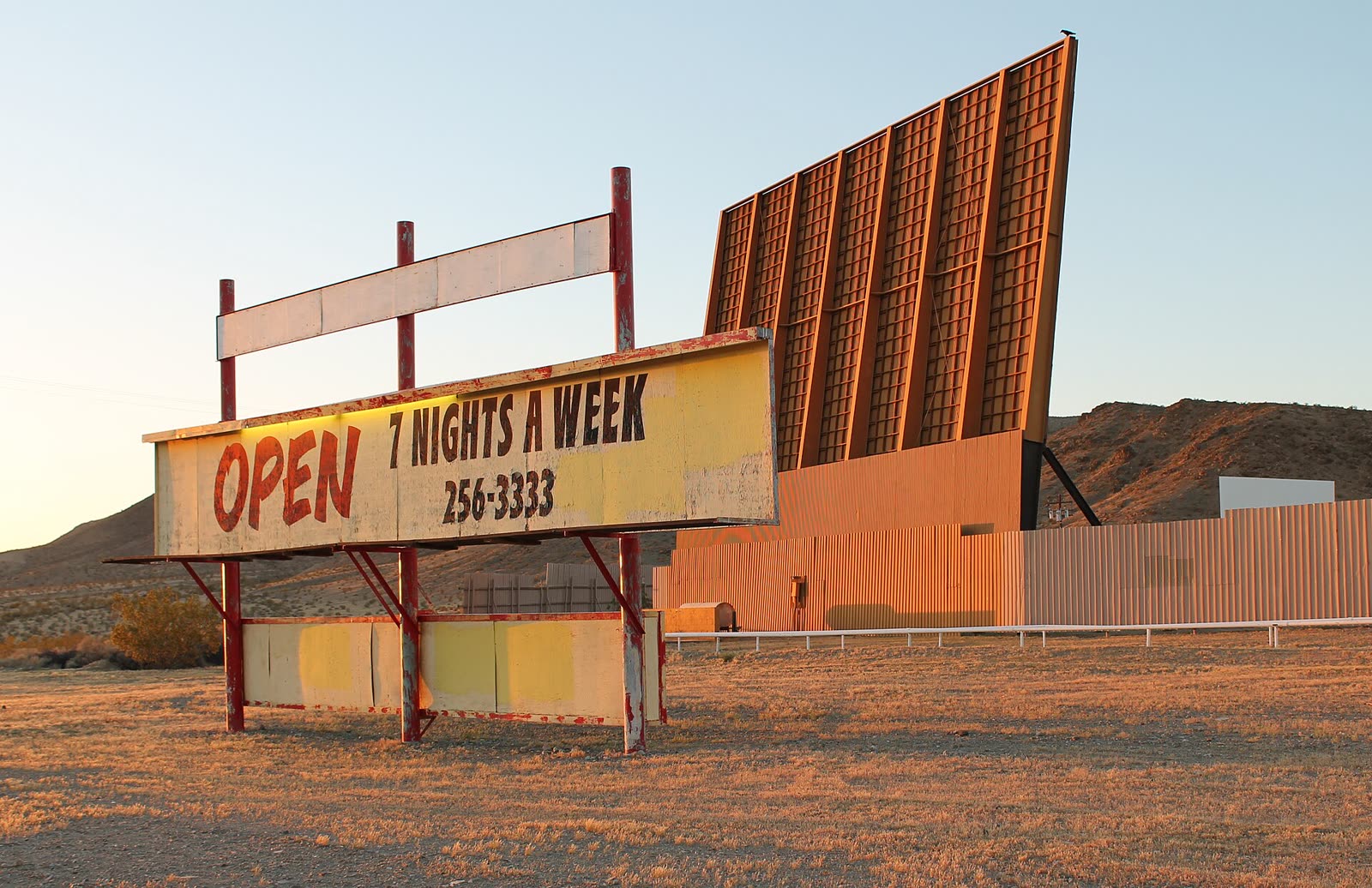
Then came 2020. “From late March through mid-August of 2020, drive-ins generated 85% of box office revenue in the United States, compared to 2.9% during the same time period in 2019, according to Comscore data provided to CNN.” The United Drive-In Theatre Owners Association put it at about 305 in 2019, 318 in 2021 and roughly 283 in 2024, CNN reported in 2025.
In San Francisco, Fort Mason Center billed Fort Mason Flix, launched on September 18, 2020, as “San Francisco’s First Drive-In Movie Theater.” The history of Fort Mason Center covers the piers, and Toronto’s immersive Van Gogh show opened as a drive-in that year (see the history of immersive exhibitions).
| Year | Milestone |
|---|---|
| 1928 | Hollingshead tests films in his driveway |
| 1933 | Patent granted May 16; first drive-in opens near Camden June 6 |
| 1934 | Shankweiler’s opens in Orefield, Pennsylvania |
| 1946 | RCA puts in-car speakers into production |
| 1958 | Peak: 4,063 drive-ins |
| 2020 | Drive-ins earn 85% of US box office, late March to mid-August |
| 2024 | About 283 drive-ins |
The car as auditorium: Antenna Theater’s version
No source links Antenna Theater to any drive-in. What it shares is the car as an auditorium, a private box facing a show. Before Antenna, Chris Hardman’s Snake Theater staged Auto, a 1979 location play at an abandoned Sausalito gas station.
In 1985 Adjusting the Idle, Antenna’s Walkman play about cars, put a drive-in inside the show. Steven Winn of the San Francisco Chronicle wrote that “Some episodes are set on stationary platforms or in mini-theaters; a drunken driver’s arrest, a drive-in movie.” One episode, he wrote, “is set up well, as we rock gently on a bench while a young woman recalls her back-seat sexual experiences.”
Winn also saw what the Walkman added: “The possibilities of enclosing audience members in a private sonic space have been enlarged and exploited.” Later, on Magic Bus, where the bus itself was the theater, riders sat inside the vehicle while screens dropped over the windows. A drive-in seals each car off and points it at one screen; Antenna sealed each listener in sound.
The hub for these forms is Walkmanology and Antenna’s other new theater forms. Earlier in this series is Morton Heilig’s Sensorama, and next is the history of Choose Your Own Adventure books.
Frequently asked questions
When and where did the first drive-in open?
On June 6, 1933, just outside Camden, New Jersey. Richard Hollingshead Jr. built it after patenting the design; the patent was granted on May 16, 1933.
Who invented the drive-in theater?
Richard Hollingshead Jr., who owned an auto products business, tested films on a screen in his New Jersey driveway from 1928 and filed his patent in 1932.
When were drive-ins most popular?
In the 1950s. The number of drive-ins in the United States peaked at 4,063 in 1958.
What is the oldest drive-in still operating?
Shankweiler’s in Orefield, Pennsylvania, which opened on April 15, 1934, according to Guinness World Records, though Guinness notes the first newspaper ads date from 1935.
How many drive-ins are left?
About 283 in 2024, down from about 305 in 2019, according to the United Drive-In Theatre Owners Association, as reported by CNN.