
The History of Choose Your Own Adventure: From a Bedtime Story to 250 Million Books
The history of Choose Your Own Adventure begins with a father who ran out of plot. Edward Packard, a lawyer telling bedtime stories, asked his children what should happen next, and the answers became a book that publishers turned down for years. Once Bantam took it up in 1979, the numbered paperbacks went on to sell more than 250 million copies.
Quick answer
Who invented Choose Your Own Adventure?
Edward Packard, a lawyer turned writer, conceived the format in 1969 with a book he called The Adventures of You on Sugarcane Island. R. A. Montgomery’s Vermont Crossroads Press published it in 1976, and in 1979 Bantam launched the numbered Choose Your Own Adventure series with Packard’s The Cave of Time.
Forking paths before the books
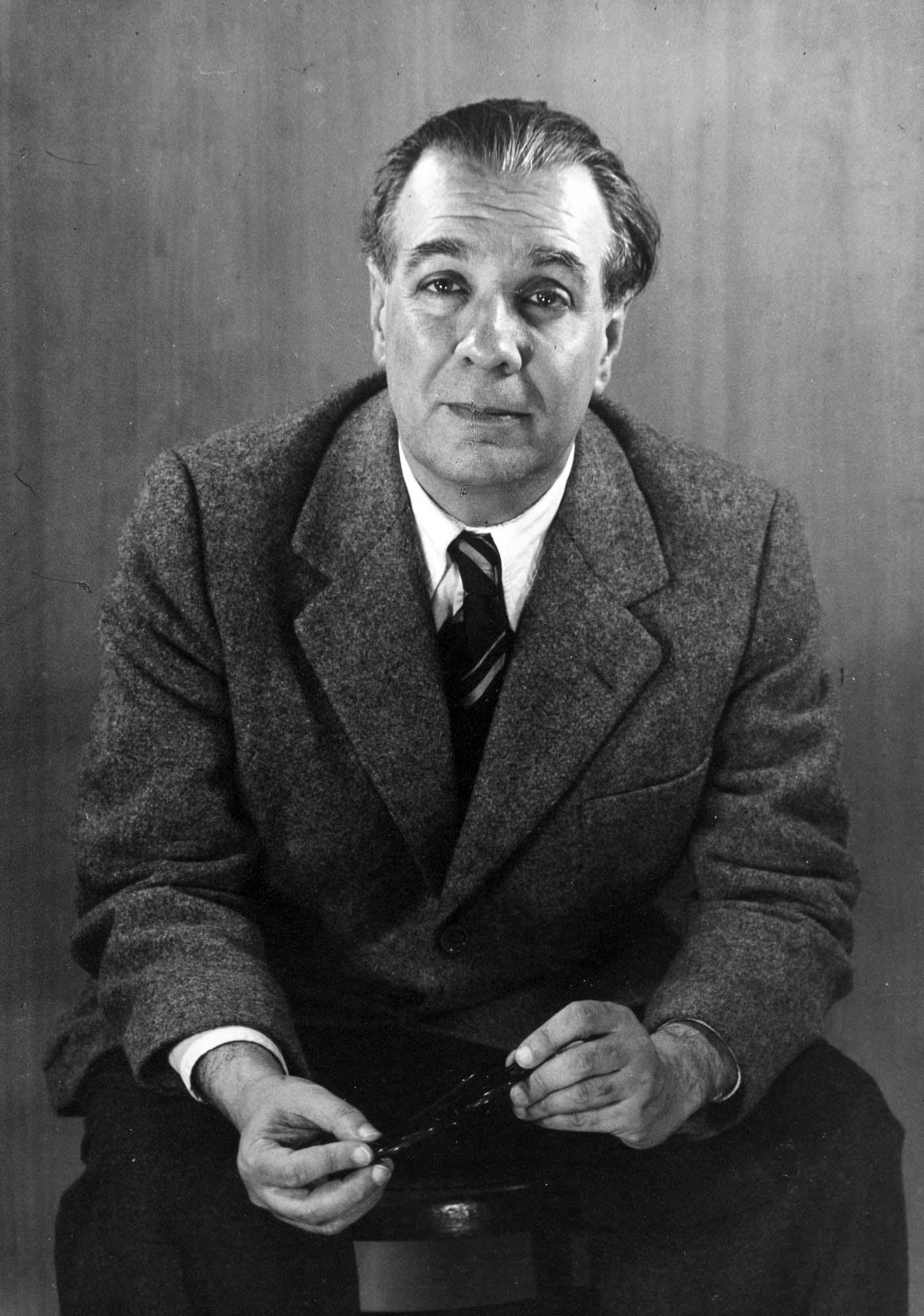
Grady Hendrix’s Slate history of The Cave of Time traces the idea to Jorge Luis Borges, whose 1941 story “The Garden of Forking Paths” imagines “a vastly complex novel that is also a labyrinth wherein every branching path is determined by the reader’s choices.” A plainer ancestor came in 1958 with Doubleday’s TutorText books, essentially multiple-choice quizzes.
Edward Packard’s bedtime stories
Packard was “born in 1931 in Huntington, New York,” and went from Princeton and the Navy to Columbia Law School and a legal career. In 2022 he told The Hollywood Reporter: “I had my two older kids and told them a story about a kid named Pete.” Instead of finishing it, he asked, “What should Pete do next?”
Packard’s own brief history of Choose Your Own Adventure dates the manuscript to 1969: a book “in which you the reader are the star of the story and make choices leading to multiple plots and endings.” The William Morris Agency sent it to several major publishers, “all of whom turn it down.” One rejection complained that “it’s hard enough to get children to read, and you’re just making it harder with all these choices,” and the manuscript “went in the desk drawer.”
Sugarcane Island and Vermont Crossroads Press
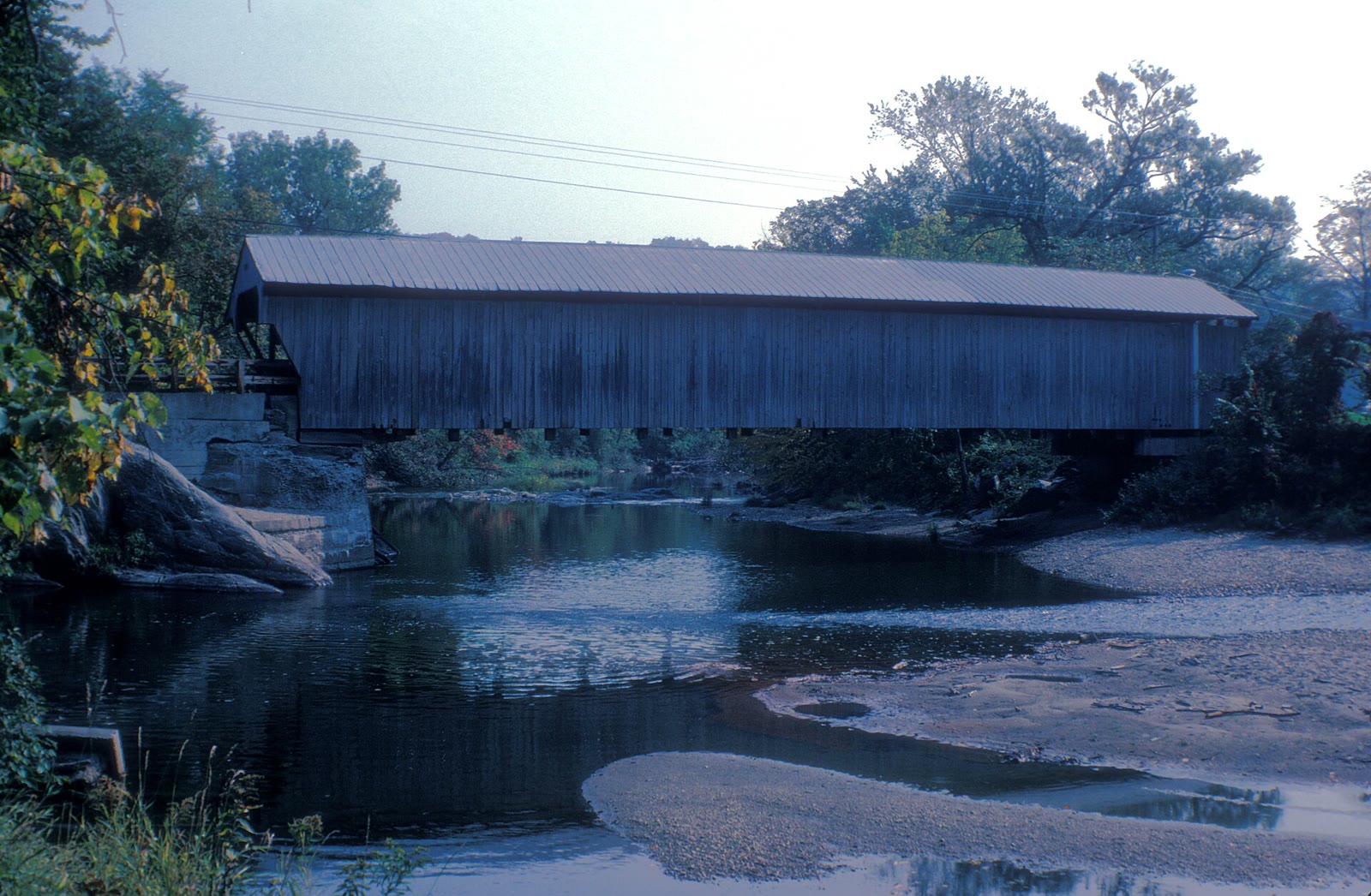
In 1976, Slate reports, Packard saw an ad for Vermont Crossroads Press, run by Raymond Montgomery and his wife, Constance Cappel, “that was looking for innovative children’s books.” Montgomery tested the manuscript: “I Xeroxed 50 copies of Ed’s manuscript and took it to a reading teacher in Stowe,” he told the New York Times in 1981. The pupils, “third grade through junior high,” he said, “couldn’t get enough of it.”
Packard’s timeline puts Sugarcane Island in print in 1976 (Montgomery’s 2014 obituary says 1977), and Publishers Weekly called it “an original idea, well carried out.” In 1978 and 1979 Lippincott published two more Packard books with covers reading “Choose Your Own Adventures in the Wild West” and “Choose Your Own Adventures in Outer Space,” but never registered the phrase.
Bantam, The Cave of Time and the give-away
The agent Amy Berkower took Montgomery’s series to Bantam, where the editor Joëlle Delbourgo said, “Amy, this is revolutionary.” Barbara Marcus, Bantam’s children’s marketing director, turned Lippincott’s covers into the name, and Bantam registered it as a trademark. Accounts differ on how Packard was brought in, but “the first three Choose Your Own Adventure paperbacks arrived in bookstores in July of 1979.”
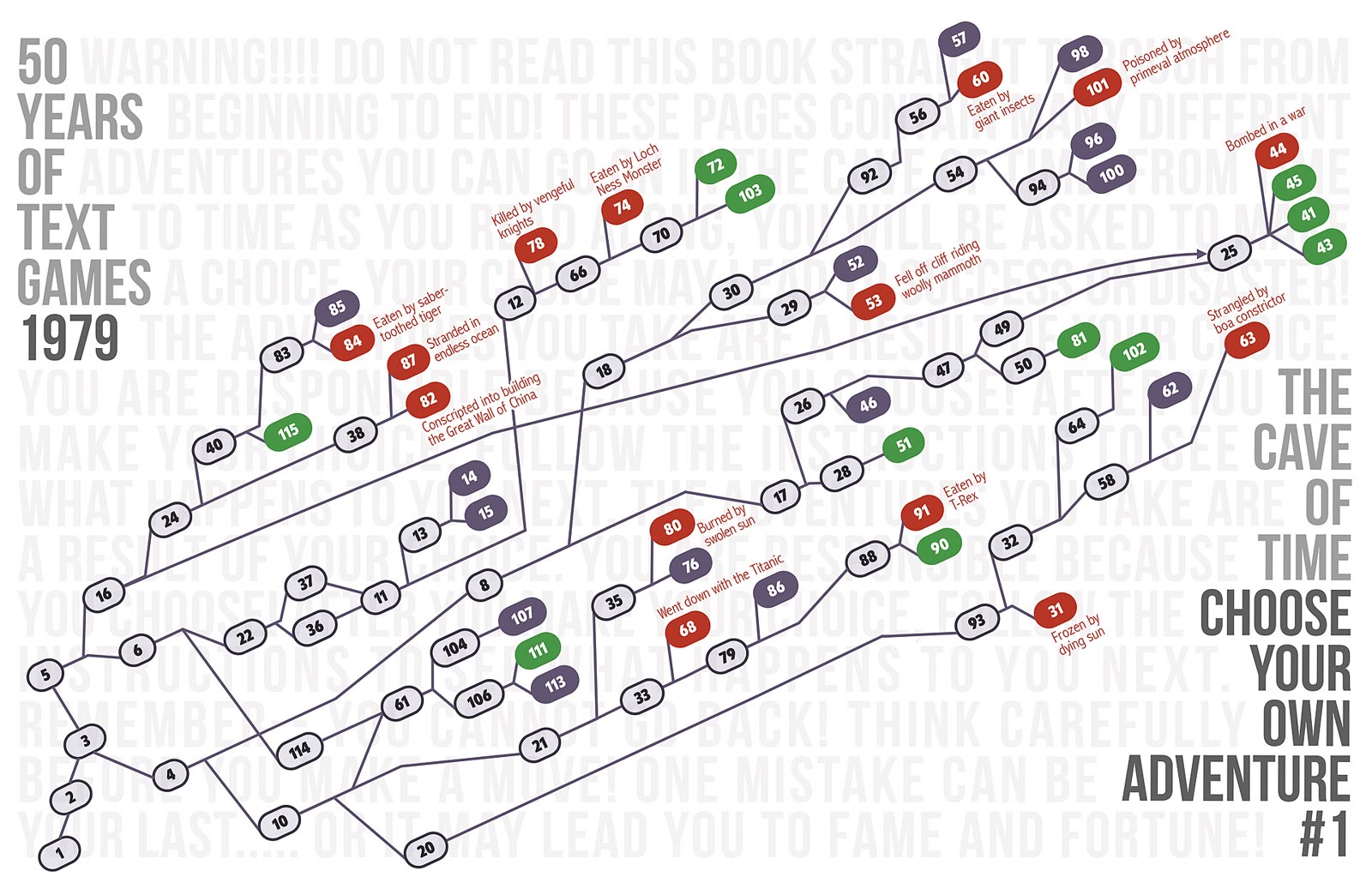
Book No. 1 was The Cave of Time, which opens: “You’ve hiked through Snake Canyon once before while visiting your Uncle Howard at Red Creek Ranch, but you never noticed any cave entrance.” The cave of time book ran to 115 pages with 40 possible endings, and Publishers Weekly reported in 2025 that it “has sold more than 17 million copies since its first appearance.”
Marketing was simple: “We did absolutely nothing except give the books away,” Marcus recalled. Sales passed 1 million by September 1980 and 10 million two years later.
“You” are the hero: how the books worked
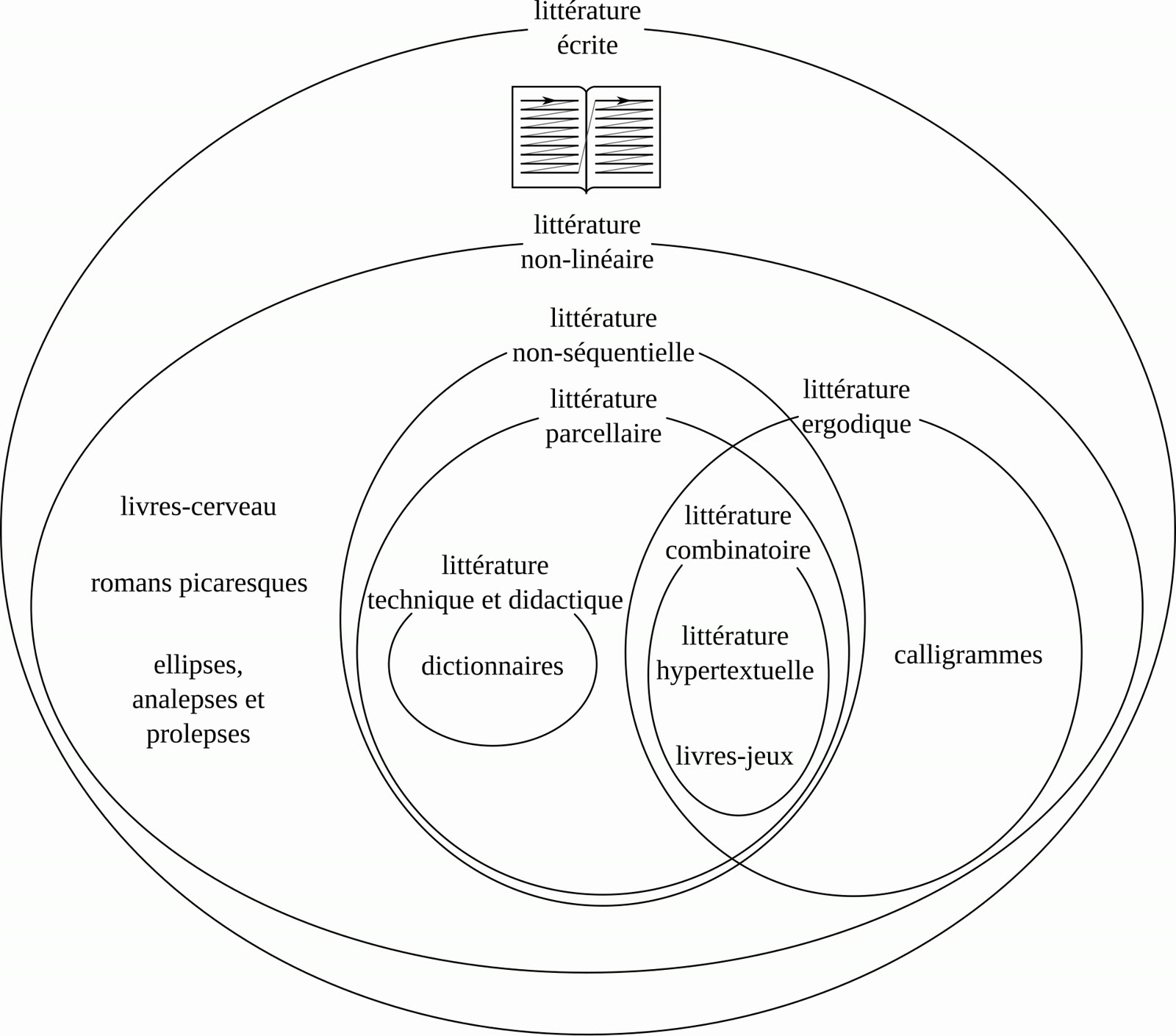
Packard and Montgomery were “in total agreement about the series’ voice: the second-person you.” Montgomery said, “From the outset, we wanted Choose Your Own Adventure books to be non-gender specific.” Packard was “extremely rigorous never to have anyone refer to the reader as ‘he,’” though Bantam, he said, “insisted it be a boy.”
He wanted the choices to feel like life: “I didn’t want it to be a random lottery but I didn’t want it to be didactic so that if you always did the smart thing you always succeeded.” Readers still died a lot; Christian Swinehart, who mapped the books, told Slate that “every choice leads to death, more or less.” His study of 12 books found “a gradual decline in the number of endings,” and grown readers admit keeping “a finger tucked in at the page of your most recent choice.”
Copycats, the end and Chooseco
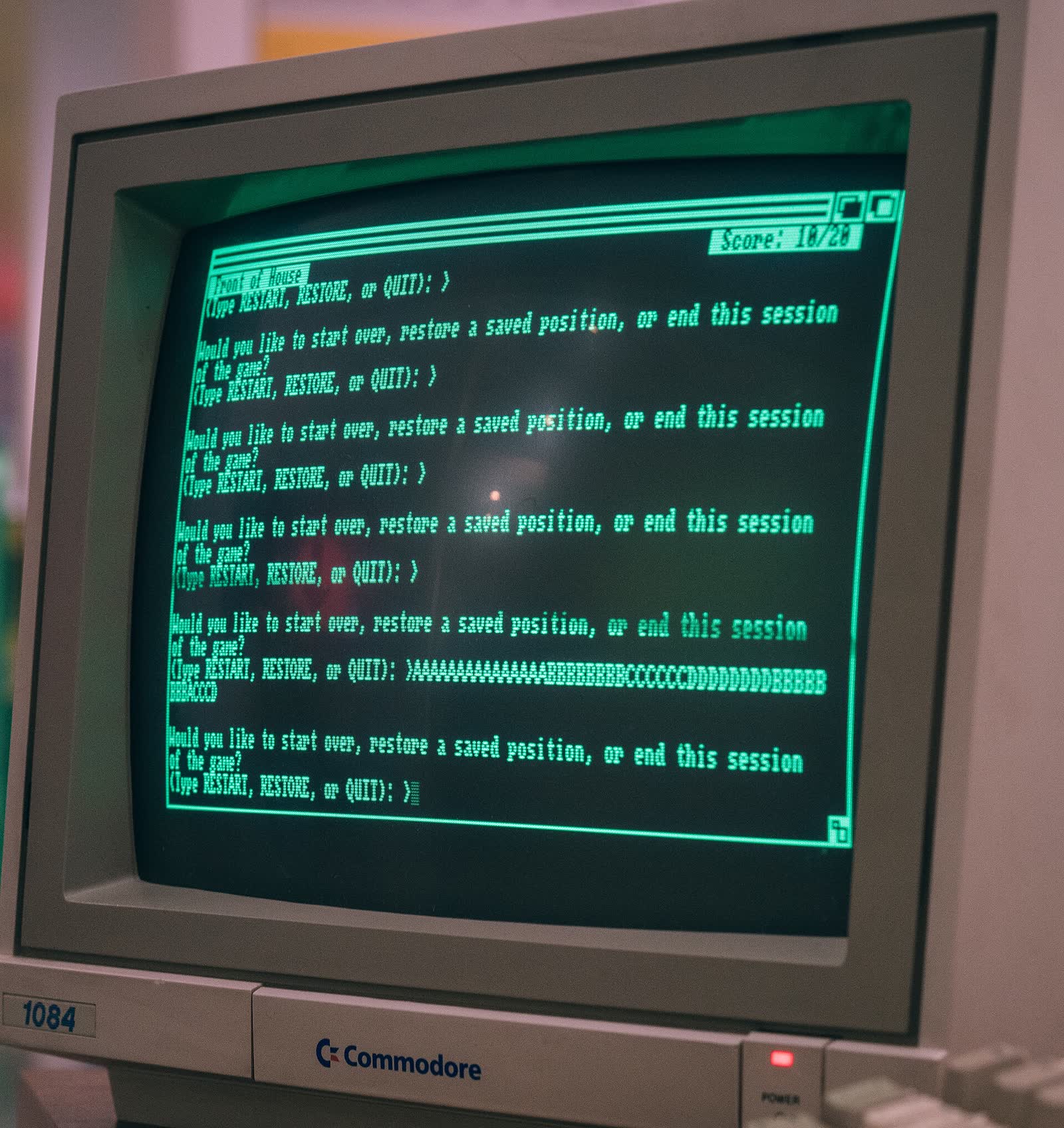
Imitators followed, among them Pick-a-Path, Infocom’s Zork books and, most successful of all, Fighting Fantasy. David Lebling of Zork was unimpressed: “A Choose Your Own Adventure is almost the epitome of not giving you choices.” “By 1987, the decline had begun.”
Slate says publication ceased in 1998; Packard’s timeline and other accounts put the end around 1999. Montgomery and Shannon Gilligan then formed Chooseco in Vermont (2003 by most accounts; Publishers Weekly dates the relaunch to 2006), which registered the abandoned trademark. In December 2024 Packard licensed six of his original books to Chooseco, and The Cave of Time returned to print in August 2025.
| Year | Event |
|---|---|
| 1941 | Borges publishes “The Garden of Forking Paths” |
| 1969 | Packard writes Sugarcane Island; publishers turn it down |
| 1976 | Vermont Crossroads Press publishes it (one obituary says 1977) |
| 1979 | Bantam launches the series in July with The Cave of Time |
| c. 1987 | Decline begins |
| c. 1999 | Bantam ends the series (Slate says 1998) |
| 2003 | Chooseco formed (Publishers Weekly: relaunch in 2006) |
| 2025 | The Cave of Time back in print |
A theatre of “you”: Antenna Theater’s parallel
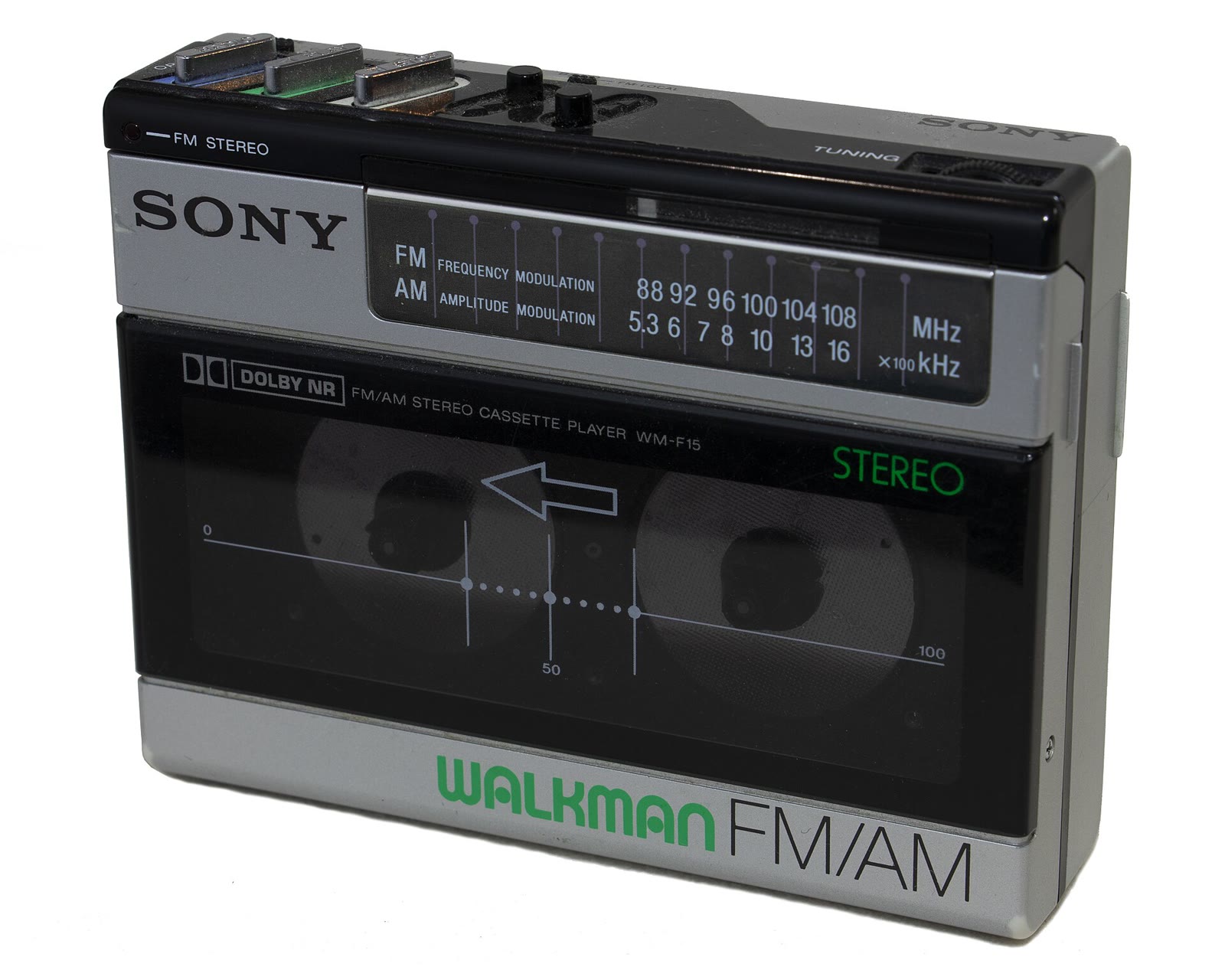
Antenna Theater never wrote a gamebook, and no source connects Chris Hardman to Packard or Montgomery. But in the years the books were selling by the million, Antenna was also speaking to its audience in the second person. Steve Erickson’s 1986 Esquire story on Artery, the Walkman maze Esquire described in the second person, opened like a gamebook: “YOU’VE just found yourself standing in a place where you’ve never been.”
Hardman had written in 1983 that “In Artery each audient was a desperate young man named Jay and was asked to steal the girlfriend’s necklace.” Then he asked: “How many of these non-conformists would have chosen to steal the diamonds had there been alternative tapes/reasons?” Erickson reported that “Hardman has come to this dilemma: how to preserve the audience’s right to make a choice,” and that he was thinking about a play “in which each member of the audience chooses his or her own scenario.”
In 1983 Hardman told The Mexico City News there were “many other possibilities such as allowing the public a sense of choice,” and Amnesia, where four memory paths came in random order, used “five different tapes with 20 participants.” Still, the routes were set, and the branching show he described stayed, in the surviving sources, an idea. For audiences who really do choose, see the history of escape rooms and the history of the labyrinth and the maze.
More forms are in Walkmanology and Antenna’s other new theater forms. This series continues with the history of murder mystery games, after the history of drive-in theaters.
Frequently asked questions
What was the first Choose Your Own Adventure book?
Book No. 1 in the Bantam series was Packard’s The Cave of Time (1979). The format first appeared in his Sugarcane Island, from Vermont Crossroads Press.
How many Choose Your Own Adventure books were sold?
More than 250 million copies across more than 230 titles in more than 40 languages, by the count reported when Montgomery died in 2014.
Why are the books written in the second person?
The authors agreed that the series’ voice should be the second-person you, and Montgomery said they wanted the books to be non-gender specific.
Who owns Choose Your Own Adventure now?
Chooseco, the Vermont company Montgomery founded with Shannon Gilligan, which registered the trademark after Bantam let it go.