
The History of Murder Mystery Games: From Parlour Murder to the Murder Weekend
The history of murder mystery games runs from darkened drawing rooms to a Birmingham suburb and on to country hotels where actors play the suspects. A wartime couple turned a party game into Cluedo; a New York State resort and a Southport hotel turned it back into a party, this time lasting a whole weekend.
Quick answer
Where did murder mystery games come from?
They began with Murder, a parlour game in which guests crept through a darkened house until a victim shrieked. In wartime Birmingham, Anthony and Elva Pratt turned it into a board game that Waddingtons launched as Cluedo in 1949. Hotels revived it live: Mohonk’s Mystery Weekend in 1977 and Joy Swift’s murder weekend in 1981.
Murder in the dark: the parlour game
Before the board there was the game. Anthony Pratt, says the Leeds museum service, “was inspired by the party game Murder! during which guests would roam the house, creeping up on one another in corridors and the victim would shriek and then fall over.” Birmingham’s 2025 announcement adds “the murder mystery role-playing games Anthony saw while working as a pianist at country hotels.”
In the usual version a few players take the parts of victim, murderer and detective, the murder is acted out “usually in the dark,” and the detective asks questions. People who played it as children remember “lots of stumbling over furniture in the dark.”
From Murder! to Cluedo: Kings Heath and Leeds
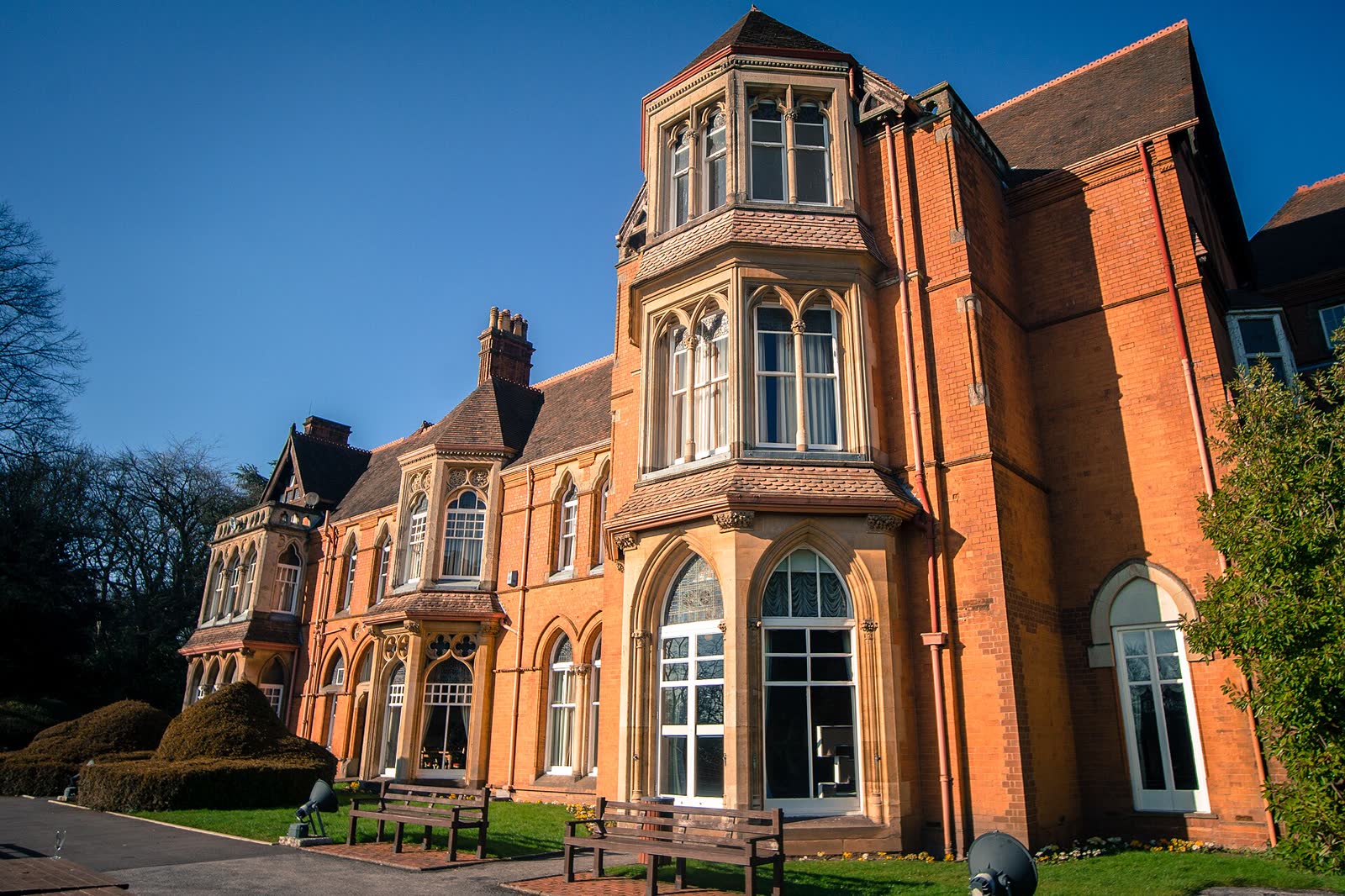
The history of Cluedo begins in Birmingham: “The Pratts invented the game in their Kings Heath home during World War Two.” In a 1990 interview Pratt remembered, “I was leaning on the fence of our Kings Heath home and it dawned on me that this wretched old war was killing the country’s social life.” Elva sketched the board, which some fans say was inspired by nearby Highbury Hall.
In the mid-1940s the Pratts took Murder! to Waddingtons in Leeds (the Leeds account says 1944, the Birmingham Post 1945). There Norman Watson “promptly changed the title to Cluedo: possibly as a play on the name of the game Ludo which means ‘I play’ in Latin.” The first version was “designed for eight players,” subtitled “Murder at Tudor Close,” with suspects such as Nurse White and Mrs Silver and weapons including an axe and a bomb.
Post-war shortages held it back. As Leeds Museums and Galleries’ history of how Waddingtons made Cluedo puts it, “Cluedo had to wait until 1949 before its launch and was simultaneously licensed to Parker Brothers in the United States.” It “has not been out of print since.”
Clue crosses the Atlantic
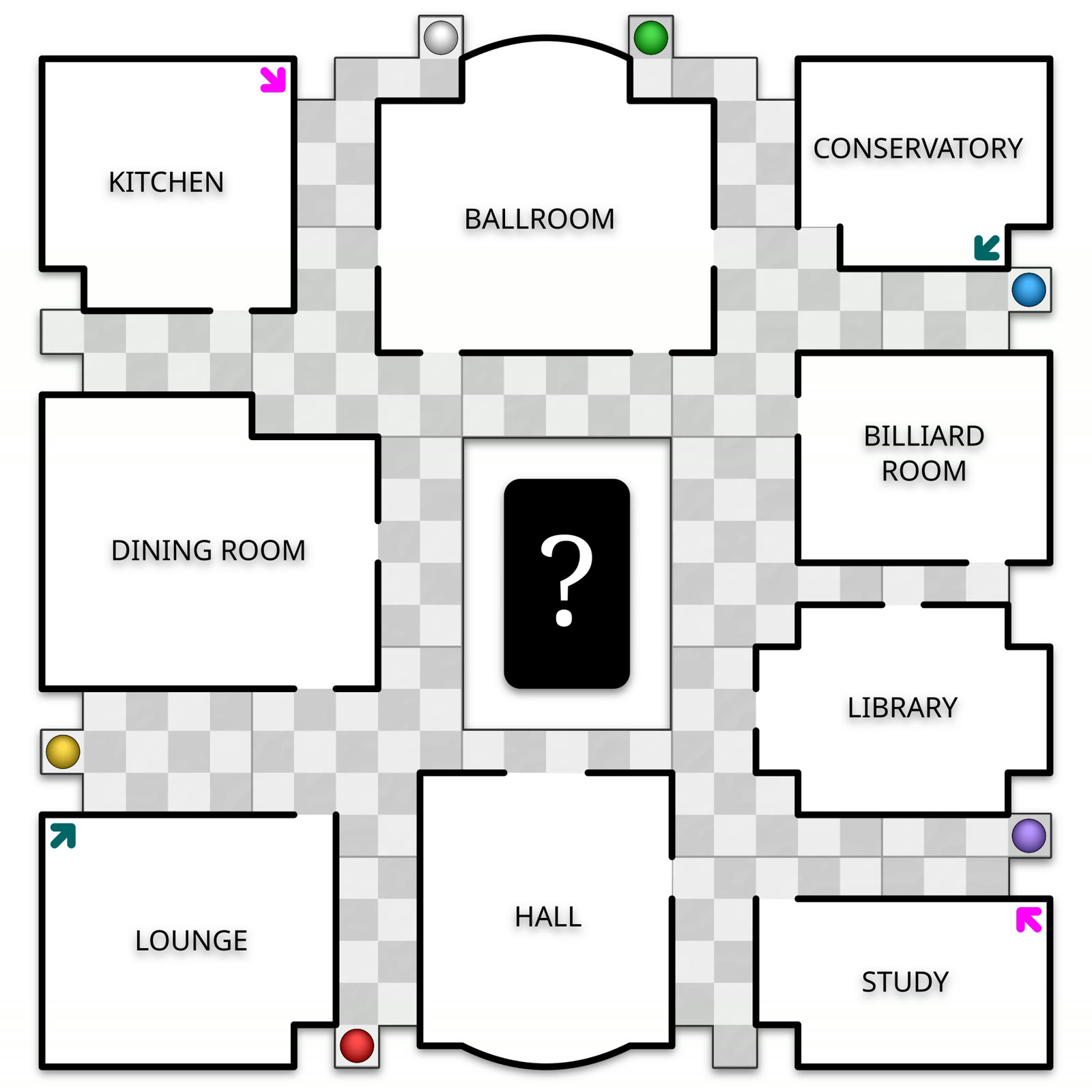
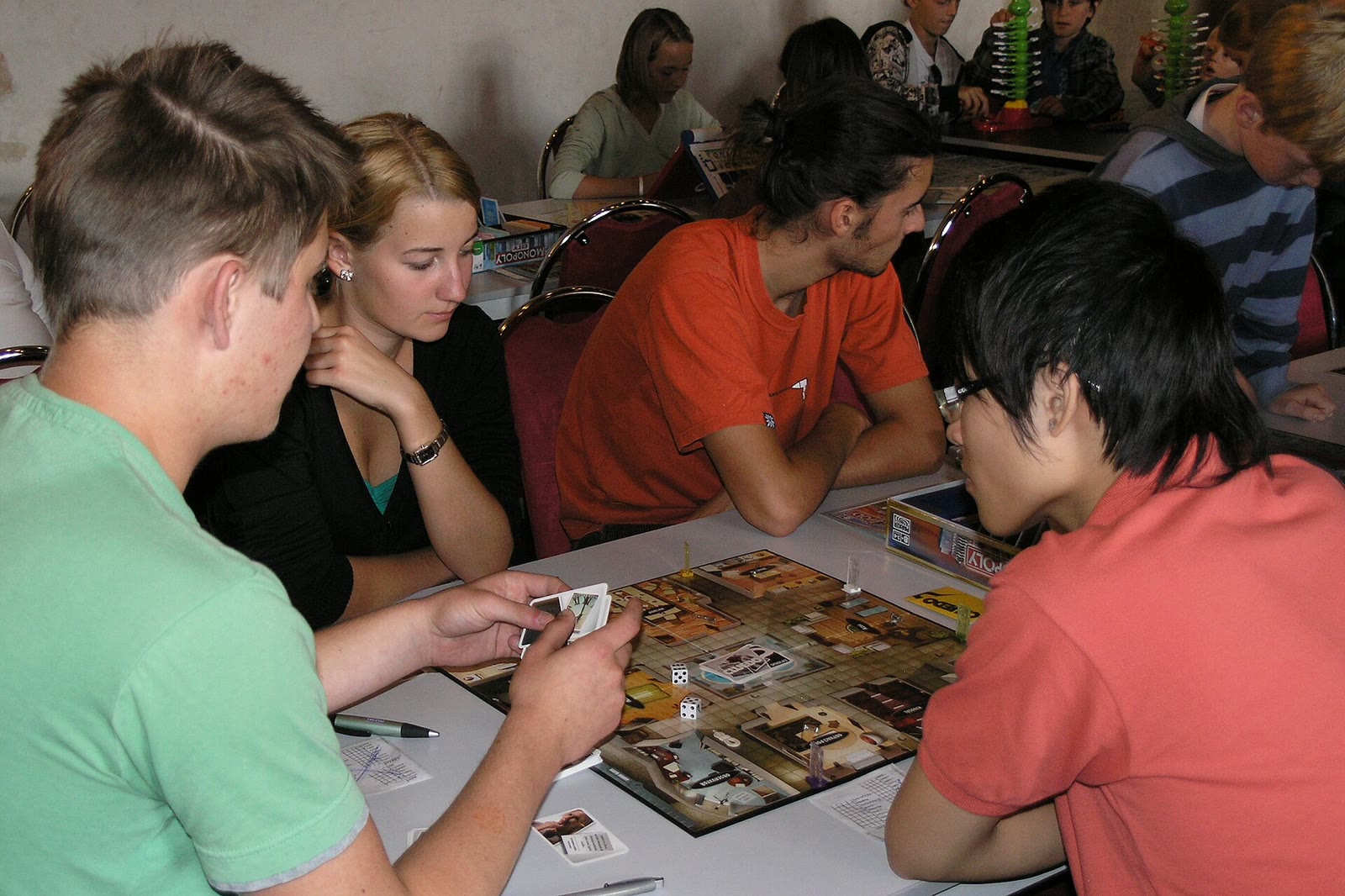
“The North American version was sold under the name Clue and had slight modifications including changing the name of the murder victim to Mr. Boddy.” Players still work out the killer, the weapon and the room “by process of elimination.”
Murder mystery weekend history begins at Mohonk
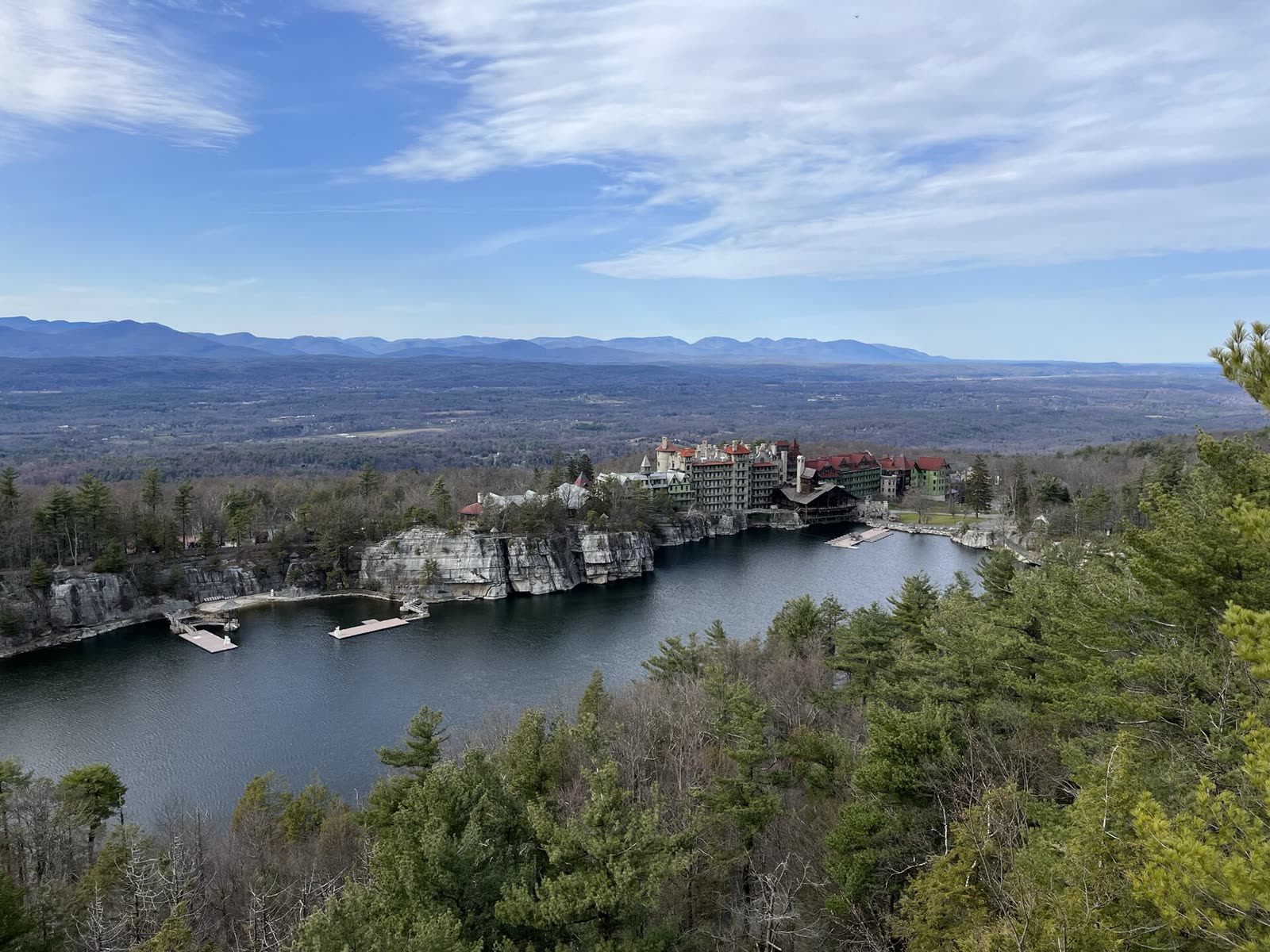
Time Out says Mohonk Mountain House, a resort in New York State, “is widely known as the birthplace of the ‘murder mystery’ getaway concept.” A framed program with “cover art by the famous illustrator Edward Gorey” records “the resort’s first Mystery Weekend in 1977,” developed by its head of marketing with the owner of a Manhattan mystery bookshop.
It was set for “the middle of January” and themed “The Dead of Winter.” The hosts included Gorey and Isaac Asimov. The formula still holds: “guests would arrive, meet the weekend’s suspects, take part in interactive scenes around the resort and find out who committed the murder at the end.”
Joy Swift and the British murder weekend, 1981
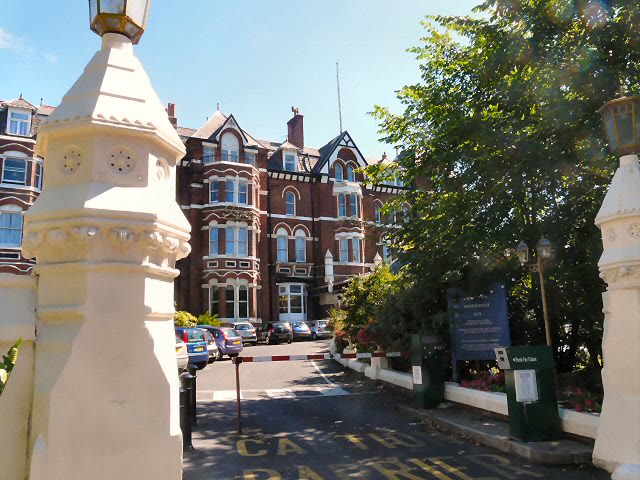
In Britain the name is Joy Swift, who staged her first murder weekend at a Southport hotel at the end of October 1981. Her company says that “Joy presented the very first Murder Weekend in the world on the 31st October 1981 at The Prince of Wales Hotel Southport.” The Yorkshire Post calls her “a devotee of Agatha Christie” who began “while working for a small chain of hotels in Lancashire.” Mohonk’s weekend came four years earlier, so “the very first” is her company’s claim.
Murder mystery dinner theatre and its older root
Dinner theatre has a separate root. The Hanover Tavern Foundation’s history of Barksdale Theatre says that “On August 1, 1953, six actors from New York bought Hanover Tavern. They founded Barksdale Theatre, the nation’s first dinner theater.” They “raised their families upstairs, performed downstairs, and served hearty meals in the historic rooms that fell between.”
No source we found dates the first murder mystery dinner theatre; its formula of actors playing suspects among the guests is the one Mohonk’s weekend set out. For a play that sent its audience through the rooms of a mansion, see Tamara, the play staged in a mansion.
A walk-through parallel: Antenna’s Artery
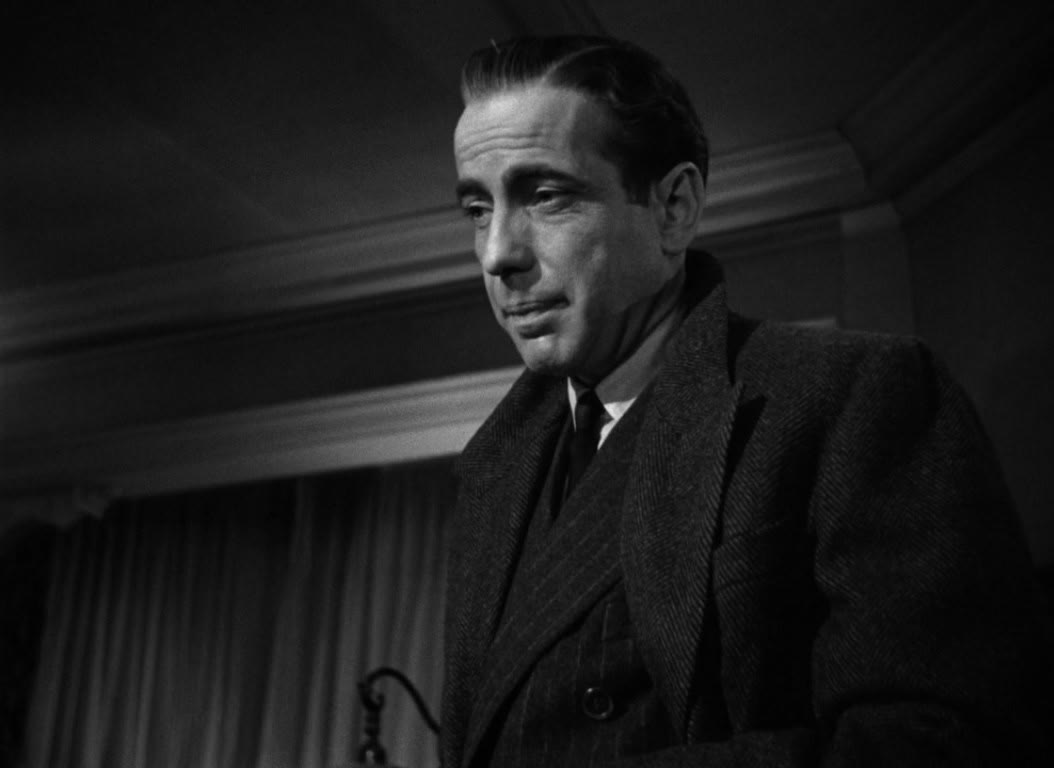
Murder mystery games hand the guest a notebook and ask who did it. In 1982 Antenna Theater handed each visitor a Walkman and made them the one who did it. In Artery, the Walkman maze where each visitor stole the diamonds, Chris Hardman wrote, “Each audient plays an active role in the unfolding drama of crime and romance: breaking and entering, motel fantasy, flight from retribution.”
Artweek’s critic, reviewing Amnesia, Antenna’s next Walkman show, called Artery’s axis “a B-movie murder mystery.” Paul Lenti heard “an almost ’40s-cinema noir inner dialogue. It is like a Bogart film seen from the inside.” The Los Angeles Times saw “a detective story experienced through the added suspense of a man about to have a heart attack.”
The San Diego Reader, on the revival, wrote: “During that time you are a detective, finding out about Jay, and a thief.” If you follow the leads, it said, “you can feel stealth, puzzlement, claustrophobia, criminal paranoia, and maybe the sense of getting away with something.” Two years after Artery, Fairplay, where visitors could play Sam Spade, walked them through an abbreviated Maltese Falcon.
| Format | Who solves | Who performs |
|---|---|---|
| Parlour game Murder | A guest named detective | The guests, in a dark house |
| Cluedo | Every player, by elimination | Nobody: tokens on a board |
| Murder weekend | The guests | Actors as suspects |
| Artery (1982) | Nobody: no solution to find | The visitor, as the criminal |
No source links Antenna to Cluedo, Mohonk or Joy Swift; the press compared Artery to film noir. For puzzles the visitor must solve, see the history of escape rooms; for branching stories, the history of Choose Your Own Adventure. The hub is Walkmanology and Antenna’s other new theater forms.
Milestones in murder mystery games
| Year | Milestone |
|---|---|
| 1944-45 | The Pratts take Murder! to Waddingtons in Leeds |
| 1949 | Cluedo launched; Clue licensed to Parker Brothers |
| 1953 | Barksdale Theatre opens at Hanover Tavern, Virginia |
| 1977 | First Mystery Weekend at Mohonk Mountain House, in January |
| 1981 | Joy Swift’s first murder weekend, Southport, in October |
| 1982 | Antenna’s Artery: a noir story walked alone with a Walkman |
| 2025 | The Pratts’ daughter deposits Cluedo papers in Birmingham |
In November 2025 Marcia Lewis, “daughter of the game’s creators, Anthony and Elva Pratt,” deposited games, photos and letters with Birmingham Archives and Birmingham Museum and Art Gallery, as MS 5201. “Cluedo only exists because of Birmingham,” she said.
Frequently asked questions
Who invented Cluedo?
Anthony Pratt of Birmingham, with his wife Elva, during the Second World War. Waddingtons of Leeds launched it in 1949.
What was Cluedo originally called?
Murder! The first version was designed for eight players and subtitled Murder at Tudor Close.
Why is Cluedo called Clue in America?
Parker Brothers licensed the game in 1949 and sold it in North America as Clue, renaming the victim Mr. Boddy.
Where was the first murder mystery weekend?
Mohonk Mountain House in New York State ran its first Mystery Weekend in January 1977. In Britain, Joy Swift’s first murder weekend was held in Southport in October 1981.
What was the first dinner theatre?
Barksdale Theatre, founded at Hanover Tavern in Virginia in 1953, is described by the tavern’s foundation as the nation’s first dinner theater.