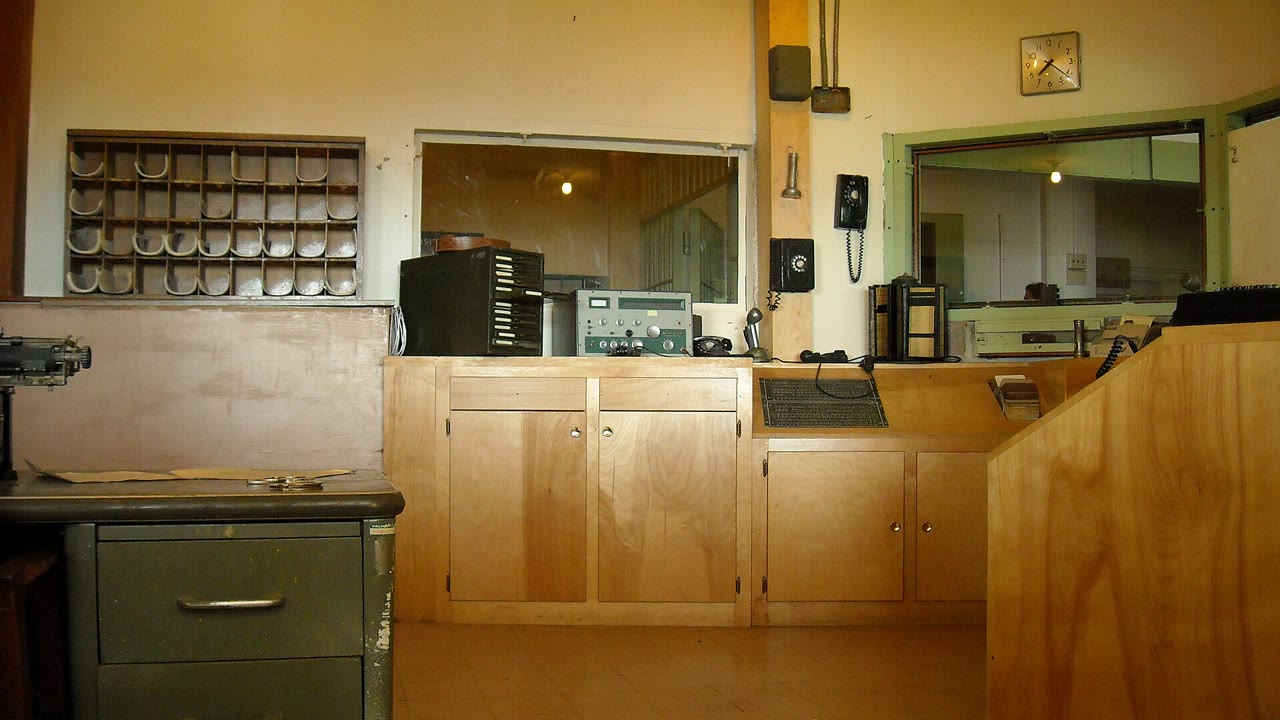
Alcatraz Audio Tour History: The Voices Behind the Cellhouse Tour
Since 1987, visitors to Alcatraz have walked the cellhouse with the voices of former officers and inmates in their ears. This is the Alcatraz audio tour history in one place: the ranger tours it replaced, the pitch, the voices, the cuts, the changes and the critics. It began with Chris Hardman and Chris Tellis of Antenna Theater.
Quick answer
What is the history of the Alcatraz audio tour?
The Alcatraz cellhouse audio tour opened in 1987, created by Chris Hardman and Chris Tellis of Antenna Theater for the National Park Service. Its rule was that every voice belongs to someone who lived on the island. It was later revised as “Doing Time”, updated in 2007 and moved from cassette to a handheld player.
Before the tape: ranger boats and a ready-made script
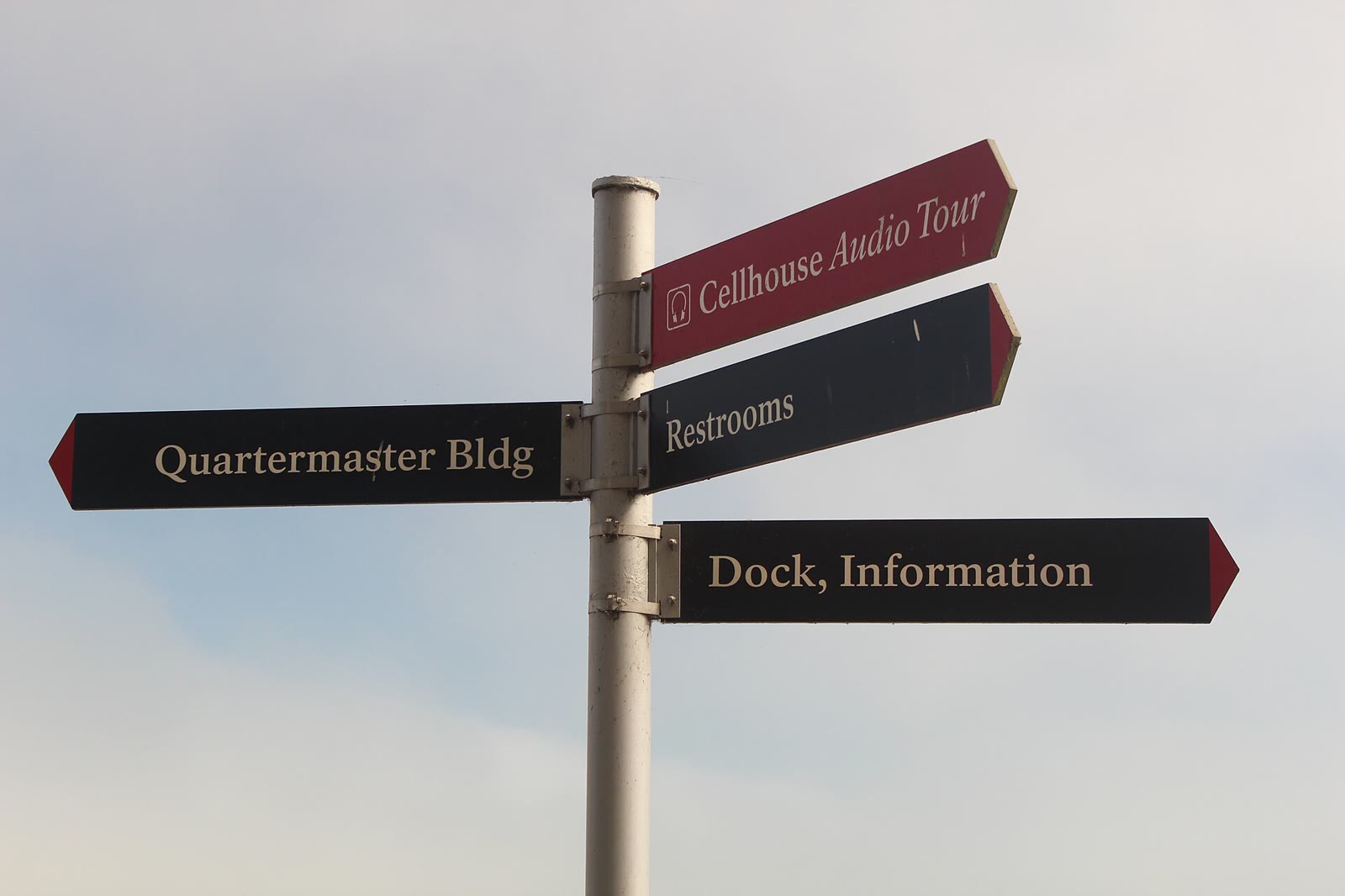
In the mid-1980s you saw Alcatraz with a ranger. Elizabeth Boling’s 2014 design case study of the Alcatraz cellhouse tour records the problem: “Boat tours of 150 visitors at a time taking two and a half hours, each conducted by a regular or seasonal ranger, were neither as compelling nor as affordable as they needed to be.”
So “the NPS called for proposals to develop an audio tour for use in the cell house, the central attraction of the site.” The words were already written. Boling explains that “a traditional script had been written and they were simply looking for a contractor to produce it.”
The pitch: a former inmate’s voice
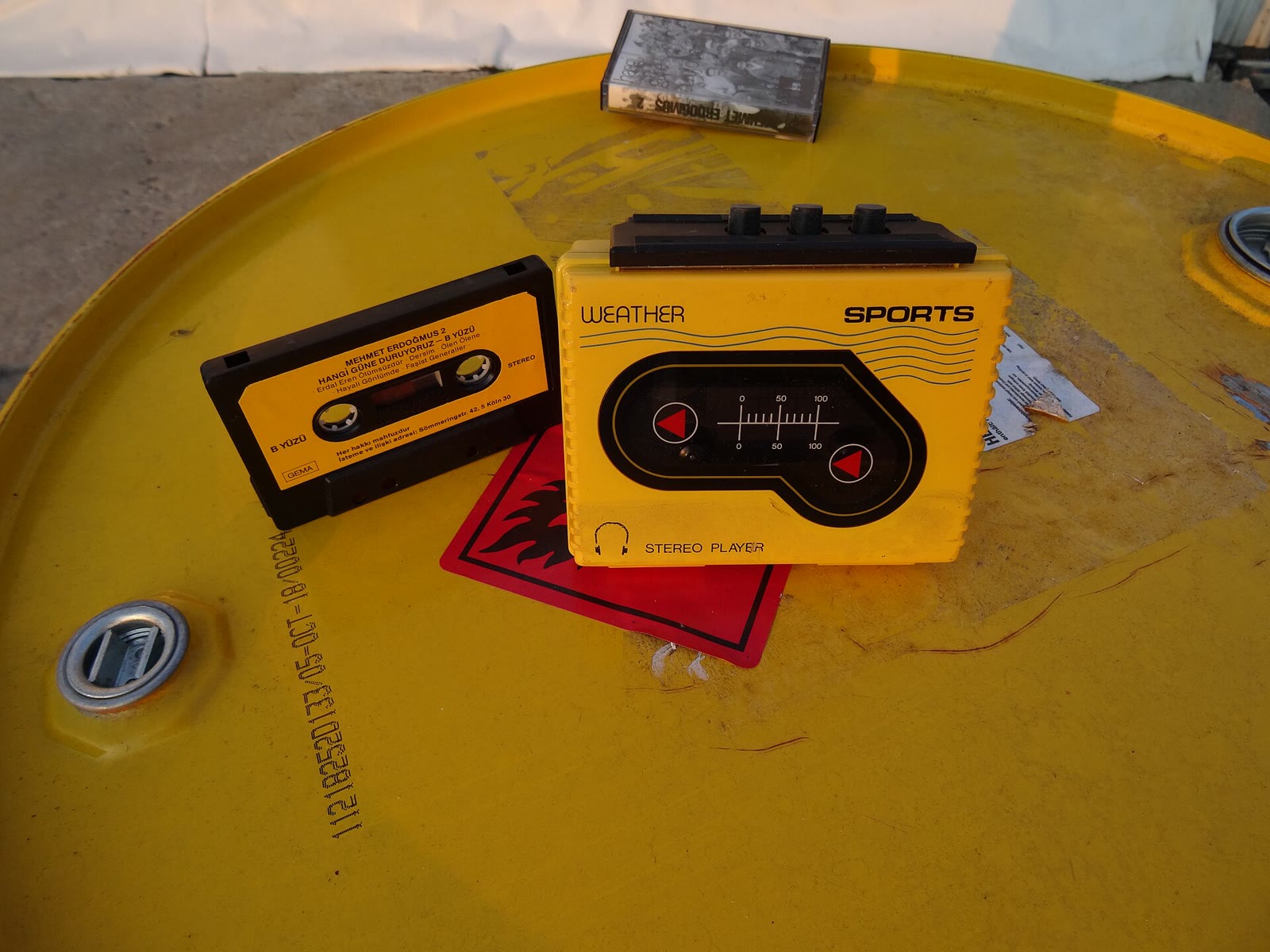
Hardman did not pitch the script. According to Boling, he “played them some audio from another project, including a clip from an actual previous inmate of Alcatraz.” It worked: “they took a chance and contracted for a tour on the model of Chris’s vision.” Nicki Phelps joined “from a different company, also a bidder, as project manager”.
Tellis told Robert Hurwitt of the San Francisco Examiner in 1987 that “The park service resisted the idea a little bit at first”, but the result felt different: “It’s as if the people who’d been there had taken it back again.”
Antenna’s board page dates the start to 1984, but Hurwitt says that year’s tape was of the SS Jeremiah O’Brien. Boling and the Associated Press agree that the cellhouse tour launched in 1987.
Who you hear on the Alcatraz cellhouse audio tour
Hurwitt wrote that the 1987 tape “begins with a welcome from Thomas Donoghue, a former guard on the island.” Boling, who took the tour in 1989, spells him Donahue and says he “begins by directing you quietly to the physical location where the tour will begin”. Then, in Hurwitt’s words, “Rapidly other voices are introduced: Philip Bergen, former captain of the guards, other guards, former inmates.”
| Name | Role at Alcatraz | Where named |
|---|---|---|
| Thomas Donoghue (Donahue) | Former officer who opens and closes the tour | 1987 tape (Hurwitt); 1989 tape (Boling) |
| Philip (Phillip) Bergen | Captain of the guards | 1987 tape; 2007 tour (AP) |
| Jim (James) Quillen | Former inmate, later a volunteer | 1989 tape; 2007 tour (NPR) |
| Darwin Coon | Former inmate, No. 1422 | 2007 tour (AP, NPR) |
| George DeVincenzi | Guard from 1950 | NPR’s 2007 report on the new tour |
| Ron Battles | Former guard, tour contributor | 2007 (AP) |
Jim Quillen first entered Alcatraz at 22, later volunteered on the island retelling his story for the tour, and died in 1998, according to his publisher. He also said: “The tourists see the architecture, the history, all I see are ghosts.”
Today a review by Audio Trails counts “4 former officers and 4 former inmates”, each with an image and a short bio fixed to a cell.
What the 1987 tape told, and what it left out
Kelly, Stroud, Capone and a party on the wind
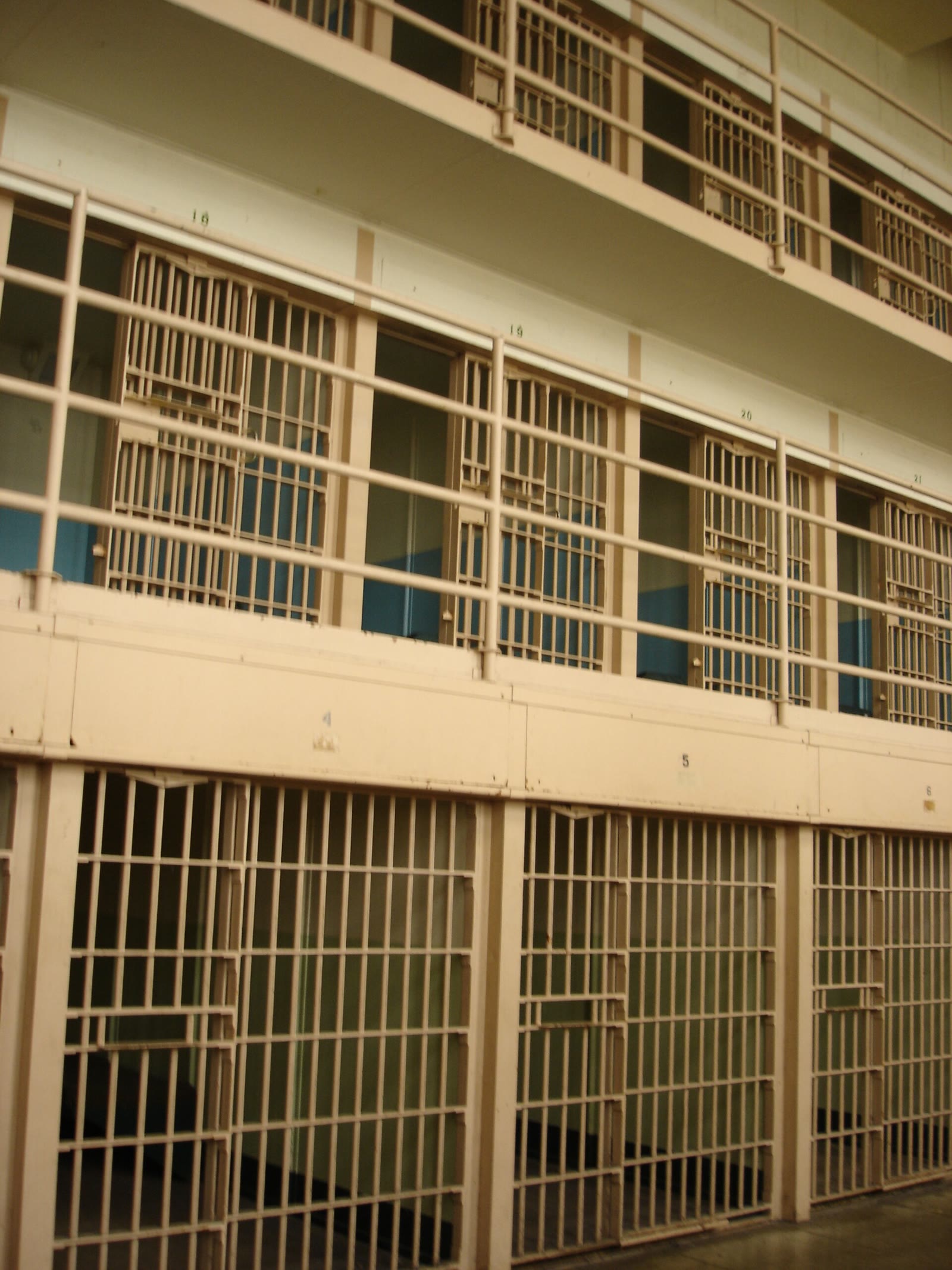
Hurwitt heard the voices “reminisce about ‘Machine Gun’ Kelly (one says he was a great storyteller; another calls him a bore) and the ‘Birdman of Alcatraz,’ Robert Stroud”. Al Capone got less: “the voices only mention him in passing.”
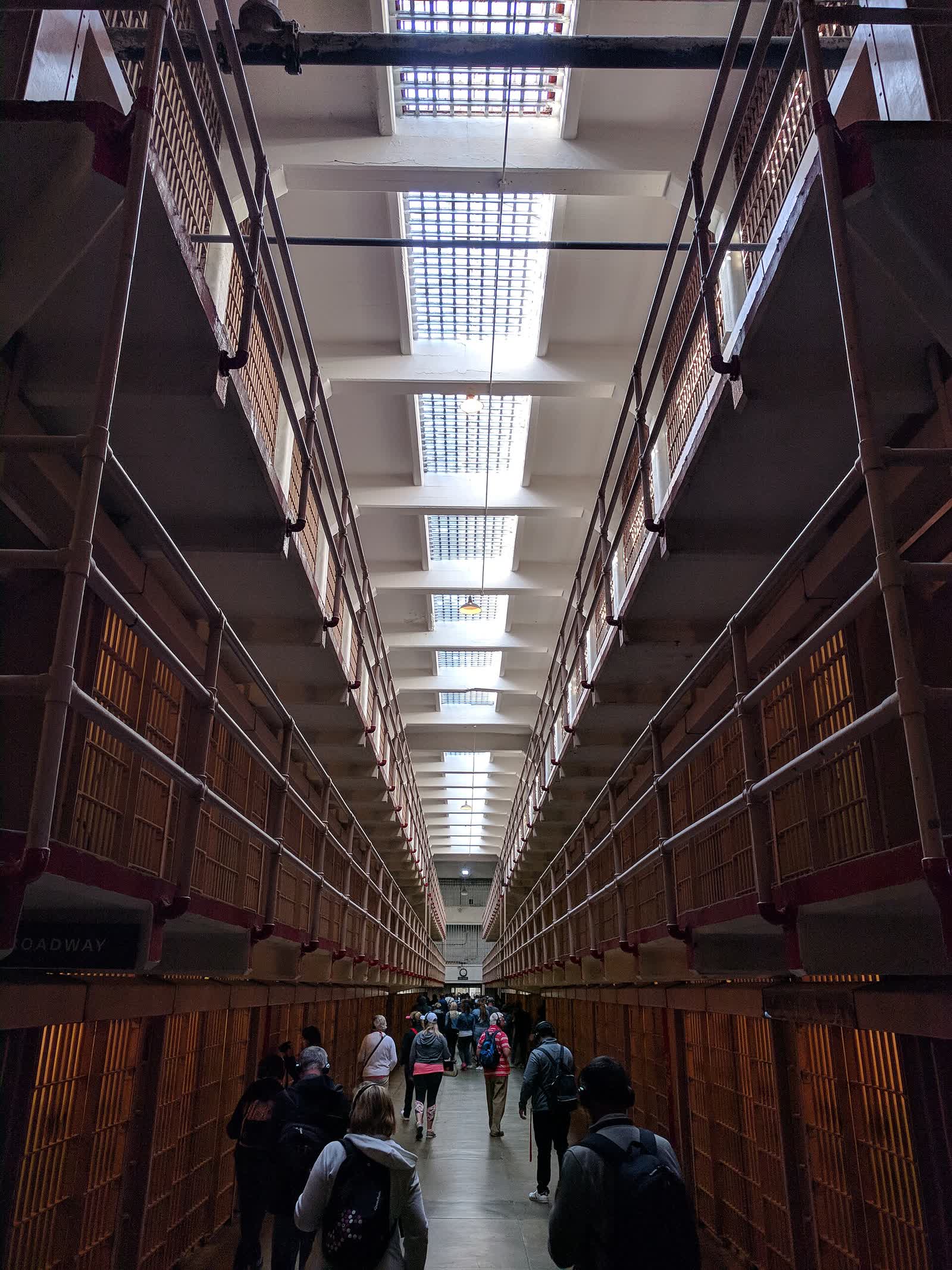
Daily life filled the rest: “the rules, devices to pass time in solitary, the loneliness of hearing the music and chatter of the Yacht Club’s annual New Year’s Eve party carried on the wind”. At intake, “a former prisoner describes being stripped, booked and led naked down ‘Broadway’ to his cell.” Hardman explained the aim: “Part of the fun of making the tapes,” he told Hurwitt, “is getting it so you can’t tell what’s on the tape and what’s coming from outside.”
Stories cut, a segment pulled, bootleg cassettes
Boling records that “some compelling but potentially distressing stories gathered on tape from former residents of the island were left out”, partly “because the tour was intended for park visitors that included those as young as eight or nine years old.”
Within the first couple of months a whole segment was removed. Visitors sent up to the second floor infirmary, out of sight of rangers, “were getting lost, scribbling graffiti on the walls and potentially being exposed to asbestos”. The case study sums it up: “a nightmare!”
Other problems were stranger. One group arrived following an old script: a previous visitor “had bootlegged copies of the first tour cassette and distributed them to this group in advance of their trip.”
Alcatraz audio tour history after 1987
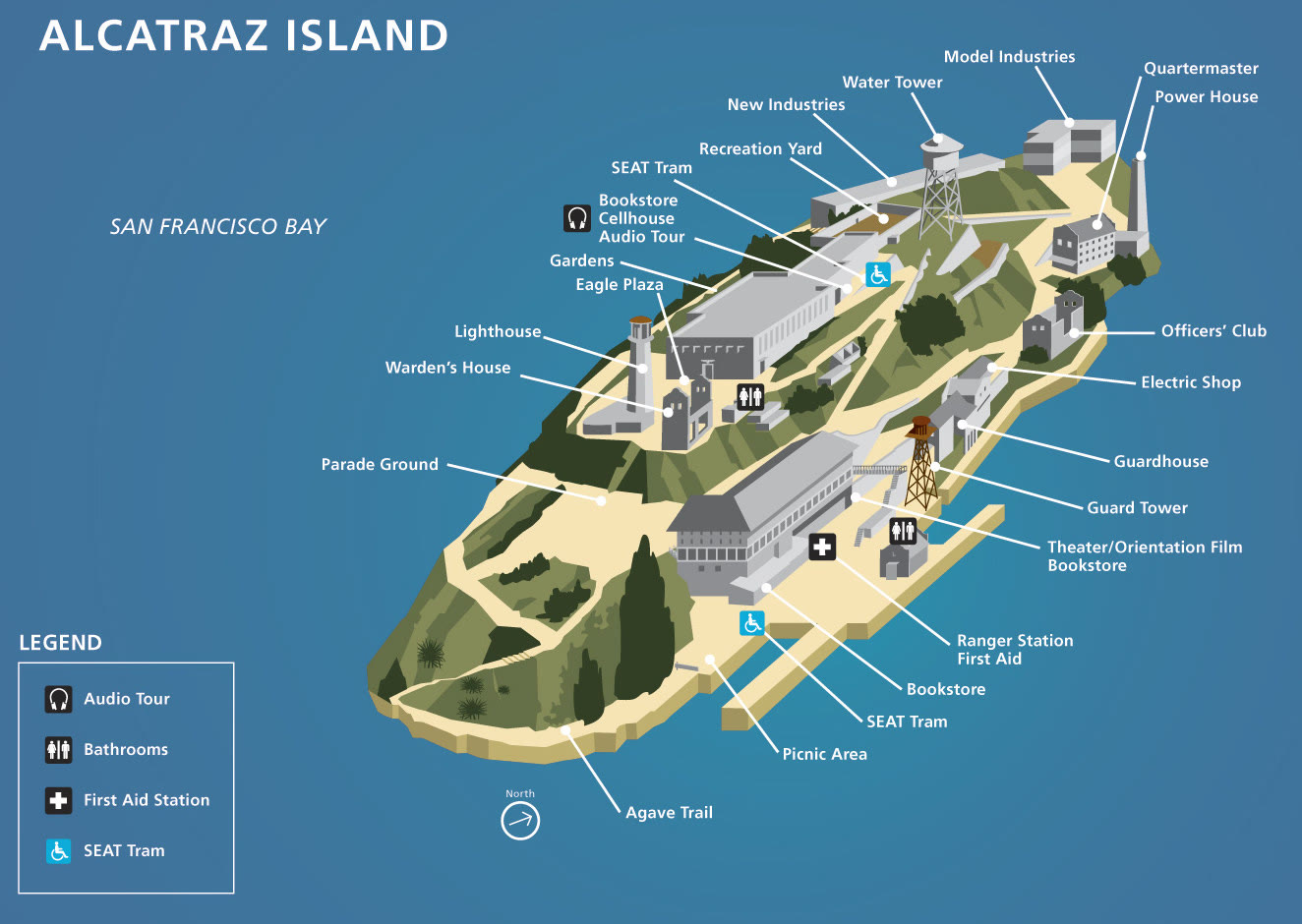
| When | What changed | Source |
|---|---|---|
| Mid-1980s | Ranger boat tours of 150 people, two and a half hours | Boling |
| 1987 | Cassette tour opens; every voice a former officer or inmate | Boling, Hurwitt |
| First months | Infirmary segment removed | Boling |
| Later | Guide-dog and tactile revisions; ten languages by 2014 | Boling |
| Second version | “Doing Time”: inmates, officers and officers’ families | Boling |
| 2007 | Updated tour within a $3.5 million renovation; new voices | AP, NPR |
| By 2014 | Cassette to CD to MP3 | Boling |
| Today | Handheld device, eleven languages including American Sign Language | National Park Service |
“Doing Time” and contested memories
Boling calls the second version Doing Time. It added three levels of narrative: “inmates, correctional officers, and the family members of those officers and administrators who lived on the island with them.” Boling’s example is the naked walk Hurwitt heard in 1987: “a former inmate may recall being walked down the main corridor of the facility without clothing during his initial intake, while prison personnel assert that this did not happen.”
2007: new voices, same rule
In 2007 the Associated Press reported that “Updating the 20-year-old prison tour also provided an opportunity to inject new perspectives”. Rich Weideman of the Parks Conservancy told the AP: “It changed the audio tour industry.” One thing held, in Boling’s words: “every voice heard in the tour is someone who lived on the island between 1934-1963”.
The critique: what the voices don’t say
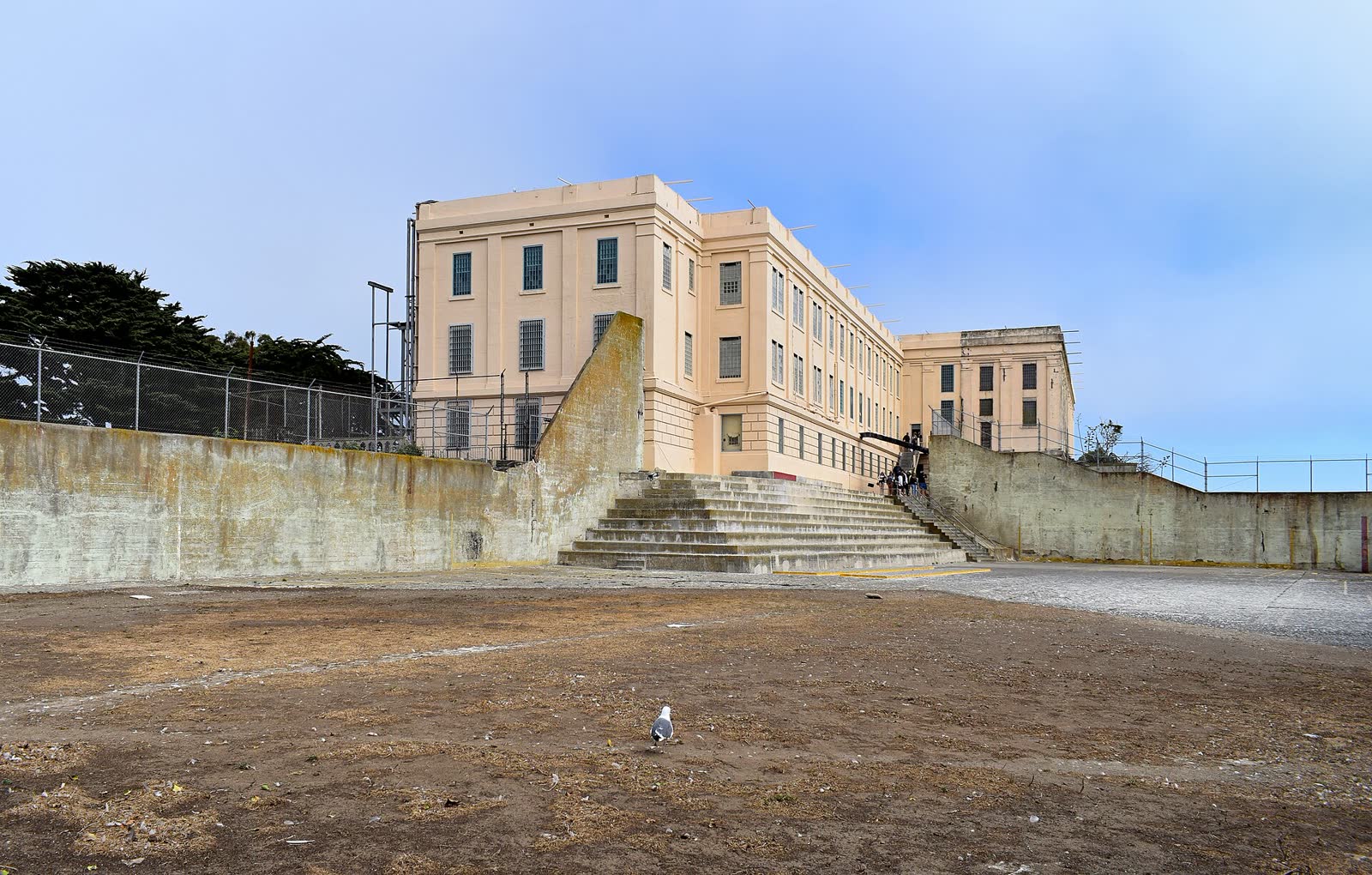
In S.J. Culver’s Guernica essay on the Alcatraz audio tour, the charge is plain: “The audio tour focuses on the sensational: riots, escape attempts.” And: “The punishing repetitiveness of incarceration is utterly absent.”
Boling accepts part of this. The voices, she writes, “steer clear of larger questions regarding the societal implications of incarceration”, though revisions were moving toward “greater acknowledgment of the full experience of incarceration.”
For the craft behind the tape, see the design rules that made the Alcatraz tour a drama, where the Alcatraz tour sits in audio guide history and how Antenna edited hours of interviews into a walk. Two years earlier, an audient played an Alcatraz prisoner in Antenna’s 1985 Walkman fair, Fairplay.
Frequently asked questions
Who made the Alcatraz audio tour?
Boling credits Chris Hardman of Antenna Theater and Chris Tellis as its originators, for the National Park Service and the parks association in 1987.
Are the voices real?
Yes. Every voice is someone who lived on the island between 1934 and 1963, a rule kept through later revisions.
Has the tour changed since 1987?
Yes. The “Doing Time” version added officers’ families, a 2007 update added new perspectives, and the tour moved from cassette to CD, MP3 and a handheld device.
The tour grew out of Walkmanology and Antenna’s new theater forms. For Antenna’s sound work on the air, see The New Season, Antenna’s radio plays for television, and for its work in a museum, Making Waves, the Walkman retrospective at Falkirk.