The History of Museum Audio Guides, from Amsterdam to the App
The history of museum audio guides is a story of hardware getting smaller and listeners getting freer. It starts with radio lectures in the 1950s, passes through tape players with fixed routes, and ends with the phone in your pocket. Along the way, a small theater company from Sausalito built one of the best known tours of all.
Quick answer
When did museums start using audio guides?
Museum audio guides began in 1952 at Amsterdam’s Stedelijk Museum, which broadcast recorded lectures to headphones. American museums followed in the 1950s, with Acoustiguide’s 1957 Hyde Park tour. Cassettes shrank the players around 1980, digital players ended fixed routes from 1994, and smartphone apps took over in the 2010s.
The first guides (1952 to 1960)
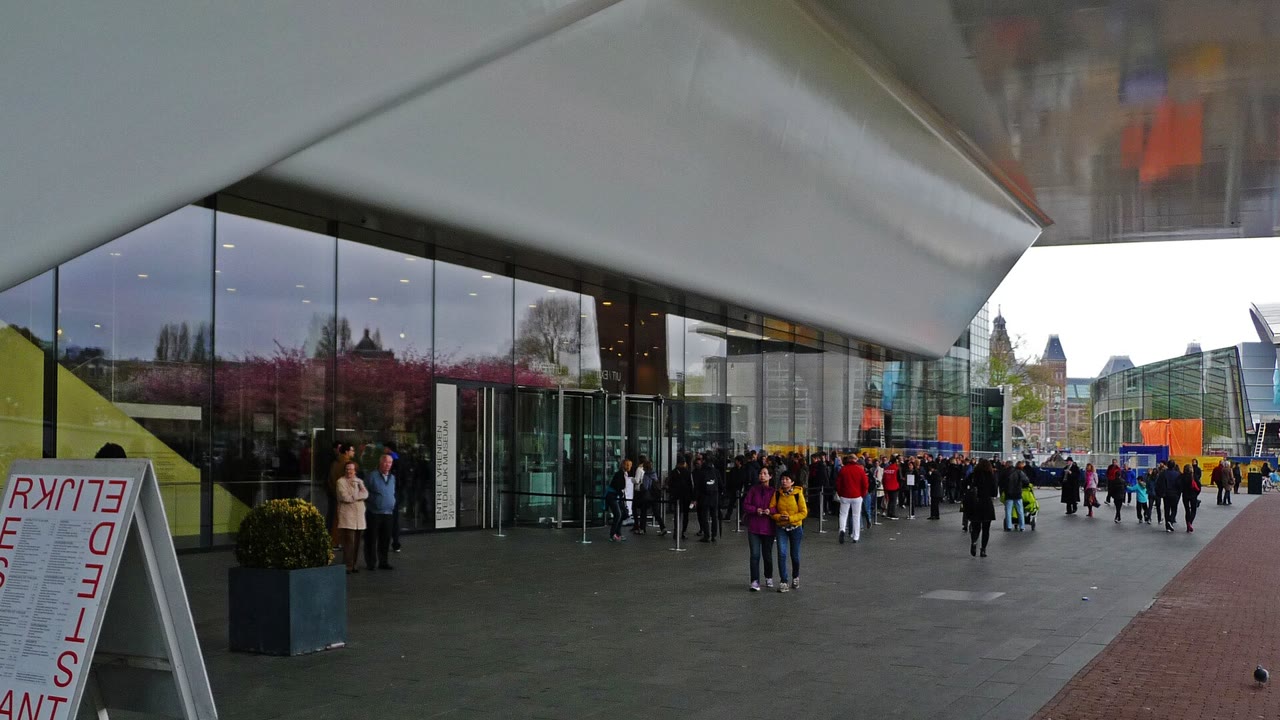
The first museum audio guide is usually credited to the Stedelijk Museum in Amsterdam under its director Willem Sandberg. Design Observer says he “introduced the first museum audioguides and headsets in 1952.” Accounts describe a closed-circuit shortwave radio system that carried a lecture to visitors’ headphones. Both sources are secondary, so treat the date as the accepted one rather than a settled fact.
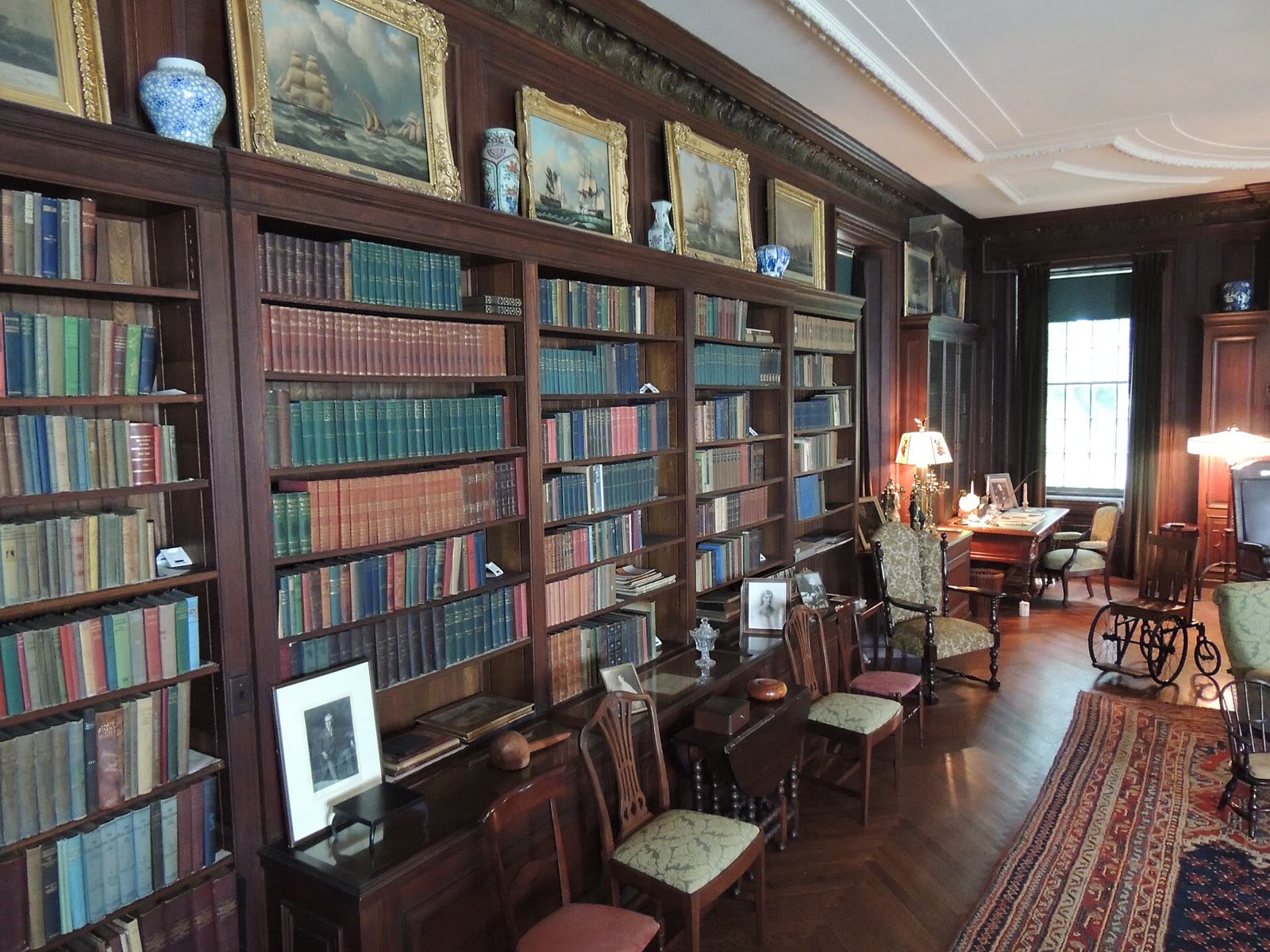
American museums followed quickly. The American Museum of Natural History used a system called the Guide-A-Phone from 1954. Acoustiguide history begins in 1957 with a tour of Franklin D. Roosevelt’s home at Hyde Park, narrated by Eleanor Roosevelt, and by 1959 the Phoenix Art Museum was using an Acoustiguide for its permanent collection.
In London, the Science Museum ran its own race. Dr Jennifer Rich’s account of the Science Museum’s 1960 radio-guided tours, on the museum’s blog, describes a tape player feeding an induction loop in the gallery ceiling, picked up on handheld receivers called “lorgnettes”. The museum competed with Woburn Abbey to be first, and the tours were abandoned in 1964 after outdated commentary, building noise, technical failures and stolen receivers.
The tape era and its limits
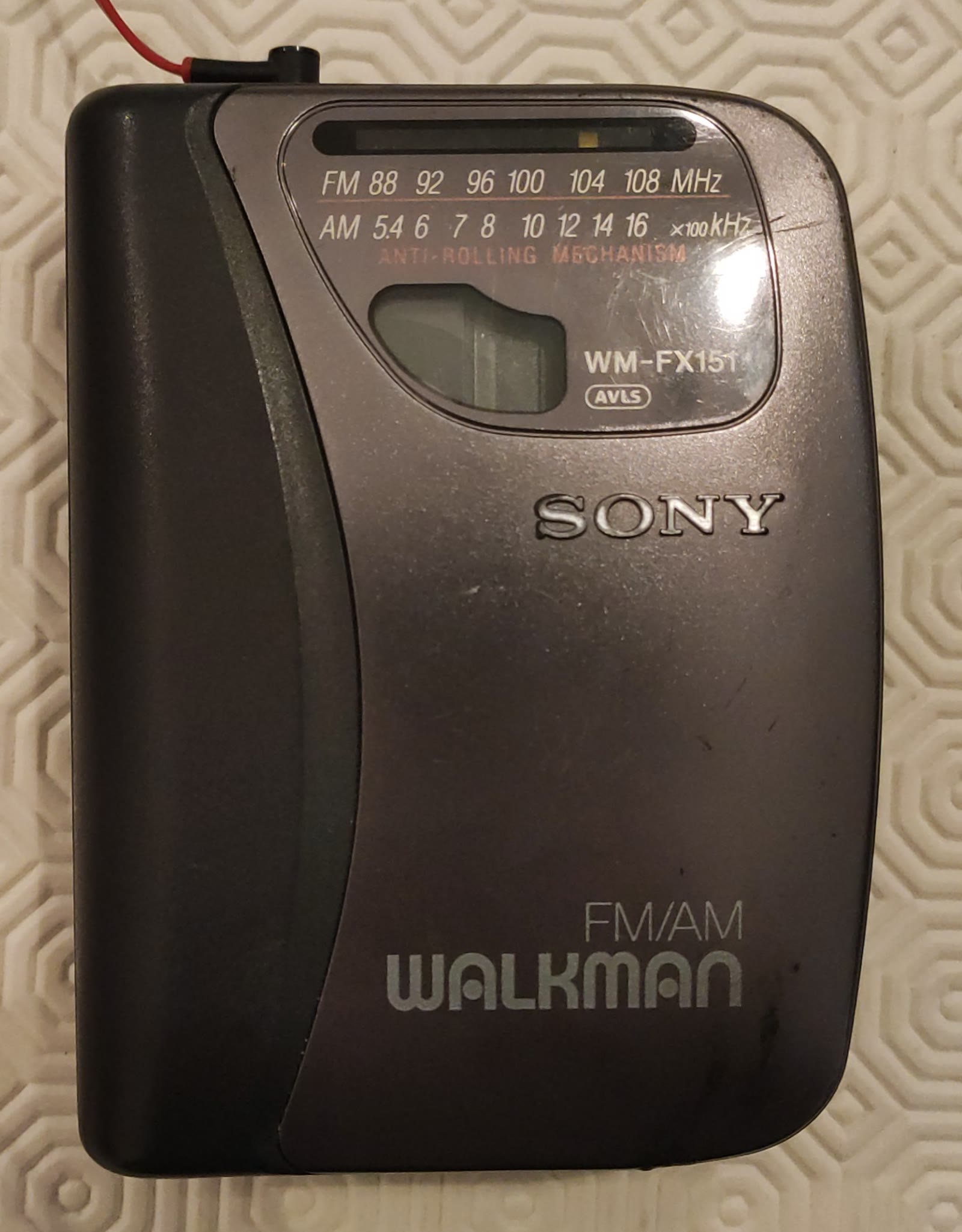
For the next few decades, the guide was a tape. Nancy Proctor and Chris Tellis, writing from inside the industry in 2003, describe a “slow evolution from reel to reel tape to cassette”. The compact cassette, which arrived in guides around 1980, “greatly reduced the size of the players”.
Tape had a built-in problem. Every visitor heard the same programme in the same order, for as long as the tape ran. Proctor and Tellis sum up what digital players later removed: the “45-minute time limit and single, forced path”. Early scripts also followed the old lecture model, in which a single voice read a script on behalf of the museum.
A theater company enters the business
From a Liberty ship to the aquarium
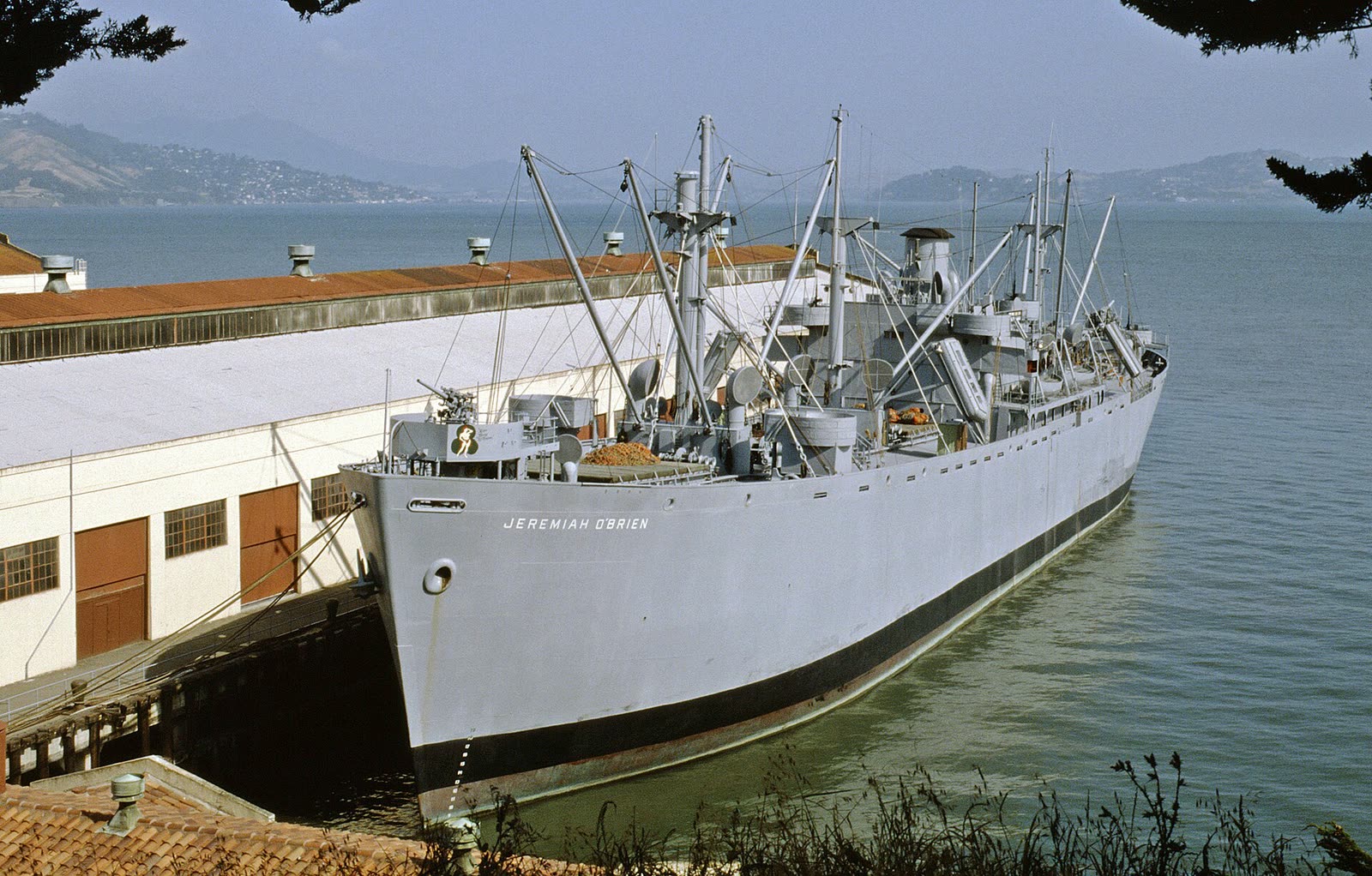
Antenna Audio history is tangled, and the sources disagree on the start. Antenna’s own staff page says Chris Hardman started Antenna Audio in 1984 with the Alcatraz tour, while a 2004 conference biography says “Chris Tellis founded Antenna Audio in 1986”. What is clear is that Antenna’s tour work began in the mid-1980s, and its first taped tour was of the Liberty ship SS Jeremiah O’Brien at Fort Mason.
Robert Hurwitt of the San Francisco Examiner traced the spread in 1987. Antenna’s tapes, he wrote, had been spreading quietly across the Bay Area. He listed a Steinhart Aquarium tape, a de Young Museum tape for an Ansel Adams retrospective, and work in progress for the Bay Model in Sausalito.
Alcatraz, 1987: no narrator
The Alcatraz Cellhouse Tour was “Commissioned by the Golden Gate National Park Association”. “A prototype tape was installed June 1”, and “Hardman and Tellis assembled the 40-minute tape from some 60 hours of recorded interviews”. Annette Rose explained the rule that set it apart: “There’s not a single voice on the tape that is not either a former inmate or guard”.
The tour caught on fast. Hurwitt reported that “an estimated 60 to 70 per-cent of the 2,000 daily visitors” were using the tapes. Why a theater would sell tours at all comes down to money: the work offered “the potential of providing steady earned income for Antenna”. The design thinking is covered in how the Alcatraz tour turned a lecture into a drama, and the shows that came first in the headphone theater history timeline.
Digital guides and free roaming
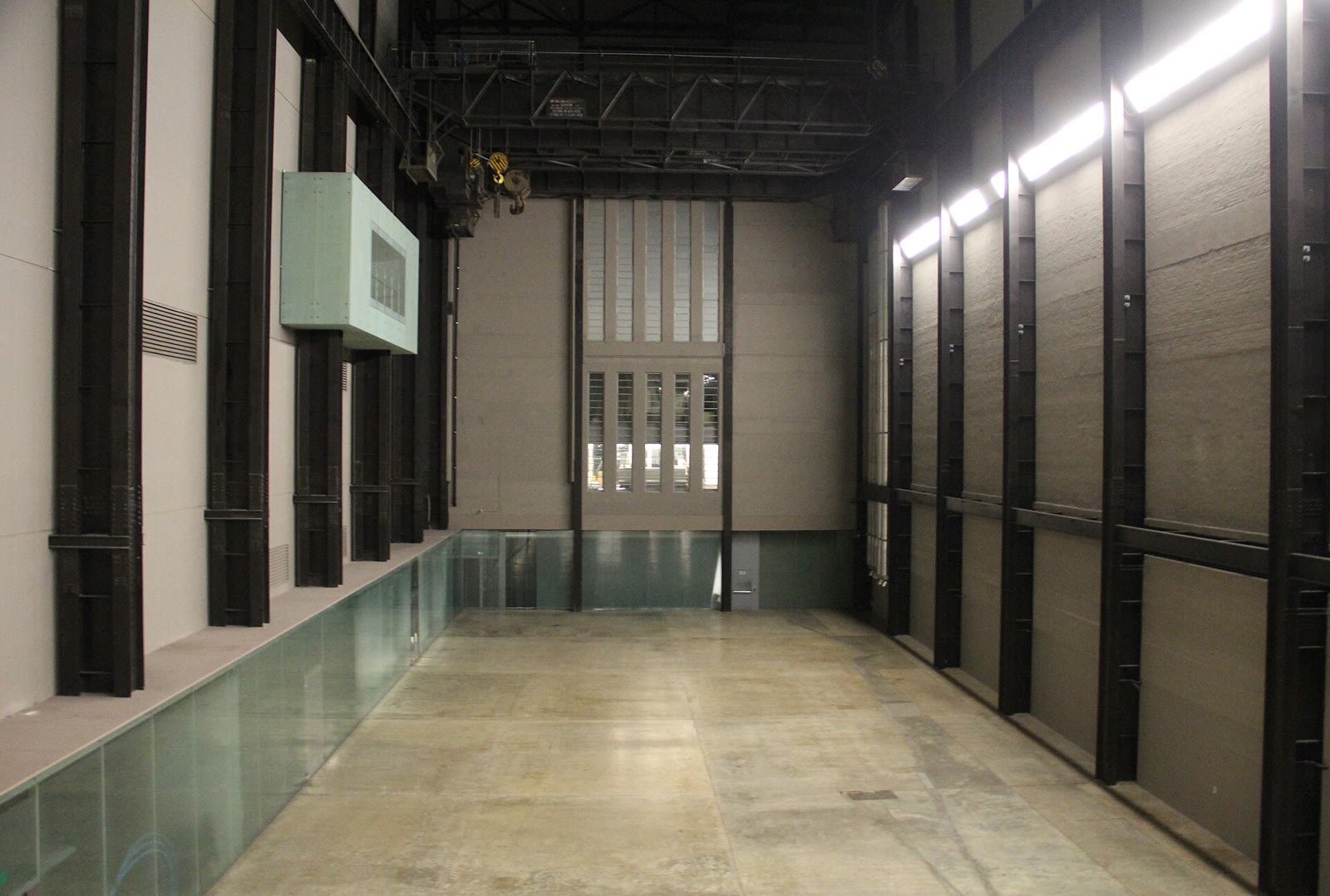
Proctor and Tellis call the move to digital in 1994 the most revolutionary change, bringing “unlimited capacity and free roaming”. Visitors could now pick stops in any order instead of following the tape.
Museums built guides into their plans from the start. “Audio guides have been part of the interpretation and education strategy since Tate Modern opened in May 2000,” the paper notes. You can read Proctor and Tellis on the state of museum handhelds in 2003 for the industry view. Antenna Audio also claimed that in 2002 it launched “the first-ever multimedia wireless tour” with Tate Modern.
From Discovery to Antenna International
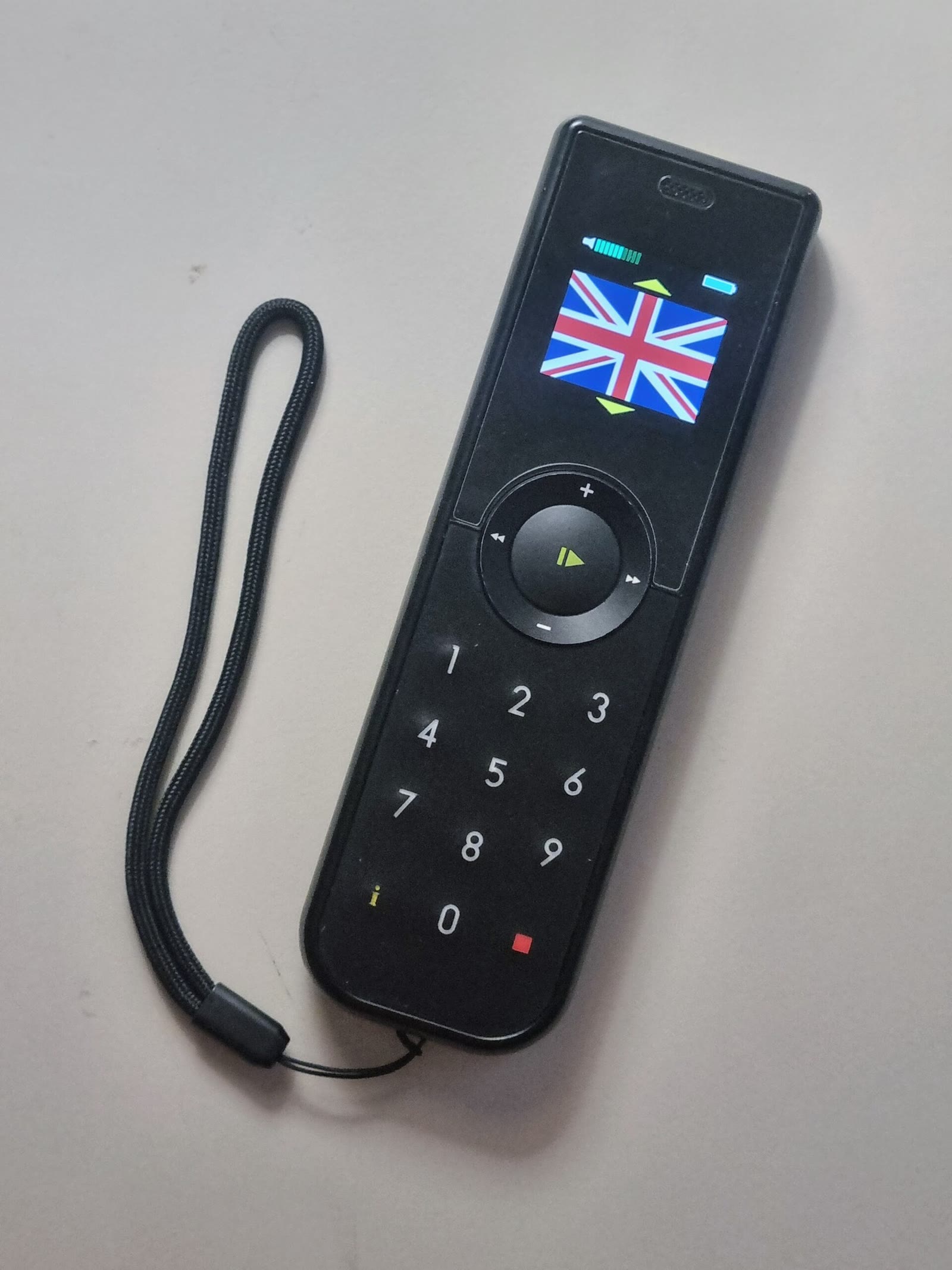
By the 2000s the company Hardman and Tellis had started was global. By its own account in 2006, “more than 120 million visitors have experienced an Antenna Audio tour at 800 sites worldwide”. In April 2006 Discovery Communications agreed terms to buy Antenna Audio, and in 2010 a Wicks Group affiliate bought it from Discovery. Antenna Audio, a former division of the theater, is now owned by Antenna International.
| Year | Milestone | Device |
|---|---|---|
| 1952 | Stedelijk Museum, Amsterdam (secondary sources) | Shortwave broadcast to headphones |
| 1954 | Guide-A-Phone, American Museum of Natural History | Not stated |
| 1957 | Acoustiguide’s Hyde Park tour, narrated by Eleanor Roosevelt | Tape |
| 1960 to 1964 | Science Museum, London, radio-guided tours | Induction loop and “lorgnettes” |
| c. 1980 | Compact cassette shrinks the players | Cassette |
| Mid-1980s | Antenna’s Liberty ship tape, SS Jeremiah O’Brien | Tape |
| 1987 | Alcatraz Cellhouse Tour, former inmates and guards only | Walkman tape decks |
| 1994 | Digital guides: no time limit, free roaming | Digital players |
| 2006 and 2010 | Antenna Audio sold to Discovery, then to a Wicks Group affiliate | Handheld multimedia |
| 2013 | $15 million Bloomberg gift for museum apps | Visitors’ own phones |
The app era

The last big shift moved the hardware into the visitor’s own hands. In 2013 the Chronicle of Philanthropy reported a $15 million Bloomberg Philanthropies gift to help “the New York Botanical Garden, three museums in the city, and the Art Institute of Chicago” build apps. It described the gift as part of “a trend away from hand-held, institutional audio guides”.
The basic job has not changed since 1952: a voice in the ear, matched to what is in front of you. For the artist’s side of that craft, see how to make an audio walk, and for the unscripted opposite, what a soundwalk is and why it has no narrator.
Frequently asked questions
What was the first museum audio guide?
The Stedelijk Museum in Amsterdam is credited with the first, in 1952, under director Willem Sandberg, using a shortwave broadcast to headphones. Both accounts of it are secondary sources.
Why were early audio tours limited?
Tape imposed a 45-minute time limit and a single, forced path, according to Proctor and Tellis, until digital players arrived in 1994.
Who made the Alcatraz audio tour?
Chris Hardman and Chris Tellis of Antenna. Robert Hurwitt reported that a prototype tape was installed on June 1, 1987, built from some 60 hours of interviews.
What happened to Antenna Audio?
Discovery Communications agreed to buy it in 2006, and a Wicks Group affiliate bought it from Discovery in 2010. It is now owned by Antenna International.
The theater side of the story is in Chris Hardman’s timeline, including the start of Antenna Audio and Walkmanology and Antenna’s other new theater forms.