
What Is Environmental Theater? Schechner’s Six Axioms Explained
What is environmental theater? The term names a 1960s idea: that the audience and the performers should share one space, with no line between stage and seats. It grew up in a converted garage in lower Manhattan, and that same garage later hosted two Antenna Theater productions.
Quick answer
What is environmental theater?
Environmental theater is a form, named by Richard Schechner in the late 1960s, that removes the line between the audience’s space and the performers’ space. The whole room becomes the stage, there may be no fixed seats, several scenes can run at once, and spectators are invited, even expected, to take part.
Where the term comes from
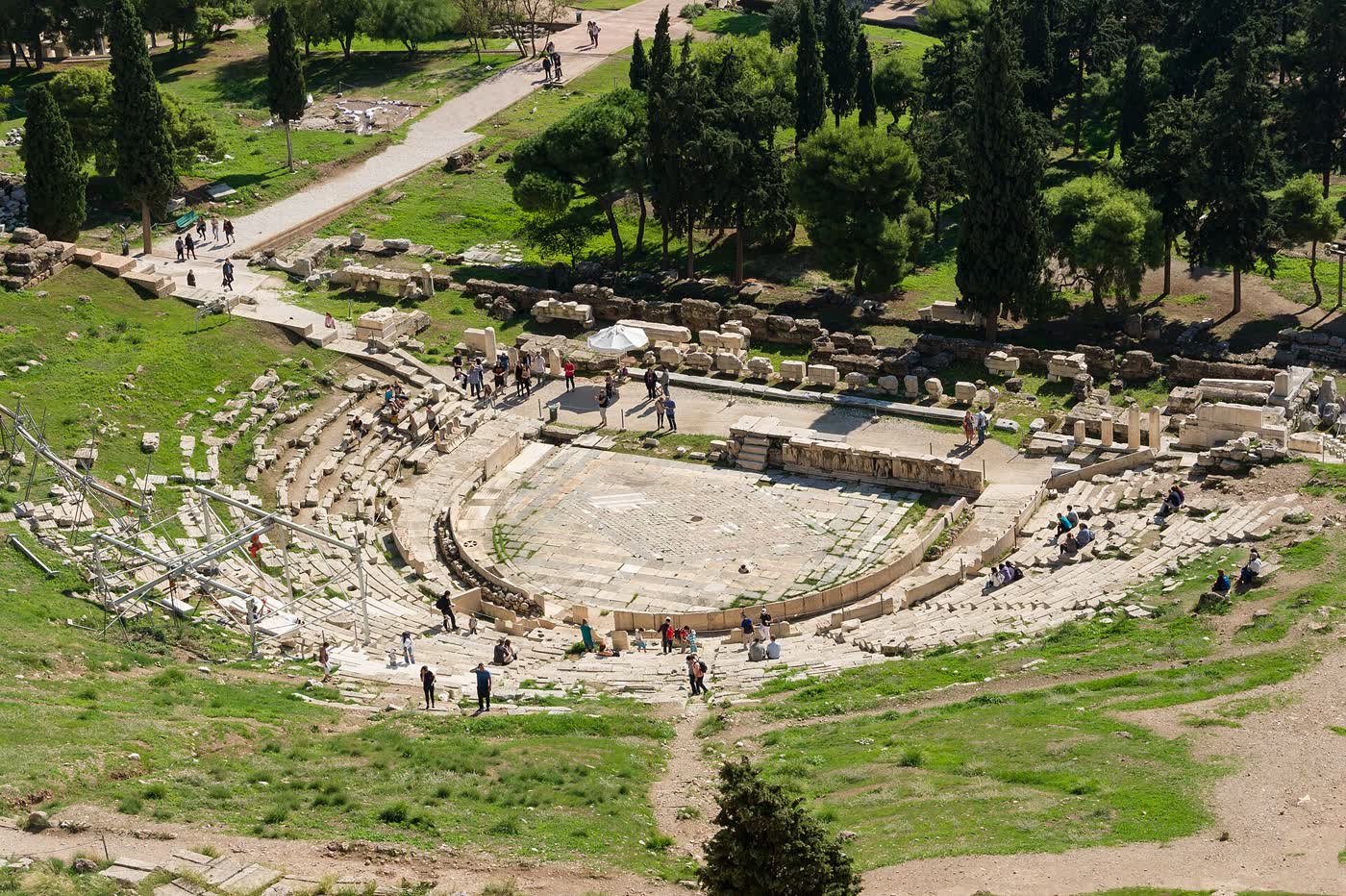
Schechner set out the idea in an essay titled “6 Axioms for Environmental Theatre”, written in 1967 and published in The Drama Review in spring 1968. See the original TDR record of Schechner’s six axioms at Cambridge University Press.
The essay opens by listing what a theatrical event includes: “audience, performers, text (in most cases), sensory stimuli, architectural enclosure”. It goes on to argue that “traditional distinctions between art and life no longer function at the root of aesthetics.”
Encyclopaedia Britannica gives the short version. Environmental theatre was “a branch of the New Theatre movement of the 1960s that aimed to heighten audience awareness of theatre by eliminating the distinction between the audience’s and the actors’ space.”
The six axioms for environmental theater in plain English
The headings below follow a summary by Patrick Hayes for BYU’s 4th Wall Dramaturgy blog, a secondary source whose wording may differ slightly from the original essay. The plain words and examples are ours.
| Axiom | In plain words | Example |
|---|---|---|
| 1. The theatrical event is a set of related transactions | The show is everything passing between performers, audience, space and text | Commune asked spectators to remove their shoes |
| 2. All the space is used for performance; all the space is used for audience | No line between stage and seats | The Performing Garage had no seats |
| 3. A totally transformed space or a found space | Build a world inside a room, or use a real place as it is | Snake Theater’s Auto at a Sausalito gas station (1979) |
| 4. Focus is flexible and variable | Several scenes can run at once; you choose where to look | Simultaneous scenes |
| 5. All production elements speak in their own language | Light, sound, set and bodies are not just support for the words | Artery, driven by its soundtrack |
| 6. The text need be neither the starting point nor the goal | A show can start from a space, image or interviews | Vacuum, built from interviews |
Space: axioms 2 and 3
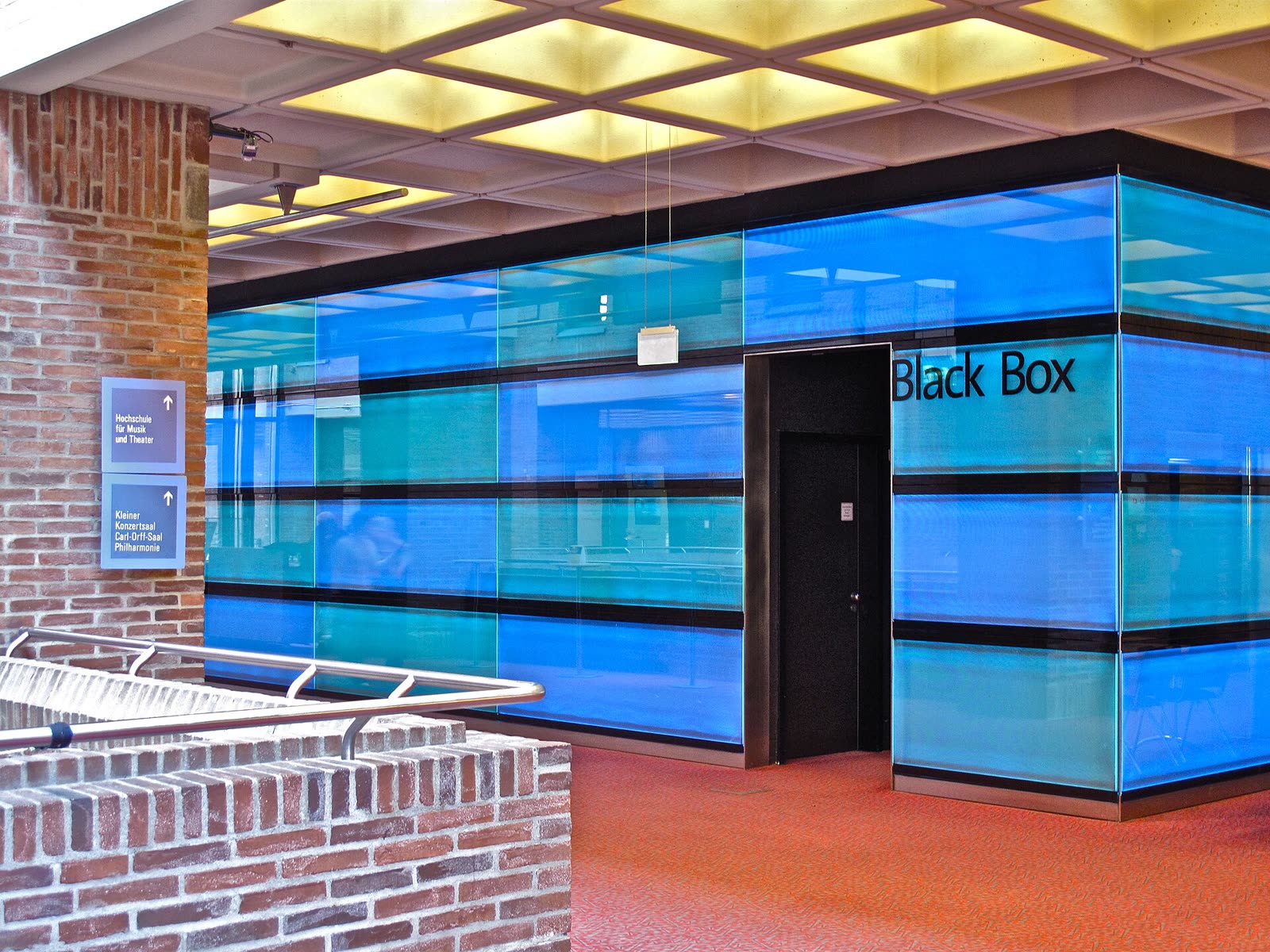
The second axiom is the one most people remember. If all the space belongs to both performers and audience, the stage edge disappears.
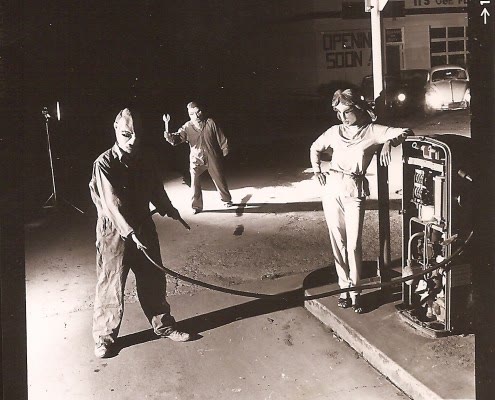
The third axiom gives two routes to that shared space. A company can transform a room completely for each show, or it can use a found space, a real place taken as it is. Snake Theater, the company that came before Antenna, did the second in 1979 with Auto, which “was performed at an abandoned Mohawk gas station in Sausalito.” The archive lists the other Snake Theater location pieces of the 1970s.
Focus, elements and text: axioms 4 to 6
The fourth axiom breaks the single point of view. In Britannica’s words, “the multiple-focus theatre replaced the traditional single focus, allowing more than one scene to be staged at the same time.” The fifth lets light, sound, set and bodies carry meaning on their own terms.
The sixth axiom says there may be no text at all, or that text can arrive late. Antenna’s first show worked this way. For Vacuum, the company “interviewed a multitude of vacuum cleaner salesmen and housewives and then cut their voices into the tape we used for the performance”.
Inside the Performing Garage
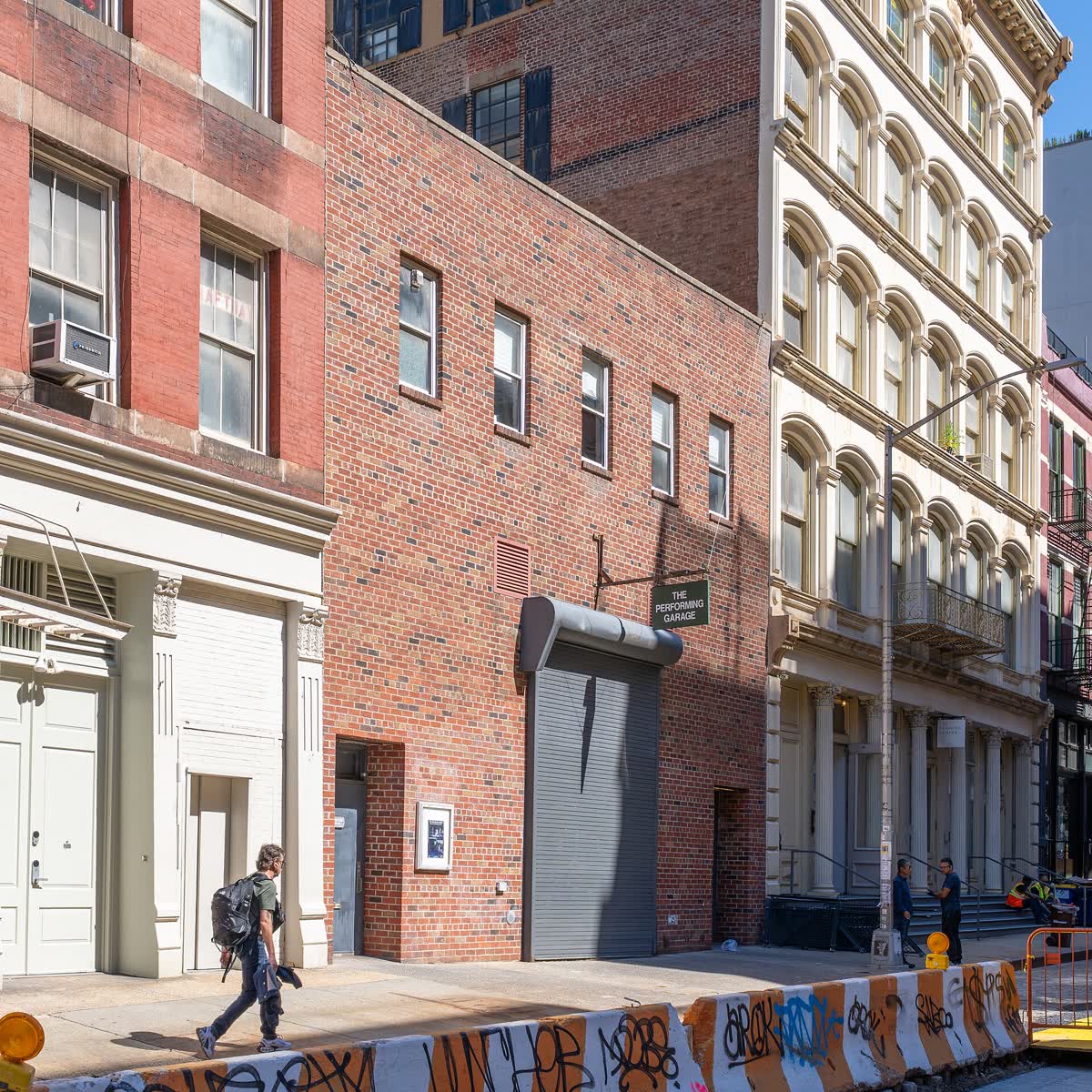
The Wooster Group, its resident company, calls the building “a small, flexible black box theater located at 33 Wooster Street in Soho.” Before it was a theater, “the Garage was a metal stamping/flatware factory.” Schechner’s Performance Group, founded in 1968, worked there from the late 1960s through the 1970s.
The NYU Hemispheric Institute’s video record of Dionysus in 69 calls that show “the first environmental theater production shown at the Performing Garage”. It describes the room plainly: “The Performing Garage was filled with platforms and towers, the floor covered with carpets.” And: “There were no seats which meant that performers and spectators shared the space”.
Britannica says each production there, from Dionysus in 69 to Makbeth and Commune, had its own audience framework. “The minimum involvement for the production of Commune, for example, was the audience’s removal of its shoes upon entering the garage.”
After the 1960s: who carried the idea forward

Britannica says the approach was “taken to greater extremes by radical artistic groups such as Welfare State International, based in England, and the Bread and Puppet Theater, based in the United States. Both took art to the streets”.
On the West Coast, reviewing a 1995 piece by Antenna founder Chris Hardman, Steven Winn of the San Francisco Chronicle wrote that “Hardman, who’s been creating environmental theater pieces around the bay since the 1970s, has a showman’s instinct for delivering the goods.”
Case study: Antenna at the Performing Garage
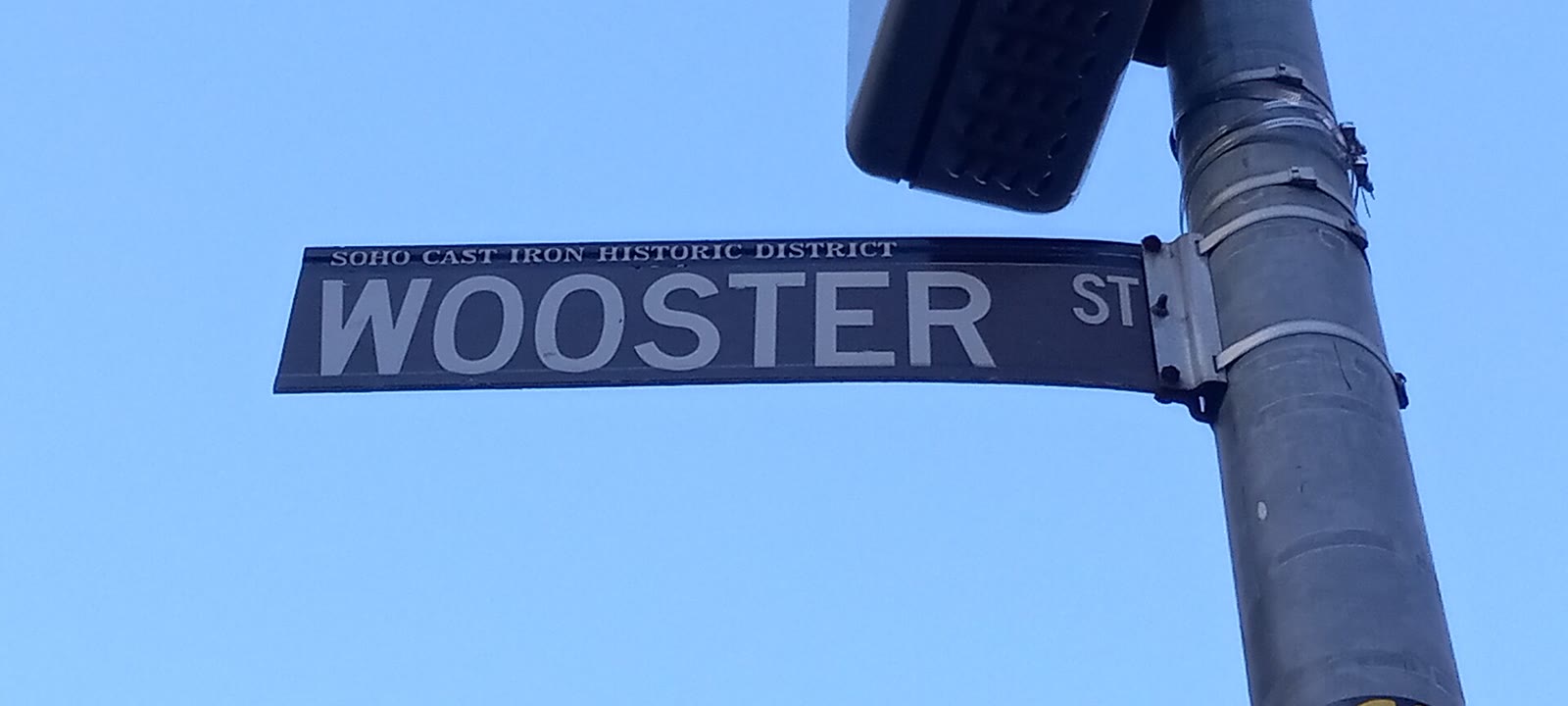
Antenna played that room twice. The company chronology lists a 1982 run of Vacuum, described as “A blend of dance, performance sculpture, taped narrative and original music”. Our post on Vacuum, Antenna Theater’s first production, tells that story in full.
Artery followed. It played the Performing Garage in 1983 (the company’s chronology lists 1984). David Sterritt wrote in the Christian Science Monitor in June 1983: “I caught it during its current run at the Performing Garage in lower Manhattan.” In Artery, Antenna Theater’s walk-through thriller, audients “were transformed into the main character of a noir-like mystery thriller and sent through a 17 room performance maze.”
Artery pushed the second axiom close to its limit. Sterritt put it simply: “There’s just one performer, and one member of the audience, and both of them are you.” Paul Lenti of The Mexico City News added that “the Sony Walkman makes the spectator/actor an independent unit”, which is what Antenna meant by an audient.
Environmental theater vs site-specific theater vs immersive theater
The three labels overlap. Treat the table as working distinctions, not fixed rules. The key test for environmental theater vs site-specific theater is whether the place is the subject of the work or simply a shared room.
| Aspect | Environmental theater | Site-specific theater | Immersive theater |
|---|---|---|---|
| Core idea | Remove the split between audience space and actor space | The place itself is the subject and setting | Put the audience inside the world of the show |
| Where | Transformed rooms or found spaces | A real, non-theater location | Often converted buildings and multi-room sets |
| Audience | Shares the space, often expected to take part | Watches or walks in the place | Moves and explores, sometimes alone |
| Antenna example | Artery at the Performing Garage (1983) | Skin & Bones at a San Rafael recycling center (1995) | Walkman walk-throughs from High School (1981) |
See also the history of site-specific theater in the Bay Area, how immersive theater differs from a traditional stage, and promenade theatre, where the audience walks from scene to scene.
Frequently asked questions
Who invented environmental theater?
Richard Schechner named and theorised it in “6 Axioms for Environmental Theatre” (The Drama Review, 1968), working with the Performance Group at the Performing Garage in New York. Britannica says he drew on Jerzy Grotowski.
What was the first environmental theater production at the Performing Garage?
Dionysus in 69. The NYU Hemispheric Institute calls it the first environmental theater production shown at the Performing Garage, where platforms and towers filled the room and there were no seats.
Is environmental theater the same as site-specific theater?
No. Environmental theater is about audience and performers sharing one space, which can be built or found. Site-specific work is made for, and about, one real place.
For the wider picture, see Walkmanology and Antenna’s other new theater forms and Vacuum and Artery in Antenna’s chronology.