The History of Son et Lumière: Sound and Light at the World’s Monuments
Son et lumière, French for sound and light, is a night show with no actors: a recorded voice and score play while lamps pick out a monument’s walls. The history of son et lumière begins at a Loire château in 1952 and runs to the projection shows of today.
Quick answer
What is a son et lumière?
A son et lumière is a night show that tells the history of a large historic building with recorded sound and changing light, “without live performers or a stage.” Paul Robert-Houdin, curator of the Château de Chambord, staged the first in 1952. Within a decade the form had reached Greenwich, the Acropolis, Giza and Philadelphia.
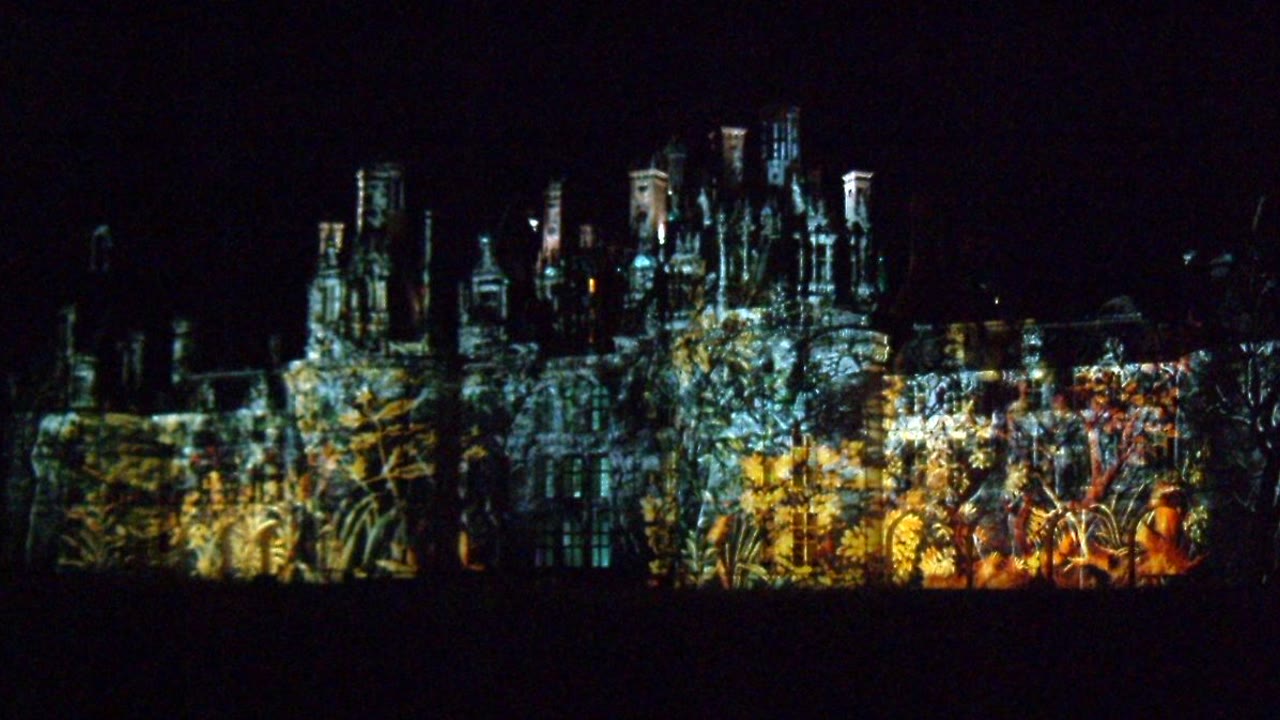
Chambord, 1952: where the sound and light show began
Theatrecrafts and the cave-tourism site Showcaves both credit Paul Robert-Houdin, curator of the Château de Chambord, with the first son et lumière in 1952. The Christian Science Monitor describes him as an architect and curator, “fittingly also the grandson of a famous French magician.” Chambord itself calls its 1952 show a “pionnier parmi les monuments historiques,” a pioneer among historic monuments.
The details are disputed. One account puts President Vincent Auriol at an early performance on July 5, 1952, another has him opening the show on May 30, so the summer of 1952 is the safe date. An events listing names Georges van Parys as composer, while Chambord’s own 2019 press release says Maurice Jarre. Jacques Rigaud, a French official sent to watch the premiere, wrote in Le Figaro in 2002: “We had the feeling that a new way of discovering and understanding monumental heritage was perhaps being born.”
Tape, tubes and 72 circuits: how it worked
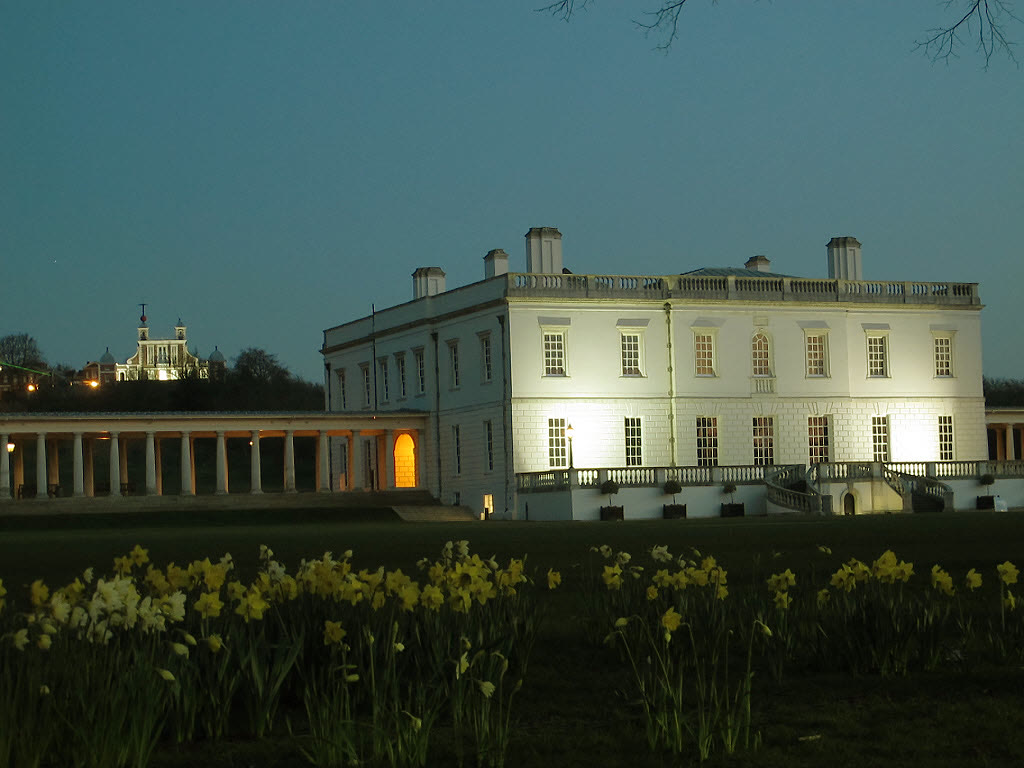
Greenwich Palace had the first British show in 1957, produced by Robert-Houdin, with Laurence Olivier among the voices. The 1958 Greenwich programme, quoted in Theatrecrafts’ son et lumière timeline, explains the kit: “The Greenwich narrative has been recorded on a dual-track tape and it is reproduced from five sound sources.” “Nearly 600 Atlas fluorescent tubes are used in the Greenwich presentation,” run from a console with 72 circuits.
Cardiff Castle followed in 1958, and HMS Victory in Portsmouth in 1960, again with Olivier, this time as Nelson. The photograph shows Greenwich’s Queen’s House today, not the show.
The Acropolis and the Cold War
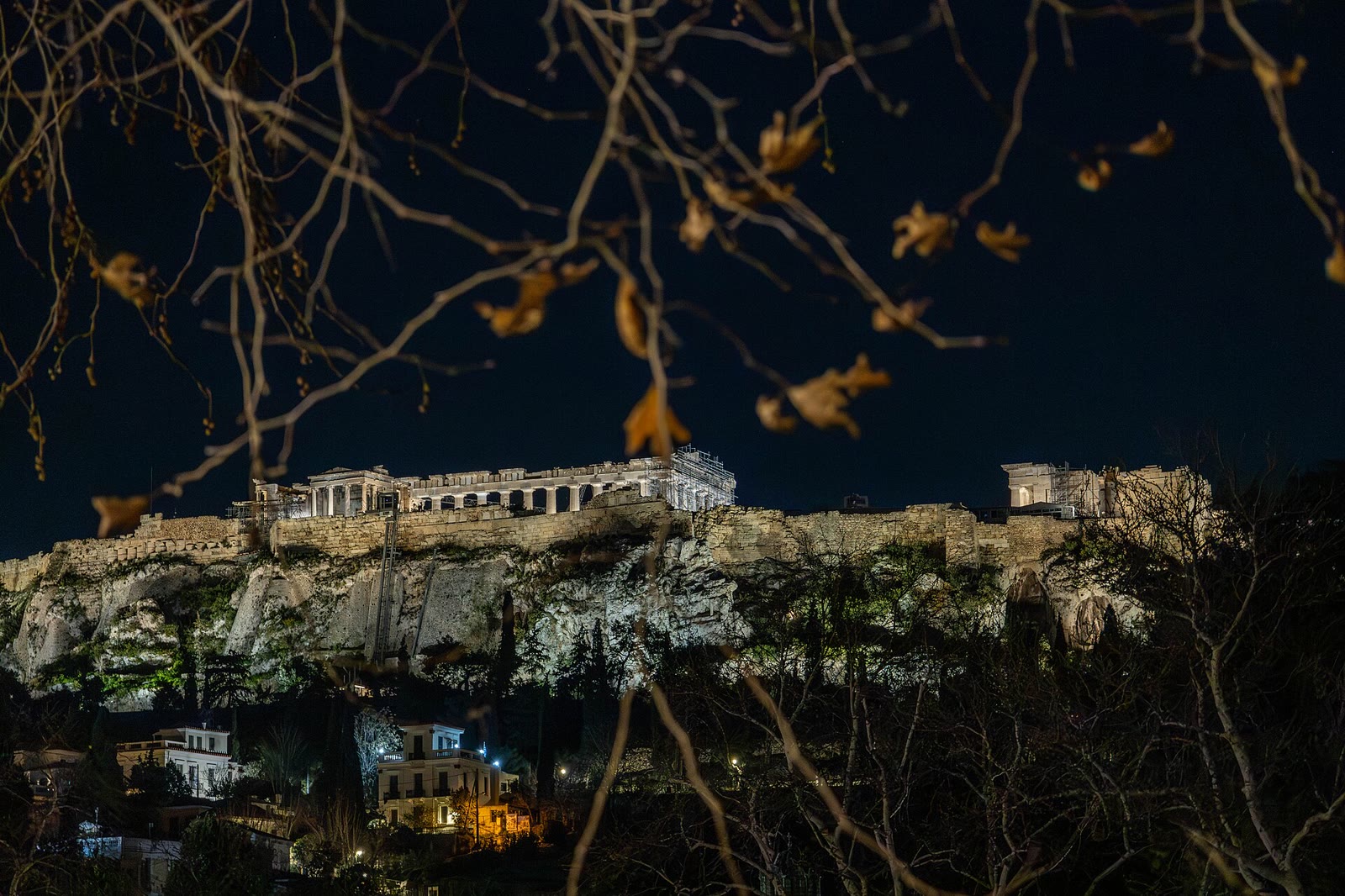
In February 1959, the art historian Elizabeth Marlowe writes, the French company Son et Lumière agreed with the Greek government to stage “the world’s largest and most costly Sound and Light Show.” The kit included “1,500 spotlights, 48 loudspeakers and 150 electronic circuits carrying 6,600 volts.” At the premiere on 29 May 1959, 2,500 members of the French Navy paraded up the Pnyx hill to watch.
Marlowe, who saw the show in 1995, described audiences on “rows of folding metal chairs” while “a recorded voice booms from nearby loudspeakers.” Her verdict was that the show, “like a museum, foists its own master narrative onto the otherwise multivalent relics of the past.”
The Pyramids, Delhi and Philadelphia
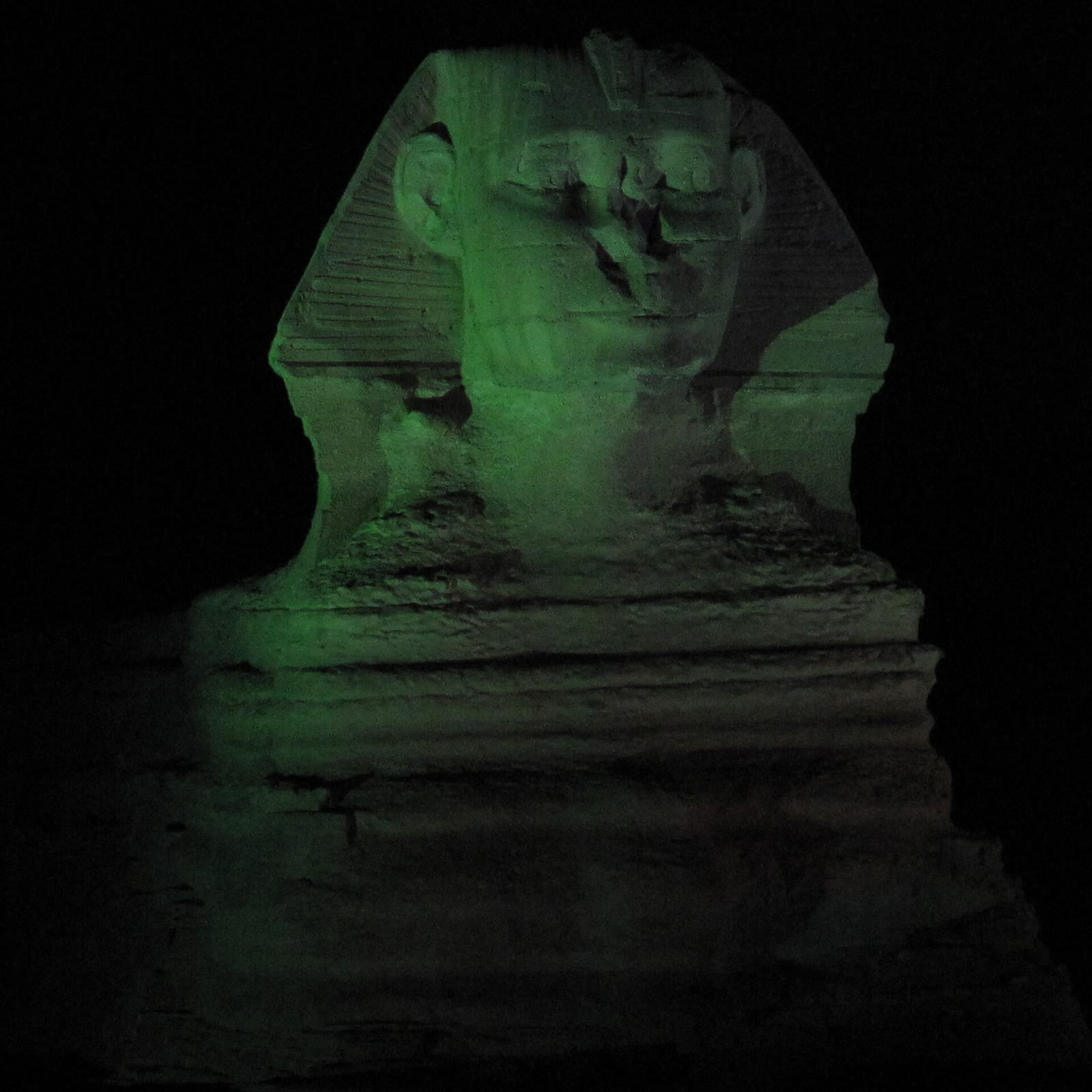
Egypt followed at the start of the 1960s. Egyptian reports say the shows began “in 1960 at the Sphinx of Giza,” while the Theatrecrafts timeline gives 1961. Independence Hall in Philadelphia had the first American show in 1962, and Theatrecrafts lists the Red Fort in Delhi, in 1965, as the first in Asia.
| Year | Place | What happened |
|---|---|---|
| 1952 | Château de Chambord, France | Robert-Houdin’s first son et lumière |
| 1957 | Greenwich Palace, England | First British show, with Olivier among the voices |
| 1959 | Acropolis, Athens | Opened May 29 with 1,500 spotlights |
| 1960 or 1961 | Giza, Egypt | Sound and light at the Sphinx (sources differ on the year) |
| 1962 | Independence Hall, Philadelphia | First US show |
| 1965 | Red Fort, Delhi | Listed by one source as the first in Asia |
| 1976 | Mount Vernon, Virginia | France’s Bicentennial gift, opened May 19 |
| 1999 | Historic Philadelphia | Lights of Liberty, a walking show on headphones |
A gift to Mount Vernon
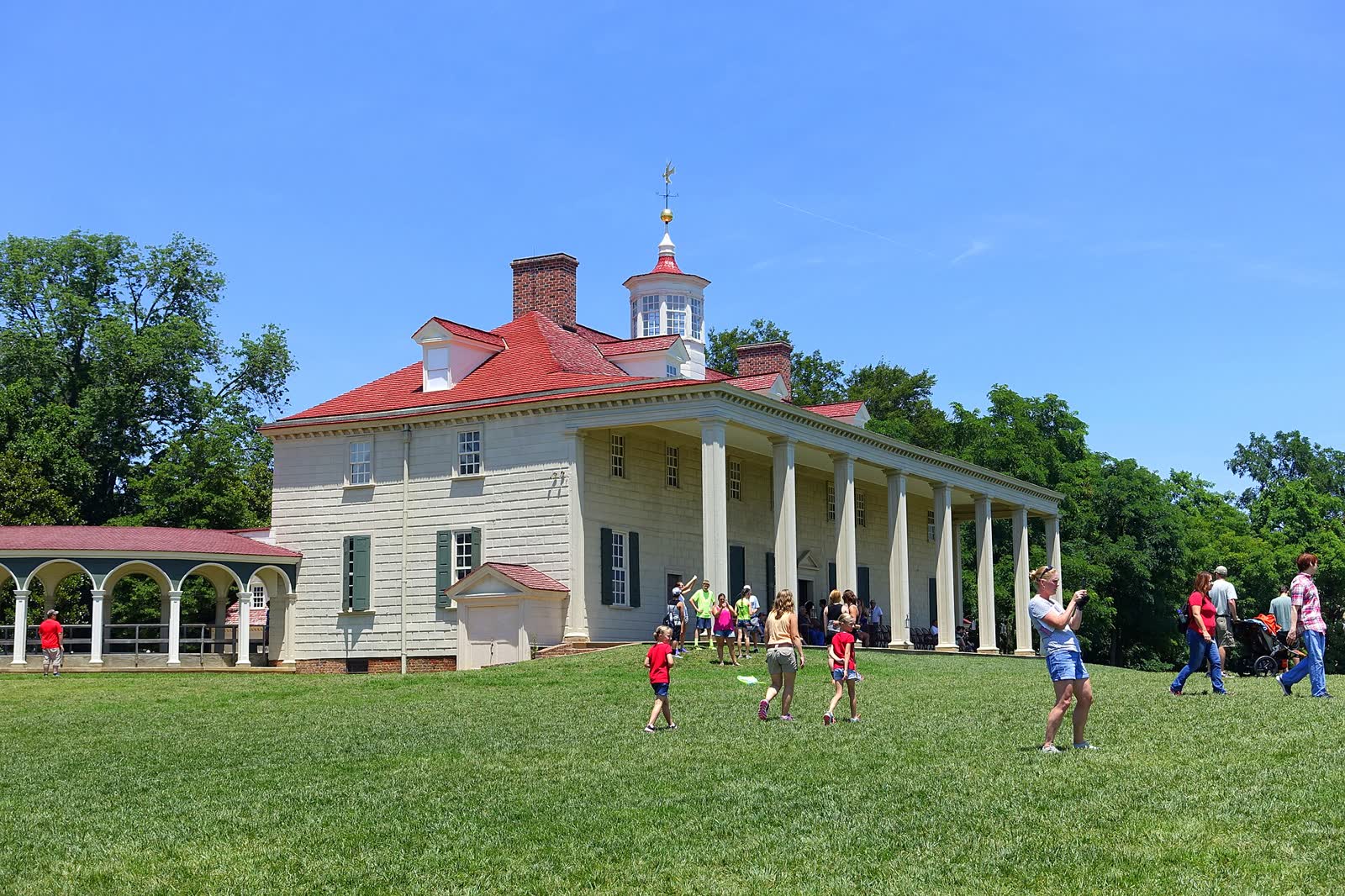
In 1974 President Valéry Giscard d’Estaing wrote that the people of France would give the United States a sound and light spectacle for Mount Vernon. Richard Nixon’s letter accepting France’s Bicentennial gift called it “this particular art form, which has been perfected in France for the purpose of dramatizing your country’s great historical treasures.”
It opened at George Washington’s estate on May 19, 1976 (the photograph shows the mansion by day). Giscard spoke of “playing a veil of lights on the home of George Washington.” Gerald Ford added: “The sound and light display will take its place with your country’s gift in 1876 to our centennial, the Statue of Liberty.”
The audience gets up: Lights of Liberty (1999-2009)
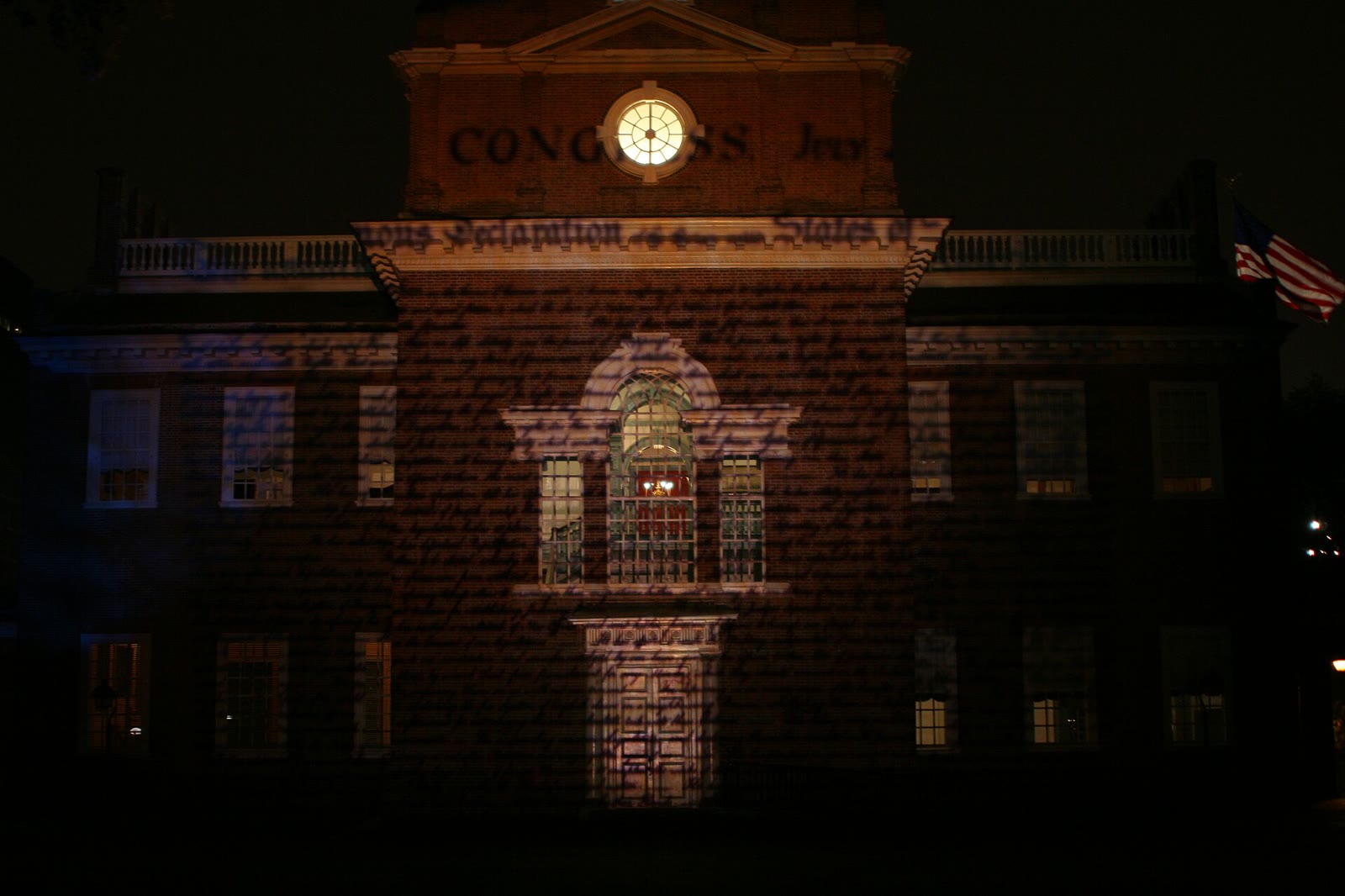
Philadelphia changed the formula. “From 1999 to 2009, Lights of Liberty was a nighttime sound and light walking show that operated in Historic Philadelphia,” and it billed itself as the world’s “first ambulatory sound-and-light show.” Visitors walked for about an hour between five sites, wearing headsets “automatically tuned to an actor-read script, which is triggered automatically as your group arrives.” A return was announced for spring 2011, “but unfortunately, it never did.”
After the floodlights
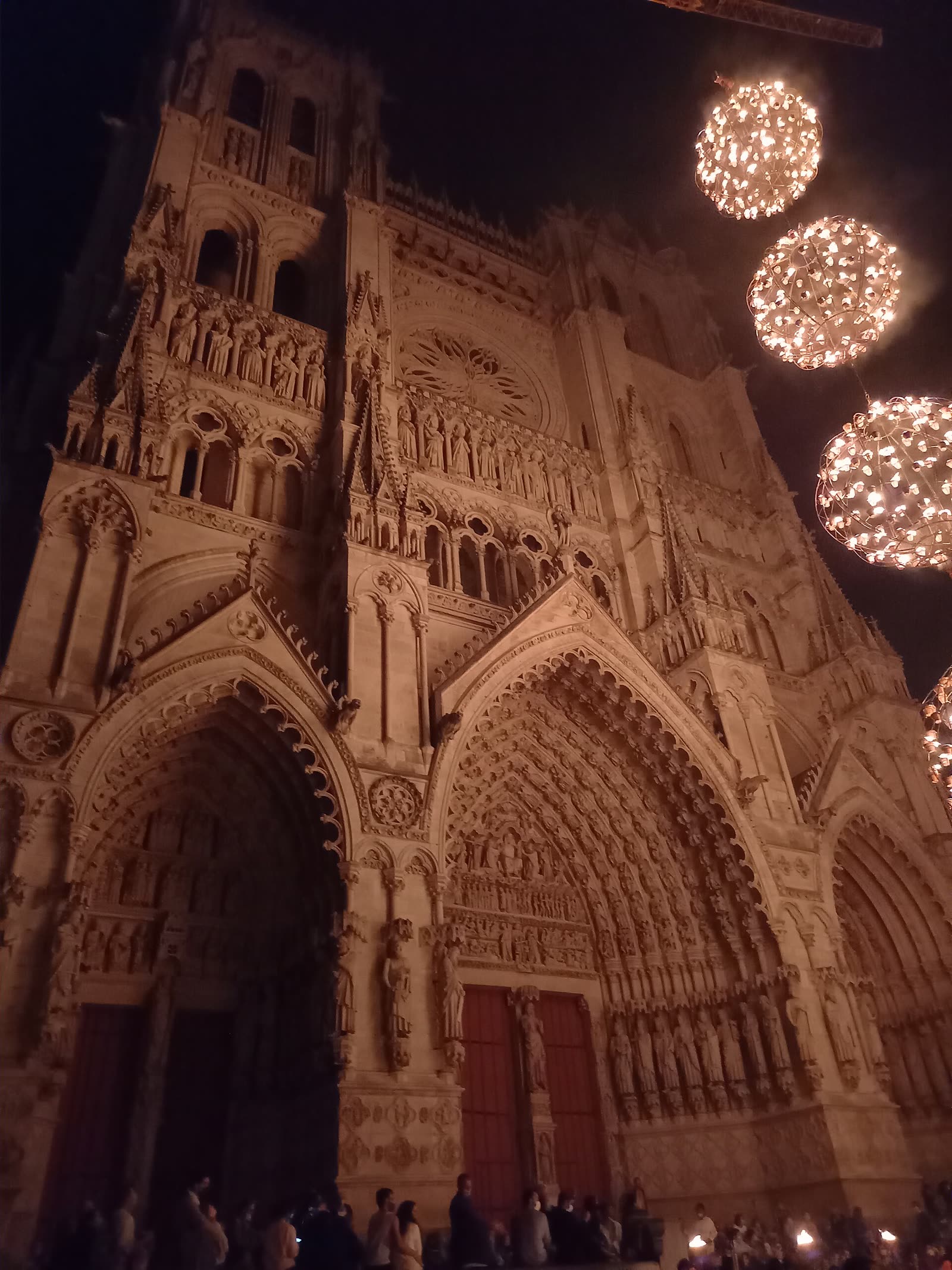
An events listing reports that Chambord’s regular show has not run since 2011. In 2019 the château lit its facades with a quiet 12-minute LED cycle, which its director set “à l’opposé d’un son et lumières dont la stridence aurait déchiré la nuit”: the opposite of a son et lumière whose shrillness would tear the night apart. Projection on stone carries the idea on, as at Amiens Cathedral in 2021, while the history of wax museums shows an older way of staging the past for visitors.
A Bay Area contrast: Antenna Theater
A son et lumière seats its audience before a monument and plays the story to it. Antenna Theater also used recorded voices at real places, often at night, but put the audience on its feet. Reviewing Fairplay at Fort Mason in 1985, Misha Berson recalled “those corny multi-media shows that used to wow the tourists with San Francisco lore and legend,” which Fairplay one-upped “Using taped narration by a variety of sung and unsung San Franciscans.”
On Rodeo Beach in 1992, The Appearance of Civilization, Antenna’s night play on the sand, used “giant and human-sized puppets, a complex taped soundtrack and the magnificence of the natural surroundings,” Robert Hurwitt wrote. In Sands of Time, a headphone walk on a beach after dark, a reviewer found that “the experience of being on a beach at night” let the narration sink in. Antenna’s 2000 Big Bang event on the Sausalito waterfront even included a sound and light show.
| Aspect | Son et lumière | Antenna Theater |
|---|---|---|
| Audience | Seated, in rows of folding chairs | Walking, on headphones |
| Sound | A recorded voice and score on loudspeakers | Taped voices of ordinary San Franciscans |
| Light | Lamps or projections on a facade | Hand-held floodlights and the moon |
| Place | A monument as backdrop | A beach or a pier as the set itself |
The two share the tape and the night, not the chair. No source links Antenna to any son et lumière company. Its other forms are gathered under Walkmanology and Antenna’s new theater forms, and the recorded voice for a single listener has its own story in the history of the audiobook.
Frequently asked questions
Where was the first son et lumière?
At the Château de Chambord in the Loire Valley in 1952, devised by the curator Paul Robert-Houdin.
Are there actors in a sound and light show?
No. The classic form tells its story with a recorded soundtrack and changing light, without live performers or a stage.
When did the Pyramids show begin?
At the start of the 1960s. Egyptian reports say 1960 at the Sphinx; other sources give 1961.
Does Chambord still have a son et lumière?
An events listing says the regular show has not run since 2011. Since 2019 the facades have been lit with a quiet 12-minute LED cycle instead.