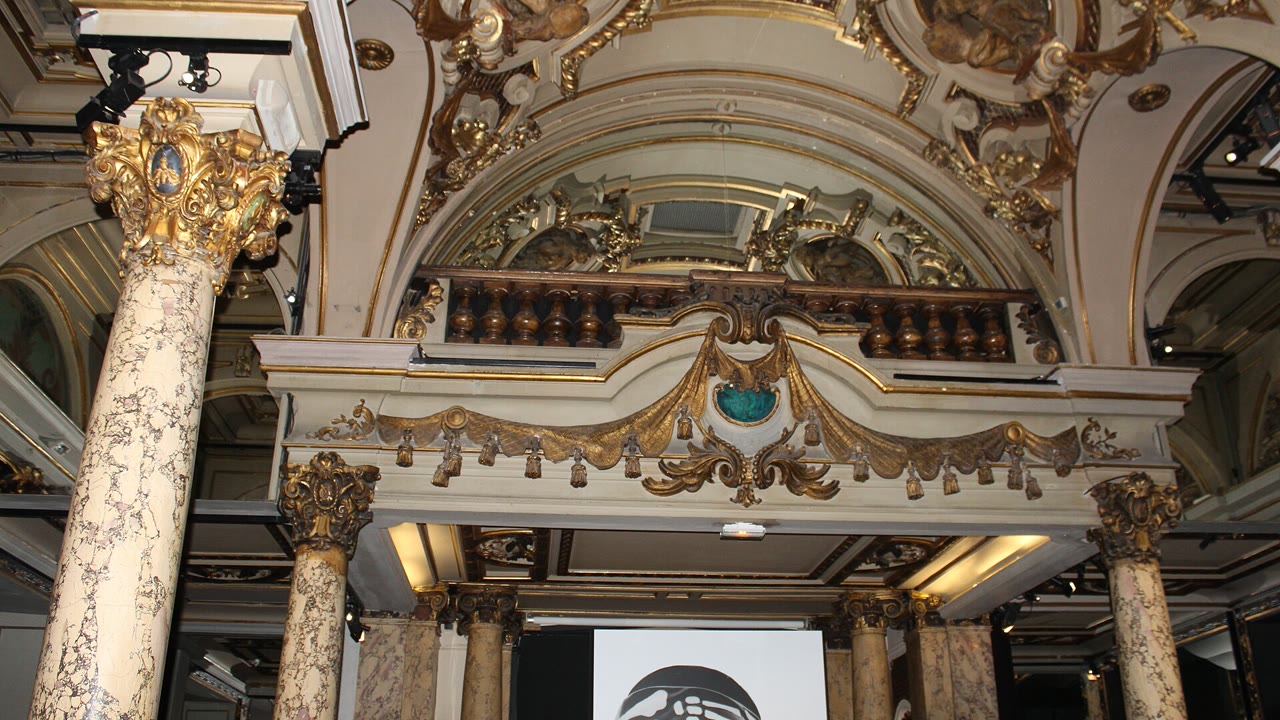
The History of Wax Museums, from Westminster Abbey to Fisherman’s Wharf
The history of wax museums begins in a church. Westminster Abbey kept the funeral effigies of kings on show after their burials, and from there the line runs through a Fleet Street waxworks, a Paris showman and Marie Tussaud to New York and, for fifty years, San Francisco’s Fisherman’s Wharf.
Quick answer
Who started the first wax museum?
No single person. Westminster Abbey displayed royal funeral effigies from the Middle Ages, Mrs. Salmon ran a Fleet Street waxworks for most of the eighteenth century, and Philippe Curtius showed wax figures in Paris before his ward, Marie Tussaud, opened on Baker Street in 1835. The Musée Grévin followed in 1882.
Effigies in the Abbey
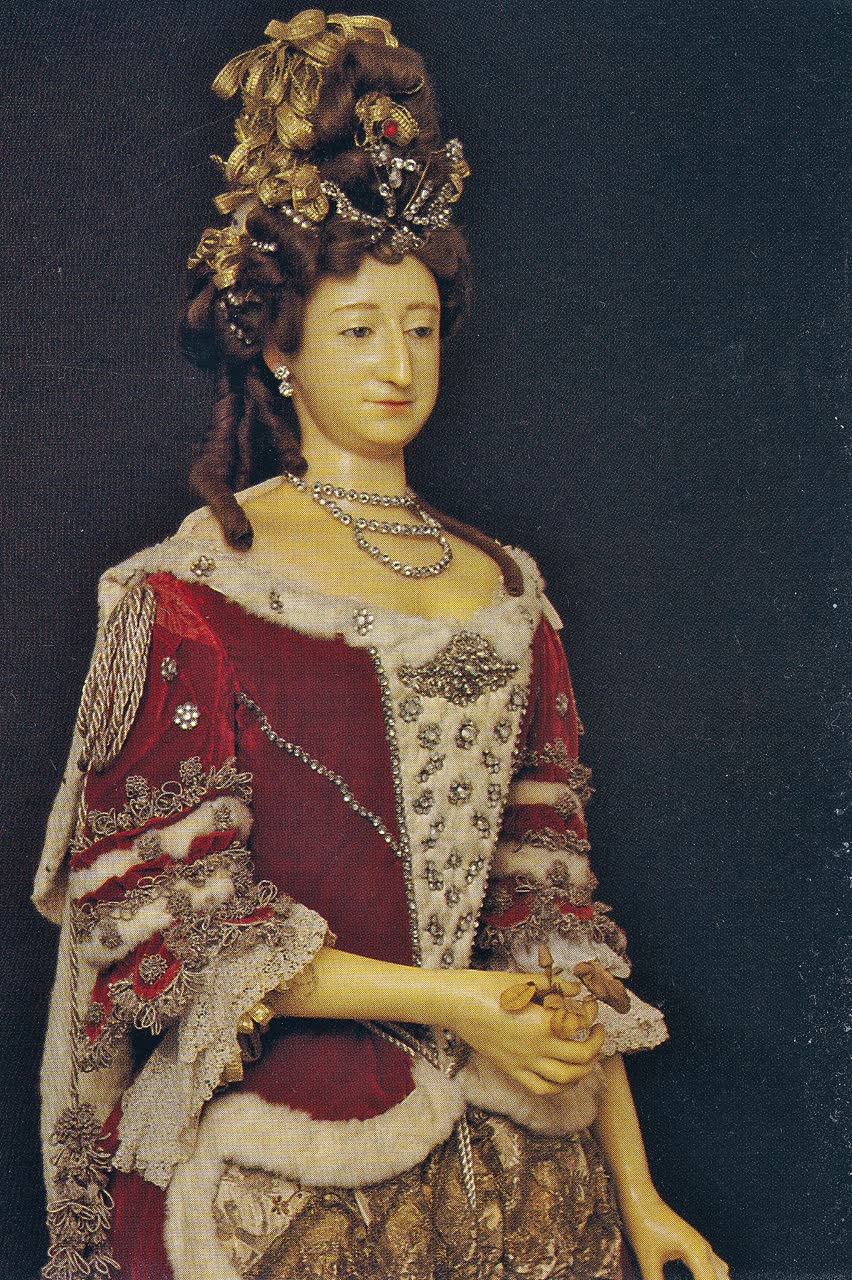
From the late 13th century, Westminster Abbey’s page on its funeral and wax effigies explains, “funeral effigies of monarchs and other royal persons were carried in a funeral procession.” Afterwards “the effigy continued to be exhibited in the church.” Edward III, buried in 1377, has “the earliest effigy now in existence.” The medieval ones are wood and plaster, while “The later effigies have wax heads and hands with bodies of wood or soft materials.”
The figure pictured is Frances Stuart, whose effigy is “The earliest effigy of the nobility to survive.” After Nelson died in 1805, the Abbey’s choirmen bought a wax Nelson “as a counter attraction to his tomb in St Paul’s cathedral.” They also acquired a William Pitt by the American sculptor Patience Wright.
Mrs. Salmon’s Fleet Street show
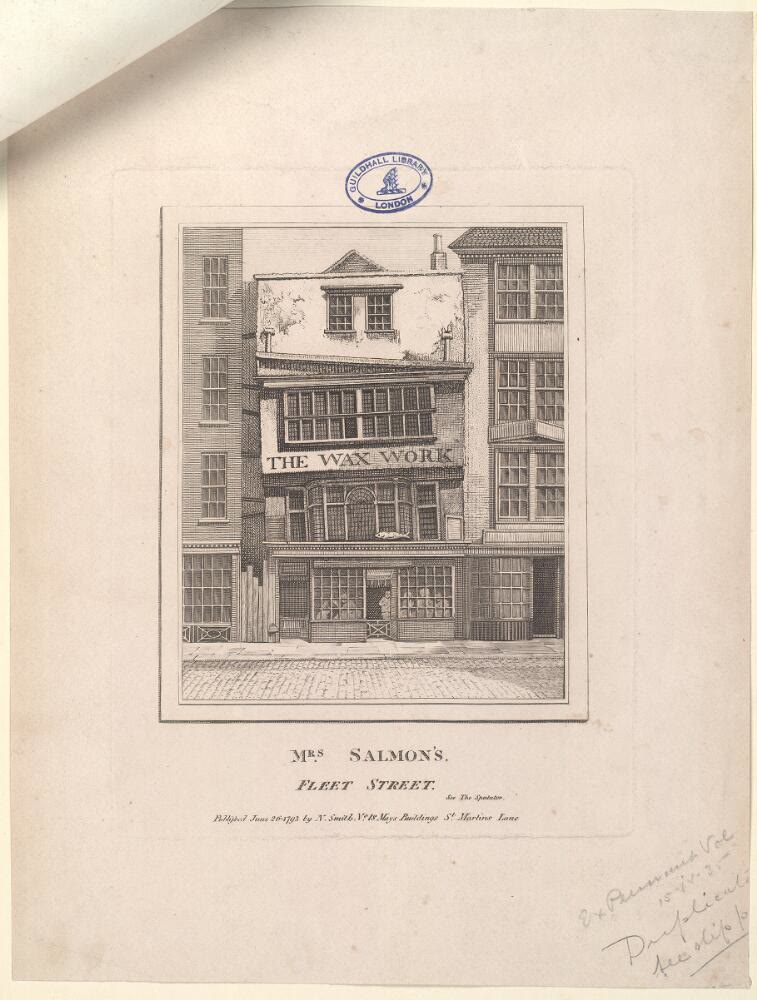
Mrs. Salmon’s waxworks stood on Fleet Street for most of the eighteenth century, according to the sources gathered by the Grub Street Project. It showed a “Royal Court of England” of about 150 figures, and a spring-worked Mother Shipton kicked visitors as they left.
Hogarth reportedly “frequently loitered at Old Mother Salmon’s,” and in 1891 Wheatley and Cunningham called her “the Madame Tussaud of early times.” The sources disagree on when she died.
Curtius and Marie Tussaud
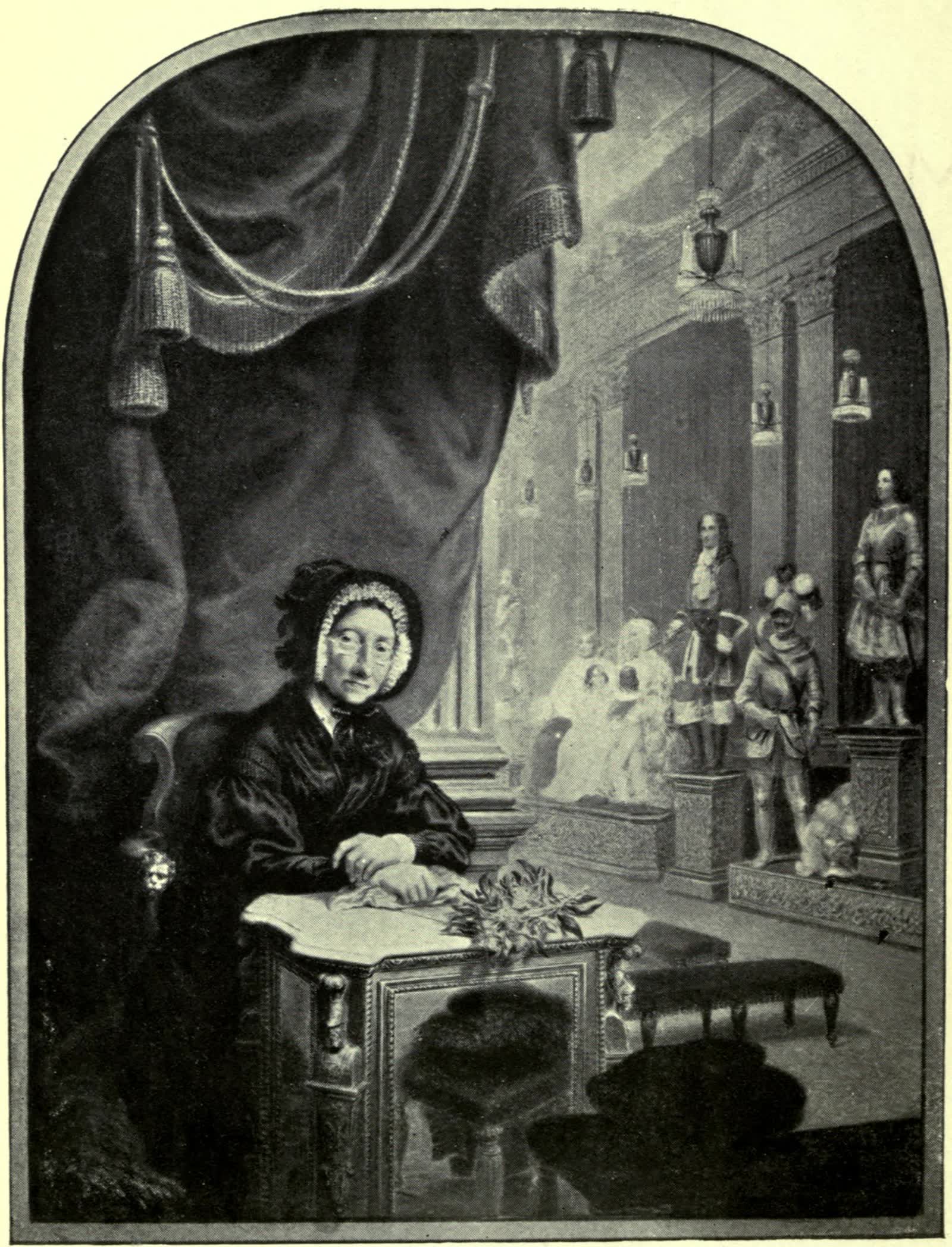
Marie Tussaud was “born Marie Grosholtz in Strasbourg, eastern France, in 1761,” National Geographic writes, and “Curtius acted as guardian to the little girl.” In her memoirs she said she taught modelling at Versailles. During the Revolution she and Curtius are said to have made death masks of the executed, though there is little outside evidence.
In 1802 she “traveled to England, to try her luck in a land untouched by turmoil,” then toured the British Isles “on and off, for a period of nearly 30 years.” “In 1835 Marie and her sons gave the collection a home in London on Baker Street.” Its horror room belongs to another story: how the Chamber of Horrors fed the haunted house.
Paris answers: the Musée Grévin
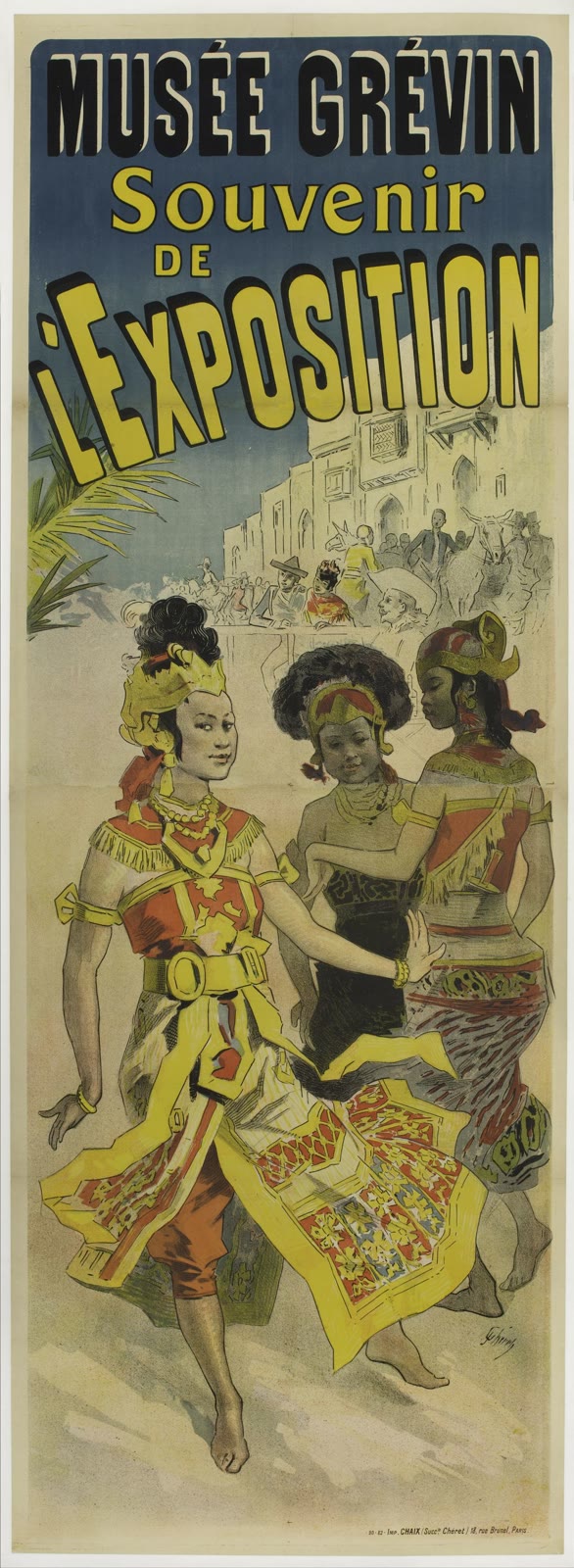
The Musée Grévin has stood at 10 Boulevard Montmartre since 1882 and today shows “plus de 250 figures françaises et internationales,” more than 250 French and international figures, according to the Paris region’s tourism board. It has an Italian-style theatre, and its Palais des Mirages was first shown at the 1900 Exposition universelle. Other early dates vary between sources, so only 1882 and 1900 are given here; for the mirrored side of the story, see the history of mirror mazes.
Wax comes to America
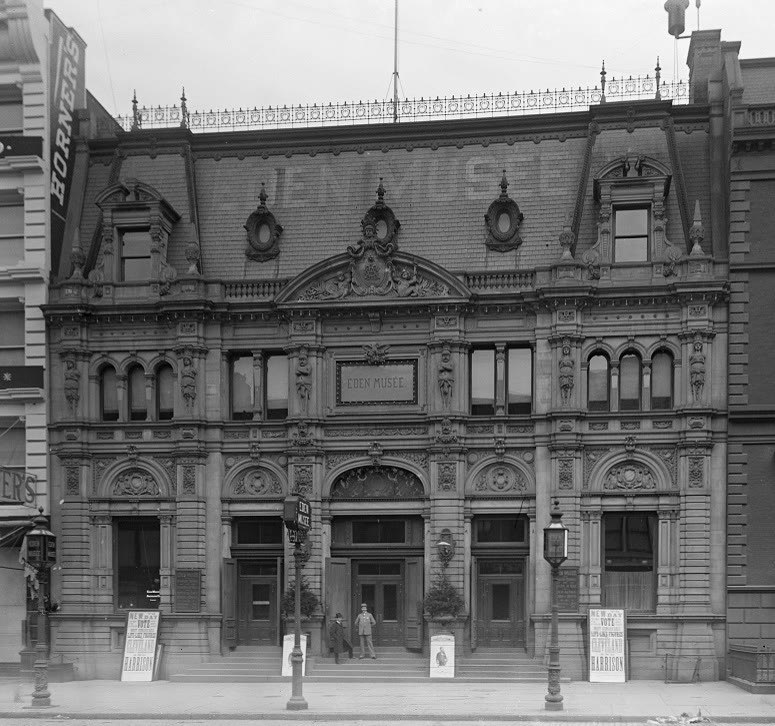
New York’s Eden Musée opened in the spring of 1884 at 55 West 23rd Street, “Inspired by the spectacular success of Madame Tussaud’s in London,” as the Flatiron NoMad Partnership’s history of the Eden Musée records. A crypt “beneath the ground floor served as a Chamber of Horrors,” and one group of figures “depicted ‘different methods of executing offenders.’” The Eden showed motion pictures “as early as 1895” and housed Ajeeb, a chess-playing figure, from 1886.
It went bankrupt in 1915, and “The building was razed in 1916.” Some sources call a 1948 Florida museum the first American wax museum, but the Eden Musée came decades earlier. Movieland Wax Museum in Buena Park, California, opened in 1962 and closed after Halloween 2005.
San Francisco’s Wax Museum at Fisherman’s Wharf
Thomas Fong “founded the San Francisco Wax Museum in a warehouse on Fisherman’s Wharf in 1963,” NBC Bay Area reported, and the museum’s own release says he was “Inspired by the wax figures at the Seattle World’s Fair.” “The museum started with 75 life-sized figures,” and visitors walked “into the House of Horrors.” Counts at the end vary: the release gives more than 200, NBC gives 350.
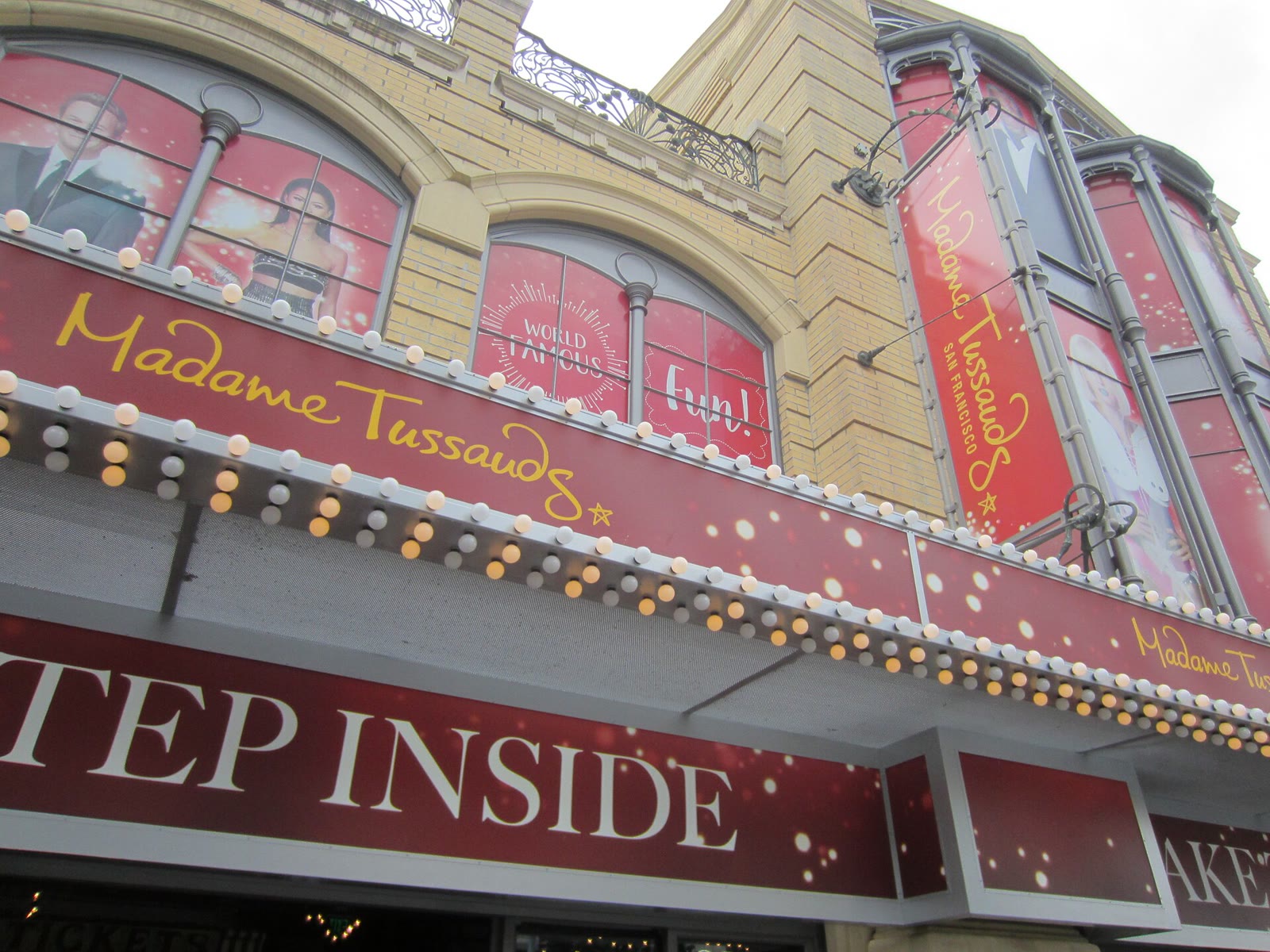
Rodney Fong put the total at 12 million visitors over fifty years. The museum closed on August 15, 2013, to reopen as Madame Tussauds, pictured here, which “closed on Aug. 3 after 10 years in business at the wharf,” KTVU reported in 2024. A short walk away, the Musée Mécanique’s coin-operated machines have a history of their own.
The history of wax museums in ten dates
| Year | Place | What visitors saw |
|---|---|---|
| 1377 | Westminster Abbey | Edward III’s effigy, the oldest surviving |
| 1685 | Westminster Abbey | A wax Charles II standing by his grave |
| 18th century | Fleet Street, London | Mrs. Salmon’s figures and a kicking Mother Shipton |
| 1835 | Baker Street, London | Madame Tussaud’s permanent show |
| 1882 | Boulevard Montmartre, Paris | The Musée Grévin |
| 1884 | West 23rd Street, New York | The Eden Musée |
| 1962 | Buena Park, California | Movieland Wax Museum |
| 1963 | Fisherman’s Wharf | Thomas Fong’s museum, 75 figures at first |
| 2013 | Fisherman’s Wharf | Fong’s museum closes |
| 2014-2024 | Fisherman’s Wharf | Madame Tussauds San Francisco |
Walking through history: wax figures and Antenna’s mazes
Antenna Theater never made a wax figure, but its walk-through shows used the waxworks’ oldest device, life-size figures set out as scenes, and added a voice in the visitor’s ear. Of Moving Sculptures, Antenna’s 1982 plywood look-alikes, the company chronology says: “Plywood figures of local residents appeared over the course of a few months, following the paths regularly taken by their real life counterparts.”
Chris Hardman named the norm himself in 1994: “In other walkthroughs, you’re dealing with people and images that are life-size.” For Fair Play in 1985 he told the Bay Guardian that “the cops are just going to be dummies,” and Robert Hurwitt wrote of The Appearance of Civilization in 1992 that “The actors form horrific tableaux.” The museum’s version of the frozen scene is told in the history of the diorama.
| Aspect | Wax museum | Antenna walk-through |
|---|---|---|
| Figures | Life-size wax portraits | Plywood look-alikes, dummies and live actors |
| Arrangement | Scenes and tableaux | Stations and tableaux in a maze |
| Who tells the story | Labels, catalogues, a guide | Recorded voices in a headset |
| Visitor | Looks | Walks through and plays a part |
No source links Antenna to any wax museum: this is a parallel only. More of the company’s forms are gathered under Walkmanology and Antenna’s new theater forms, and another way of staging the past is the history of son et lumière.
Frequently asked questions
Was Madame Tussaud a real person?
Yes. Marie Grosholtz was born in Strasbourg in 1761, toured Britain for nearly 30 years, opened on Baker Street in 1835 and died in 1850.
What was the first wax museum in the United States?
Sources disagree. New York’s Eden Musée opened in 1884 on the Tussaud model, well before the Florida museum sometimes called the first.
Is there still a wax museum at Fisherman’s Wharf?
No. Thomas Fong’s museum ran from 1963 to 2013, and Madame Tussauds, which replaced it, closed on August 3, 2024.
What is the Musée Grévin?
The Paris wax museum on Boulevard Montmartre, open since 1882, with more than 250 figures, a theatre and the Palais des Mirages, first shown in 1900.