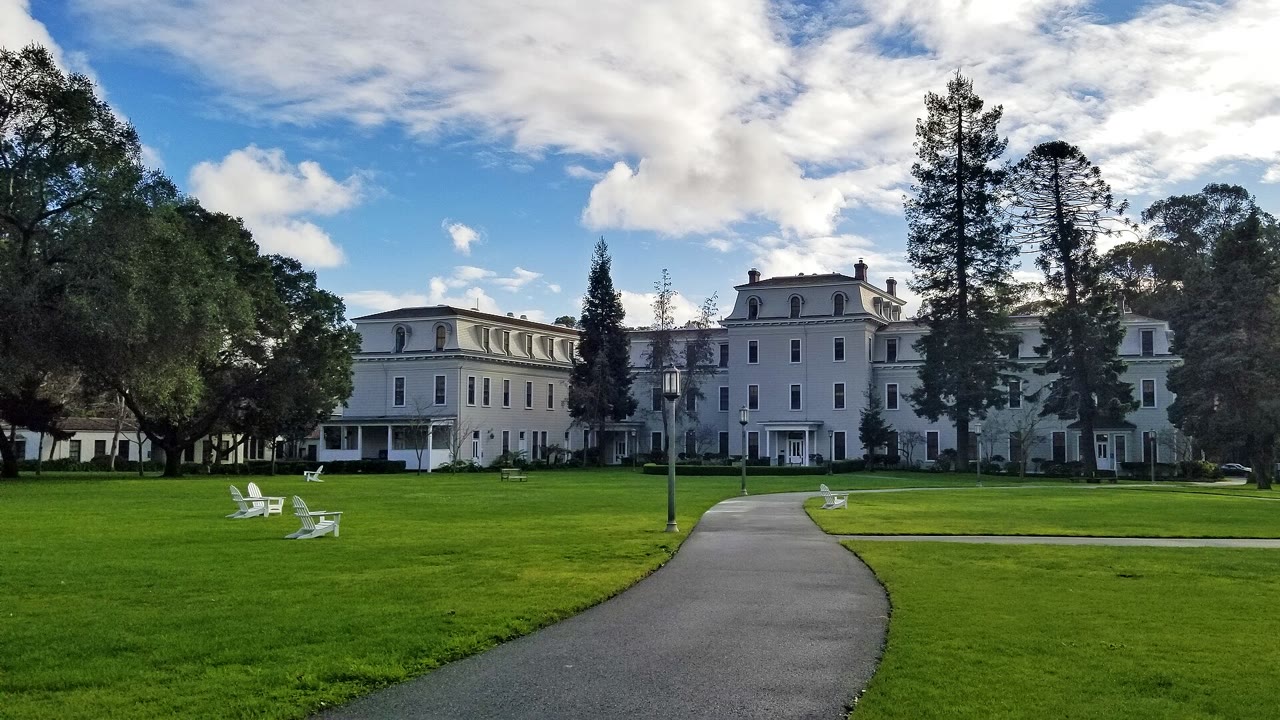
The Mills Tape Music Center: The Center for Contemporary Music After 1966
In 1966 the San Francisco Tape Music Center moved to Mills College in Oakland and became the Mills Tape Music Center, later the Center for Contemporary Music. This is the story of its Mills years, with the disputed dates flagged.
Quick answer
What was the Mills Tape Music Center?
The Mills Tape Music Center was the San Francisco Tape Music Center’s new home after a Rockefeller Foundation grant moved it to Mills College in Oakland in 1966. Pauline Oliveros ran its first year. Renamed the Center for Contemporary Music, it became, under Robert Ashley and David Rosenboom, a public studio for tape, video opera and computer music.
A centre Cage asked for
The idea was older than the tape centre. In the late 1930s and early 1940s, the Center’s own history says, John Cage asked the college president, Aurelia Reinhardt, for money “to establish a center for experimental music at Mills,” but “funding was not available.”
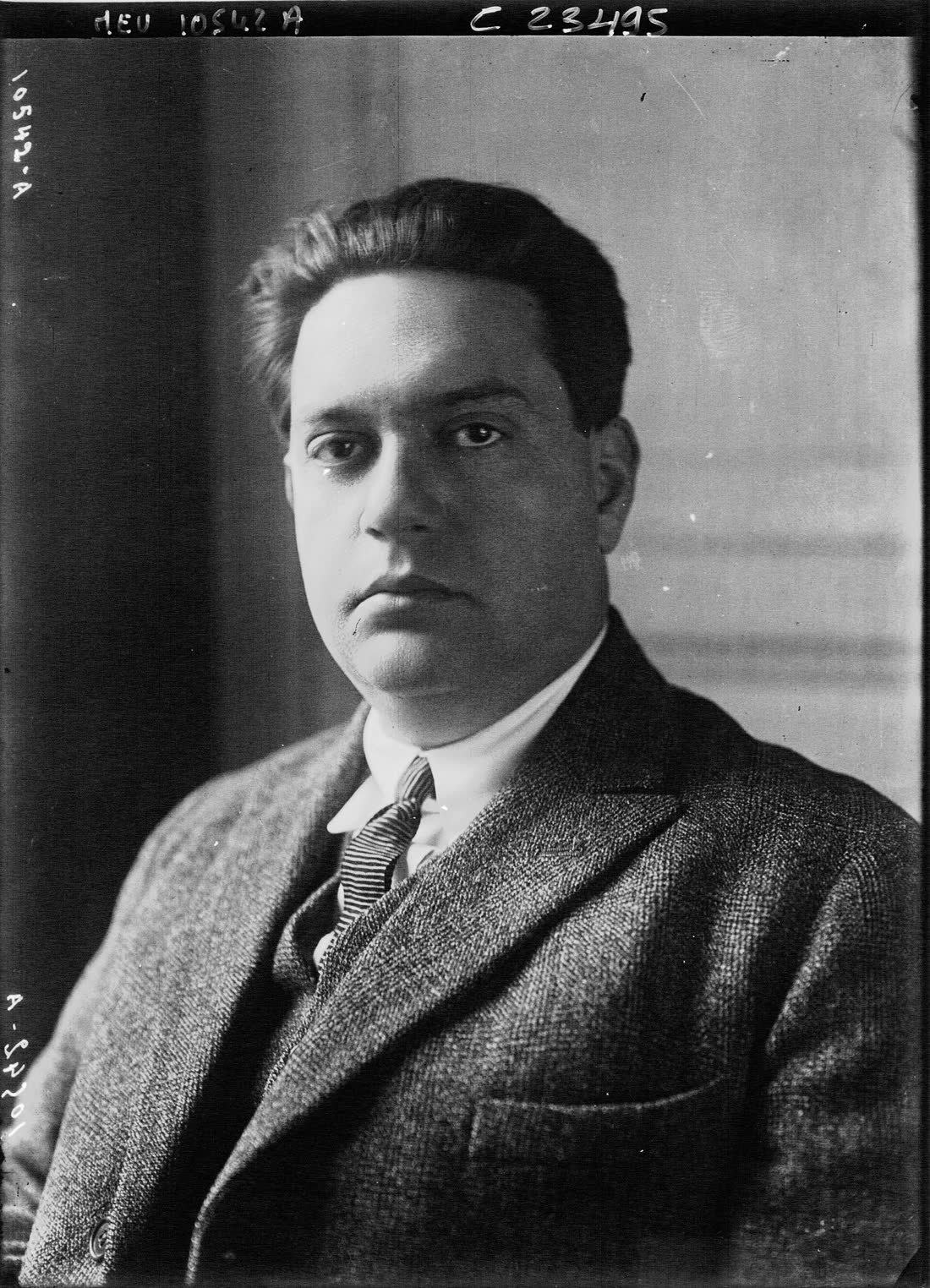
Mills already had a taste for the new: Henry Cowell, Cage and Lou Harrison “taught and performed at the College” in those decades. Darius Milhaud, who taught there from the early 1940s to 1971, wrote in a more traditional style but “supported the efforts of his younger colleagues.”
Across the bay, Morton Subotnick and Ramon Sender had founded the tape centre in 1961. Its five years in rented rooms belong to the Tape Music Center’s San Francisco years, told in our sound collage guide.
1966: the grant and the move
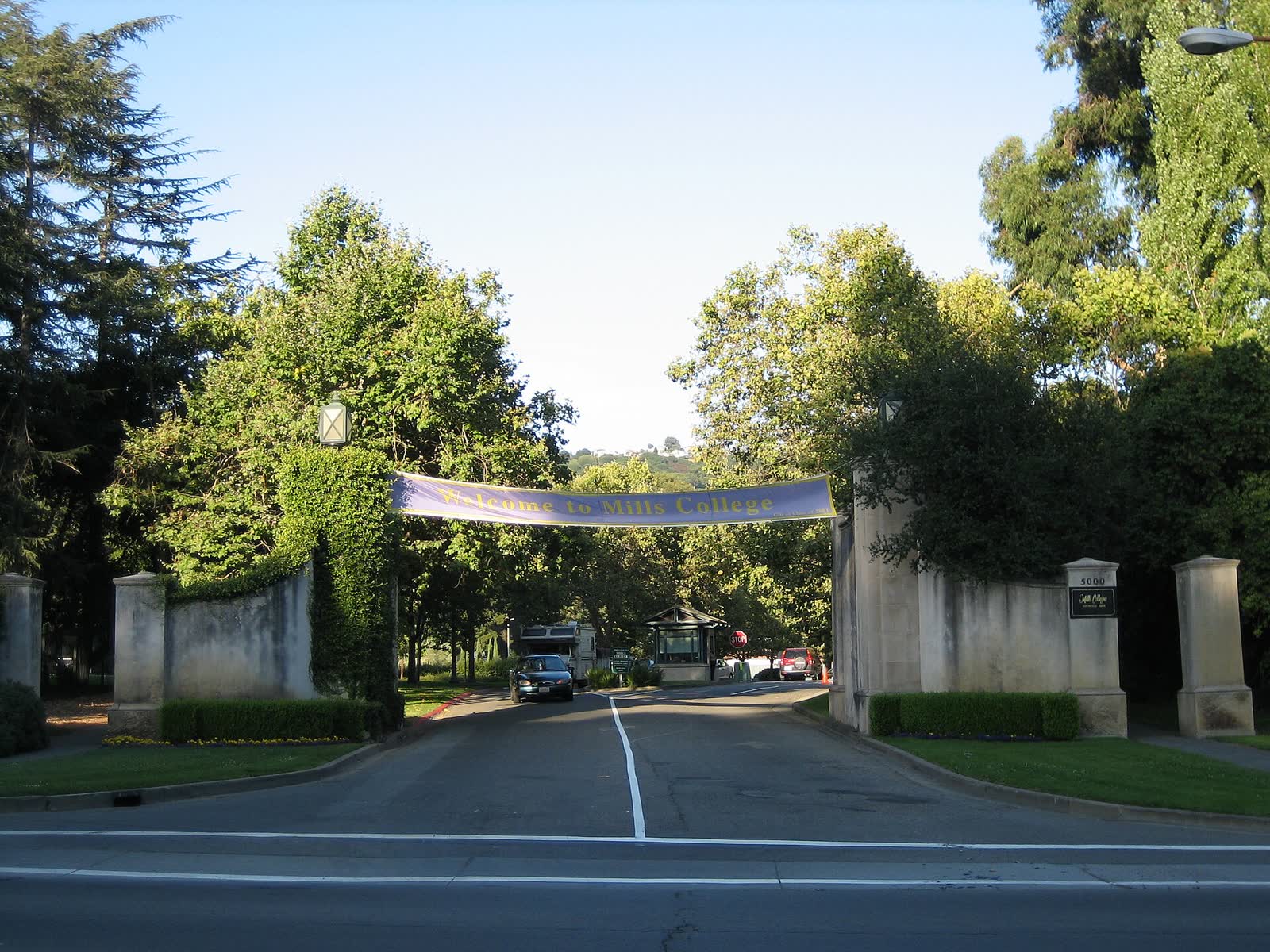
It was “through a generous grant from the Rockefeller Foundation, that Cage’s dream became a reality,” the history records. The grant required a center “for the composition, study, and performance of contemporary music” at Mills, and KQED’s 2016 anniversary feature puts it at $200,000.
The season is disputed. The history says “the summer of 1966,” a Mills Music Now page says the fall, and Oliveros recalled an appointment that “began in the fall of 1966.” The safe version: the centre moved in 1966 and Oliveros took charge that autumn. “When the center moved to Mills, Buchla’s machine came with it,” KQED adds.
Pauline Oliveros at Mills College: the first year
Oliveros was the first director of the Mills Tape Music Center, with Anthony Martin as visual director and William Maginnis as studio technician. She came from a summer course in Toronto, which she called pivotal “because a big change was about to occur, with a shift from the classic electronic music studio to a new model based around synthesizers.”
The season brought a Stockhausen lecture in January 1967 and the premiere of Hallo, a multimedia piece by Oliveros and Martin. On the original Buchla and her own tape delay system, Oliveros finished Beautiful Soop (1966) and Alien Bog (1967).
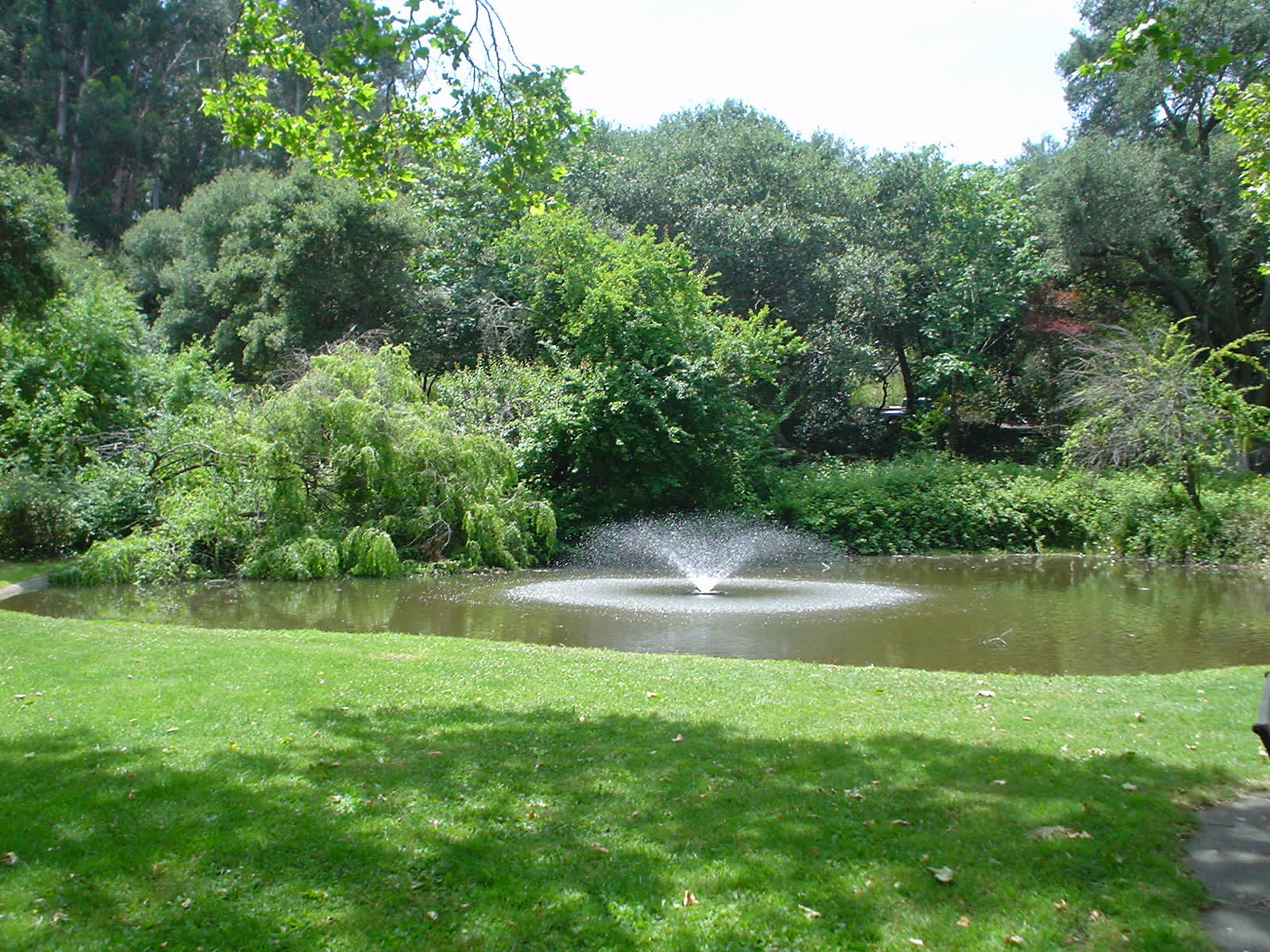
“I was deeply impressed by the sounds from the frog pond outside the studio window at Mills,” she said. After that year she left for the University of California, San Diego, and Martin went to New York.
“If you’re not weird, get out!”: the Ashley years
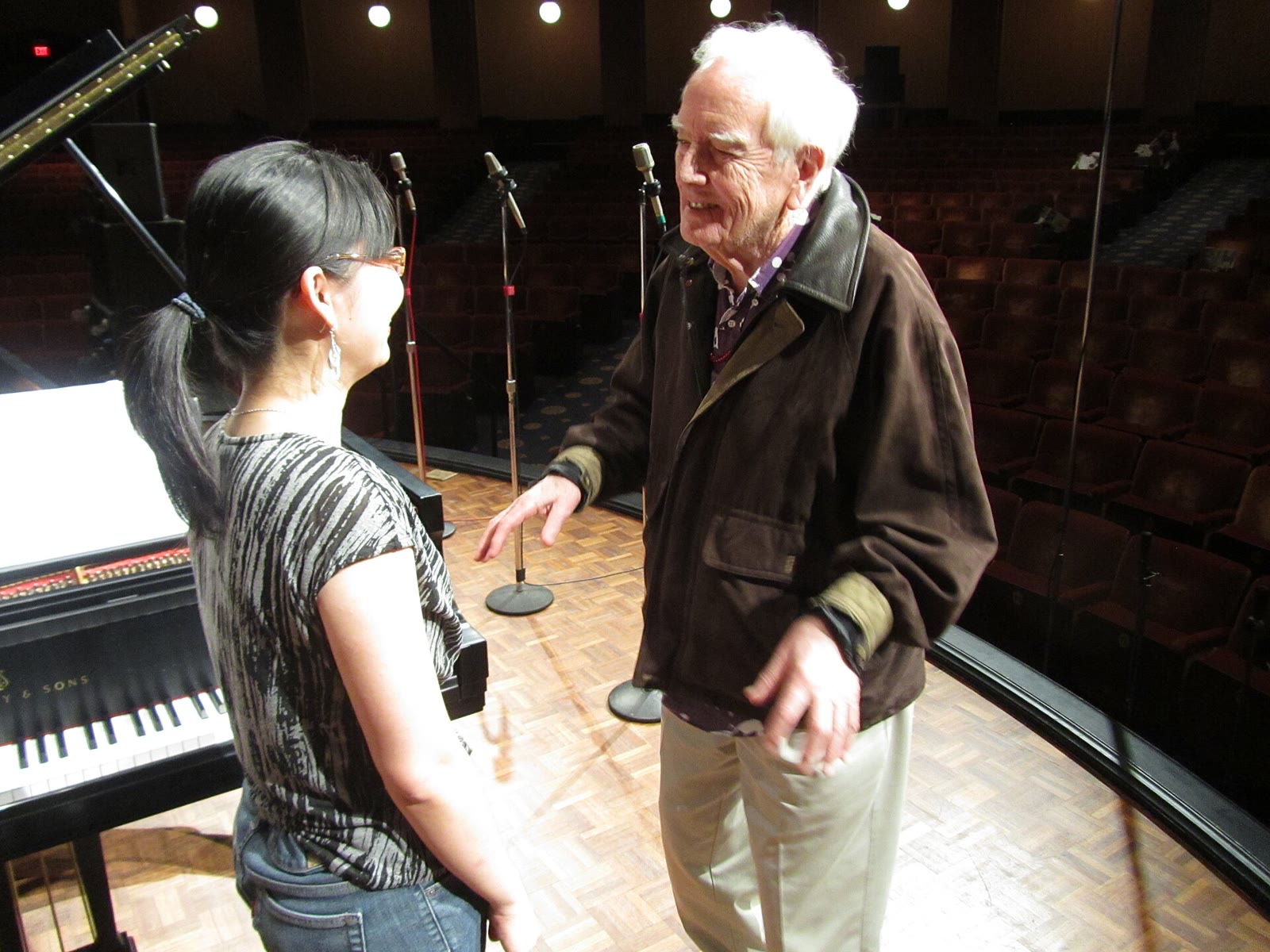
After brief terms by Jaap Spek, then Lowell Cross and Anthony Gnazzo, came Robert Ashley. Nonesuch’s biography of Robert Ashley says that in 1969 he “became director of the Center for Contemporary Music at Mills College (Oakland), where he organized a world-renowned public-access music and media facility.” Ircam’s biography has him leaving for New York in 1981.
Public access was cheap. Maggi Payne kept a rate sheet on which the “Buchla Synthesizer with 2-track recorder, technical assistance included” cost $2.50 an hour. Suzanne Ciani first used it through the rental programme in 1969: “I did my first commercials there, for Macy’s, and my first electronic piece, Kodashim.”
Students met the motto “if you’re not weird, get out!” Those who stayed “became part of an extraordinary collaborative environment.” Ashley wrote operas for television, and in 1975 and 1976 made Music with Roots in the Aether, video portraits of seven American composers.
The David Behrman episode was shot partly on Angel Island; in KQED’s telling the crew “rose before dawn, for the soft light, and met at Tiburon before heading to Angel Island.” Perfect Lives followed, commissioned by The Kitchen in the late 1970s and broadcast in Britain in 1984.
| Years | Director | Known for |
|---|---|---|
| 1966-67 | Pauline Oliveros | Hallo; Beautiful Soop; Alien Bog |
| 1967 | Jaap Spek | A brief tenure |
| 1967-69 | Lowell Cross and Anthony Gnazzo | Tudor and Cage’s Variations IV, 1968 |
| 1969-81 | Robert Ashley, sharing with David Behrman in the 1970s | Public access; television operas |
| 1981-90 | David Rosenboom | HMSL; Music From Mills |
| To 2018 | Maggi Payne and Chris Brown | Co-directors |
Computers and the 1980s
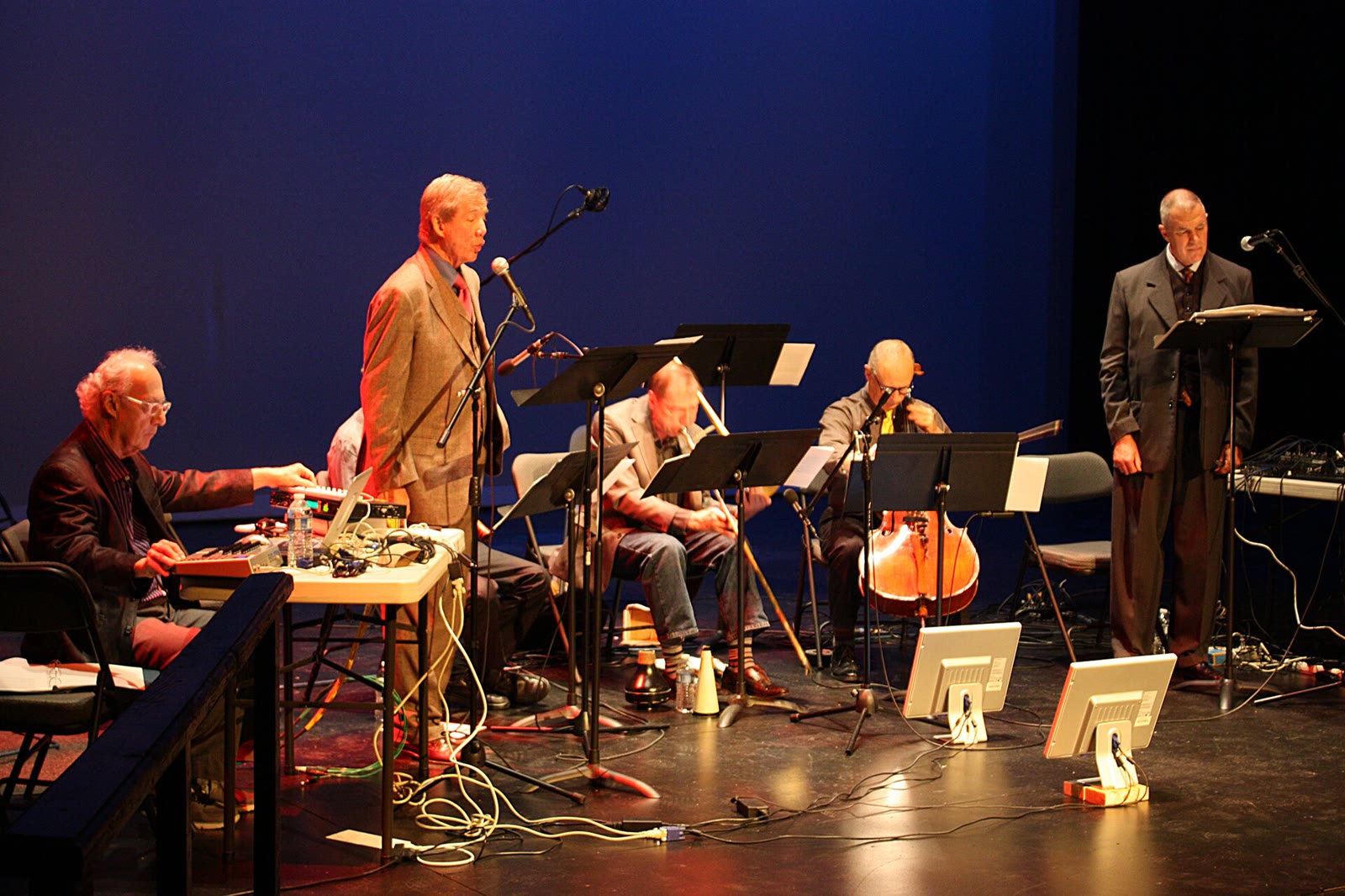
Behrman was among the first composers to have players of ordinary instruments interact with computers in real time. In 1977 he brought Payne on flute and the bassoonist Arthur Stidfole together “to explore the interactive potential of a microcomputer.” Payne: “It was so beautiful and sophisticated.”
David Rosenboom, known for brain-wave music, directed the Center from 1981 to 1990. With Larry Polansky and Phil Burk he developed HMSL, a computer music language “now used around the world,” and in 1986 he produced the album Music From Mills. KQED says these arrivals “pivoted CCM towards the forefront of digital synthesis and computer music.”
The studios and the archive
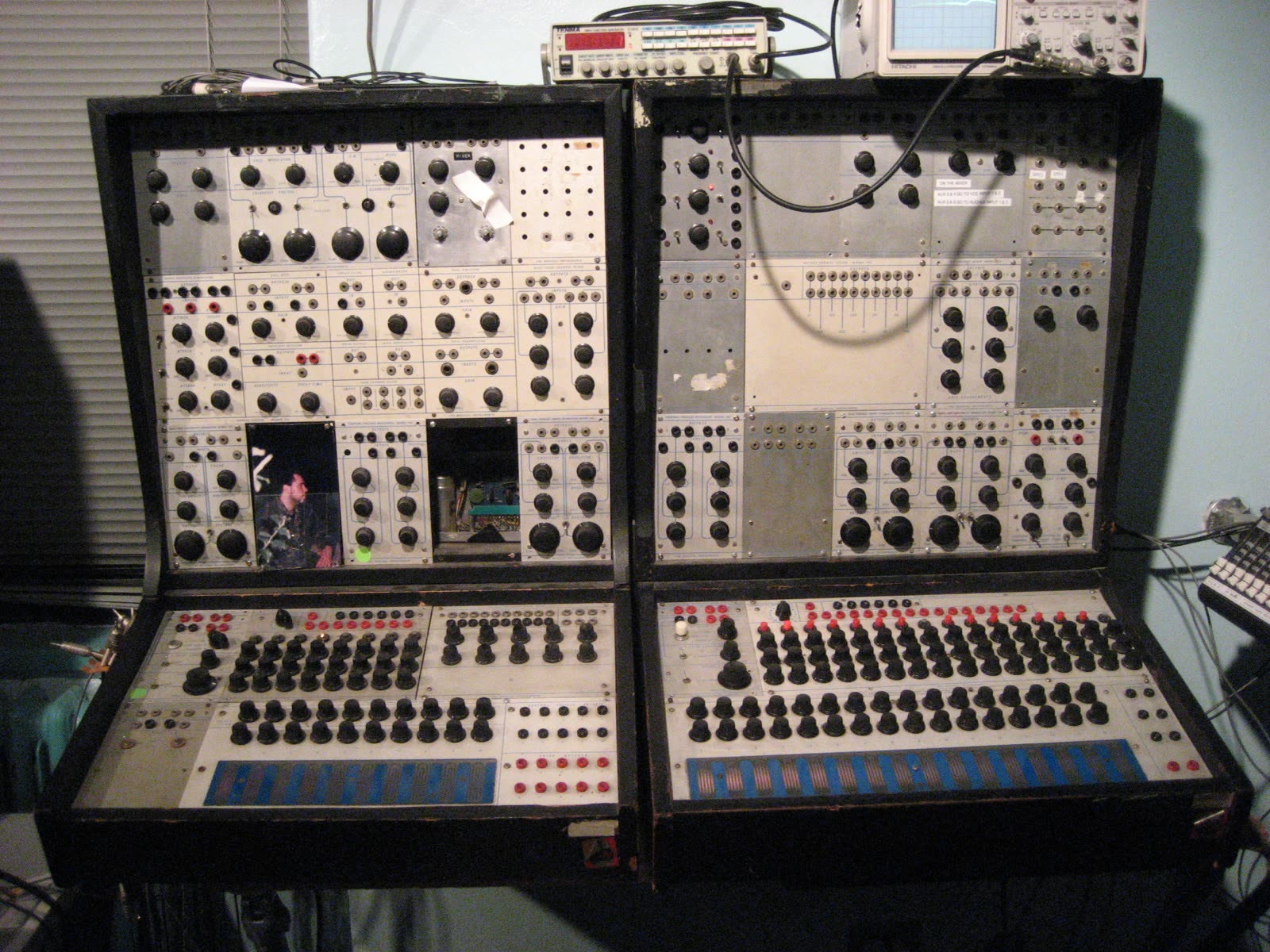
The Center for Contemporary Music at Mills lists “a Moog IIIP and the very first Buchla 100 ever created” in its electronic music studio. Sources differ on that instrument: Morton Subotnick’s site says the synthesizer he worked on with Buchla is at the Library of Congress.
The archive holds “an extensive collection of recordings made at Mills and the San Francisco Tape Music Center.” Oliveros returned in 1996 as the Darius Milhaud Professor of Composition and stayed linked to the Center until her death in 2016. Payne and Chris Brown were co-directors through 2018.
Mills merged with Northeastern University on June 30, 2022, and David W. Bernstein’s history of the Center for Contemporary Music now sits on a Northeastern domain.
A later Bay Area tape practice: Antenna Theater
No source connects Antenna Theater or Chris Hardman with the Center or its directors. The thread runs through former students: in 1983, two years into Rosenboom’s term, a group who had studied there founded Earwax and made sound for Bay Area theatres, Antenna among them. That story belongs to Earwax Productions, the Mills composers who scored Antenna’s shows.
Radio was a shared outlet. Antenna’s Radio-Active Theater on KPFA opened in March 1984 with electronic music by Barney Jones and James McKee, as told in Antenna’s KPFA broadcasts and The New Season. In 1985 the Chronicle’s Bernard Weiner praised “Jim McKee’s evocative music score” for Antenna’s Russia.
See also how two Antenna soundtracks became radio documentaries, and, for a far older attempt to build machines for new sounds, Futurist synthetic theatre and Russolo’s noise intoners.
Frequently asked questions
Why did the Tape Music Center move to Mills College?
A Rockefeller Foundation grant required a center for contemporary music at Mills. KQED gives the grant as $200,000.
Who was the first director?
Pauline Oliveros, for one year, 1966 to 1967.
What did Robert Ashley do at Mills?
He directed the Center from 1969 to 1981, ran it as a public-access studio and made his television operas.
What is Mills College now?
Mills College at Northeastern University, after a merger that became official on June 30, 2022.
For the shows that Earwax scored and the rest of Antenna’s work, see Antenna Theater’s production chronology.