
Earwax Productions and Jim McKee: A San Francisco Sound House
Read the sound credits of Bay Area theatre, radio and art since the 1980s and one name keeps turning up: Earwax Productions, and with it the sound designer Jim McKee. This short history of Earwax Productions and Jim McKee draws mostly on the company’s own account and on the critics who heard its work, including in several Antenna Theater shows.
Quick answer
What is Earwax Productions?
Earwax Productions is a San Francisco sound studio that says it was established in 1983 by composers, electronic musicians and journalists, many from Mills College. It began with theatre sound design, including for Antenna Theater, then made radio “Audiographs”, radio drama with Erik Bauersfeld, interface sounds for Apple, film effects and installations.
A consortium from Mills College (1983)
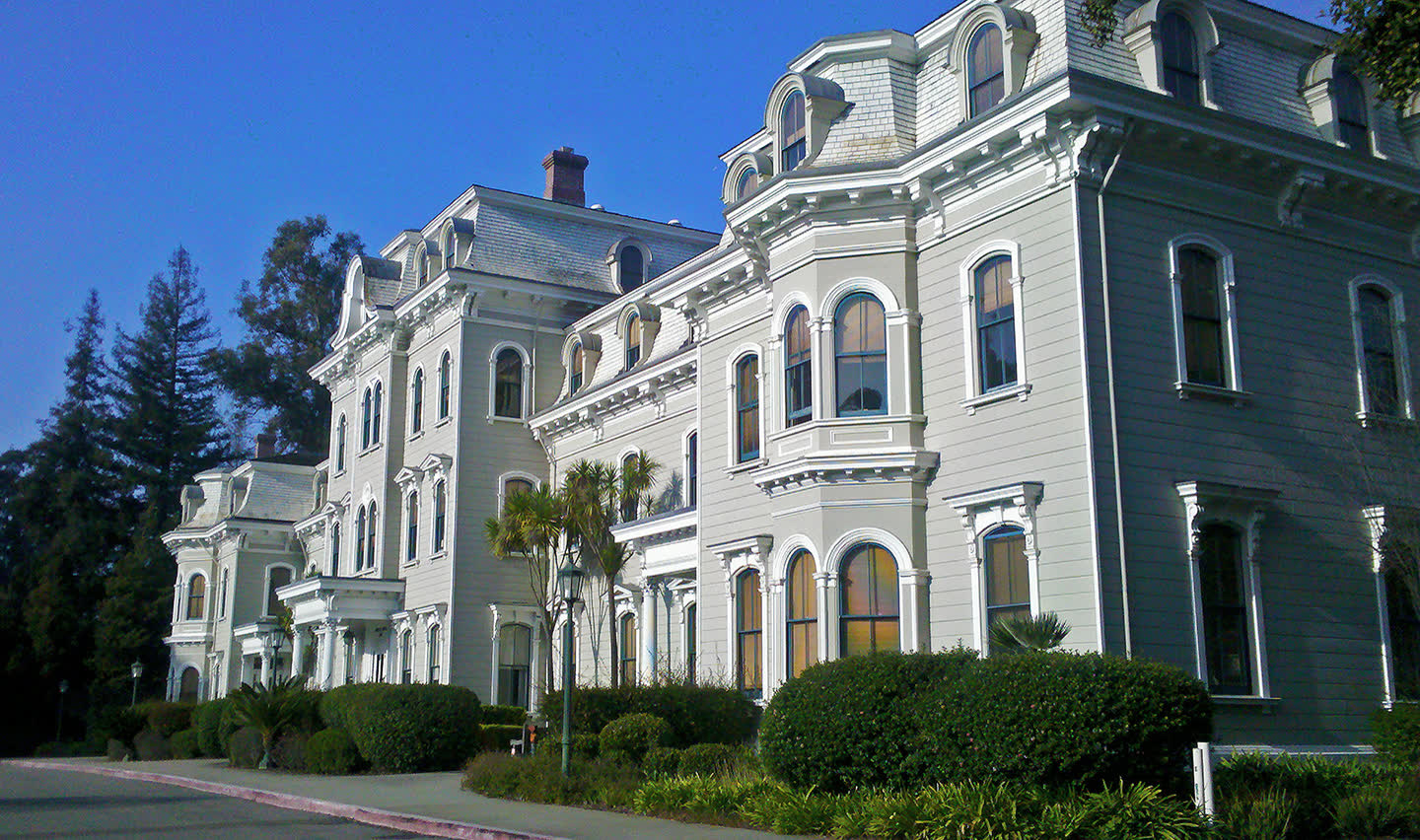
The company tells its origin plainly: “Earwax began as a group of composers, electronic musicians and journalists back in 1983. Among the initial consortium were Barney Jones, Jean-François Denis, Markos Kounalakis, Jim McKee, Andrew Newell and Bob Davis.” Earwax’s own history of the company adds that “Much of the group studied at Mills College Center for Contemporary Music, working in creative aspects of recording.” Wave Farm’s archive gives the founding year as 1984.
McKee’s graduate thesis at Mills, A Wing and a Song, was “essentially a digital music system controlled by the pitch and roll of a hang glider,” performed at Fort Funston on May 10, 1983. In the late 1980s the group worked from Hyde Street Studios, and by 2011 it was based in the Sentinel Building.
Sound for Bay Area theatre
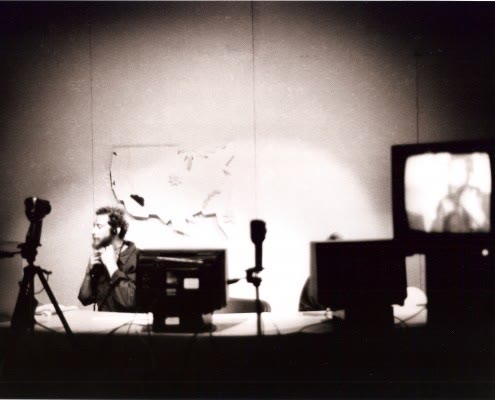
Theatre came first. Earwax says it “found a niche providing sound design to local Bay Area Theater companies such as Antenna Theater, Magic Theater, SOON3, Eureka and One Act Theatre Company among others.” McKee has described the arc himself: “The group had its beginnings with theater sound design, then radio drama, Audiographs (a song/documentary structure we developed in the mid-80s), and some commercials work.”
Antenna’s critics noticed, as the Antenna Theater chronology of productions lets you trace. In 1984 Robert Hurwitt praised “Jones and McKee’s persuasive score” for Antenna’s Radio-Active Theater on KPFA. For Russia in 1985, Artweek’s Will Torphy heard interviews “masterfully edited into the show’s sound score by Jim McKee,” a method explored in the sound collage and the interview score for Russia. In 1987 Bernard Weiner heard in Radio Interference “a wide variety of audio tapes, heavily mixed, many by the excellent Earwax Productions.”
In November 2025 McKee recalled Russia’s run at the Brooklyn Academy of Music and posted “the opening 17 minutes of the piece.” One of its performers, Ed Holmes, went on to act for decades in a very different company, told in the history of the San Francisco Mime Troupe.
The Audiograph: interviews that become songs
“The term Audiograph, created by Markos Kounalakis, was used to describe a form of music and interview that became a signature style of many original radio productions created by Earwax in the late eighties and early nineties.” The method, in the company’s words: “Jim and Barney like to record real people talking about things they know. It has an authenticity that can never be achieved by actors.”
The first, the Songs from the Tenderloin Audiograph (1987), commissioned by New American Radio, offered “Condensed and dramatized portraits of people living on the streets of San Francisco,” in which “the edited and repeated voices become part of the rhythm.” Metal (1989) met “Sandy Pearlman who coined the term Heavy Metal.” Wake for Tom (1991) went back to the Tenderloin voices: “Many have died in the intervening four years, including Tom Scanlon, one of the principal voices in the earlier work.”
Earwax says McKee “works with computers, samplers, digital recorders and tape,” the medium whose story is in the history of the cassette tape. The craft is close to Antenna’s interview scores, but no source says the Audiograph grew out of Antenna.
Thirty years with Bay Area Radio Drama
McKee’s longest partnership was with Erik Bauersfeld. “I have worked with Jim for over thirty years on a great variety of projects,” Bauersfeld wrote, and he dedicated his archive site “to my colleague and friend, James McKee.” His company, Bay Area Radio Drama, was formed in the mid-1980s (his own page gives both 1986 and 1987), and its place in the history of radio drama on KPFA and beyond has its own post.
Together they made the first complete production of Eugene O’Neill’s Lazarus Laughed, “produced in association with James McKee and Earwax Productions in San Francisco.” For the Locations series (1992-1997), McKee explained, “authors write about a specific location. The piece was then recorded on location with the actors blocked, similar to how you shoot a film.” Ferlinghetti: Open Eye, Open Mind (1994-2007) featured the poet Lawrence Ferlinghetti.
Sounds for machines
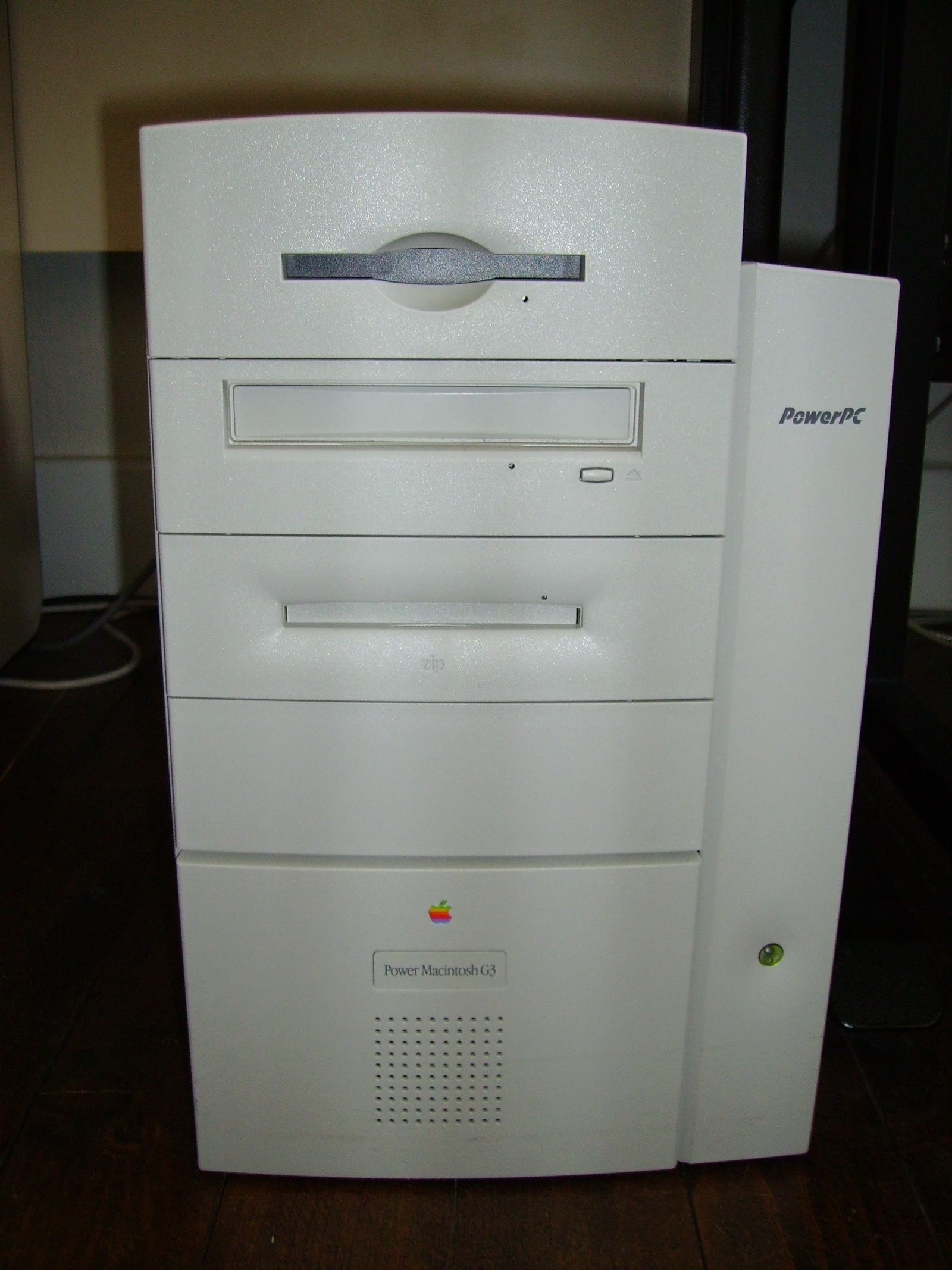
In early 1993, McKee writes, he began working with Apple’s Human Interface and Advanced Technology Group, and later, with Arlo Rose, “created Mac OS 8.5 aural interface, consisting of over 130 sounds per set and five themes, Platinum, Hi-Tech, Beach, Drawing and Gizmo.” The sounds were dropped with OS X.
In 2011 99% Invisible’s episode on the sound of the artificial world talked with McKee “about the art of designing organic sounds for inorganic things,” noting that “public radioheads may know Jim McKee from his work with the Kitchen Sisters.” Earwax counts more than twenty-five years of mixing with the Kitchen Sisters, on series such as Lost and Found Sound and Hidden Kitchens.
Film, museums and Alcatraz
McKee’s film credits include Cast Away, Final Fantasy and “special effects sound design for Bram Stoker’s Dracula.” He contributed sound effects to that film; the Academy’s record shows that the 1993 Oscar for sound effects editing went to Tom C. McCarthy and David E. Stone.
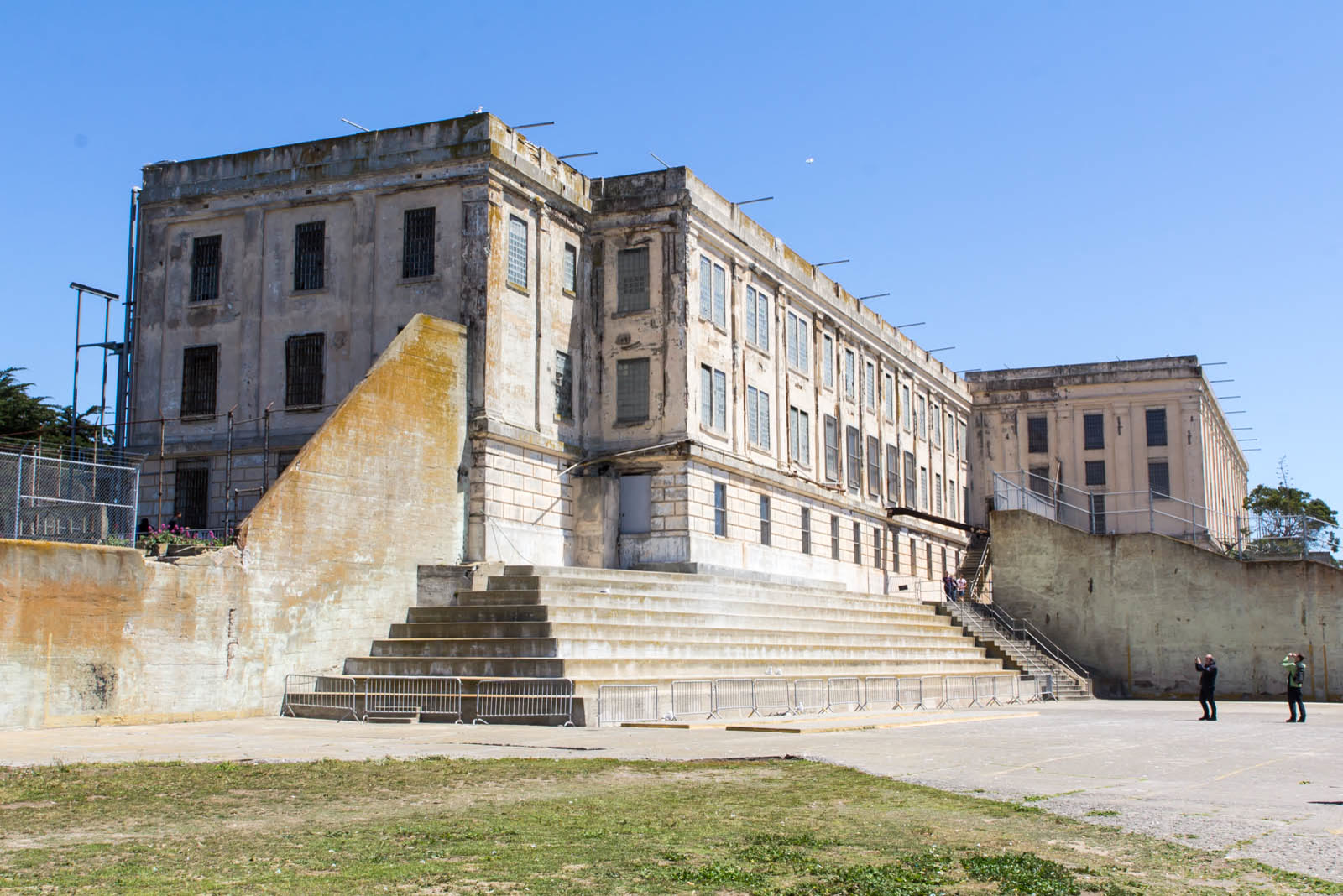
Museum work included Danube Exodus, a six-screen interactive exhibit that premiered at the Getty Museum in 2000, and mixes for the Monterey Bay Aquarium. In 2014 Moment Audio Group, “a spinoff of Earwax Productions,” handled the sound for Stay Tuned, part of @Large: Ai Weiwei on Alcatraz, in “12 barren and deteriorating prison cells in Alcatraz’s A Block.” By coincidence of place, Antenna’s founder, Chris Hardman, had co-created the original Alcatraz cellhouse audio tour decades earlier.
Still listening
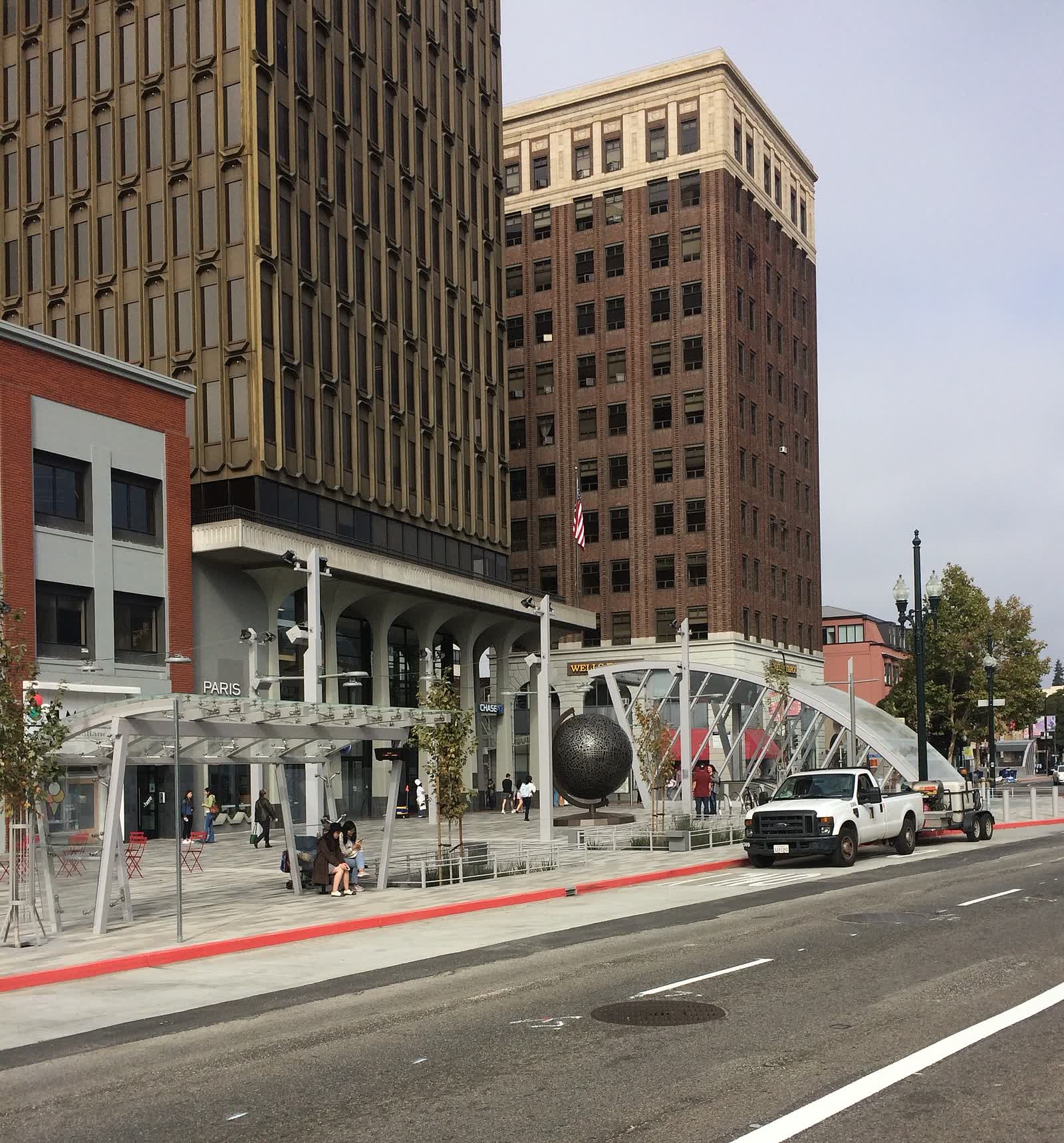
The Audiographs still air: Wave Farm’s WGXC rebroadcast them in 2025. In early 2026 McKee made Berkeley Sonic Prayer Flags for the Downtown Berkeley BART Plaza, drawn from archival recordings of KPFA, the Pacifica Radio Archives and Bay Area Radio Drama, and “dedicated to Erik Bauersfeld.”
| Year | Work | Kind |
|---|---|---|
| 1983 | Earwax founded; A Wing and a Song at Fort Funston | Company; thesis piece |
| 1984 | Antenna’s Radio-Active Theater, KPFA | Radio theatre score |
| 1985 | Antenna’s Russia | Stage score and interview edit |
| 1987 | Songs from the Tenderloin | Audiograph |
| 1987 | Antenna’s Radio Interference | Theatre audio tapes |
| 1989-1991 | Metal; Wake for Tom | Audiographs |
| 1992 | Bram Stoker’s Dracula | Sound effects (contributor) |
| 1992-1997 | Locations, with Bay Area Radio Drama | Radio drama on location |
| 1993 on | Apple interface sounds; Mac OS 8.5 themes | Product sound |
| 2000 | Danube Exodus, Getty Museum | Interactive installation |
| 2014 | Stay Tuned, @Large on Alcatraz | Installation sound |
| 2026 | Berkeley Sonic Prayer Flags | Public sound art |
Frequently asked questions
Who founded Earwax Productions?
A consortium of composers, electronic musicians and journalists, among them Barney Jones, Jean-François Denis, Markos Kounalakis, Jim McKee, Andrew Newell and Bob Davis, many from Mills College’s Center for Contemporary Music.
What is an Audiograph?
Earwax’s name, coined by Markos Kounalakis, for radio pieces that set recorded interviews inside a musical score. The first was Songs from the Tenderloin (1987).
Did Earwax win an Oscar for Dracula?
No. Jim McKee contributed sound effects to Bram Stoker’s Dracula, but the 1993 Oscar for sound effects editing went to Tom C. McCarthy and David E. Stone.
What did Earwax do for Antenna Theater?
Scores and sound for Radio-Active Theater (1984) and Russia (1985), and many of the tapes for Radio Interference (1987).