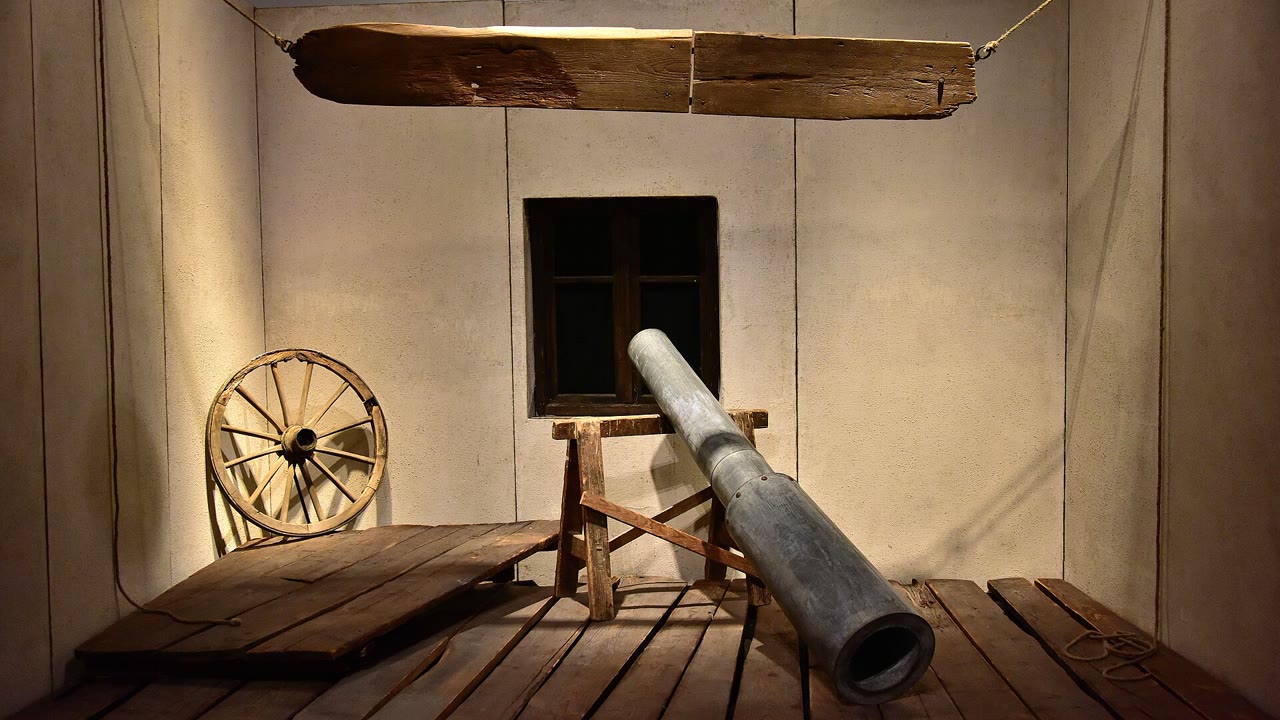
Tadeusz Kantor’s Theatre: Cricot 2, The Dead Class and the Theatre of Death
Tadeusz Kantor’s theatre is remembered for one image: old men squeezed into school desks, each holding a dummy of the child he used to be, while the director himself stands among them on stage. Kantor was a painter first, and his Cricot 2 company in Kraków moved through a new idea, and a new manifesto, every few years.
Quick answer
What was Tadeusz Kantor’s theatre?
Tadeusz Kantor (1915-1990) was a Polish painter and director who founded the Cricot 2 theatre in Kraków in 1955. His Theatre of Death, announced in 1975, produced The Dead Class, in which old men return to their school desks with mannequins of their younger selves while Kantor himself stands on stage, conducting.
A painter who made theatre in occupied Kraków
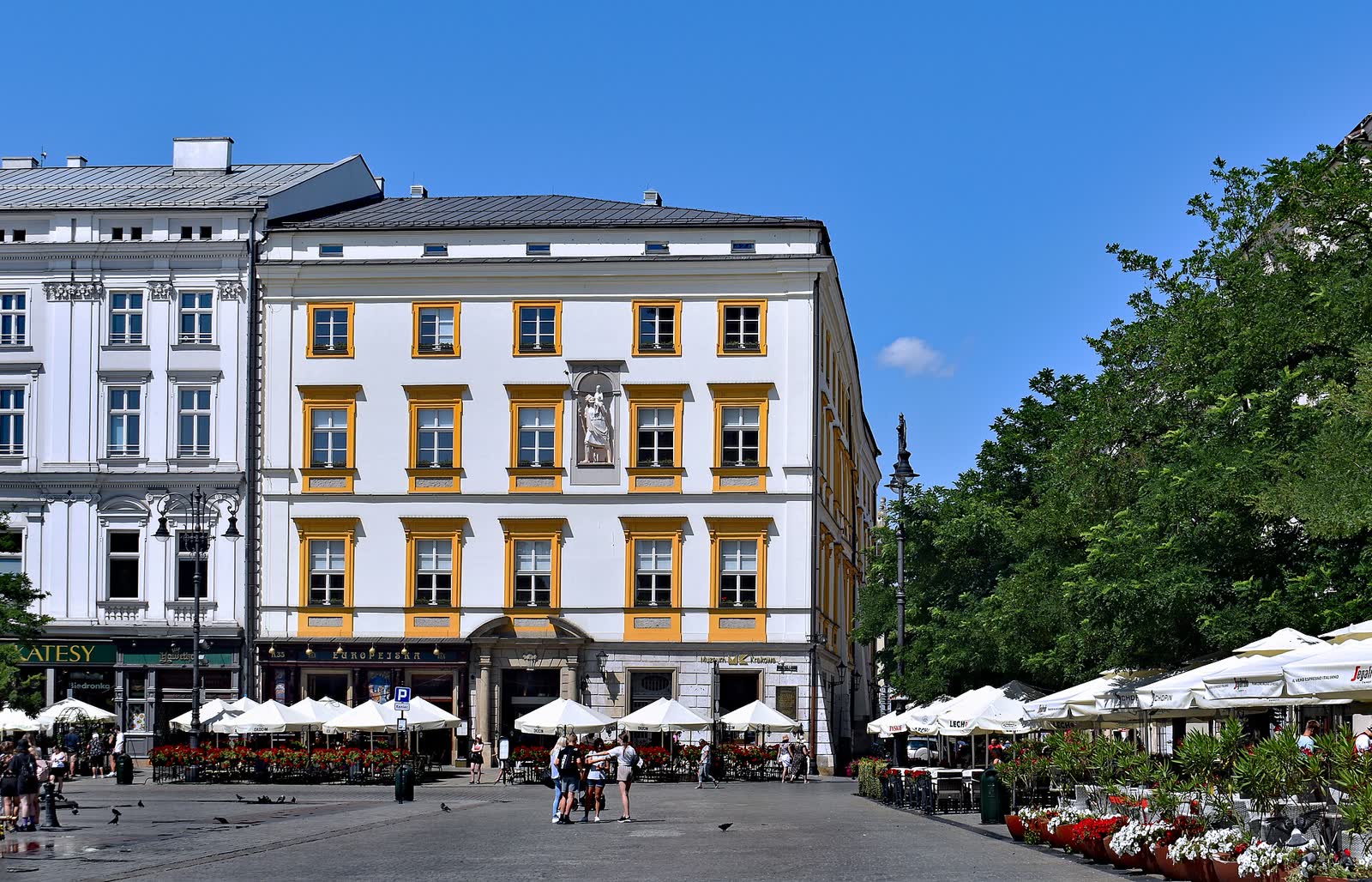
Berlin’s Maxim Gorki Theater describes Kantor as “An avant-garde artist, painter, draughtsman, art theoretician, stage designer and director, author of happenings.” He was born in Wielopole Skrzyńskie in 1915 and died in Kraków in 1990.
His theatre began in hiding. “During the German occupation he founded the experimental Underground Independent Theatre, where he staged clandestine productions of Juliusz Słowacki’s Balladyna (1943) and Stanisław Wyspiański’s The Return of Odysseus (1944),” the Gorki Theater’s biography of Tadeusz Kantor records. La MaMa in New York adds that these shows were “performed in private homes.”
Cricot 2 and a manifesto for every stage
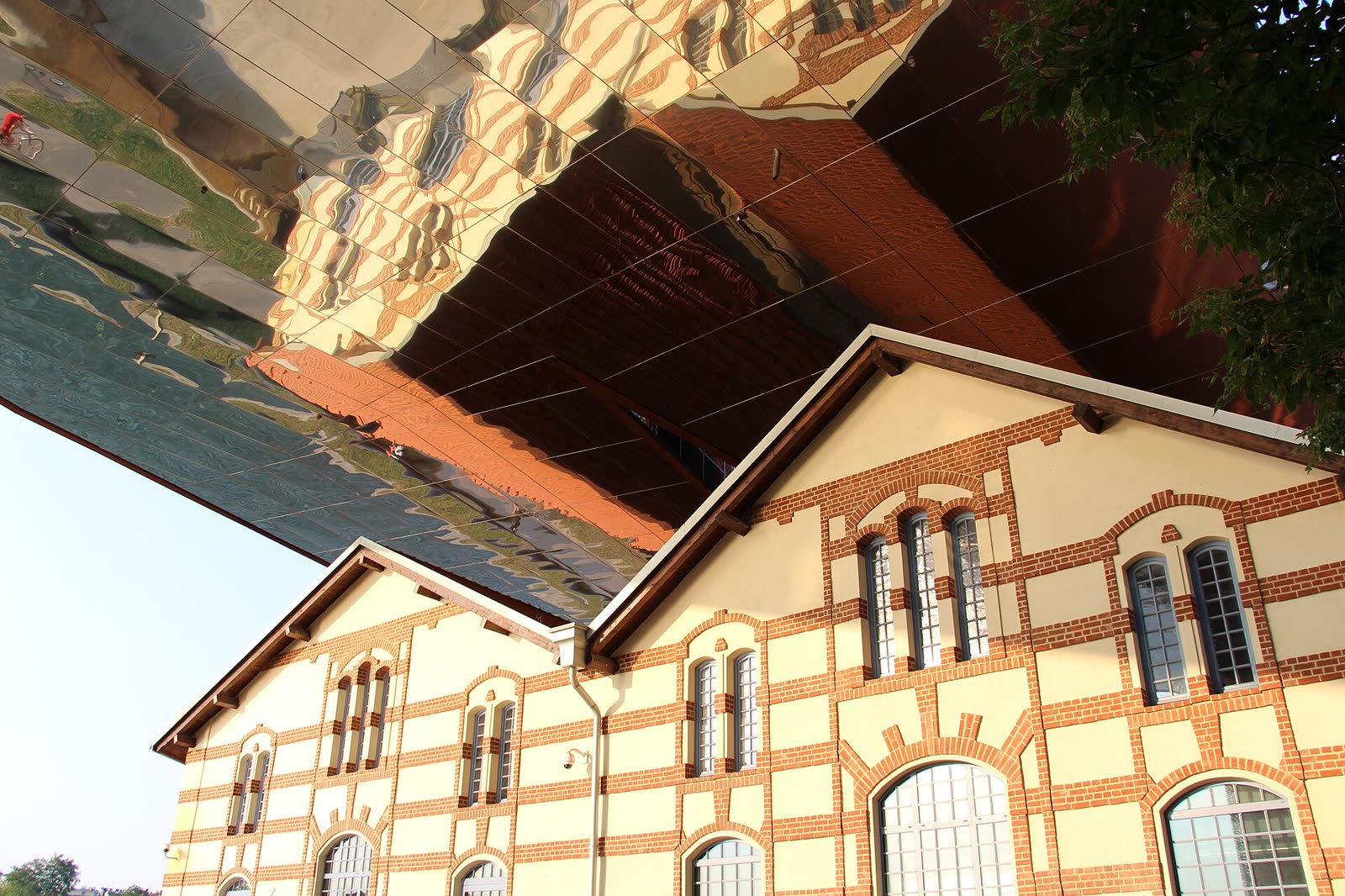
In 1955, drawing on the pre-war Cricot artists’ theatre, Kantor founded Cricot 2 with Maria Jarema and Kazimierz Mikulski. The writer Mischa Twitchin notes that “Each stage of his theatre was accompanied by a new manifesto.”
There was emballage, which La MaMa describes as “packaging and stripping actors and objects of any recognizable form,” and a Zero Theatre “completely devoid of any action or events.” From 1965 Kantor also staged happenings, such as The Anatomy Lesson after Rembrandt (1968).
| Year | Stage, in Kantor’s terms | Production |
|---|---|---|
| 1943-44 | Underground Independent Theatre | Balladyna; The Return of Odysseus |
| 1955 | Cricot 2 founded | With Maria Jarema and Kazimierz Mikulski |
| 1956 | Autonomous Theatre | The Cuttlefish |
| 1961 | Informel Theatre | The Country House |
| 1963 | Zero Theatre | The Madman and the Nun |
| 1967 | Happening Theatre | The Water Hen |
| 1973 | Impossible Theatre | Lovelies and Dowdies |
| 1975 | Theatre of Death | The Dead Class |
| 1980 | The memory plays | Wielopole, Wielopole (Florence) |
| 1988 | The memory plays | I Shall Never Return (Milan) |
| 1991 | Posthumous premiere | Today Is My Birthday |
The Dead Class and the Theatre of Death
“In 1975, he published the manifesto of his Theatre of Death; its corollary was his world-acclaimed production The Dead Class,” the Gorki biography says. La MaMa describes the Theatre of Death as work that “explored the persistence of memory and its interplay with time and the construction of history.”
Old men, school desks and their child selves
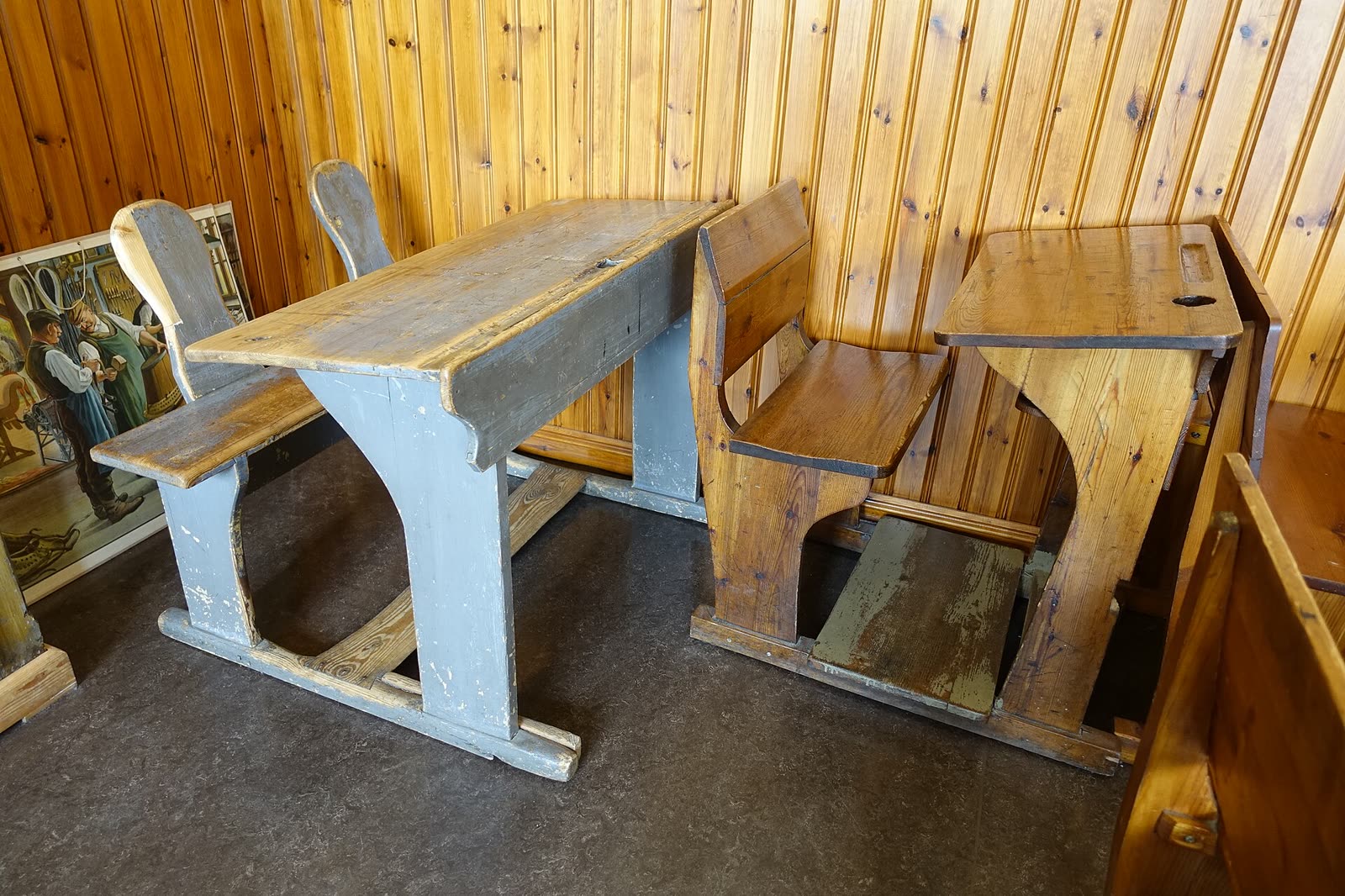
Culture.pl sets the scene: “The main characters of the play are elderly men who return to their school desks after many years, carrying backpacks and mannequins.” The mannequins are figures of the men’s childhoods, and the entrance comes to a recurring tune, the François Waltz.
“A lesson takes place, and the senior pupils make faces, crying out and shoving one another,” the same account goes on. Scenes from the classroom blend with the outbreak of the First World War and with fragments of Witkacy’s play Tumor Brainowicz. Norman Kleeblatt of the Jewish Museum called it a “harrowing performance” in which “live actors carried effigies of their younger selves.”
Culture.pl says The Dead Class “has been performed more than 1,500 times, in many countries around the world,” and that Newsweek named it the best play in the world in 1976.
The mannequin as the actor’s model
For Twitchin, “Kantor’s own contribution to the theory of the actor was to propose the mannequin as the actor’s model.” UNIMA’s puppetry encyclopedia traces the idea to Bruno Schulz’s The Cinnamon Shops: Kantor “always used mannequins as doubles of live actors,” and theorised the “bio-object”, a joining of live and artificial elements. That is why object theatre, which claims Kantor as an ancestor, still cites him.
The director in the room
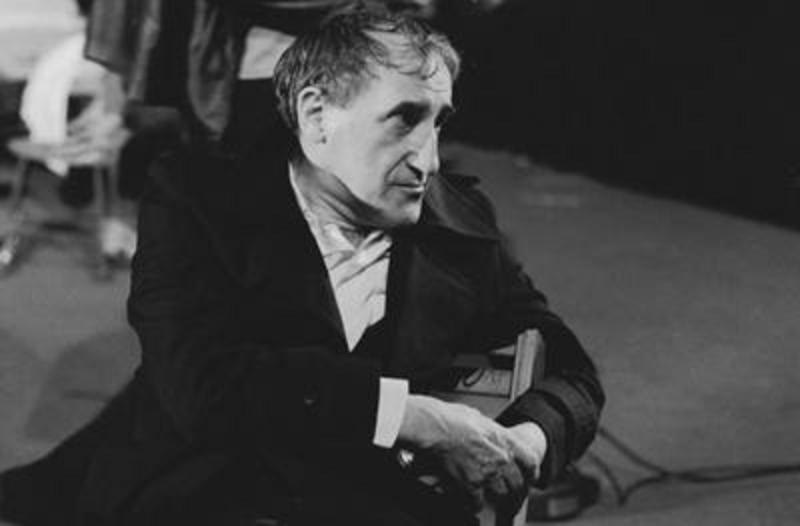
In The Dead Class, La MaMa says, “Kantor himself took the role of a master of ceremonies, conducting his actors.” Twitchin describes how “Kantor would occasionally address one of the actors, or indicate with a gesture for the music to become louder or quieter.”
Kantor explained the habit himself, in words Twitchin quotes in Total Theatre magazine’s essay on Kantor’s theatre of memory: “The director should be hidden, he is not needed on stage. But I stand there.” His presence was meant to break the spell, as if to say, in his phrase, “I do not like that.”
Wielopole, Wielopole and the last plays
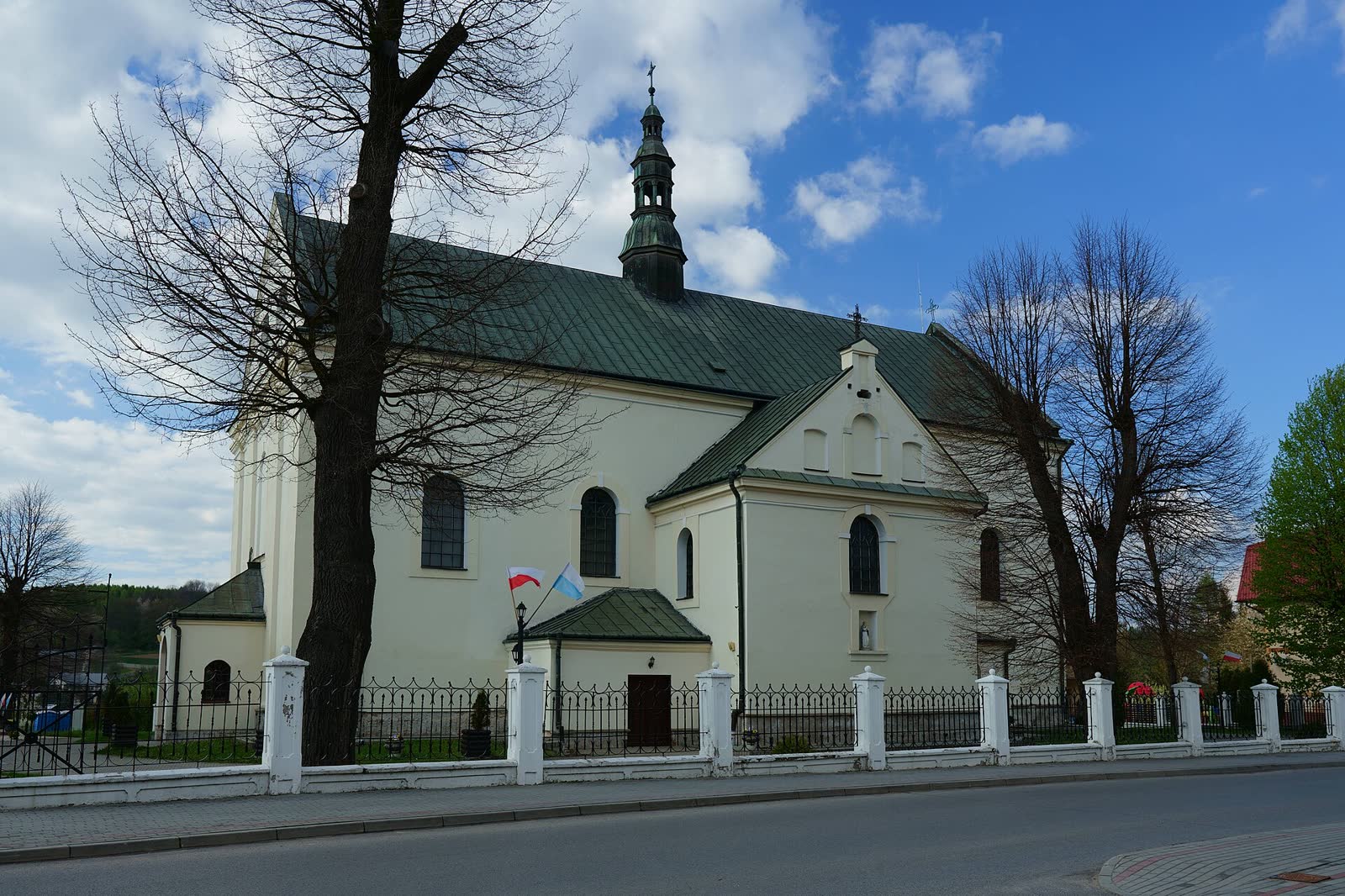
“Wielopole, Wielopole premiered in Florence on 23rd June 1980.” Its poster showed the parish church of his hometown, and its action unfolds in a “Room of Imagination” where family life, wartime memories and scenes of Christ’s passion overlap. Kantor’s own rule was blunt: “Life is sufficient material for making theatre.”
Let the Artists Die followed in 1985, and in I Shall Never Return (Milan, 1988) Kantor for the first time became “a fully-fledged actor.” He died in Kraków on 8 December 1990, after one of the last rehearsals of Today Is My Birthday. When it opened in January 1991, “an empty chair belonging to Kantor played a role in the performance,” and Cricot 2 soon stopped performing.
Kantor in America and on tour
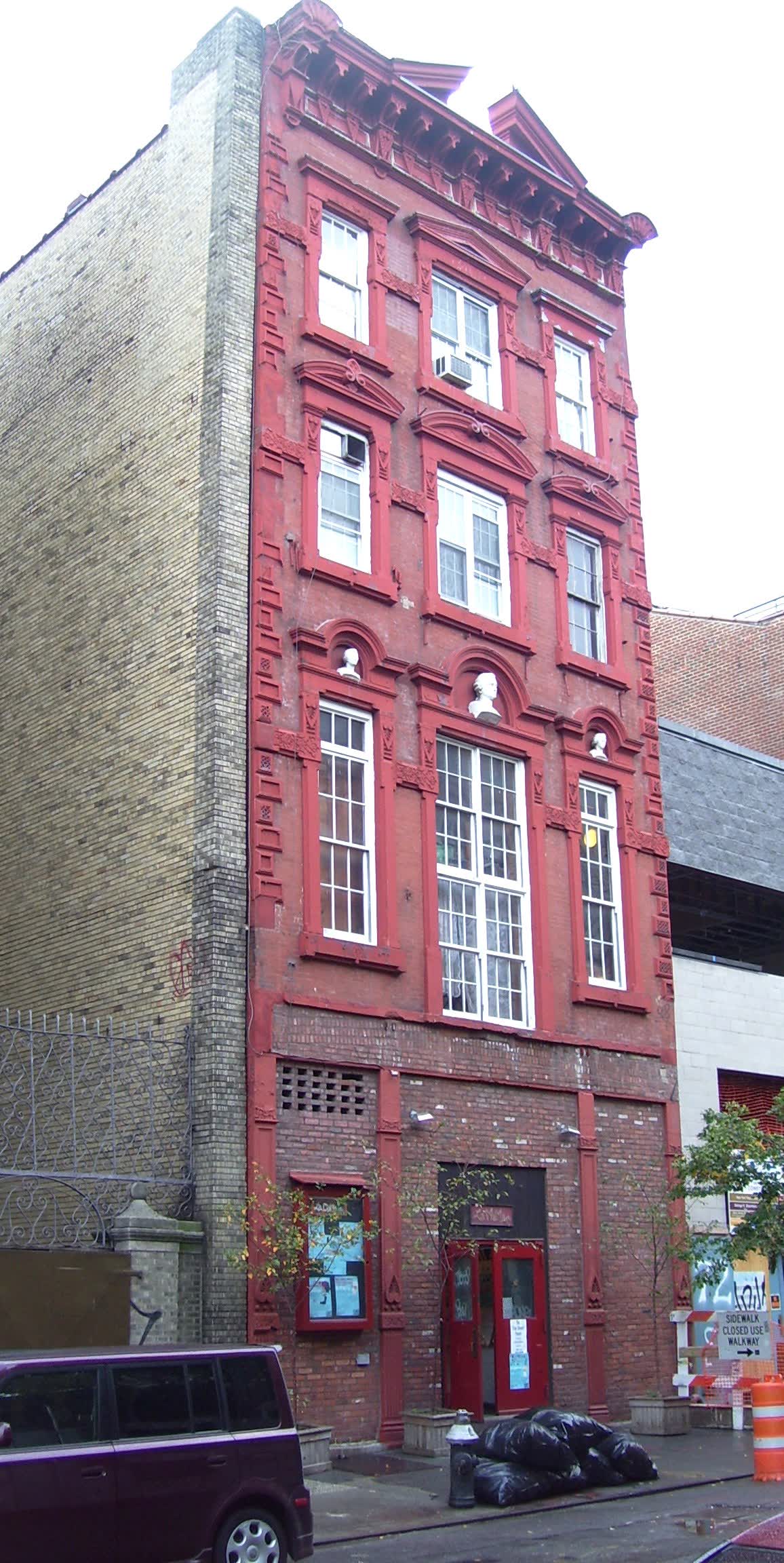
The Dead Class reached Edinburgh College of Art in August 1976, where Irving Wardle reviewed it for The Times. In New York, La MaMa says it “is proud to have presented his work to New York audiences over two decades.” In July 1984 Cricot 2 brought The Dead Class and Wielopole, Wielopole to the 1984 Olympic Arts Festival in Los Angeles.
A Bay Area contrast: the director in plain view or in the headphones
No source records any meeting between Kantor and Chris Hardman; the link is a critic’s sentence. In a 1990 essay on experimental theatre, Theodore Shank grouped “Painters and sculptors such as Robert Wilson, Tadeusz Kantor, Laura Farabough, Chris Hardman, and Alan Finneran” as artists used to total artistic responsibility. Hardman had studied sculpture at Goddard College, and Antenna’s Amnesia played the same Los Angeles festival the week after Cricot 2.
The two answered the director’s question in opposite ways. Kantor stood in plain view, while Hardman’s audiences walked his sets one at a time, guided by a recorded voice. Kantor’s mannequins doubled his actors, and Antenna’s plywood look-alikes in Moving Sculptures (1982) doubled Marin residents. Both belong to the story of theater without actors, where objects and recordings carry the show.
| Aspect | Kantor and Cricot 2 | Hardman and Antenna |
|---|---|---|
| Training | Painter and stage designer | Studied sculpture at Goddard College |
| Director’s place | On stage, conducting | Off stage, a voice on tape |
| Audience | Seated, watching | Walking through the set |
| Doubles | Mannequins of the actors’ child selves | Plywood figures of local residents |
| Source of memory | Kantor’s own life | Other people’s recorded voices |
Frequently asked questions
What is the Theatre of Death?
The last stage of Kantor’s theatre, set out in a 1975 manifesto. It explored memory and time, and its best-known production is The Dead Class.
Why did Kantor use mannequins?
He proposed the mannequin as the actor’s model and, following Bruno Schulz, used mannequins as doubles of live actors.
Why was Kantor on stage during his plays?
To break the illusion. He conducted the actors and the music in full view, and said his presence was a way of showing what he did not like.
Did Kantor perform in the United States?
Yes. La MaMa presented his work in New York over two decades, and Cricot 2 played the 1984 Olympic Arts Festival in Los Angeles.
For two other stages that broke the rules in very different ways, read about Laterna Magika in Prague, where actors played with film and La Fura dels Baus, the Catalan company that chased its audience. The Antenna Theater chronology lists Amnesia, Moving Sculptures and Etiquette.