The History of Liquid Light Shows, From a Glass Dish to the Fillmore
The history of liquid light shows starts with an art professor, a glass dish and an overhead projector, and runs into the rock ballrooms of San Francisco and New York. For about fifteen years, coloured liquids swirled on walls behind poets, jazz players and rock bands. Here is how it happened, and where the sources disagree.
Quick answer
Where did liquid light shows come from?
Liquid light shows began in early-1950s San Francisco, when the art professor Seymour Locks swirled paint under an overhead projector. Elias Romero, Bill Ham and Tony Martin took the technique into clubs and the 1960s ballrooms, the Avalon and the Fillmore, and Joshua White carried it to New York’s Fillmore East in 1968.
Paint in a glass dish: Seymour Locks and Elias Romero
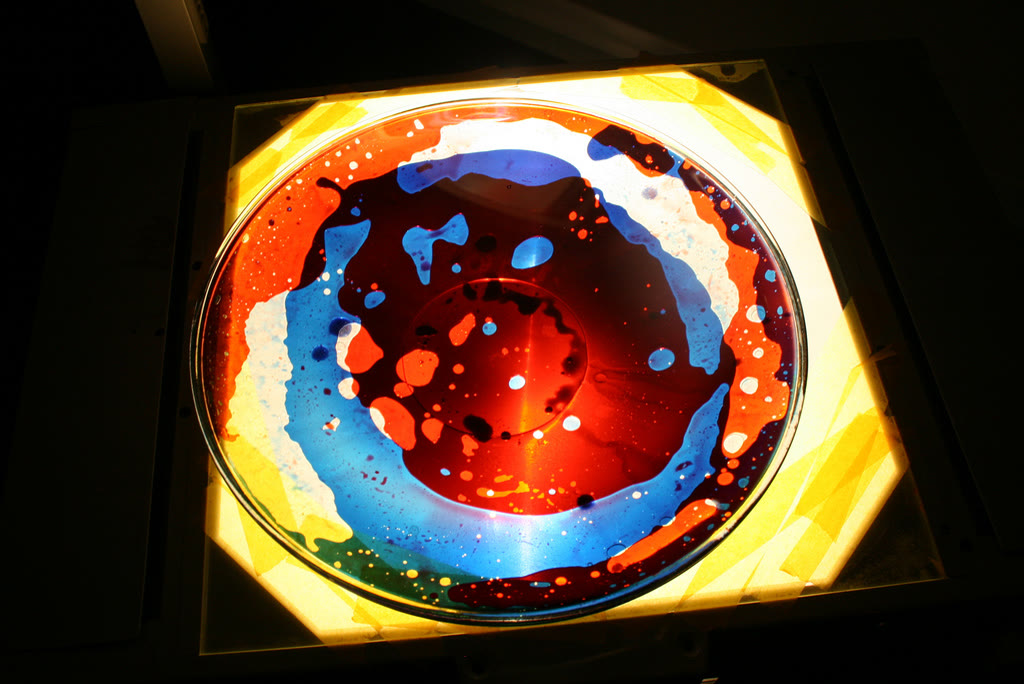
“According to Haight-Ashbury historian Charles Perry, light shows were ‘discovered’ in 1952 by a San Francisco State College art professor named Seymour Locks,” writes Robin Oppenheimer in her Rhizome history of West Coast light shows. The documentary project Over Head gives 1953. Either way, Locks “stirred and swirled paint in a glass dish under a Viewgraph overhead projector to get plantlike growth patterns to accompany live jazz music.”
His student Elias Romero “became the early Johnny Appleseed of light shows,” using “liquid projections and film to create an environment for poets, dancers and other performers.” Tony Martin later called Romero “the forerunner in ’62 and ’63 using liquids.” Locks also worked with light and sound at Audium, San Francisco’s theater of sound.
How a liquid light show works
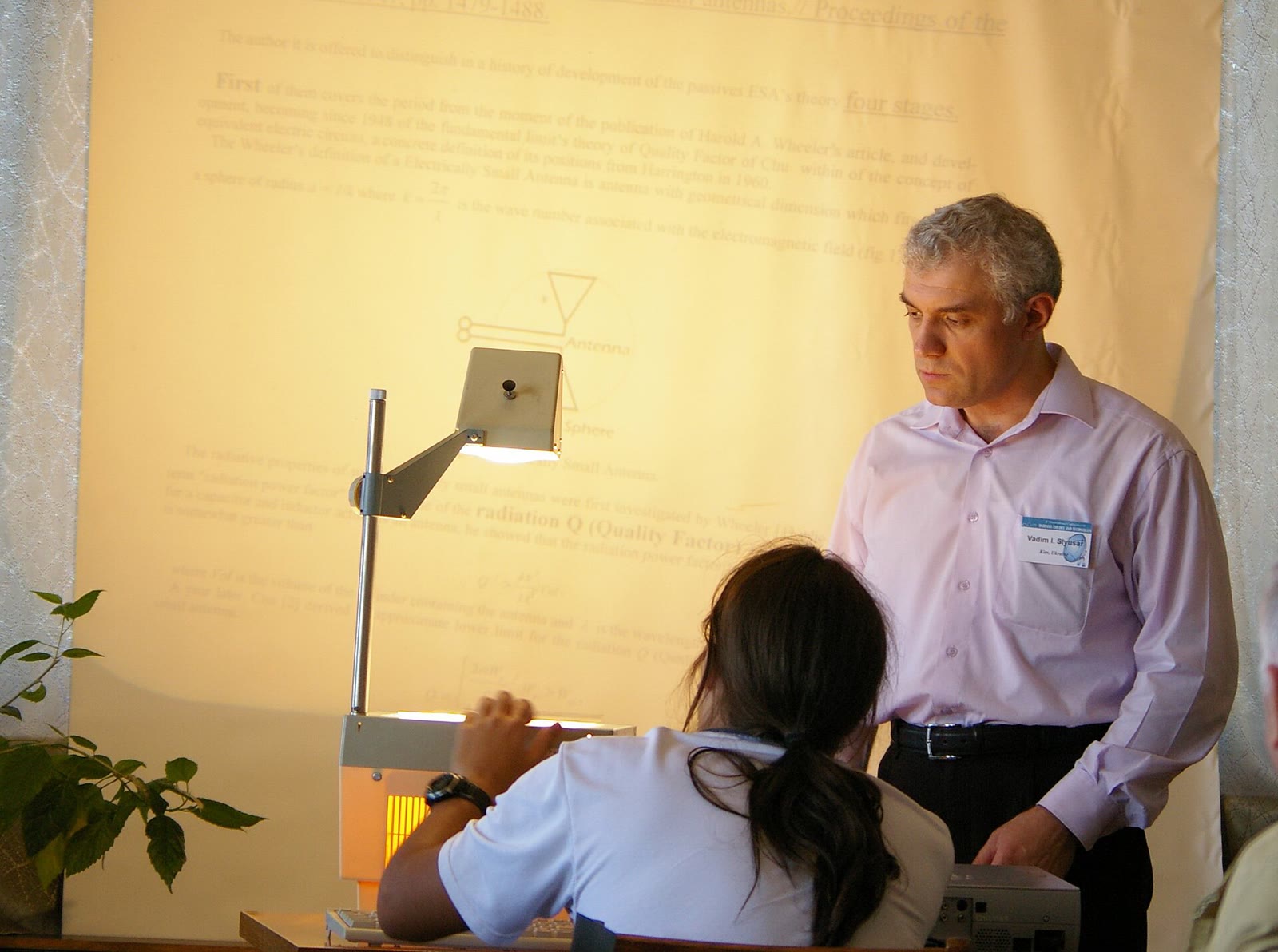
The basic tool was the overhead projector. Locks found that paints “could be stirred, swirled and otherwise manipulated in a glass dish with slightly raised edges to keep the liquid from spilling.” Later artists pressed coloured oils, water, dye and alcohol between glass and let the lamp’s heat set them moving.
A 2019 trade-magazine profile of a working artist describes “a bubbling, pulsating, chemical-based micro-conflict between alcohol and oil,” in which “Modified projectors provide the battleground.” The images were played live, by hand, often from several projectors at once. As the critic Gene Youngblood put it, “In real-time multiple-projection, cinema becomes a performing art.”
Bill Ham’s light show and electric action painting
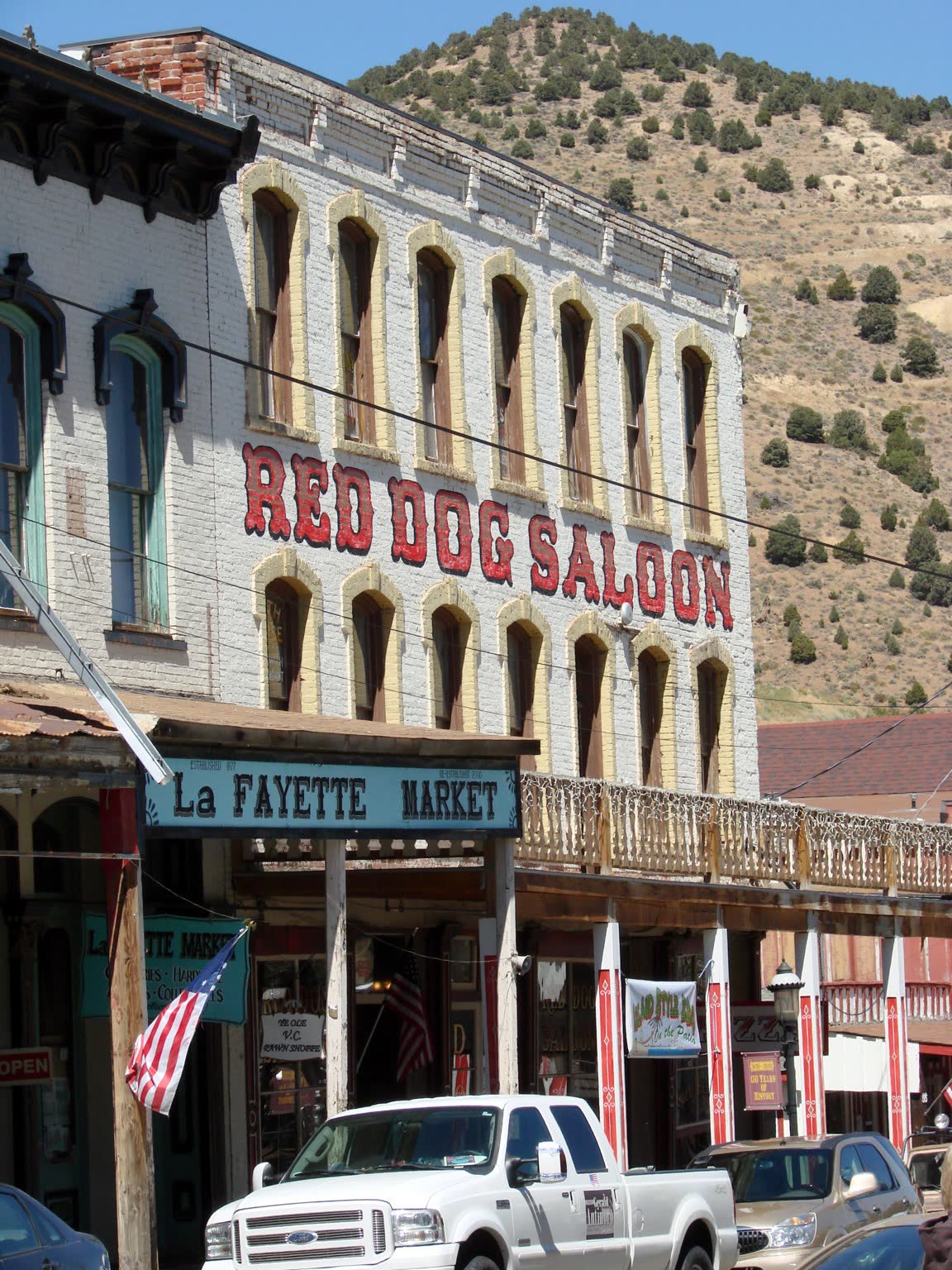
Bill Ham, a painter born in Greenville, Mississippi, in 1932, reached San Francisco in the late 1950s and was Romero’s landlord. In the fall of 1964 he began working with light, and in 1965 he installed “a 4′ x 6′ light mural ‘programmed’ to operate indefinitely” at the Red Dog Saloon in Virginia City, Nevada.
Ham described “a technique of spontaneous projection painting,” which he called electric action painting. In January 1966 he gave three weeks of performances in San Francisco, and the Chronicle’s Alfred Frankenstein wrote: “It is action painting that ceases with the action.”
That year his show at the Avalon Ballroom, according to Bill Ham’s own history of his light shows, “did much to ‘popularize’ the light show.” His group Light Sound Dimension, with the jazz musicians Fred Marshall and Jerry Granelli, first played the San Francisco Museum of Modern Art in February 1967 and opened its own theatre in January 1968. “No one hour is ever like another,” Frankenstein wrote of it.
Tony Martin and the Fillmore
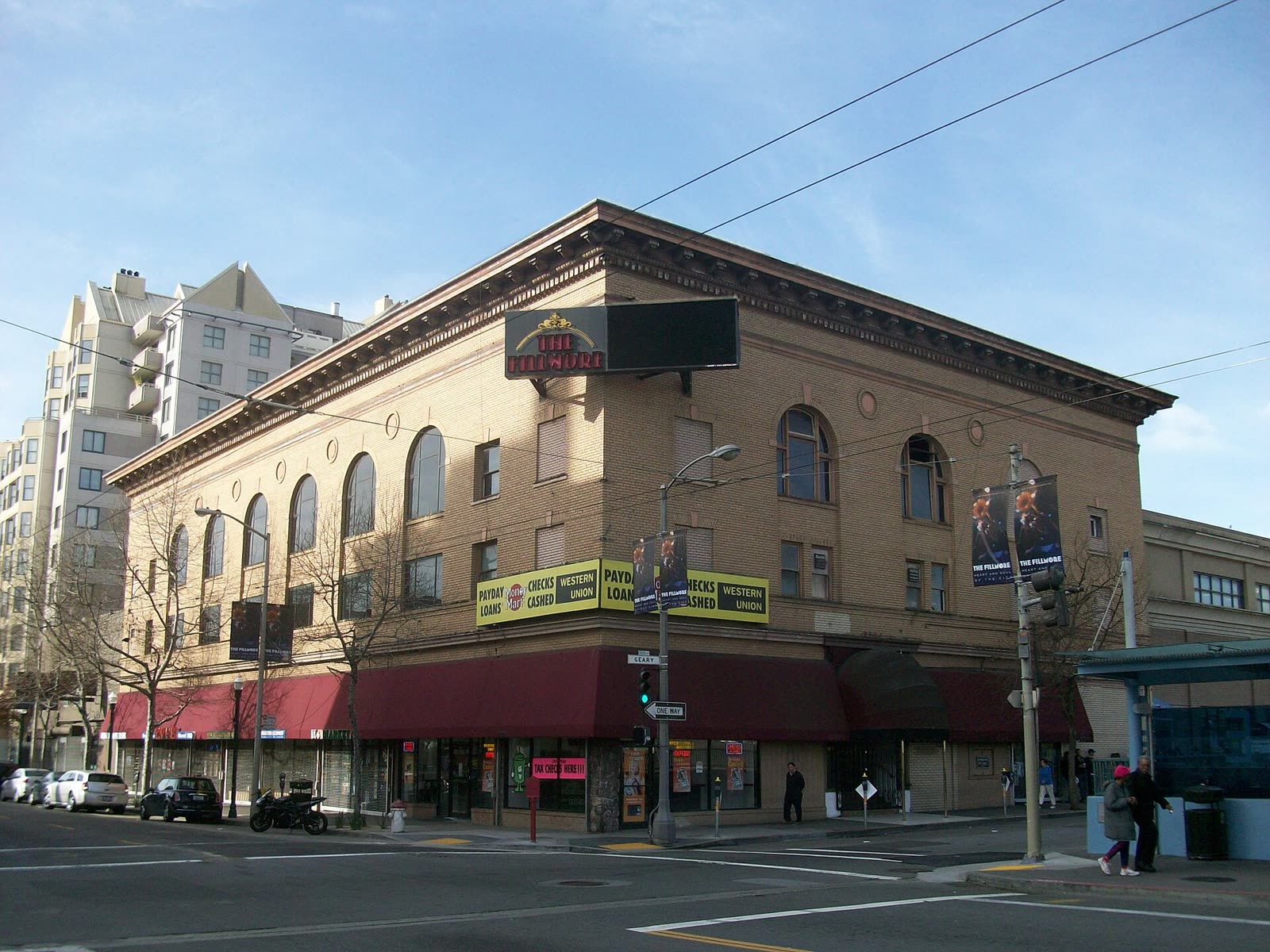
Tony Martin, born in Knoxville in 1937, joined the San Francisco Tape Music Center as its visual director in 1963. In the mid-1960s, at Bill Graham’s Fillmore Auditorium, he “did the first light shows for The Grateful Dead, Jefferson Airplane, and other groups,” and promised to “set up ten projectors on the balcony to highlight the concert below.”
Artforum’s 2021 obituary said he was “widely credited as one of the inventors of the light show.” Ham’s site makes a similar claim for Ham, and Martin credited Romero, so every “first” here depends on who is telling it. Martin later produced the visuals for New York’s Electric Circus.
The ballrooms
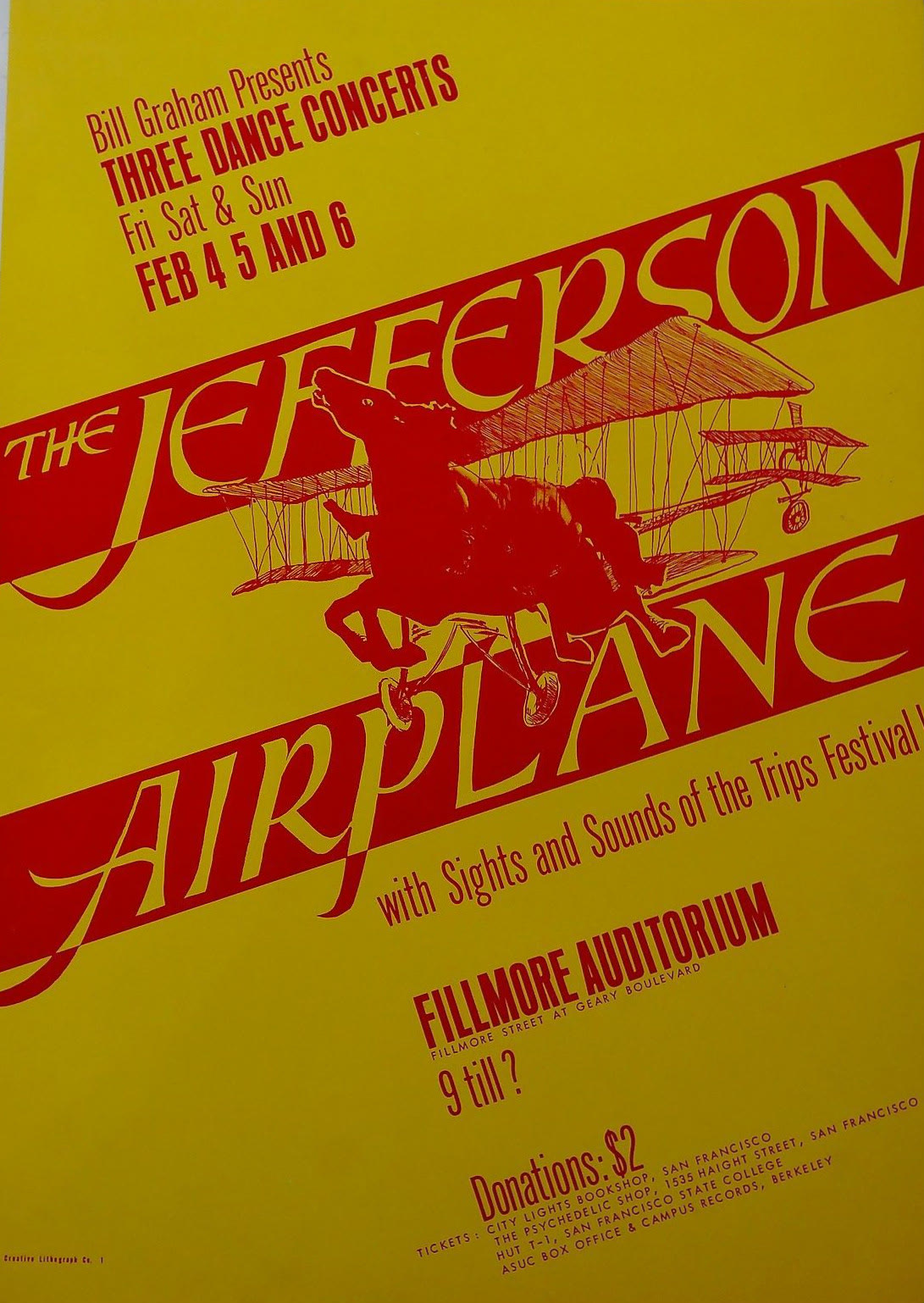
In the mid-1960s, “the liquid light show became an essential ingredient for Ken Kesey’s Acid Test parties,” and the January 1966 Trips Festival, told in our guide to what a happening is in art, spread it further. Chet Helms and the Family Dog rented the Avalon Ballroom on Sutter Street, which ran shows from 1966 to the end of the decade.
Soon, says the Over Head project, “nearly every major music venue would have its own light show in residence until the early 1970s when the counterculture movement began to decline.”
New York’s answer: the Joshua Light Show at the Fillmore East
Joshua White saw San Francisco’s shows in 1967 and was not impressed: “I was really struck with how sloppy it was, in the sense that the light show wasn’t particularly great.” What did move him was the crowd: “The people in the audience all together, that was the exciting part.”
The Joshua Light Show “became part of the Fillmore East experience as soon as it opened” in March 1968, with shows for Janis Joplin, Jimi Hendrix, the Doors and others. Bill Graham closed the hall in the summer of 1971.
After the sixties
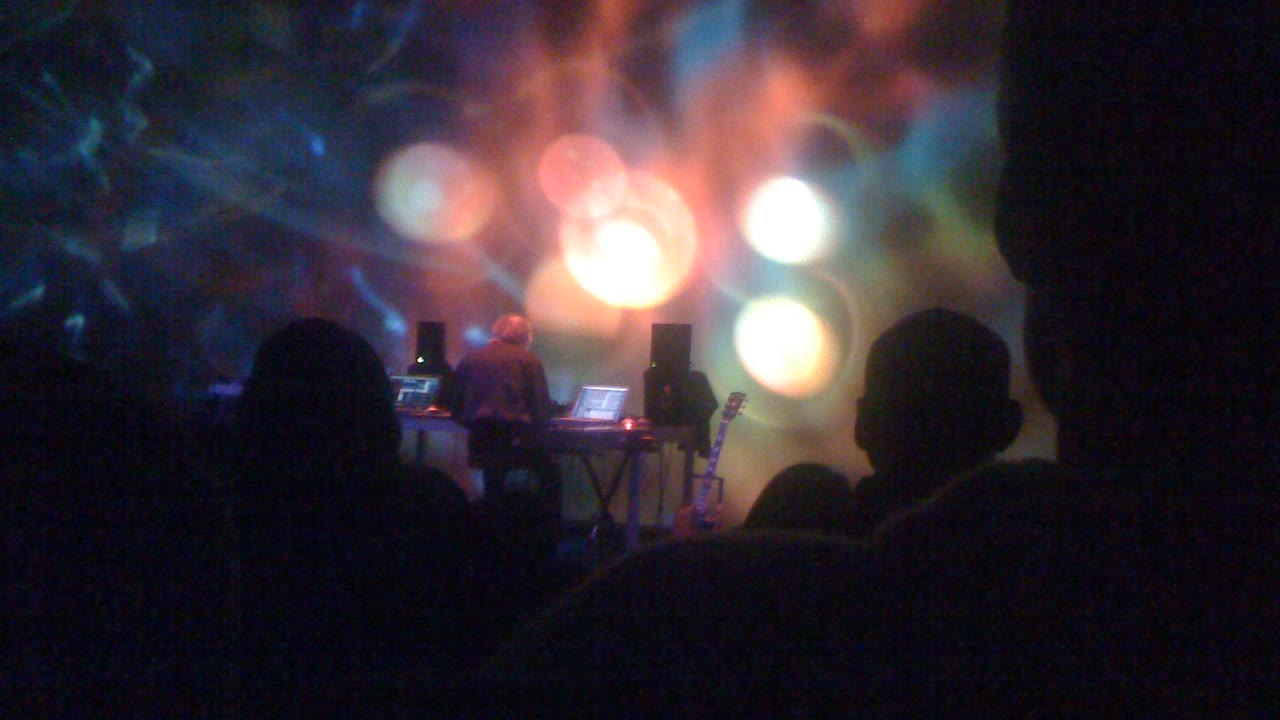
Later the shows were “‘electrified’ and computerized as mostly ambient lighting effects in disco dancehalls and rock concerts.” In 2009 Oppenheimer found them “stuck on the fringes of popular culture and the art world,” but by 2019 liquid light had seen “an uptick in popularity, thanks in no small part to the resurgence of psychedelic rock.”
| Year | Event |
|---|---|
| 1952 or 1953 | Seymour Locks swirls paint under an overhead projector at San Francisco State |
| Late 1950s | Elias Romero’s liquid projections with poets, dancers and jazz |
| 1963 | Tony Martin joins the Tape Music Center as visual director |
| 1965 | Bill Ham’s light panel at the Red Dog Saloon, Virginia City |
| 1966 | Trips Festival; Ham’s electric action painting; the Avalon |
| 1967-1968 | Light Sound Dimension at SFMOMA, then its own theatre |
| 1968-1971 | The Joshua Light Show at the Fillmore East |
The sixties restaged: Antenna Theater
Antenna Theater came to the light show later, as history rather than as a participant. In 1985 the Walkman audients of Fairplay, Antenna’s San Francisco history show at Fort Mason, could, Anthony Reveaux wrote in Artweek, “dance in the Avalon Ballroom of the sixties,” or “bliss out entirely, ensconced in the garage-sale psychedelia of the ‘Tripping with LSD’ set.” Misha Berson counted “psychedelia and the Beat Generation” among its subjects.
That year Bernard Weiner described a moment in Antenna’s Russia, “in a strobe/rock music scene,” when the Patty Hearst tape plays. Antenna’s slide and film projections belong to the long history of the magic lantern and projected images, and from 2010 Magic Bus, Antenna’s 1960s bus tour, rolled past the old Fillmore West.
No source links any light-show artist with Antenna; the Antenna chronology of productions places these shows decades after the ballrooms. For another Bay Area experiment of the era, see the Ant Farm art collective.
Frequently asked questions
What is a liquid light show?
A live projection made by moving coloured liquids, such as oil, water, dye and alcohol in glass dishes, on an overhead projector, so the shapes swirl on a wall or screen behind musicians or dancers.
Who invented the liquid light show?
The sources point to Seymour Locks, an art professor at San Francisco State, in 1952 or 1953. His student Elias Romero and the painter Bill Ham took it into clubs and dance halls.
What was the Joshua Light Show?
The house light show at Bill Graham’s Fillmore East in New York from its opening in March 1968, created by Joshua White.
Are liquid light shows still done?
Yes. A 2019 trade-magazine profile reported an uptick in popularity with the return of psychedelic rock.