The History of the Magic Lantern, From Huygens to the Phantasmagoria
The history of the magic lantern covers more than three centuries of people sitting in the dark to watch light on a wall. It began as a scientist’s device, became a showman’s trade and a ghost show, and filled Victorian halls with giant pictures. It did not end when cinema arrived.
Quick answer
Who invented the magic lantern?
The Dutch scientist Christiaan Huygens had a working magic lantern, an early slide projector, by November 1659, and Thomas Walgensten gave it the name laterna magica. It went on to power travelling shows, the phantasmagoria ghost shows of the 1790s and huge Victorian spectacles, and outlived the arrival of cinema in 1895.
A lamp, a lens and a painted glass
Lucerna, the University of Exeter’s lantern archive, defines the subject simply: “the magic lantern, an early slide projector invented in the 17th century.” Its pictures were painted on glass, and the image on the wall was only as good as the light behind it.
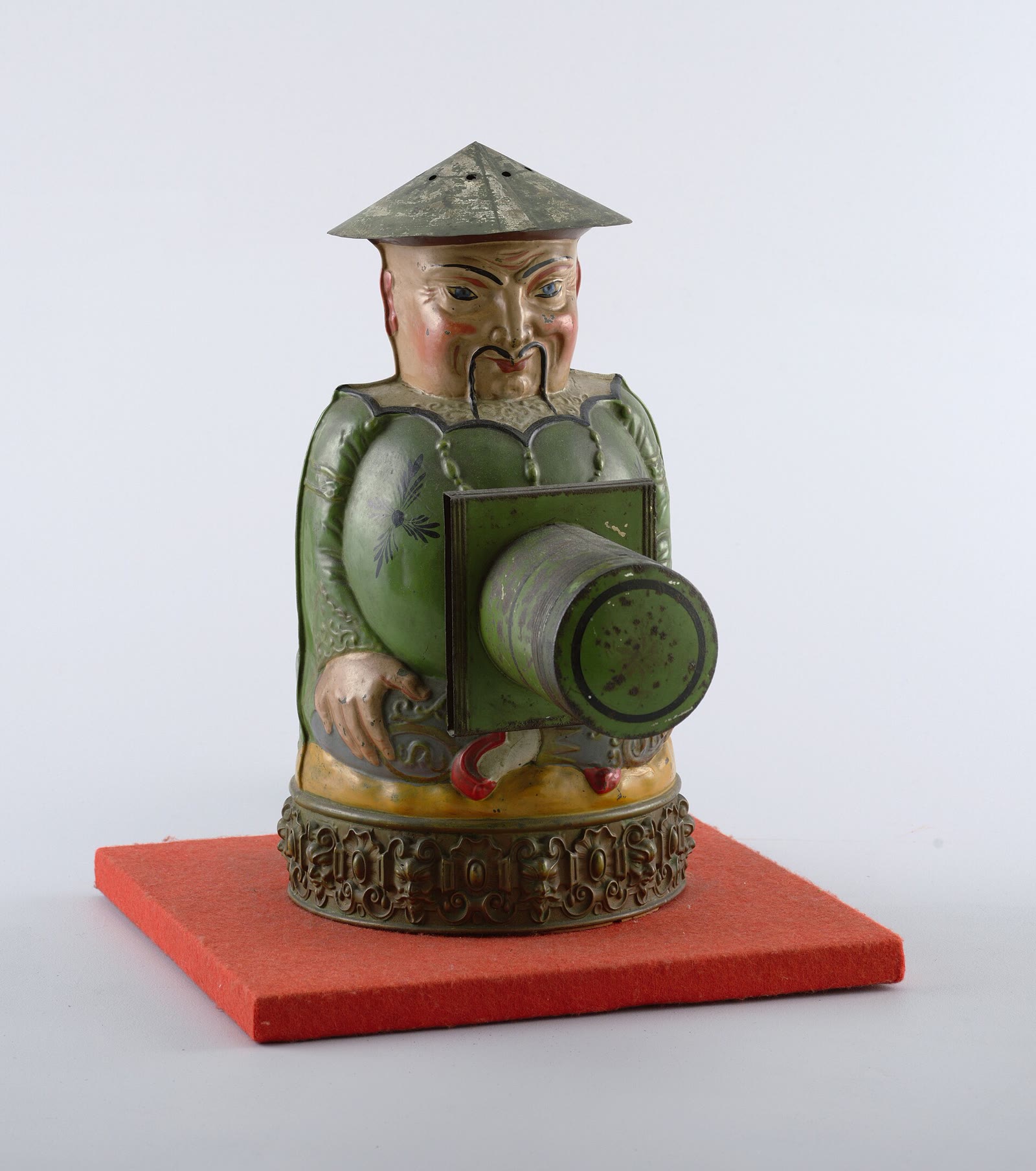
Everything else came from the light source and the room. Later, “Oxy-hydrogen limelight and Arc light made it possible for projectionists to create huge images,” the Magic Lantern Society notes. Darkness did the rest.
Huygens, Walgensten and Kircher: the invention question
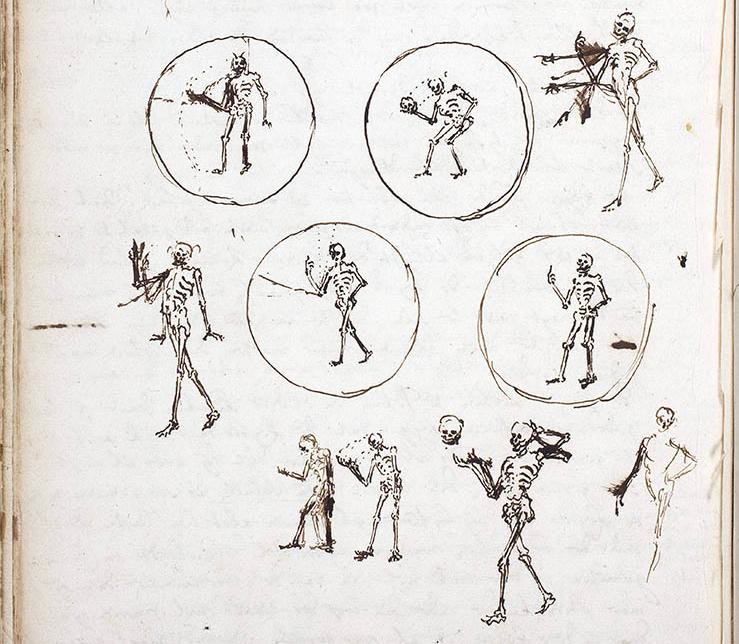
Who invented the magic lantern is still argued over. The Magic Lantern Society’s view is that “Huygens had a lantern in usable form at least as early as November 1659.” His sketches from that year show a skeleton figure of Death drawn for projection.
The name came later: “Thomas Walgensten was the first person to use the term Laterna Magica.” Athanasius Kircher is often credited too, for his 1646 Ars Magna Lucis et Umbrae, but the society says he “did not publish details until 12 years after Christiaan Huygens had a lantern.”
Showmen on the road
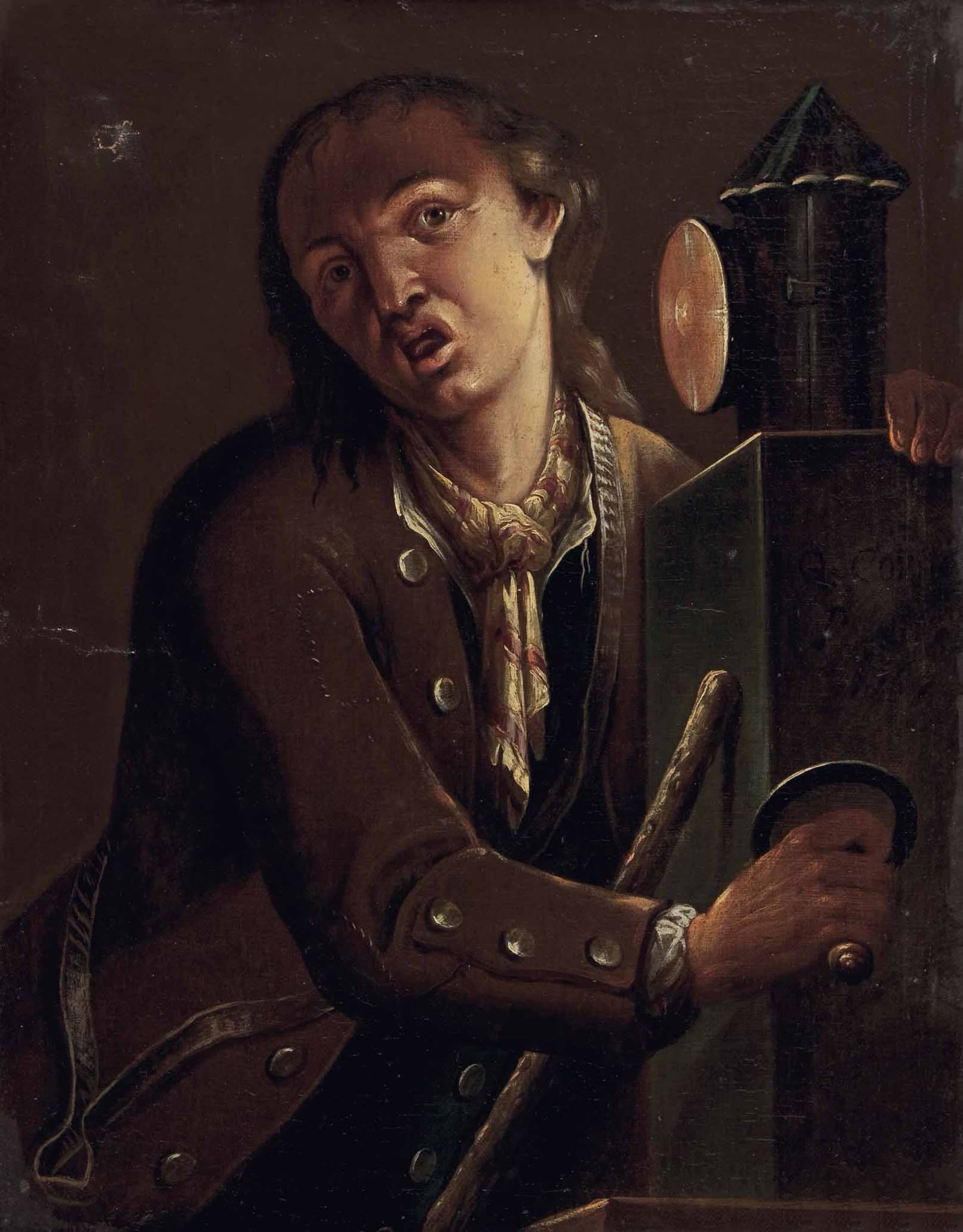
The lantern soon left the study. “In the early years of the 19th Century, showmen with lanterns travelled around the country giving shows,” the society records, and some had found darker material before that: “In the late 18th Century several showmen used the lantern to produce horror shows.”
The phantasmagoria: ghosts in the dark
The phantasmagoria ghost show made those horror shows famous. Paul Philidor, “probably the same person as Paul de Philipsthal,” opened a ghost-conjuring show in Berlin in 1789, according to Dale Townshend for European Romanticisms in Association. In Paris, the Magic Lantern Society says, “Philipsthal gave advertised shows of spirits, ghosts and grand wizards on 21 January 1793.”
The room was the trick. Painted slides were projected onto “a wall or gauze screen” in a room “plunged into darkness,” with “funeral bells,” simulated thunder and wind, and music from “an invisible glass harmonica.” London saw it at the Lyceum theatre in the Strand in October 1801. There, Townshend writes, “the credulous and the sceptical alike flocked to marvel at Philipsthal’s show,” and rival theatres copied it.
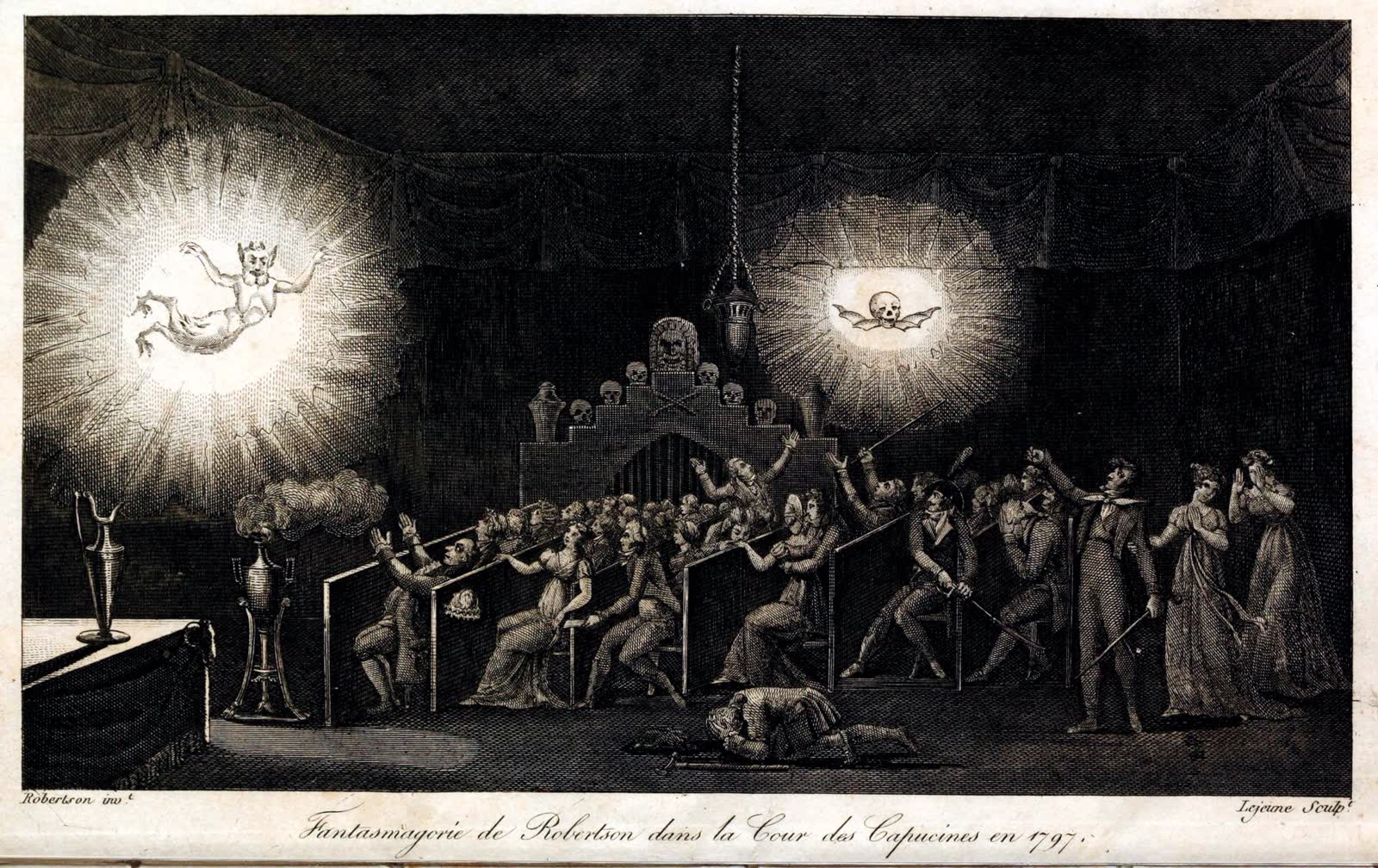
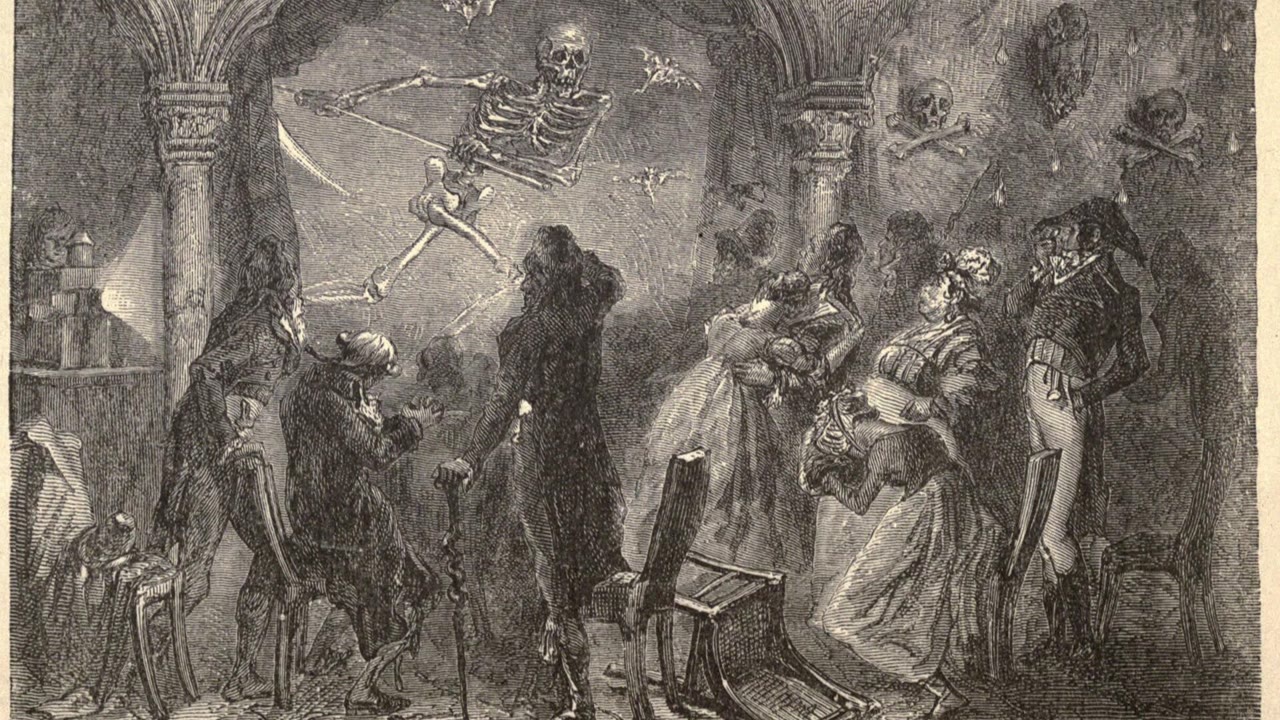
Étienne-Gaspard Robertson (1763-1837 in the society’s dates), born Robert in Liège, staged his Fantasmagorie in Paris from early 1798; the Flickering Lamps blog puts the debut in January. The authorities closed that first show, and he declined a royalist’s request to conjure up Louis XVI. In 1799 he reopened “in a ruined Capuchin convent,” where visitors entered through a graveyard and “eerie clouds of phosphorous-produced smoke” hid the lantern on wheels.
His grave in Père Lachaise is inscribed “PHYSIQUE, FANTASMAGORIE, AEROSTATS.” The reflected stage ghost is a separate trick, explained in Pepper’s ghost, the Polytechnic’s other illusion.
| Aspect | Travelling show | Phantasmagoria | Victorian institution show |
|---|---|---|---|
| Where | On the road, town to town | Darkened halls, a ruined convent | Royal Polytechnic, Regent Street |
| Equipment | One lantern | A lantern on wheels behind a screen, with smoke and mirrors | Four to six large projectors, limelight |
| Sound | The showman’s voice | Bells, thunder, a glass harmonica | Musicians and effects |
| Aim | Wonder | Fright | Spectacle and instruction |
Victorian spectacle: the Polytechnic and the slide trade
“Some of the most complex and spectacular lantern shows were presented at the Royal Polytechnic Institution,” founded in 1838 on Regent Street, London. “The screens at the Polytechnic were about 25 feet (8 metres) across, musicians accompanied the shows,” and “The projectionists often used four, five or six large-format projectors” for “fabulous shows of spectacular dissolving views.”
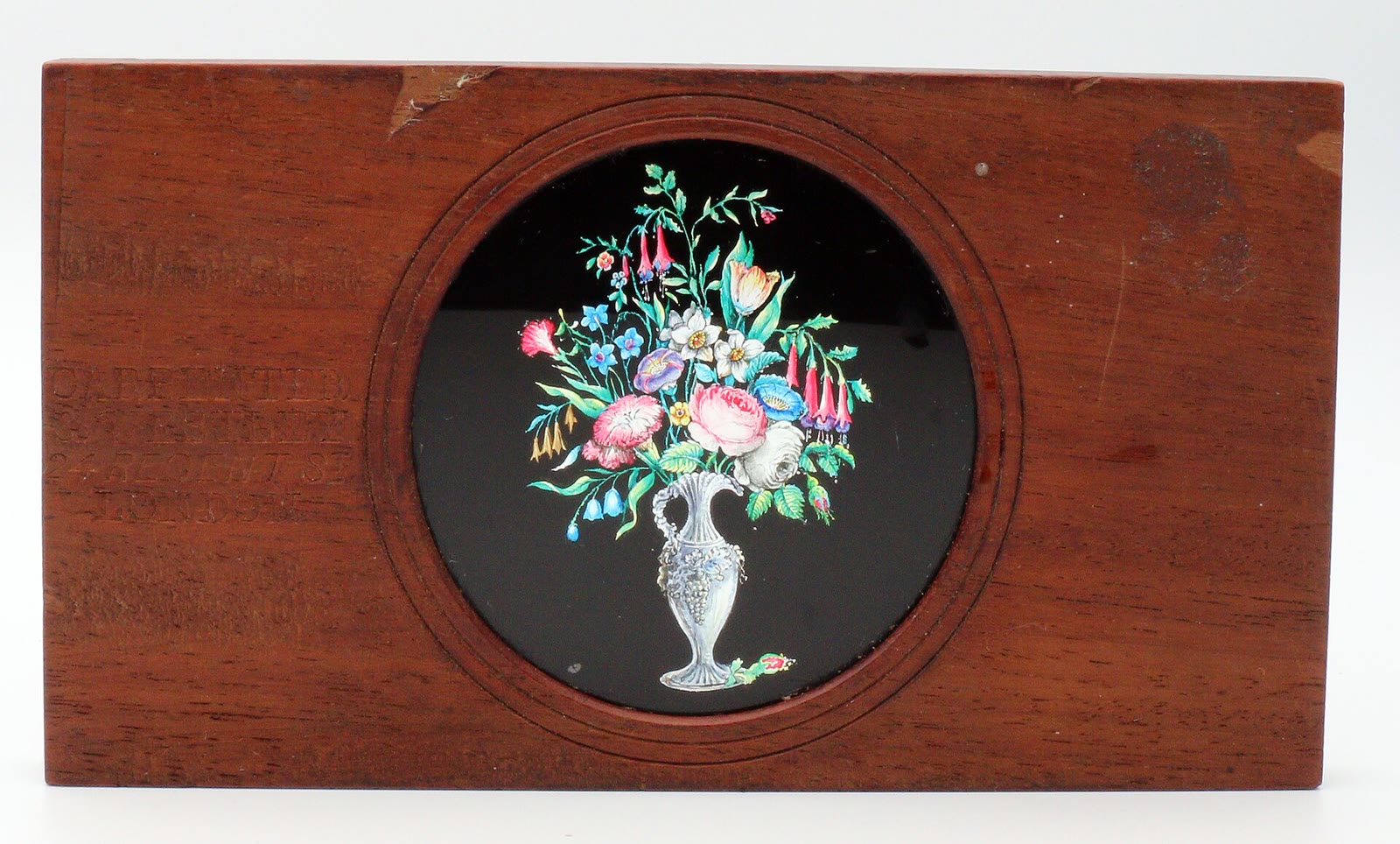
“The Royal Polytechnic Institution closed in 1876 and the slides were auctioned off in 1882 for a total of £900.” By then the trade was booming: “In the 1880s and 1890s over 30 firms were engaged in the production of lanterns and slides in London alone.”
Magic lantern shows were not only for fun. The University of Exeter notes that slides were shown in homes, churches, town halls and schools, and in temperance and religious shows meant “to encourage people to change their lifestyles.” Its academics had digitised “around 30,000 slides” by 2018.
After 1895: the lantern that would not die
“On 28 December 1895 Louis and August Lumière gave their first public showing of the Cinématographe.” The usual story ends there, but the Magic Lantern Society’s brief history of the lantern argues that reports of its death were “very much exaggerated,” since “lantern projection continued in widespread use in areas like education and religious instruction.”
Lucerna, the University of Exeter’s magic lantern web resource, goes further: the lantern “is still used today, both in its original form and through direct descendants like the modern data projector.” Its domed cousin is told in the history of the planetarium, and another art of light and shadow in the history of shadow puppetry.
Slides on a moving set: Antenna’s projections
Antenna Theater’s stage work offers a parallel, not a lineage: no source says Chris Hardman drew on lantern history. Russia (1985) was “A stage play that featured sliding projections, sound effects, masked actors, and audio collages.” Bernard Weiner’s San Francisco Chronicle review found it “replete with film and slide projections onto stationary and moving set pieces.”

In 1991 the San Francisco Examiner described Caveat Emptor’s motorized screens: “Using slide projections, puppets, masks, sculptures and live actors who mostly lip-sync” to pre-recorded tapes. Later, Magic Bus San Francisco and its 3-D projections mixed “oral histories, rock ‘n roll, live actors, and 3-D and video projections.”
| Year | Event |
|---|---|
| 1646 | Kircher’s Ars Magna Lucis et Umbrae |
| 1659 | Huygens has a working lantern by November |
| 1789 | Philidor’s ghost show in Berlin |
| 1793 | Philipsthal’s advertised spirit shows in Paris |
| 1798 | Robertson’s Fantasmagorie opens in Paris |
| 1801 | Phantasmagoria at the Lyceum, London |
| 1838 | Royal Polytechnic Institution founded |
| 1895 | The Lumière Cinématographe; the lantern lives on |
| 1985 | Antenna’s Russia projects slides onto moving set pieces |
Frequently asked questions
What was a phantasmagoria?
A lantern ghost show in a darkened room, with images projected onto a wall or gauze screen, plus smoke, sound effects and music. It was popular from the 1790s.
What were magic lantern shows used for?
Entertainment, and also teaching and temperance or religious shows in homes, churches, town halls and schools.
Did cinema kill the magic lantern?
No. Lantern projection stayed in wide use in education and religious instruction after 1895, and Lucerna calls the modern data projector a direct descendant.
Ghost stories found another stage on the street: read the history of ghost tours, from York to Edinburgh, or explore Walkmanology and Antenna’s other new theater forms.