The Beat Generation in San Francisco: The Six Gallery, City Lights and North Beach
The Beat Generation found its loudest stage in San Francisco. Within three years a gallery reading, a bookshop’s small press and an obscenity case turned a handful of poets into a national story, and a newspaper columnist gave their followers a name. This guide dates each step and notes the facts the sources still disagree on.
Quick answer
Why is the Beat Generation linked to San Francisco?
In the mid-1950s Beat writers gathered in San Francisco around the poet Kenneth Rexroth. On October 7, 1955, Allen Ginsberg first read “Howl” at the Six Gallery; Lawrence Ferlinghetti’s City Lights published it, and a 1957 court ruling that it was not obscene made it famous. In 1958 Herb Caen named the scene’s followers beatniks.
Why San Francisco: Rexroth’s circle
The Poetry Foundation’s life of Kenneth Rexroth explains the pull. “By the mid-1950s many of the poets who were to become famous as Beat writers” had moved to San Francisco, “attracted by the climate of radical poetry and politics, and they were soon part of Rexroth’s circle.” He attended or helped organize frequent readings, “often to jazz accompaniment,” from 1955 to 1957.
Allen Ginsberg arrived in 1954. Lawrence Ferlinghetti came after a doctorate in Paris and, his biography says, played “a key role in sparking the San Francisco literary renaissance of the 1950s.” Across the bay lay another bohemia, the one in our history of the Sausalito art colony.
A gallery on Fillmore Street
The most famous Beat reading happened on Fillmore Street, not in North Beach. A small-press bibliography says the room had been the King Ubu Gallery, founded in 1952, and became the Six Gallery in 1954; before that “it was an auto repair shop.” Even the number is disputed: most sources give 3119 Fillmore, while the Academy of American Poets prints 311.
So is the organizer. The Academy credits Ginsberg and Jack Kerouac, Rexroth’s biography says he “organized and emceed” it, McClure’s says McClure organized it, and the bibliography says the painter Wally Hedrick conceived it. The safe version: Hedrick suggested it, Ginsberg gathered the poets and Rexroth introduced them.
October 7, 1955: the Six Gallery reading
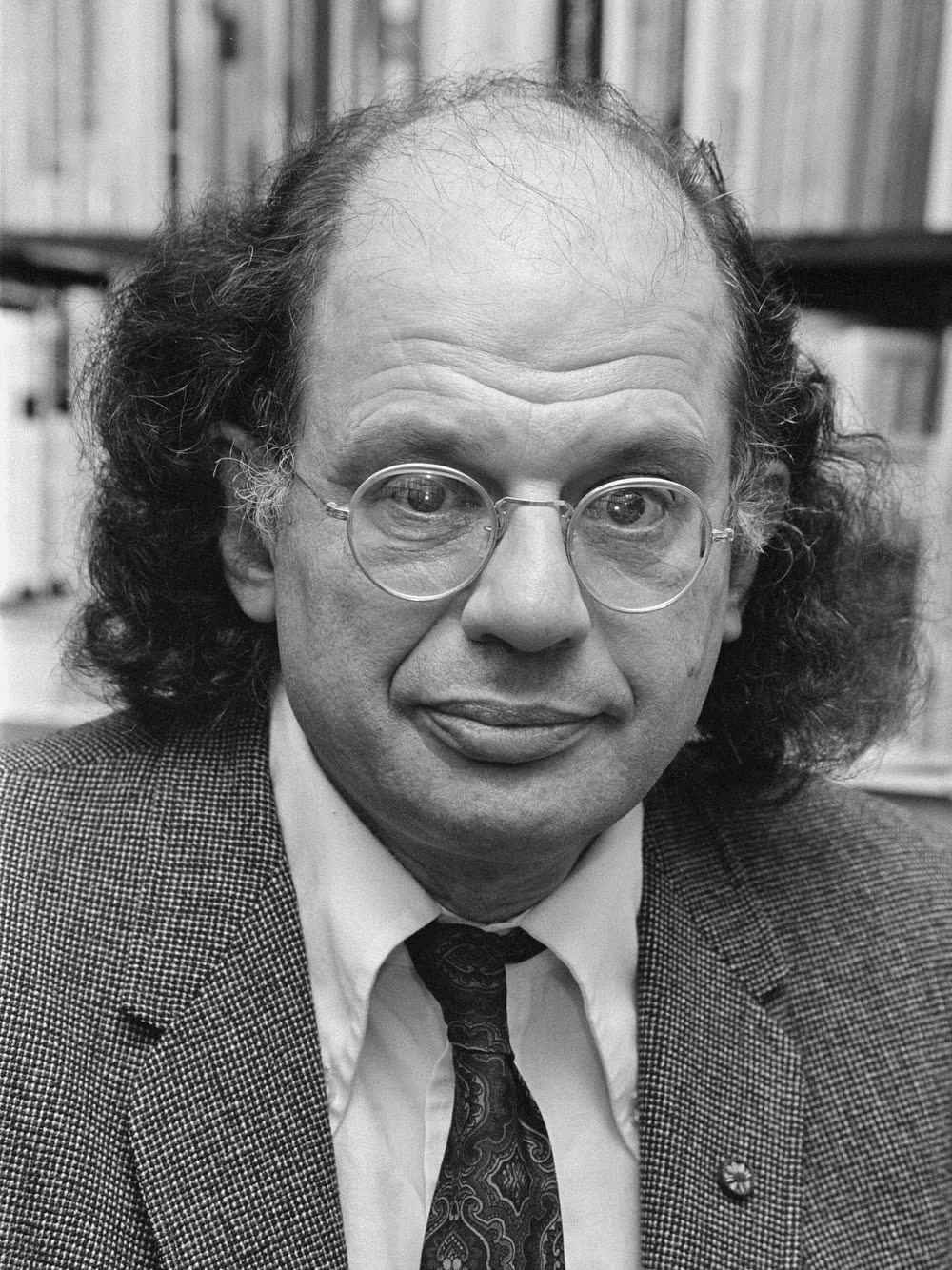
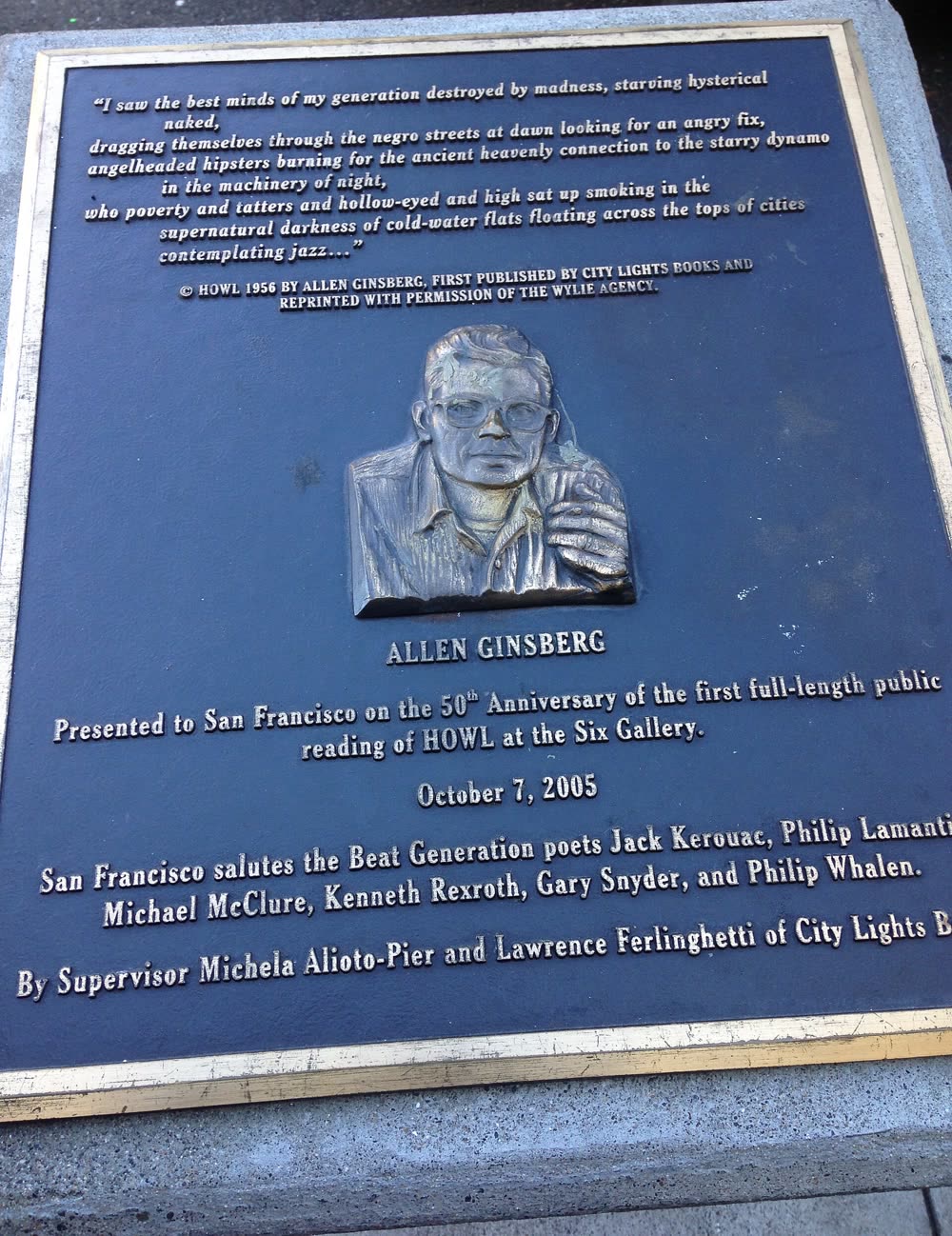
Postcards went round the city with the slogan “6 poets at 6 Gallery.” The readers were “Philip Lamantia, Michael McClure, Philip Whalen, Gary Snyder, and one unknown poet from the East Coast, Allen Ginsberg.” According to the Academy of American Poets’ page on Howl and Other Poems, “Wine flowed freely from jugs and crowds cheered during the reading.”
Ginsberg, 29, read an early version of Howl to cheers of ‘Go! Go! Go!’ that brought him to tears.
Ferlinghetti was in the audience, and he wrote to Ginsberg: “I greet you at the beginning of a great career. When do I get the manuscript?” Snyder’s biography puts it simply: “The literary fame of the Beat Generation was launched with a poetry reading in October of 1955 at San Francisco’s Six Gallery.”
City Lights bookstore history and the Pocket Poets
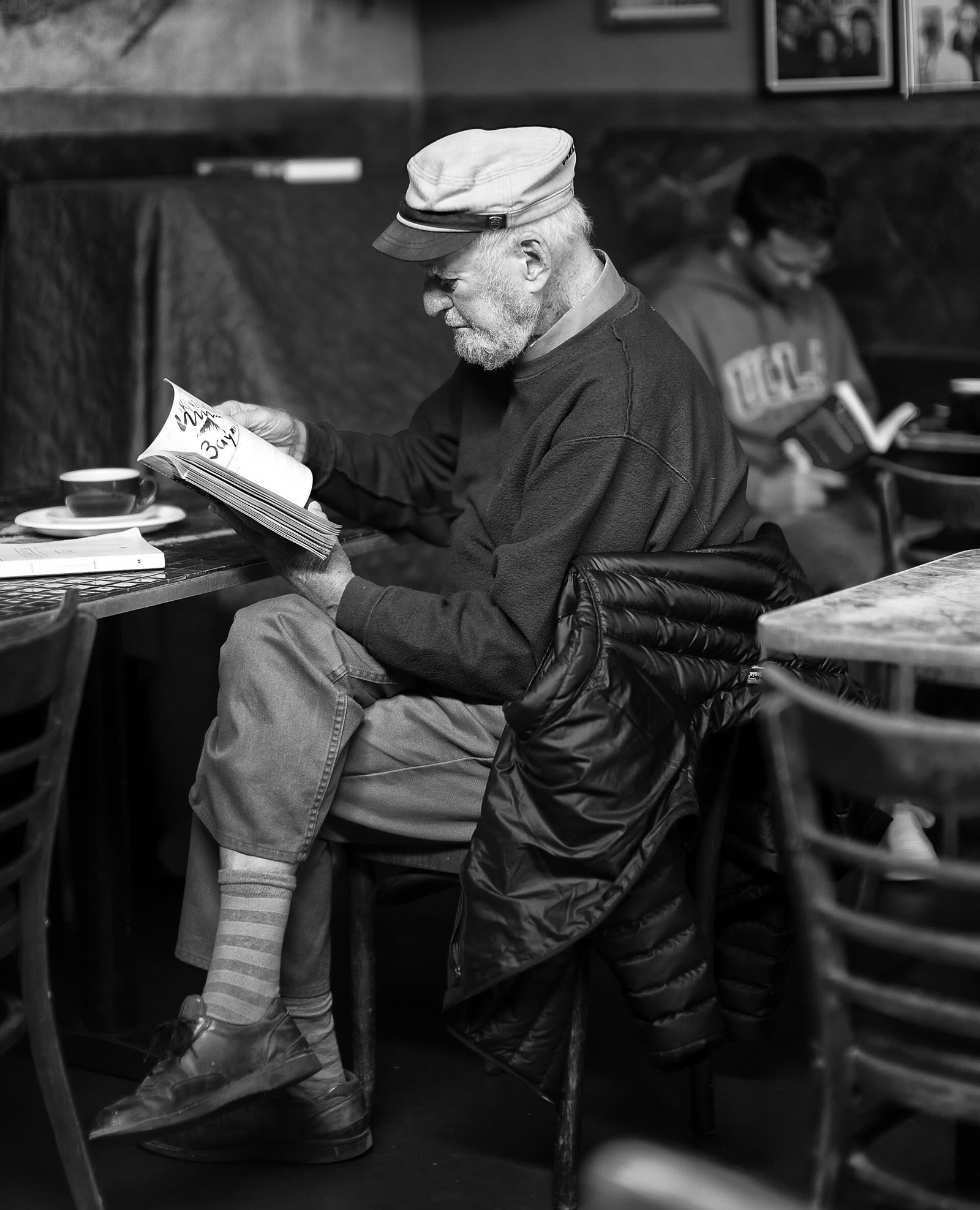
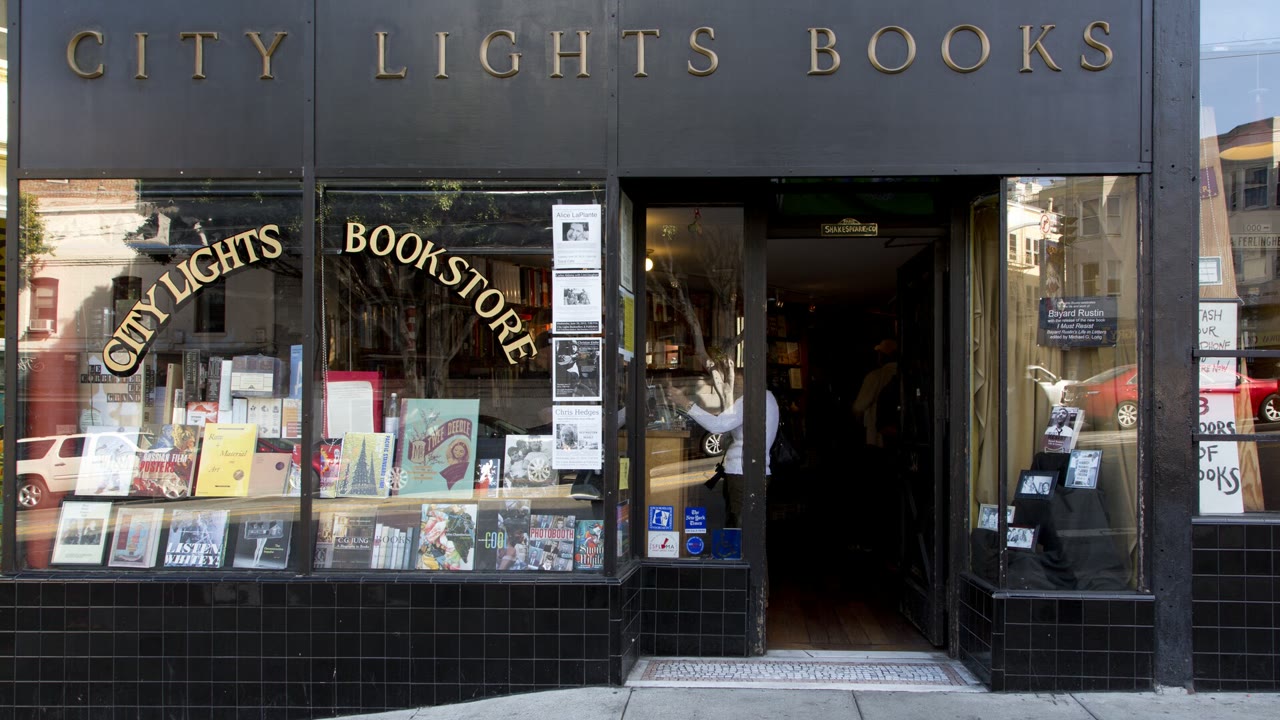
City Lights began as a magazine. “In 1953, two years after his arrival in San Francisco, Ferlinghetti partnered with Peter D. Martin to publish a magazine, City Lights,” says the Poetry Foundation’s biography of Lawrence Ferlinghetti. To pay for it they opened the City Lights Pocket Book Shop “in a neighborhood on the edge of Chinatown,” at 261 Columbus Avenue.
Ferlinghetti’s own Pictures of the Gone World (1955) launched the Pocket Poets series. In 1956 the series published Howl and Other Poems, and “The collection sold out quickly.” He was named San Francisco’s first poet laureate in 1998 and died in 2021, at 101.
Howl on trial, 1957
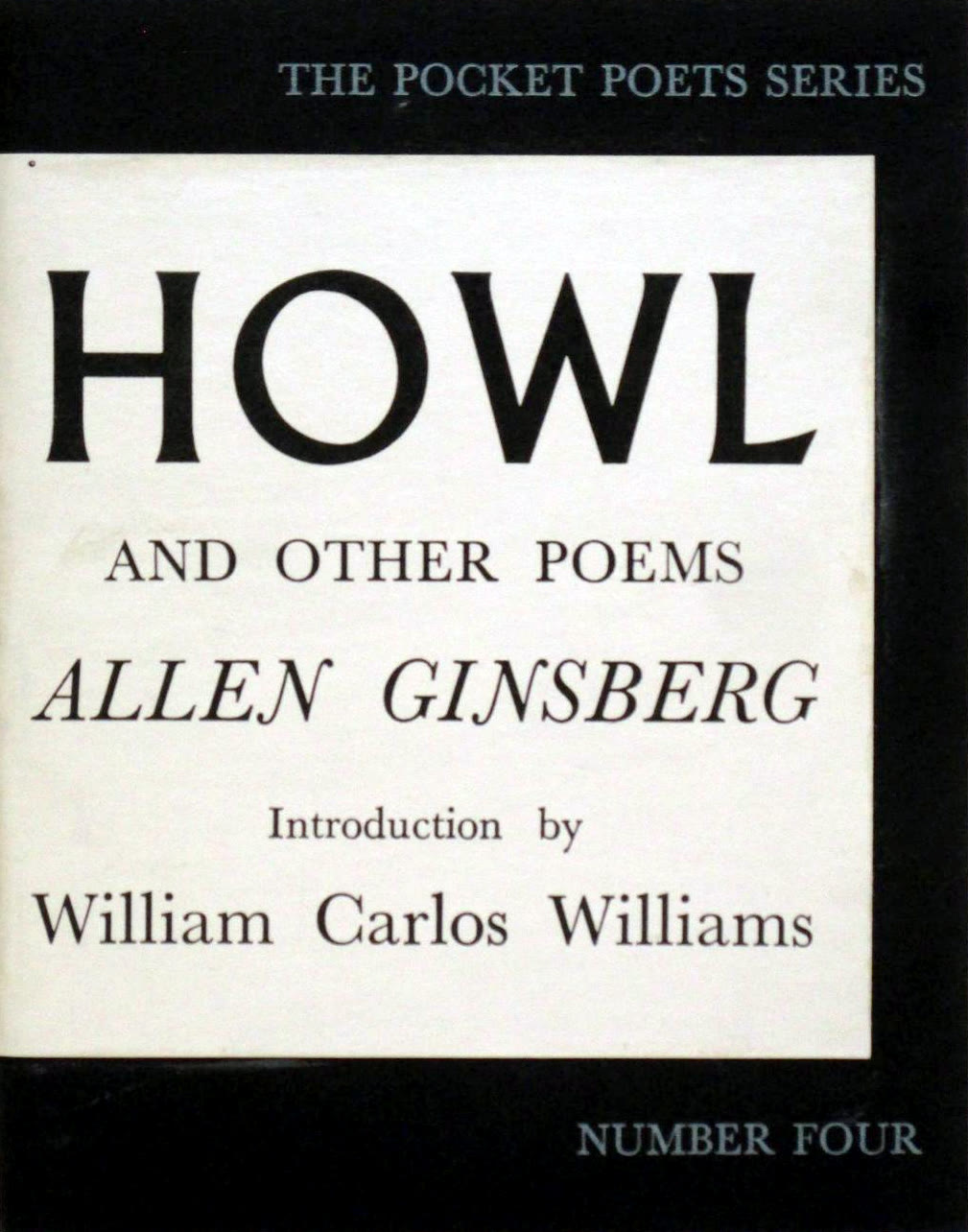
“On March 25, 1957, customs officials seized 520 copies of Howl that were being imported from England.” In June the bookstore manager Shig Murao “was arrested and jailed for selling Howl to an undercover San Francisco police officer,” and Ferlinghetti was arrested for publishing it. He engaged the American Civil Liberties Union and treated the case as a test of free speech.
Mark Schorer, Rexroth and Walter Van Tilburg Clark spoke for the poem, Clark calling it “the work of a thoroughly honest poet, who is also a highly competent technician.” The testimony “eventually persuaded Judge Clayton W. Horn to rule that Howl was not obscene,” on October 3, 1957. It was a judge’s ruling, not a jury’s verdict, whatever some travel writing says.
| Date | Event |
|---|---|
| 1953 | Ferlinghetti and Peter D. Martin open the City Lights Pocket Book Shop |
| 1954 | Allen Ginsberg moves to San Francisco |
| October 7, 1955 | Six Gallery reading; Ginsberg reads “Howl” |
| 1956 | City Lights publishes Howl and Other Poems |
| March 25, 1957 | Customs seize 520 copies |
| June 1957 | Shig Murao arrested, then Ferlinghetti |
| October 3, 1957 | Judge Clayton W. Horn rules Howl not obscene |
| April 2, 1958 | Herb Caen’s column uses “Beatnik” |
| 1965 | McClure’s play The Beard |
North Beach, the Beat Generation and the beatnik
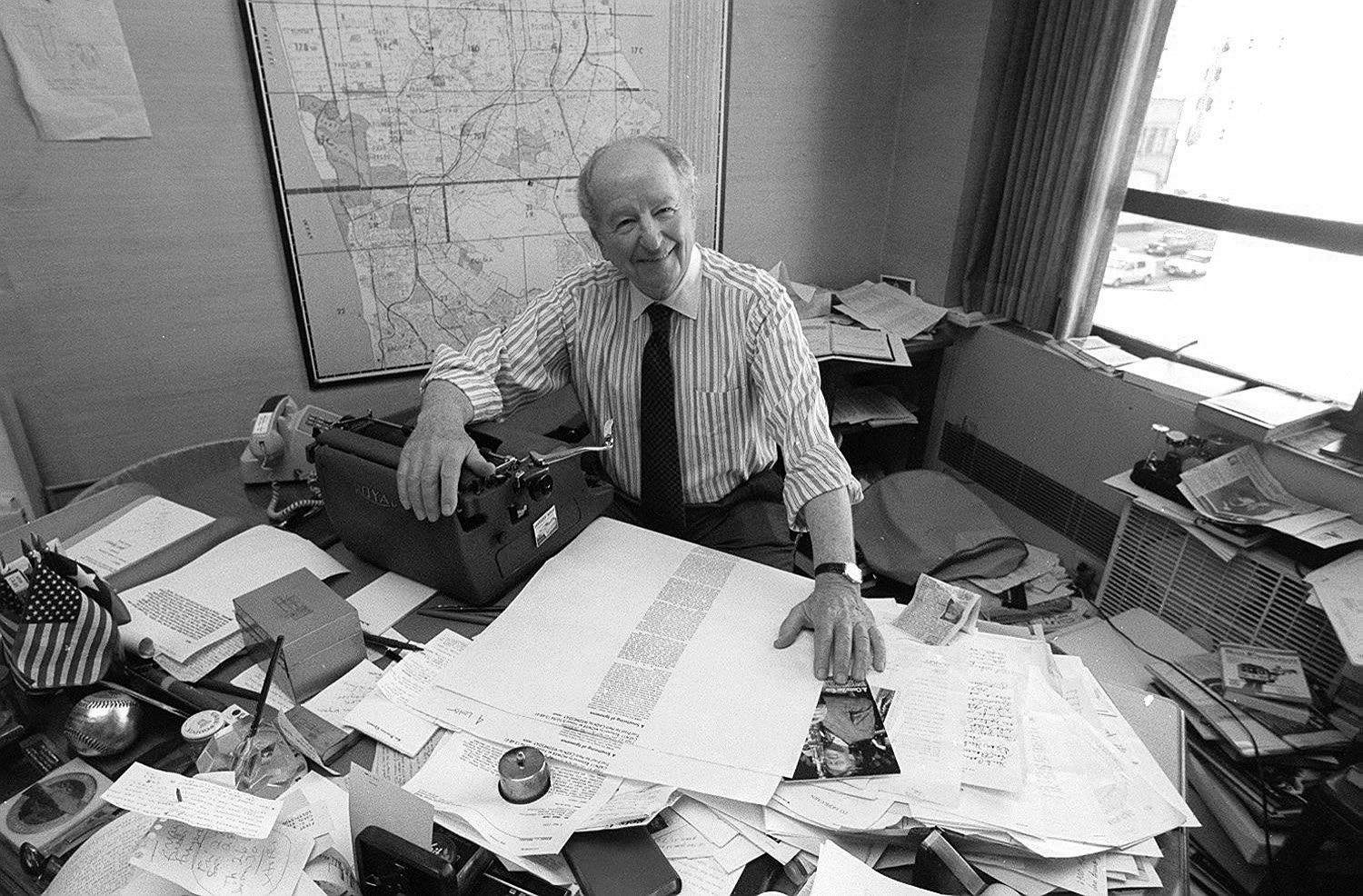
Why North Beach? A 1997 Seattle Times piece explains that after the war “the children of the immigrants moved to the suburbs, leaving the neighborhood to bohemians who liked the urban feel, cheap rent and remaining Italian coffeehouses.” Kerouac’s On the Road came out in 1957, The Dharma Bums and The Subterraneans in 1958.
On April 2, 1958, Herb Caen’s Chronicle column reported that Look magazine had thrown a party for 50 “Beatniks” and that “over 250 bearded cats and kits were on hand.” The Allen Ginsberg Project calls the column “the first appearance of that word ‘Beatnik.’”
The scene soon became a sight. “By the early 1960s, bus tours were bringing gawking tourists,” the 1997 piece notes, as Gray Line later would in the Haight, a story in our guide to the Diggers in San Francisco.
| Place | Role |
|---|---|
| Six Gallery, Fillmore Street | The 1955 reading, outside North Beach |
| City Lights, 261 Columbus Avenue | Bookstore and publisher of Howl |
| Vesuvio | Bar across the alley from City Lights |
| Caffe Trieste | Coffeehouse “dating all the way back to 1956” |
The Beats on stage: The Beard
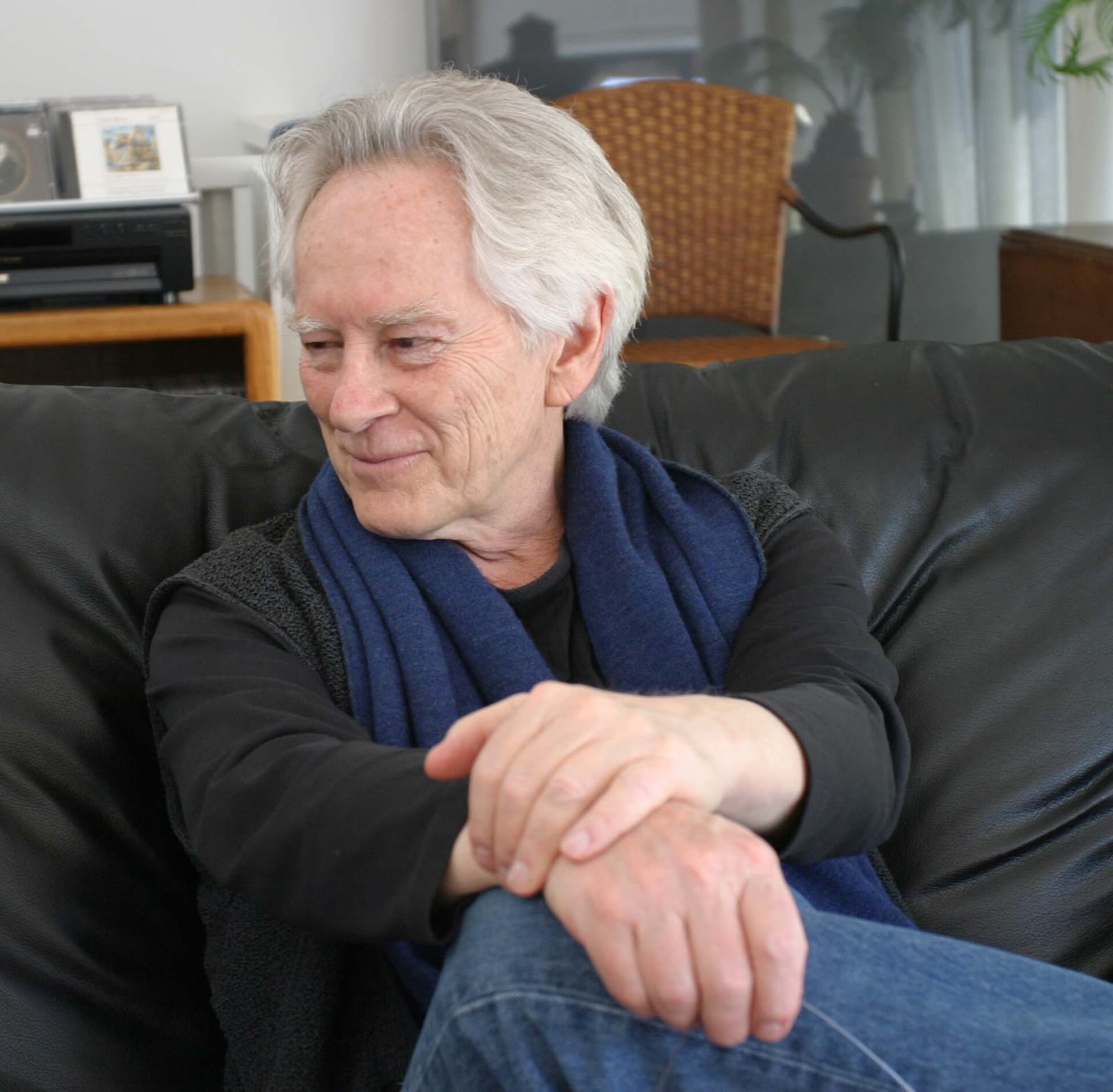
The Beats reached the theater too. McClure’s “1965 play ‘The Beard,’ which depicts an imagined sexual encounter between Jean Harlow and Billy the Kid, gained notoriety when it was (unsuccessfully) brought to trial on charges of obscenity,” his Poetry Foundation biography says. The city’s taste for provocative live work ran on into San Francisco performance art of the 1970s.
The Beats as history: Antenna’s coffee house and bus
No source links Antenna Theater or Snake Theater to any Beat writer. What Antenna did, twice, was stage the Beat scene as San Francisco heritage. In 1985 Fairplay, Antenna’s fair of San Francisco history, let a Walkman visitor “hang out at a North Beach coffee house and listen to the reminiscences of Beat poets,” as Misha Berson wrote in the Bay Guardian. Artweek’s critic heard “Robin Williams’s parody of beatitude” there.
From 2010, Magic Bus, Antenna’s rolling tour of the 1960s, took riders past City Lights. Its 2012 route page called the shop “the epicenter of profound social change in San Francisco, where many famous Beat-generation poems were published.” Both shows sit in Antenna Theater’s production chronology, history retold for an audience rather than lived.
Frequently asked questions
What happened at the Six Gallery reading?
On October 7, 1955, five poets read at a small Fillmore Street gallery with Kenneth Rexroth as host, and Allen Ginsberg read Howl in public for the first time.
Who founded City Lights?
Lawrence Ferlinghetti and Peter D. Martin, in 1953, to support Martin’s magazine City Lights.
Was Howl banned?
Customs seized copies in March 1957 and police arrested Shig Murao and Ferlinghetti, but on October 3, 1957 Judge Clayton W. Horn ruled that the book was not obscene.
Who coined the word beatnik?
Herb Caen, whose San Francisco Chronicle column of April 2, 1958 is credited with its first appearance.