The Diggers of San Francisco: Free Food, Free Stores and Street Theater
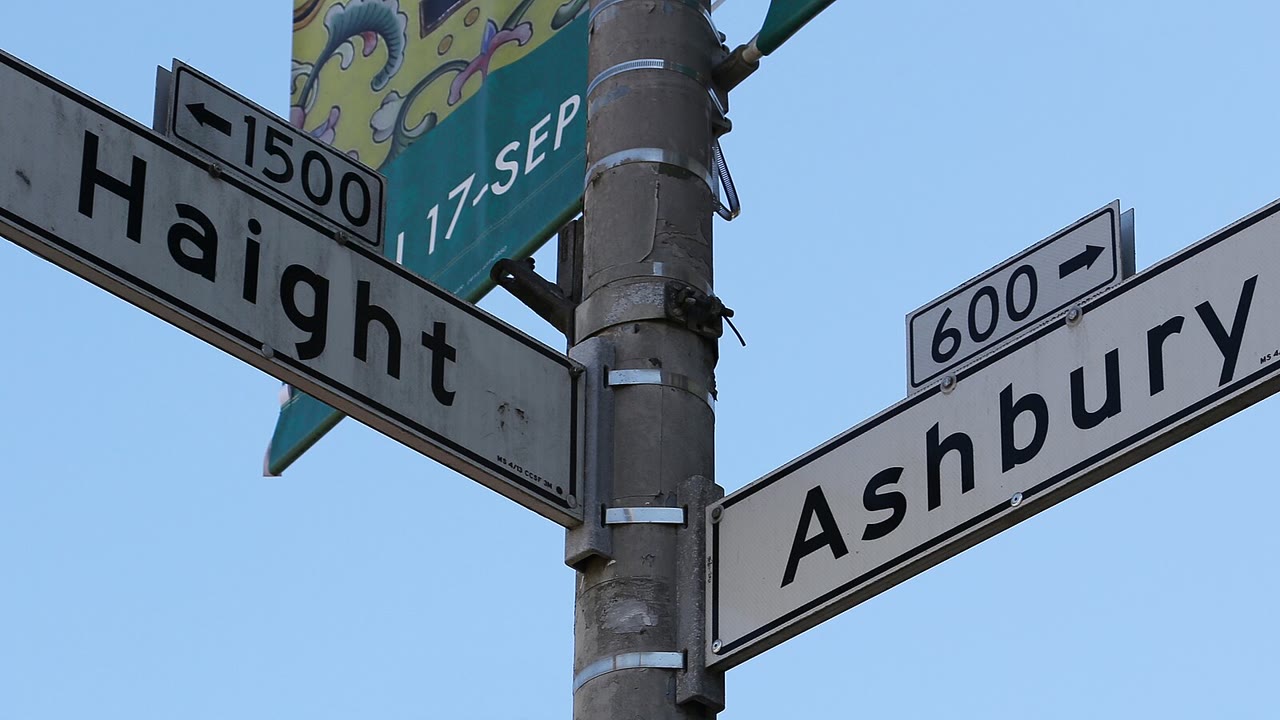
The Diggers were San Francisco actors who decided the street was a better stage than the theater. From 1966 to 1968 they gave away stew in the Panhandle, ran stores where nothing had a price, and staged parades and a mock funeral in the Haight-Ashbury. This guide reads all of it as theater, which is how the Diggers saw it.
Quick answer
Who were the Diggers in San Francisco?
The Diggers were a San Francisco street theater collective active from 1966 to 1968, many of them from the Mime Troupe. Named after England’s 17th-century Diggers, they served free stew daily in the Panhandle, ran Free Stores where everything was free, and staged events such as Death of Hippie, calling it all “life acting”.
From the Mime Troupe to the street
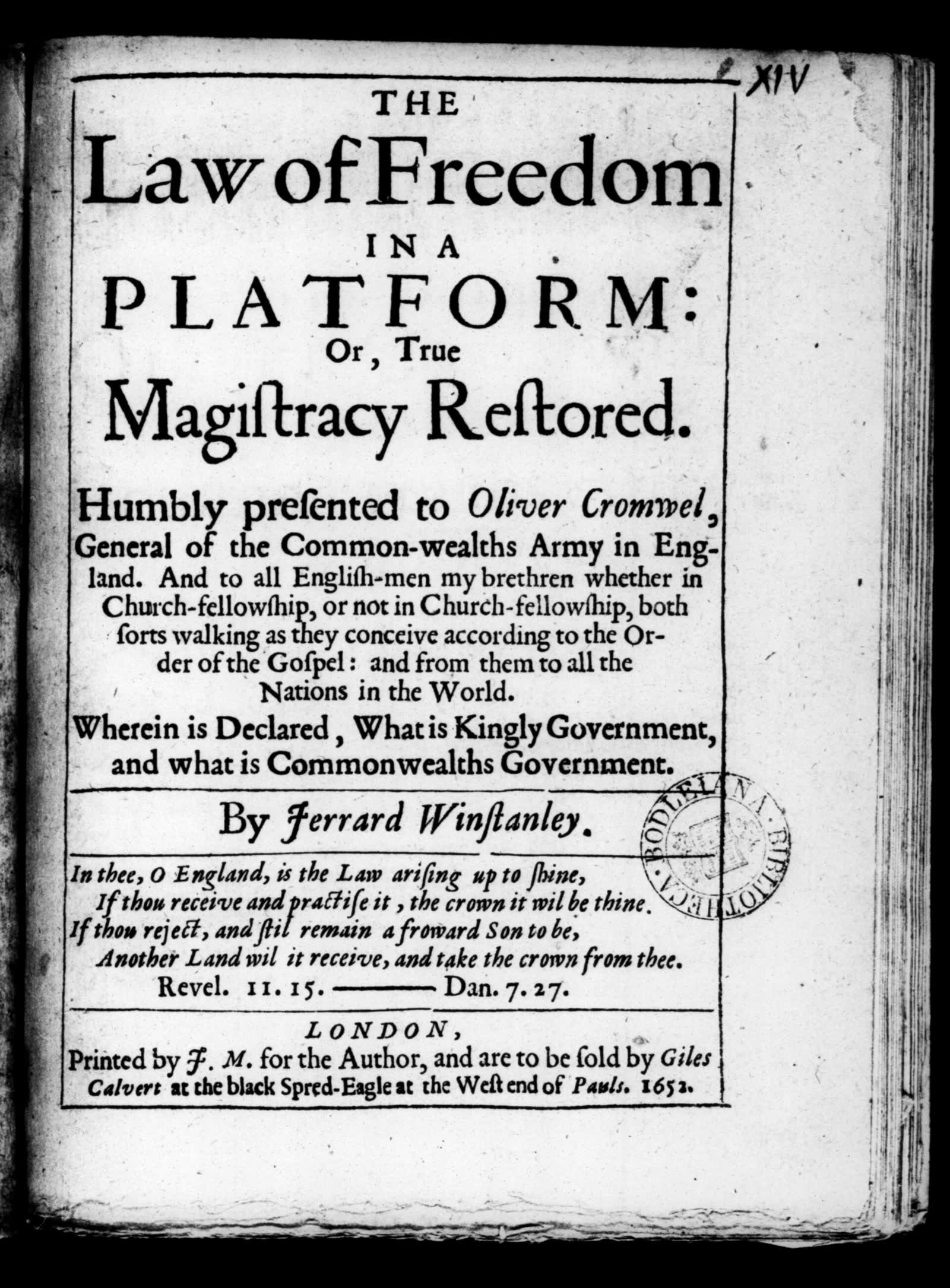
In early fall 1966, the Digger Archives says, “two members of the Mime Troupe began mimeographing and distributing street sheets.” At an SDS member’s suggestion they took the name Diggers, after the English radicals of 1649-50 who imagined a society “free from private property, and all forms of buying and selling.” The troupe’s own story is in our history of the San Francisco Mime Troupe.
Events pushed them outdoors. After the police killing of Matthew Johnson in Hunters Point on September 27, 1966, the Diggers “passed the word that free food would be served to all comers in the Panhandle.” The Digger Archives’ brief history of the San Francisco Diggers tells the rest in their own words.
Free food in the Panhandle
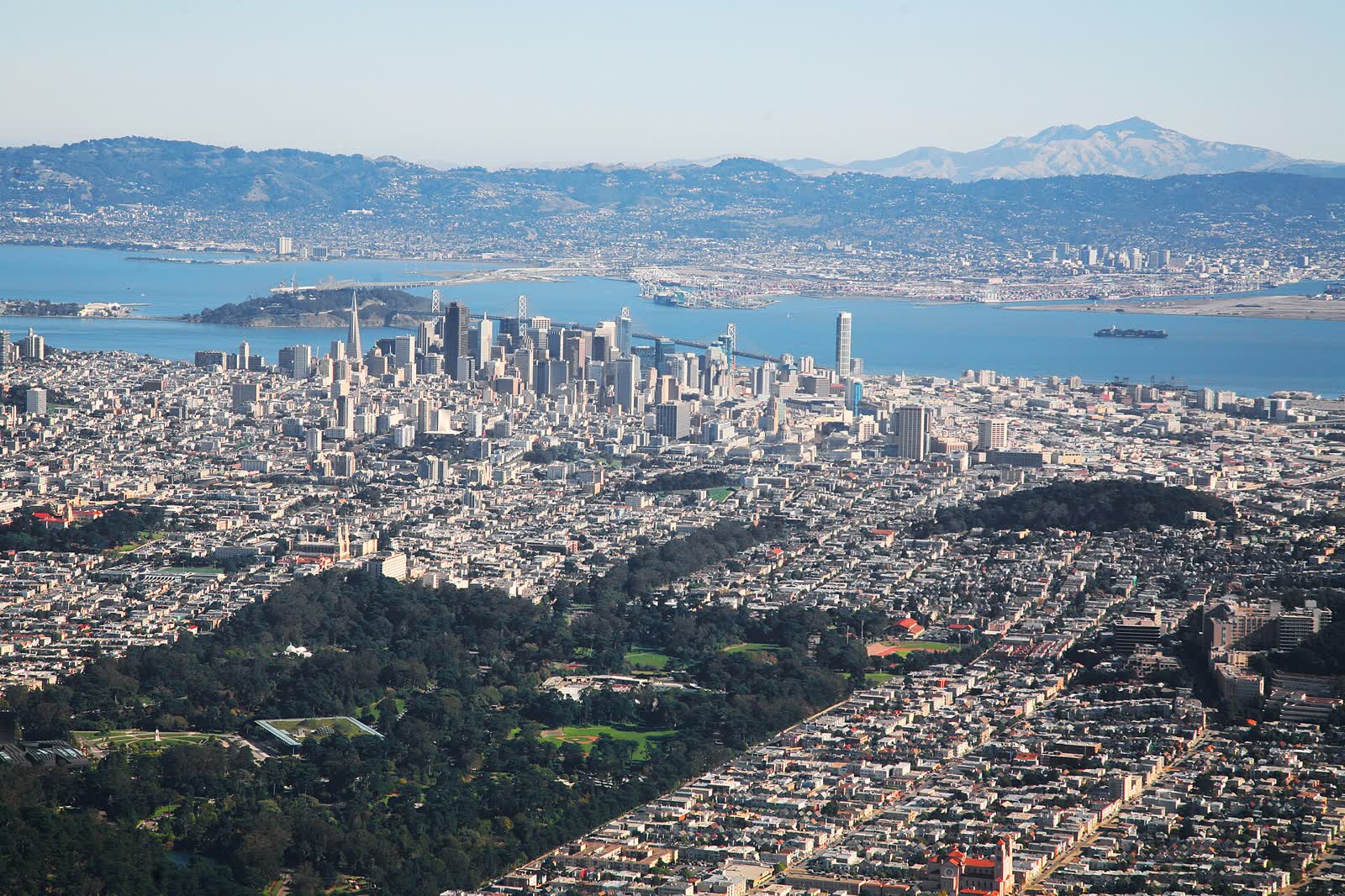
The Feed began in the autumn of 1966, every day at 4 pm near Oak and Ashbury. Emmett Grogan and Billy Murcott collected vegetables and meat from the San Francisco Produce Market, and the stew was “cooked in and served out of 22-gallon milk cans stolen from an industrial dairy.” The meals “fed up to 200 people daily.”
A weekly listing in the Berkeley Barb gave the city the phrase “bring your bowl and spoon.” The food historian Warren Belasco wrote that the aim was “as much to teach as to feed,” and Atlas Obscura’s account of the Diggers’ subversive stew notes that the cooking fell mostly on Digger women.
The Free Frame of Reference

Before anyone ate, they stepped through a frame. The Archives describe a frame “of loose 2x4s. Painted bright orange, it became the first prop the Diggers used in their street theater agit-prop.” Every comer “had to step through the ‘Free Frame of Reference’ in order to partake of that day’s stew.”
Its size depends on the source: the Archives call it “a twelve-foot square frame,” Atlas Obscura a 13-foot threshold. Peter Berg remembered that people “would see this event taking place within a picture frame.”
The Digger Free Store: “You be in charge!”
The first Free Store opened in “a six-car garage a block away on Page Street,” which held “dozens of picture frames which inspired” the big one. KRON-TV filmed it at 1762 Page Street on December 2, 1966, calling it “A sort of modern day beatnik or hippie salvation army.”
Asked who ran it, Diggers answered: “You’re in charge! You wanna see someone in charge? You be in charge!”
Berg called the longest-lasting store, Trip Without a Ticket at Cole and Carl, “an extraordinary theatrical phenomenon.”
| What | Where | When |
|---|---|---|
| Free Feed | The Panhandle, near Oak and Ashbury | Daily at 4 pm from autumn 1966 |
| First Free Store | Six-car garage, 1762 Page Street | From December 1966 |
| Trip Without a Ticket | Cole and Carl streets | 1967 |
| Black People’s Free Store | The Fillmore, opened by Roy Ballard | From June 1967 |
Life acting: the Digger events
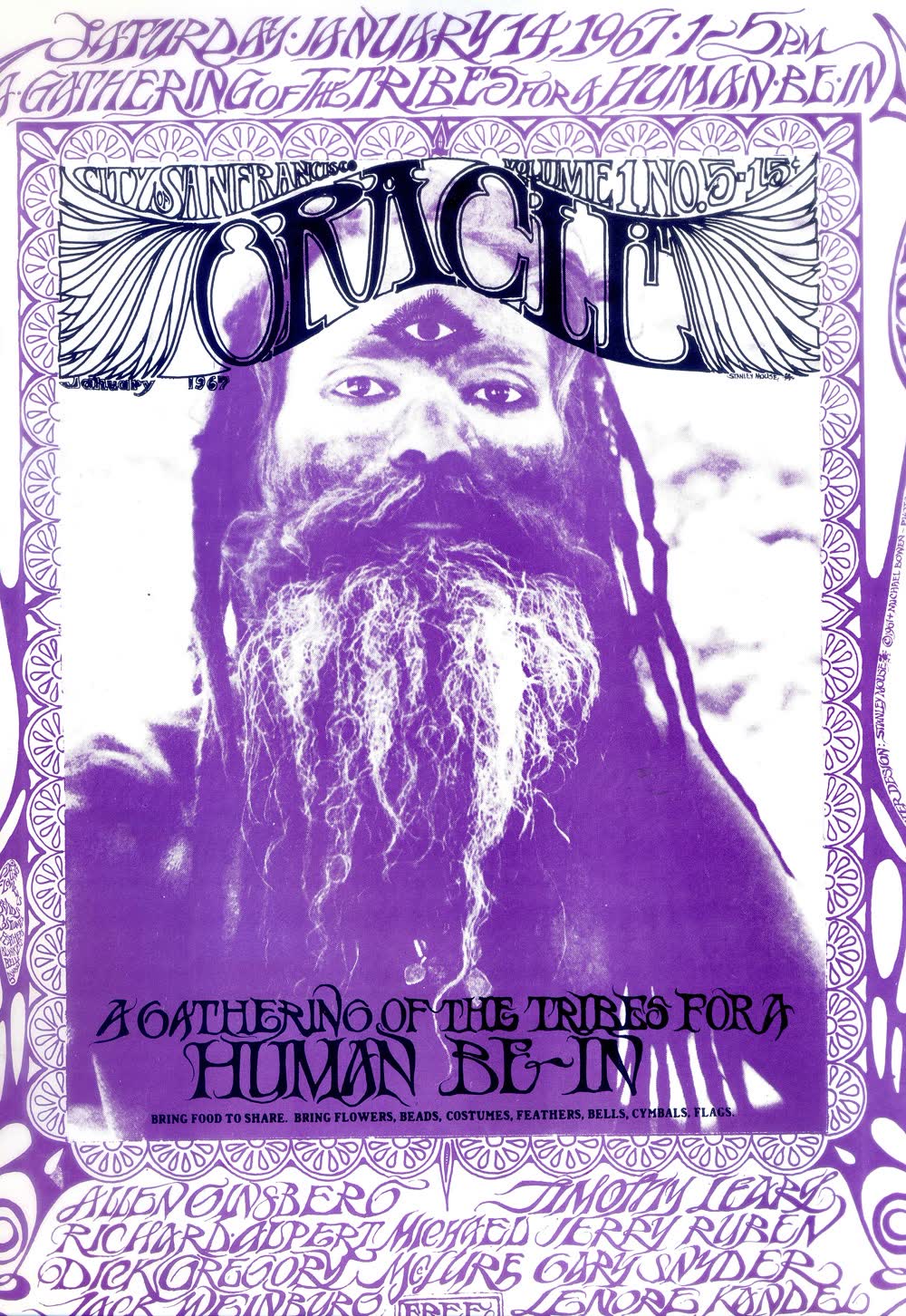
Berg named the method. “We were involved with the idea of taking theater off the stage and into people’s hands,” he told the San Francisco Chronicle in 2007, and “The label I put on that was ‘life acting.’” The Archives put it bluntly: “First and foremost, the Diggers were actors.”
Each event used the city as its set, a strand of street and guerrilla theater. The Intersection Game at Haight and Masonic, on Halloween 1966, used a “Game Board formed by intersection of public streets.” At the Death of Money parade that December, two Hells Angels joined in and were arrested along with a Digger.
| Date | Event | What happened |
|---|---|---|
| October 31, 1966 | The Intersection Game | A street crossing turned into a game board |
| December 17, 1966 | Death of Money Parade | Procession; Hells Angels join; arrests |
| June 21, 1967 | Summer of Love Solstice | A solstice celebration |
| October 6, 1967 | Death of Hippie | A mock funeral for a media word |
| May 7, 1968 | Poetry Bust | Free City gathers on the City Hall steps; five arrested |
Tourists at the zoo
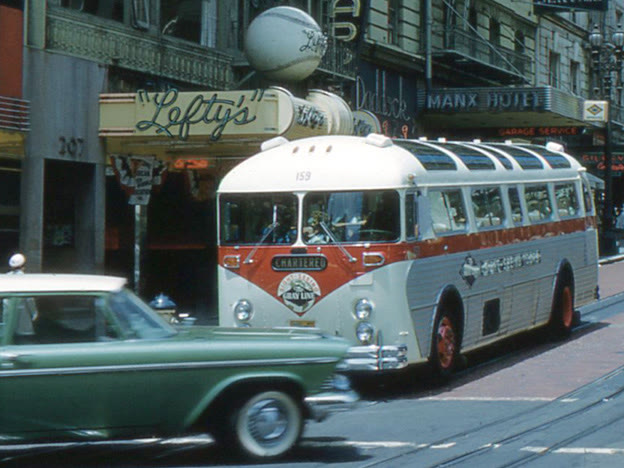
By 1967 the Haight had become a sight. Hunter S. Thompson reported in the New York Times Magazine that Gray Line had added Hippieland to its daytime tour, billed as “the only foreign tour within the continental limits of the United States.” He added: “The only sour note on the tour was struck by the occasional hippy who would run alongside the bus, holding up a mirror.”
Herb Caen rode the tour and asked, “Who’s in the cage?” It was later remembered as the Hippie Hop.
The Diggers answered in their Death of Hippie broadside of October 6, 1967: “the tourists came to the Zoo to see the captive animals and we growled fiercely behind the bars we accepted and now we are no longer hippies and never were.”
Free City and the end
Death of Hippie was a mock funeral, “an attempt to discard a word that had been invented by the mass media.” The Diggers had already given away, in the Archives’ words, “their last, final, possession: their name,” and called themselves Free City.
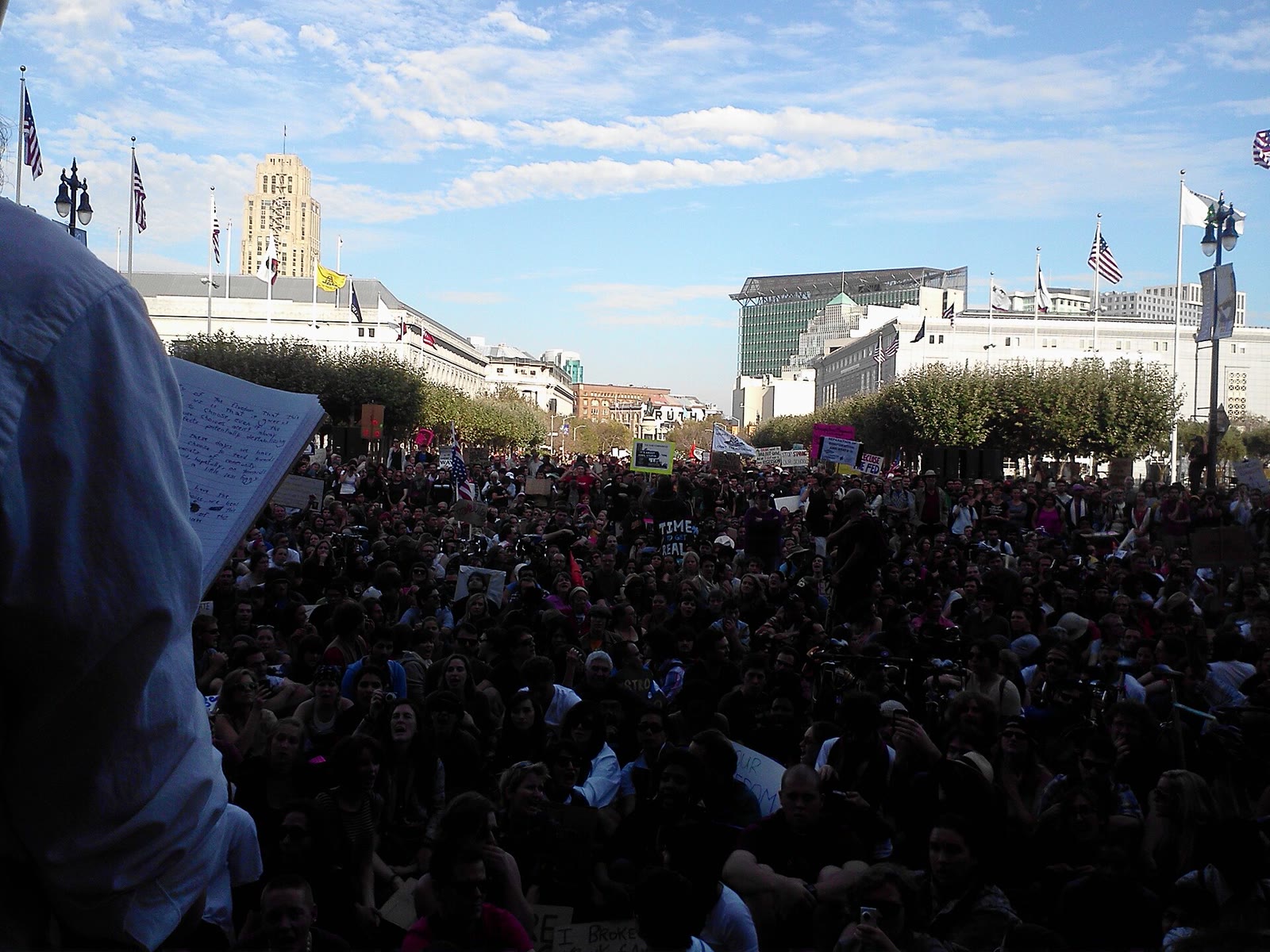
On May 7, 1968, Free City gathered on the City Hall steps and demanded that “parks & other public spaces be returned to the people for free life acts”; five people were arrested. A summer solstice celebration was planned for parks across the city but never took place, according to an account on the Archives. Atlas Obscura says the group “fizzled out in 1969.”
A Bay Area parallel: Antenna Theater
The Diggers and Antenna never met, and no source suggests either shaped the other. Yet Antenna, its archive says, “started as a community Agit-Prop theater” on the Sausalito waterfront artists’ community, where its Cardboard Front helped change opinions of a place seen as home to “drugged hippies”.
In 2001 SF Weekly wrote that “Antenna Theater excels at taking theater off the stage and putting it in everyday places.” Berg reached for the same phrase in 2007, a coincidence of wording and nothing more. For a European approach from the Diggers’ decade, see Jerzy Grotowski and poor theatre.
Later, Antenna’s Magic Bus tour of the Summer of Love retold 1967 from a bus. Antenna’s page for the show carries a “Quote from the Magic Bus”: “I thought it was just about falling in love with a cute boy but it turned out to be about LOVING EVERYBODY.” The Diggers’ solstice gatherings have a quieter echo in Antenna’s calendar that starts on the winter solstice, part of Antenna Theater’s production chronology. The city’s earlier bohemia is in our guide to the Beat Generation in San Francisco.
Frequently asked questions
Why were they called the Diggers?
After the English Diggers of 1649-50, who opposed private property and buying and selling. A member of SDS suggested the name.
What was the Free Frame of Reference?
A big orange frame of 2x4s that everyone stepped through to get the day’s free stew, and the name of the first Free Store, a garage at 1762 Page Street.
What did the Diggers think of the tour buses?
Their Death of Hippie broadside said the tourists came to the Zoo to see the captive animals. Gray Line had billed its Haight tour as the only foreign tour within the continental limits of the United States.