Dial-A-Poem: How John Giorno Put Poetry on the Telephone
In January 1969, anyone in New York with a telephone could hear William Burroughs or John Cage by dialing one number. John Giorno’s Dial-A-Poem turned the most ordinary device in the house into a publisher of poetry. It drew floods of calls, complaints that reached the FBI and, decades later, a place in the Museum of Modern Art’s collection.
Quick answer
What was Dial-A-Poem?
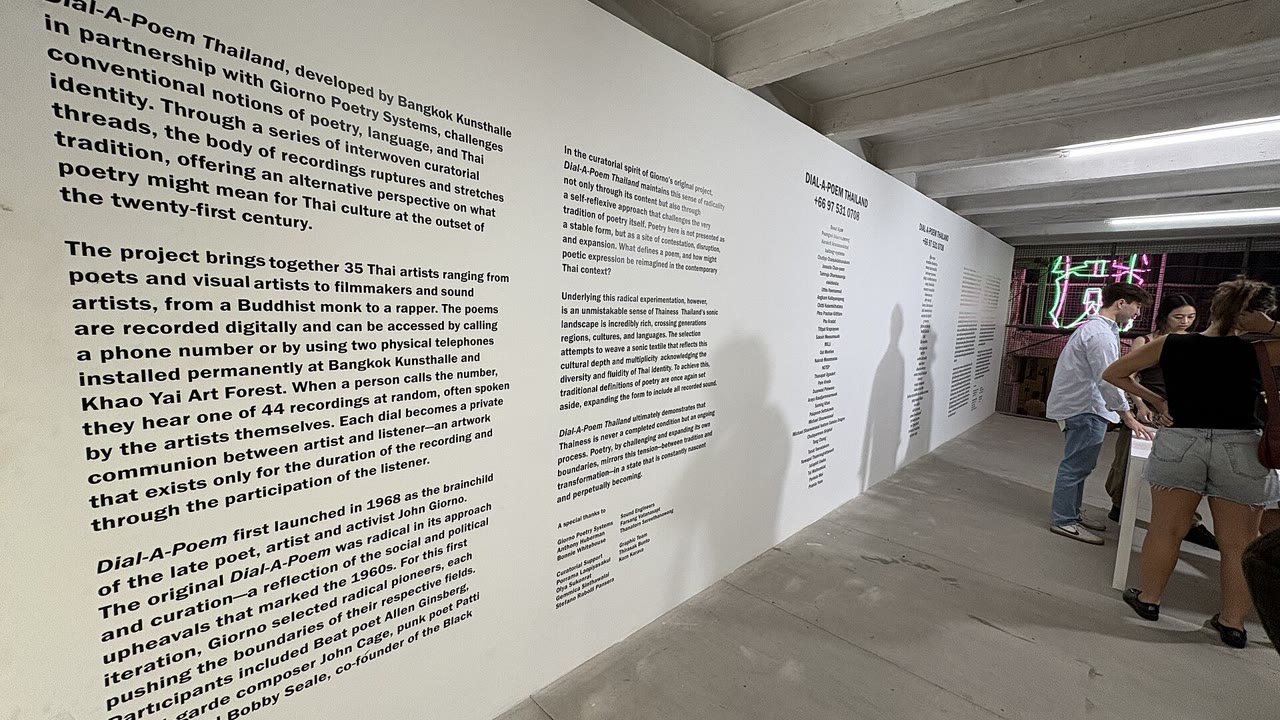
Dial-A-Poem was the poet John Giorno’s free phone line for poetry. Conceived in 1968 and opened at the Architectural League of New York in January 1969, it played a randomly chosen recorded poem, speech or song to anyone who called. MoMA showed it in 1970, complaints drew the FCC and the FBI, and a new line opened in 2021.
“Why can’t this be a poem?”
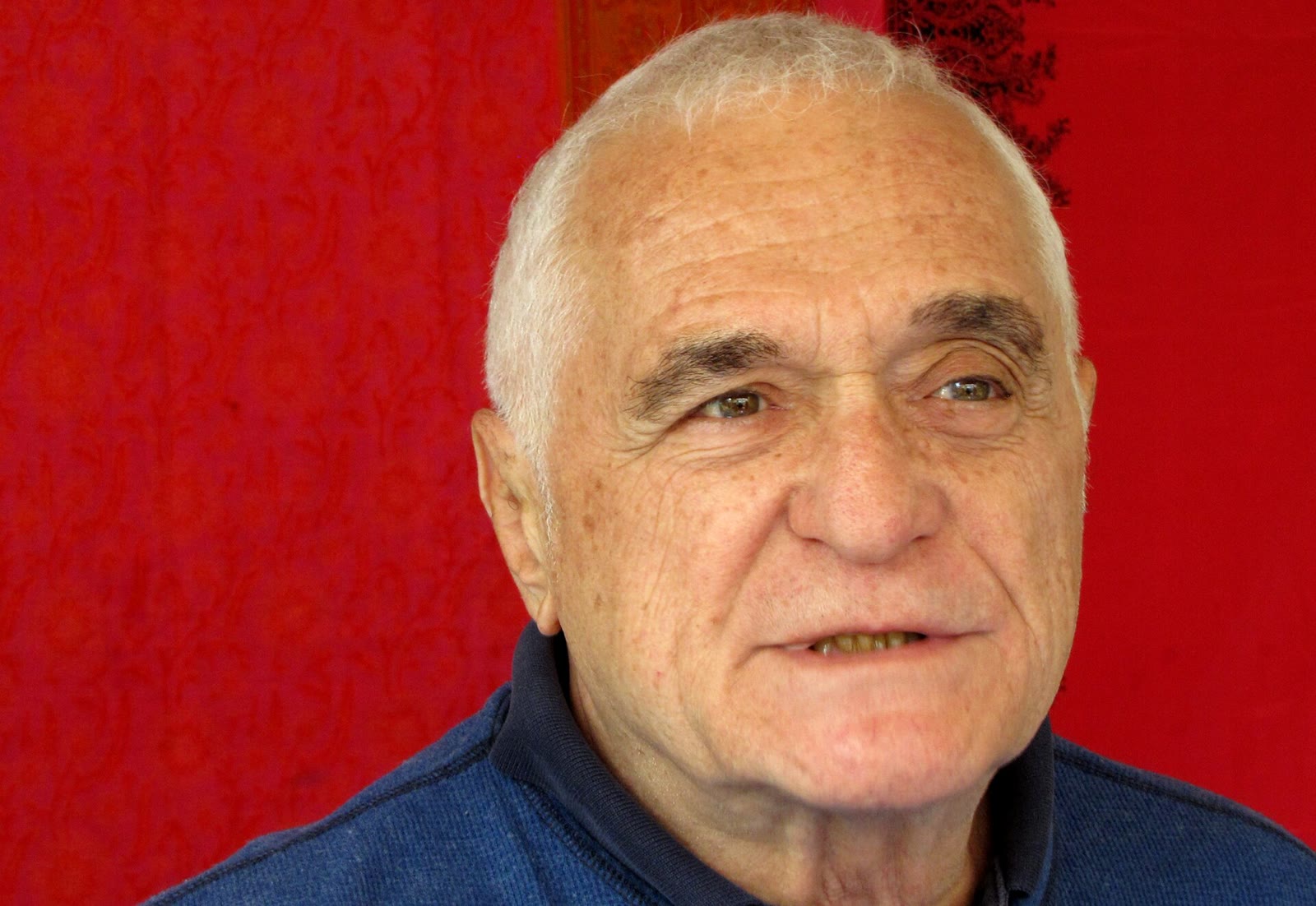
Giorno “was born in New York in 1936, and worked as a stockbroker after graduating from Columbia University in 1958.” In 1963 he was the young man Andy Warhol filmed asleep for his first film, Sleep. Watching friends like Warhol and Robert Rauschenberg, he decided that “poetry was seventy-five years behind painting and sculpture and dance and music.”
The spark, as he told Interview magazine, was a dull call: “I was talking to someone on the telephone one morning, and it was so boring.” He asked himself, “Why can’t this be a poem?”
John Giorno’s Dial-A-Poem at the Architectural League
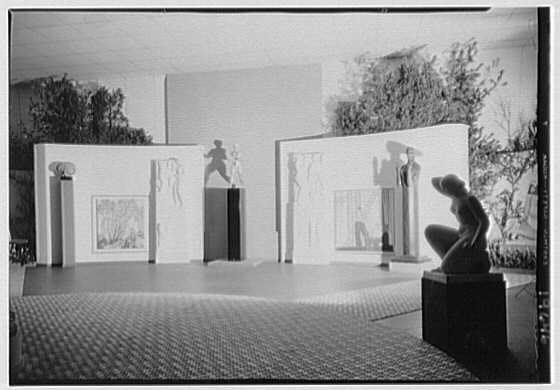
Giorno dated the idea to 1968, and so does MoMA. Giorno Poetry Systems’ history of Dial-A-Poem says that “In January 1969, Giorno rigged together a phone bank of 10 phones and industrial-sized answering machines at the Architectural League of New York.” The New York Times later counted six phones, and Giorno himself recalled twelve lines.
Every machine was “set up with an audiotape that would play once a call came in,” and Giorno “changed the audiotapes for each machine every day for variety’s sake.” Callers heard “a randomly-selected poem read by one of 35 artists, poets, and musicians,” among them John Ashbery, Joe Brainard, Anne Waldman and Allen Ginsberg of the Beat generation. Some got Buddhist mantras, Black Panther speeches or an excerpt of Cage’s 4’33”.
Busy signals
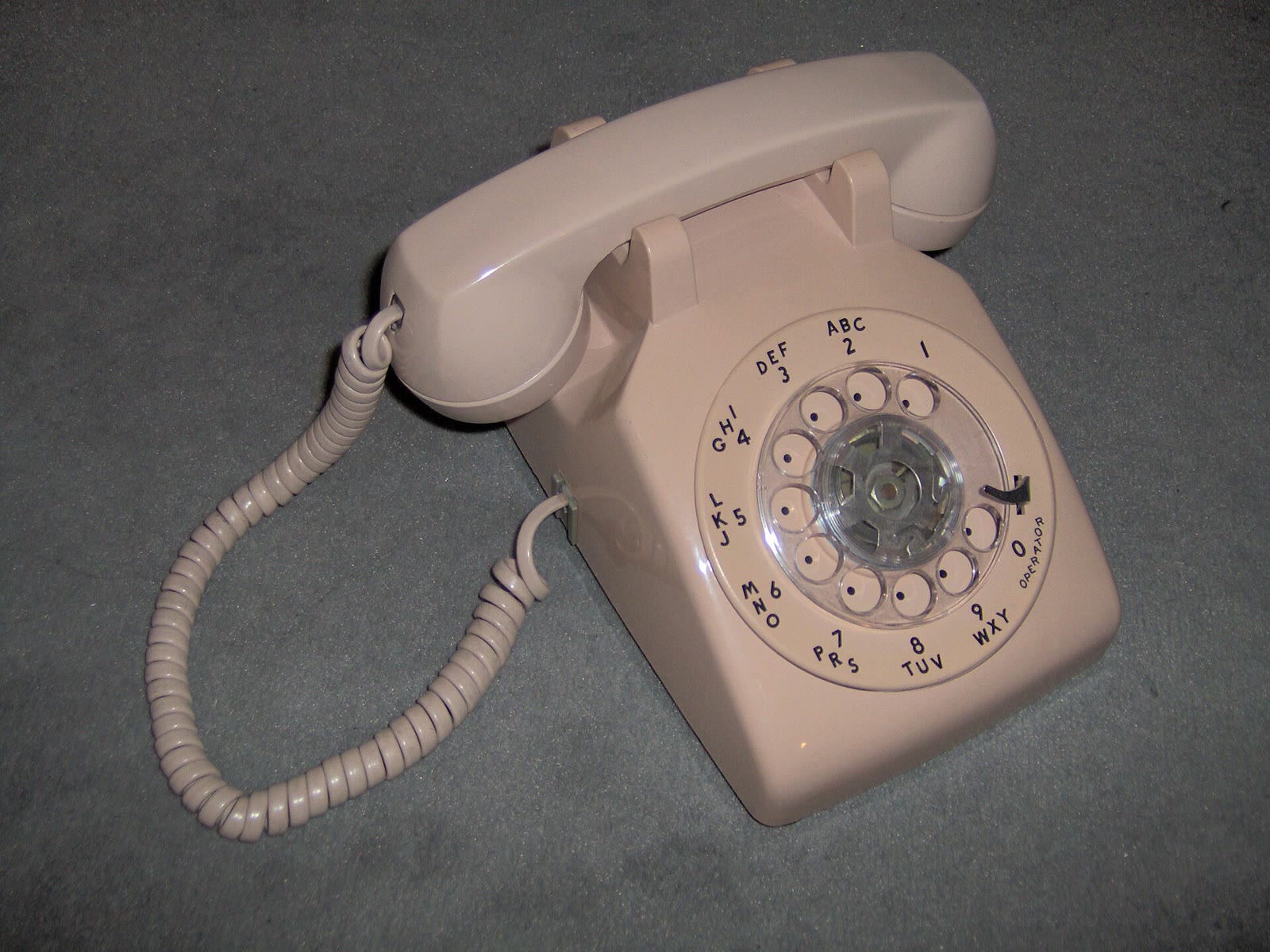
“When The New York Times published an article about the project and included the phone number, the lines were stretched far past their capacity and led to 250,000 busy signals at any given moment.” That is the foundation’s figure. Giorno recalled millions of calls, and a phone company that threatened to cut him off.
He also noticed when people called. The busiest hours were nine to five, when, he figured, “all those people sitting at desks” were on the phone. Late at night came the California calls and “those tripping on acid or couldn’t sleep.”
Chance was part of the design. “If a caller was bored with John Ashbery, they hung up and called again, and got John Cage, William Burroughs, Jim Carroll,” Giorno said. “I also discovered that creating a desire that is unfulfillable is the ultimate success.”
Information at MoMA, 1970
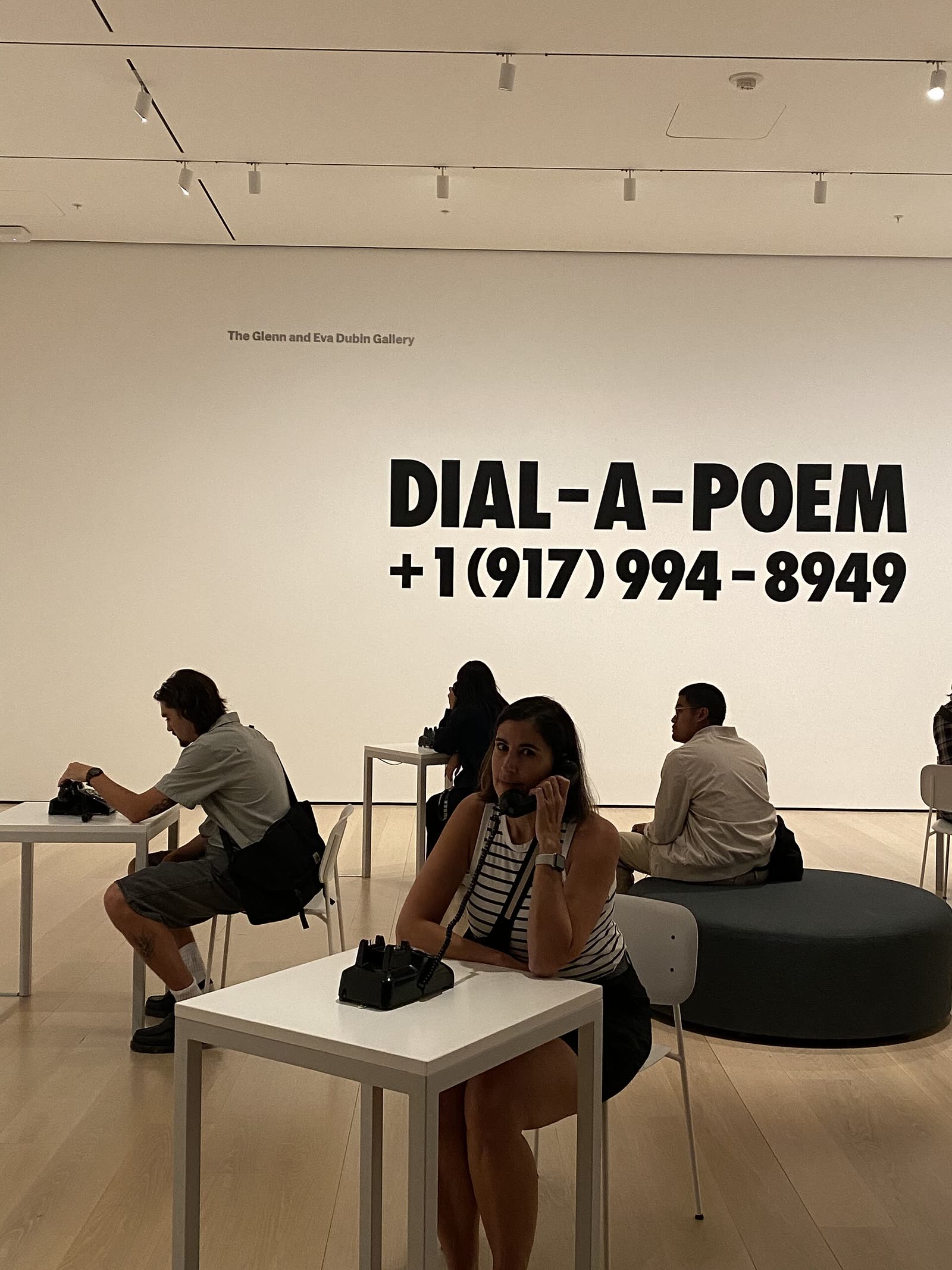
“The project’s popularity led to its inclusion in Information, the landmark 1970 exhibition at The Museum of Modern Art curated by Kynaston McShine.” The show was “one of the first international surveys of Conceptual Art,” and Dial-A-Poem “was connected to physical phones in the MoMA galleries, as well as to a public line.”
New voices joined, including Eldridge and Kathleen Cleaver, Abbie Hoffman and Bobby Seale. MoMA’s press release described poems “about two minutes long,” and the foundation says the line “received almost a quarter million calls during its time at MoMA.”
Complaints, the FBI and a record label
Not every listener was charmed. According to The Art Newspaper’s 2021 report on Dial-A-Poem in London, the project “was nearly scuppered after the mother of a 12-year-old boy based in Queens took offence at a piece called The Celia Sisters by Jim Carroll.”
The foundation says that “In 1971, the FCC, and then the FBI, investigated complaints of indecency and claims that the poems, many of which were explicitly sexual and political in nature, would incite violence.” Elizabeth Dee of the foundation recalled a letter from MoMA’s director to trustees saying that “the FBI had investigated John for this ‘subversive act’.”
“And so Giorno chose another form of distribution for the Dial-A-Poem poets and launched a record label.” Giorno recalled a series of 50 LPs and CDs called The Dial-A-Poem Poets, a chapter in the longer history of the audiobook and recorded literature. He later claimed a larger legacy: “Before Dial-A-Poem, the telephone was used one-to-one.”
Chip phones and a global line
In 2012 Giorno made phone sculptures for MoMA that “contained 200 poems on a computer chip inside a phone.” MoMA acquired Dial-A-Poem in 2018, and in 2019, the year Giorno died, came “a final edition of push-button phone sculptures that contained 282 recordings by 132 poets, artists, musicians, and activists.”
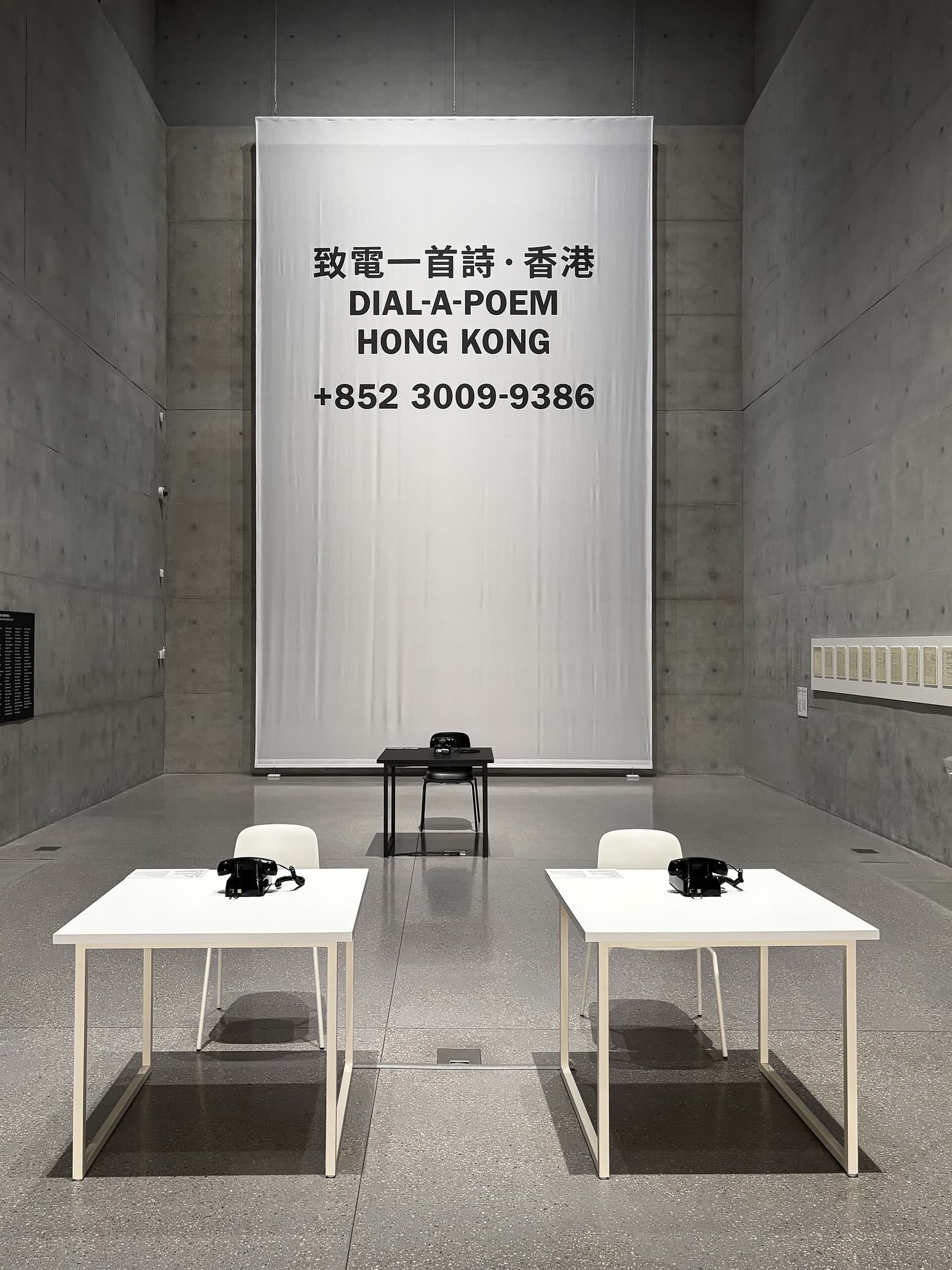
“A new phone number was re-established for Dial-A-Poem in 2021.” In 2025 it went international, and the foundation lists partners including Bangkok Kunsthalle and M+ in Hong Kong. It kept its first rule: “the user cannot choose the material.”
| Year | Event |
|---|---|
| 1968 | Giorno’s idea; MoMA dates the work to this year |
| January 1969 | The line opens at the Architectural League of New York |
| 1970 | Phones in MoMA’s Information show |
| 1971 | The FCC and the FBI look into complaints |
| 2012 | Chip phones at MoMA with 200 poems |
| 2018 | MoMA acquires the work |
| 2019 | Push-button edition with 282 recordings |
| 2021 | A new number, and a London line |
| 2025 | International editions with museum partners |
A show about the media: Antenna’s Radio Interference
No source links Giorno and Antenna Theater; this is a contrast. Giorno used a network everyone already owned. In 1987 Antenna made a show about the networks themselves: Radio Interference explored communications through infrared headsets, premiering at MIT early that year and later playing Fort Baker in Sausalito. Its scenes included a restaging of the War of the Worlds broadcast, a nod to the history of radio drama.
Bernard Weiner of the Chronicle wrote that “Each of the environments focuses on a different kind of technology, the telegraph, television, movie camera, medical equipment, whatever.” In one room, The Tech reported, “the audient is told he’s part of a military cavalry in the 1870’s predating telephones.”
Both critics caught the irony. Weiner saw “a delicious contradiction,” since audients obeyed their headsets in “a piece about how media technology controls our lives!” The Tech judged that “Antenna spent more time commenting on technology than using it.” Dial-A-Poem simply used the phone.
Frequently asked questions
When did Dial-A-Poem start?
Giorno dated the idea to 1968, and the line opened at the Architectural League of New York in January 1969, according to Giorno Poetry Systems.
How did Dial-A-Poem work?
A bank of phones was wired to answering machines, each with a tape that played when a call came in. Giorno changed the tapes every day, and callers could not choose what they heard.
Why was Dial-A-Poem investigated?
After complaints of indecency and claims that political poems would incite violence, the FCC and then the FBI looked into it in 1971, according to Giorno Poetry Systems.
Is Dial-A-Poem in a museum?
Yes. MoMA showed it in Information in 1970 and again in 2012, and acquired it for its collection in 2018.
For more, see Walkmanology and Antenna’s other new theater forms, the history of projection mapping, and the history of field recording, from wax cylinders to the Nagra.