The History of Radio Drama, from Studio Plays to Podcasts
Radio drama has been written off more than once, and it keeps coming back. The history of radio drama runs from a few actors crowded round a studio microphone in 1922 to fiction podcasts heard on a phone. One of its quieter threads runs through Berkeley, across the bay from the Sausalito waterfront where Antenna Theater worked.
Quick answer
When did radio drama begin?
Radio drama began in the early 1920s, when stations such as KDKA in Pittsburgh, a San Francisco station and WGY in Schenectady put plays on the air. Britain’s first play written for radio, Danger, followed in 1924. Network drama flourished in the 1930s, the last network series ended in 1962, and the form lives on in fiction podcasts.
Who was first?
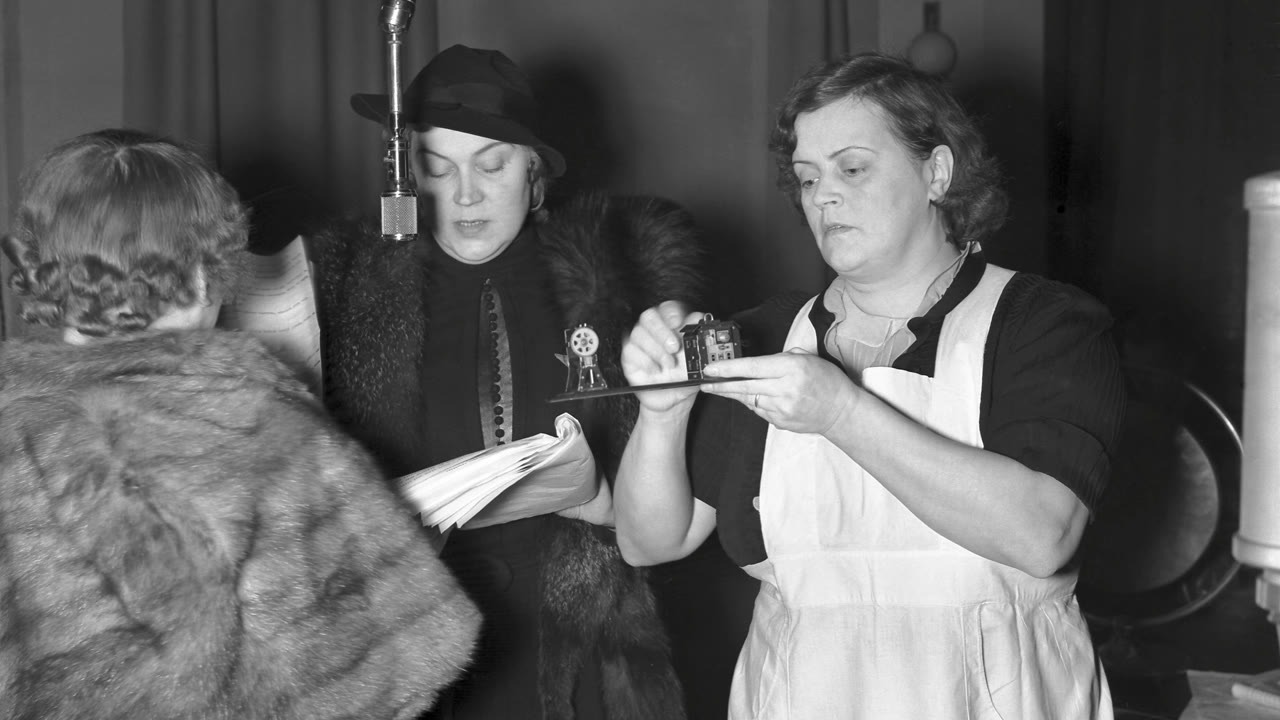
Ask who made the first radio drama and the honest answer is that several stations got there at once. The radio historian Elizabeth McLeod calls it “a difficult question, with no real answer.” Portland Center Stage gives the earliest claim to Pittsburgh, where in 1921 KDKA “aired a brief sketch called A Rural Line on Education.” In 1922, it adds, “actors Grace George and Herbert Hayes performed an entire play from a San Francisco station,” though it does not name the station.
The steadiest claim belongs to WGY in Schenectady. Edward H. Smith of The Masque, a theatre group from Troy, pitched adaptations to the station, which agreed “on the provision that none of the plays run more than forty minutes.” Their first, Eugene Walter’s The Wolf, aired in the late summer of 1922, and a Pittsfield listener wrote that its screams “were so real, that a policeman overhearing the program thru a window burst into the writer’s home to stop the ‘assault.’” Elizabeth McLeod’s history of the WGY Players calls the run “the first regular dramatic series ever heard on American radio.”
A play heard in the dark
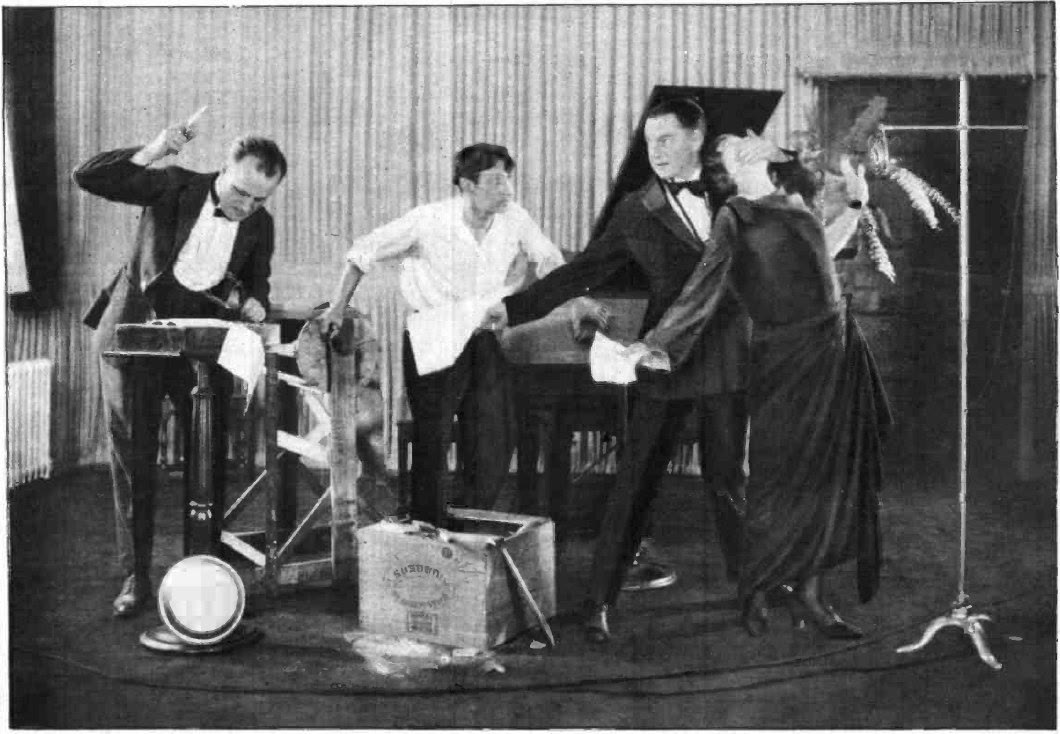
Britain commissioned a play for the microphone instead. In January 1924 the producer Nigel Playfair asked the 23-year-old Richard Hughes to write one “for effect by sound only.” In Danger, as Tim Crook tells it for BBC History, three people are down a Welsh coal mine “when the lights suddenly go out, all three are plunged into terrifying darkness.” Before it began, “the announcer advised lights should be turned down and the play heard in darkness or by fire-light.”
The network years

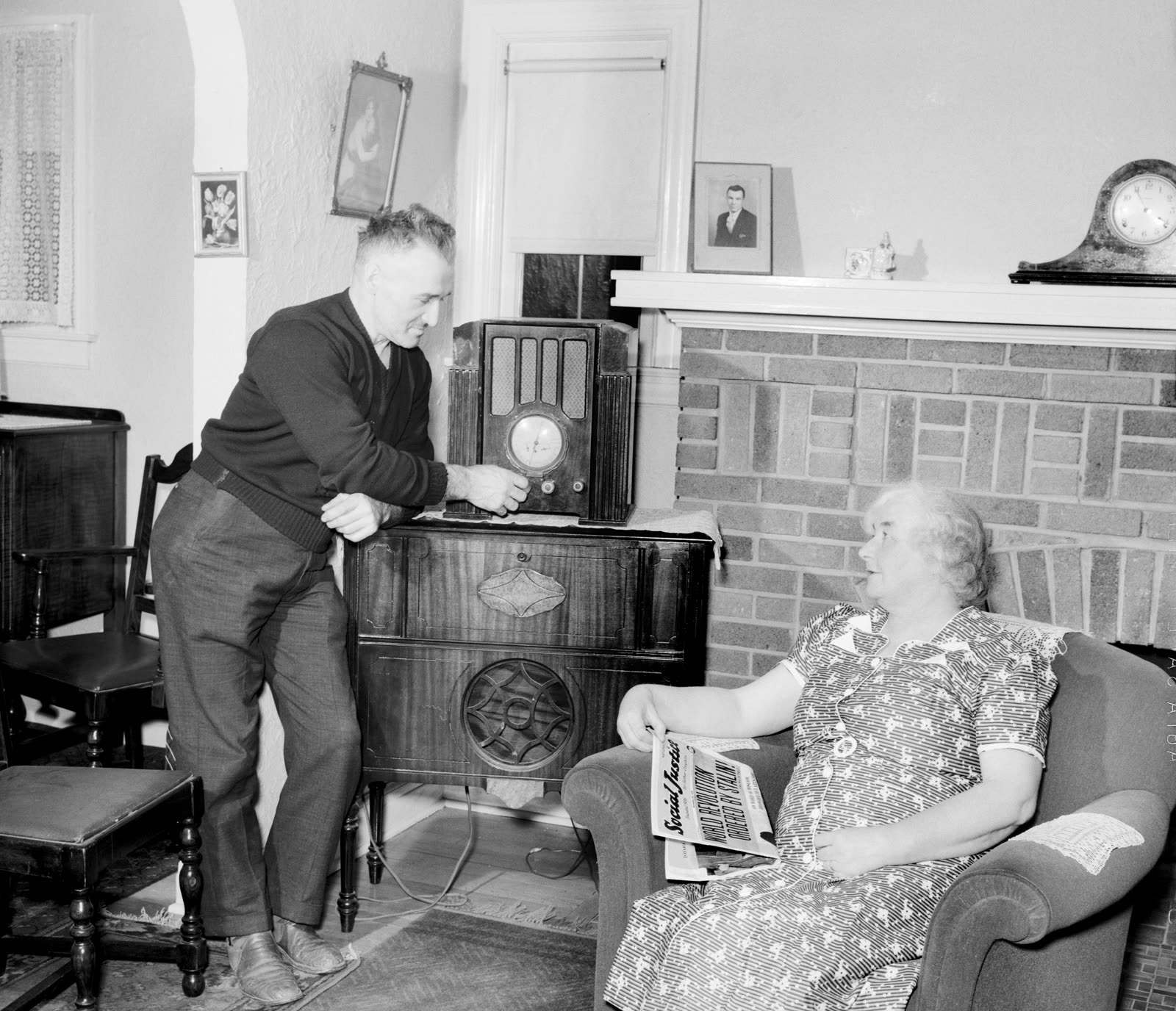
In the United States, drama became a staple of the networks. By 1930, Portland Center Stage reports, “14% of all radio programming was radio drama,” and these are the years now called the golden age of radio drama. Archibald MacLeish’s The Fall of the City (1937) starred Orson Welles, “who went on the following year to create the most notorious broadcast in radio history.”
That was The War of the Worlds, on CBS on October 30, 1938. The next morning the New York Times reported that “A wave of mass hysteria seized thousands of radio listeners throughout the nation.” W. Joseph Campbell argues the panic was hyped, and his essay on why the panic broadcast myth lives on lays out the case, while Live Science adds that its extent is still debated.
Arguments over how an event is remembered are not unique to radio, as the Enola Gay exhibit controversy at the Smithsonian showed in 1995. The network run itself did not last: the last network drama series went off the air in 1962.
Berkeley’s listener-sponsored stage
Across the bay from San Francisco, a different kind of station had opened. Pacifica’s KPFA began broadcasting in Berkeley “on April 15, 1949,” as “the first listener-sponsored station,” and it gave artists “a stage to experiment with music, radio drama, spoken word, sound sculpture, and the art of radio documentary.”
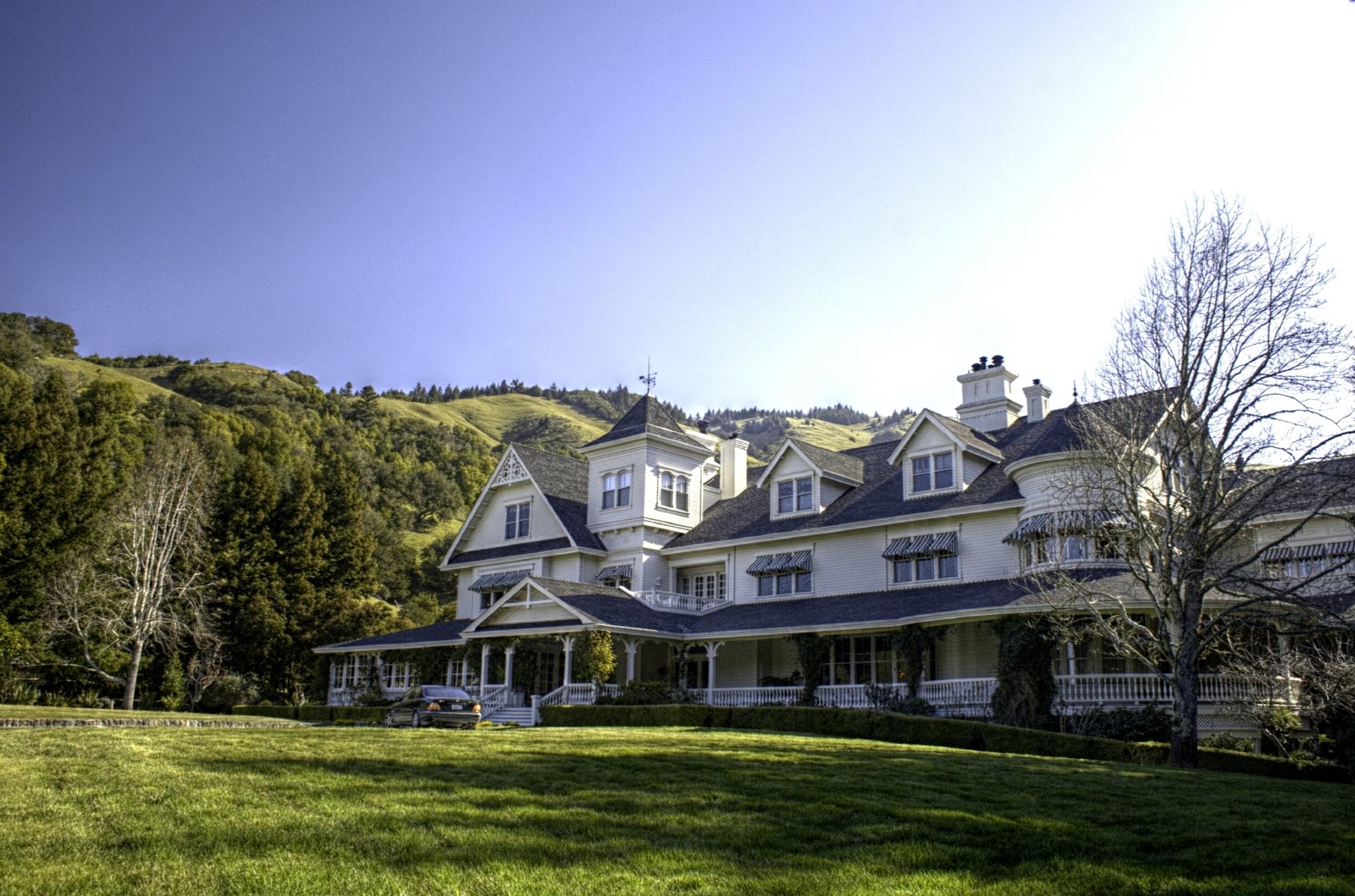
Its best-remembered drama was The Black Mass, a horror anthology that OTR Plot Spot dates from 1963 to 1970, made by Erik Bauersfeld with John Whiting. Bauersfeld, KPFA’s head of drama and literature from the early 1960s until 1991, set up Bay Area Radio Drama in 1986. Its Eugene O’Neill Radio Project did its sound production “at George Lucas’s Skywalker Sound,” and the plays were broadcast on BBC Radio.
| Years | Work or project | Who |
|---|---|---|
| 1922 | A full play from a San Francisco station | Grace George, Herbert Hayes |
| 1963-1970 | The Black Mass (KPFA) | Erik Bauersfeld, John Whiting |
| 1984 | Radio plays for KPFA | Antenna Theater |
| 1986 on | Bay Area Radio Drama; the O’Neill project | Erik Bauersfeld |
| 1987 | Radio Interference’s War of the Worlds room (staged) | Antenna Theater |
| 2008-2009 | ECOtime radio shorts | Chris Hardman |
Theater people on the radio
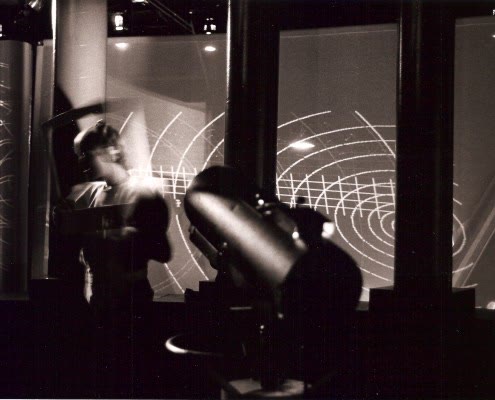
Antenna Theater came at radio from the stage. Its 1984 broadcasts with KPFA, aired in Bauersfeld’s arts slot, are told in Antenna’s own radio plays on KPFA. Its liveliest radio moment, though, was staged rather than broadcast.
Radio Interference, dated 1987 by the San Francisco Chronicle’s review and 1987-1988 in Antenna’s chronology, used infrared headsets. In one room, Bernard Weiner wrote, “we are dancing away blithely during the Depression in 1938 when Orson Welles’ radio play about an invasion from outer space comes on the air; when it turns out to be a hoax, we return to our tangos.” At MIT, Barbara Masi heard the tape tell her “we are being invaded, we have to run, literally, in circles, screaming.”
The show belongs with Walkmanology and Antenna’s other new theater forms, while binaural audio drama and the radio documentary and feature have posts of their own. Later, Chris Hardman wrote and narrated the ECOtime radio shorts, part of an environmental thread that also took in World Environment Day, which Antenna marked in 2005 with a headphone walk.
Revivals
Network drama came back for a while. Himan Brown’s CBS Radio Mystery Theater debuted in 1974, won a Peabody Award and ran seven days a week for nine years. In 1981 NPR adapted Star Wars, building “13 half-hour episodes from a movie that had only about 30 minutes of dialogue.” Fittingly, Bauersfeld voiced Admiral Ackbar in Return of the Jedi.
Podcasts

The newest chapter is the fiction podcast. In 2016 the New York Times described Welcome to Night Vale as “a darkly funny podcast about a town where every conspiracy theory is true, takes the form of a community radio program,” the year Gimlet Media released Homecoming, its first scripted series. Even now, the paper noted, the genre owes much to “the most famous radio dramas (like Orson Welles’ The War of the Worlds).”
The history of radio drama in ten moments
| Year | Moment | Source |
|---|---|---|
| 1921 | KDKA airs a sketch, A Rural Line on Education | Portland Center Stage |
| 1922 | A whole play from a San Francisco station; the WGY Players begin | Portland Center Stage; McLeod |
| 1924 | The BBC broadcasts Danger, set in a dark coal mine | Tim Crook for BBC History |
| 1937 | The Fall of the City, with Orson Welles | WNYC |
| 1938 | The War of the Worlds, October 30 | Media Myth Alert |
| 1949 | KPFA, the first listener-sponsored station, starts in Berkeley | Pacifica Radio Archives |
| 1963 | The Black Mass begins on KPFA | OTR Plot Spot |
| 1974 | CBS Radio Mystery Theater begins | Museum of Broadcast Communications |
| 1981 | NPR’s Star Wars | KUNC |
| 2016 | Homecoming, Gimlet’s first scripted podcast | New York Times |
Frequently asked questions
What was the first radio drama?
There is no single answer. KDKA aired a sketch in 1921, actors played a whole play from a San Francisco station in 1922, and WGY began the first regular dramatic series on American radio that year.
Did The War of the Worlds cause a nationwide panic?
Newspapers said so the next day, but W. Joseph Campbell argues the panic was hyped, and its extent is still debated.
When did American network radio drama end?
The last network series ended in 1962. CBS Radio Mystery Theater brought the form back from 1974.
Where does the Bay Area fit in?
Berkeley’s KPFA, on the air since 1949, carried The Black Mass in the 1960s, and its drama director Erik Bauersfeld founded Bay Area Radio Drama in 1986.