The War of the Worlds Broadcast and the Panic That Mostly Wasn’t
The War of the Worlds broadcast is remembered as the night radio fooled America. The real story is stranger: a live hour of drama, a burst of newspaper alarm, and a research book that turned the alarm into a textbook case. Here is what aired, what the evidence shows, and how one theatre company later staged the panic on purpose.
Quick answer
Did the War of the Worlds broadcast really cause a panic?
The broadcast aired on CBS on October 30, 1938, as an episode of Orson Welles’s Mercury Theatre on the Air. Newspapers reported mass panic the next day, but ratings, hospital checks and the listeners’ own letters suggest only a small audience, of whom a minority were truly frightened.
The War of the Worlds broadcast: one hour on CBS
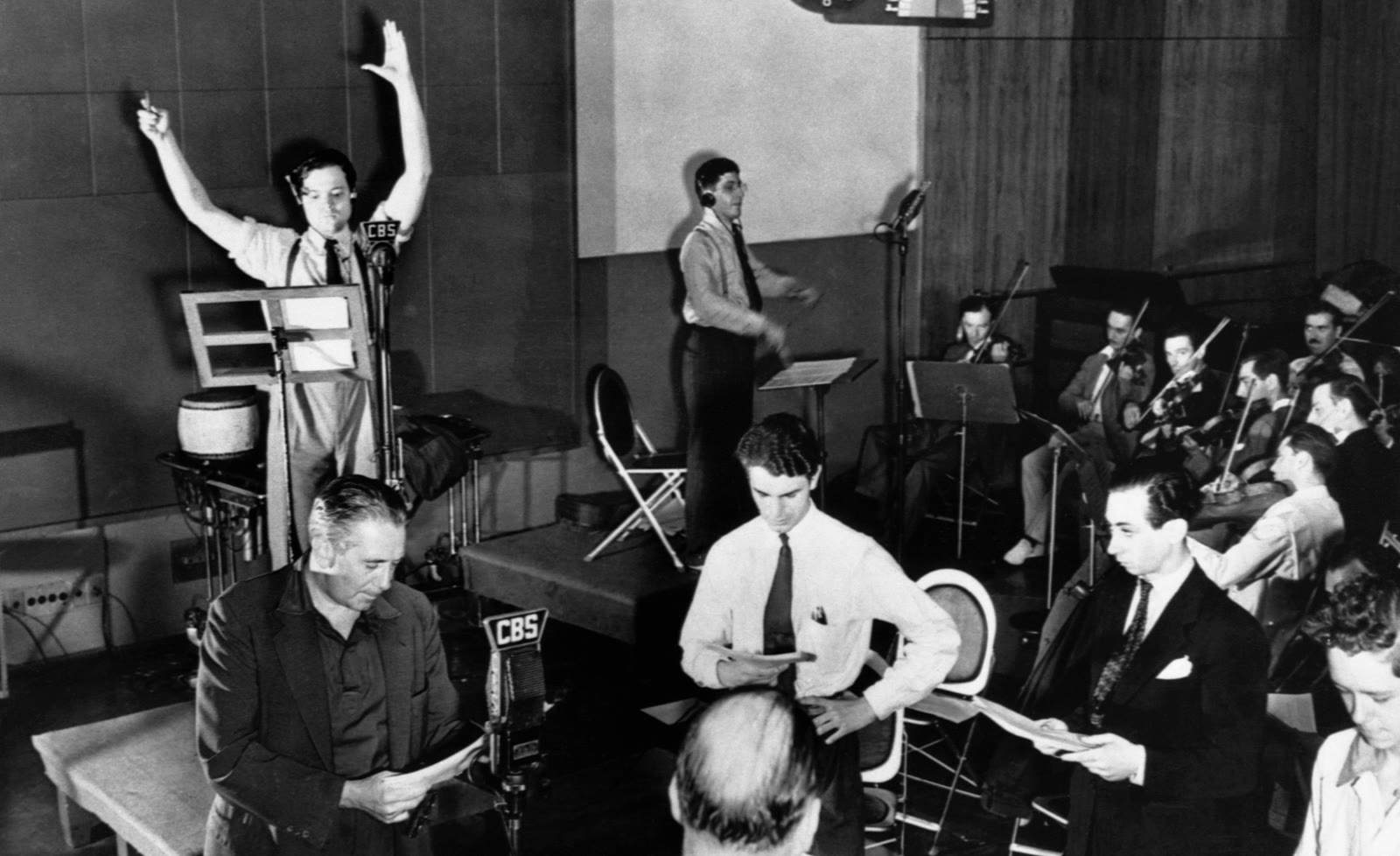
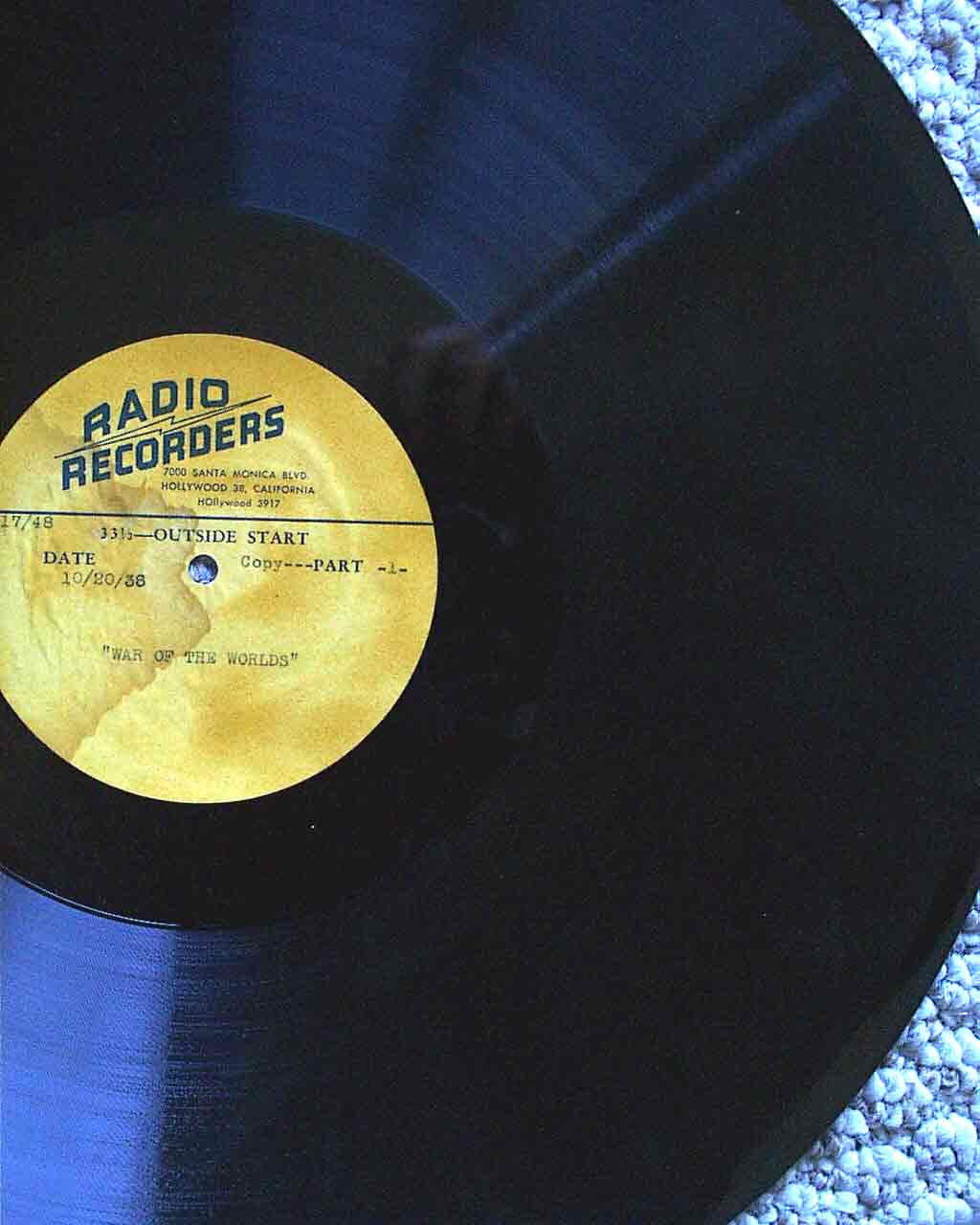
It went out on October 30, 1938, which the Linda Hall Library stresses was “the day before Halloween.” It was no hoax. Snopes calls it “a regularly scheduled and announced episode of The Mercury Theatre on the Air, a radio program dedicated to presenting dramatizations of literary works.”
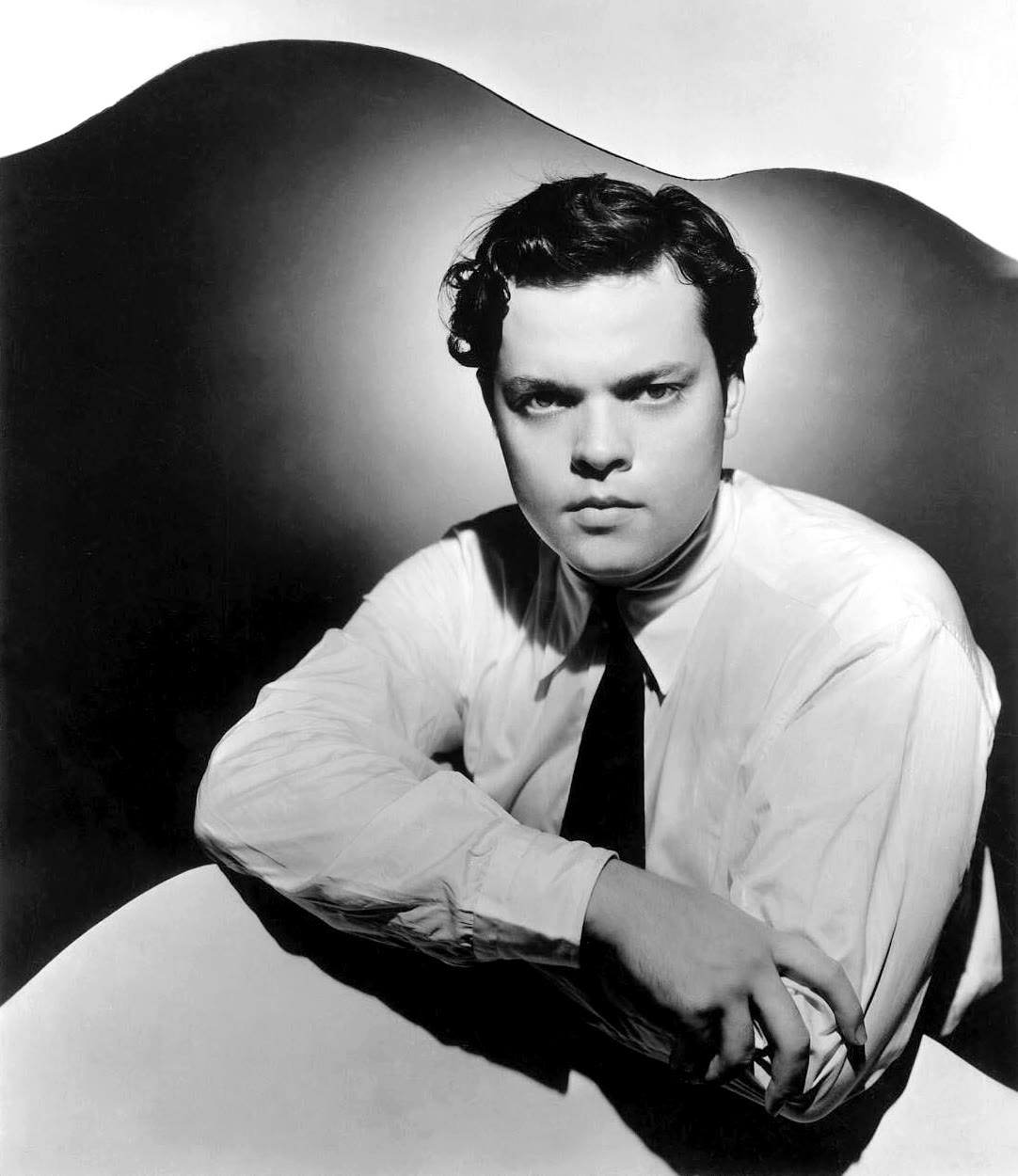
Howard Koch wrote the script, and Welles and John Houseman produced. In Snopes’s words, “the 23-year-old actor-director reworked the plodding Victorian narrative about a Martian invasion of Earth into a gripping faux newscast.” A fictional reporter, Carl Phillips, described “what’s happening on the Wilmuth farm, Grovers Mill, New Jersey,” until the script called for a crash of the microphone, then dead silence.
An hour later the CBS station WABC repeated that the fiction “was made clear four times on the program.”
The morning papers
The New York Times headline was “Radio Listeners in Panic, Taking War Drama as Fact.” Its report described how “In Newark, in a single block at Heddon Terrace and Hawthorne Avenue, more than twenty families rushed out of their houses with wet handkerchiefs and towels over their faces.” The Daily News went with “Fake War on Radio Spreads Panic Over U.S.”
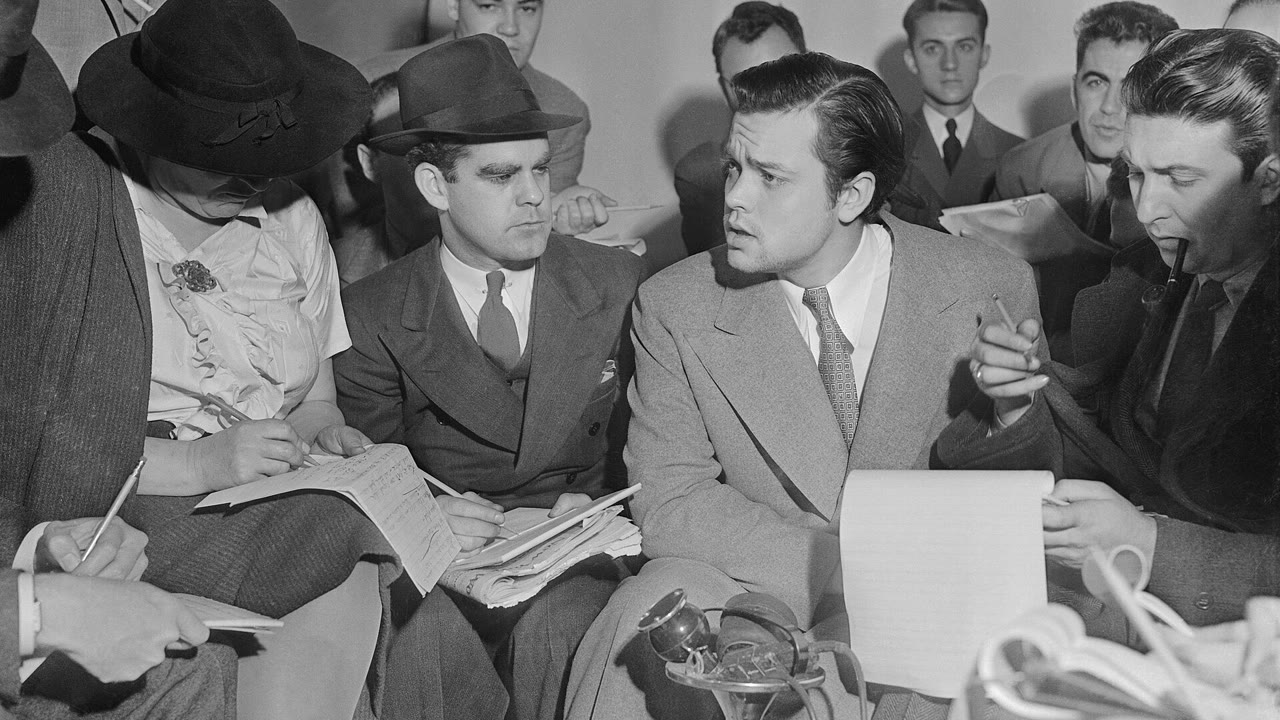
Welles told reporters: “It’s too bad that so many people got excited, but after all, we kept reminding them that it wasn’t really true.” William Ashworth of the Linda Hall Library offers a hedged motive for the coverage: “It is possible to conclude that newspaper owners and editors deliberately played up the irresponsibility of radio broadcasters,” a medium already threatening their news monopoly.
Counting the listeners
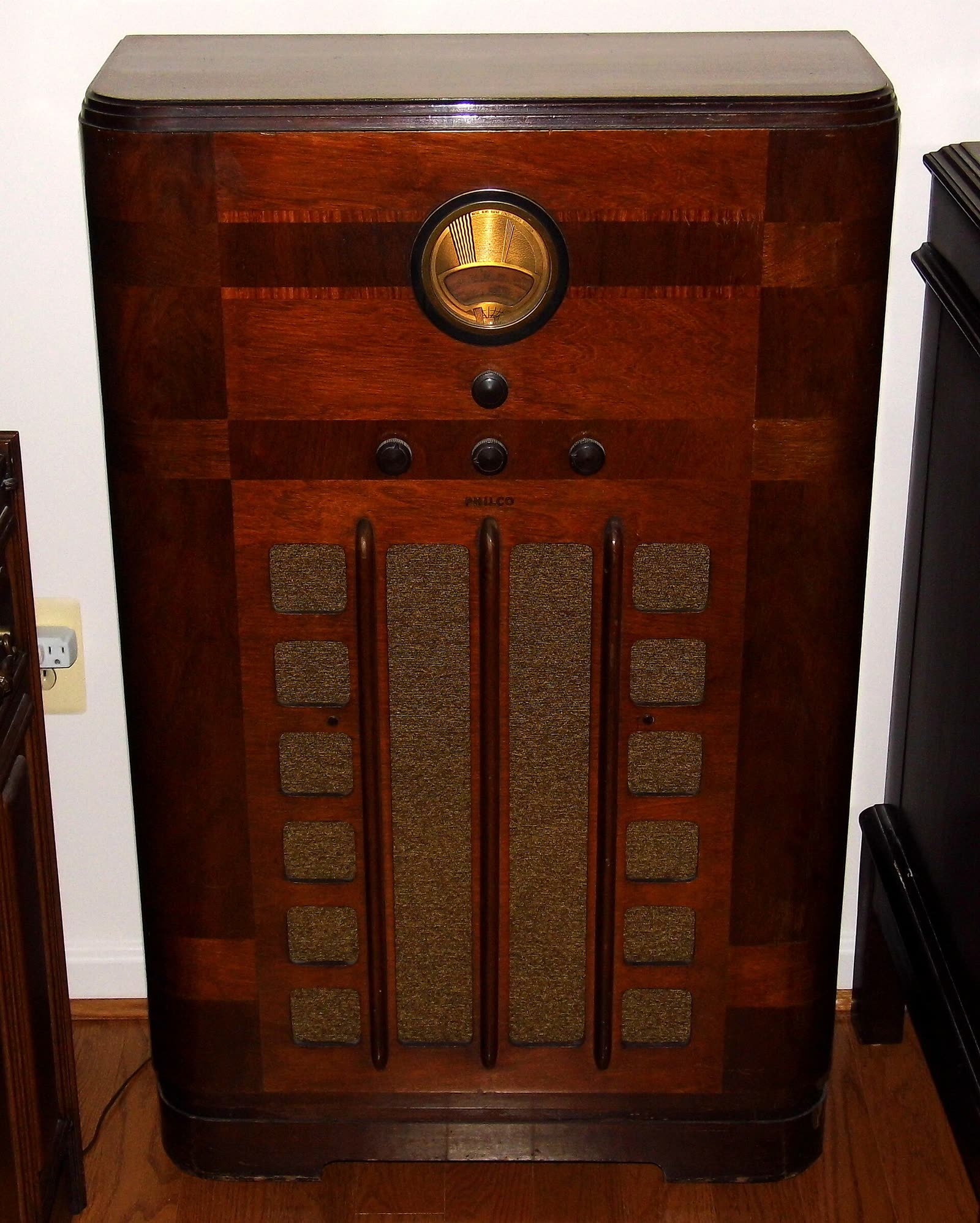
The numbers are the weakest part of the legend, and they disagree among themselves. Snopes reports that the Hooper ratings service found “only 2 percent of national respondents were tuned into Welles’ broadcast,” while the Linda Hall Library says “less than 1% of the radio audience.”
CBS’s Frank Stanton ran his own survey and concluded that most Americans didn’t hear the show. “But those who did hear it,” he added, “looked at it as a prank and accepted it that way.” Of six New York City hospitals checked six weeks later, “none of them had any record of any cases brought in specifically on account of the broadcast.”
| Claim | What the evidence says |
|---|---|
| Millions heard it | Hooper: about 2 percent of respondents; Linda Hall Library: under 1 percent |
| People fled their homes | The Times reported Newark families fleeing; hospitals later had no record of cases |
| People died | No death has been conclusively attributed to the drama |
| It was a hoax | It was an announced episode, and WABC said the fiction was made clear four times |
| A million panicked | Cantril counted the frightened and disturbed as panicked |
The study that made the panic myth
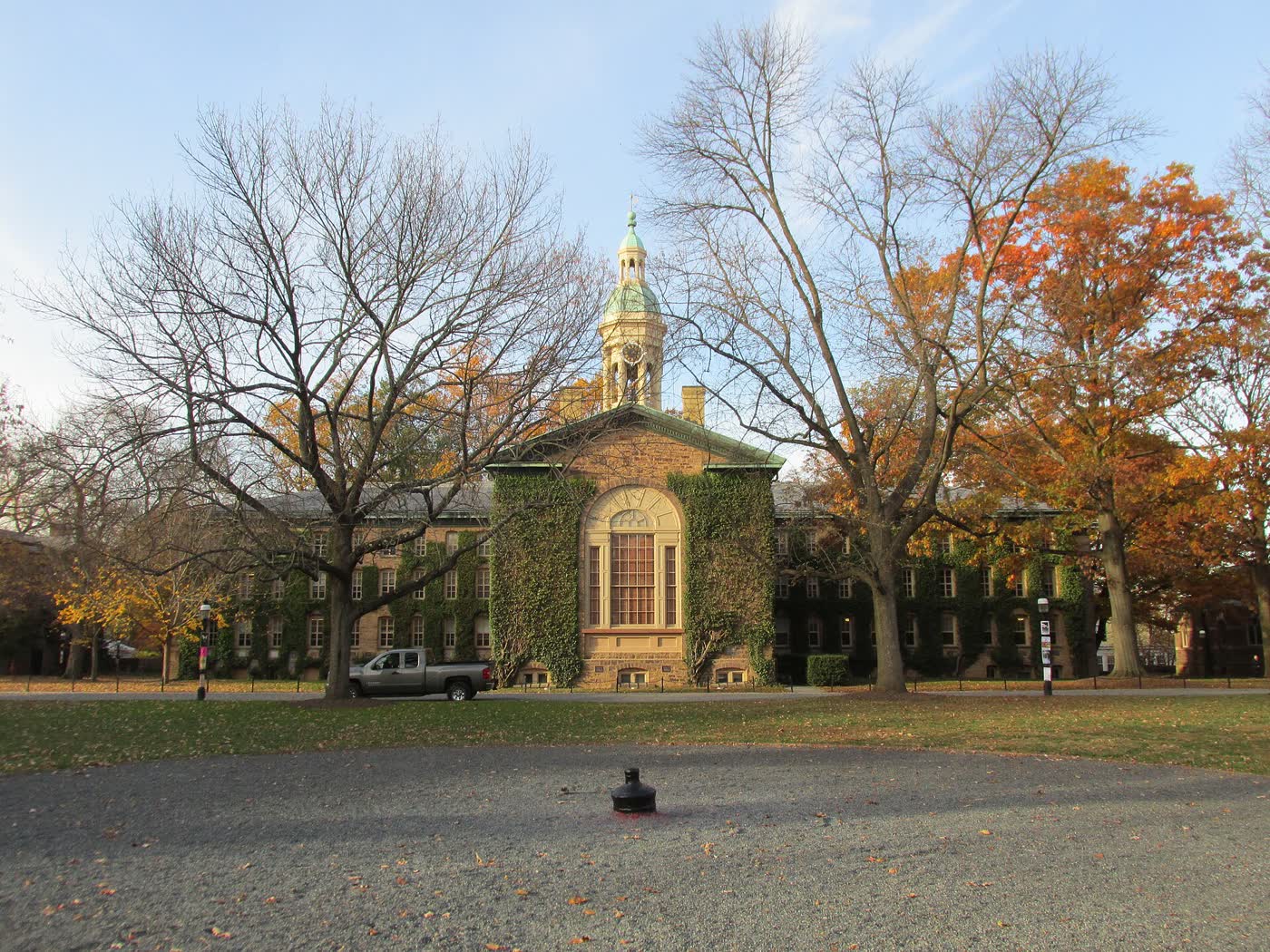
The panic became a textbook fact through a book: The Invasion from Mars, published in March 1940 “with Cantril listed as sole author.” In their International Journal of Communication paper on the study (PDF), Jefferson Pooley and Michael Socolow call it “more accurately described as a collaborative product of the Princeton Radio Research Project,” run by Paul Lazarsfeld.
“Herta Herzog (Lazarsfeld’s second wife) conducted a series of in-depth interviews with frightened listeners,” they write, and with Hazel Gaudet she did “much of the actual intellectual work.” Their verdict: “Cantril himself insisted on a dramatic prose style and chapter structure and exaggerated the extent of the panic.” The book, they add, “mimicked the theatricality that was its ostensible subject.”
Cantril’s figures change with the teller. Snopes, quoting the pair, says he estimated one million frightened listeners and treated fright as panic. The Princeton Public Library’s War of the Worlds exhibit gives “an estimated 6 million listeners tuned into the broadcast, 1.7 million of them took the ‘report’ as fact and 1.2 million panicked as a result.”
What the letters say
A. Brad Schwartz, author of Broadcast Hysteria, went to the listeners themselves: “the nearly 1,400 letters sent to Welles from ordinary Americans who heard War of the Worlds firsthand,” now at the University of Michigan, and “the more than 600 sent to the FCC at the same time.” He argues the so-called panic “was really an early example of a viral media phenomenon, much like what still happens on social media today.”
Grovers Mill remembers
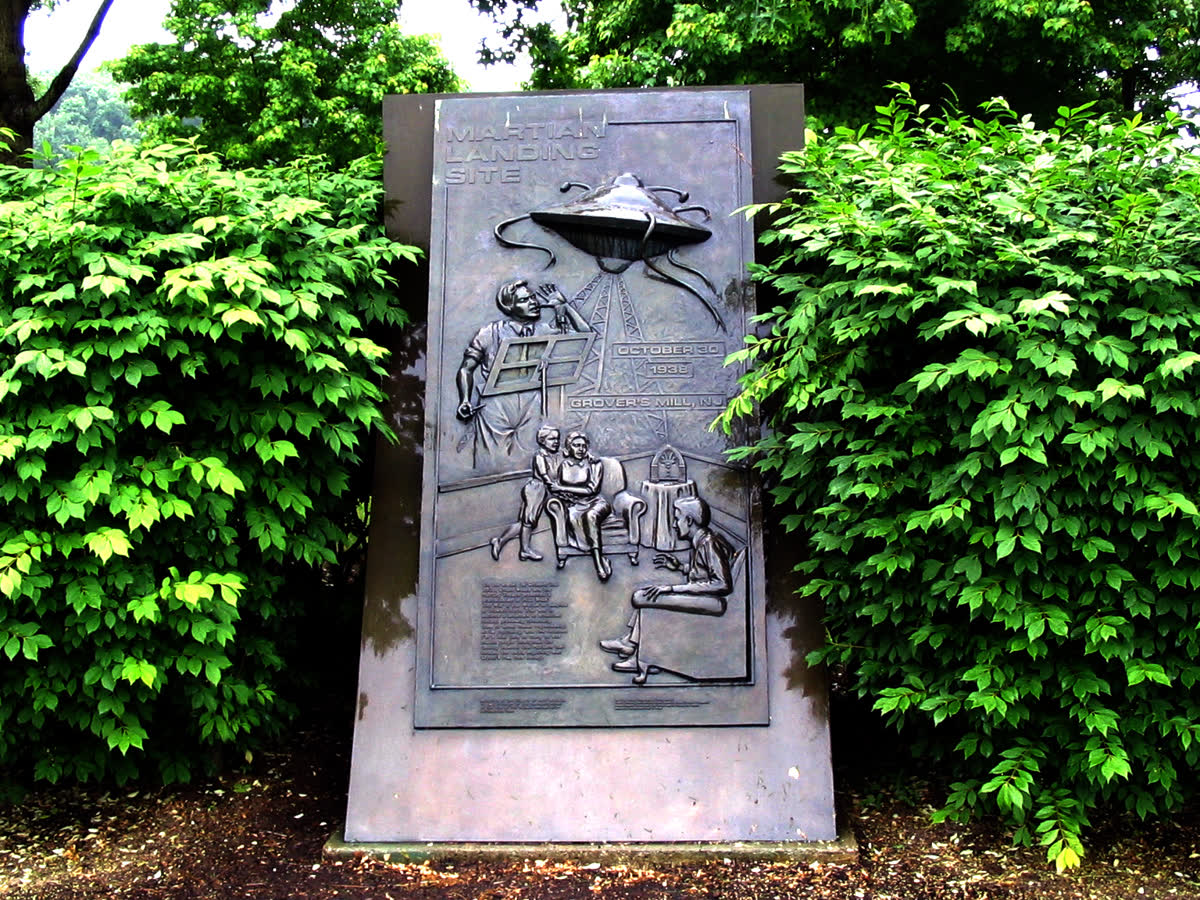
Grovers Mill lies about five miles from Princeton, and the library says its residents “were particularly panicked.” Local lore, as a West Windsor paper tells it, has older citizens blasting the water tower with shotguns. In 1988 the village put up a bronze monument “with an image on its face of an alien saucer, Orson Welles at the microphone … and a terrified family sitting around their radio.”
A panic on cue: Antenna’s War of the Worlds room
Forty-nine years later Antenna Theater staged the panic on purpose. Radio Interference (1987), a show about mass media made at the MIT Media Lab, opened with it. “Consider the piece which greets you when you walk through the door, ‘War of the Worlds,’ one of the most successful vignettes,” wrote Barbara Masi in MIT’s The Tech.
Each audient, Antenna’s word for a listener who takes part, wore a headset. “Walkmaned audients step up onto a miniature dancefloor,” Masi wrote, and then “the tape tells us we are scared; we are being invaded,” and later “you do get a little scared when the voice on the tape suddenly breaks off: the missiles are on their way.”
Bernard Weiner of the San Francisco Chronicle found the room “somewhat more elliptical” than the show’s satires of television, and caught its sting: “Another waltz, maestro.” For Masi, “the medium, so to speak, was the message.” The Journal’s parallel: in 1938 a radio play was said to have made people panic; in 1987 a tape told people they were panicking. No source says the room was commenting on the myth itself.
| Aspect | CBS, 1938 | Radio Interference, 1987 |
|---|---|---|
| Medium | Network radio, one live hour | Tape on a headset, a short vignette |
| The listener | At home | On a miniature dance floor |
| The message | A fictional newscast, with disclaimers | A tape telling dancers they were scared |
| The ending | Headlines the next morning | The voice breaks off: missiles on their way |
The show is listed as Radio Interference in the Antenna chronology. For the form around it, see the wider history of radio drama, how binaural audio drama works on headphones, the history of headphones, Experiments in Art and Technology, where artists and engineers worked together and Walkmanology and Antenna’s other new theater forms.
Frequently asked questions
When was the War of the Worlds broadcast?
On October 30, 1938, the day before Halloween, as an episode of CBS’s Mercury Theatre on the Air.
Who wrote the War of the Worlds radio script?
Howard Koch adapted H.G. Wells’s novel, and Orson Welles and John Houseman produced the show.
Where did the Martians land?
At the fictional Wilmuth farm in Grovers Mill, New Jersey, where a bronze monument has marked the story since 1988.
Where did the panic story come from?
From the next day’s newspapers and Hadley Cantril’s 1940 book The Invasion from Mars, which, Pooley and Socolow found, exaggerated the extent of the panic.