Audio Walk vs Audio Tour vs Headphone Theater: How They Differ
Audio walk vs audio tour sounds like a question of vocabulary, but the two forms want different things from the person wearing the headphones. Add headphone theater, where the listener becomes a character, and you have three forms that share one device and little else. One Sausalito company worked in all three.
Quick answer
What is the difference between an audio walk, an audio tour and headphone theater?
An audio tour informs visitors about a site or collection, stop by stop. An audio walk is an artwork: a recorded, often binaural narrative that guides a listener along a route. Headphone theater makes the listener a character, walking through a set while a personal soundtrack and live actors tell a story in which they take part.
Three forms, one pair of headphones
Most explanations define these terms one at a time. Set side by side, the audio walk vs audio tour difference comes down to purpose, narrative and the listener’s role, and headphone theater adds a third answer.
| Aspect | Audio tour | Audio walk | Headphone theater |
|---|---|---|---|
| Main purpose | Inform about a site or collection | An artwork about listening and place | A drama with the listener as protagonist |
| Route | Set by the site, stop to stop | Set by the artist along a route | Set inside a built set or maze |
| Narrative | Expository by default | Layered, often fictional, binaural | Fully dramatic; the listener plays a role |
| Interaction | Pause and replay on a handheld device | Mostly listening and walking | Live actors and set events |
| Who hears what | Everyone hears the same track | Usually the same track | Each person can hear something different |
| Early date | 1952, Stedelijk Museum (secondary source) | 1991, Janet Cardiff at Banff | 1981, Antenna’s High School |
The audio tour: from lecture to drama
The first museum audioguides (1952)
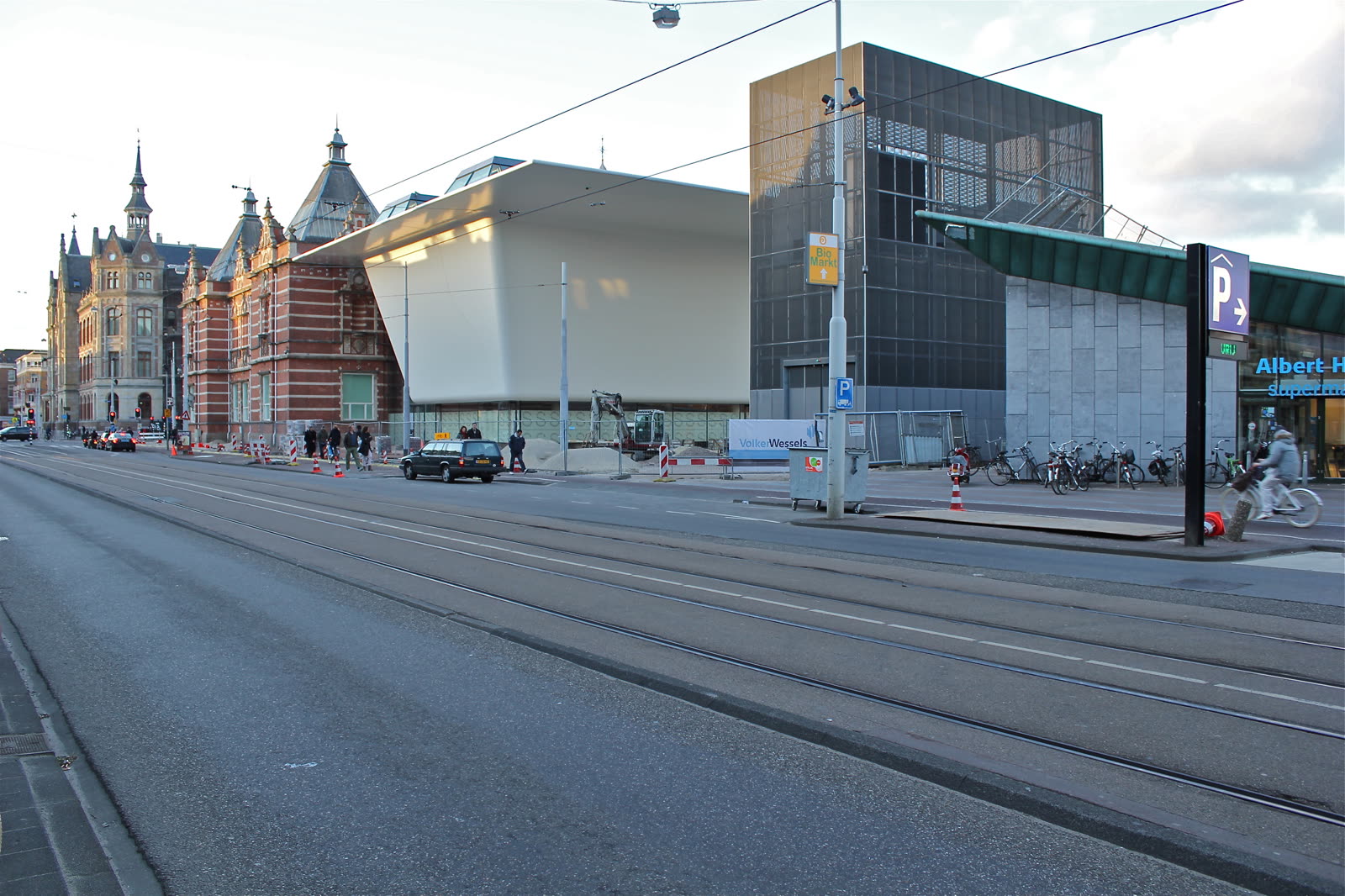
Design Observer, in a 2016 piece on the Stedelijk Museum director Willem Sandberg, says he “introduced the first museum audioguides and headsets in 1952.” That is a secondary account, and no source we found settles who first conceived the format.
What those early tours sounded like is clearer. Elizabeth Boling’s 2014 design case in the International Journal of Designs for Learning notes that “Audio tours were not brand new in the mid-1980s,” and that museum tours “generally reproduced the face-to-face guide format in which a single voice talent read a script.”
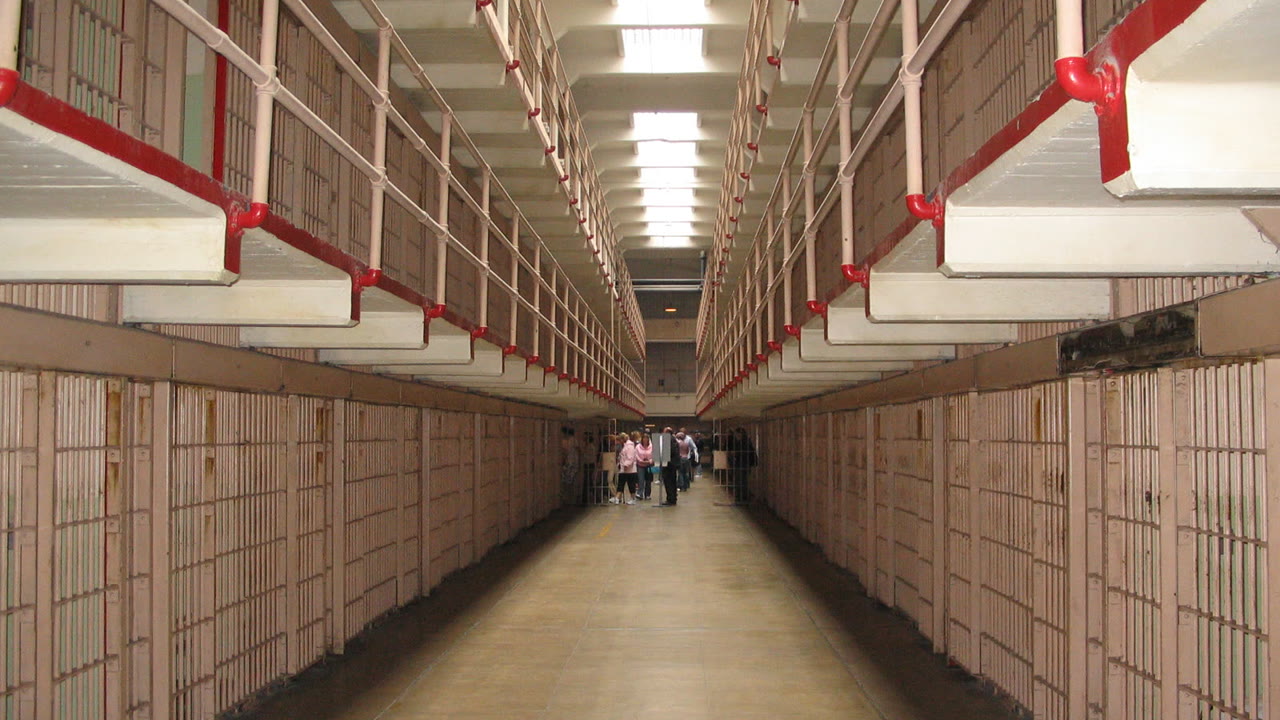
Alcatraz, 1987: when the tour became a drama
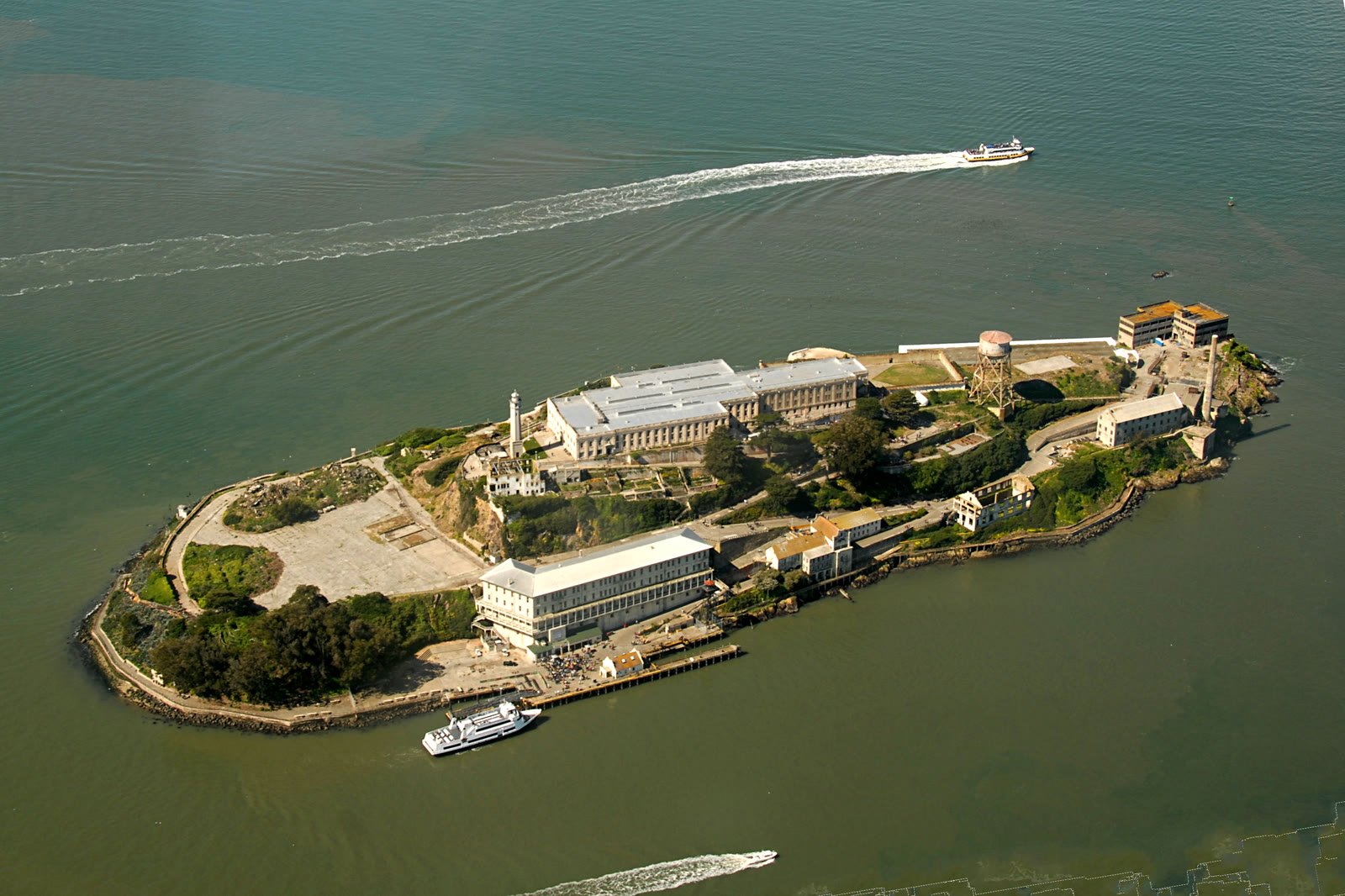
Boling’s case study of the Alcatraz Cellhouse Tour records that “In 1987 the National Park Service and Golden Gate National Parks Conservancy launched the Alcatraz Cellhouse Tour.” She credits Chris Hardman as “the originator, together with Chris Tellis, of the original audio tour of Alcatraz.” Its key choice, she writes, was “a dramatic, rather than an expository, frame.”
The tour also kept a “foundational rule that every voice heard in the tour is someone who lived on the island between 1934-1963.” Other sources give 1984 or 1986 for the start of this work, so the 1987 launch date here is Boling’s. Antenna Audio, the former division that made audio tours, was later sold and is now owned by Antenna International.
Rules from the Alcatraz script (“walking is good; standing is not”)
Boling reports three working rules from Hardman’s approach.
- The audio “always describes or talks about something a visitor is about to see.”
- Keep people moving: “walking is good; standing is not.”
- Treat the visitors as the film, following “Chris Hardman’s insistence that park visitors experiencing the tour are the movie.”
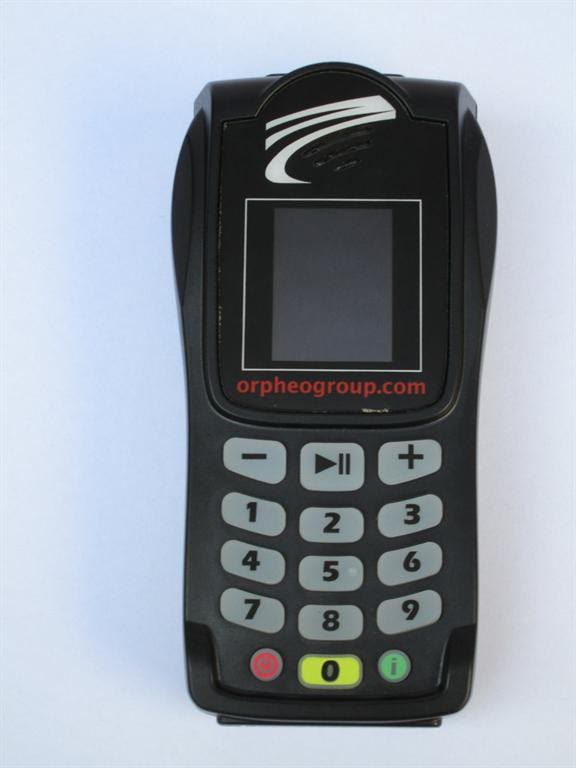
The National Park Service’s page for the Alcatraz cellhouse audio tour describes the result today: “Listen to the voices of formerly incarcerated men and the correctional officers who guarded them.” It runs “approximately 30 minutes” on “a hand held device.”
The audio walk: listening as art
Janet Cardiff and binaural walks (1991)

The clearest definition comes from the artists themselves. Janet Cardiff and George Bures Miller describe an audio walk as “similar to an audioguide,” in which listeners receive “an iPod and headphones” and hear sound “all recorded in binaural audio.” Cardiff “created her first audio walk in 1991 during a residency at the Banff Centre for the Arts.”
Sound walks and geo-located walks
The artist network walk · listen · create draws a wider circle. A sound walk is “any walk that focuses on listening to the environment, with or without the use of technology,” while a geo-located piece is one “in which participants trigger recordings to which they listen via headphones.”
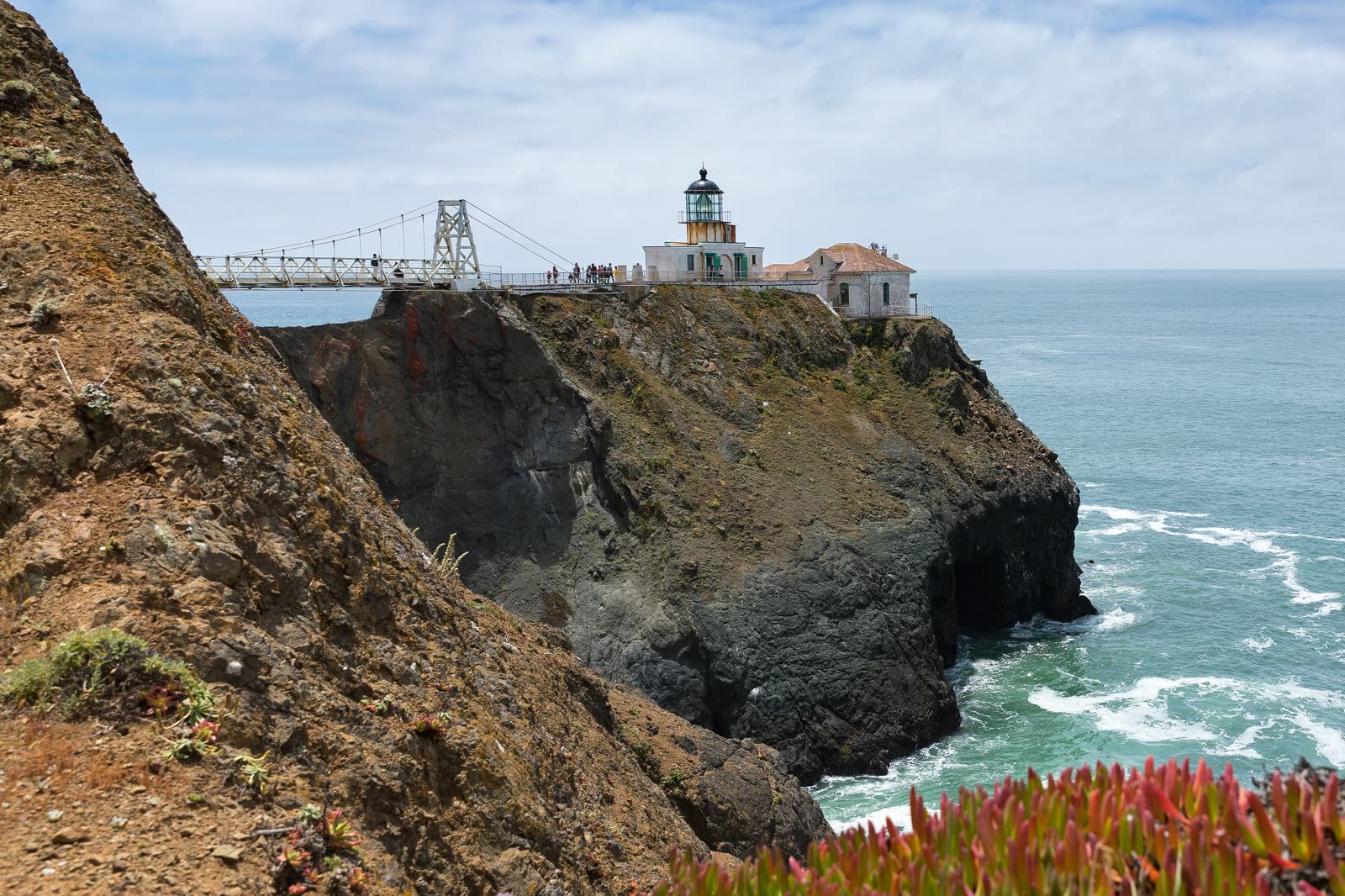
Antenna’s On the Edge (2012) was an audio walk in the plainest sense: “An adventurous audio walk along Marin’s Pacific edge to the Point Bonita Lighthouse,” where “At posted stops, visitors could use iPhones to hear the history of families who lived here, ship wreck victims, and the light keepers.”
Headphone theater: the listener as the main actor
Headphone theater starts from a different premise. Antenna’s archive asks what happens if a listener walks through the drama, and answers that “the audience would become the main actor in the center of the play.” That idea is what Antenna means by an audient.
The mechanism is private sound. “With headsets on they can receive entirely separate information and come to understand that other audience members may be privy to information they are not,” the archive says. Our headphone theater history timeline traces the form from 1881, and how one-to-one maze shows work covers the mechanics.
One company, all three forms
Antenna Theater’s productions cross every line in the first table. The Antenna chronology entries for The Grid, Fairplay and On the Edge supply most of the rows below.
| Year | Work | Form, in the sources’ words | Device |
|---|---|---|---|
| 1981 | High School | “a narrated walk-through of the campus” | Walkman |
| 1985 | Fairplay | “25 audio tape events” on San Francisco history | Audio tape |
| 1987 | Alcatraz Cellhouse Tour | Audio tour with “a dramatic, rather than an expository, frame” | Cassette player |
| 1989 | The Grid | “interactive audio tour” of the Wexner Center | Not stated |
| 1998-2002 | Sands of Time | “Visitors wearing walkmans hike along the beach” | Walkman |
| 2010-2019 | Magic Bus | “like an audio tour aboard the bus” | Bus with screens and sound |
| 2012 | On the Edge | “audio walk” | iPhone |
Hardman summed up his view of the tour form in a 2017 Sausalito Historical Society column: “I envisioned audio tours as stories that were being heard for the first time.” The rolling version has its own post on Magic Bus San Francisco, 2010 to 2019.
Audio walk vs audio tour: a quick test
When a listing is vague, the audio walk vs audio tour question usually comes down to three tests.
- Is the aim to explain a place or collection? It is an audio tour, even when it borrows drama.
- Is the listening itself the artwork, tied to a route? It is an audio walk or sound walk.
- Are you cast as a character, with actors or sets responding? It is headphone theater.
Frequently asked questions
What is the difference between an audio walk and an audio tour?
An audio tour informs; early museum tours had a single voice read a script. An audio walk is an artwork that guides you through a narrative along a route, often in binaural sound.
Where does headphone theater fit?
It makes the listener a character. Antenna’s audients walked through a set, acting and experiencing the drama while listening to their own soundtrack.
What was the first museum audio guide?
Design Observer credits Willem Sandberg at the Stedelijk Museum with introducing the first museum audioguides and headsets in 1952. It is a secondary source.
Why does the Alcatraz audio tour sound like a drama?
Its designers chose a dramatic rather than expository frame, and every voice belongs to someone who lived on the island between 1934 and 1963, according to Boling.
When did audio walks begin?
Janet Cardiff created her first audio walk in 1991 at the Banff Centre. Walkman walk-throughs in theater date from 1981, when Antenna staged High School.
For the wider picture, see Walkmanology and Antenna’s other new theater forms and Chris Hardman’s timeline, including the start of Antenna Audio.