How to Make an Audio Walk: A Practical Guide
If you want to know how to make an audio walk, the good news is that the steps are well tested. Platform guides give hard numbers for routes and scripts, researchers have studied whose voices work, and Antenna Theater left a detailed record of how it made the Alcatraz tape in 1987. This guide puts them in order, from the first idea to the file in a listener’s ears.
Quick answer
How do you make an audio walk?
To make an audio walk, pick a route of 30 to 60 minutes with 8 to 12 stops, then write each stop for the ear at about 150 words a minute. Record voices and on-site sound (binaural if listeners will wear headphones), test a rough cut with new walkers, and deliver it as a download or a location-triggered app.
1. Decide whose voices tell the walk
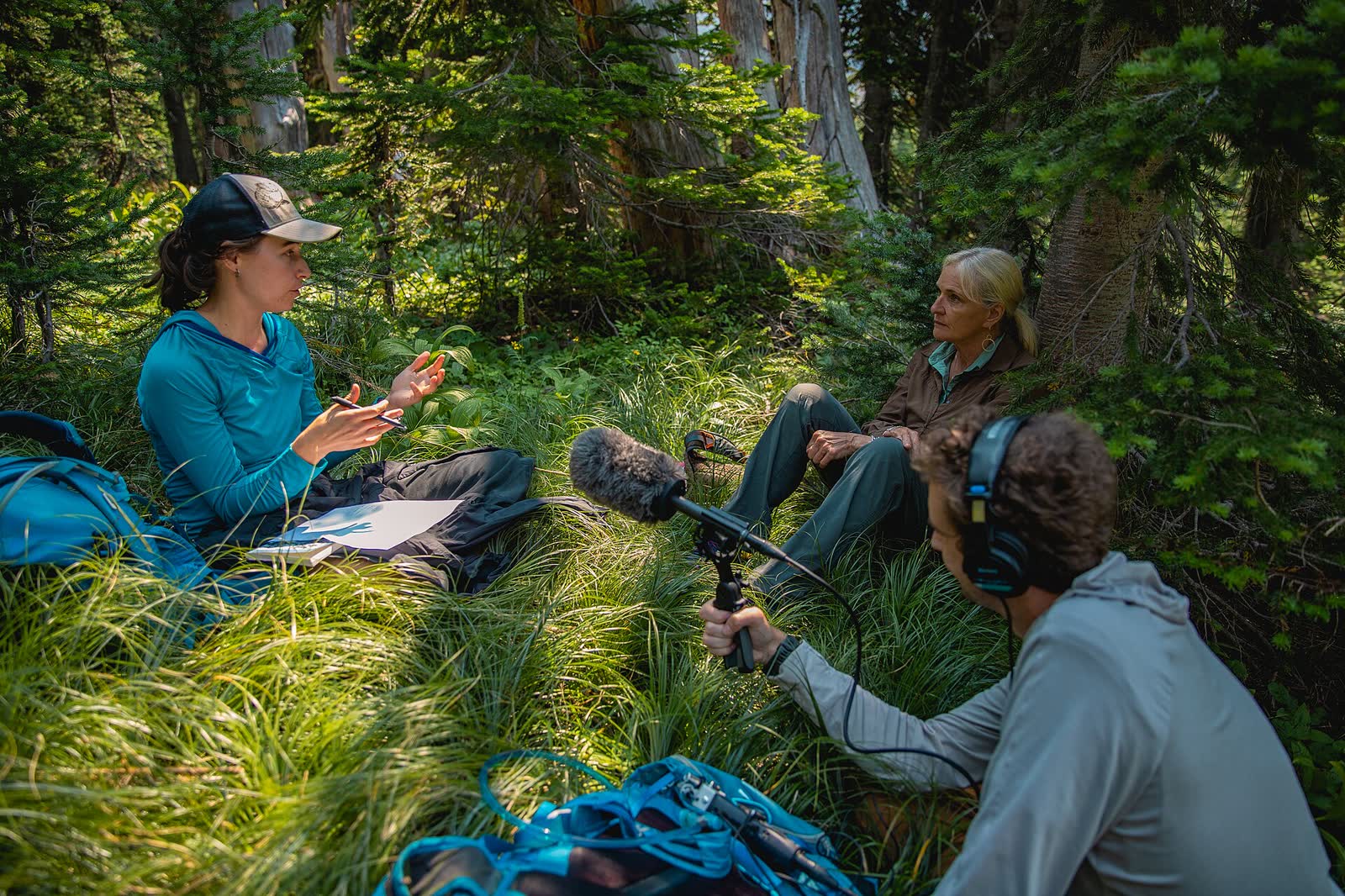
Audio walks, in the words of a 2011 Cardiff University briefing, “are all composed of various ‘stops’, where participants listen to audio tracks that tell them something about their location”. Those tracks “can be narrated by a guide or told through multiple voices”. The researchers warn that an outsider’s narration “raises questions over the authenticity of a place’s representation: who is speaking for these areas”.
Antenna’s answer was to let the place speak. Chris Hardman built scripts from interviews: “you gain a folkloric body of information that becomes your script,” he told Robert Hurwitt in 1985. At Alcatraz, Annette Rose said, “There’s not a single voice on the tape that is not either a former inmate or guard”. Chris Tellis recalled that the Park Service “thought we needed a professional narrator’s slickness.”
2. Choose and walk the route
Keep it short. VoiceMap advises: “Aim for a route that takes between 30 minutes and an hour to walk.” StoryHunt says “The tour should be less than 5 km in length” and recommends “8-12 stories per tour”. A loop helps too, because “Listeners find it convenient to finish tours back where they started.”
Then walk the route yourself, more than once. Even Antenna revised as it went: at Alcatraz, “Route changes, script refinements and Hardman’s desire to enhance the environmental sound effects have led to extensive revisions of the first effort.”
| Decision | Figure | Source |
|---|---|---|
| Walking time | 30 to 60 minutes | VoiceMap |
| Maximum length | Under 5 km and under 2 hours | StoryHunt |
| Number of stops | 8 to 12 | StoryHunt |
| Speech rate | About 150 words per minute | VoiceMap |
| Words per stop | Under 750 (5 minutes) | VoiceMap |
| Antenna’s Alcatraz tape | 40 minutes from 60 hours of interviews | Hurwitt, 1987 |
3. Write for walking pace
Writing an audio walk script means writing for the ear, at walking speed. VoiceMap’s guide to word counts for location-aware audio multiplies talk time by 150, “which is how many words the average English speaker gets through in a minute”, and asks you to “try to keep the script for every location below 750 words (5 minutes).”
StoryHunt suggests a three-part shape for each stop: an introduction to the place, the story itself, then wayfinding and a teaser for the next stop. Hardman’s 1983 essay Walkmanology adds the rule that matters most: “actors rehearse, audients don’t. Whatever they are asked to do must be instantly understandable to a significant cross-section of the populace.” You can see the rules Antenna wrote for the Alcatraz tour in our comparison of the forms.
4. Give directions and time the cues
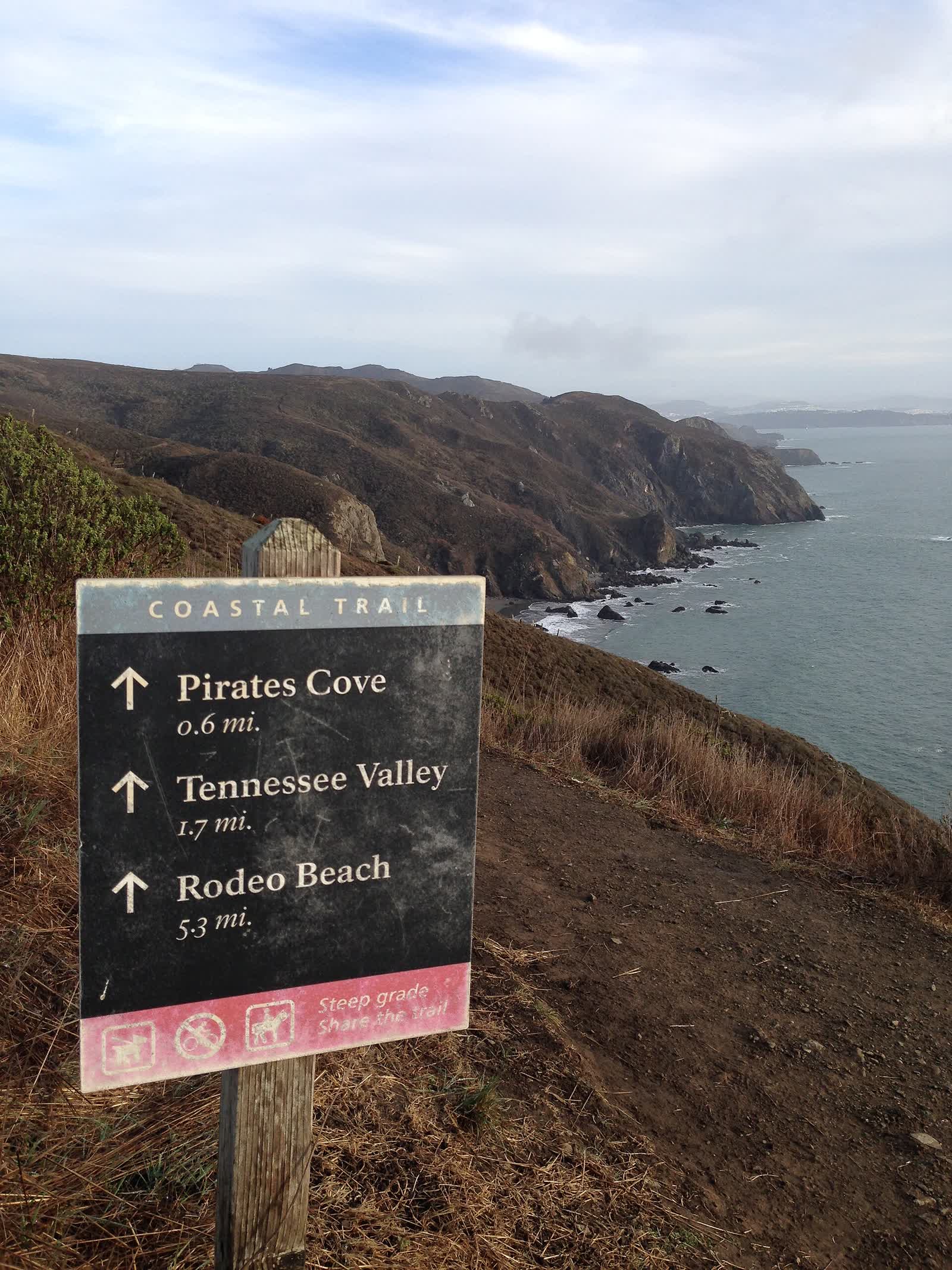
Directions should be simple and visual. VoiceMap’s advice: “You’d get the listener to spot a landmark, and using that you’d get them to the next point.” Its guide adds that “it’s best to avoid using cardinal directions unless absolutely necessary.”
Timing is the hard part. On an app, each stop has a trigger zone, and if a walker reaches the next one while audio is still playing, “the next location’s audio won’t play”. On a single linear file, many makers build in walking music or silence to cover the gaps. Tape had its own limit, which the history of museum audio guides describes as a “45-minute time limit and single, forced path”.
5. Record: binaural or stereo
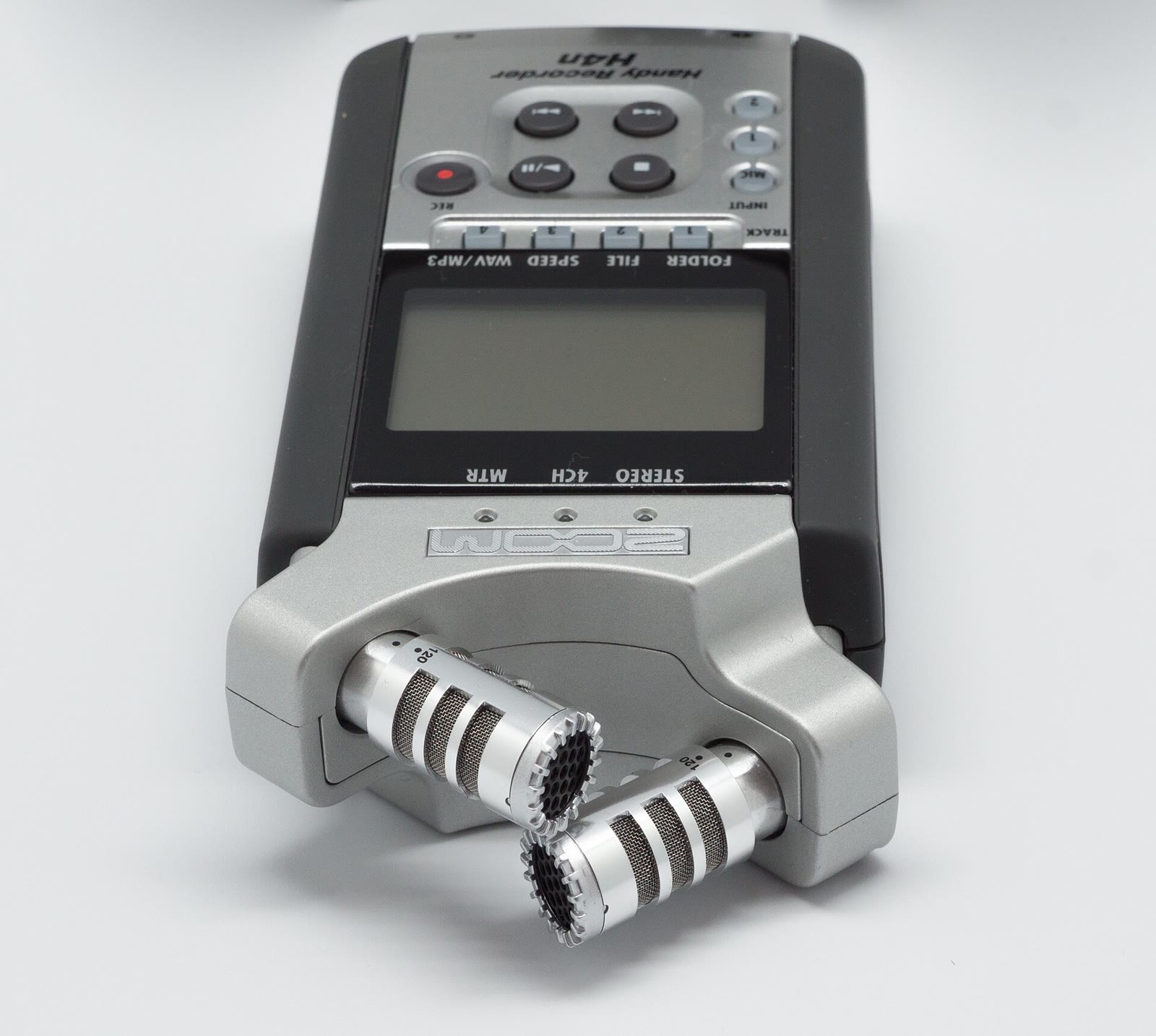
Binaural audio walk recording uses a dummy head or in-ear microphones. In Hugh Robjohns’s Sound On Sound guide to binaural stereo, such systems produce a signal “intended exclusively for headphone listening”, and “the stereo imaging is usually very poor when auditioned over loudspeakers.” How convincing it sounds also depends on how closely a listener’s head matches the dummy.
Antenna improvised. Tellis: “We took a mannequin, and put microphones where the ears would be, and walked it down the corridor as people stood in the cells and yelled and made the sound effects.” Plain stereo is often enough when a track is mostly voice. Either way, record the real place: “Part of the fun of making the tapes,” Hardman said, “is getting it so you can’t tell what’s on the tape and what’s coming from outside.”
| Aspect | Binaural | Stereo |
|---|---|---|
| Microphones | Dummy head or in-ear mics | Any stereo pair |
| Playback | Headphones only | Headphones or speakers |
| Best for | Ambience that seems present in the place | Voice-led tracks |
| Catch | Imaging depends on head and ear match | Less spatial |
6. Edit, then test with strangers
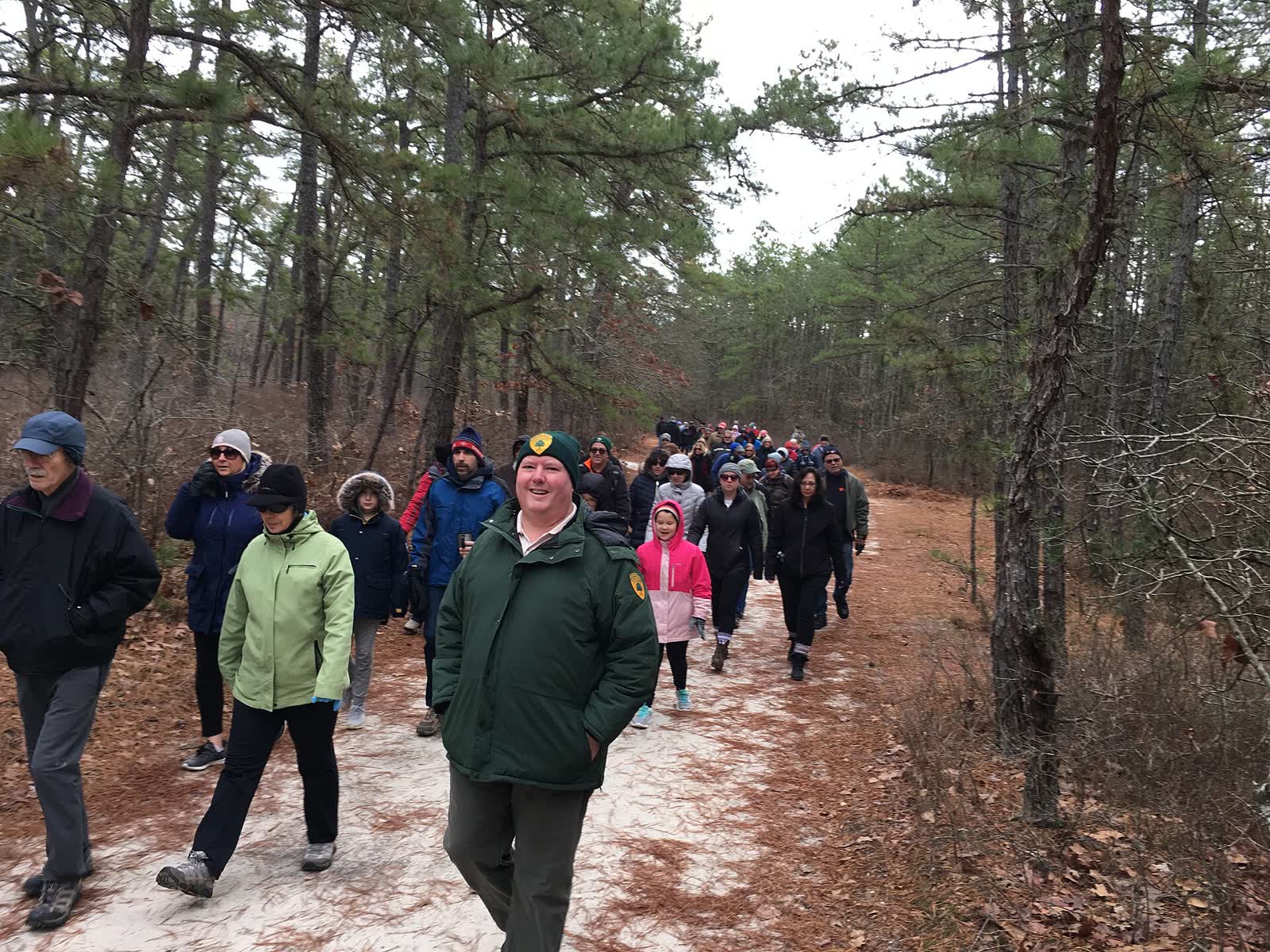
Editing is mostly cutting. At Alcatraz the work included “the condensation of stories, contracting long pauses, removing ‘ers’ and ‘ums.’” Hardman admitted the pain of it: “We’re the lucky ones,” he said, “because we’re the only ones who’ve heard all 60 hours”.
Before the final mix, StoryHunt says, “Make a dummy recording of your script” and walk testers through it, and “make sure that you do not show them where to go so you capture their real response to the wayfinding.” Antenna did the same at full scale: “A prototype tape was installed June 1”, weeks before the final version.
7. Make it accessible and safe
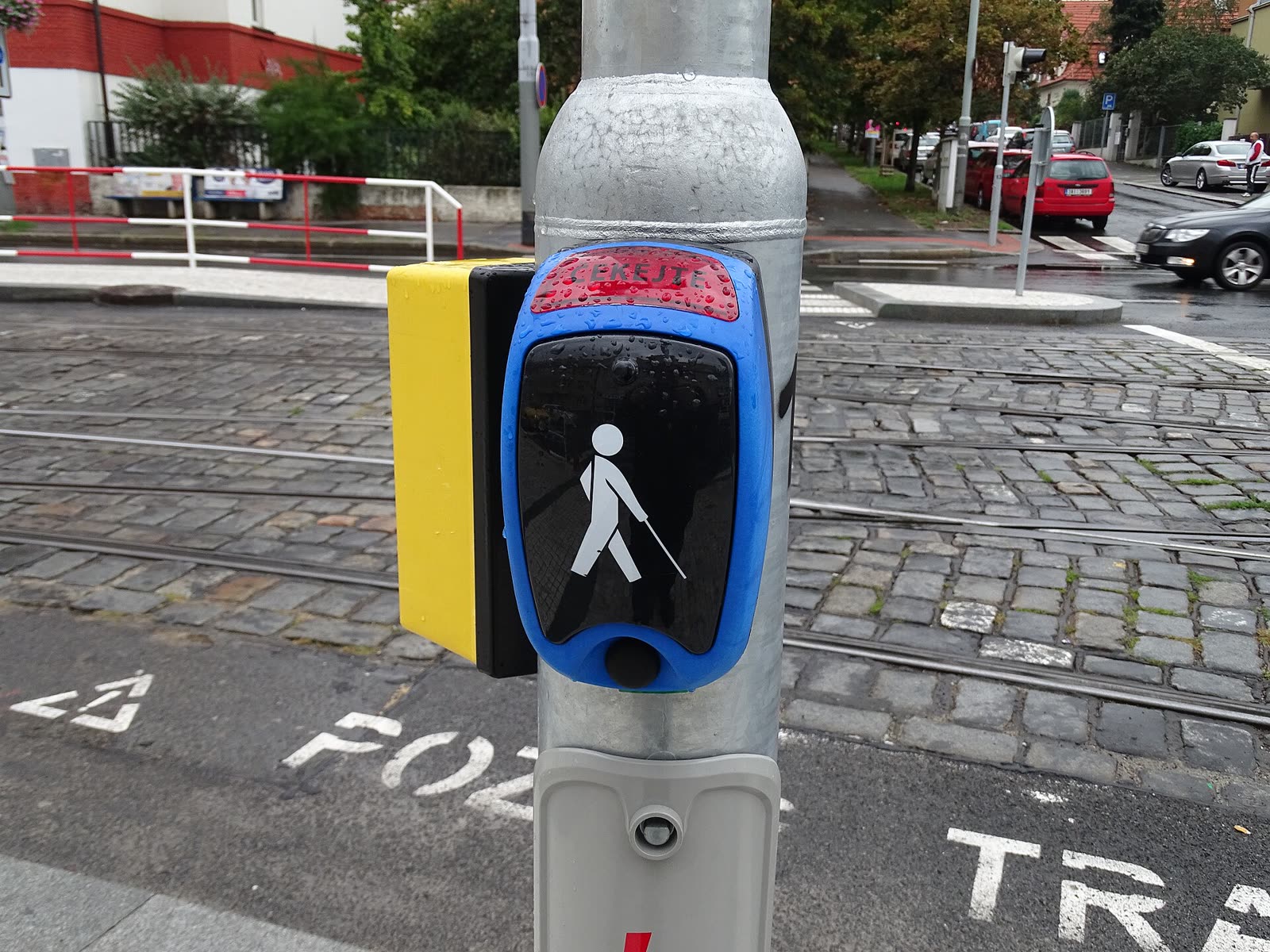
Natural Resources Wales publishes each of its audio trails as an MP3 along with a PDF of the script, which also helps listeners who are deaf or hard of hearing. As general practice, many makers also offer a shorter or step-free version, mark rest points, and keep the track quiet enough to leave room for hearing aids.
Safety follows the same logic. VoiceMap notes that “Listener safety while cycling is paramount.” It is common practice to keep walkers off busy roads while audio plays, to tell them to stop before crossing, and to walk the route at the hour people will use it.
8. Deliver it
The simplest delivery is a download. Natural Resources Wales asks visitors to “download the audio trail to your smartphone before your visit” because “mobile network coverage can be limited in rural areas.” Apps add location triggers and show the distance to the next stop, and posted signs can carry a stop number. Antenna moved through several formats over the years; how Antenna’s devices changed from Walkman to iPhone tells that story.
Frequently asked questions
How long should an audio walk be?
VoiceMap suggests 30 minutes to an hour of walking. StoryHunt caps tours at 5 km and two hours.
How many words should each stop have?
VoiceMap works on about 150 words per minute and asks for under 750 words, or five minutes, per location.
Do I need binaural microphones?
Only if the ambience matters. Binaural sound is meant for headphones only. Antenna improvised in 1987 with a mannequin carrying microphones at ear position.
How do I test an audio walk?
Make a dummy recording of your script and walk new listeners through it without showing them the way, then ask them about each stop.
To compare the unscripted opposite, read what a soundwalk is. For the theater behind it, see Antenna’s idea of the audient and Walkmanology and Antenna’s other new theater forms.