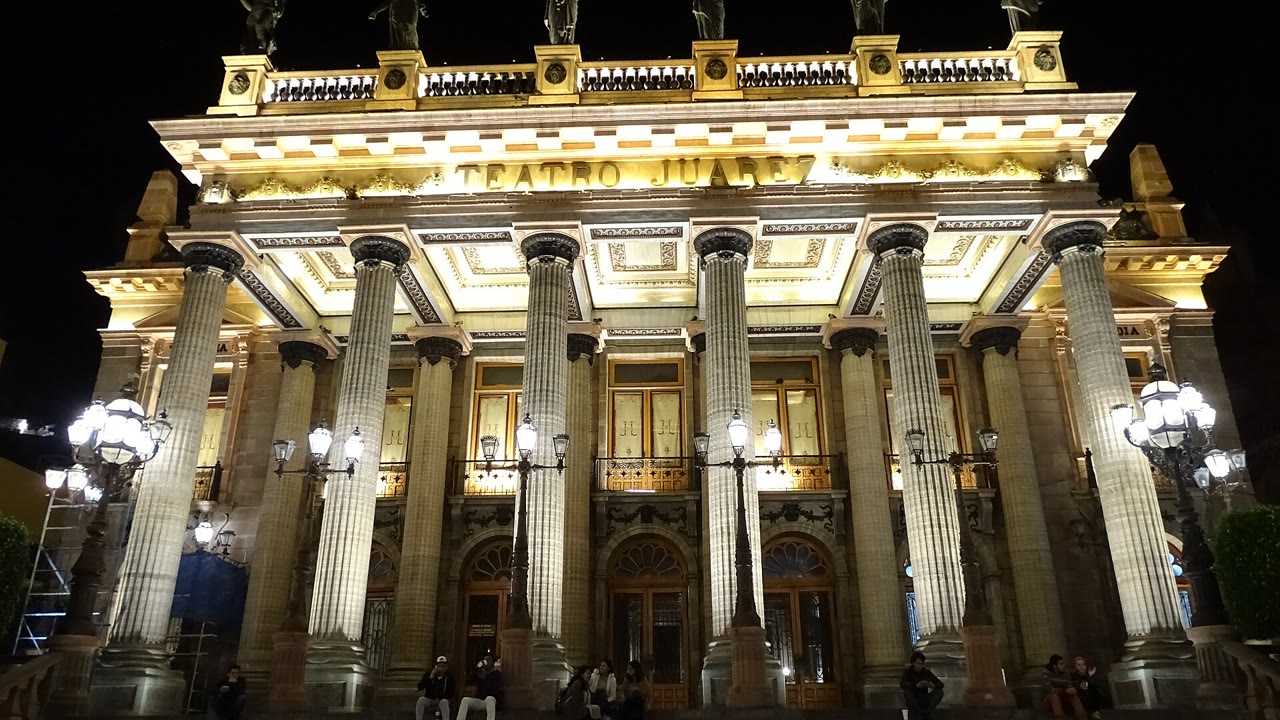
Artery: Antenna Theater’s Walkman Maze of Crime and Romance
Antenna Theater’s Artery asked each visitor to walk into a maze alone, put on a Sony Walkman and become someone else: a man named Jay who steals diamonds. It opened in Mill Valley in 1982, toured to New York, Charleston and Mexico, and came back in San Diego in 2000. This is the story of the piece, told from the reviews that survive.
Quick answer
What was Artery by Antenna Theater?
Artery was a walk-through play by Antenna Theater, first staged in Mill Valley, California, in 1982. Each visitor wore a Sony Walkman and walked a maze alone as Jay, a travel agent who steals his girlfriend’s diamonds. It toured to New York, Spoleto and Mexico in 1983 and was revived in San Diego in 2000.
You are Jay: the story inside the maze
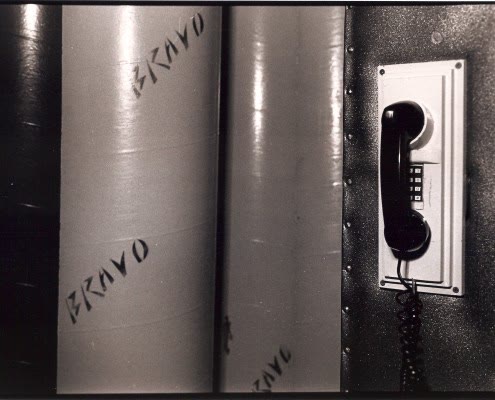
The Mexico City News, in a 1983 review by Paul Lenti that Antenna later reprinted, gave the plot in two sentences: “An unemployed travel agent named Jay with high blood pressure and a fixation about Princess Grace is manipulated by his girlfriend to take her to Italy. He steals her diamonds thinking she will cash in on the insurance money, but is later caught.” For the participant it was simpler: “As a participant, you steal diamonds, have an affair in a hotel and reap your just reward.”
The San Diego Reader, reviewing the 2000 revival, caught the doubt at the center of the story: “Your name, you learn, is Jay. Louise says you’re a rich travel agent. Are you? And is Louise’s brother really a cop?”
“You commit the crime”: Hardman explains Artery
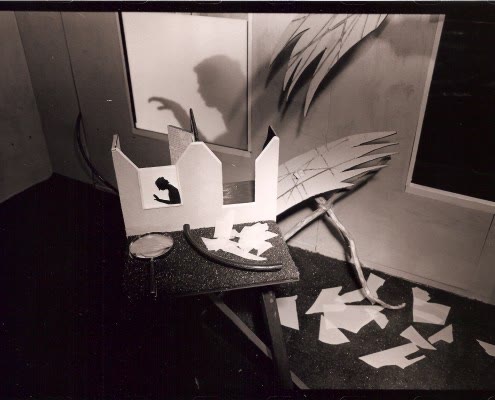
Chris Hardman explained the piece to Lenti in Mexico in October 1983. “Basically we are dealing with American folklore,” he said. In his reading, Princess Grace “represents the American from-rags-to-riches fantasy. The main character basically wants to do what Princess Grace did, which is go to Europe and have a vacation for the rest of your life.”
The role was not optional. “You must become the main character,” he said. He also defined the word audient, Hardman’s name for his visitors: “An audient is the singular of audience.”
Then came the line that sums up the piece: “The man is driven to steal, but instead of watching it as you would in the movies, you commit the crime.” Hardman’s own label for the form, as Lenti reported it, was a “walkman, walk-through theater.”
Building the Artery Walkman maze
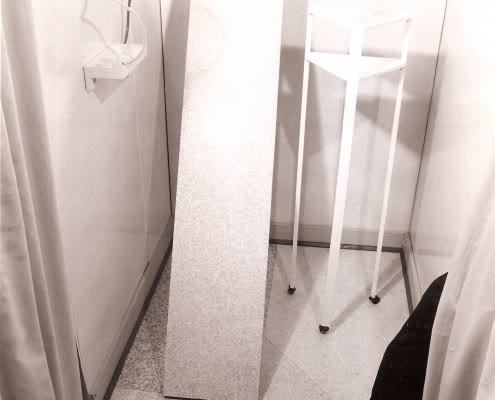
Hardman wrote, designed and directed Artery, according to the Mexico City News. The company built “a complicated labyrinth in which each spectator enters at 4-minute intervals,” and the trip lasted 50 minutes. Antenna’s chronology describes “a 17 room performance maze.”
Stephanie von Buchau, writing in San Francisco Magazine in March 1983, said the participant “listens to clues on a Walkman, follows directions, and creates his own drama.” A gun went off, and visitors had to “crawl through windows or grope in black vinyl.”
The score was by Al Agius-Sinerco. How the timed entries and solo routes worked is covered in our guide to how one-to-one maze shows guided a single visitor, and the device itself in the longer history of headphone theater.
On the road, 1982-1983
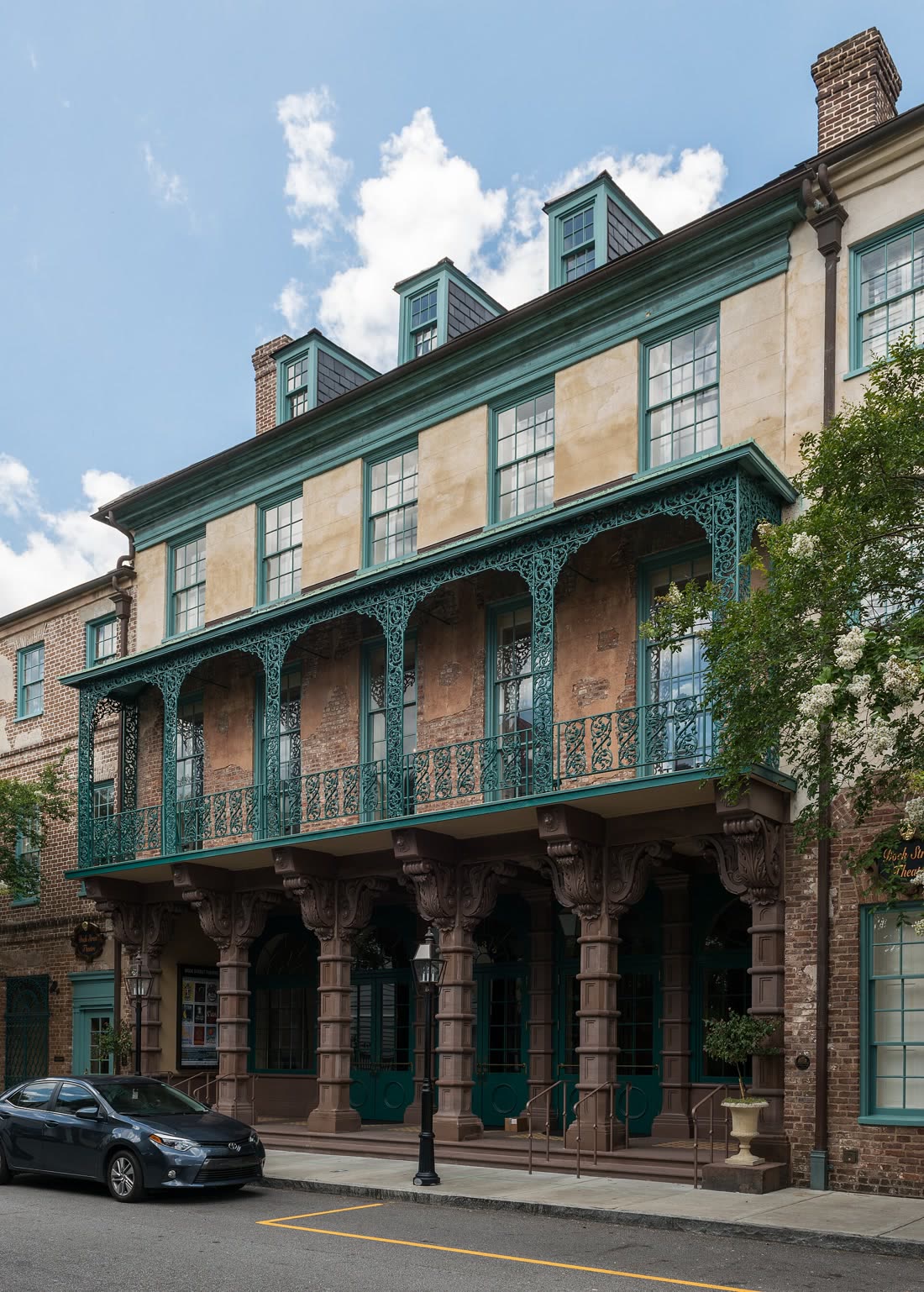
Artery opened in 1982 at the Mill Valley Post Office Annex, according to Antenna’s chronology. San Francisco Magazine reviewed it in March 1983, so the Bay Area run either reached early 1983 or the review came late. In 1983 Artery played New York’s Performing Garage and Spoleto Festival USA (the archive chronology lists both under 1984).
Two outside records fix those dates. The Christian Science Monitor’s David Sterritt saw it “during its current run at the Performing Garage in lower Manhattan” in June 1983. Spoleto Festival USA’s program history lists Artery in its 1983 theater season, with “director, Chris Hardman; music, Al Agius-Sinerco” and a venue called Mangel’s.
| Year | Venue | Source | Note |
|---|---|---|---|
| 1982 | Mill Valley Post Office Annex, Mill Valley | Antenna chronology | Reviewed in San Francisco Magazine, March 1983 |
| June 1983 | Performing Garage, New York | Christian Science Monitor | Chronology says 1984 |
| 1983 | Spoleto Festival USA, Charleston, at Mangel’s | Spoleto program history | Chronology says 1984 |
| October 1983 | Festival Internacional Cervantino, Teatro El Galeon, Mexico City | Mexico City News; chronology | Chronology names Guanajuato and Mexico City |
| 1983 or 1985 | New Theatre, Seattle | Mexico City News (planned for November); chronology (1985) | Sources differ |
| 2000 | Vantage Theatre, Belmont Park, San Diego | Antenna’s 2000 page; chronology | Billed as the San Diego premiere |
Artery in Spanish: the Cervantino run
Lenti’s review appeared on October 22, 1983, and called Artery “Surely one of the most controversial and genuinely interesting productions offered at the recent International Cervantes Festival.” In Mexico City it played Teatro El Galeon, behind the National Auditorium, daily from 5:00 to 10:00 p.m. through October 26.
For this run the company made a new tape. “A special Spanish-language tape has been prepared, translated by Carlos Baron,” Lenti wrote, adding that “Both tapes feature original music by Al Agius-Sinerco.” One spectator, he reported, called it a “thinking-man’s fun-house.”
San Diego, 2000: a shorter Artery
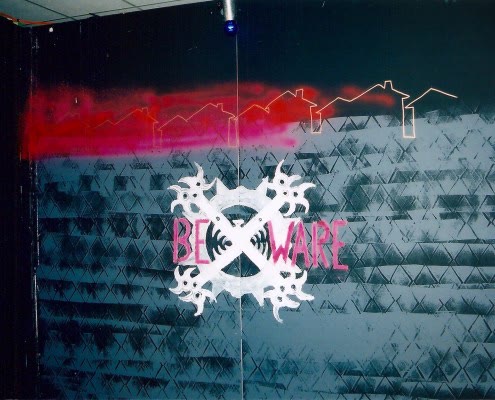
In 2000 Vantage Theatre, whose artistic director was Dori Salois, presented what Antenna’s notice called “the San Diego premiere of ARTERY, an interactive theatrical maze created by the San Francisco avant-garde theater troupe ANTENNA.” It ran at Belmont Park in Mission Beach through September 4. Visitors were told to “steal diamonds, climb through windows, peruse secret diaries, and fly to the Riviera.”
The San Diego Reader’s review (dated June 1999 on Antenna’s reprint) noted that “lights flash, breezes blow,” and that Vantage recommended the show for people 16 and older.
| Aspect | 1983 tour | 2000 San Diego |
|---|---|---|
| Rooms | “complicated labyrinth”; 17 rooms per the chronology | 15 rooms (Antenna); 15 small interiors (Reader) |
| Length | 50 minutes (Mexico City News; Monitor) | Less than 30 minutes (Antenna); about 35 minutes (Reader) |
| Entry | One visitor every 4 minutes | Not stated |
| Effects | Gunshot, windows, black vinyl | Motion triggered lighting, breezes |
| Presenter | Antenna Theater on tour | Vantage Theatre, Belmont Park |
What critics said about Antenna Theater’s Artery
Von Buchau reviewed Artery alongside Nightfire’s Obedience School and wrote: “Both efforts are fascinating and maddening.” She traced both groups to Snake Theater, the Sausalito company Antenna grew out of, and called their leaders, “Chris Hardman and Laura Farabough, who, respectively, run those two branches, are avant-gardists par excellence.”
“I was scared and exhilarated during my trip through Hardman’s environments,” she wrote, though the score “sometimes obscures the directions.”
Sterritt, in the Monitor, put it simply: “There are precedents for Artery, but I’ve never seen a show quite like it.” The San Diego Reader warned that “at times the tape’s competing voices smush together,” yet concluded that “As with all participatory theater, Artery will work as much as you let it.” At its best, the Reader said, “the maze can become a moral funhouse.”
Antenna’s 2000 notice also quoted the New York Times calling it “a fascinating trip down the rabbit hole.” That review is known here only through the company’s quotation.
Artery led straight into Amnesia, the Walkman clinic that followed Artery, and then Adjusting the Idle, Antenna’s Walkman play about cars. For the older tradition of moving audiences, see what promenade theatre is and how it works.
Frequently asked questions
How long did Artery take?
About 50 minutes on the 1983 tour, according to the Mexico City News and the Christian Science Monitor. The San Diego Reader timed the 2000 version at about 35 minutes.
Who wrote the music for Artery?
Al Agius-Sinerco, credited by the Mexico City News, San Francisco Magazine and Spoleto Festival USA.
Where did Artery tour?
Mill Valley in 1982, then New York’s Performing Garage, Spoleto Festival USA and Mexico’s Cervantino festival in 1983, a Seattle engagement, and San Diego in 2000.
Artery’s place in four decades of work is set out in Antenna Theater’s full production chronology, beside Walkmanology and Antenna’s other new theater forms.