Amnesia: Antenna Theater’s Walkman Clinic of Lost Memory (1983-1984)
In Antenna Theater’s Amnesia, every member of the audience was a patient. Wearing a Walkman, each person walked through a clinic built of brightly colored plywood, trying to remember who they were while masked actors steered them along. It ran in Mill Valley, San Francisco and Los Angeles in 1983 and 1984, and two detailed reviews of it survive.
Quick answer
What was Amnesia by Antenna Theater?
Amnesia was a 1983-84 walk-through play by Antenna Theater. Each audience member wore a Walkman and became a patient in a clinic, following four memory paths in random order through colored plywood sets and masked actors. It played Mill Valley, San Francisco and the 1984 Olympic Arts Festival in Los Angeles.
You are the patient
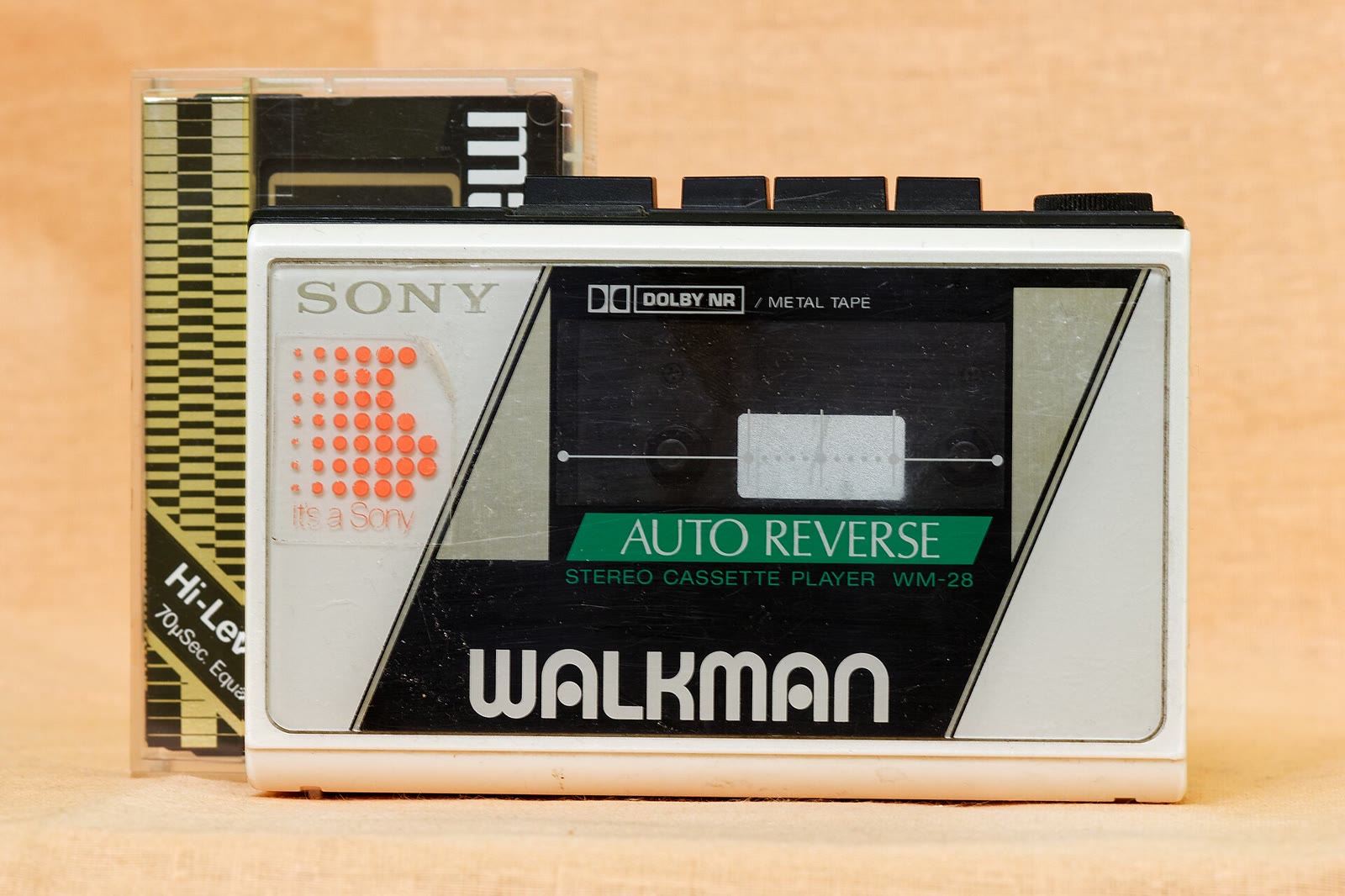
Antenna’s 2003 page put the premise in one sentence: “Amnesia transforms each audient into a patient in a clinic struggling to regain memory while listening to and participating in stories from the past.” That participant is what Antenna meant by the audient, a listener who becomes the main actor.
Chris Hardman gave the Los Angeles Times a fuller picture in July 1984. “‘Amnesia’ takes an audience of 20 on a personal odyssey. Each person starts out alone with a Walkman from the ‘treatment center.’”
He went on: “The viewer is the patient. You travel through four episodes, in an effort to remember who you are. That’s the principal theme.”
Being told what to do, he argued, was the point. “You’re free to act because you’re being told what to do. It’s liberating,” he said, adding that “People have walked out of the show asking, ‘Do you have a tape that could get me home?’”
Four episodes in random order
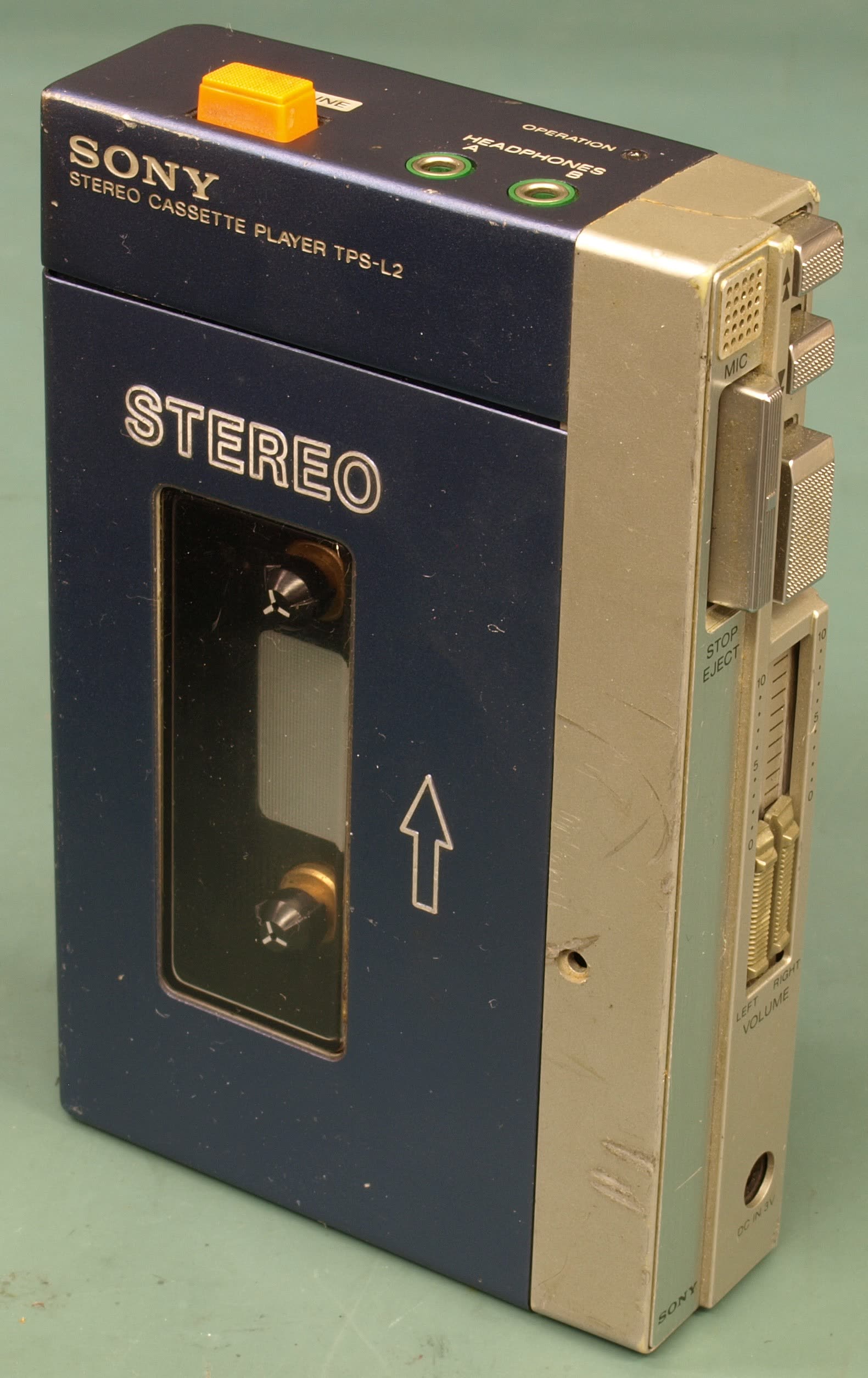
Antenna’s chronology says “Four different memory paths are taken in random order” as each audient struggles to regain a sense of self. Everyone was in the same room on a different path. “You’re also looking at everybody else, watching other people do seemingly odd things throughout the set, wondering what they’re listening to. When you’re done, you know,” Hardman told the Times.
He insisted the experience was easy: “It’s not grueling at all. The action is predetermined. The audience doesn’t have to invent.” The format is explained more fully in our guide to one-to-one theater and random-order paths.
| Figure | Detail | Source |
|---|---|---|
| Audience | 20 per performance | Los Angeles Times |
| Length | About an hour | Los Angeles Times |
| Episodes | Four, in random order | Hardman; Antenna chronology |
| Set, Los Angeles | 40 by 70 feet | Los Angeles Times |
| Set, San Francisco | About the size of a tennis court | Artweek |
| Masked actors, San Francisco | Eighteen | Artweek |
| Masked actors, Los Angeles | Six on the set | Los Angeles Times |
| Clinic Attendants | Three, working as “hearing-ear dogs” | Artweek |
The cast figures disagree. Artweek counted eighteen masked actors at the YMCA; the Los Angeles Times described six on the set in Los Angeles. The two papers may simply describe different runs.
A plywood dreamscape

Anthony Reveaux reviewed the San Francisco run for Artweek on March 24, 1984. He called it a “Walkman walk-through play with masked actors” on an “open set encapsulating the idea of a mental therapy clinic.” The designers were “Eric Bergman, Ronald M. Davis and Hardman.”
The materials were the show. “Furniture and props alike are constructed of textured, built-up, three-quarter-inch plywood that has been jigsawed and scroll-sawed right off of this planet,” Reveaux wrote. “Many of the wood pieces are integrated with neon, incandescent or fluorescent lighting and mechanical hardware.”
Antenna’s chronology agrees: “The interactive sets were created entirely out of highly colored, slotted wooden pieces.” Hardman told the Times the setting was “stylized postmodern.”
Hardman’s masks
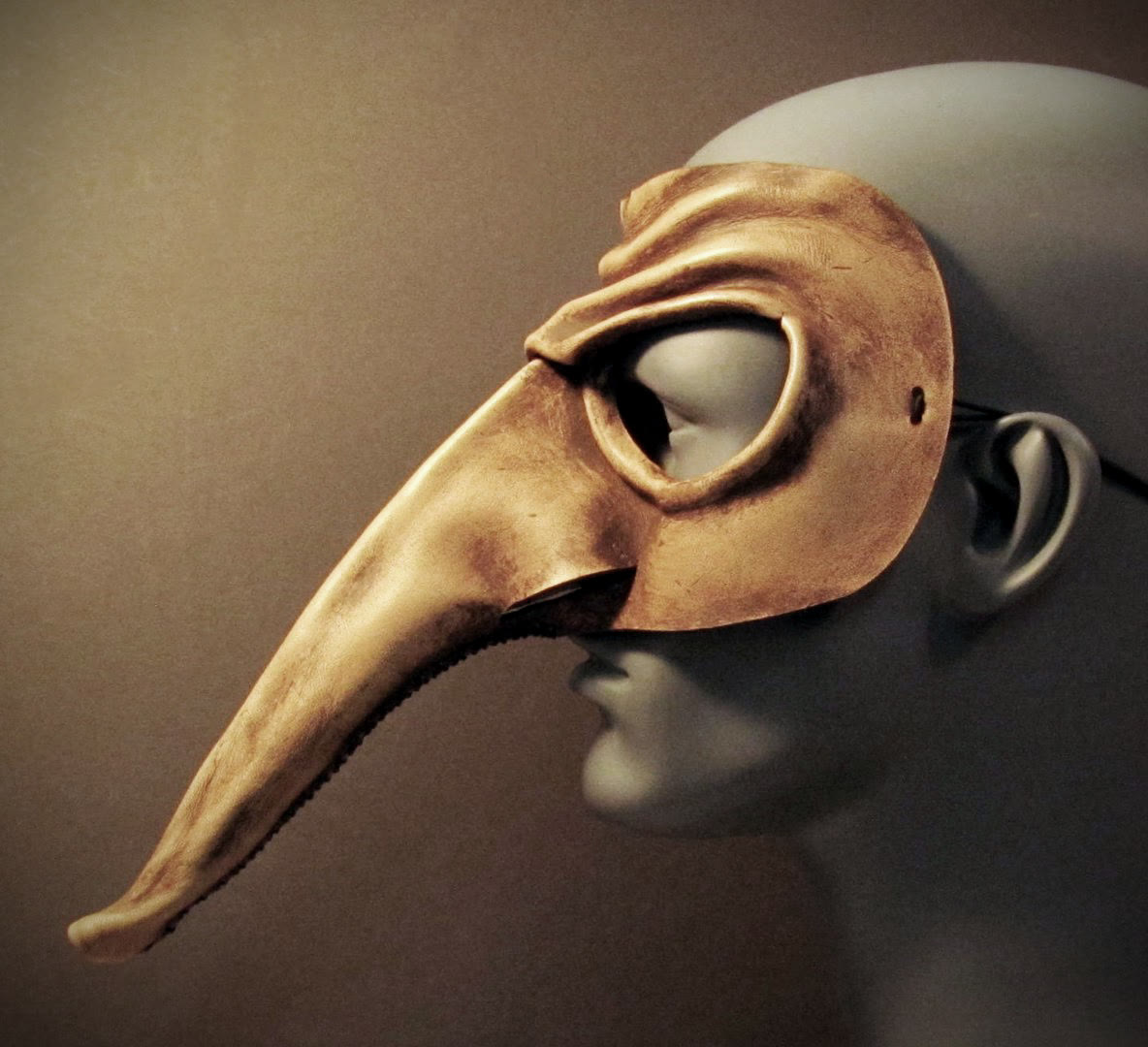
Masked actors helped each audient “through the swirl of events,” in the chronology’s words. Reveaux singled out the masks, “designed and executed by Hardman. They are outstanding works in themselves, carrying on the Italian futurism of Marinetti with inspiration.”
He described two characters. The Nurse “has a cap and a Red Cross emblem,” while the TV Cameraman “suggests an underwater welder fused with a flamethrower-toting storm trooper.” His summary was short: “Visually, Amnesia is simply wonderful.”
From Mill Valley to the Olympic Arts Festival
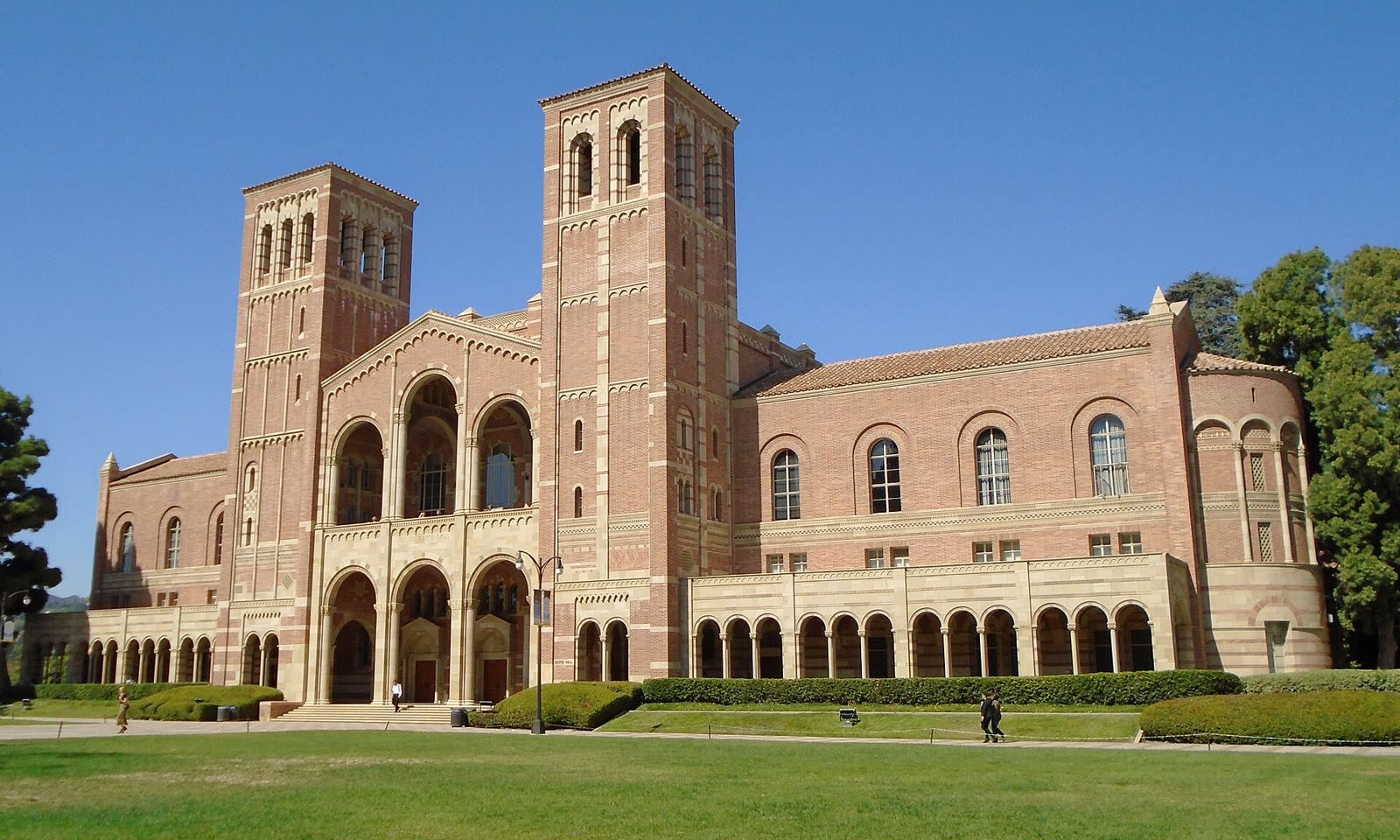
Amnesia was first shown in Mill Valley in 1983, at the festival of the Playwrights Foundation, the organization behind the Bay Area Playwrights Festival. It then played San Francisco’s YMCA Theater in March 1984, and UCLA during the 1984 Olympic Arts Festival, in what the Times called the Royce Rehearsal Hall.
Hardman told the Times that reactions in San Francisco and Sausalito “were mixed, based on people’s attitudes towards this new theater.” The Sausalito showing he mentions is not in Antenna’s chronology.
| Date | Venue | Source |
|---|---|---|
| 1983 | Bay Area Playwrights Festival, Mill Valley | Antenna chronology; 2014 company page |
| March 1984 (through March 31) | YMCA Theater, San Francisco | Antenna chronology; Artweek |
| Early 1984 | Sausalito, as Hardman recalled it | Los Angeles Times |
| July 1984 | Royce Rehearsal Hall, UCLA, Olympic Arts Festival | Antenna chronology; Los Angeles Times |
What the critics said about Antenna Theater’s Amnesia
Reveaux loved the look and doubted the story. He blamed the sound mix and “inconsistent narrative strata” for confusion: “When I went, there was a lot of nudging going on.” His sharpest line was about the actors: “Our confrontations with the masked and costumed actors have all the emotional zip of a Coke machine and the eye contact of a toaster oven.”
He traced the script’s method to an earlier work. The story “is a collage collected from various sources, a concept successfully developed in Antenna’s static-audience piece Vacuum (1981),” the play told in Vacuum, Antenna’s first production. His verdict still ran warm: “Antenna remains a remarkable, original force in experimental theater that should not be missed. Batteries are included.”
Sylvie Drake’s Los Angeles Times piece, “Live Theater via the Earphone,” let Hardman do most of the talking. She introduced him as “a veteran of the now-defunct Snake Theatre,” the company covered in Snake Theater’s productions before Antenna.
Between Artery and Russia
Artweek placed Amnesia in a line of work. Hardman, Reveaux wrote, “is continuing the explorations of interactive theater that he began with Artery in 1982,” the piece told in Artery, Antenna’s Walkman maze of crime and romance. The difference was the shape of the set.
| Aspect | Artery | Amnesia |
|---|---|---|
| Set | “a linear, closed set” | “an open set” |
| Story frame | A B-movie murder mystery | A mental therapy clinic |
| First staged | 1982 | 1983 |
Behind both stood High School, which the Times called “Hardman’s first piece of Walkmanology,” staged at the Bay Area Playwrights Festival (the Times says 1981; the company archive lists 1982). Next came Russia, built from “taped dialog coming primarily from interviews.” The longer arc is in our history of headphone theater.
Frequently asked questions
How many people saw each performance?
About 20, according to the Los Angeles Times in 1984.
How long was Amnesia?
About an hour, according to the Los Angeles Times.
What were the sets made of?
Colored, slotted plywood pieces, some fitted with neon, incandescent or fluorescent light, according to the company chronology and Artweek.
Who made the masks?
Chris Hardman designed and made them, according to Artweek’s 1984 review.
Amnesia sits among four decades of work in Antenna Theater’s full production chronology, beside Walkmanology and Antenna’s other new theater forms.