The History of the Cabinet of Curiosities: From Wunderkammer to Museum
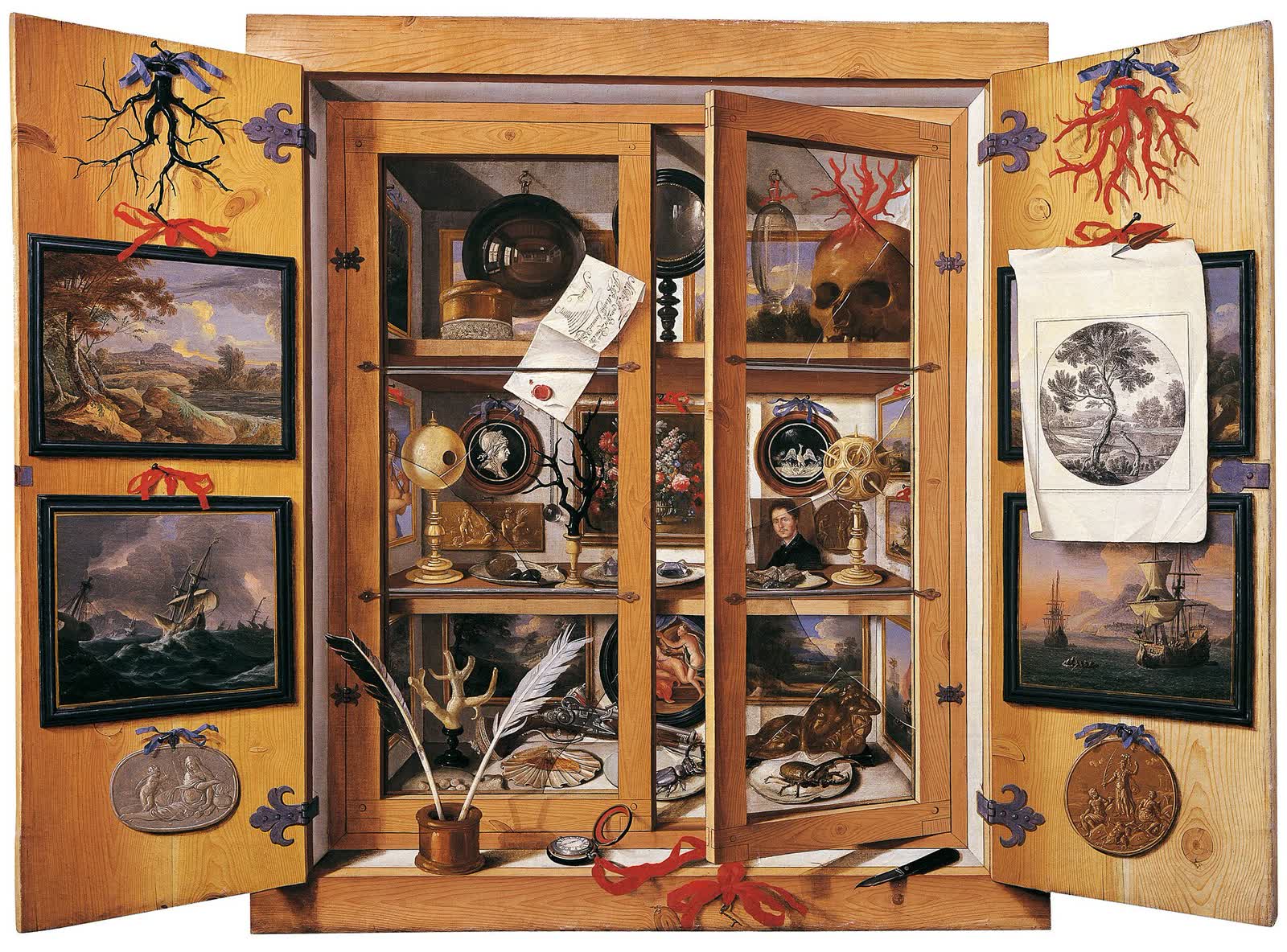
The history of the cabinet of curiosities is the story of how private rooms of wonders, including one “unicorn horn” that was really a narwhal tusk, turned into the modern museum. Princes and scholars across Europe filled rooms with shells, stones, paintings and machines, and tried to hold the whole world in one place.
Quick answer
What is a cabinet of curiosities?
A cabinet of curiosities, or Wunderkammer (“wonder chamber”), was a room of natural specimens, art, antiquities and instruments collected by a prince or scholar, popular in Europe from the 16th century. Collections such as Ole Worm’s in Copenhagen and the Tradescants’ Ark in London later passed to institutions and became the first public museums.
A room, not a cupboard
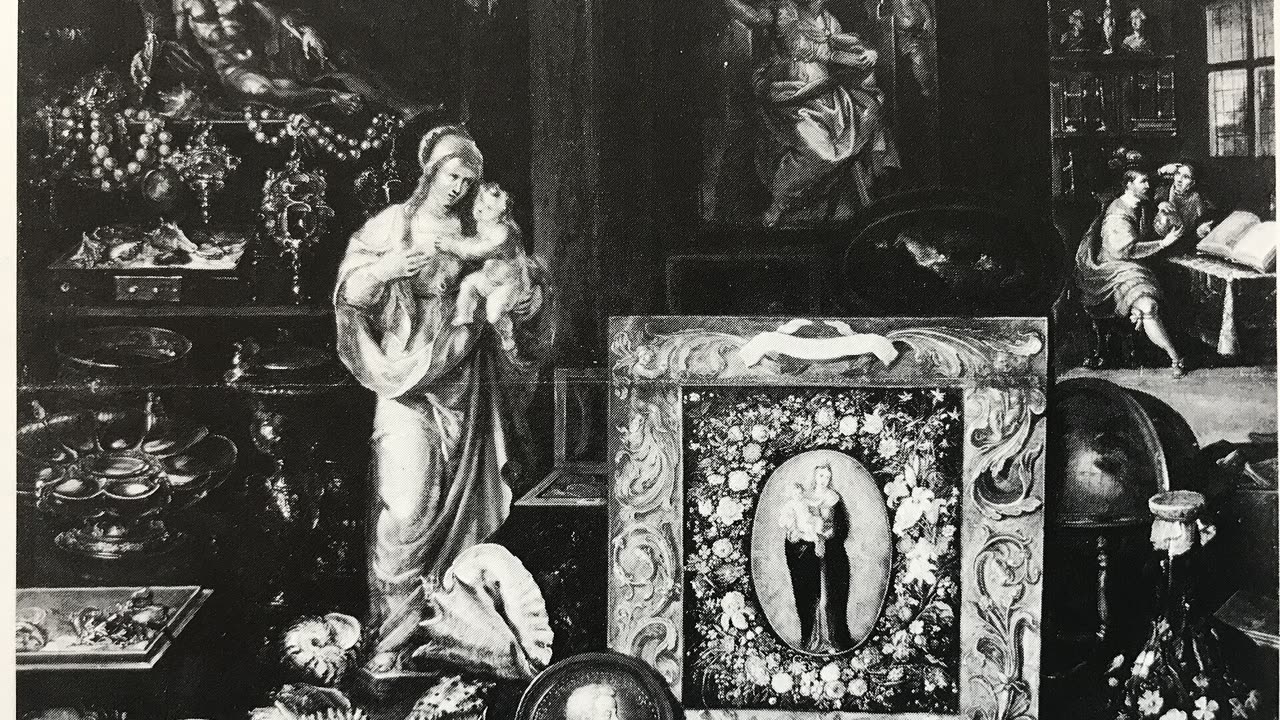
Start with the word. The University of Reading’s special collections point out that “The word ‘cabinet’ originally meant a room rather than a piece of furniture.”
German had several names. The Biodiversity Heritage Library lists kunstkammer (“art cabinets”), schatzkammer (“treasure cabinets”), rüstkammer and wunderkammer, which literally means “wonder chamber,” and notes that people used “wunderkammer” or “curiosity cabinet” “interchangeably.”
They were also rooms of power and trade. Reading describes their objects as “obtained through the growing foreign trade market and from the building of colonial empires,” and many cabinets were status symbols long before they were tools of science.
Princes collect the world
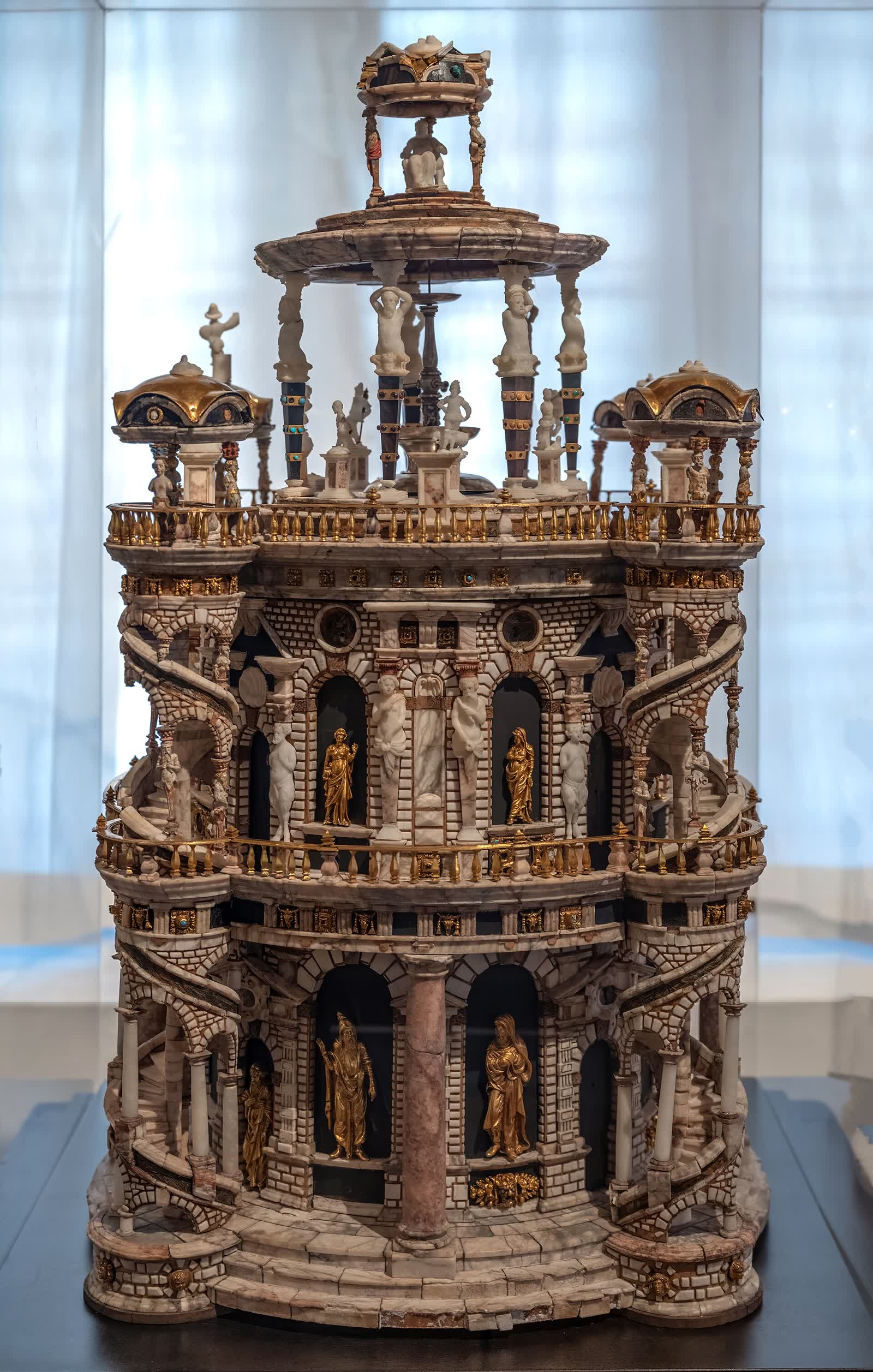
The Habsburgs built the grandest rooms. Margaret of Austria made her residence at Mechelen, from 1507, “a hub for artists and scholars,” with books, tapestries, scientific instruments and naturalia. Archduke Ferdinand II housed his chamber of art and wonder at Ambras Castle in Innsbruck, in a wing “constructed specifically for the purpose.” Ambras now calls itself “the first museum in the world that is still found in the same place it was established.”
Emperor Rudolf II went further. “He had nine rooms constructed in his palace in Prague to house his paintings, library, and art chamber,” and the inventory of his “great art chamber” was drawn up between 1607 and 1611. Much of it was lost when Prague’s palace was looted in the Thirty Years’ War. Today the Kunstkammer at the Kunsthistorisches Museum in Vienna shows around 2,200 of the Habsburg wonders.
The scholar’s cabinet: Imperato and Ole Worm
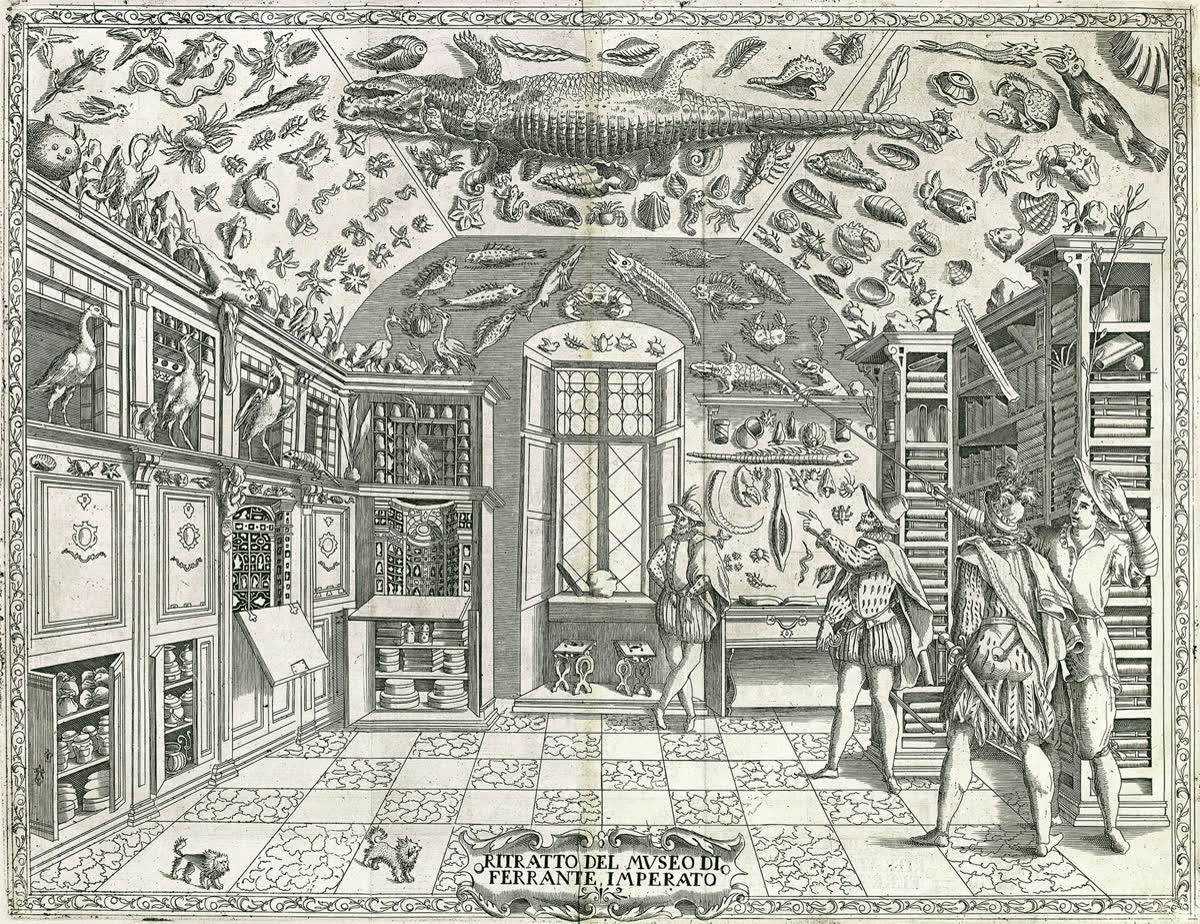
Scholars built cabinets to study. Ferrante Imperato, a Naples apothecary, published Dell’historia Naturale in 1599, with what the Biodiversity Heritage Library calls “The first published pictorial representation of a Renaissance cabinet of curiosity.”
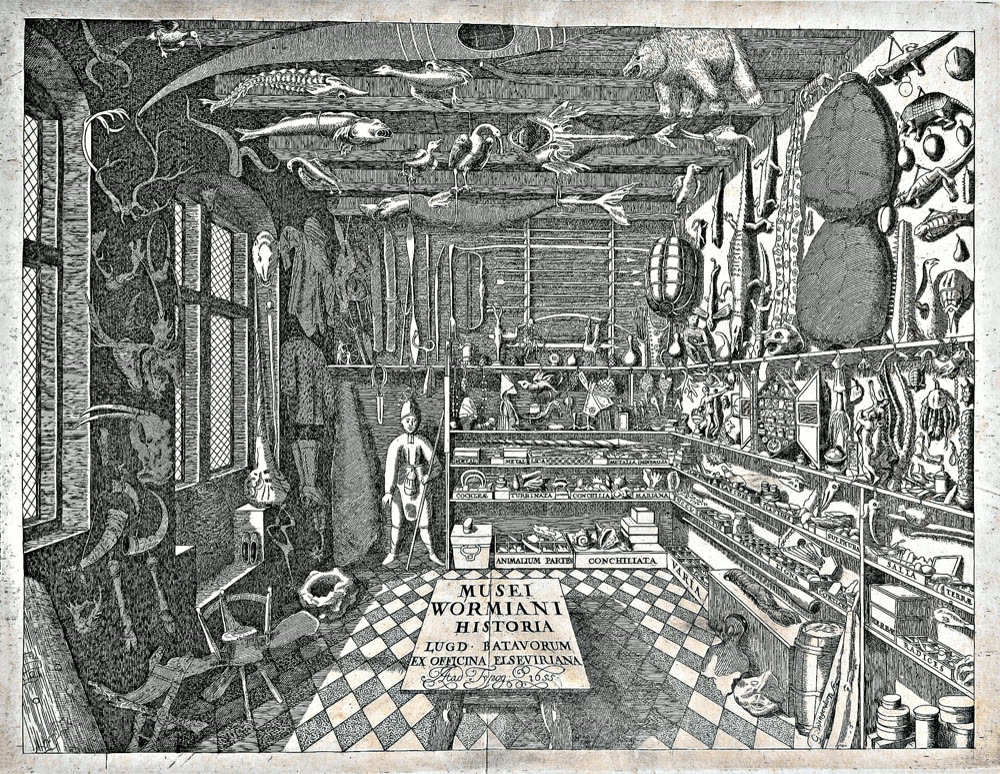
The best-known scholar’s cabinet belonged to Ole Worm (1588-1654), a Danish physician and polymath. He began his Museum Wormianum around 1620, largely from gifts by other collectors. He wanted to “present my audience with the things themselves to touch with their own hands and to see with their own eyes,” and in 1638 he proved that so-called unicorn horns “were actually tusks from narwhals.”
His catalogue appeared in 1655, the year after his death, sorted into minerals, plants, animals and man-made things. It held a wooden automaton, one of many in the long history of automata, and human remains, mummies among them. The king bought the collection, and it became a foundation of Denmark’s National Museum. The University of Reading’s account of Ole Worm’s Museum Wormianum tells the full story.
| Book | Category | Examples from the sources |
|---|---|---|
| I | Minerals | Stones and earths; Stone Age tools taken for thunderstones; mummies, oddly classed here |
| II | Plants | Specimens, including a coffee bean sent by the collector Paludanus |
| III | Animals, humans included | Stuffed animals and birds; the narwhal tusk once called a unicorn horn |
| IV | Artificialia (man-made) | Roman jewellery, tools, scientific instruments, a wooden automaton |
From cabinet to public museum
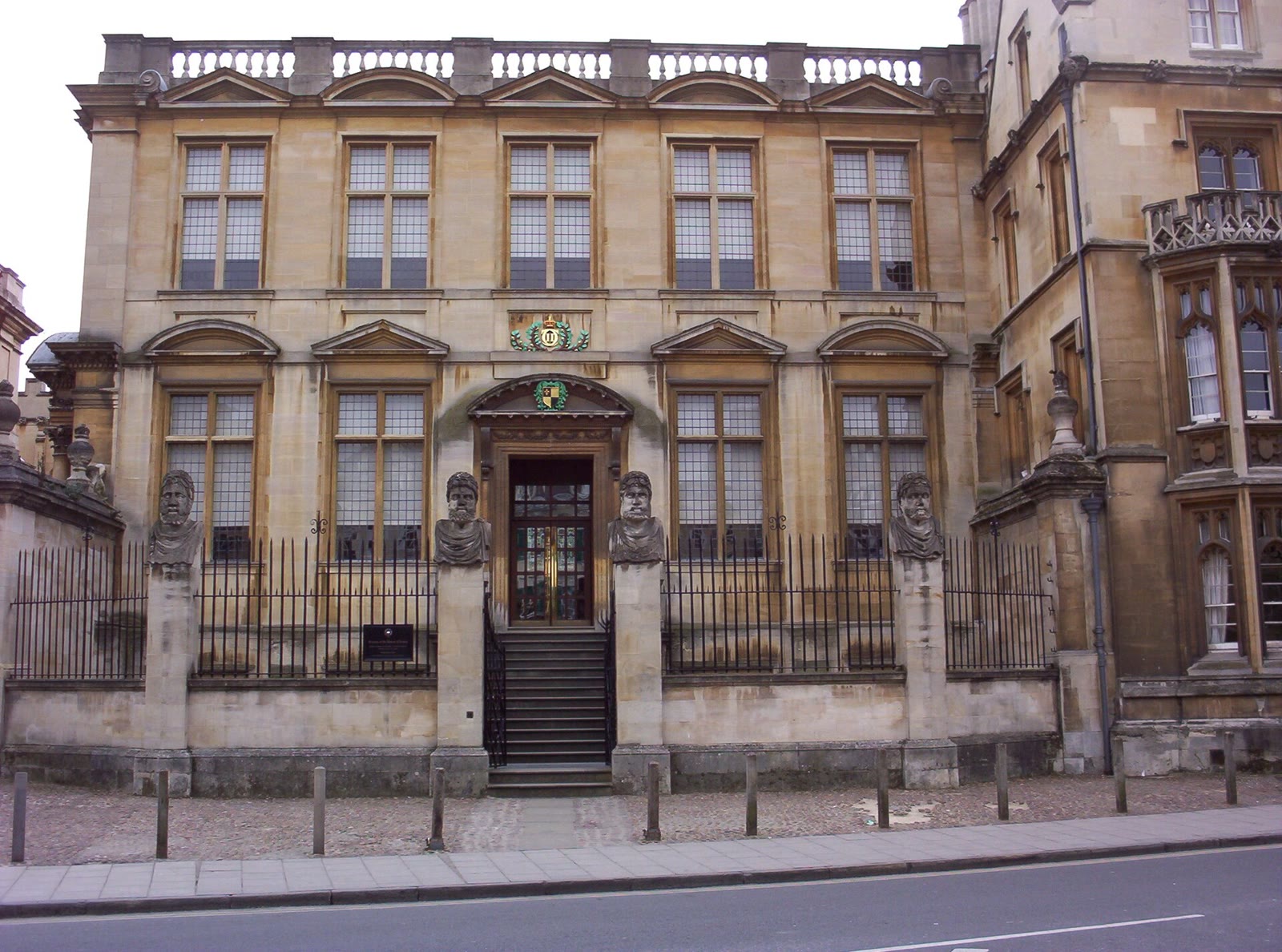
In England the gardening family the Tradescants opened the Ark in Lambeth in 1634. A visitor wrote that “a man might in one day behold…more curiosities than he should see if he spent all his life in travel.”
The collection passed to Elias Ashmole, who gave it to Oxford in 1682. In the Ashmolean Museum’s own history, the museum “opened as Britain’s first public museum, and the world’s first university museum, in 1683,” and admitted the public from the start, “a controversial policy in the 17th century.” In London, Hans Sloane left his collection to the nation on his death in 1753, and “That same year the British Museum was founded, in part to house Sloane’s collection.”
In America the cabinet took a louder turn: showmen turned it into the dime museum.
The cabinet as art: Purcell and the Museum of Jurassic Technology
The cabinet came back as art. In 2004-5 the artist Rosamond Purcell built an installation that “recreated the engraving of Worm’s museum,” now housed at the Natural History Museum of Denmark.
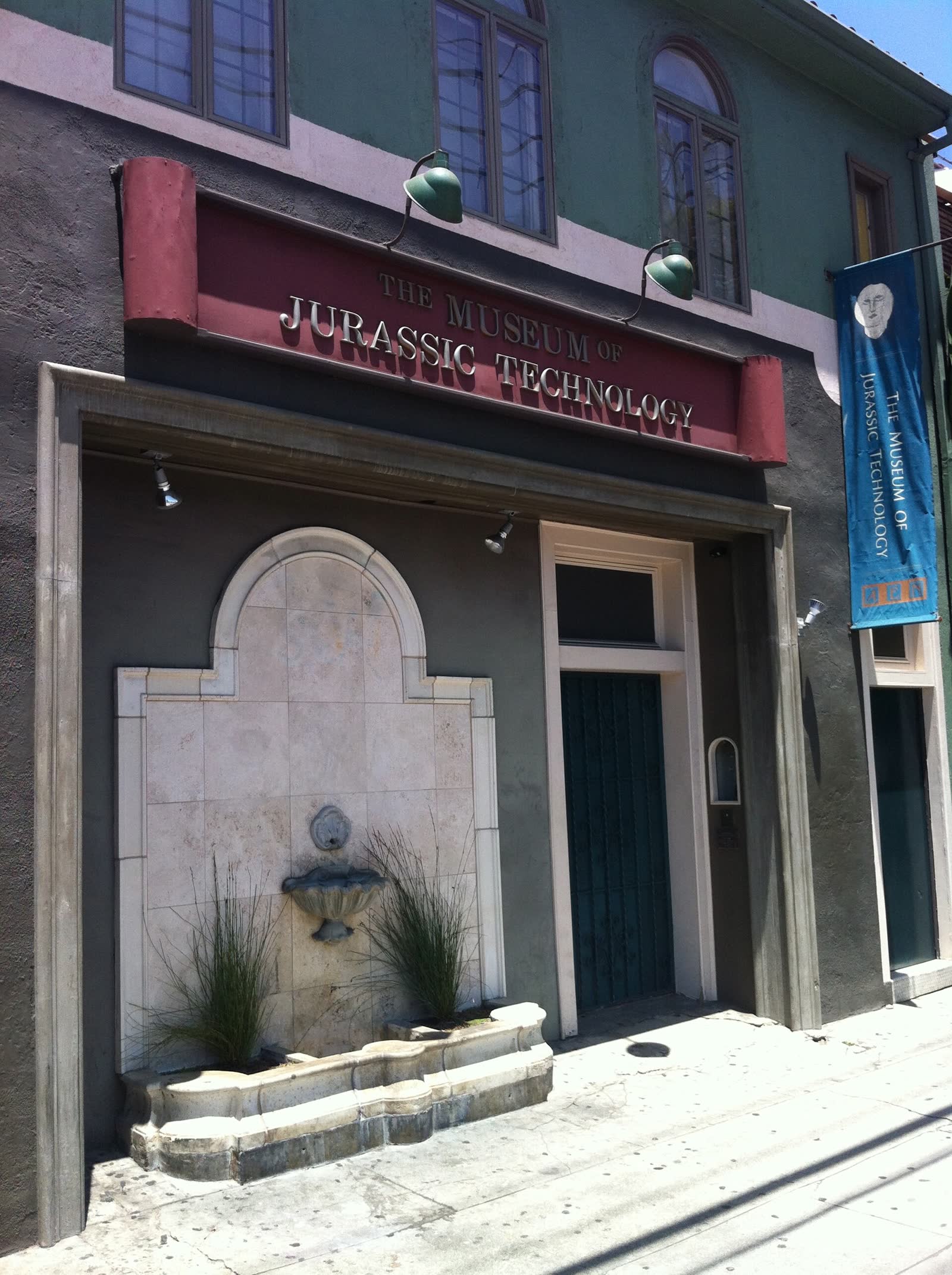
In Los Angeles, David Wilson started the Museum of Jurassic Technology as a travelling collection in 1984 and gave it a permanent home in Culver City in 1988. The Isabella Stewart Gardner Museum calls it “a cross between a natural history museum and an artist installation, displaying a mixture of artistic and scientific exhibits that may or may not be factual.” The Los Angeles Almanac wrote, “Leaving the museum felt as much like an escape as it did an exit.”
The history of the cabinet of curiosities in ten dates
| Date | Event |
|---|---|
| 1507 on | Margaret of Austria gathers art, instruments and naturalia at Mechelen |
| 16th century | Ferdinand II’s chamber of art and wonder at Ambras, Innsbruck |
| 1599 | Imperato prints the first published picture of a cabinet |
| 1607-1611 | Inventory of Rudolf II’s great art chamber in Prague |
| About 1620 | Ole Worm begins his museum in Copenhagen |
| 1634 | The Tradescants open the Ark in Lambeth |
| 1655 | Museum Wormianum is published |
| 1683 | The Ashmolean opens in Oxford |
| 1753 | The British Museum is founded, partly for Sloane’s collection |
| 1988 | The Museum of Jurassic Technology opens in Culver City |
Beyond the storehouse: a Bay Area contrast
No source links Antenna Theater to Worm, the Museum of Jurassic Technology or any historic cabinet. The cabinet asked visitors to look, or with Worm to touch. Chris Hardman wanted the museum to talk back.
Esquire told the story in 1986. In Europe’s museums he was “entranced by the Sony Walkman he wore,” and “Beyond the museums’ embalmed little commentaries, he fantasized ways in which the Walkman could make interaction between art and audience looser and more unpredictable.” When Etiquette of the Undercaste came to the Smithsonian’s Experimental Gallery in 1992, The New York Times quoted Secretary Robert Adams: museums were once “storehouses of idealized images, and museums are no longer solely that.”
Antenna kept its own small cabinet: its Exhibitions and Artifacts page is a room of illusions, with the motto “sometimes there is less than meets the eye sometimes there is more.” Hardman’s credits also list interactive exhibit design for the Museum of Intolerance (1992) and Gold Fever! at the Oakland Museum of California (1998). That work sits where museums and theatre meet, and a step further lies theatre in the dark, where nothing can be seen at all.
Frequently asked questions
What does Wunderkammer mean?
Wonder chamber. German speakers also said Kunstkammer (art cabinet) and Schatzkammer (treasure cabinet), and the terms were used interchangeably.
What was the first public museum?
In Britain, the Ashmolean in Oxford, opened in 1683 on Elias Ashmole’s gift. Ambras Castle in Innsbruck calls itself the oldest museum still in its original home.
How did a cabinet become a museum?
By gift or sale to an institution: Worm’s to the Danish king, the Tradescants’ Ark through Ashmole to Oxford, and Hans Sloane’s to the nation in 1753, the year the British Museum was founded.
Do cabinets of curiosities still exist?
Yes, as historic rooms such as the Kunstkammer in Vienna, and as art, such as Rosamond Purcell’s rebuilt Worm room and David Wilson’s Museum of Jurassic Technology in Culver City.
For a show that turned its audience into wedding guests, read the history of Tony n’ Tina’s Wedding, or browse the Antenna Theater chronology for Etiquette of the Undercaste and Antenna’s museum work.