The Smithsonian Experimental Gallery: A Museum Laboratory on the Mall (1991-1994)
For three years in the early 1990s, the world’s largest museum complex kept one room where things were allowed to go wrong. The Smithsonian Experimental Gallery tried out new ways of making exhibitions in front of the public, and its record, scattered across archive pages and folder lists, has never been put together in order.
Quick answer
What was the Smithsonian Experimental Gallery?
The Smithsonian Experimental Gallery was a 7,000-square-foot exhibition laboratory in the Arts and Industries Building on the National Mall. Open from February 1991 to spring 1994 and directed by Kimberly Camp, it let museums and artists test new ways of making exhibitions, from Bronx casitas to Antenna Theater’s walk-through.
Why the Smithsonian wanted a gallery that could fail
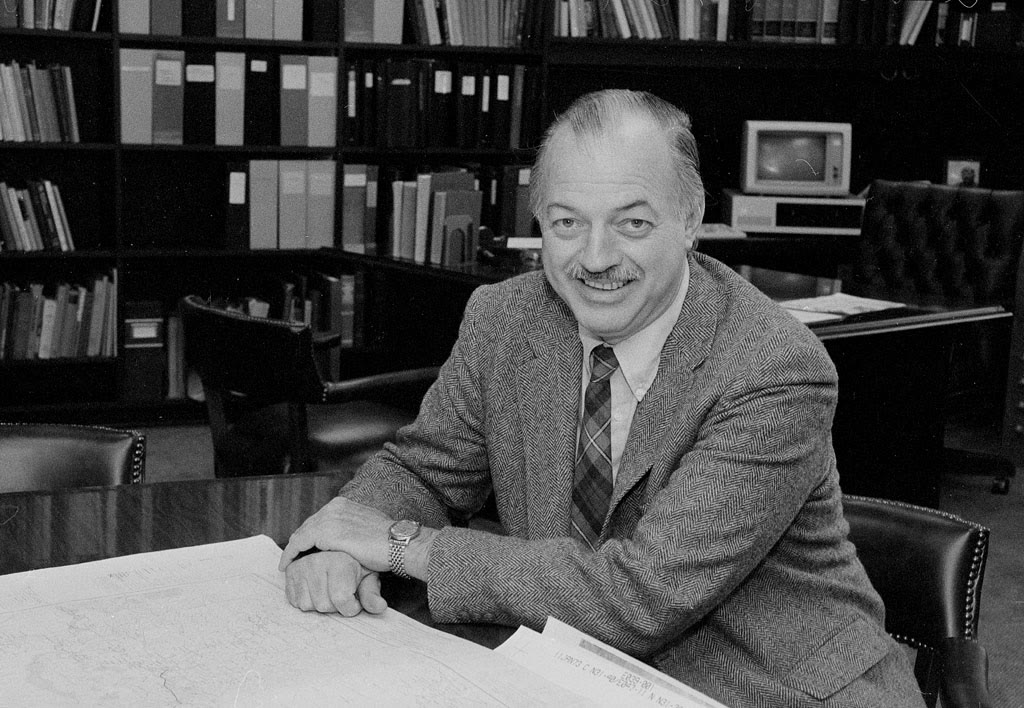
The idea came from the top. Robert McCormick Adams became Secretary in 1984 and, the Smithsonian Institution Archives says, “felt the Institution needed to challenge visitors to wrestle with societal ills of the 1980s”. He saw a country marked by inequality and by stereotypes “that museums can play an important part in dispelling”.
The trouble was the machine he ran. Adams “was faced with the largest complex of museums that did not lend itself to innovation and experimentation; exhibits were planned years in advance and at a high-cost for durability and large audiences.” His answer: “Adams developed the concept of an ‘experimental gallery’ with shorter venues, low-tech approach, and an experimental ethos.”
A laboratory in the South Hall
Tom Freudenheim, the assistant secretary for museums, turned the idea into a plan. He pictured a “place where the Smithsonian and outside institutions could explore new ideas, as well as new techniques, for installation and interpretation.” Wikipedia credits the museum thinker Elaine Heumann Gurian with the concept, and the gallery’s records show her on its early advisory committee.
The finding aid calls the result an “exhibition laboratory”, where staff tested “audience interactive techniques, interpretation, learning styles, and design critiques of exhibition components before they were installed in fully realized exhibitions.” Its “initial emphasis was multicultural exhibitions in the arts, humanities, and physical/natural sciences.”
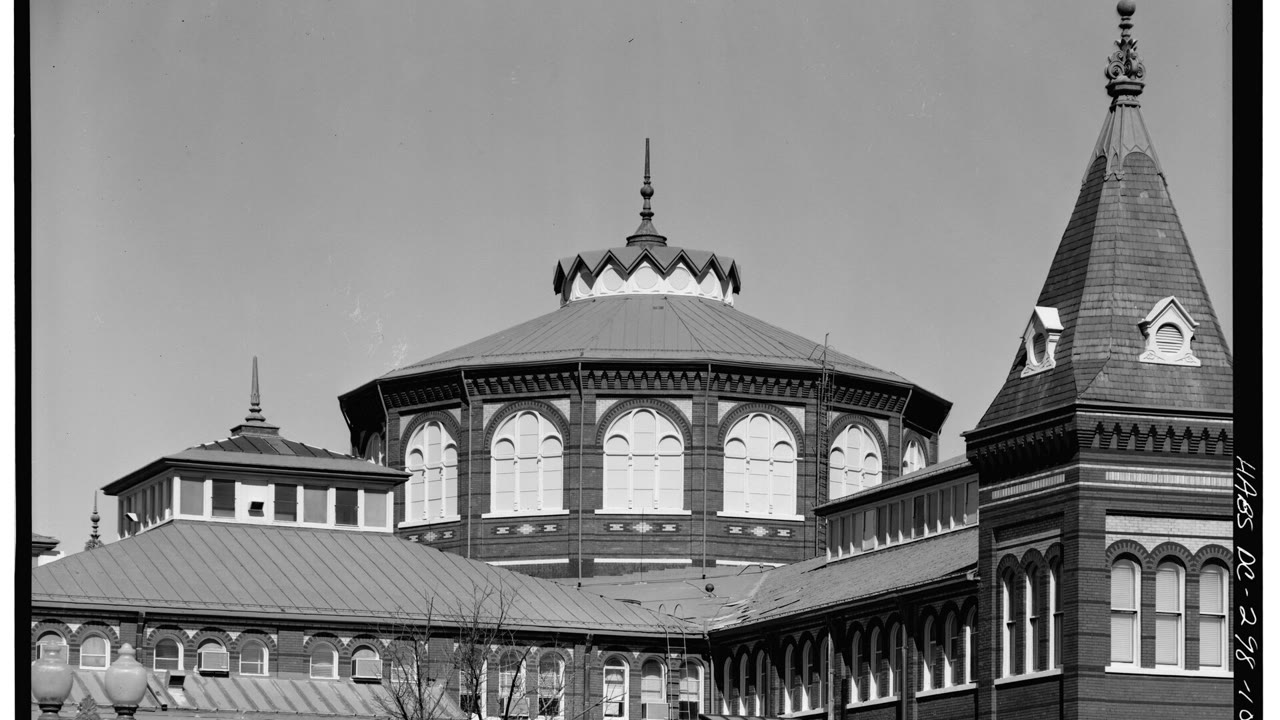
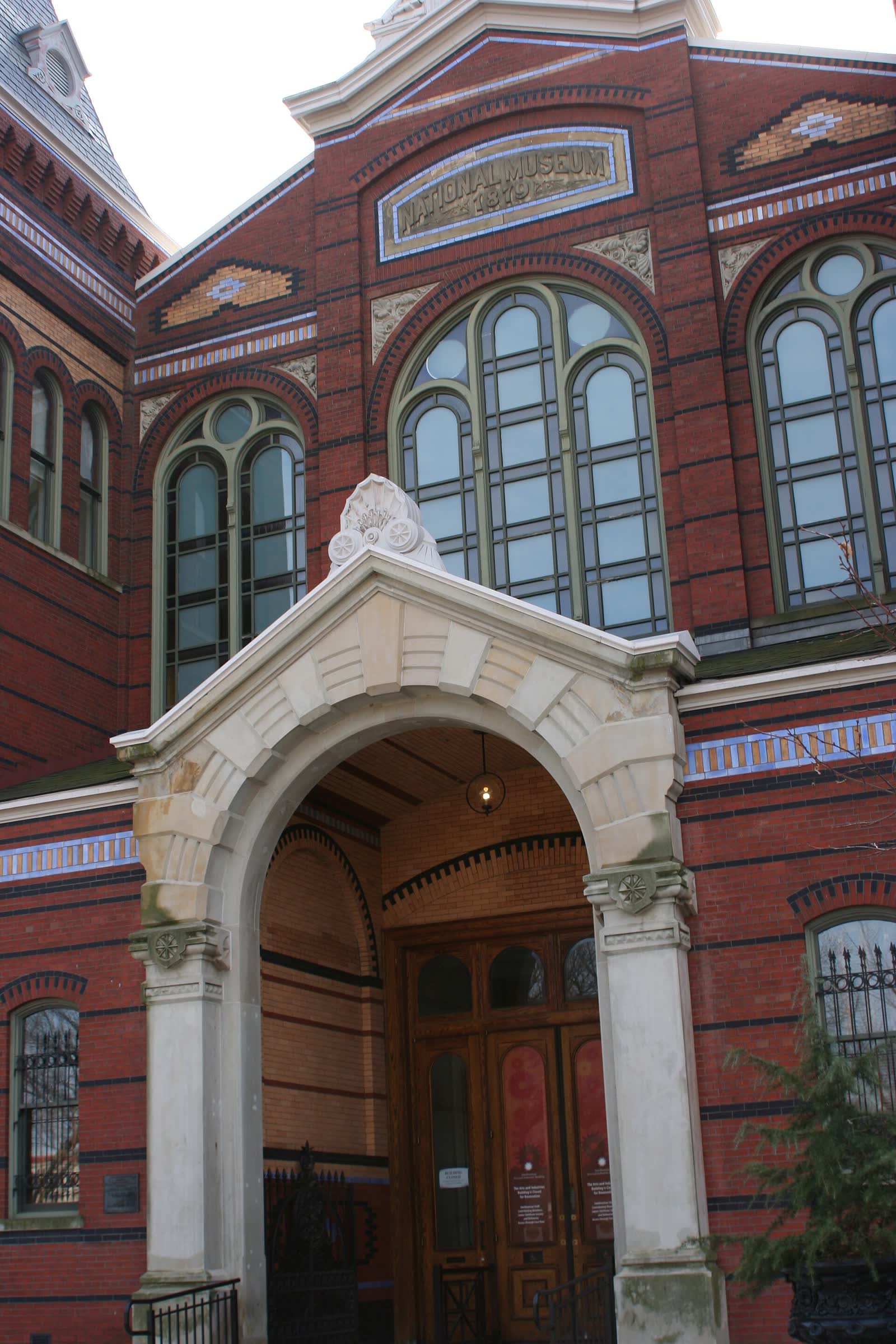
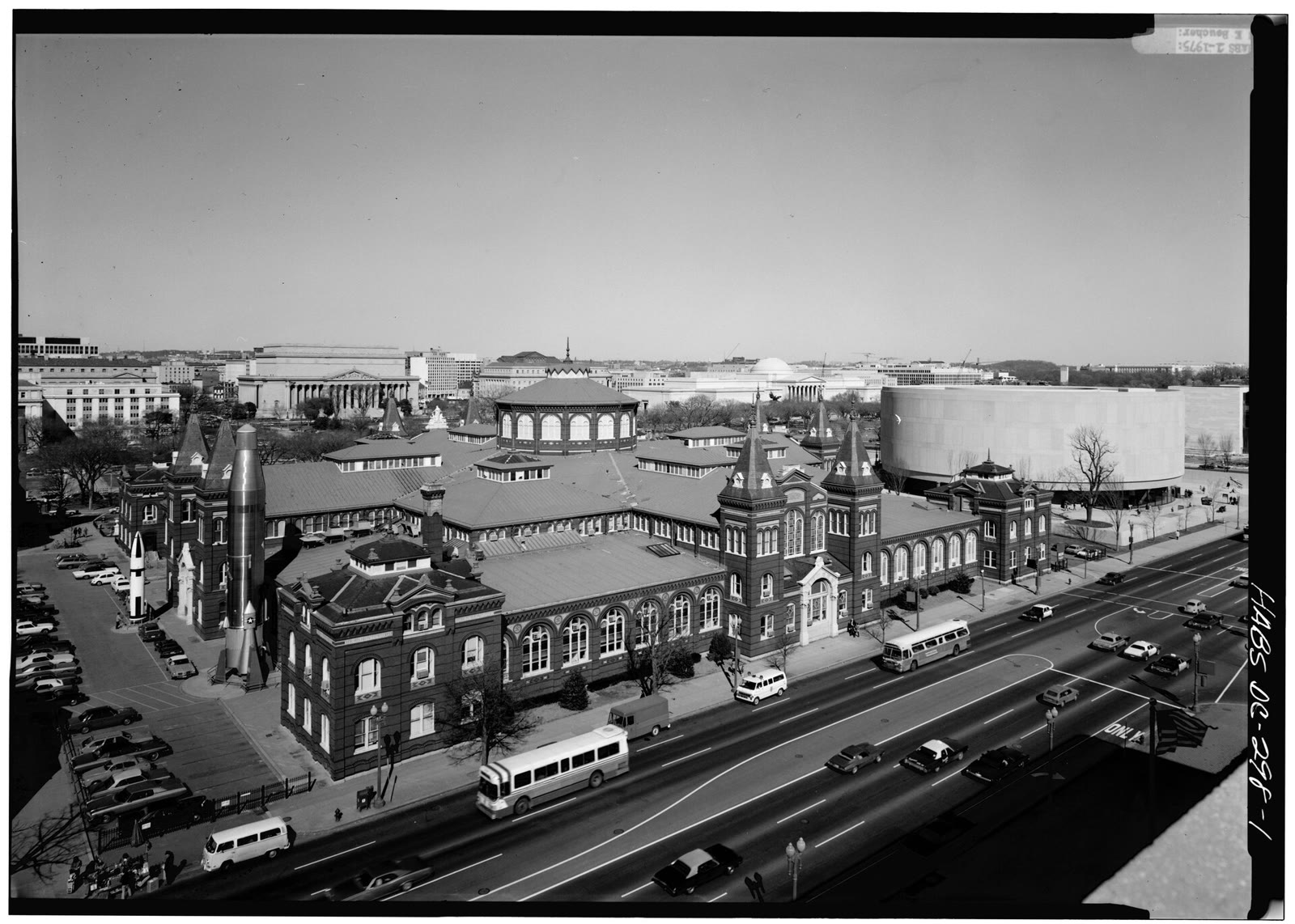
In May 1989 the Smithsonian hired Kimberly Camp, “a practicing professional artist” who had run minority arts and artists-in-education programs for the Pennsylvania Council on the Arts. The gallery took the South Hall of the Arts and Industries Building, which had “opened in 1881 as the National Museum”. It ran open calls for proposals and residencies, and its files even keep the rejected applications.
Opening day: Casitas, flight and Project Face to Face
“After 18 months of preparation, on February 1, 1991, the 7000 square foot Experimental Gallery opened in the Arts & Industries Building on the National Mall.” It opened with three shows at once.
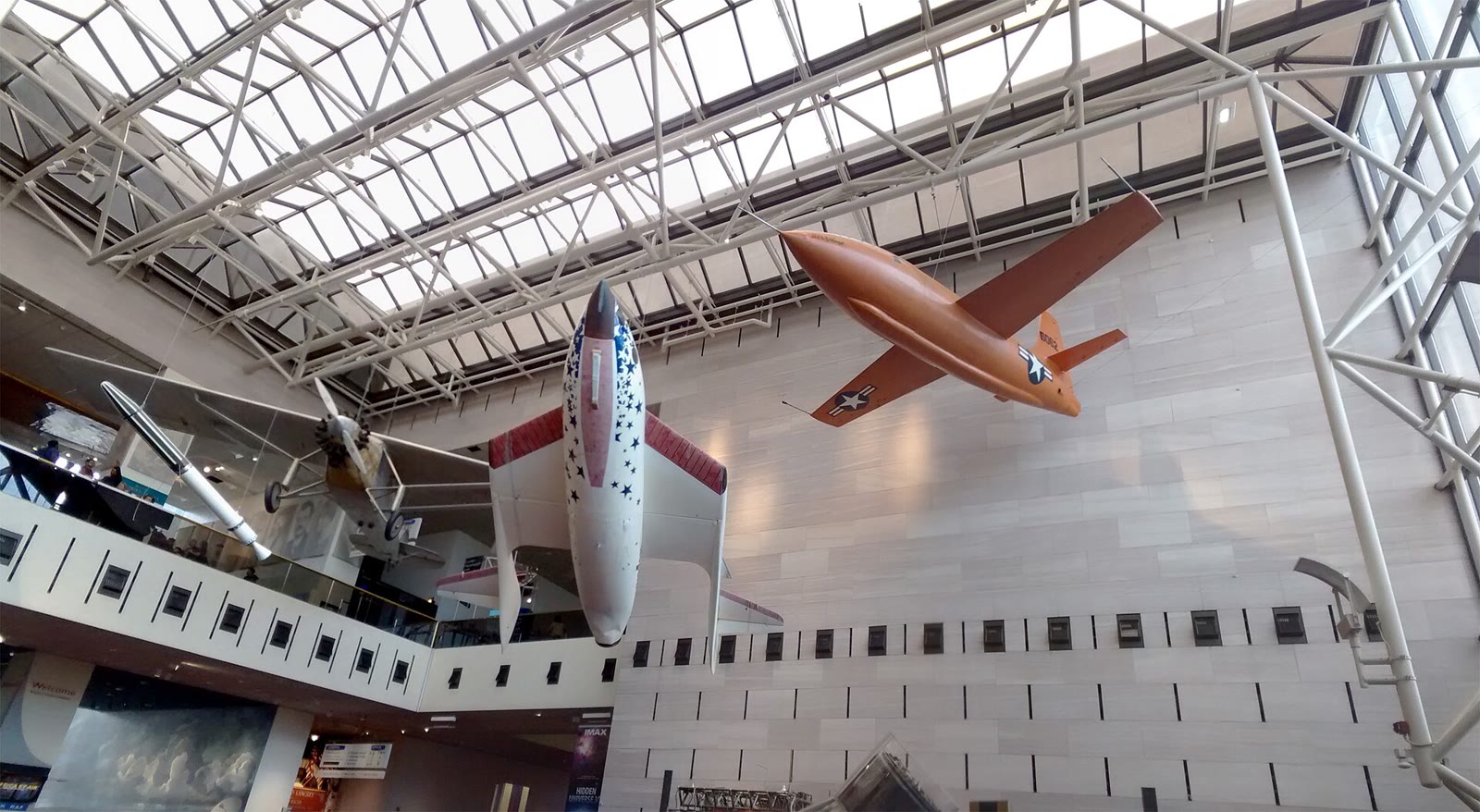
Casitas: An Urban Cultural Alternative, from the Bronx Council on the Arts, included “a ‘casita’ built on-site by members of the Puerto Rican community from the Bronx”, with labels in English and Spanish. Principles of Flight, from the National Air and Space Museum, was an interactive piece “to help audiences understand how planes fly”. The third, Project Face to Face, ran until April 1; no source we found says what it showed.
Three years of exhibitions
Shows came and went every few months. The Brazilian artist Jonas Dos Santos’s installation on the rain forest was dedicated to Chico Mendes. The National Zoo used the gallery to try out The Good, the Bad and the Cuddly, “a hands-on exhibit targeted toward children and adults who do not ordinarily go to zoos.”
Judith F. Baca’s portable mural came too. SPARC’s page on Judy Baca’s World Wall describes “Seven panels 10 foot by 30 foot each” assembled into a circle. The Boston Children’s Museum’s exhibit on race, the Kids Bridge, which traveled from Boston to the Smithsonian, had visitors cross “a 46-foot mock bridge”.
| Exhibition | Dates | Made by |
|---|---|---|
| Casitas: An Urban Cultural Alternative | Feb 1 – June 30, 1991 | Bronx Council on the Arts |
| Project Face to Face | Feb 1 – Apr 1, 1991 | Not stated |
| Principles of Flight | Feb 1 – May 30, 1991 | National Air and Space Museum |
| Brazil Via New York/Oxygen Share | Apr 17 – July 7, 1991 | Jonas Dos Santos |
| Crossroads/Footprints/Dreamkeeper | June 3 – July 7, 1991 | Philip Mallory Jones |
| The Good, the Bad and the Cuddly | Sept 19 – Nov 3, 1991 | National Zoological Park |
| Etiquette of the Undercaste | Feb 14 – Apr 15, 1992 | Antenna Theater |
| Children’s Banner Project for the 52nd Presidential Inauguration | Feb 19 – Mar 1, 1993 | Not stated |
| Cartoons, Caricatures and Comics | June 28 – Sept 30, 1993 | Syracuse University students and alumni |
The 1993 comics show gathered “250 works that demonstrate how cartoons, comics, and caricatures have functioned as popular and fine art”. The folders name later shows too, among them Dress Codes and Mirrors of the Martyrs, though no source we found describes them.
A theater piece in a museum
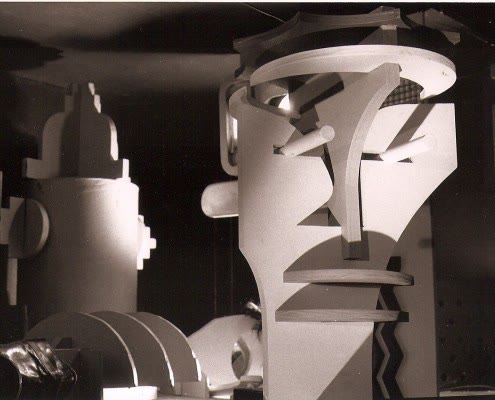
The most theatrical show in the gallery’s run came from a theater company. The Smithsonian’s record describes Etiquette of the Undercaste, the walk-through that put visitors on a morgue drawer, as “an installation created by Antenna Theater to provide visitors with an abstract view of poverty in America.” Freudenheim told the New York Times: “This is precisely the kind of thing the Experimental Gallery was set up to do.”
Adams, the Times reported, “recalled a similar situation in 1966 when the Smithsonian was first criticized and then praised for proposing to construct a slum. (It was never built.)” He added, “That may have been a more tolerant time”. The gallery’s records hold “Antenna Theater Interviews, 1992 (2 folders)” and a videotape titled “Radio Interference (C. Hardman)”, next to 26 folders on Etiquette, a small archive of museum theatre in practice.
Money, closing and what followed
The gallery ran on outside money, “through the Cafritz and Rockefeller foundations, as well as the Pew Charitable Trusts.” Its shows, a deputy assistant secretary, Claudine Brown, told the Times, “traditionally are cheaper” than exhibitions elsewhere in the Smithsonian.
It closed in spring 1994. The Smithsonian’s chronology says “The Experimental Gallery located in the Arts and Industries Building closed on March 25, 1994,” while the records say it “became defunct on May 2, 1994”. The counts differ too: 15 exhibitions in the chronology, eighteen in the Archives’ 2018 essay.
| Item | Detail | Source |
|---|---|---|
| Idea | Secretary Robert McCormick Adams | SIA blog |
| Plan | Tom Freudenheim, assistant secretary for museums | SIA blog |
| Director | Kimberly Camp, 1989-1994 | SIA finding aid |
| Space | 7,000 square feet, South Hall, Arts and Industries Building | SIA blog; si.edu |
| Opened | February 1, 1991 | SIA blog |
| Closed | March 25, 1994 (records: May 2) | SIA chronology; finding aid |
| Exhibitions | 15 or 18, by different counts | SIA chronology; SIA blog |
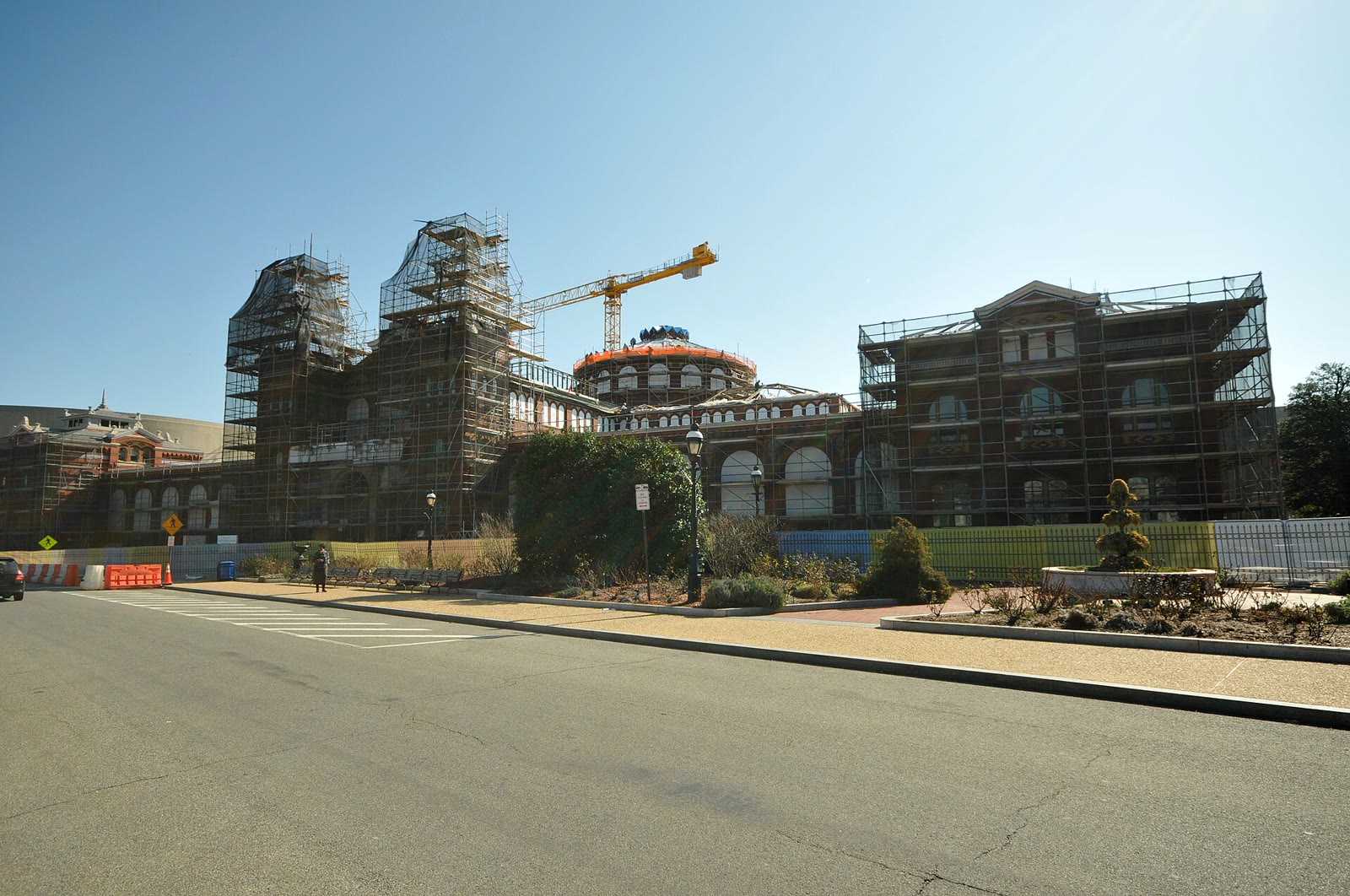
The building itself shut in 2004, when “the deteriorating building was closed to the public”. The Archives says the experimental use of the space returned with programs from fall 2015, and the FUTURES show later drew 650,000 visitors. For the rest of this story, see the history of the museum audio guide, SOMArts in San Francisco, where Etiquette began, and the Olympic Arts Festival in Los Angeles, which hosted Antenna’s Amnesia in 1984. Every venue is in Antenna’s chronology.
Frequently asked questions
Where was the Experimental Gallery?
In the South Hall of the Smithsonian’s Arts and Industries Building on the National Mall in Washington.
Who ran the Experimental Gallery?
Kimberly Camp, an artist and arts administrator hired in May 1989, directed it until 1994.
When did the Experimental Gallery close?
In spring 1994. The Smithsonian’s chronology gives March 25, 1994.
Can you visit the space today?
The Arts and Industries Building has been closed to regular visitors since 2004, apart from special programs such as FUTURES.