The History of Dime Museums: From Barnum’s Lecture Room to the Bowery
The history of dime museums is a story of shows that called themselves museums. For more than a century Americans paid small sums to see wonders, fakes and stage acts under one roof. This guide follows the sources and shows where the showmen’s claims disagree.
Quick answer
What was a dime museum?
A dime museum was a cheap popular museum that mixed curiosities, wax figures, animals and live acts with a stage show. Barnum’s American Museum in New York (1841 to 1865) set the model at a quarter. From the late 1870s Bowery showmen and a Midwest circuit cut the price to a dime, and vaudeville grew from their stages.
Before Barnum: where the history of dime museums begins
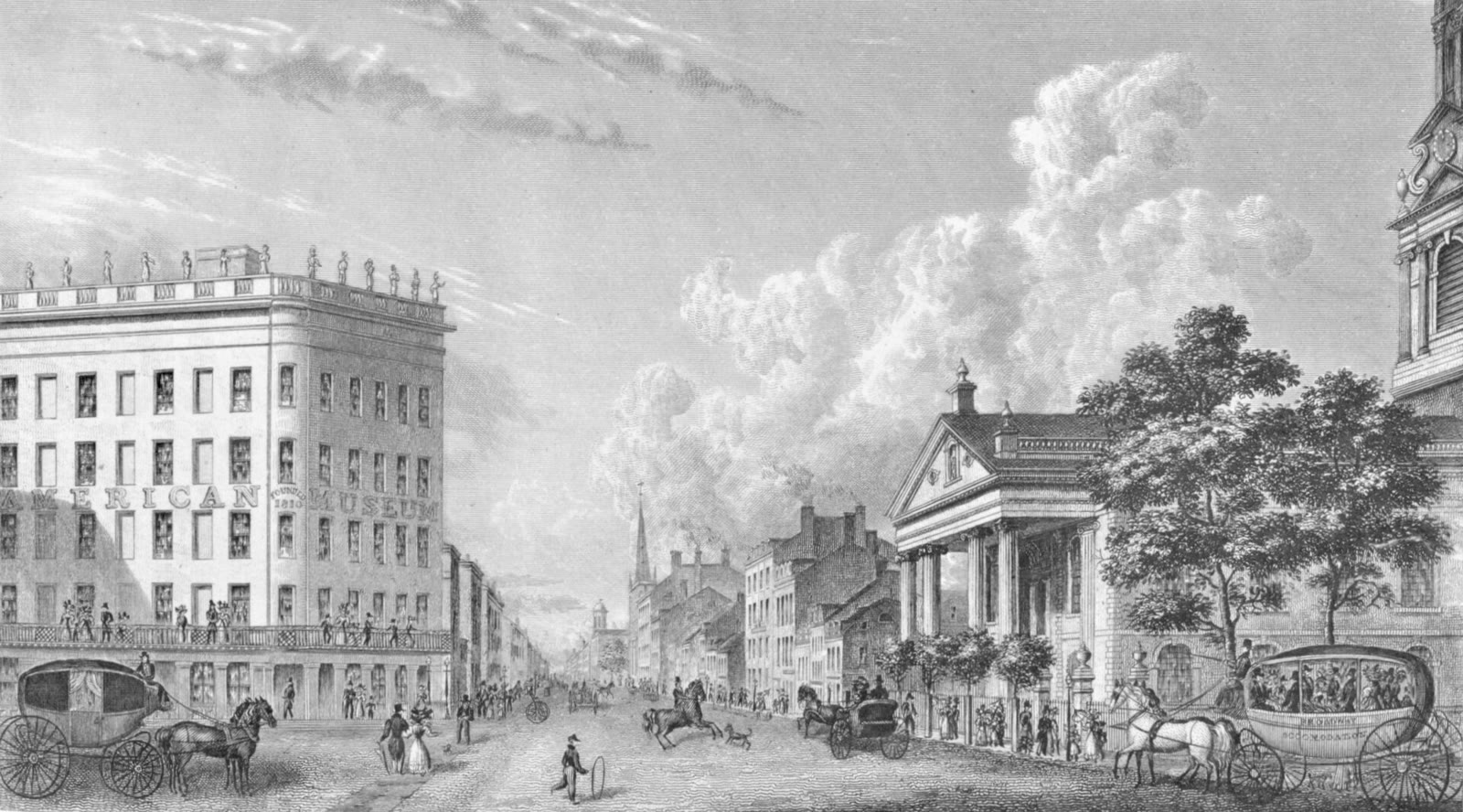
Barnum traced his own museum back to “Scudder’s Museum, was formed in 1810, the year in which I was born,” as he put it in 1869. It began in Chatham Street, moved to the old City Hall, and grew because “sea captains, for years, had brought and deposited strange things from foreign lands.”
The Peales’ Philadelphia museum dated from the 1780s, and Rubens Peale’s New York museum opened on October 26, 1825, with displays “supported with lectures and even theatrical productions.” In 1842 Barnum bought the entire contents of Peale’s Museum.
Barnum’s American Museum, 1841 to 1865
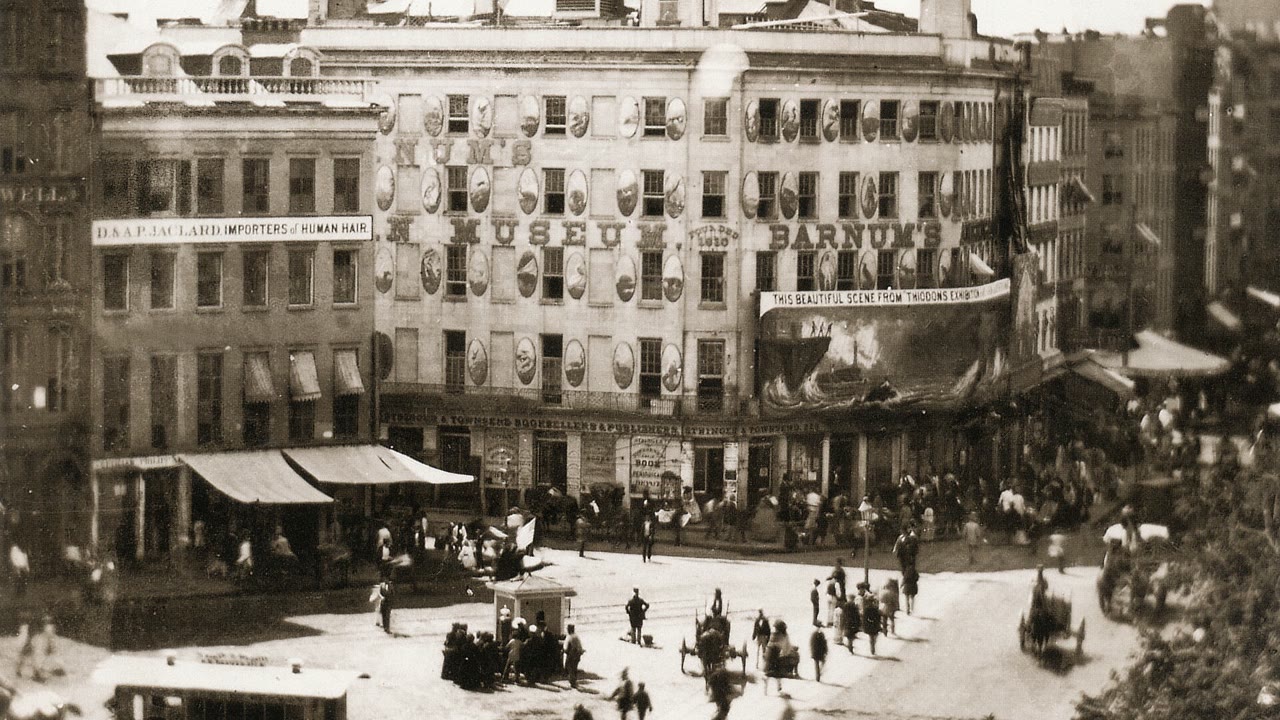
Barnum bought Scudder’s collection in 1841 and opened it under his name on January 1, 1842, at Broadway and Ann Street. CUNY’s Lost Museum history of Barnum’s American Museum calls it “the first to combine sensational entertainment and gaudy display with instruction and moral uplift.”
Strictly, it was not a dime museum at all: admission was twenty-five cents. The crowd took in “immigrants and native-born, working-class and middle-class, men and women,” yet “until the Civil War African Americans were, except for certain days, barred from the Museum.”
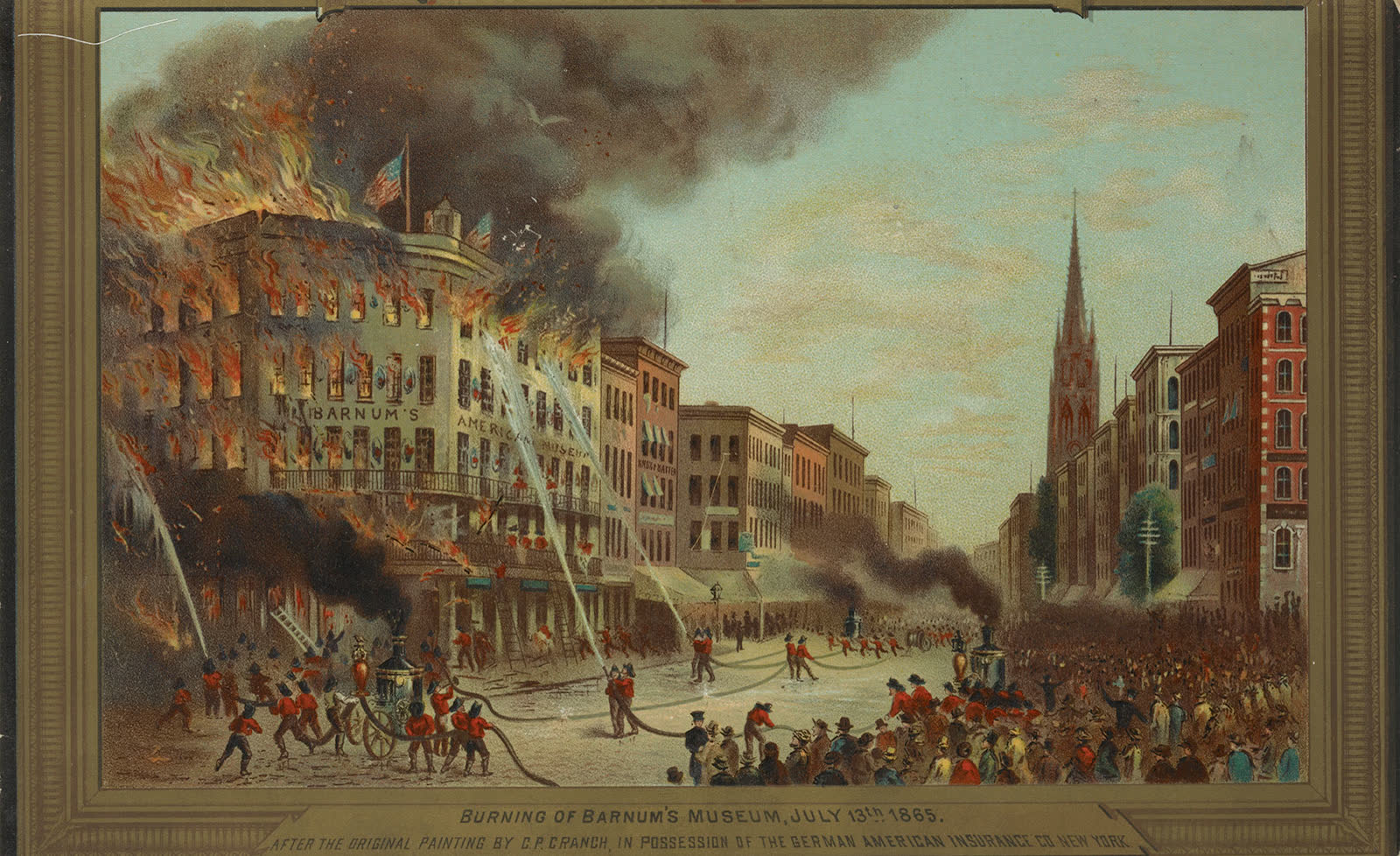
Some exhibits were plainly racist. Before the museum, in 1835, Barnum toured Joice Heth, an enslaved woman billed as George Washington’s nursemaid, and in 1860 an exhibit presented an African-American man as a supposed missing link. On July 13, 1865, the museum burned to the ground. A second museum burned in 1868, and Barnum turned to the circus.
The Lecture Room: a theatre inside a museum
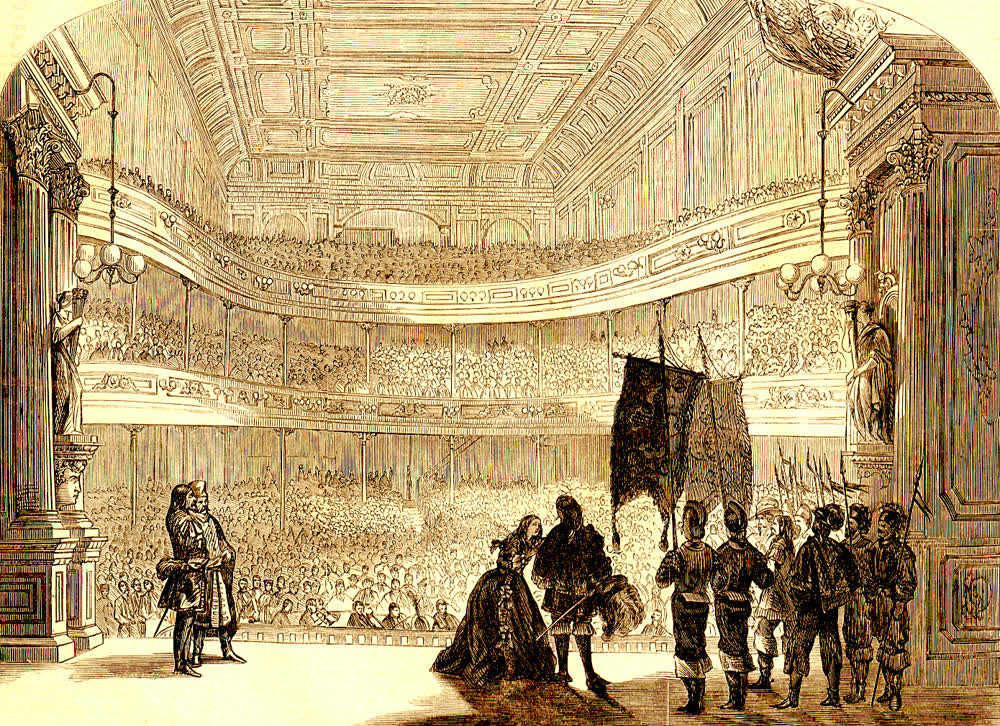
The heart of the place was a stage. Barnum wrote that the Lecture Room, “originally narrow, ill-contrived and inconvenient,” became “one of the most commodious and beautiful amusement halls in the City of New York.” “On great holidays, I gave as many as twelve performances to as many different audiences,” he boasted.
The bill took in “educated dogs, industrious fleas, automatons, jugglers, ventriloquists,” along with living statuary and tableaux. In 1850 the room was dedicated to moral drama, opening with The Drunkard, and versions of Uncle Tom’s Cabin followed in 1853 and 1856. Peter Buckley suggests that Barnum “may have been masking its entertainment value so as not to offend the religiously inclined.”
After the 1865 fire, Barnum defended himself in The Nation. “To make it self-supporting, I was obliged to popularize it,” he wrote, and “No vulgar word or gesture, and not a profane expression, was ever allowed on my stage!” His verdict on his own career: “Humbug with me has had its day.”
The dime arrives: the Bowery and 14th Street
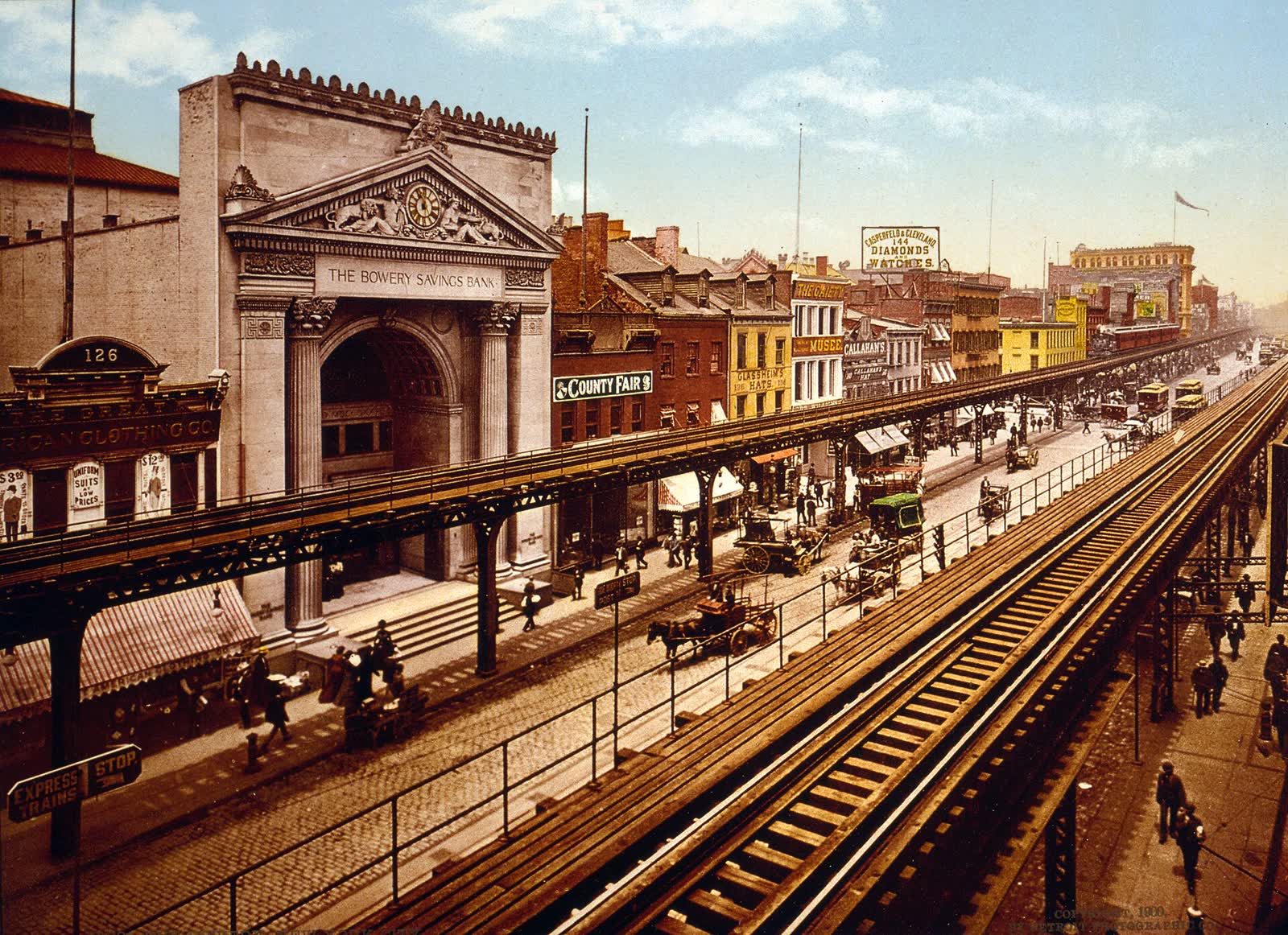
The cheap price came with Barnum’s imitators. George Bunnell, a former Barnum assistant, ran Bunnell’s New American Museum at 103 Bowery from 1876 to 1878, offering “exotic exhibits and stage shows, but at cheap prices.” Its three floors show what a dime museum held.
| Floor | What was there |
|---|---|
| First | The “Theatorium”: snake charmers, sword-swallowers, vaudeville and burlesque |
| Second | A live animal menagerie |
| Third | “Dante’s Inferno,” a wax museum devoted to sinners |
Worth’s Museum opened at 101 Bowery in 1881, with a giant squid and what was claimed to be the head of President Garfield’s assassin; by 1889 a Worth’s stood at 106-108 East 14th Street. Huber’s on 14th Street, “the grandest of its age,” closed in 1906.
The circuit and the road to vaudeville
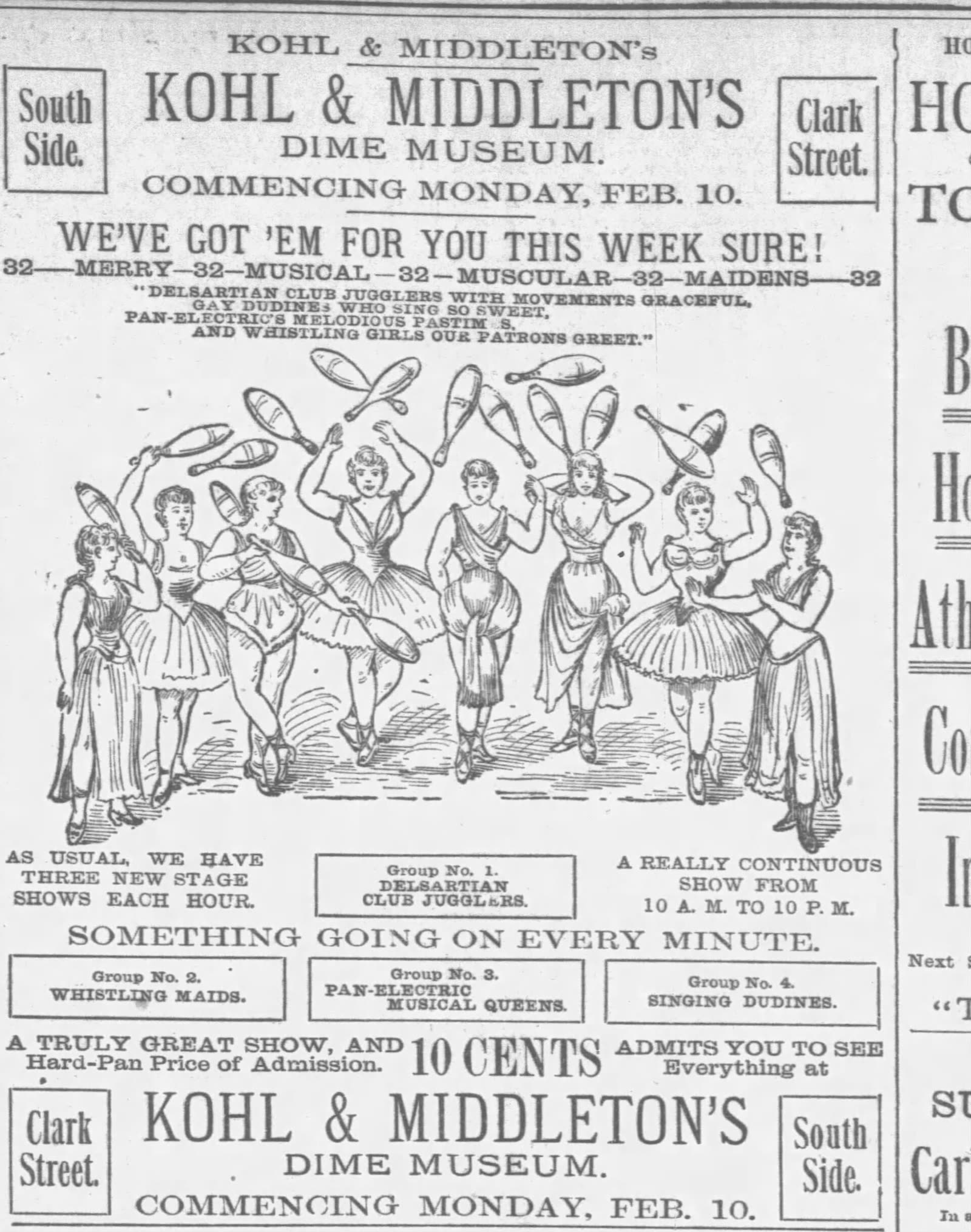
George Middleton, in his 1913 Circus Memoirs at the Circus Historical Society, claimed his New York museum of about 1880 was “the first in the United States.” With his partner Kohl he opened in Chicago, then across the Midwest as far as Cleveland. “For a few years the dime was something new for the price of admission to a place of amusement,” he recalled.
In Milwaukee, Jacob Litt bought the local museum for $10,000 in 1884, and “Future superstar illusionist Harry Houdini worked for Litt doing seven shows a day.” A Houdini fan blog says he returned so often he was nicknamed “Dime Museum Harry.” Middleton’s own summary: the business “led to the continuous vaudeville of the theatres.”
| Year | Event |
|---|---|
| 1810 | Scudder’s Museum begins in Chatham Street |
| 1841 and 1842 | Barnum buys Scudder’s and opens his American Museum |
| 1850 | Lecture Room dedicated to moral drama with The Drunkard |
| 1865 | The museum burns on July 13 |
| 1876 | Bunnell’s New American Museum at 103 Bowery |
| About 1880 | Middleton opens what he calls the first dime museum |
| 1884 | Jacob Litt buys the Milwaukee museum |
| 1906 | Huber’s on 14th Street closes |
| 1925 | Hubert’s Museum opens on 42nd Street |
The end of the dime museum
Then came moving pictures. In Milwaukee, Edison’s Vitascope films were booked at several theaters; Litt died in 1905, and four years later the Princess Theater opened on the spot where his museum had stood.
A few held on. John Kodet’s Harlem penny arcade of 1913 had become “an old fashioned 1890s-style dime museum” by 1917, stocked from shuttered rivals including Worth’s, Huber’s and the Eden Musée (see the history of wax museums), and it seems to have run through 1935. Hubert’s Museum opened on 42nd Street in 1925 for a 40-year run, and its descendants appear in the Coney Island sideshow’s own history.
A museum front, a theatre inside: Antenna Theater
Barnum hid a theatre inside a museum and called it a lecture room. Antenna Theater met the opposite problem. American Theatre wrote in 1994 that the company was “so well known for creating the audio accompaniment for museum tours and historic sites around the world that many people have no idea that Antenna is first and foremost a theatre company.”
Critics sometimes reached for museum words too. Writing about Etiquette of the Undercaste in 1989, Mother Jones introduced it with “The actual title of the exhibit,” and in 1992 it played the Smithsonian’s Experimental Gallery. The overlap between the two worlds is the subject of our guide to museum theatre.
Hardman’s own notes on a 1970 summer at Coney Island record “back to back freak shows and carnival games,” and a gorilla replica he sculpted for a “phoney” Hollywood props sideshow. That was a sideshow, not a dime museum, and no source links Antenna to one. The contrast is the point: the dime museum put people on display for a paying crowd, often under cruel billing, while Antenna gave the visitor a headset and put the visitor in the scene.
For more on the company’s forms, see Walkmanology and Antenna’s other new theater forms. Two neighbouring histories in this series are the history of the Renaissance Faire and the history of the labyrinth.
Frequently asked questions
Why was it called a dime museum?
For the price. George Middleton recalled that a dime was something new as the price of admission to a place of amusement. Barnum himself charged twenty-five cents.
What happened to Barnum’s American Museum?
It burned to the ground on July 13, 1865. His second museum burned in 1868, and Barnum turned to the circus.
Did Houdini work in dime museums?
Yes. He worked seven shows a day for Jacob Litt in Milwaukee, and a Houdini blog says he returned to dime museums so often he was nicknamed Dime Museum Harry.
When did dime museums disappear?
Gradually. Huber’s closed in 1906, Kodet’s Harlem museum ran to about 1935, and Hubert’s on 42nd Street opened in 1925 for a 40-year run.