History of the Mark Taper Forum: Los Angeles’s Round House of New Plays
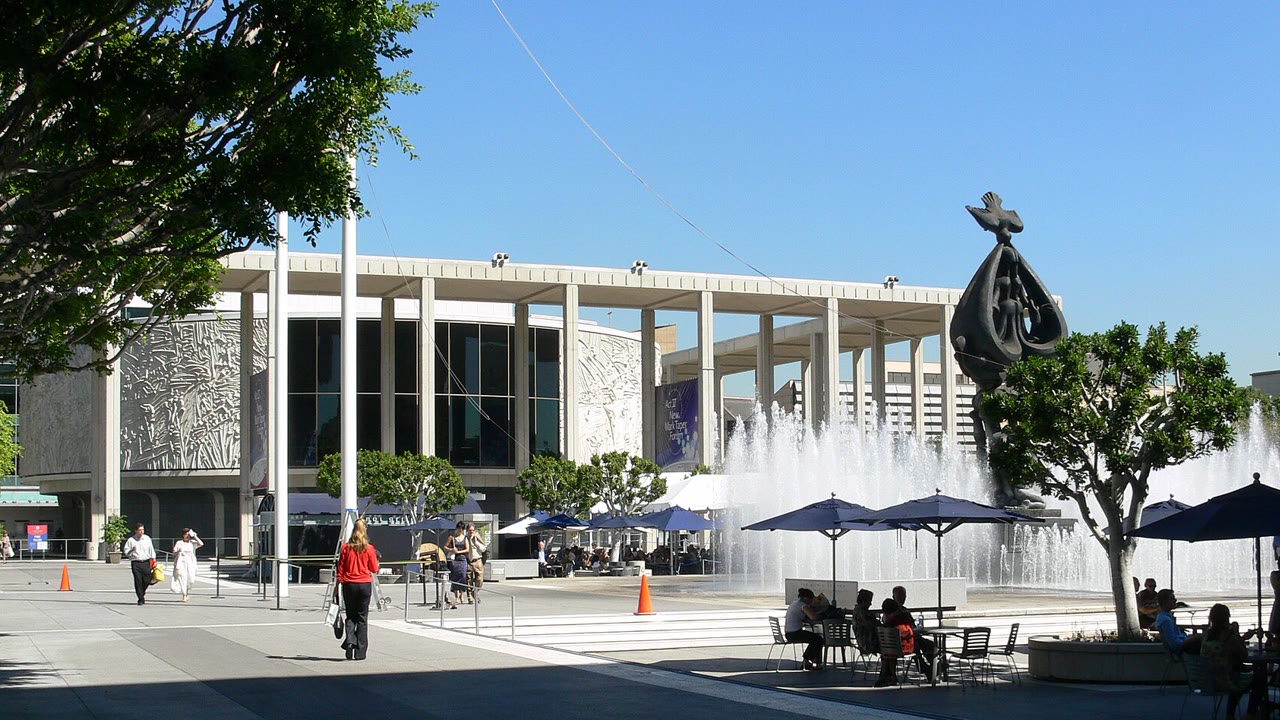
On the Music Center plaza on Grand Avenue in downtown Los Angeles stands a round, sculpted drum that was built before anyone knew what would play inside it. The history of the Mark Taper Forum runs from that empty building through Gordon Davidson’s 38 years, two Pulitzers in a row, a pause and a return.
Quick answer
What is the Mark Taper Forum?
The Mark Taper Forum is a thrust-stage theater at the Los Angeles Music Center, designed by Welton Becket and opened in April 1967 with John Whiting’s The Devils. Gordon Davidson led its company, Center Theatre Group, until 2005, and plays such as Zoot Suit and Angels in America began there. It has 739 seats.
A round building with no tenant
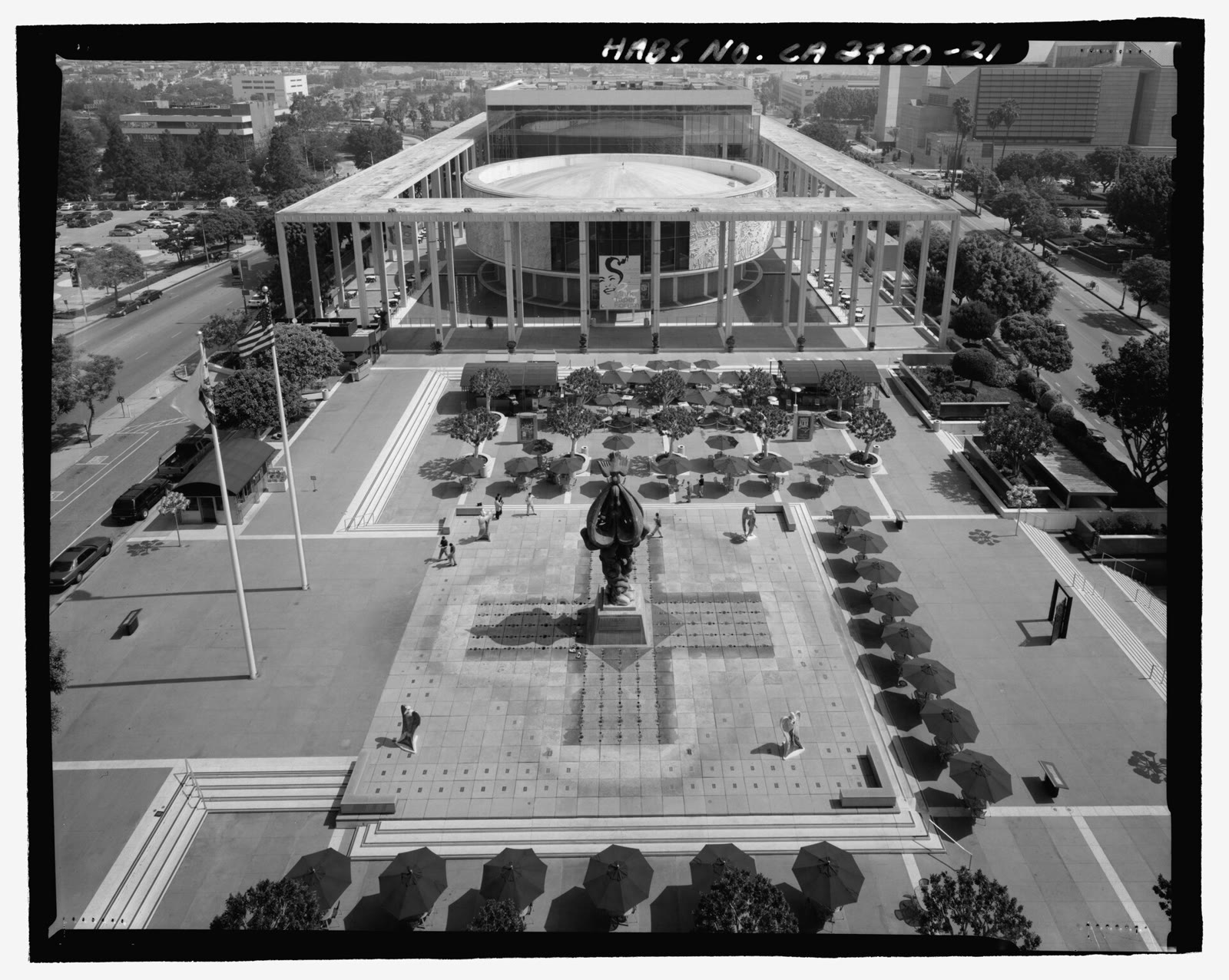
Welton Becket planned the Music Center and designed its theaters in the mid-1960s, and the Taper was “constructed 1966-1967”, according to the Pacific Coast Architecture Database’s record of the Taper. Grouping the halls together “was viewed as a way of expressing Los Angeles’s cultural maturity”, and the New York Times later called the complex the West Coast answer to Lincoln Center.
The odd thing is that the smallest hall had no tenant. Becket, the Times reported, “designed the building not knowing who would use it”, and at one point it was considered “for chamber music, or even grand jury meetings.” Then Dorothy Chandler took the young producer Gordon Davidson to lunch at the top of her own pavilion, looked out of the window and asked: “See that round building? How would you like to rent it?”
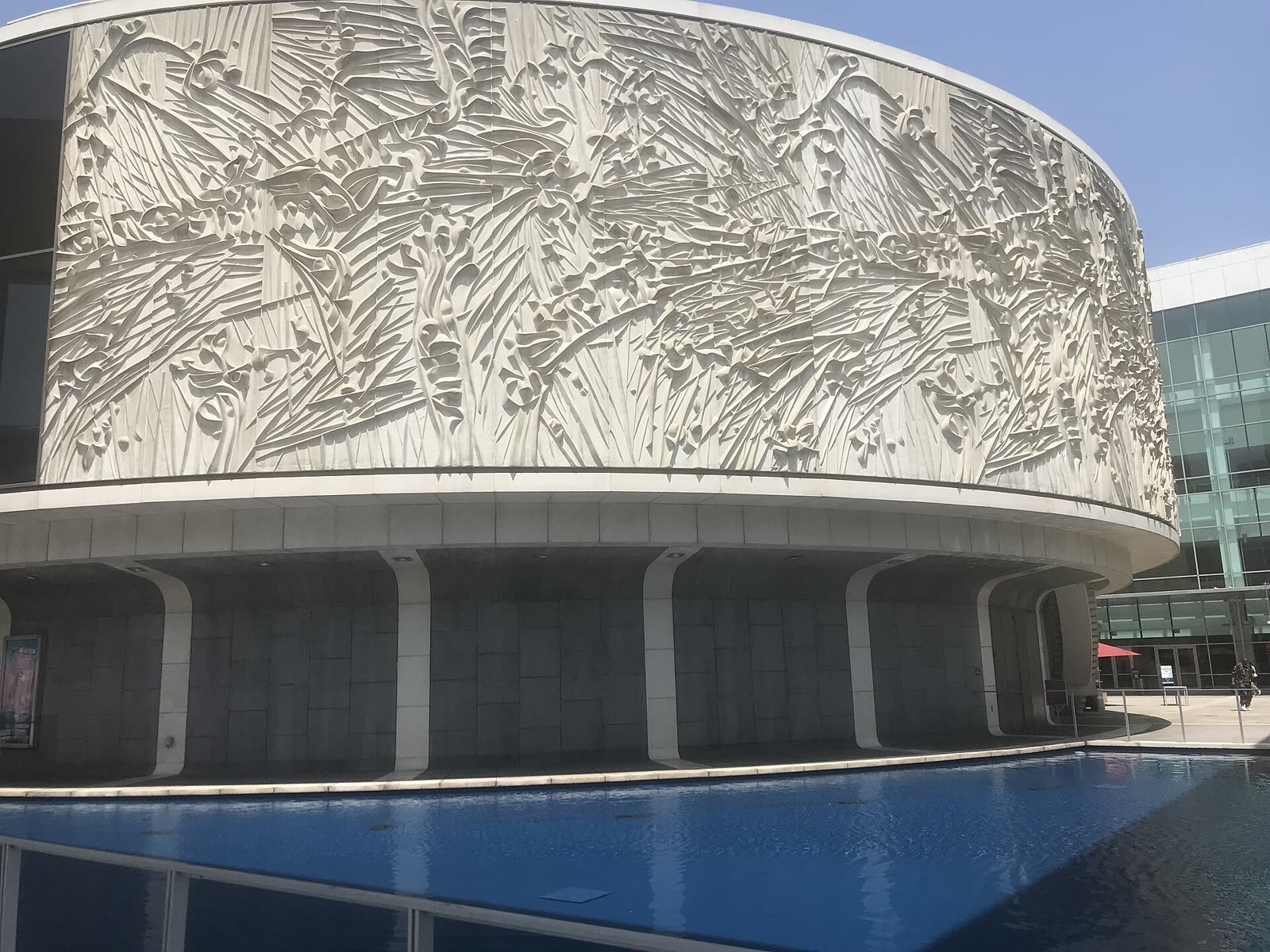
Outside, Jacques Overhoff’s precast relief wraps the drum. Inside, Tony Duquette made “the curving, glinting abalone wall” of the lobby, and the thrust stage, proposed by the designer Jo Mielziner, juts into a semicircular amphitheater that “creates an especially intimate relationship between audience and performer.” Of Becket’s three Music Center buildings, the Los Angeles Times critic Christopher Hawthorne judged that the Taper makes “the most credible claim to true landmark status”.
The Devils, 1967
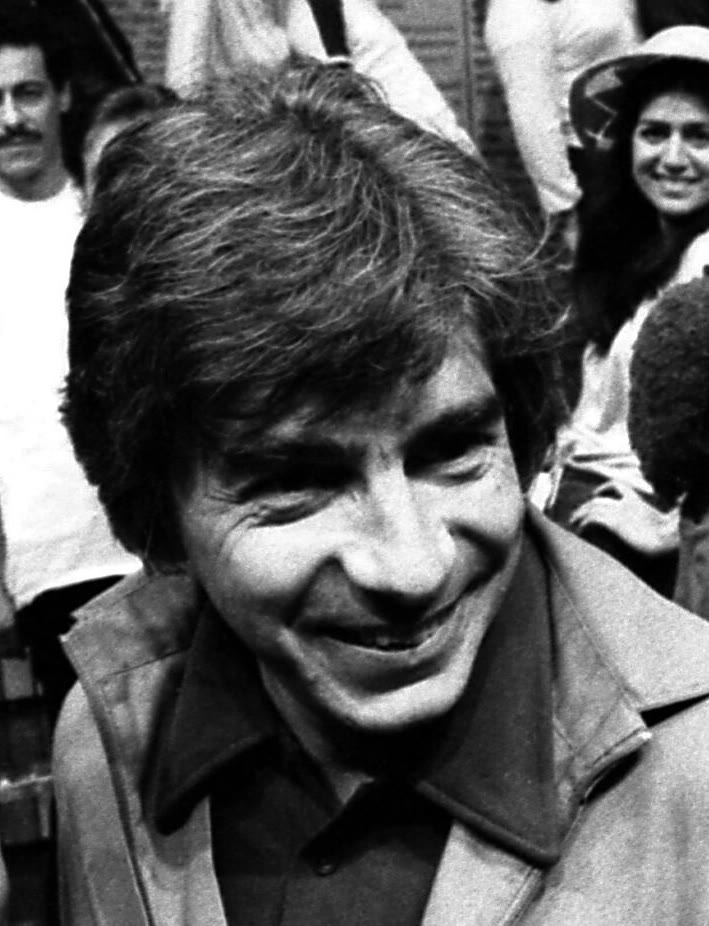
The company grew out of the Theatre Group at UCLA, where Davidson had come in the 1960s to work for John Houseman. The theater opened in April 1967, and its first production was “The Devils, a controversial play by John Whiting about a nun who lusts after a 17th century Catholic priest, claiming he bewitched her.”
“Opening night was filled with the cream of Los Angeles society, civic leaders, politicians, and Hollywood royalty. Their response was brutal.” Governor Ronald Reagan left at intermission, and letters to the newspapers demanded that Davidson be removed.
Twenty years later Davidson told the Christian Science Monitor: “I’ll never forget it. We thought [the Taper] was over before it began.”
Gordon Davidson’s Taper
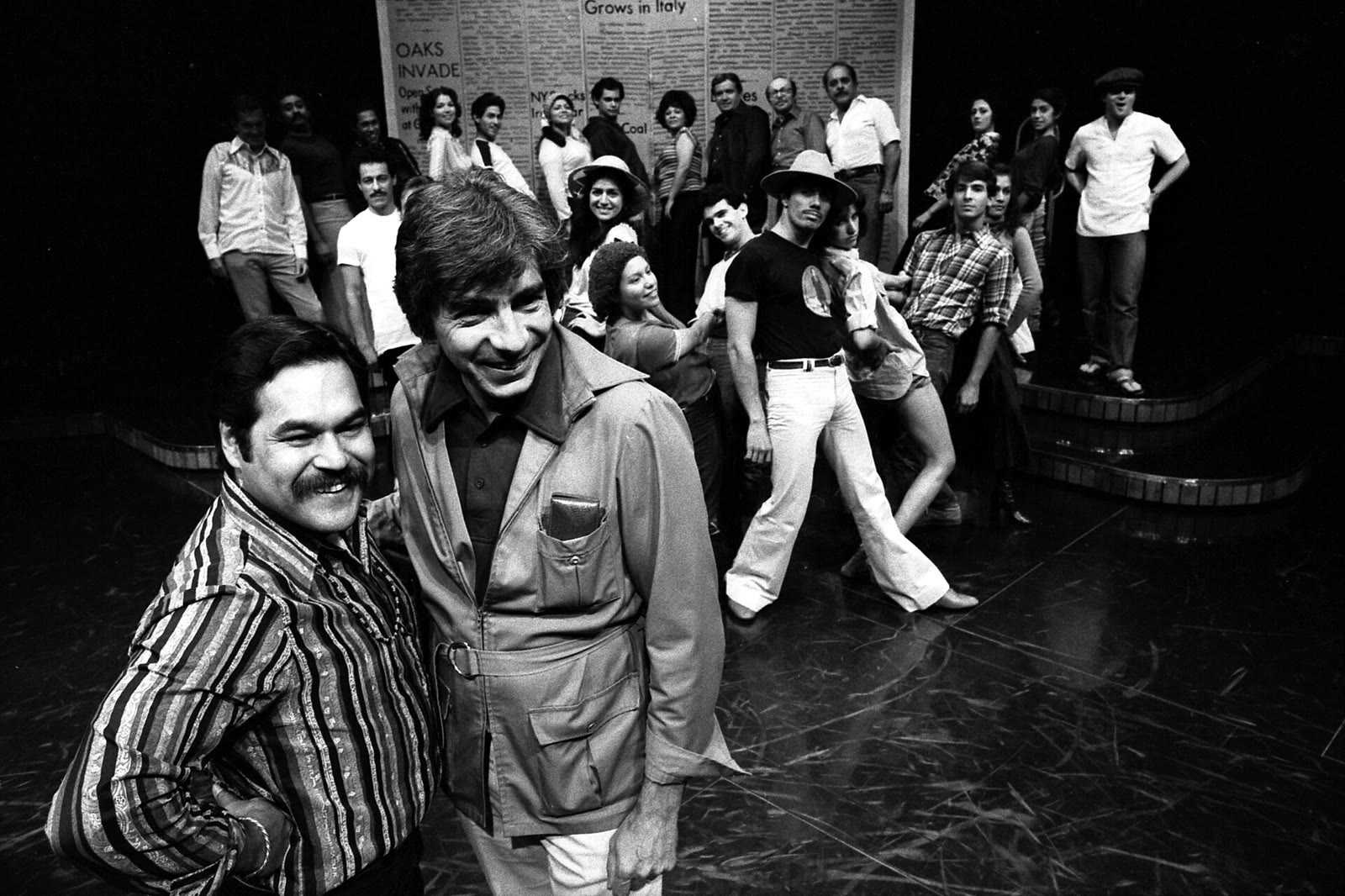
Davidson led Center Theatre Group from 1967 to 2005 and “oversaw more than 300 productions”. By the twentieth anniversary in 1987 the Taper had presented more than 250 plays, about 150 of them world or American premieres.
In 1977 Michael Cristofer’s The Shadow Box won the Tony for best play and the Pulitzer Prize, Davidson won the Tony for directing it, and the Taper received a special Tony for theatrical excellence. Zoot Suit followed, “the legendary Chicano play that brought Los Angeles history to life at the Taper, on Broadway, and in film”.
| Play | Writer | What followed |
|---|---|---|
| The Shadow Box | Michael Cristofer | Tony for best play; Pulitzer Prize |
| Zoot Suit | Luis Valdez | Broadway and a film |
| Children of a Lesser God | Mark Medoff | Tony for Phyllis Frelich; Oscar for Marlee Matlin in the film |
| The Kentucky Cycle | Robert Schenkkan | Pulitzer Prize, 1992 |
| Angels in America | Tony Kushner | Pulitzer Prize, 1993 |
| Twilight: Los Angeles, 1992 | Anna Deavere Smith | Premiere at the Taper |
The experimental Taper
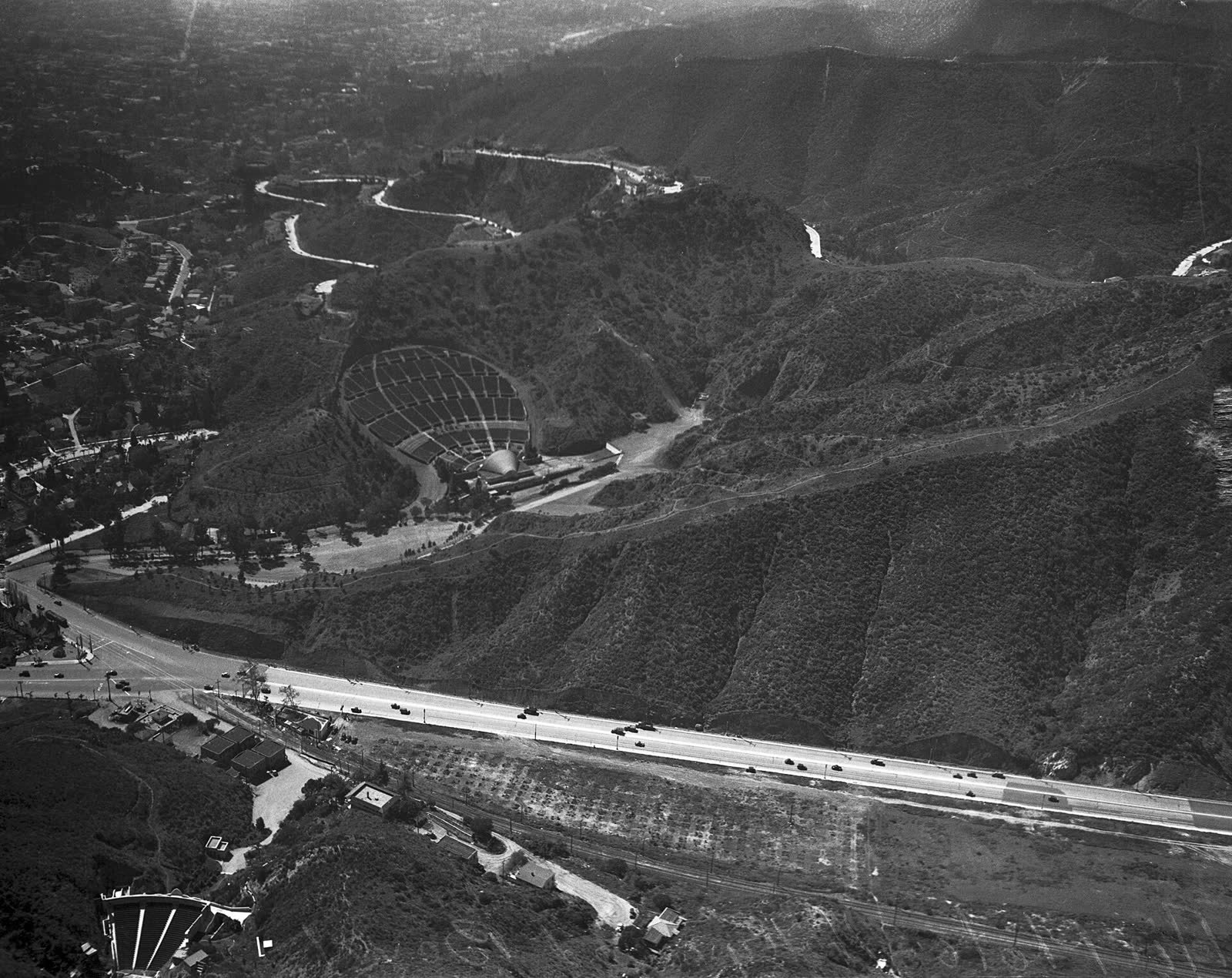
Beside the main stage the Taper ran side programs, including what the Monitor called “a place for innovative experimentation called New Theatre Now”. The most fertile side room was across town, at the Ford.
“From 1973 through much of the 1990s, this 87-seat black box theater was the home of the Mark Taper Forum’s new play development programs The Lab and Taper, Too,” the Ford recalls. It hosted “the first workshop of Tony Kushner’s landmark Angels in America” and work by Spalding Gray, Bill Irwin and Joseph Chaikin.
For In the Belly of the Beast in 1984, the actor Andrew J. Robinson remembered, “we turned off all lights and created total darkness”, and one man “literally crawled over people and fled the theater.” Rooms like this belong to a wider search for total theatre that uses every resource of the stage, and to the small laboratories traced in the history of the Performing Garage in SoHo.
1984: the Olympics and the cars
In the summer of 1984 the Taper took part in the 1984 Olympic Arts Festival in Los Angeles with three productions from June 10 to July 1: Moby Dick, Rehearsed by Orson Welles, Arthur Miller’s The American Clock, directed by Davidson, and John O’Keefe’s Wild Oats.
It also looked beyond its own walls. With the Museum of Contemporary Art, the Taper co-commissioned Carplays, a three-day festival of performance about how the car shapes everyday life, held on September 1-3, 1984, alongside MOCA’s “Automobile and Culture” exhibition.
Antenna Theater’s piece for Carplays was Adjusting the Idle, the Walkman play about cars that Carplays commissioned, which Antenna’s records credit to MOCA and the Mark Taper Forum. Like every Antenna work, it has its place in the Antenna chronology of productions.
Pulitzers back to back
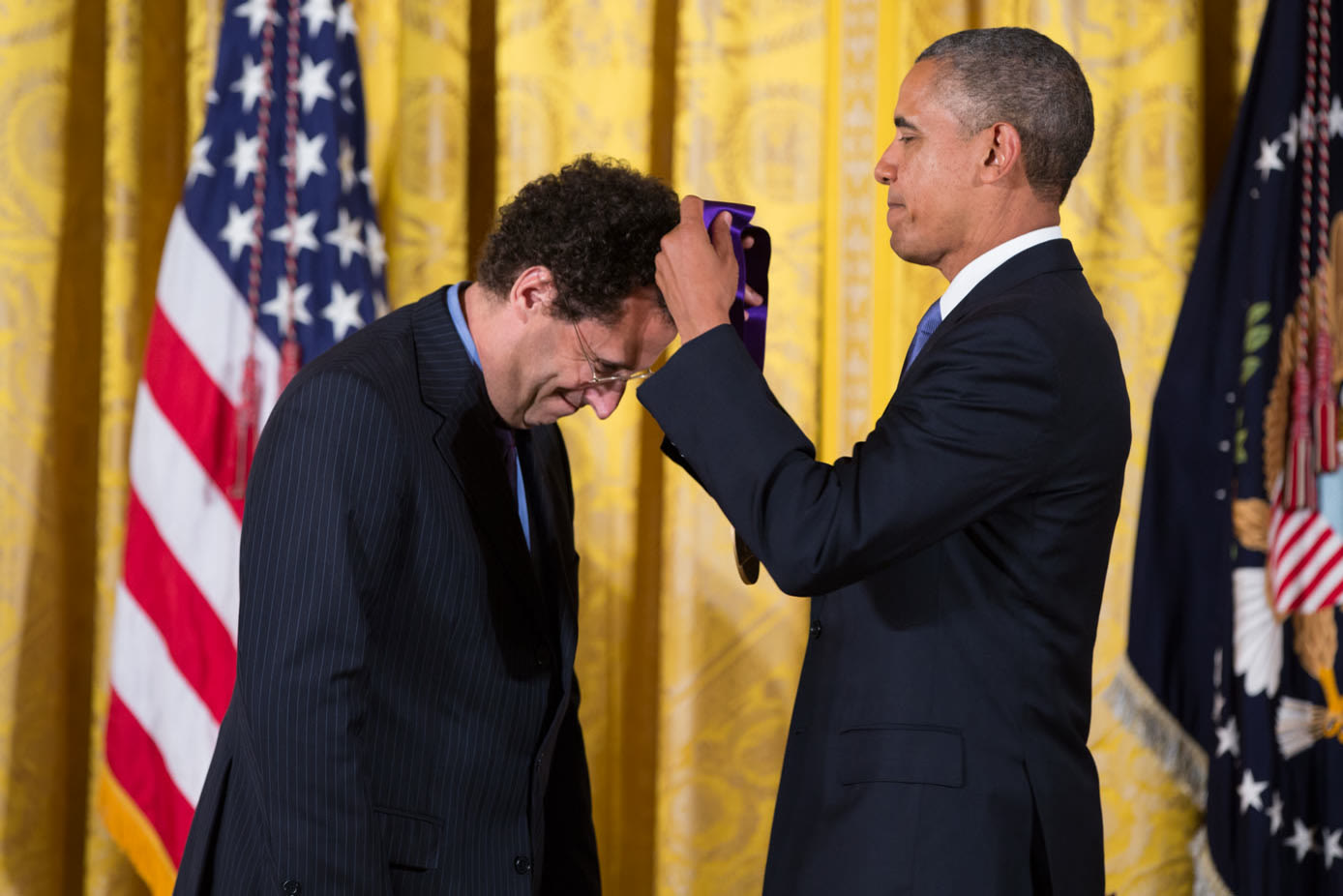
Robert Schenkkan’s The Kentucky Cycle and Tony Kushner’s Angels in America “won back-to-back Pulitzers in 1992 and 1993”, by broadway.org’s account the first time the drama prize went to plays produced outside New York. The Taper was “the place where Tony Kushner’s ‘Angels in America’ had its two-part world premiere”.
In 1994, the JTA recalled, “three out of four plays vying for the Tony Award were originally Taper productions.” Anna Deavere Smith’s Twilight: Los Angeles, 1992 also began here, a landmark of verbatim theatre made from real people’s words.
Renovation, pause, return
Davidson retired in 2005 and Michael Ritchie succeeded him. Then came “A $30-million renovation of the Taper, led by the L.A. firm Rios Clementi Hale Studios”, which put the entrance level with the plaza and cut capacity “from 745 to 739.” Christopher Hawthorne’s 2008 review of the renovated Taper describes the result, down to the new below-ground lounge.
Davidson died in October 2016, at 83. Ritchie said he had “produced one of the broadest arrays of plays, particularly new plays, of any theater in the country.”
In June 2023 Center Theatre Group paused production at the Taper. Audiences were down 20 to 40 percent and donations 20 percent from before the pandemic, and the Taper “remains the most expensive space they program”. The Los Angeles Times called it “the pause heard ’round the theater world.”
The theater reopened in October 2024 with Green Day’s American Idiot, directed by Snehal Desai, the company’s new leader.
The history of the Mark Taper Forum in dates
| Year | What happened |
|---|---|
| 1966-1967 | Welton Becket’s round theater built on the Music Center plaza |
| April 1967 | Opens with John Whiting’s The Devils |
| 1977 | Special Tony; The Shadow Box wins the Tony and the Pulitzer |
| 1984 | Three plays at the Olympic Arts Festival; Carplays with MOCA |
| 1992, 1993 | Pulitzers for The Kentucky Cycle and Angels in America |
| 2008 | $30 million renovation; seats from 745 to 739 |
| 2023 | Production paused |
| 2024 | Reopens in October with American Idiot |
Frequently asked questions
When did the Mark Taper Forum open?
In April 1967, as part of the Los Angeles Music Center. Its first play was John Whiting’s The Devils.
How many seats does the Mark Taper Forum have?
About 750 when it opened, and 739 since the 2008 renovation, which reduced it from 745.
Why did the Mark Taper Forum close in 2023?
Center Theatre Group paused shows there because audiences and donations had not recovered from the pandemic, and the Taper was its most expensive stage. It reopened in October 2024.