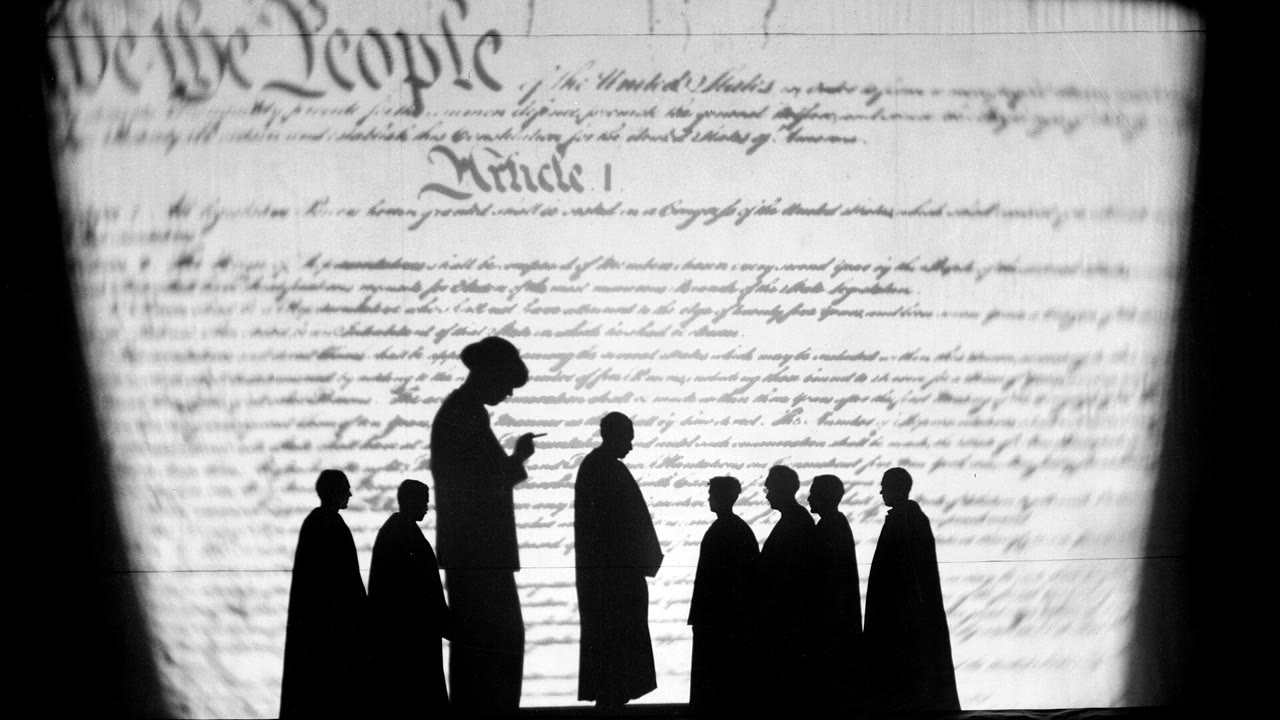
The Living Newspaper of the Federal Theatre Project: News on the Stage, 1935 to 1939
In March 1936 a government theatre in New York began staging the news. The Living Newspaper of the Federal Theatre Project turned farm policy, electric bills and slum housing into plays that cited their sources like reporters and moved like newsreels. It lasted barely three years, and Arthur Miller, as Susannah Clapp recalls in the London Review of Books, called it “the only new form that was ever introduced into the American theatre.”
Quick answer
What was the Living Newspaper?
The Living Newspaper was a kind of documentary play made by the Federal Theatre Project, which ran from 1935 to 1939. Teams of out-of-work journalists and dramatists, organized like a newspaper staff, turned current issues such as farm policy, electric power and slum housing into fast plays with projections, a narrator’s voice and often a call to action.
A theatre for the jobless
The Federal Theatre Project was “one of four Arts projects set up in the late summer of 1935 under the Works Progress Administration as a work relief program,” says a San Francisco Public Library finding aid. The relief administrator, Harry Hopkins, promised a “free, adult, uncensored” theatre.
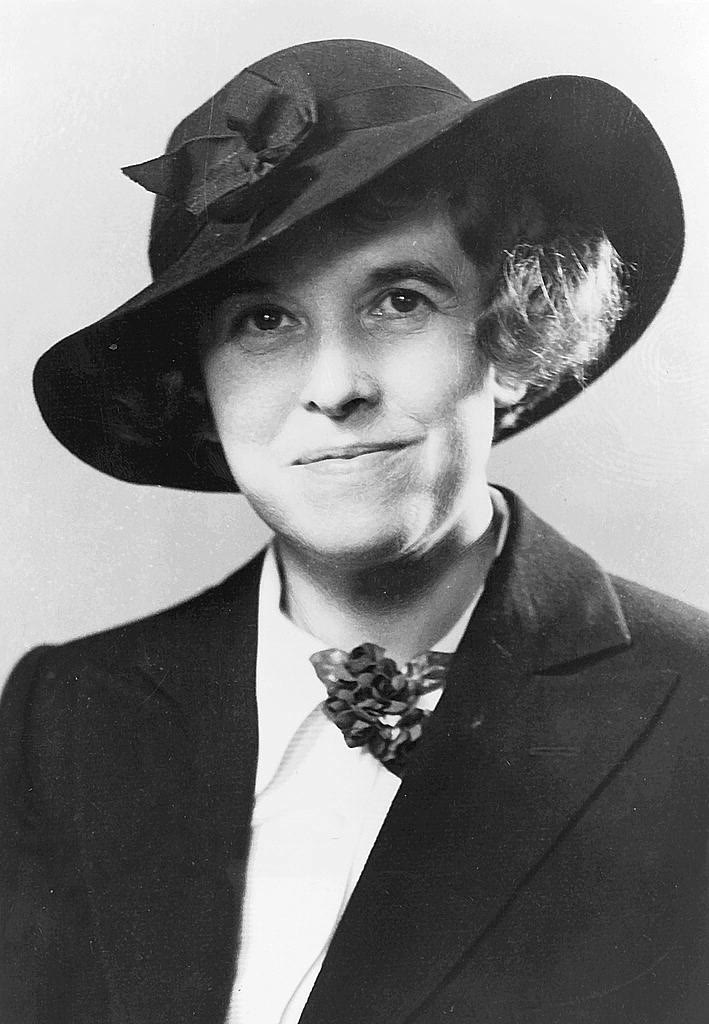
To run it he chose Hallie Flanagan, a Vassar teacher and “the first woman to win a Guggenheim fellowship.” Her Federal Theatre, she said, should “help reshape American life.” Clapp notes that “two-thirds of spectators had never before been to a theatre,” and Flanagan told Congress it had played to twenty-five million people.
How the Federal Theatre Project’s Living Newspaper was made
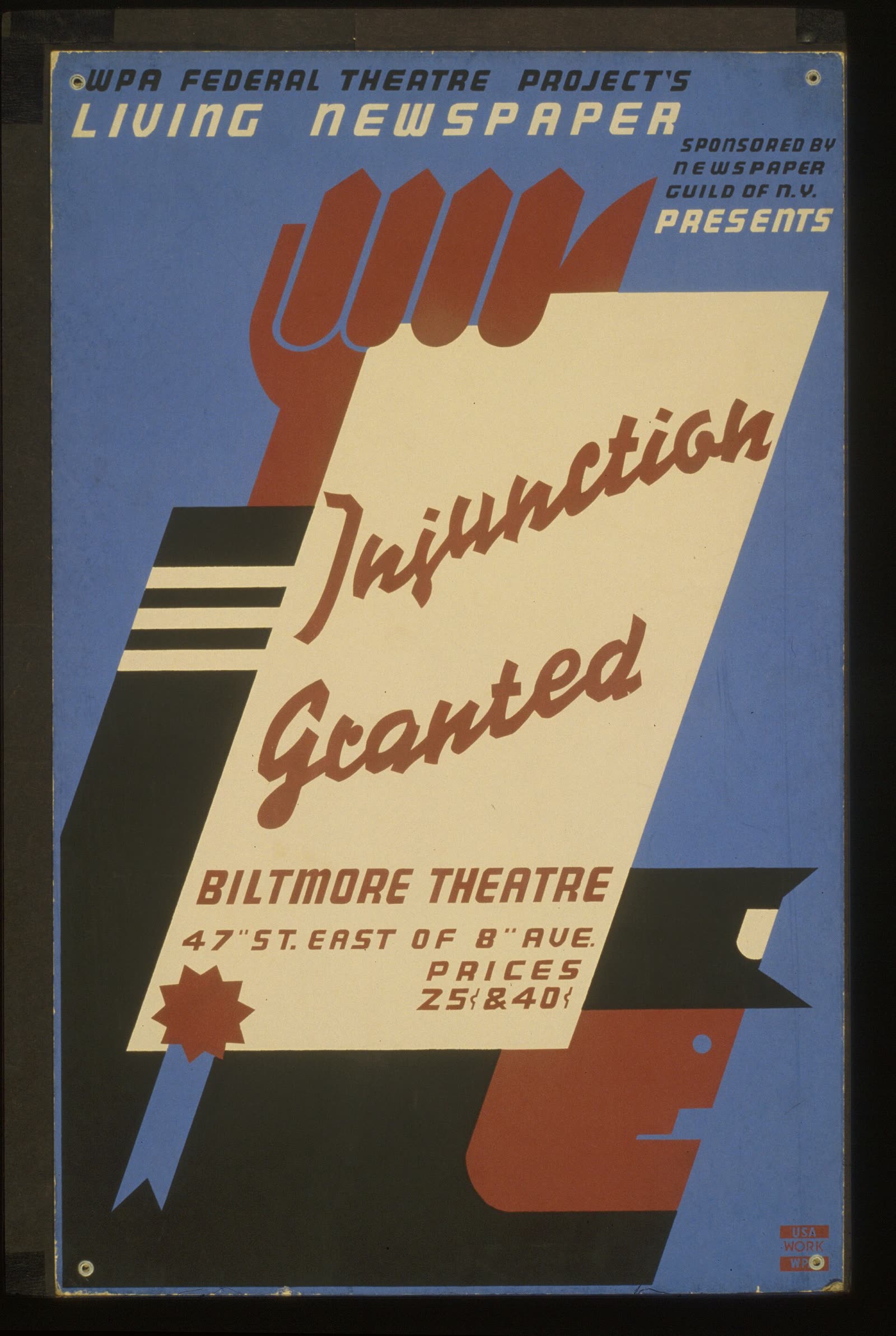
The form was “the brainchild of FTP national director Hallie Flanagan,” according to a University of Washington history. The New York headquarters worked with the American Newspaper Guild and sent scripts to regional units, and many writers came “from the ranks of unemployed journalists.”
A Federal Theatre bulletin of April 1936 set out the goal: a story “told with the objectiveness of an Associated Press news report and with the vividness of an acted play.” The process read like a city room.
| Newspaper job | Living Newspaper job |
|---|---|
| Board of editors | A round table picks and shapes the theme |
| Managing editor | The head dramatist breaks the subject into scenes |
| City editor | Runs the research and editing staff |
| Reporters | Research men with a deadline of two or three days |
| Rewrite desk | Ten rewrite men put the facts into dialogue |
| Press day | About four weeks from theme to stage |
Scripts were footnoted, and the Library of Congress notes that “Often the playbills were even formatted to look like newspapers.” The scholar Jordana Cox traces the form to the Soviet Blue Blouse troupes of street theatre and to Piscator and Brecht’s epic theatre.
Ethiopia, the edition that never opened
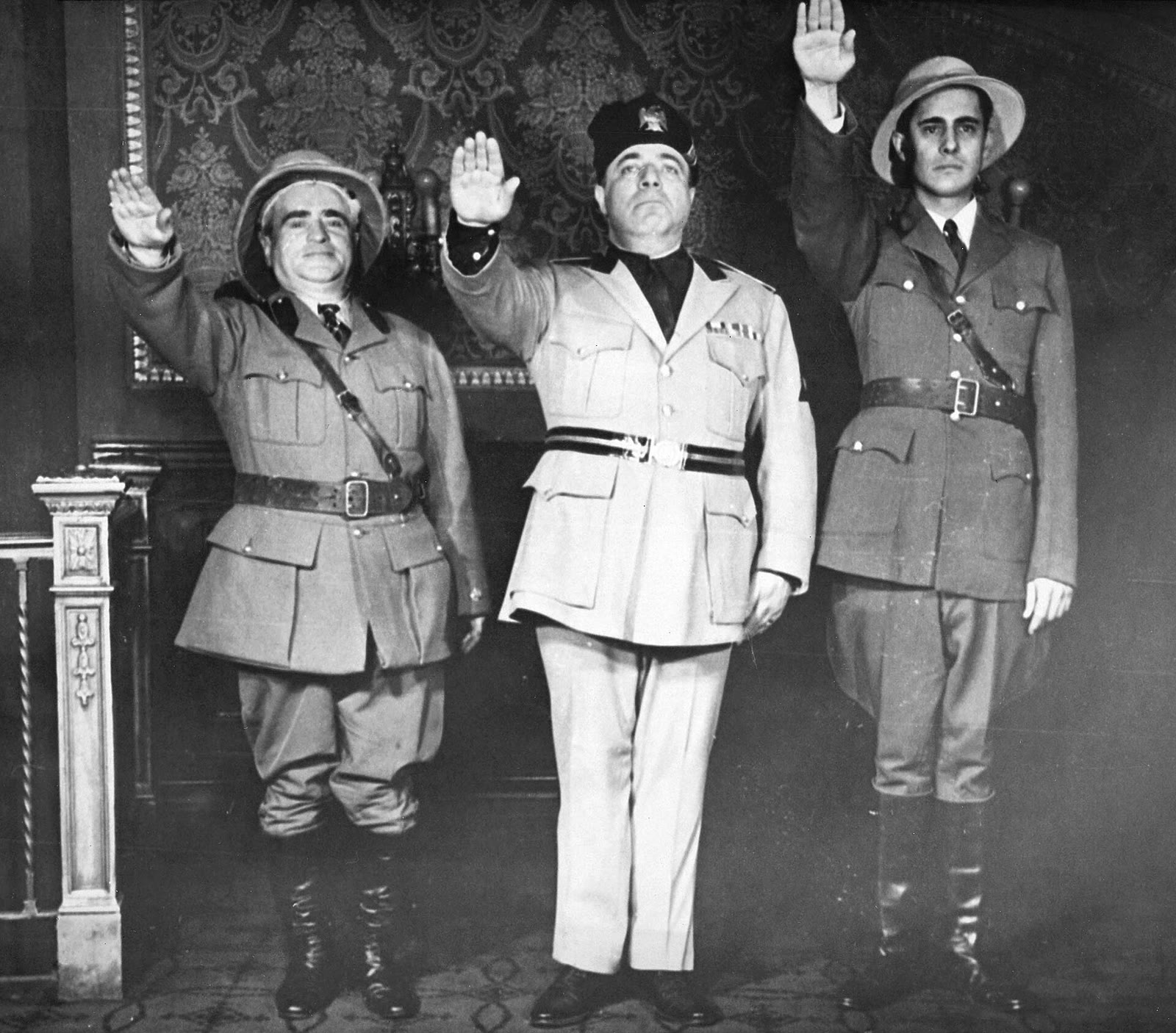
The first Living Newspaper planned was about Mussolini’s invasion of Ethiopia. Witham writes that “The government canceled her initial Living Newspaper, Ethiopia, because they did not want current heads of foreign governments” shown on stage. Elmer Rice, Flanagan’s regional director in New York, “resigned in protest of such blatant interference.”
Cox draws the lesson: the unit would need “more local, though not necessarily less contentious, subjects.”
Three famous editions
| Title | Opened | Subject | Device |
|---|---|---|---|
| Triple-A Plowed Under | March 14, 1936, New York | The 1933 farm act and the farm crisis | Figures as shadows on a screen |
| Power | February 1937, New York | Electricity and the utilities | Projected maps and headlines, a loudspeaker |
| One-Third of a Nation | 1938, New York | Slum housing | A burning tenement, the Voice and the Little Man |
Triple-A Plowed Under (1936)
Triple-A Plowed Under was “the first Living Newspaper that opened,” in New York on March 14, 1936, according to the Library of Congress. It showed the Agricultural Adjustment Act of 1933 and the farm crisis, and the Evening Star’s opening-night report read “one arrested, two evicted.”
Power (1937)
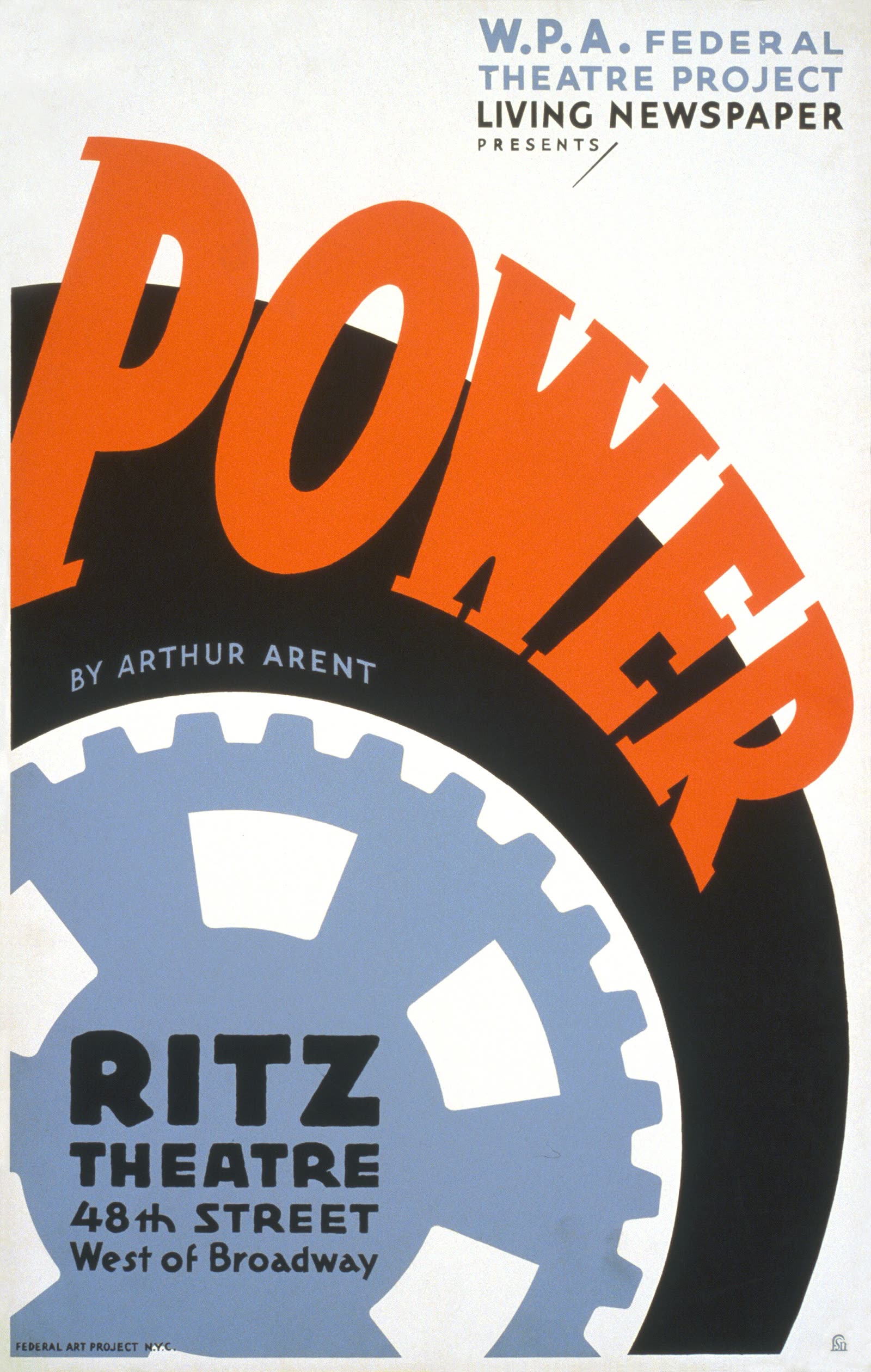
“The opening scene depicted a power failure,” says the IEEE History Center’s account of the Federal Theatre Project and Power. The show “relied primarily on projected scenery,” with statistics, headlines and maps, and a consumer called Angus K. Buttonkooper. It ended on a question mark and a loudspeaker asking “What will the Supreme Court do?”
Sixty thousand New Yorkers bought tickets before it opened in February 1937, and it ran for five months. The Nation wrote that “an accurate fact carefully aimed may be as deadly as a bullet”; Life called it “WPA public ownership propaganda.” In Seattle, the invitations looked at first glance like electric bills.
One-Third of a Nation (1938)
The one third of a nation play took its title from Roosevelt’s second inaugural address. It “opens as a fire breaks out in a crumbling tenement in New York,” and the Voice of the Living Newspaper pairs with Buttonkooper, now the Little Man.
Cox writes that the Little Man, “Emerging from the audience,” questioned the Loudspeaker and grew more capable as the play went on, “modeling an engaged public.” The form later fed verbatim theatre, which grew from documentary plays like these.
The Living Newspaper in San Francisco
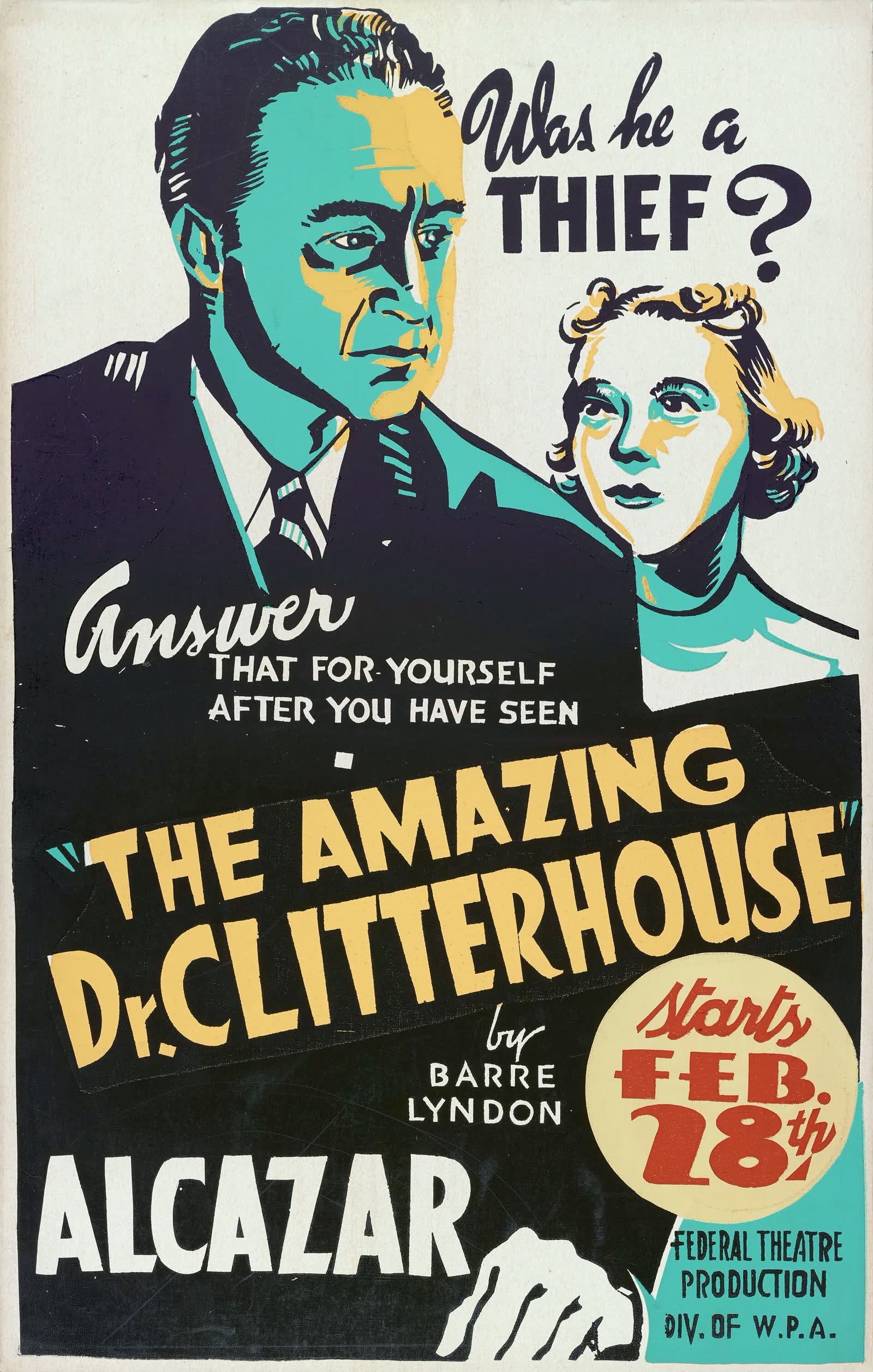
“The Federal Theatre Project came to San Francisco early in 1936, when it began to mount productions at the Alcazar Theatre,” the San Francisco Public Library’s finding aid records. San Francisco was one of the cities that staged its own Power.
In mid-February 1939 the project opened a theatre at the Golden Gate International Exposition on Treasure Island. It seated “only 473” and gave 75 performances. The collection holds a synopsis and six pages of research for a Living Newspaper about the Golden Gate Bridge.
“Is he a Communist?”: the Dies hearing and the end
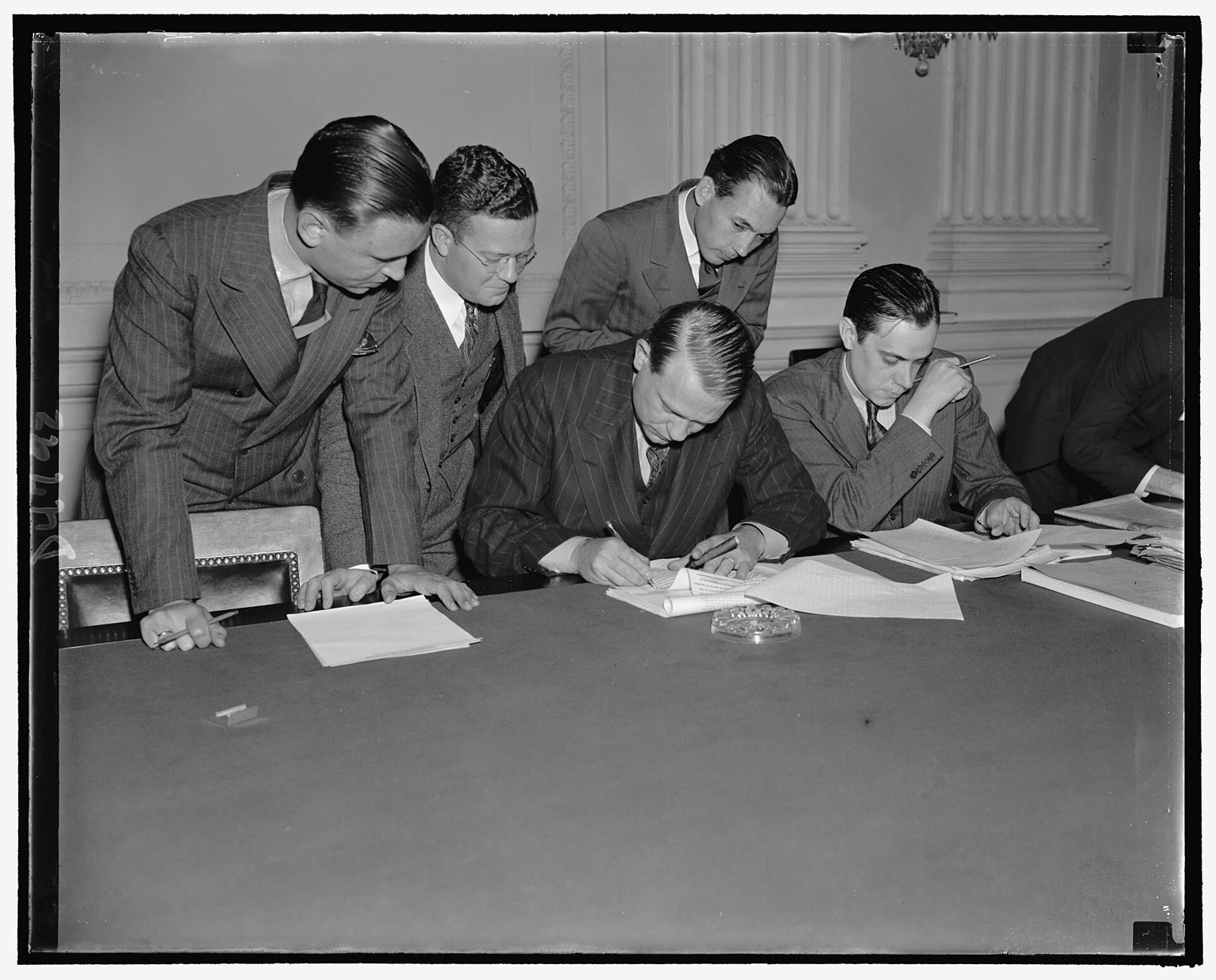
Clapp describes Martin Dies as “an eight-cigars-a-day, on-the-up congressman from East Texas” whose committee went after Federal Theatre scripts. Flanagan told it that she “had been engaged for four years in combating un-American inactivity.” When she quoted Marlowe, Mr. Starnes of the committee asked: “Is he a Communist?”
Her defence was plain: “we have never done a play which was propaganda for communism; but we have done plays which were propaganda for democracy, for better housing.”
The project “closed down nationwide on June 30, 1939.” Roosevelt called the cut “discrimination of the worst type.” Historians still debate how far the Living Newspapers caused it.
News in your ear: a Sausalito contrast
Decades later, Antenna Theater also built shows about social issues from documents and real voices. No source links Antenna to the Federal Theatre Project; the comparison is ours. Antenna’s old website filed four works under “Socio-Political,” and in 1985 Robert Hurwitt wrote of Chris Hardman: “Social criticism is central to most of his works.”
Vacuum, built from street interviews, began with the public. At Fairplay, Antenna’s 1985 San Francisco history at Fort Mason, Misha Berson wrote that audients were “invited to read blow-ups of newspaper articles covering some of the events.” Steven Winn found “a heavy didactic hand” in The Appearance of Civilization.
The difference is where the voice sits. The Living Newspaper put its Voice on a loudspeaker for the whole house and sent one Little Man up to ask questions. Antenna put the voices in each audient’s headphones, as in Etiquette of the Undercaste, with its “documentary interviews with people actually living on the streets,” and made every listener the one walking through the issue.
Frequently asked questions
What was the first Living Newspaper?
Ethiopia was planned first, but the government cancelled it. Triple-A Plowed Under was the first to open, in New York on March 14, 1936, according to the Library of Congress.
What was One-Third of a Nation about?
Slum housing. Its title came from Roosevelt’s second inaugural address, and the Voice of the Living Newspaper and the Little Man, Angus Buttonkooper, follow the housing problem from a tenement fire onward.
Why did the Federal Theatre Project end?
Congress ended it after the Dies Committee hearings, and it closed nationwide on June 30, 1939. Historians debate how much the Living Newspapers contributed.
For more, see Walkmanology and Antenna’s other new theater forms and the history of video art, from Paik to the Portapak.