What Is Street Theatre? A Short History, From Agitprop to Sausalito
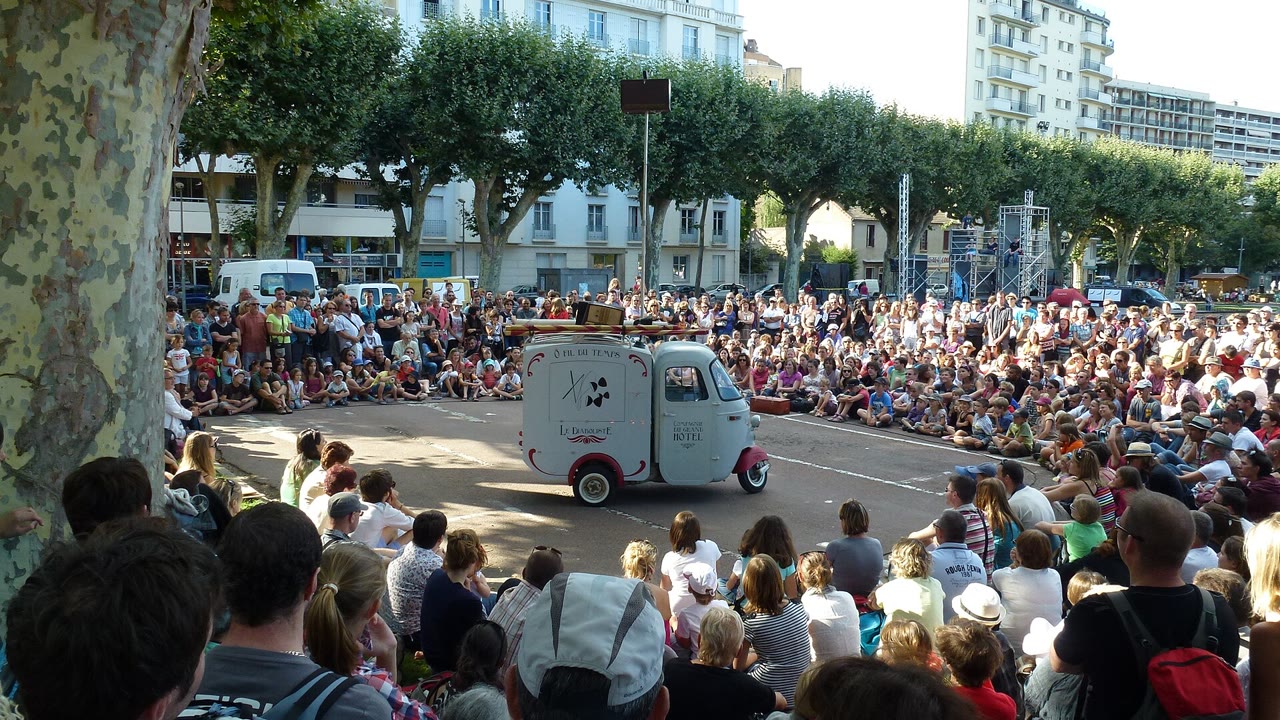
Nobody buys a ticket for street theatre. The audience is whoever happens to be walking past, and the show has a few seconds to catch them. Ask what is street theatre and you get two answers at once: a weapon for protest and a way for a town to celebrate itself. This guide follows both lines, and one Sausalito artist who worked in each.
Quick answer
What is street theatre?
Street theatre is live performance in public spaces such as streets, parks and squares, played for whoever passes rather than for a ticketed audience. It ranges from buskers to companies, and from political agitprop and guerrilla theatre to festive processions, using simple, loud, visual forms that can catch a crowd in seconds.
Street theatre, defined

The standard definition is simple: performance “in outdoor public spaces without a specific paying audience.” Performers “range from buskers to organised theatre companies,” and the stage can be a shopping centre, a car park or a street corner.
What sets it apart from a play in a park is that “there is no discrete space set aside (or roped off) and a ticketed audience.” Its radical wing has its own name. In 1973 Henry Lesnick described guerrilla theatre as “a radical political theater performed in the streets, in the schools, in shopping centers,” and “Often simply a version of what is widely known as Street Theatre.”
Old roots: processions, mystery plays and commedia
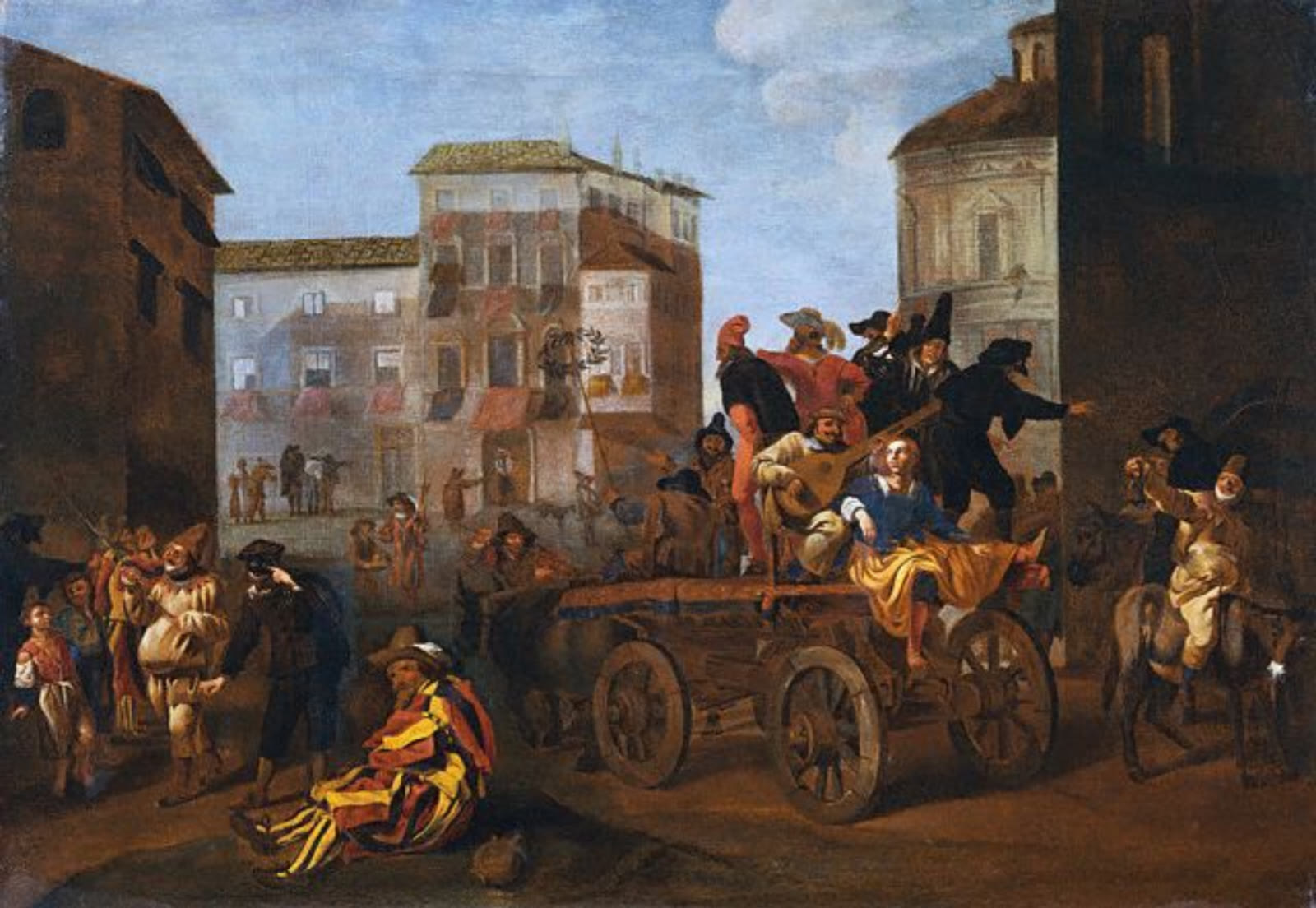
Street theatre is “arguably the oldest form of theatre in existence,” and its history runs through the medieval wagon plays told in our guide to medieval street plays and promenade staging. Commedia dell’arte is another root. By the early sixties the San Francisco Mime Troupe was performing “spoken plays with character archetypes drawn directly from the Commedia dell’Arte.”
Theatre as a newspaper: agitprop and the Blue Blouse
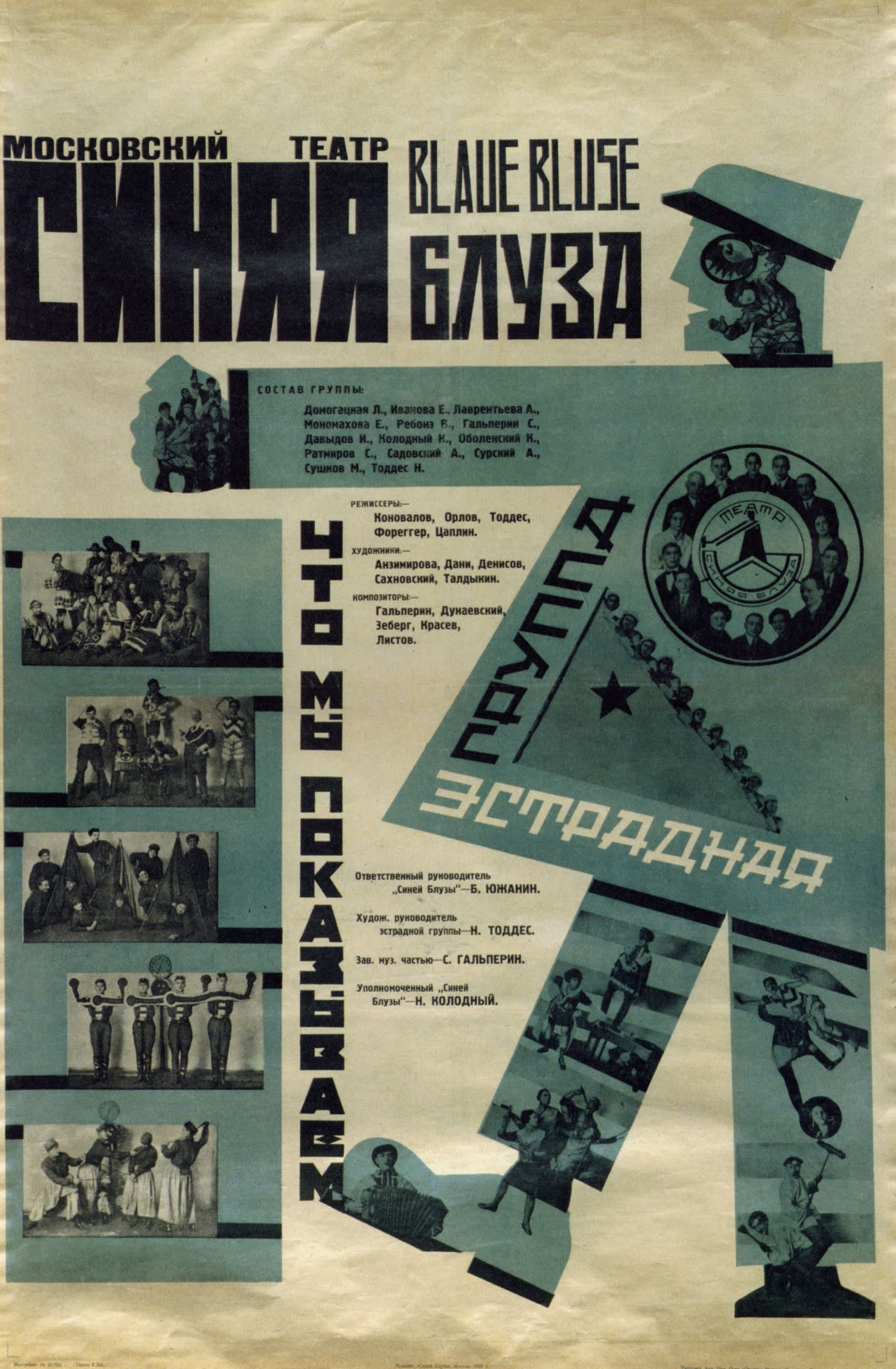
The political line starts in Soviet Russia. “Blue Blouse was founded in 1923 by Boris Yuzhanin an instructor at the Moscow Journalism Institute, and named after the factory workers’ overalls,” and it was often called a living newspaper. It defined itself as “a juicy hard-hitting and mobile theatre performing under any conditions.”
The movement grew fast. “At the height of its popularity there were said to be 5,000 collectives with 100,000 members.” They thrived between 1923 and 1927, after which they were absorbed into the Workers Youth Theatre.
California, 1965: parks, picket lines and an arrest

The San Francisco Mime Troupe was “Founded in 1959 by R.G. Davis,” and made the city’s parks its stage. In 1965 the city revoked its performance permit on grounds of “obscenity.” Its own San Francisco Mime Troupe history tells what came next.
On August 7, 1965, Davis tried to perform Il Candelaio in Lafayette Park, announcing: “Today for your appreciation, we perform an arrest.” The court case that followed “established the right of artists to perform uncensored in the city’s parks.” Bill Graham, then the troupe’s business manager, organized his first Fillmore dance as a bail benefit.
The same year, El Teatro Campesino was “Founded in 1965 on the Delano Grape Strike picket lines,” performing short actos (skits) on flatbed trucks. In 1985 the critic Robert Hurwitt grouped both with Bread and Puppet as troupes that moved theatre “into the parks of San Francisco, the vineyards of Delano and the streets of New York, respectively.”
Street theatre as celebration
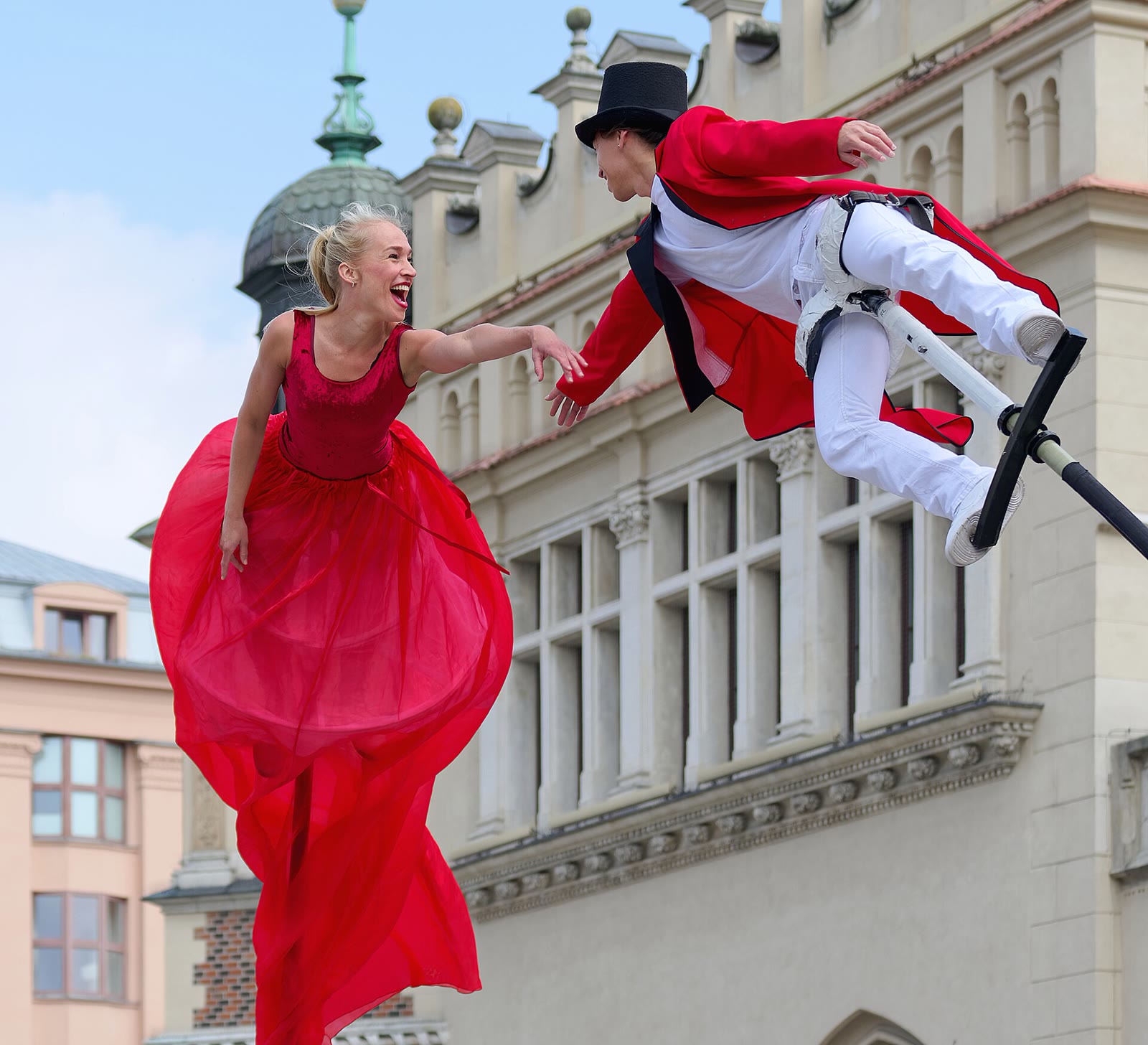
The festive line is just as old in spirit. Welfare State, founded in England in 1968, believed art “belonged on the street, in parks, in the everyday places where ordinary people spent their lives.” Its members called themselves “Engineers of the Imagination” and made more than five hundred productions before the company ended in 2006. The Ulverston Lantern Festival, which grew from its procession work, began in 1983.
In France, Royal de Luxe started in 1979 in Aix-en-Provence. By 1980, “Convinced that it was easier to reach an audience by going outside rather than dragging them into a room,” it took its show to the streets, as Royal de Luxe’s history of the company recalls. Its giants belong to the history of giant puppets in processions and protest.
| Kind | Purpose | Typical form | Example |
|---|---|---|---|
| Agitprop | Inform and agitate | Topical sketches, a living newspaper | Blue Blouse |
| Guerrilla theatre | Protest, provoke | Unpermitted or confrontational shows | San Francisco Mime Troupe, 1965 |
| Community celebration | Bring a town together | Processions and lanterns | Welfare State International |
| Spectacle in the city | Surprise passers-by | City-scale shows | Royal de Luxe |
Street theatre history in a Sausalito life: Chris Hardman
Street theatre examples usually come from big companies. A smaller, local one shows how the form fits into a working life: Chris Hardman, who founded Antenna Theater, returned to the street from the early 1970s to 2021.
| Year | Company or event | Place | What it did |
|---|---|---|---|
| 1923 | Blue Blouse | Moscow, then the USSR | Agitprop living newspaper troupes |
| 1965 | San Francisco Mime Troupe | Lafayette Park, San Francisco | Performed an arrest; won the right to play in the parks |
| 1965 | El Teatro Campesino | Delano, California | Actos on flatbed trucks for striking farmworkers |
| 1968 | Welfare State | England | Art on the street and in parks |
| 1980 | Royal de Luxe | France | Took its show outside |
| Early 1980s | Hardman’s masked campaign | Sausalito | Volunteers in masks of the candidate’s face |
| 2003 | Day of the Dead procession with Antenna | San Rafael | Costumed musicians and giant skeletons |
From Venice Beach to the waterfront wars
Esquire reported in 1986 that, back in Los Angeles in the early 1970s, Hardman “did some street theater in Venice Beach, made some masks for the local Renaissance Faire, and co founded a theatrical troupe called Snake.” The troupe’s later work is listed among Snake Theater’s productions.
In Sausalito the work turned political. “ANTENNA Theater started as a community Agit-Prop theater in response to the arrival of developers,” the archive says, with “singing secretaries asking Fat Rat to gentrify the joint.” Esquire also reported that one fight with developers landed Hardman in jail, and that bulldozers stopped before cardboard figures of parents holding infants.
An army of Hardmans: the masked campaign
In the early 1980s Hardman ran for the Sausalito city council. Esquire wrote that he kept a promise to shake every hand in town “by outfitting his volunteers with masks of his own face,” so that “Sausalito woke to an army of Hardmans on the side-walks, malls, wharves, and parking lots.” There were fifty volunteers, according to Hurwitt.
Processions: Bay Day, Day of the Dead, Calafia
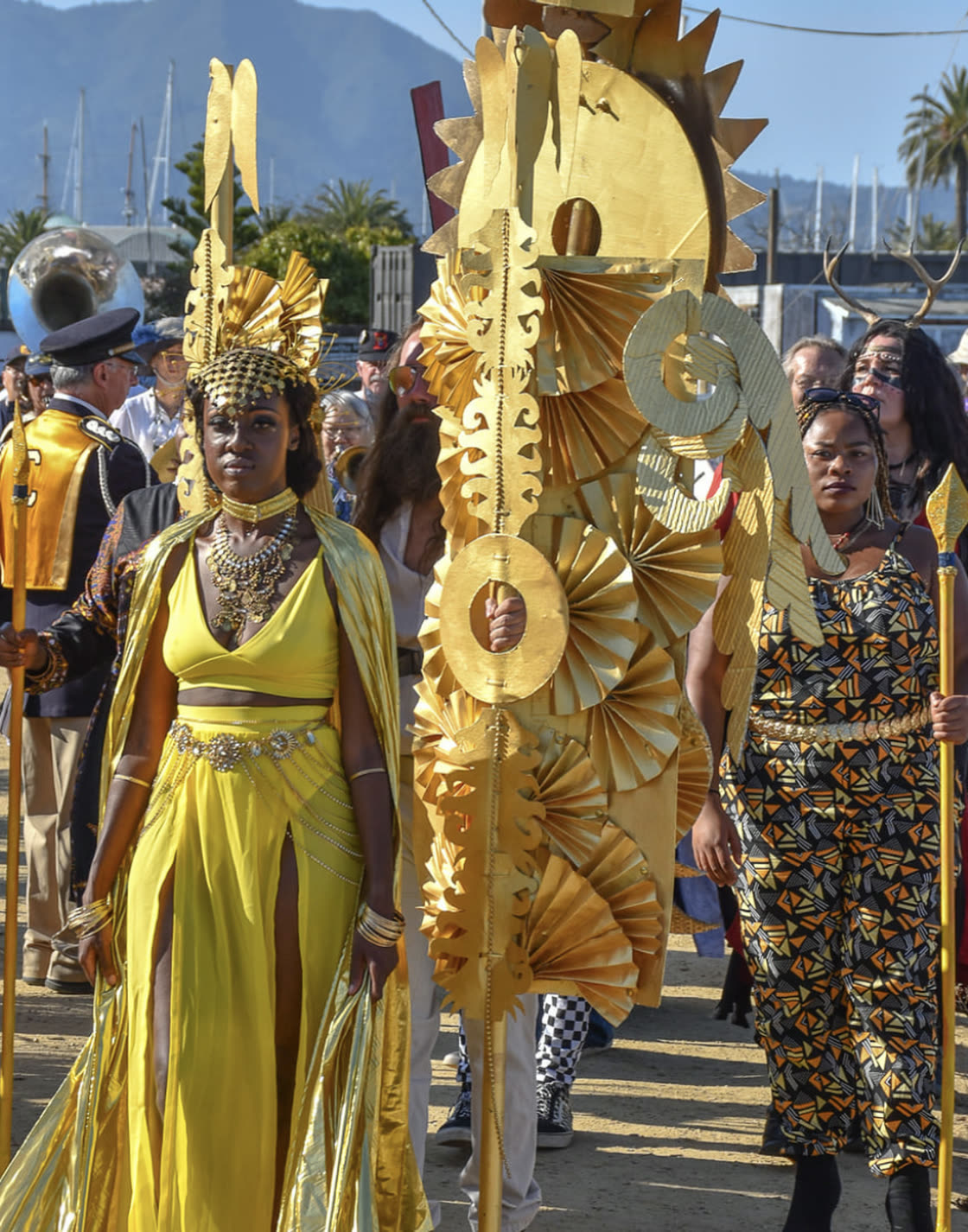
Annette Rose explained Antenna’s return to processions in 1991: “Chris was looking to reconnect with the audience and was interested in participating in parades and pageants again.” In 2003 Antenna’s “costumed musicians and giant skeletons” joined San Rafael’s Day of the Dead procession through the Canal neighborhood.
In 2021 the procession took to the water. “On Sunday, October 3rd, 2021, Queen Calafia returned to California,” sailing under the Golden Gate Bridge with a parade of boats and landing in Sausalito. Antenna’s civic festivities also include Big Bang, Antenna’s millennium celebration in Sausalito.
Frequently asked questions
What is the difference between street theatre and guerrilla theatre?
Guerrilla theatre is the political, confrontational kind of street theatre, performed anywhere people gather, from streets and schools to shopping centers.
Do street performers need permission?
Often, yes. In 1965 San Francisco revoked the Mime Troupe’s park permit, and the court case that followed established the right of artists to perform uncensored in the city’s parks.
What are famous street theatre companies?
The San Francisco Mime Troupe (1959), El Teatro Campesino (1965), Bread and Puppet, Welfare State International (1968 to 2006) and Royal de Luxe (1979).
Did Antenna Theater do street theatre?
Its founder did, from Venice Beach in the early 1970s to a masked council campaign in Sausalito, and Antenna later joined processions such as San Rafael’s Day of the Dead in 2003.
Street theatre shares ground with two neighbouring forms: devised theatre, made by the company rather than from a script, and the happening, the 1960s art event. For Antenna’s own inventions, see Walkmanology and Antenna’s other new theater forms.