History of SOMArts, San Francisco: From SOMAR to Today
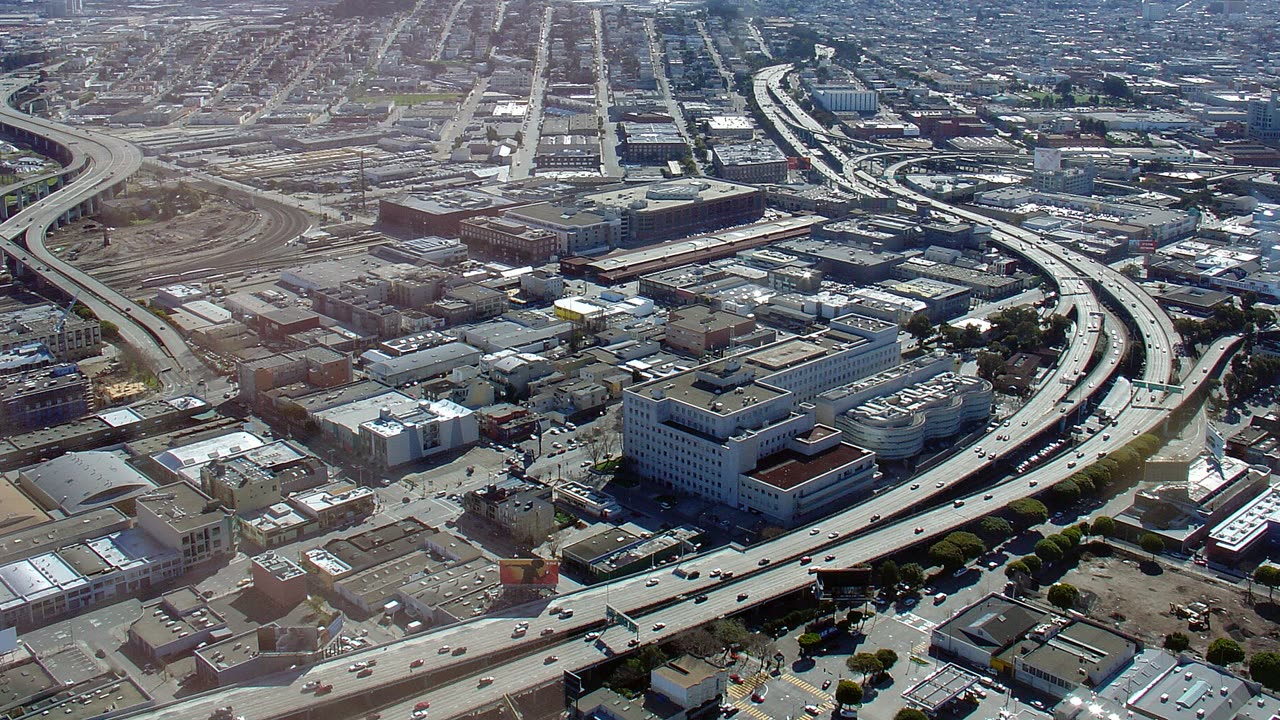
Under the freeway on Brannan Street sits a warehouse full of galleries, studios and a theater. Its story is often told through the Day of the Dead show or a giant Burning Man in the gallery, but it begins with a 1967 city program, and it passes through several names on the way.
Quick answer
What is the history of SOMArts?
SOMArts grew out of San Francisco’s 1967 Neighborhood Arts Program, which ran city art services from a building on Brannan Street. It became an independent nonprofit in 1979, was known as SOMAR in the 1980s and 1990s, and took the name SOMArts in 1998. It is one of the city’s cultural centers.
A city program and a Brannan Street building, 1967 to 1979

In 1967 the San Francisco Arts Commission created the Neighborhood Arts Program “to promote community by providing funding for the arts that reaches beyond the city’s established arts institutions.” Under Martin Snipper, the city bought “the 26,000-square-foot Brannan Street building that became home to Support Services for the Arts.”
Those services were practical: a Mural Resource Center, which “supported artist Mike Rios’ mural that became a Carlos Santana album cover”, a Costume Bank “home to over 3,000 costumes and accessories”, Graphic Services, and Technical Services that helped build stages and design sound and lighting. In 1975 the city set aside “$2.5 million” to form ten neighborhood cultural centers, and federal CETA money paid staff and “more than 100 working artists”.
Then in 1978 Proposition 13 brought “a 75% budget cut for CETA-funded employees”. Supporters formed Friends of Support Services for the Arts, and “FSSA became an independent 501(c)3 organization in August 1979.”
The building’s own past is less certain. The director Maria Jenson has called it a “1920s industrial building” that “was formerly a shipbuilding warehouse”; a Wikimedia Commons description calls it a former Western Pacific freight house, and no planning record we found settles it.
Bernice Bing and the South of Market Cultural Center
In 1980 the artist Bernice Bing became director of the South of Market Cultural Center, one of four centers “created with the 1975 endowment”. SFAQ’s 2013 profile of Bernice Bing says she served “until 1985”; the center’s timeline says she resigned in 1984.
Born in 1936, Bing had studied under “Nathan Oliveira, Saburo Hasegawa, Richard Diebenkorn” and had worked in the Neighborhood Arts Program and for CETA before taking the job. She died in 1998, at 63.
Bing started the exhibitions program with 19 graduates of the San Francisco Art Institute. In 1984 a memorandum of understanding split the work: “FSSA takes on the fiscal responsibilities, while SFAC focuses on maintaining the facilities”.
SOMAR in 1988: a maze by appointment
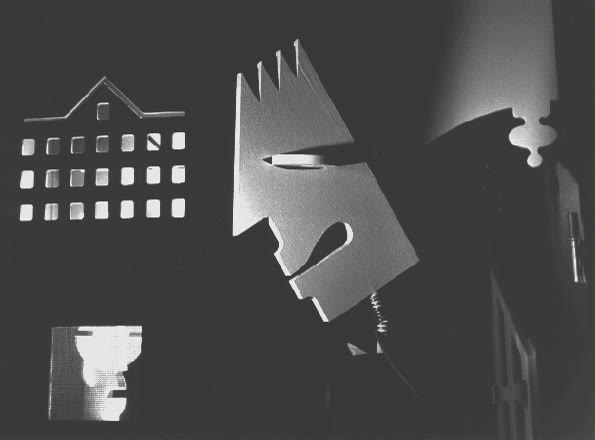
In autumn 1988 Antenna Theater opened Etiquette of the Undercaste, Antenna’s walk-through about homelessness, at what the San Francisco Chronicle called “the South of Market Cultural Center (SOMAR)”. Visitors with a Walkman walked through a life on the street, in the form now called a theatre installation.
The Chronicle told readers they could “wire up and walk through” the piece with advance reservations, from 1 to 9 p.m. on Thursdays and Sundays and until 10 on Fridays and Saturdays. A London critic headed his review “SOMAR, San Francisco” and noted: “The box office books appointments, at 15-minute intervals.”
Those reviews matter for the center’s own story, because they show the SOMAR name in print years before the date its timeline gives. The maze later travelled as far as the Smithsonian’s Experimental Gallery in Washington, and it belongs to San Francisco’s performance art history.
Jack Davis, Burning Man and the Day of the Dead
From 1990 the center went through “a period of financial difficulty and administrative instability”. In 1992 Jack Davis, “a long-time champion of neighborhood arts and former director of Intersection for the Arts”, stepped in, and he became director in 1993. Programming grew to include the National Queer Arts Festival, the United States of Asian America Festival and SF Indie Fest. The Costume Bank and Graphic Services closed, and the focus shifted “to providing affordable space, staging and production assistance”.
In 1994, by the center’s account, “The first large-scale Burning Man art installations take place at SOMArts”, with “an immense Burning Man” in the vaulted gallery, an early step in the history of art at Burning Man. Jenson put it more boldly in 2020: “The very first prototype of the actual Burning Man was exhibited there.”
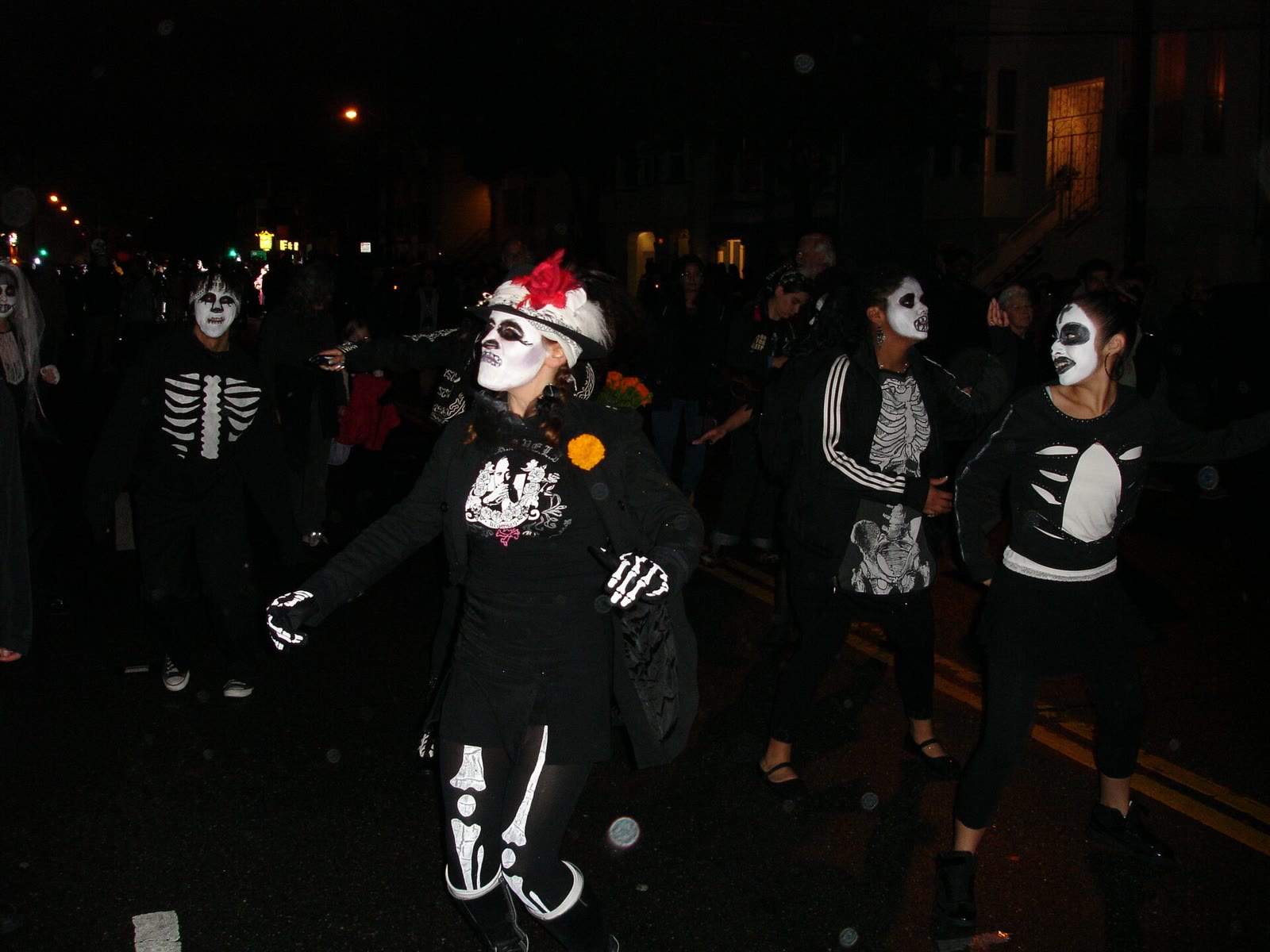
In 1999 the artist and curator René Yañez founded the Día de los Muertos exhibition, now “one of the Bay Area’s longest-running annual Dia de los Muertos exhibitions”. Mission Local has described Yañez as “widely credited with bringing the tradition of dia de los muertos to live in San Francisco”. He brought it to SOMArts “Through Jack Davis”. Davis died after a car accident in September 2007.
SOMArts since 2008
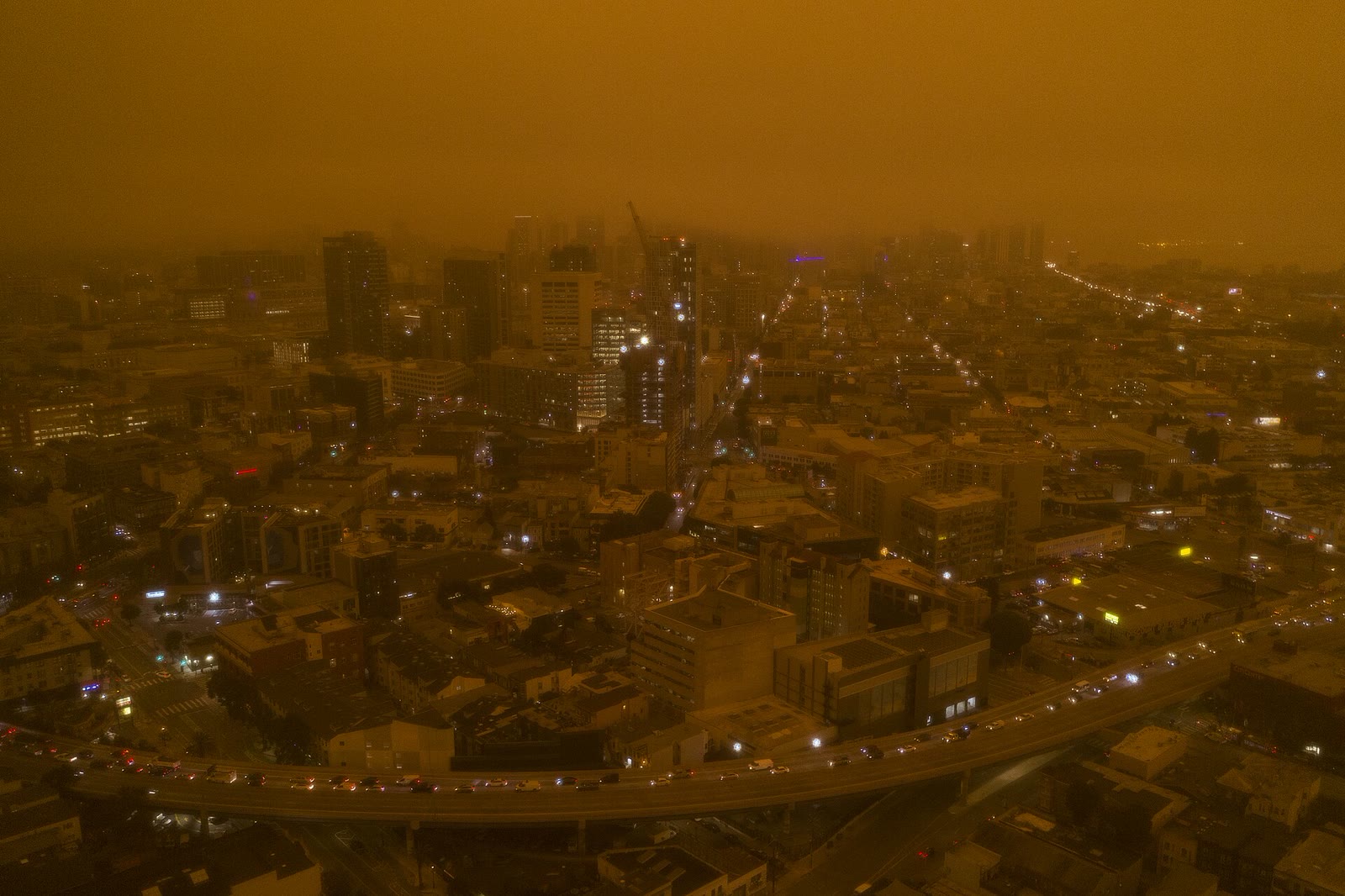
Lex Leifheit became director in late 2008. Volunteers renovated “the lobby, theater, classrooms, and garden” in 2009, and the Commons Curatorial Residency began in 2010. Maria Jenson took over in 2016. The city’s Arts Commission describes the building as a “26,000 SF facility with two floors, a 350-seat theater, two galleries, dance/ceramic/print studios, and three classrooms”.
In November 2018 voters passed Proposition E, “restoring the historic Hotel Tax allocation for arts and cultural programming”.
The fortieth anniversary in 2019 brought the show Building the Building, curated by Kevin B. Chen and Rio Yañez, René’s son. Chen wrote that “physical buildings still play a crucial role in developing and sustaining community.” The center closed its doors on March 17, 2020, and moved its programs online.
In March 2026 Mission Local reported that a 10 percent cut in city funding meant “a loss of around $90,000, in the case of SOMArts”.
One building, four names
SOMArts stands for “South of Market Arts, Resources, Technology, and Services”. The press was calling the center SOMAR by 1988; the organization’s own timeline dates that name to the early 1990s and the switch to SOMArts to 1998, made because, in its words, “another company uses the name SOMAR”.
| Name | When it appears | Source |
|---|---|---|
| Support Services for the Arts | From the city purchase | SOMArts timeline |
| South of Market Cultural Center | 1980 onward | SOMArts timeline; SFAQ |
| SOMAR | In print by 1988; formally early 1990s | San Francisco Chronicle; SOMArts timeline |
| SOMArts | 1998 to today | SOMArts timeline |
SOMArts in dates

| Year | What happened |
|---|---|
| 1967 | The Arts Commission launches the Neighborhood Arts Program |
| 1979 | The nonprofit becomes independent, in August |
| 1980 | Bernice Bing becomes director; exhibitions begin |
| 1988 | Antenna Theater’s Etiquette of the Undercaste opens at SOMAR |
| 1994 | First large Burning Man art installations in the gallery |
| 1998 | SOMAR becomes SOMArts |
| 1999 | René Yañez starts the Día de los Muertos exhibition |
| 2010 | Commons Curatorial Residency begins |
| 2026 | City funding cut of about $90,000 reported |
For the full record, the SOMArts historical timeline runs year by year with photographs, and Antenna’s 1988 run has its place in Antenna’s chronology.
Frequently asked questions
What does SOMArts stand for?
South of Market Arts, Resources, Technology, and Services.
When was SOMArts founded?
It grew from the city’s 1967 Neighborhood Arts Program and became an independent nonprofit in August 1979.
Was SOMArts once called SOMAR?
Yes. The press used SOMAR by 1988, and the center officially became SOMArts in 1998.
When did the Day of the Dead exhibition start?
In 1999. Its founder brought the show to SOMArts through the director Jack Davis.