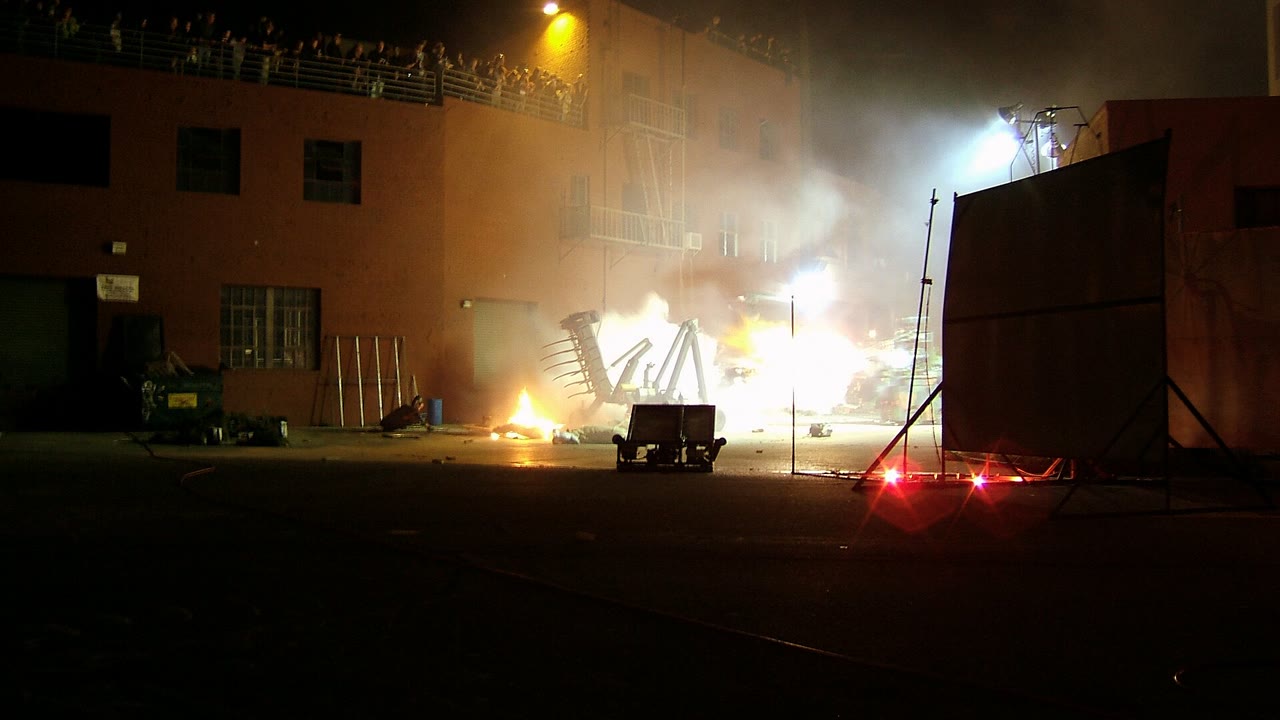
Survival Research Laboratories: A History of Mark Pauline’s Machine Shows
Since 1979, Survival Research Laboratories has put on shows in which the performers are machines: walking robots, flame throwers, shock-wave cannons and the occasional catapult. This guide to Survival Research Laboratories history runs from a North Beach gas station to a New York gallery, with the bans set out as the sources tell them.
Quick answer
What is Survival Research Laboratories?
Survival Research Laboratories (SRL) is a machine-performance group founded by Mark Pauline in San Francisco in November 1978. Since its first show at a North Beach gas station in 1979, it has staged loud, fiery battles between robots and machines built from industrial and military cast-offs, with humans only as audience or operators.
A welder with a spray can (1977-1978)
The New York Times called Mark Pauline “a native Floridian and journeyman welder who moved to San Francisco in 1977 to be an artist.” He started on billboards: one Army recruiting placard that read “We’ll pay you to learn a skill” was altered to read “We’ll pay you to kill.”
SRL’s own site says the group “was conceived of and founded by Mark Pauline in November 1978.” Ceci Moss writes that he took the name from a 1970s issue of Soldier of Fortune, and that SRL grew out of the city’s industrial music scene, a strand of San Francisco performance art in the 1970s and 1980s. In 1983 he told RE/Search the method: “Taking equipment and remanufacturing it, turning it against its engineer’s better wishes.”
Machine Sex at a North Beach gas station (1979)
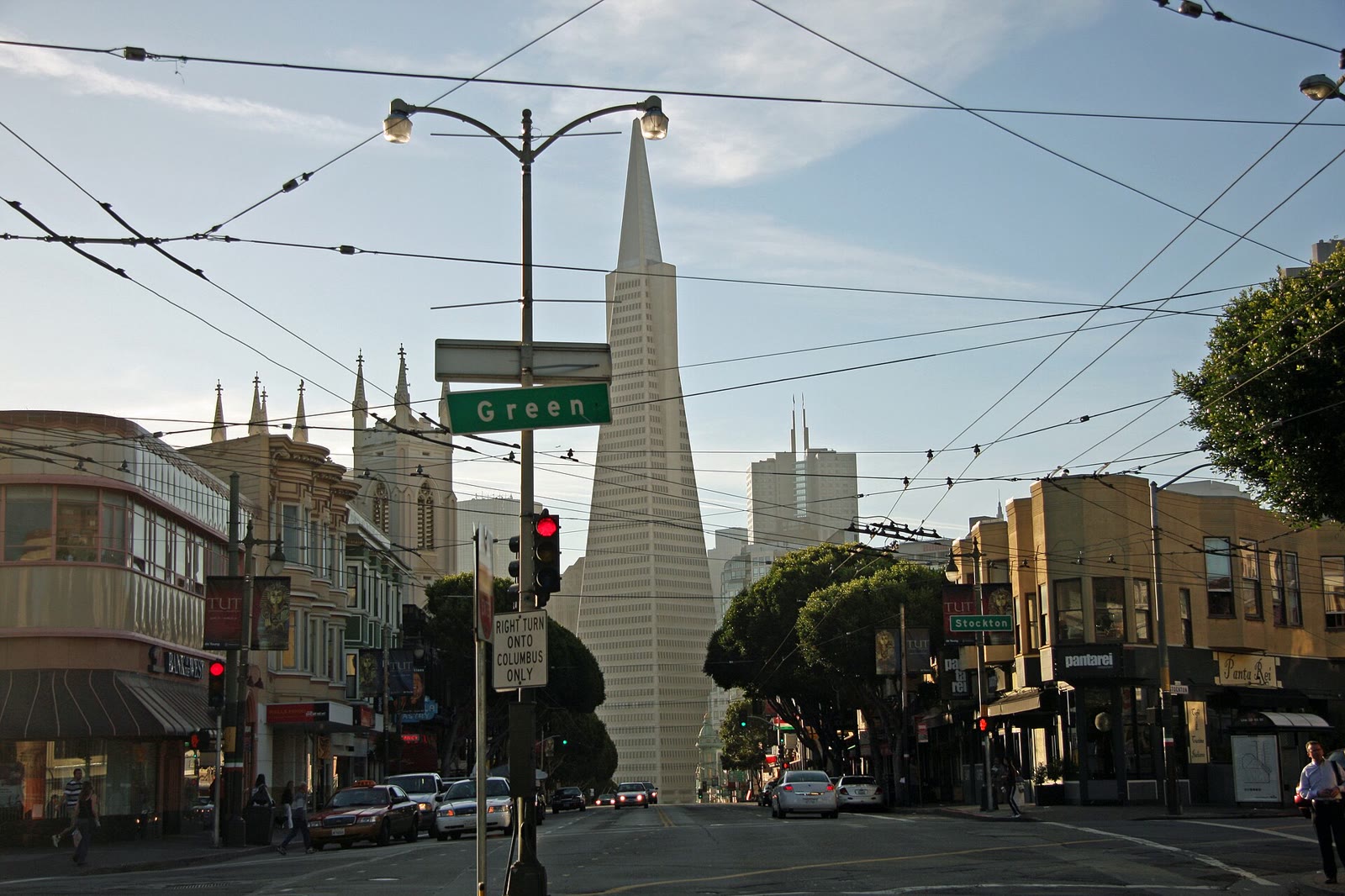
The first show, Machine Sex, took place in February 1979 at a Chevron station at Columbus and Green in North Beach. Pauline paid the owner $40 for the space, the Phoenix New Times reported, and the cast list ran to “dead pigeons, several small robots, ten pounds of black-snake fireworks.”
Lamia Priestley of Tetragrammaton describes the star as The Demanufacturing Machine, “a creation built of sharp blades, a conveyor belt, a plastic dome and an ejector.” The pigeons were dressed as “OAPEC dignitaries”, and Priestley reads the setting, in the months of the oil crisis, as political commentary. One onlooker, quoted by Tetragrammaton, put it simply: “when you see an SRL show, you either see God or the insides of your eyelids.”
Rocket fuel, a guinea pig and Shea Stadium (1982-1988)
In 1982 a rocket-fuel explosion badly injured Pauline’s right hand, and surgeons grafted two of his toes onto it (Phoenix New Times, 1996). Moss writes that in the 1980s he built the Stu Walker, steered by his pet guinea pig Stu and “probably the first animal-controlled robot in performance.”
In May 1988 SRL took over the parking lot at Shea Stadium in Queens for Misfortunes of Desire Acted Out at an Imaginary Location Symbolizing Everything Worth Having. The New York Times reported a $30,000 budget and 22 tons of equipment, including “a 12-foot shock wave cannon” and a catapult. Creative Time’s page on the 1988 Shea Stadium show says it “pummeled the audience with the reality of a violence usually limited to the news media.”
Bibles, a museum and a fire (1990-1992)
In August 1990 Artpark, a public arts facility in Lewiston, New York, cancelled an SRL show after Pauline asked the public for Bibles to cover a “love goddess machine” that would then be burned. SRL sued the state and accepted a $10,000 settlement in 1994.
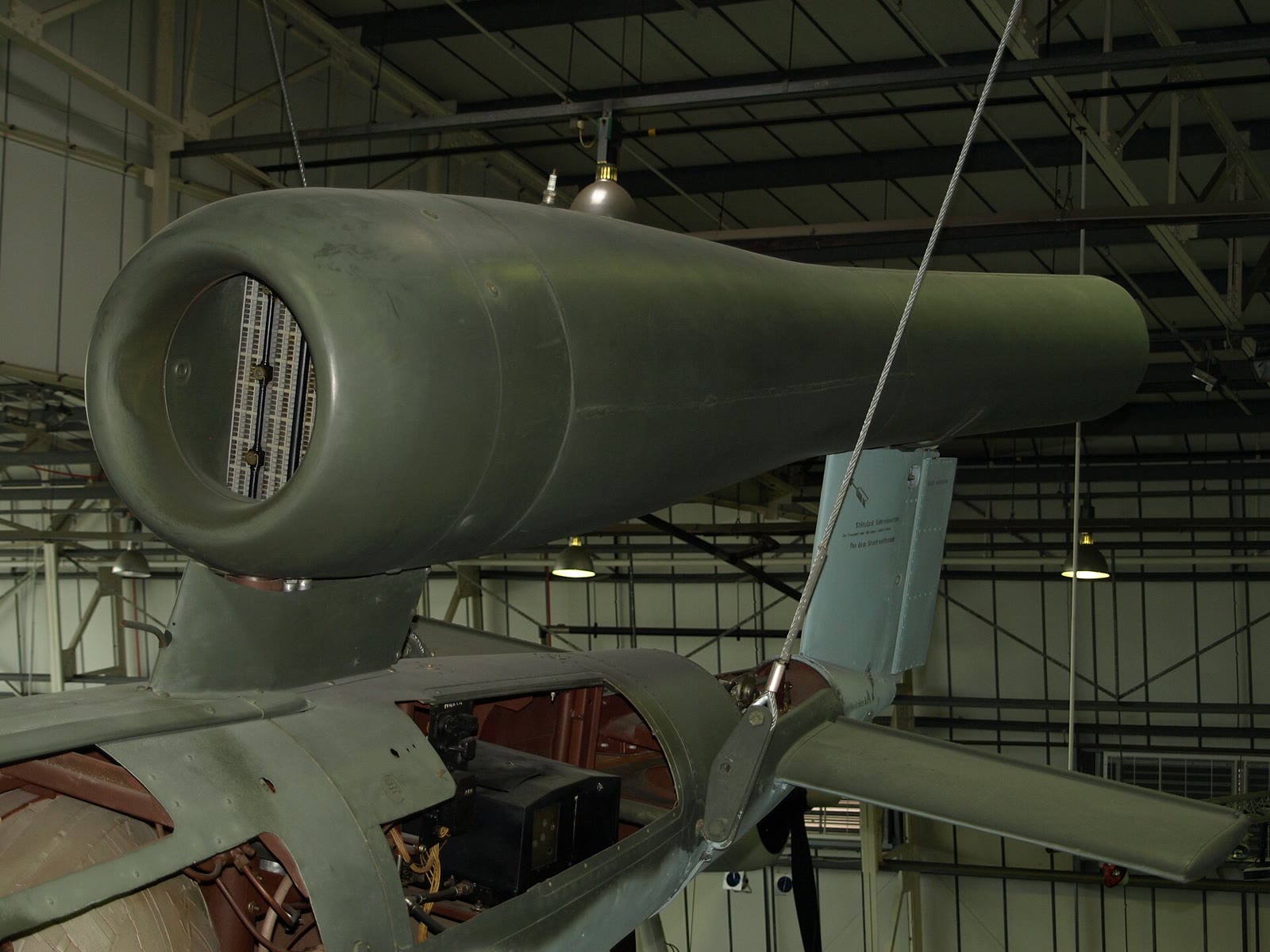
On April 8, 1992, SFMOMA hired SRL for its groundbreaking. A model city smoked until it was destroyed by “several blasts from a vintage V-1 German rocket engine converted into a mobile cannon.” The show started a fire, the fire department cited Pauline (a $60 fine), and a passing driver sued over hearing loss; SRL’s insurer settled.
What an SRL show is like
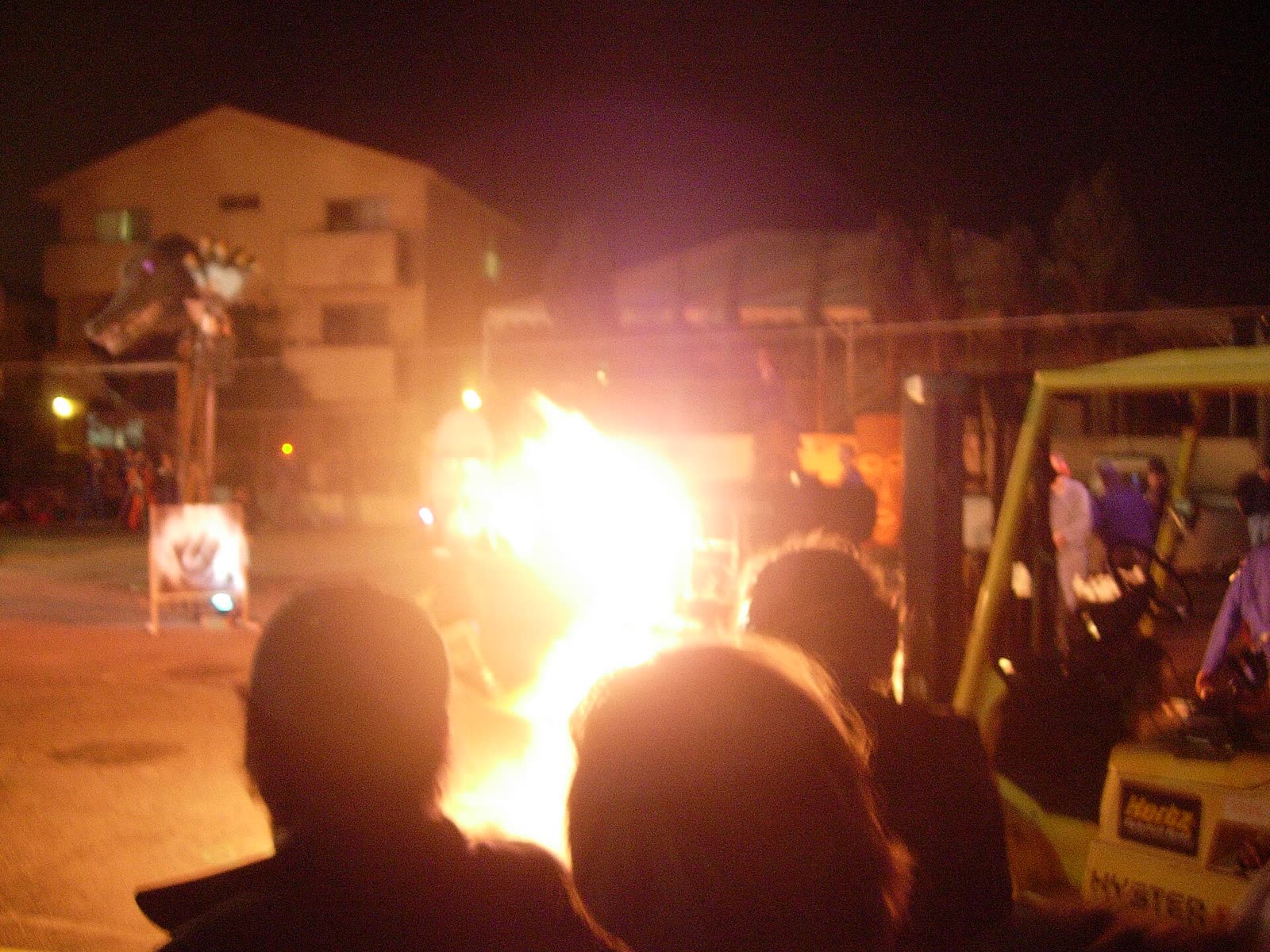
Bruce Sterling watched a 1996 show in Phoenix with about 1,400 people and wrote it up in Wired’s eyewitness account of an SRL night. “It isn’t drama; there are no human beings, no dialog, scarcely a script,” he wrote.
Pauline agreed about the words: “There’s no language in the shows.” Critics called the shows “cyberpunk monster-truck rallies”, the Phoenix New Times noted. Pauline’s answer was modest: “I just hope to spur people to look at things differently.”
Banned at home (1992-2016)
After the SFMOMA citation, SRL could not get a legal show in its home city for most of the next quarter-century. Crime Wave, an unpermitted show under the Bay Bridge in November 1995, ended with 13 citations. By 1996 Sterling described Pauline as “all but banished from San Francisco.”
In 2011 the fire department, citing a 1989 show called Illusions of Shameless Abundance, said SRL would no longer be allowed to perform in the city. Then in 2016 Pauline got a permit for a “secret show”, and Moss writes that he felt the city’s Entertainment Commission understood his work for the first time.
Machines on the internet, and in galleries (1997-2018)

In 1997 Pauline, Eric Paulos and Karen Marcelo let web users fire machines in San Francisco and Tokyo, which Moss calls the very first system of its kind. Robodock in Amsterdam and a Maker Faire demonstration followed in 2007, and in 2018 a Chelsea gallery show was billed as SRL’s first New York event in 30 years.
Gray Area’s biography says Pauline is “acknowledged as a major influence” on BattleBots and Robot Wars, though he prefers “a more anarchic approach” to rules-bound contests. He now works from a garage in Petaluma. Fire on a big scale has another Bay Area story in our history of art at Burning Man, though no source here connects the two.
Survival Research Laboratories history: a timeline
| Year | Event |
|---|---|
| 1978 | SRL founded in November |
| 1979 | Machine Sex at a Chevron station in North Beach (February) |
| 1988 | Misfortunes of Desire, Shea Stadium parking lot (May) |
| 1990 | Artpark cancels the Bible show; settled in 1994 |
| 1992 | SFMOMA groundbreaking fire and citation; Graz |
| 1995 | Crime Wave under the Bay Bridge; 13 citations |
| 2011 | Fire department refusal; SOMArts show cancelled |
| 2016 | A permitted show in San Francisco |
| 2018 | First New York event in 30 years |
A Bay Area contrast: a show without actors

SRL was not the only Bay Area company at a gas station in 1979. That August, Snake Theater, the company Chris Hardman led before Antenna, staged Auto at an abandoned gas station in Sausalito. No source links the two shows: it was a coincidence of the oil-crisis year.
The deeper contrast is that both made shows without conventional actors, from opposite ends. SRL took people off the stage: “Humans are present only as audience or operators.” Antenna made theater in which the audience replaces the actor, and in 1984 Hardman said: “I want to talk about how technology has marched itself from backstage to center stage, and how Walkmanology has marched the audience from their seats onto center stage.”
| Aspect | Survival Research Laboratories | Antenna Theater |
|---|---|---|
| Founded | November 1978, Mark Pauline | 1980, Chris Hardman, after Snake Theater |
| Who is on stage | Machines | The audience, as audients |
| 1979 | Machine Sex, North Beach gas station | (Snake) Auto, Sausalito gas station |
Two other answers to the same question sit nearby: the Living Theatre, which handed its audience the stage, and the Pickle Family Circus, San Francisco’s one-ring circus. See also Antenna Theater’s full production chronology and Antenna’s idea of the audient.
Frequently asked questions
What was SRL’s first show?
Machine Sex, in February 1979, at a Chevron station in North Beach, San Francisco. Pauline paid the owner $40 for the space.
Why was SRL banned from San Francisco?
The fire department cited Pauline after a fire at the 1992 SFMOMA groundbreaking, and in 2011 it refused a show, citing a 1989 performance. A permitted show followed in 2016.
Is Survival Research Laboratories still active?
Yes. It showed in New York in 2018, its first event there in 30 years, and Pauline works from a shop in Petaluma.