
The History of the Pickle Family Circus, San Francisco’s One-Ring Circus
No elephants, no lions, no ringmaster with a whip: just one ring, a jazz band and three clowns. The history of the Pickle Family Circus is the story of a few San Francisco jugglers who rebuilt the circus from the ground up in the 1970s and sent their ideas, and their performers, around the world.
Quick answer
What was the Pickle Family Circus?
The Pickle Family Circus was a one-ring circus without animals, formed in San Francisco in 1974 by Peggy Snider, Larry Pisoni and Cecil MacKinnon, jugglers from the San Francisco Mime Troupe. Its clowns, including Bill Irwin and Geoff Hoyle, told stories, every show was a community benefit, and its performers helped shape Cirque du Soleil.
Jugglers from the Mime Troupe (1974-1975)
The founders came out of the San Francisco Mime Troupe. FoundSF’s history of the Pickle Family Circus says Snider, Pisoni and MacKinnon “brought the progressive, democratic spirit of guerrilla theater to their new venture.” Pisoni had taught several Mime Troupe members to juggle, among them Michael Christensen, later the lead clown of the Big Apple Circus.
The name came by accident: Pisoni and Snider had just passed a TV juggling audition when, as Pisoni told the Los Angeles Times, “They caught us off guard. They wanted to know what we called ourselves.”
The circus formed in 1974, and its first show came in May 1975 in the gymnasium of John O’Connell School in San Francisco. Its offices and practice space were on Potrero Hill, where many members lived.
A circus paid for by its towns
Federal job money paid the first wages: the three lead clowns and several others were funded through the Comprehensive Employment and Training Act (CETA), FoundSF says. After a National Endowment for the Arts grant in 1976, the circus made its first tour, to five cities in Northern California.
The business model was unusual: “every show was a benefit, usually for a local community organization.” The local sponsor did the publicity, prepared the site and ran a midway, and the circus came back year after year to towns along Highway 101 in Northern California and Oregon. Pisoni explained in 1981: “It’s the connection to the community that makes what we do possible.”
Inside the company, each member was meant to earn the same wage and share the offstage work. CETA ended in 1979, which FoundSF says contributed to the departure of the three lead clowns over the next decade.
One ring, no animals, three clowns
Pisoni summed up the show for the Los Angeles Times in 1986: “One ring. A few clowns, jugglers and acrobats.” Add a woman on the trapeze and a five-piece jazz band, and “No animals, no ringmaster.” His reason was simple: “In a one-ring circus, there is no competing for attention.”
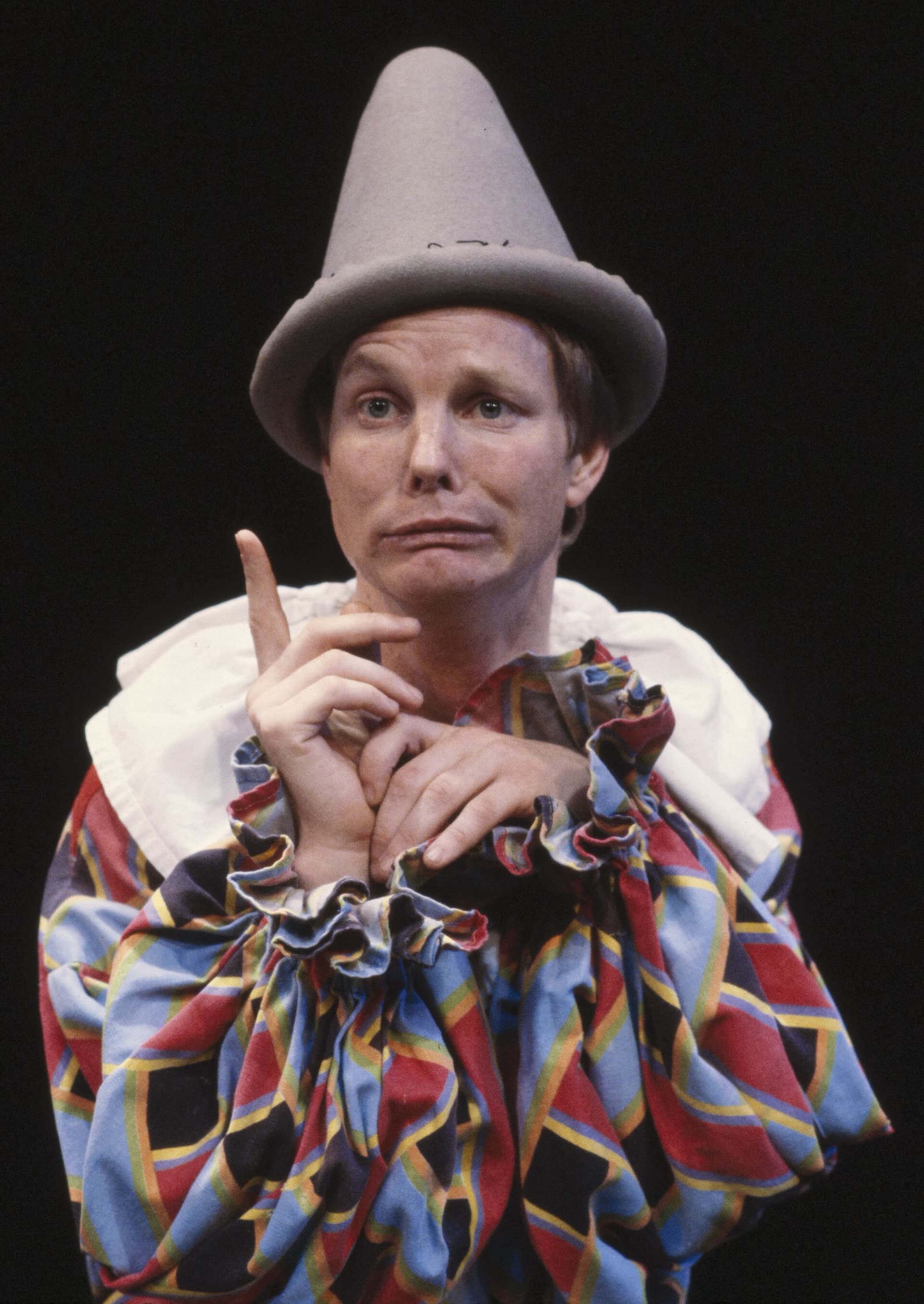
The clowns ran the show in place of a ringmaster. They were Larry Pisoni as Lorenzo Pickle, Bill Irwin as Willy the Clown and Geoff Hoyle as the nosy Mr. Sniff, and their gags, Peggy Snider said, were “story-based and situational”. Nearly everyone in the company joined the Big Juggle that closed every show.
| Aspect | Traditional big top | Pickle Family Circus |
|---|---|---|
| Rings | “Three rings of total wonder” | One ring |
| Animals | Tigers and elephants | None, only “fantasy animals” in costume |
| Host | A ringmaster | The clowns |
| Music | “a blaring brass band” | A five-piece jazz band |
| Money | Profit for the owner | Every show a benefit for a local group |
Popeye, London and “new vaudeville” (1980-1983)
“In 1980, we were hired to be actors in Robert Altman’s film Popeye,” Gypsy Snider, who grew up in the circus, recalled. Altman cast the town of Sweethaven “with circus people and physical theater people, acrobats, jugglers.” In 1981 the circus played a two-month winter run at the Roundhouse in London.
In 1983 the Christian Science Monitor reported that in San Francisco “the term ‘new vaudeville’ now encompasses a hodgepodge of acts from the tightrope and trapeze acts of the Pickle Family Circus to the political commedia dell’arte of the San Francisco Mime Troupe.” Bill Irwin, by then known for his solo show Regard of Flight, called it “American Kabuki.”
A school, a new generation and the end (1984-1992)
In 1984 two Pickle members, Judy Finelli and Wendy Parkman, founded the San Francisco School of Circus Arts, now the Circus Center. “And so the new circus revolution took hold in the Bay Area,” Finelli told KALW. Pisoni left in 1986 or 1987: The Stranger gives 1986, FoundSF 1987.
The circus kept touring. A 1990 Seattle Times review found a show built around Joan Mankin and Diane Wasnak, and a child reviewer said: “But it’s more like a play than a circus.” The original company did not survive the early 1990s; FoundSF dates a bankruptcy to 1992, and the Circus Center kept the name alive as the New Pickle Circus.
From the Pickles to Cirque and The 7 Fingers
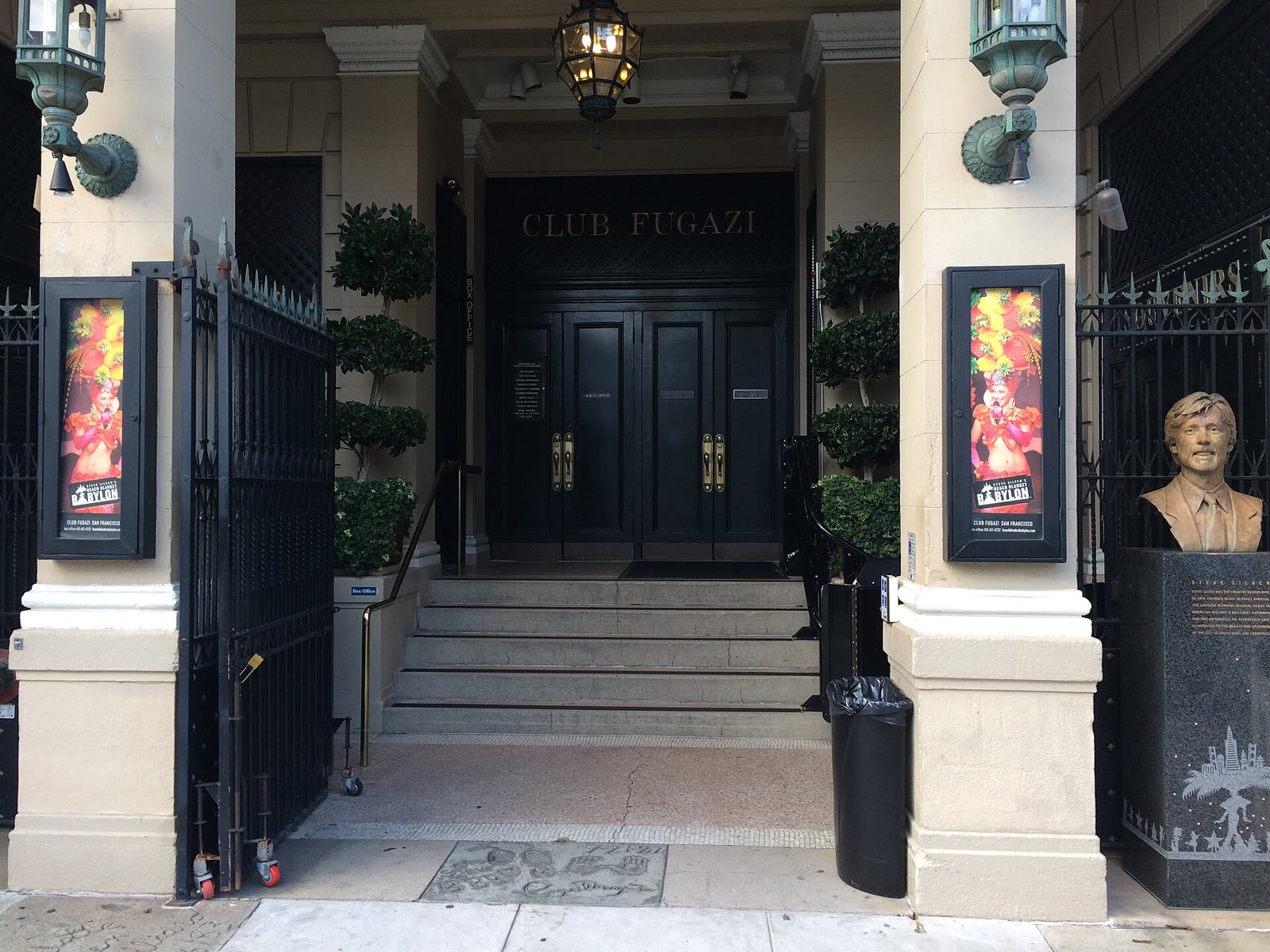
FoundSF counts “no less than seven Pickle performers, including lead clown Geoff Hoyle” who went on to Cirque du Soleil, and the circus’s own history says it influenced Cirque’s creation. In 2002 Gypsy Snider and six other former Cirque performers formed The 7 Fingers, whose San Francisco home is now Club Fugazi.
Lorenzo Pisoni, who also grew up in the circus, turned that childhood into Humor Abuse, a solo show. KALW’s 2012 radio story on San Francisco’s circus scene traces the same line from the Pickles to today’s Bay Area circus.
The history of the Pickle Family Circus, dated
| Year | Event |
|---|---|
| 1974 | Snider, Pisoni and MacKinnon form the circus |
| 1975 | First show, John O’Connell School gym (May) |
| 1976 | NEA grant; first tour |
| 1979 | Alaska State Fair; CETA ends |
| 1980 | Members cast in Popeye |
| 1981 | Winter run at the Roundhouse, London |
| 1984 | San Francisco School of Circus Arts founded |
| 1986 or 1987 | Larry Pisoni leaves |
| 1992 | Bankruptcy, per FoundSF |
The carnival Chris Hardman left
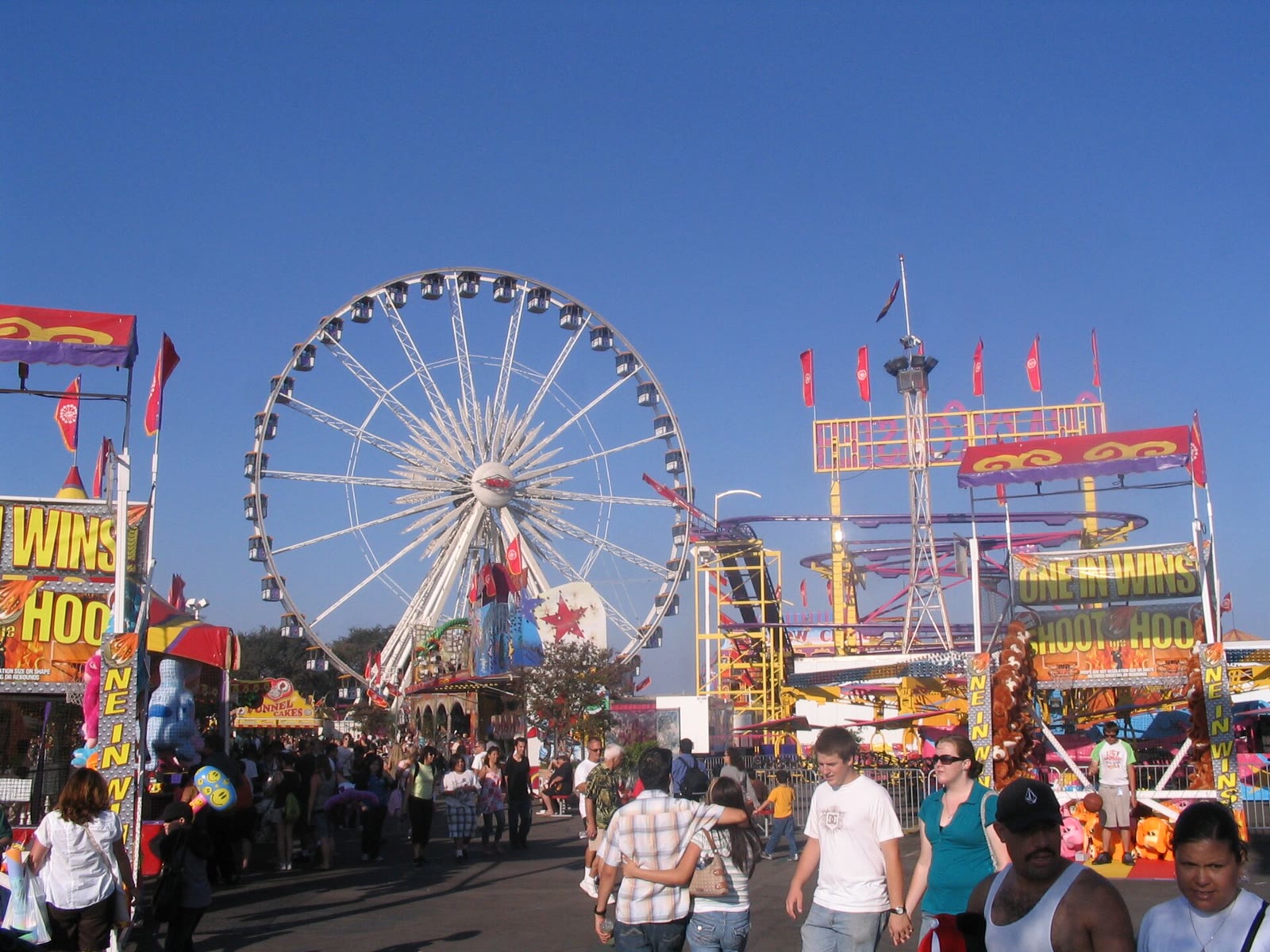
Antenna Theater’s founder knew the old show business at first hand. No source records any contact between the Pickles and Snake or Antenna; the contrast is the Journal’s. Esquire reported in 1986 that Chris Hardman served his apprenticeship at Coney Island, working for a man called Sporty, where he “did some juggling, fire-eating, and puppet shows.”
He left, he said, because “It was cold. The way they treated their audiences, and how they thought of people as marks.” Bread and Puppet had pulled him the other way. On seeing that company, he recalled: “I immediately fell into the theatre/circus mode.”
So both turned away from the old way of treating a crowd, and went in opposite directions. The Pickles rebuilt the circus as a one-ring show for community sponsors; Hardman turned the audience itself into the performers. Circus skills returned later in Antenna’s work: stilt walkers in Star*Light (1997) and fire eaters in Antenna’s Big Bang millennium celebration (2000).
Related reading: street theatre and its Bay Area roots, Survival Research Laboratories’ machine shows, El Teatro Campesino, another company born of the Mime Troupe years and Antenna Theater’s full production chronology.
Frequently asked questions
Why was it called the Pickle Family Circus?
The name was chosen on the spot, when a TV juggling audition asked Pisoni and Snider what they called themselves.
Was Bill Irwin a Pickle clown?
Yes. He played Willy the Clown, beside Larry Pisoni’s Lorenzo Pickle and Geoff Hoyle’s Mr. Sniff.
Did the Pickle Family Circus influence Cirque du Soleil?
The circus’s own history says so, and FoundSF counts at least seven Pickle performers who went on to Cirque.
What happened to the Pickle Family Circus?
Pisoni left in 1986 or 1987. FoundSF dates a bankruptcy to 1992, and the Circus Center kept the name alive as the New Pickle Circus.