What Is Psychogeography? Debord, the Dérive and the Art of Getting Lost
Some streets make you hurry, others make you linger, and a few seem to push you away. Psychogeography is the name a small group of Paris artists gave to that feeling in the 1950s, and their way of studying it was a walk with no destination. Here is what the word means, how the drift worked, and who took it up later.
Quick answer
What is psychogeography?
Psychogeography is the study of how places shape the way people feel and behave. Guy Debord and the Paris avant-garde named it in the 1950s and tested it with the dérive, a day-long drift through a city, before writers such as Iain Sinclair and Will Self revived it as a walking practice.
A word from 1950s Paris
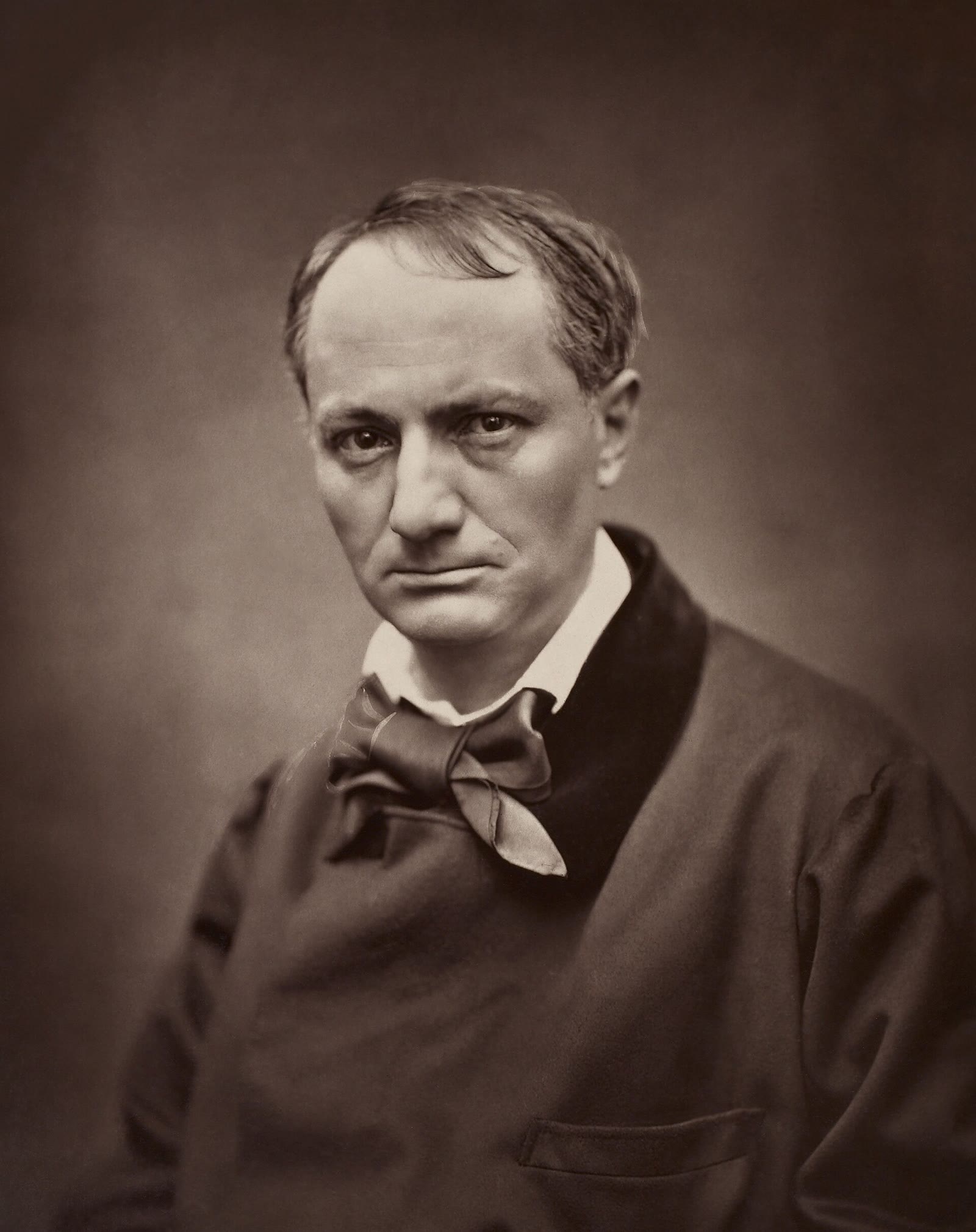
Debord put the word into print in 1955, in “Introduction to a Critique of Urban Geography.” He credited it to an acquaintance in Paris, who suggested it “as a general term for the phenomena a few of us were investigating around the summer of 1953.” Tate’s glossary says instead that Debord invented the term in 1955, and traces the idea to Baudelaire’s flâneur, the urban wanderer.
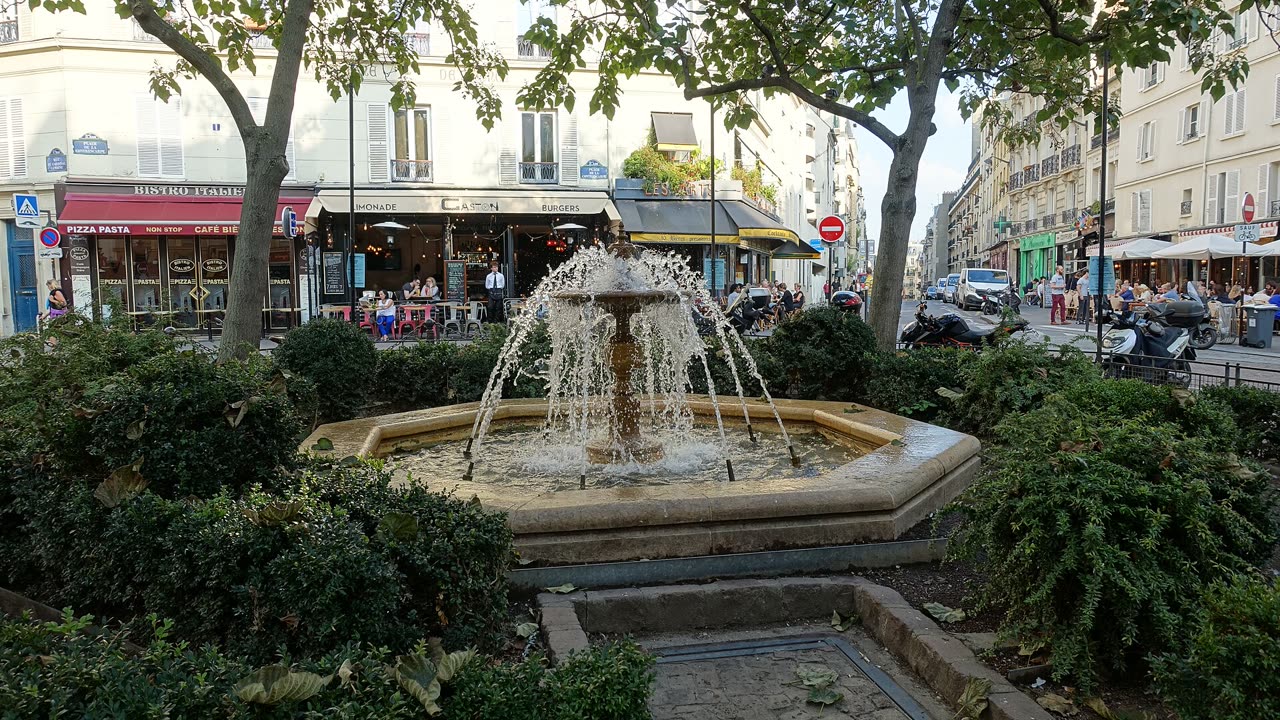
His definition: “Psychogeography sets for itself the study of the precise laws and specific effects of the geographical environment, whether consciously organized or not, on the emotions and behavior of individuals.” He admitted the adjective was “charmingly vague.” His example was the corner of Paris between the Place de la Contrescarpe and the Rue de l’Arbalète, which “conduces rather to atheism, to oblivion, and to the disorientation of habitual reflexes.”
The theory of the dérive: how to drift
Debord’s “Theory of the Dérive” (1956, revised 1958) gives the method. In a dérive, “one or more persons during a certain period drop their relations, their work and leisure activities, and all their other usual motives for movement and action, and let themselves be drawn by the attractions of the terrain and the encounters they find there.” It was, he insisted, “quite different from the classic notions of journey or stroll.”
Cities, he wrote, have “constant currents, fixed points, and vortexes that strongly discourage entry into or exit from certain zones.” The Bureau of Public Secrets translation of Theory of the Dérive sets out his rules of thumb.
| Question | Debord’s answer |
|---|---|
| Alone or in a group? | Best in small groups of two or three; more than four or five spoils it |
| How long? | About a day, the time between two sleeps |
| Weather? | Only prolonged rain stops it; storms are rather favorable |
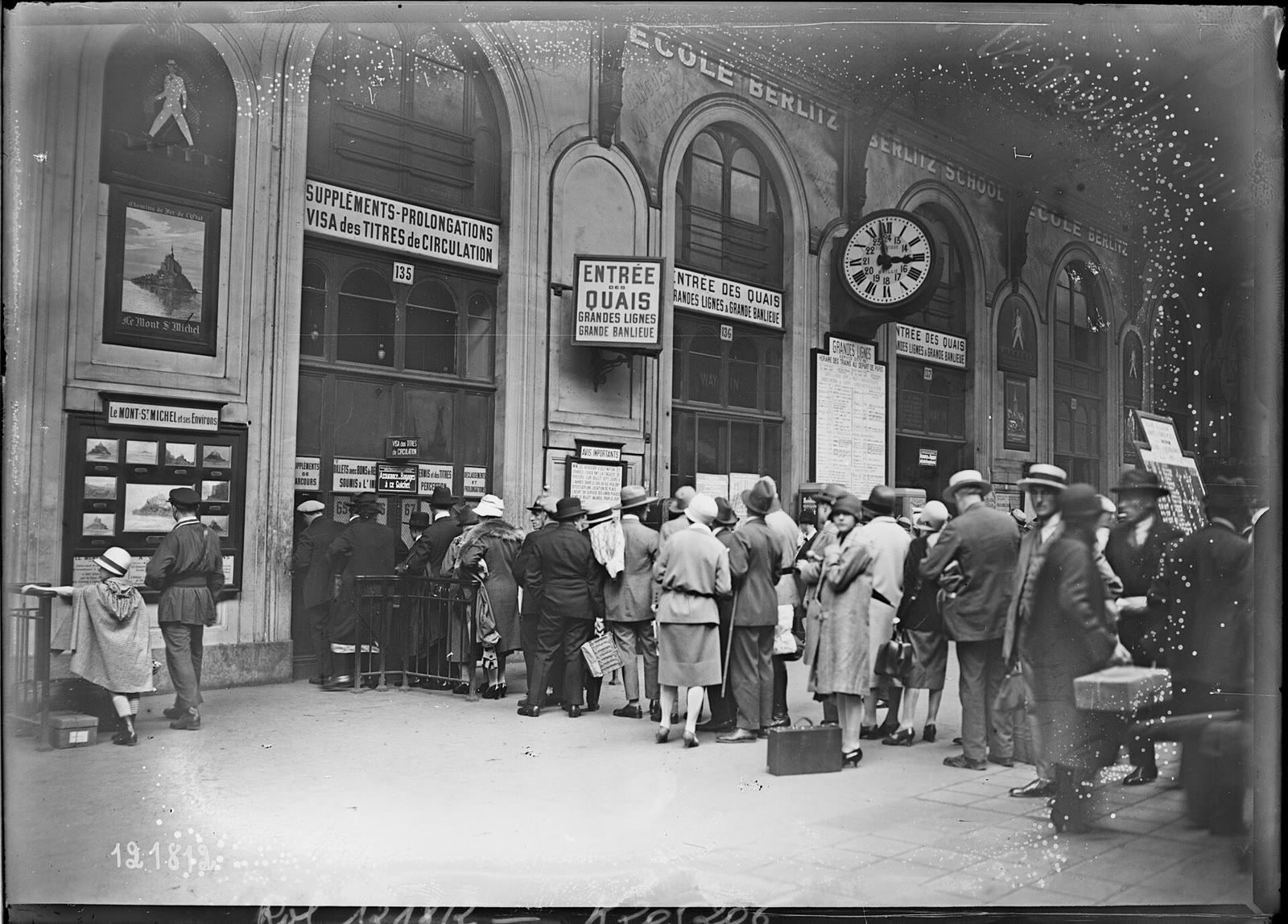
| Where? | A whole city, or one block; once, a whole day inside Saint-Lazare station |
Chance alone was not the point. Debord dismissed a 1923 surrealist ramble through open country as “condemned to a dismal failure,” because “Wandering in open country is naturally depressing.”
Games, maps and the student’s triangle
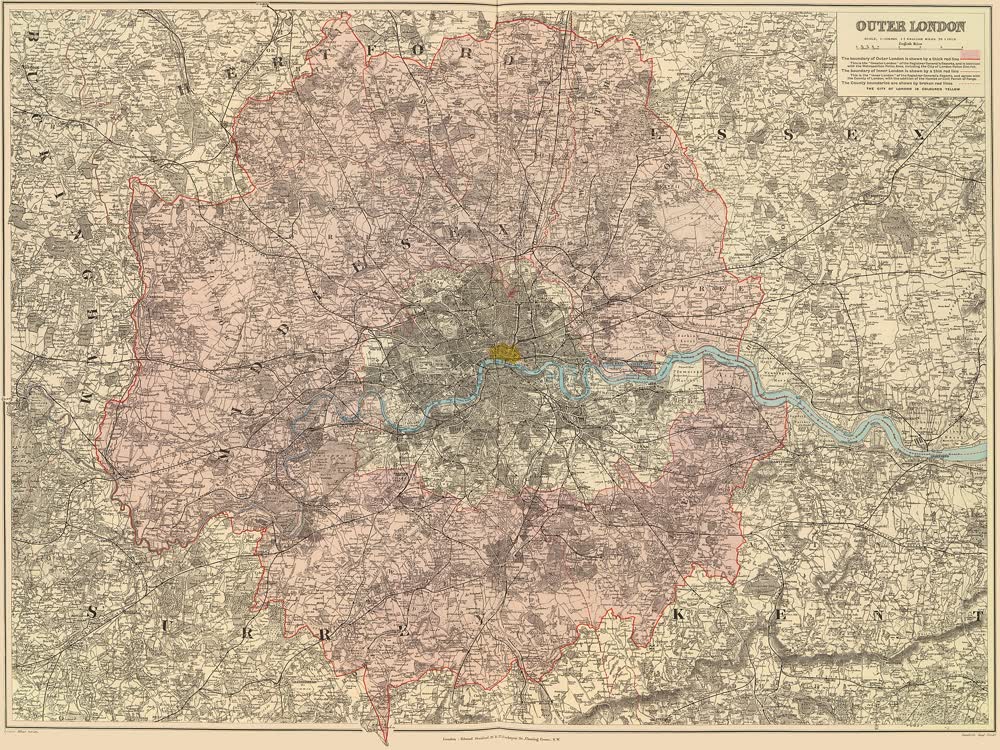
The group played games with maps. “A friend recently told me that he had just wandered through the Harz region of Germany while blindly following the directions of a map of London,” Debord wrote. In the “possible rendezvous,” a subject “is invited to come alone to a certain place at a specified time,” then left to observe wherever he has landed.
Debord also cited the sociologist Chombart de Lauwe, who mapped a Paris student’s movements over a year: “a small triangle with no significant deviations,” between her school, her home and her piano teacher. Such data, Debord wrote, provoke “outrage at the fact that anyone’s life can be so pathetically limited.”
In 1957 he made The Naked City, a “color psychogeographical map on paper” of Paris cut into pieces, named after Jules Dassin’s 1948 film noir.
The Situationist International, 1957-1972
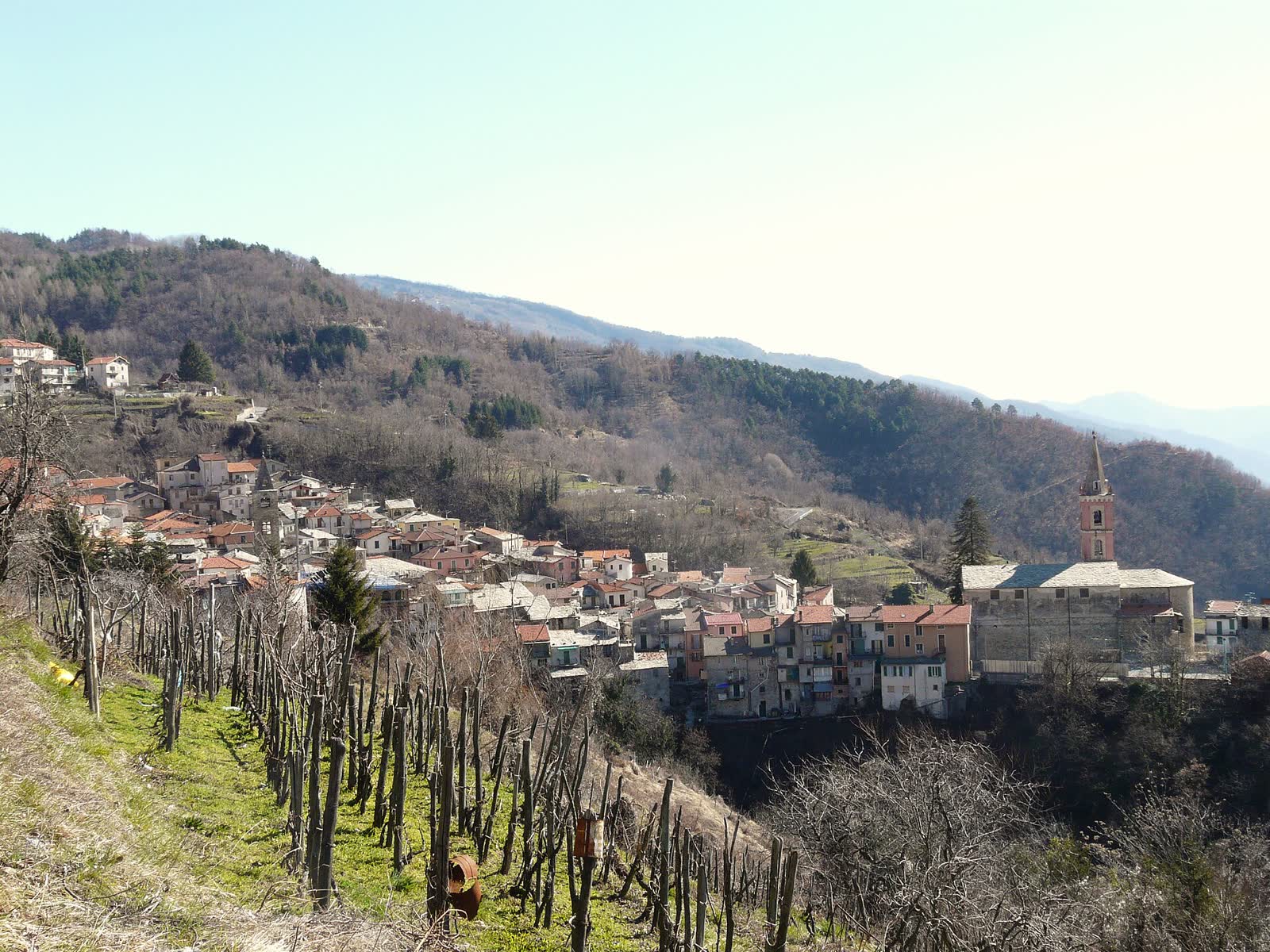
The translator Ken Knabb’s notes place the founding of the Situationist International at a July 1957 conference at Cosio d’Arroscia, Italy; another account starts it at Alba, which had hosted a congress in 1956. It joined Asger Jorn’s International Union for an Imaginist Bauhaus, Debord’s Lettrist International and the British artist Ralph Rumney’s one-man London Psychogeographical Association.
“While Jorn led the movement artistically, Debord was its leading theorist.” The group’s 1958 “Definitions” called the dérive “a technique of rapid passage through varied ambiences,” and the SI disbanded in 1972.
The walkers who came after

“Psychogeography gained popularity in the 1990s when artists, writers and filmmakers such as Iain Sinclair and Patrick Keiller began using the idea to create works based on exploring locations by walking,” says Tate. Will Self’s Psychogeography (2007), illustrated by Ralph Steadman, walks from London to Heathrow and from JFK into Manhattan.
San Francisco has its own thread. The standard English translations come from Knabb’s Bureau of Public Secrets in Berkeley, and Rebecca Solnit’s Infinite City: A San Francisco Atlas (2010) maps the city as residents feel it. “San Francisco has eight hundred thousand inhabitants, more or less,” Solnit writes, in a passage quoted by High Country News’s review of Infinite City, “and each of them possesses his or her own map of the place.”
Psychogeography and walking art now overlap, though not every walk follows Debord’s rules. Our guide to what a soundwalk is covers walks built around listening, and the difference between an audio walk and an audio tour turns on who sets the route.
Walking a place on cue: Antenna Theater
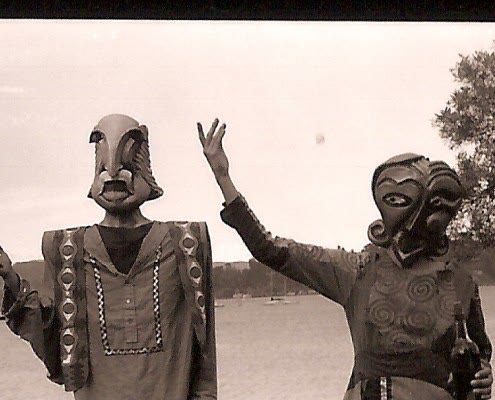
Antenna never called its work psychogeography, and no source links Chris Hardman to the Situationists. Yet on Antenna’s 1980 European tour, Hardman wrote, “While others were draped in reverence, bewilderment, or boredom,” he walked the cities with his first Walkman, in rapture at the mix of music and place.
In Moving Sculptures, Antenna’s plywood neighbours (1982), figures of local residents traced their real counterparts’ daily routes in five Marin cities, a little like the student’s triangle made visible. In 1985 Anthony Reveaux saw Fairplay at Fort Mason take on “the mythopoeia of an entire city,” and Misha Berson said its rides put audients “smack dab in the middle of the San Francisco psyche.”
The method ran the other way. A dérive drops “all their other usual motives for movement,” while an Antenna audient moves through a space “doing the action they are asked to do as delivered by their personal audio player.” Debord called tourism “that popular drug”; Antenna made tours. Its new theater forms, from Walkmanology on, all kept the voice in charge.
| Aspect | Dérive (1950s Paris) | Antenna audient (1980s Bay Area) |
|---|---|---|
| Who sets the route | The attractions of the terrain | The tape |
| Group | Two or three people | Often one person at a time |
| Sound | The city’s own | Recorded voices and music |
| Attitude to tours | “That popular drug” | Made tours, including Alcatraz |
For a recent city walk run by a voice in your ears, see our guide to Rimini Protokoll’s Remote X.
Frequently asked questions
Who invented psychogeography?
Guy Debord put the word into print in 1955 and said an acquaintance in Paris had suggested it around 1953. Tate credits Debord with inventing it in 1955.
What is a dérive?
French for drift: a technique of rapid passage through varied ambiences, usually done for about a day in small groups who drop their usual reasons for moving and follow the pull of the city.
What is The Naked City map?
A 1957 map of Paris by Debord, cut into pieces and rearranged, named after a 1948 New York film noir.
Is an audio walk psychogeography?
Not by the Situationists’ rules. A dérive drops all direction, while an audio walk tells you where to go.