Rimini Protokoll’s Remote X: The Headphone Walk That Turns a City Into a Film
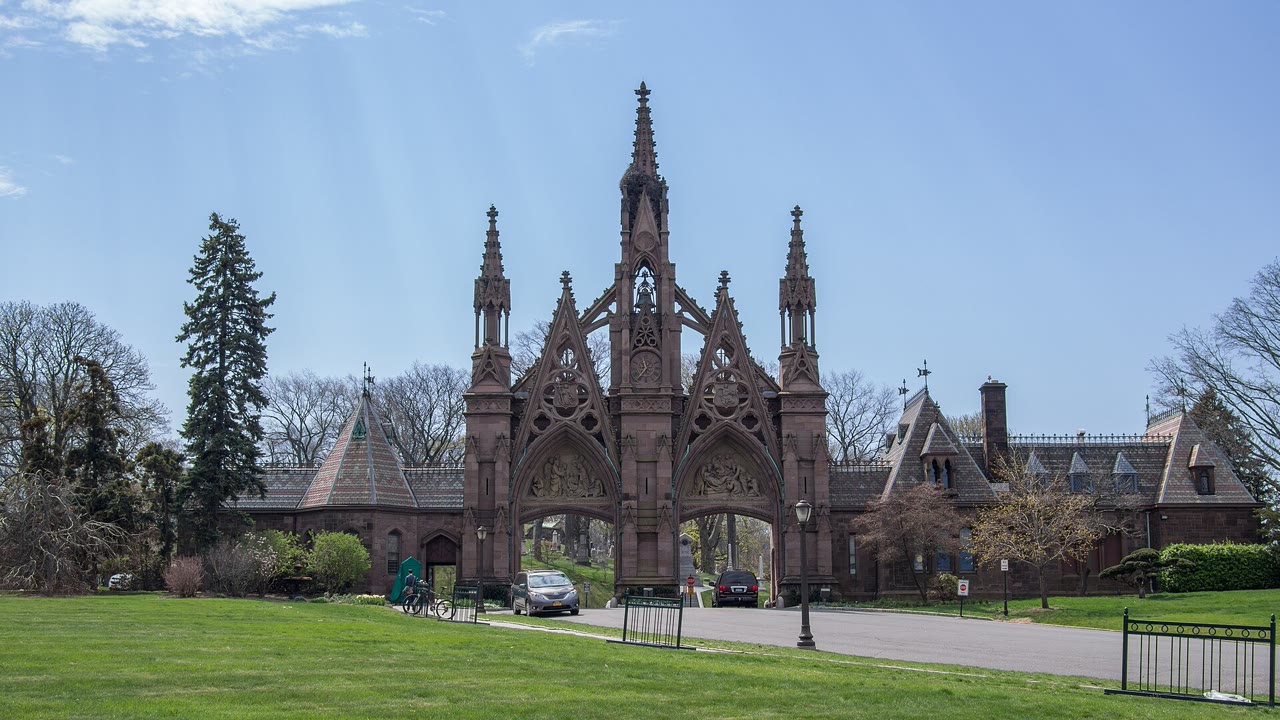
A group of strangers puts on headphones at a cemetery gate, and a voice that is plainly a machine starts telling them where to go. That is how Rimini Protokoll’s Remote X begins, in city after city. Here is where it came from, what happens on the walk, and why the critics split over it.
Quick answer
What is Rimini Protokoll’s Remote X?
Remote X is a walking show by the Berlin company Rimini Protokoll. Since April 2013, groups of up to 50 people have crossed more than 60 cities in headphones, led by a synthetic voice that starts them in a cemetery, sets them tasks and asks who they follow when an algorithm gives the orders.
Who Rimini Protokoll are
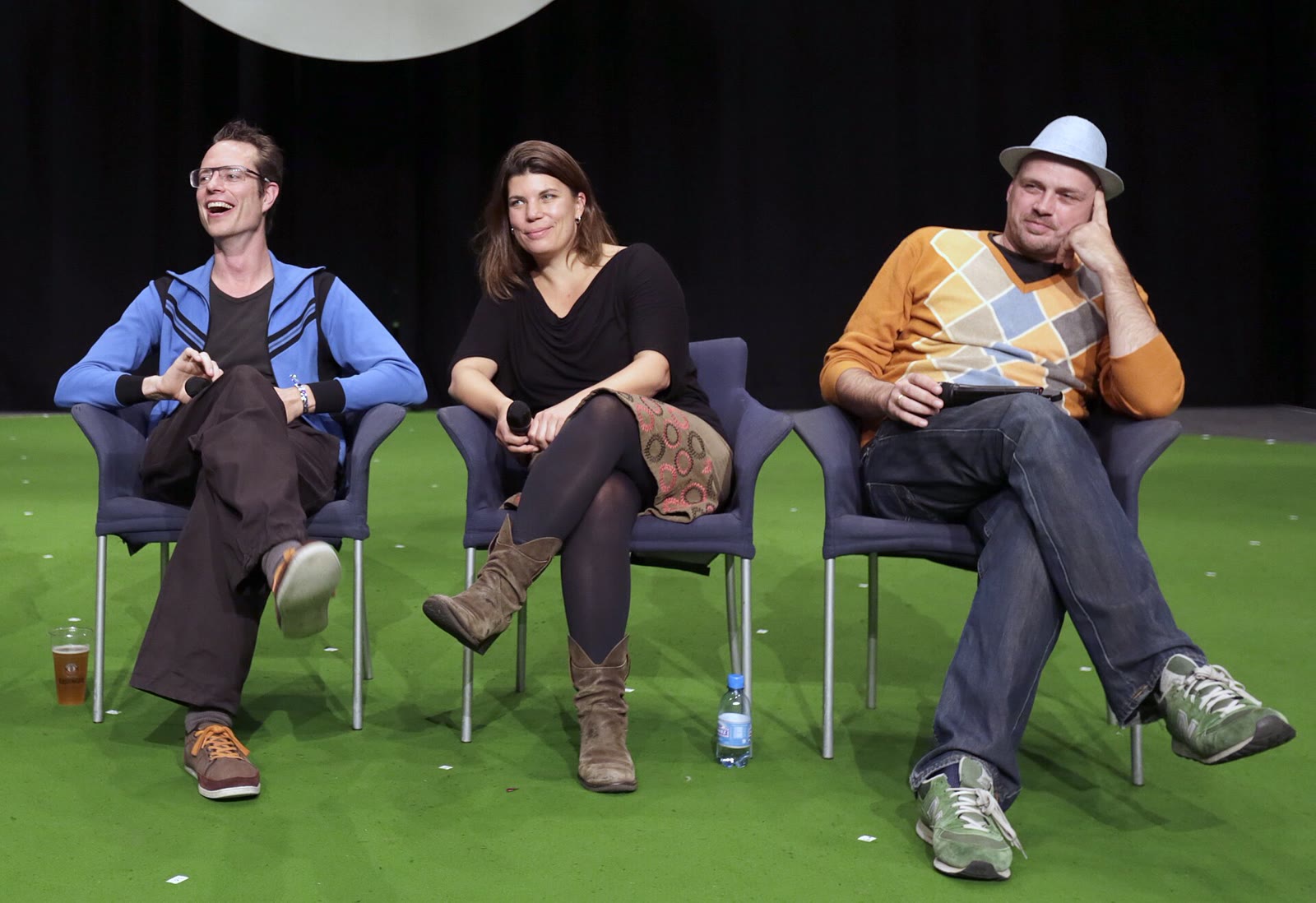
“Helgard Haug, Stefan Kaegi and Daniel Wetzel founded the theatre-label Rimini Protokoll in 2000 and have since worked in different constellations under this name.” They often build work with non-actors whose expertise comes from outside the theater, a method covered in our post on theater without actors. Their production office has been in Berlin since 2003, and in 2011 they won a Silver Lion at the Venice Theatre Biennale.
Berlin, 2013: how Remote X began
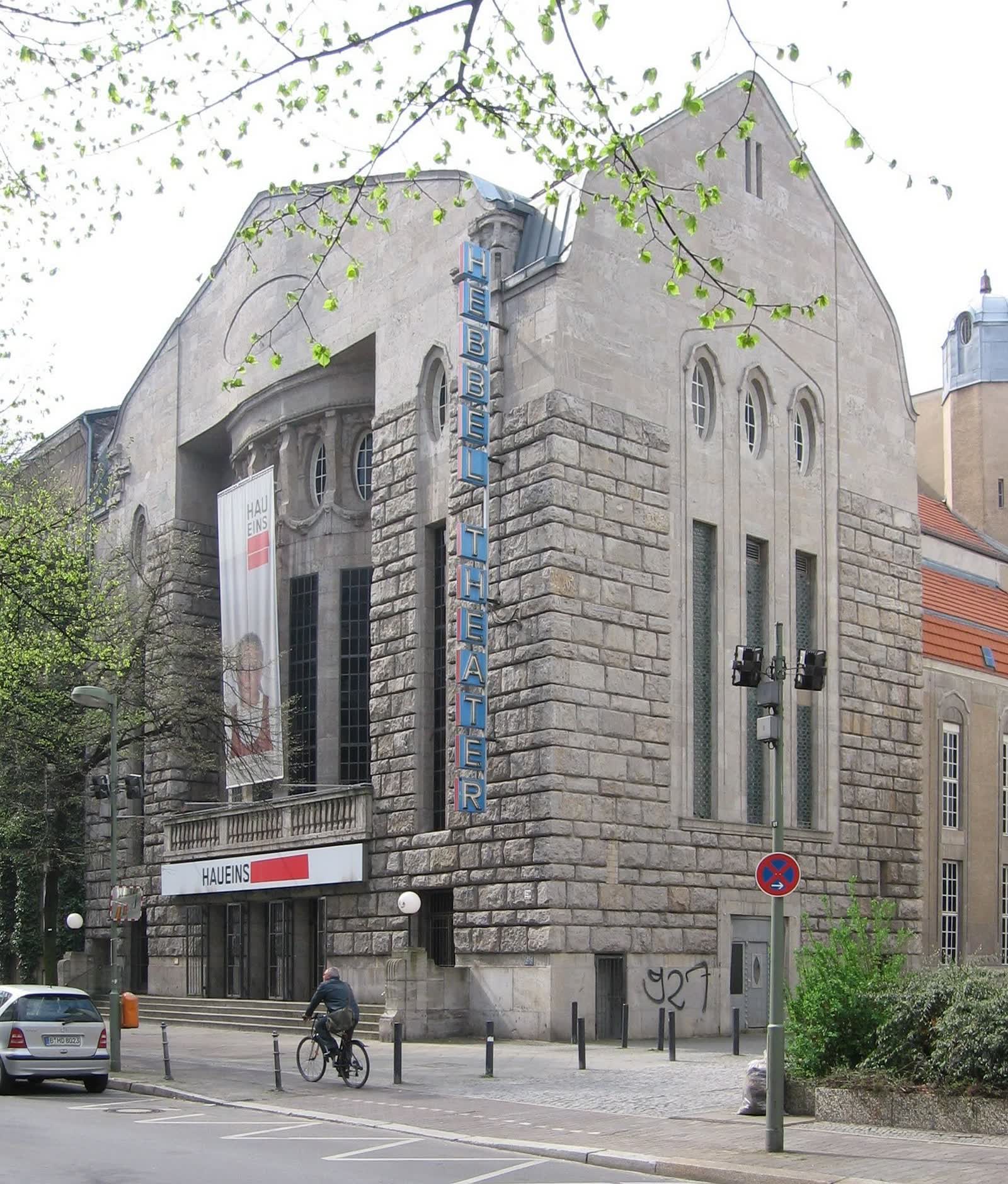
Remote X opened at HAU Hebbel am Ufer in Berlin on April 24, 2013. Kaegi wrote and directed the concept, and Jörg Karrenbauer co-directed on location. The HAU programme page for Remote Berlin called it “a trek through the city. A soundtrack to streets, parking garages, churches, and courtyards for a swarm of 50 individuals.”
In its first year it was remade for Lisbon, Hannover, Avignon, Zurich, Basel, Vienna and São Paulo. That October it came back to Berlin “in a revised version.”
What happens on the Remote X headphone walk
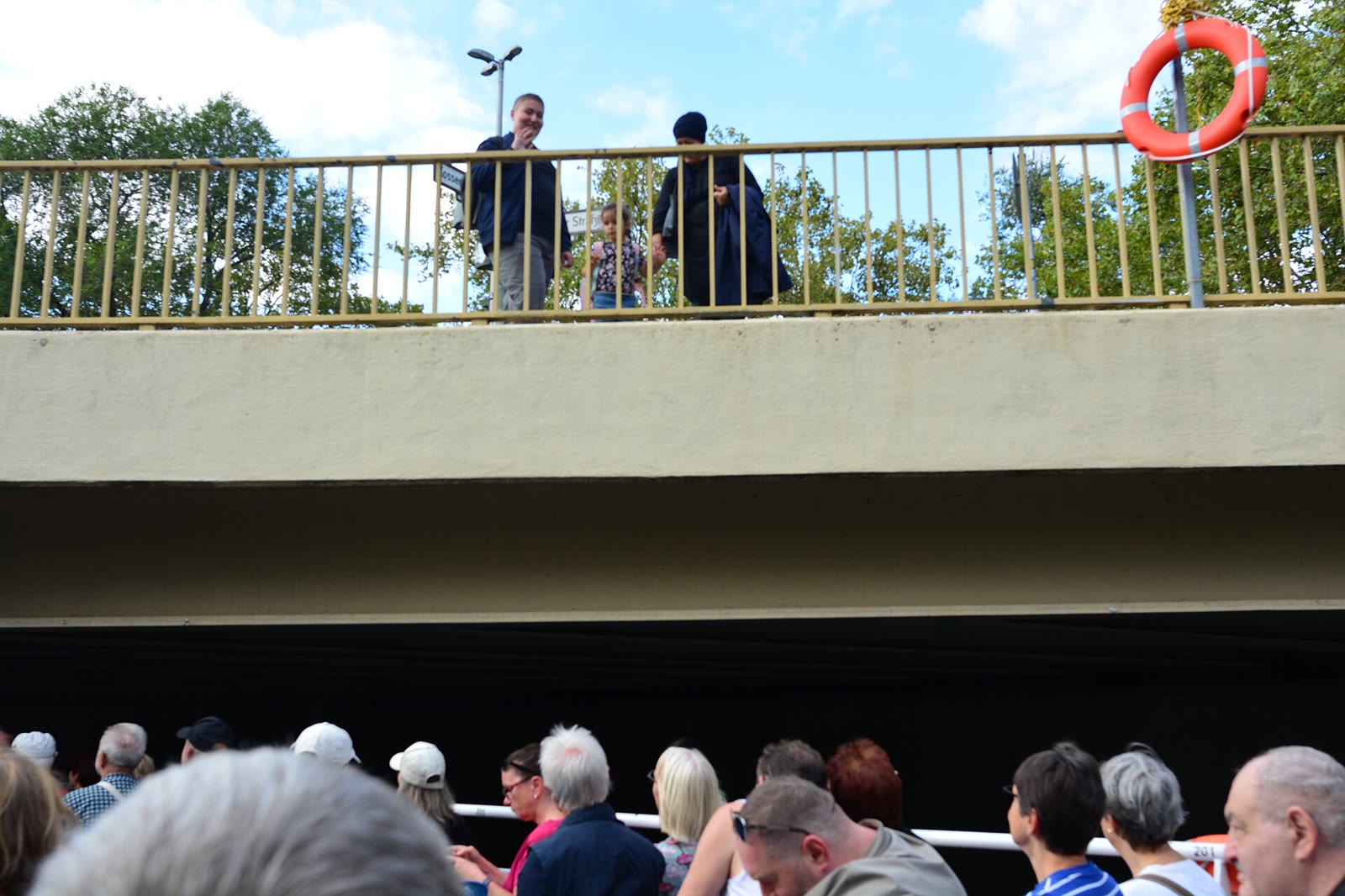
Each walker hears a synthetic voice, “as we know them from GPS navigators.” The company frames the walk as a question, “Who do we follow?”, and the group watches itself: “50 people watch each other, make individual decisions and yet remain always part of a group.”
“Along the way, binaural recordings and film scores provide a soundtrack for the urban landscape.” There are tasks. In London, Time Out’s reviewer was told “to walk backwards down the street, to applaud the commuters at King’s Cross station (for no apparent reason) and to dance in a circle by the Thames.”
Groups run up to 50, though that London reviewer counted 15, and a walk lasts about two hours. In New York the voice named its group: “You are a group that does not want to be together; I will call you a horde.” It ended high in a building, “the voice trying to get us to see the people below like ants.”
Why it starts in a cemetery

Karrenbauer explained the opening to the Houston Press in a 2016 interview. The question, he said, is “What will happen with all our knowledge and all our experiences after our death,” so “We start in a cemetery and start the tour from the death, and go back to the city and go back to the living.”
New York began “somewhere in Green-Wood Cemetery,” and Houston at Evergreen Cemetery. In London, A Younger Theatre’s review places the start in St George’s Gardens, an old Bloomsbury burial ground.
A different city every time

Every Rimini Protokoll Remote X walk is rebuilt for its city: “As the project tours from city to city, each new site-specific version builds upon the dramaturgy of the previous city.” Local producers are “tasked with gaining permission to forbidden areas, unlocking gates and paving the way,” and “Plainclothes theatrical officers guide the horde and adjust the soundtrack for unpredictable events.”
The company’s own list names more than 60 cities from 2013 to 2026, from Bangalore and Santiago de Chile to Tehran and Shanghai. Its American runs were in New York, Rochester, Miami, Houston, Los Angeles and Denver; the list has no Bay Area date.
| Year | City | Venue or presenter | Note |
|---|---|---|---|
| 2013 | Berlin | HAU Hebbel am Ufer | Premiere, April 24 |
| 2013 | Avignon | Festival d’Avignon | First year on tour |
| 2015 | New York | NYU Skirball | Started in Green-Wood Cemetery |
| 2016 | London | Theatre of Europe | A voice called Rachel |
| 2016 | Houston | CounterCurrent, then the Alley Theatre | Started in Evergreen Cemetery |
| 2017 | Los Angeles | Center Theatre Group | Began at La Plaza de Cultura y Artes |
| 2018 | Tehran | Fadjr Festival | One of more than 60 cities |
What critics made of it
Helen Shaw of Time Out New York was unmoved: once the headphones go on, “stillness is replaced by a stream of fatuous nonsense.” She heard “a computer-generated Siri substitute, a mechanical voice with pretensions of grandeur,” and at the end: “How happy people down there without headphones seemed!”
Others warmed to it. Tom Shore of A Younger Theatre, who said he “could never perform in the street,” danced in a crowded square with the group and found it “invigorating.” NBC Los Angeles said that calling Remote L.A. “a good fit with its city is an understatement.”
Rimini Protokoll city walks and other works
Remote X has a family. In Call Cutta (2005), a call-centre worker in Kolkata guided a walker through Berlin by mobile phone. Cargo Sofia (2006) packed “45 members of the public” into a truck with two Bulgarian drivers for a tour of service stations, loading ramps and warehouses.
Utopolis “begins at 48 different starting points” and gathers small groups into “a mass of 300 people,” while The Walks is “an app with a collection of audio walks,” each about 20 minutes long. For a British group that also turns streets into play, see the history of Blast Theory, and for the technology underneath, location-based audio storytelling.
An earlier voice in the ear: Antenna Theater
Three decades earlier, in Marin County, Antenna Theater was already putting recorded voices in its audiences’ ears, though no source links the two companies. In 1983 Chris Hardman described the voice on a Walkman as “an intimate muse that entices you to come out and play. Just push play.” He saw the objection coming: “Now some will say this sounds like Big Brotherism.”
Remote X asks who we follow when a machine gives the orders. Antenna tested a version of that in Artery, the Walkman maze of 1982, when the tape asked each audient to steal a necklace and some refused. Our history of headphone theater sets both in a longer line.
In 1989 Hardman told Misha Berson that Antenna was “sort of like the Wright Brothers”: “we’re flying a kite and calling it a plane.” The difference is the street: Antenna’s walks mostly ran through built sets, a campus or a pier, while Remote X takes its group through a real city. For drifting with no voice at all, see what psychogeography is, and for Antenna’s own methods, Walkmanology and Antenna’s new theater forms.
Frequently asked questions
Are there actors in Remote X?
No. The voice and the city do the work, and the audience watches itself.
Why does Remote X start in a cemetery?
Co-director Jörg Karrenbauer said the tour starts from death and then goes back to the city and to the living.
How long does Remote X last?
About two hours, on foot, with walking over longer distances.
Who made Remote X?
Stefan Kaegi wrote and directed the concept, with Jörg Karrenbauer directing on location. Kaegi co-founded Rimini Protokoll with Helgard Haug and Daniel Wetzel in 2000.