Whole Earth Catalog History: From Menlo Park to the Sausalito Waterfront
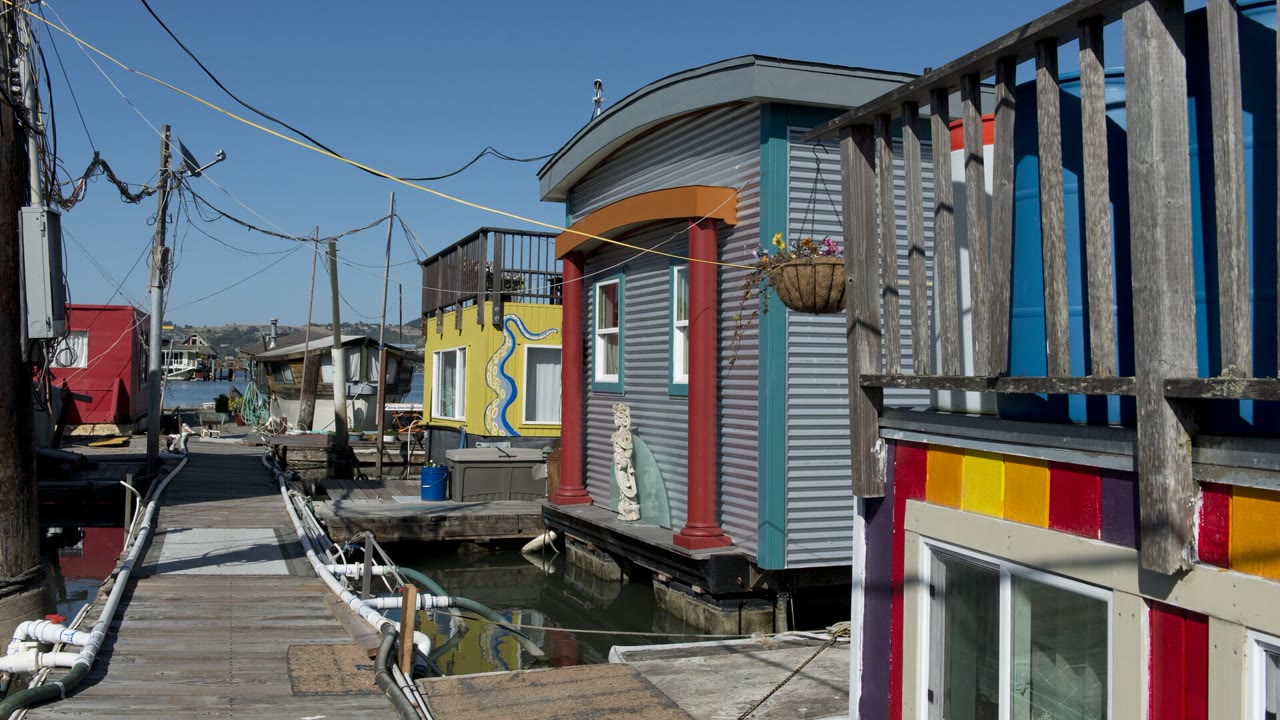
Whole Earth Catalog history usually stops in 1972, when the last big catalog won a National Book Award. The Sausalito chapter that followed is less told: a magazine edited beside the houseboats, an online community in a ramshackle office, and a few pages that recorded Antenna Theater and its predecessor as neighbours.
Quick answer
What was the Whole Earth Catalog?
The Whole Earth Catalog was a counterculture guide to tools and ideas that Stewart Brand began in Menlo Park in 1968 under the slogan “access to tools.” The Last Whole Earth Catalog won the 1972 National Book Award. Its successors, CoEvolution Quarterly and Whole Earth Review, and the WELL online community were run from Sausalito.
Stewart Brand before the Catalog
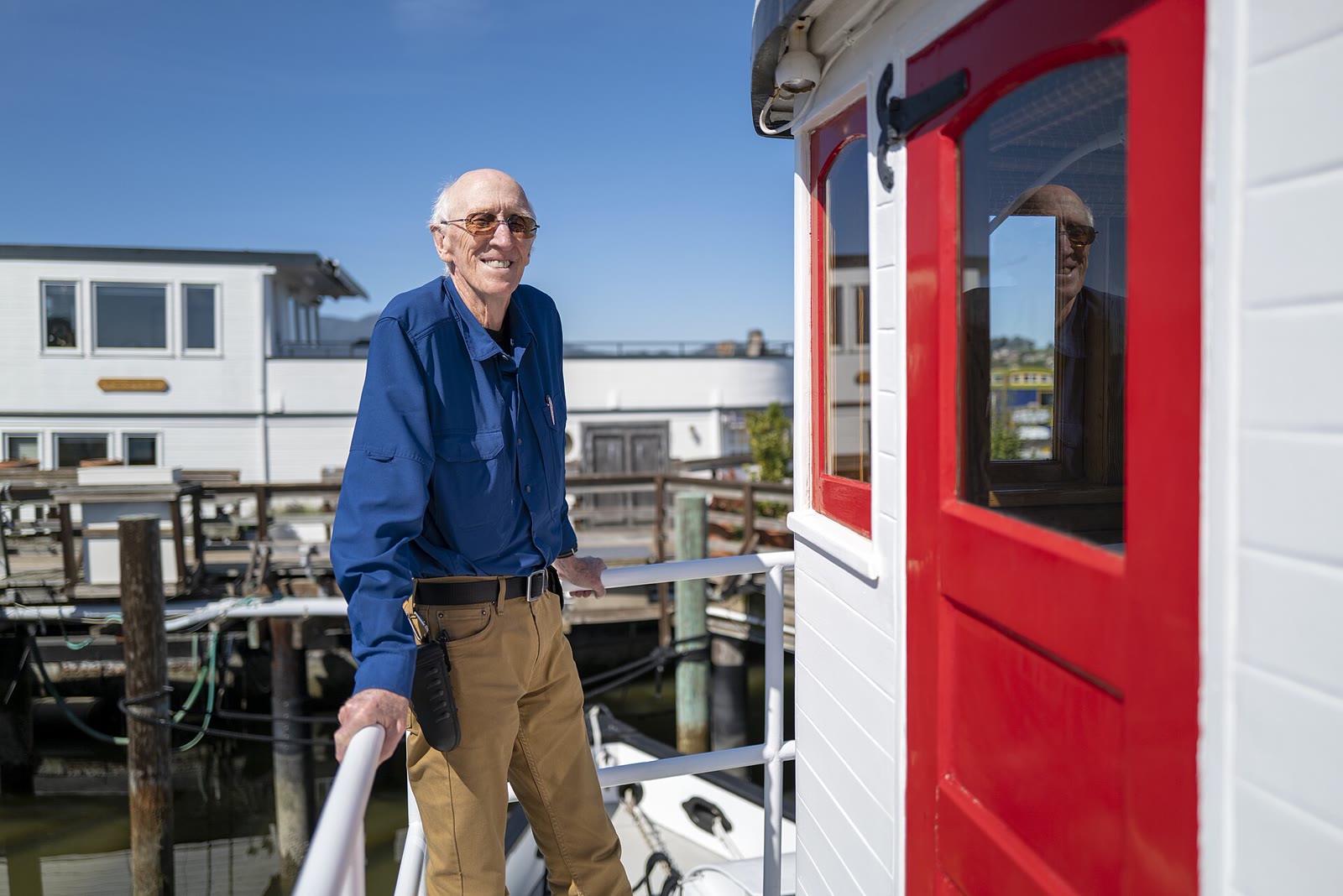
Brand’s own chronology lists two years as an Army officer, then design at the San Francisco Art Institute and photography at San Francisco State. From 1964 he “Hung out with Ken Kesey, Merry Pranksters, and early Acid Tests.” In 1966 he organised the Trips Festival, told in our guide to the Trips Festival and the happenings, whose light shows appear in our history of liquid light shows.
The same year he sold buttons asking, “Why Haven’t We Seen A Photograph of the Whole Earth Yet?” He keeps his own hedge on what followed: “Legend has it that this accelerated NASA’s making good color photos of Earth.” In 1968 he helped with Doug Engelbart’s demonstration of “Augmented Human Intellect” in San Francisco.
“Access to tools”: the first Catalog, 1968
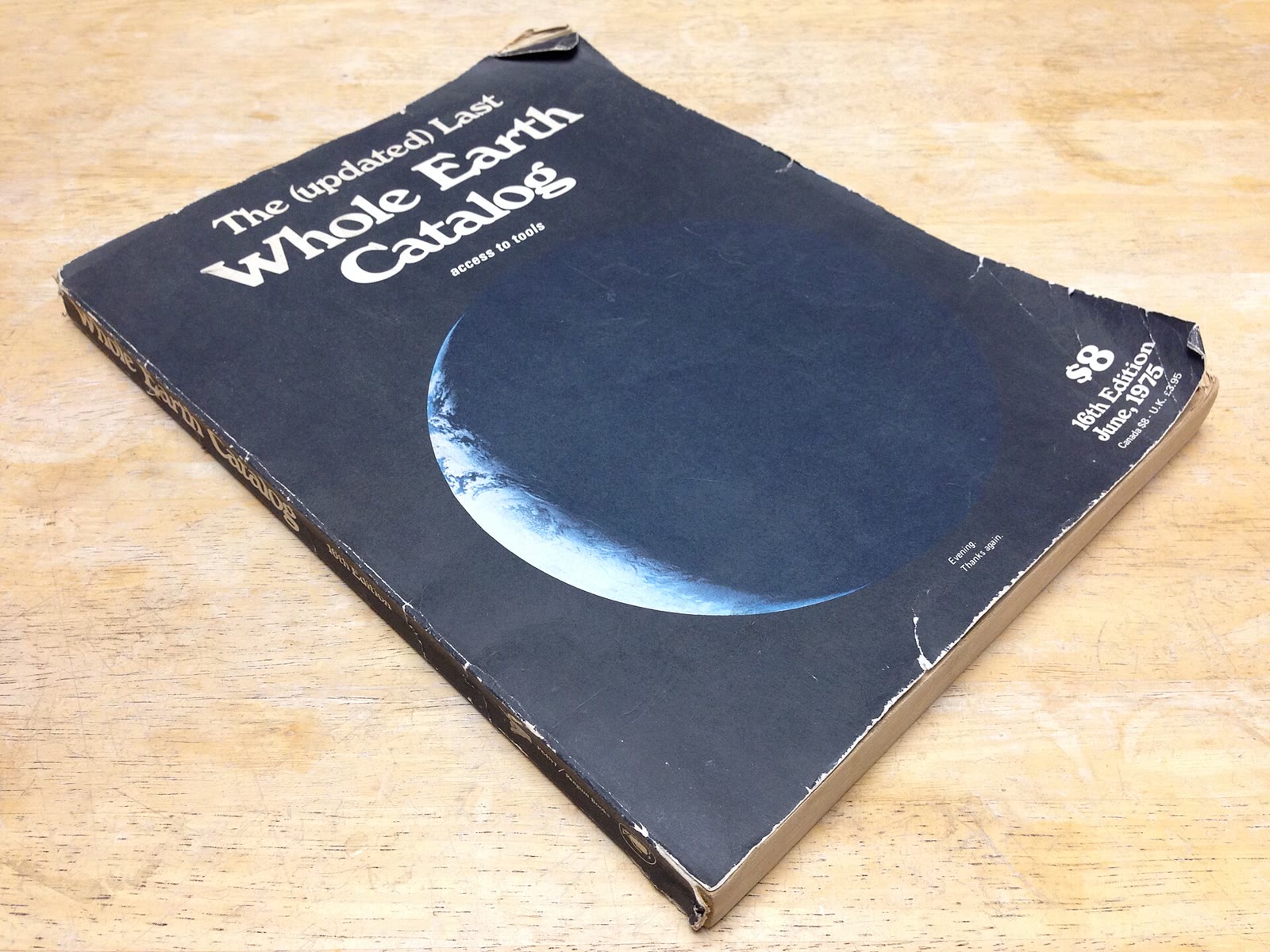
The first issue appeared in fall 1968. Its Purpose statement opened: “We are as gods and might as well get used to it.” It promised tools for the “power of the individual to conduct his own education, find his own inspiration, shape his own environment, and share his adventure with whoever is interested.”
The Function page set the rules: “The WHOLE EARTH CATALOG functions as an evaluation and access device.” An item made the list if it was useful as a tool, relevant to independent education, high quality or low cost, not already common knowledge and easily available by mail. The Whole Earth Index archive of the publications sums up the focus as “self-sufficiency, ecology, alternative education.”
Steve Jobs later remembered that “it was all made with typewriters, scissors, and Polaroid cameras. It was sort of like Google in paperback form, 35 years before Google came along.”
The Last Catalog and the Demise Party
Brand ended it with a party. In 1971 he and Scott Beach held the Demise Party for 1,500 guests at the new Exploratorium in San Francisco, and handed $20,000 in cash to the audience to do good with. “Debate lasted till dawn,” he writes.
The Last Whole Earth Catalog won the National Book Award for Contemporary Affairs in 1972, as the National Book Foundation’s record shows. Brand gives its sales as 1.5 million copies, with all editions passing 2.5 million.
Point and CoEvolution Quarterly in Sausalito
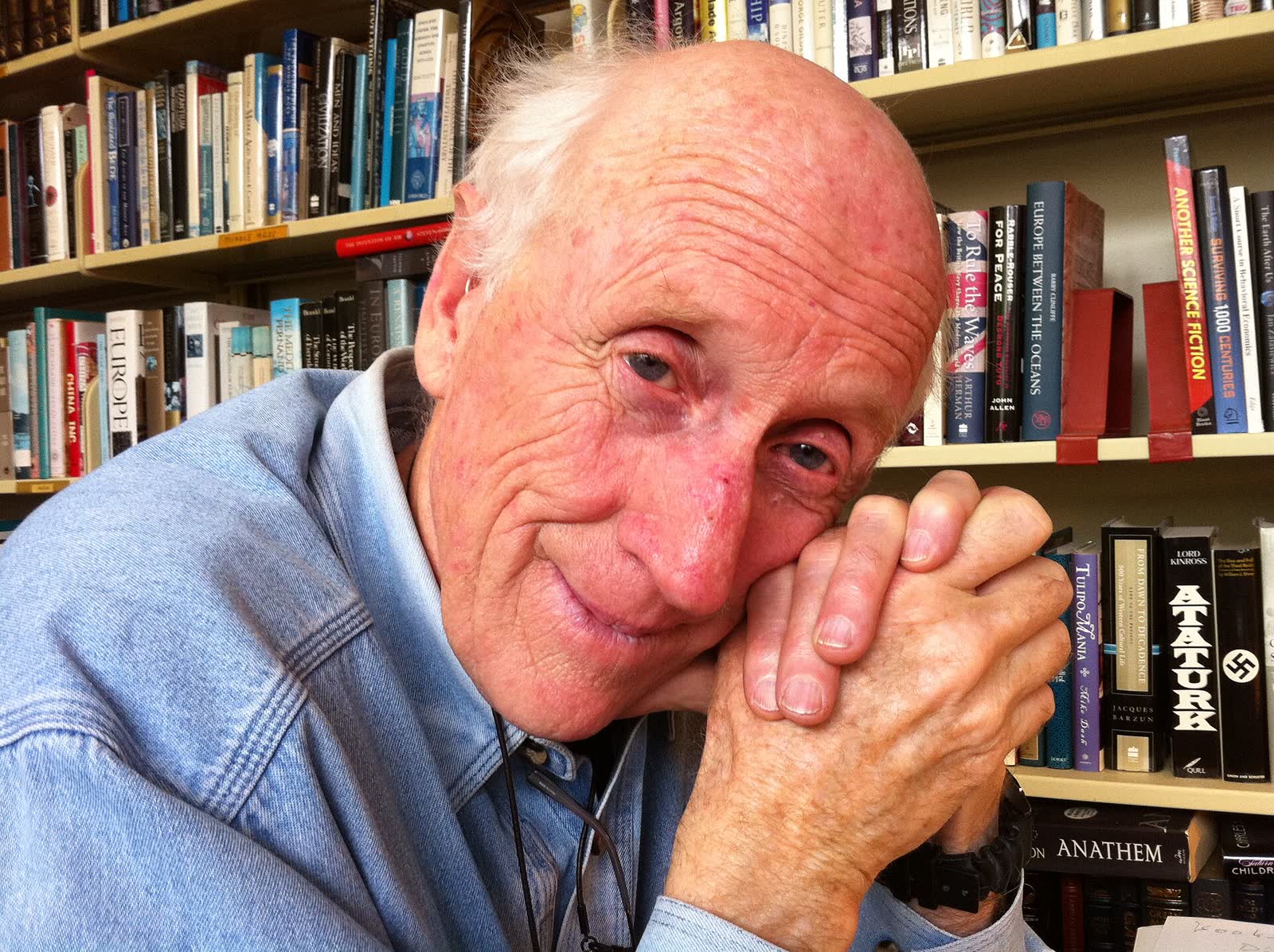
In 1972, by his account, Brand “Founded Point Foundation, which gave away $1 million in three years to assorted effective individuals.” Point “ran all the Whole Earth activities through 2003.” In 1974 came CoEvolution Quarterly, named for an idea “coined by zoologist Paul Ehrlich and botanist Peter Raven.”
The mastheads place it. In March 1975 the editorial office “is located at Box 428, Sausalito,” with subscriptions still handled in Menlo Park. By the last issue, in September 1984, the address was 27 Gate Five Road, Sausalito. In 1982 Brand bought a 64-foot tugboat, the Mirene, and moved aboard.
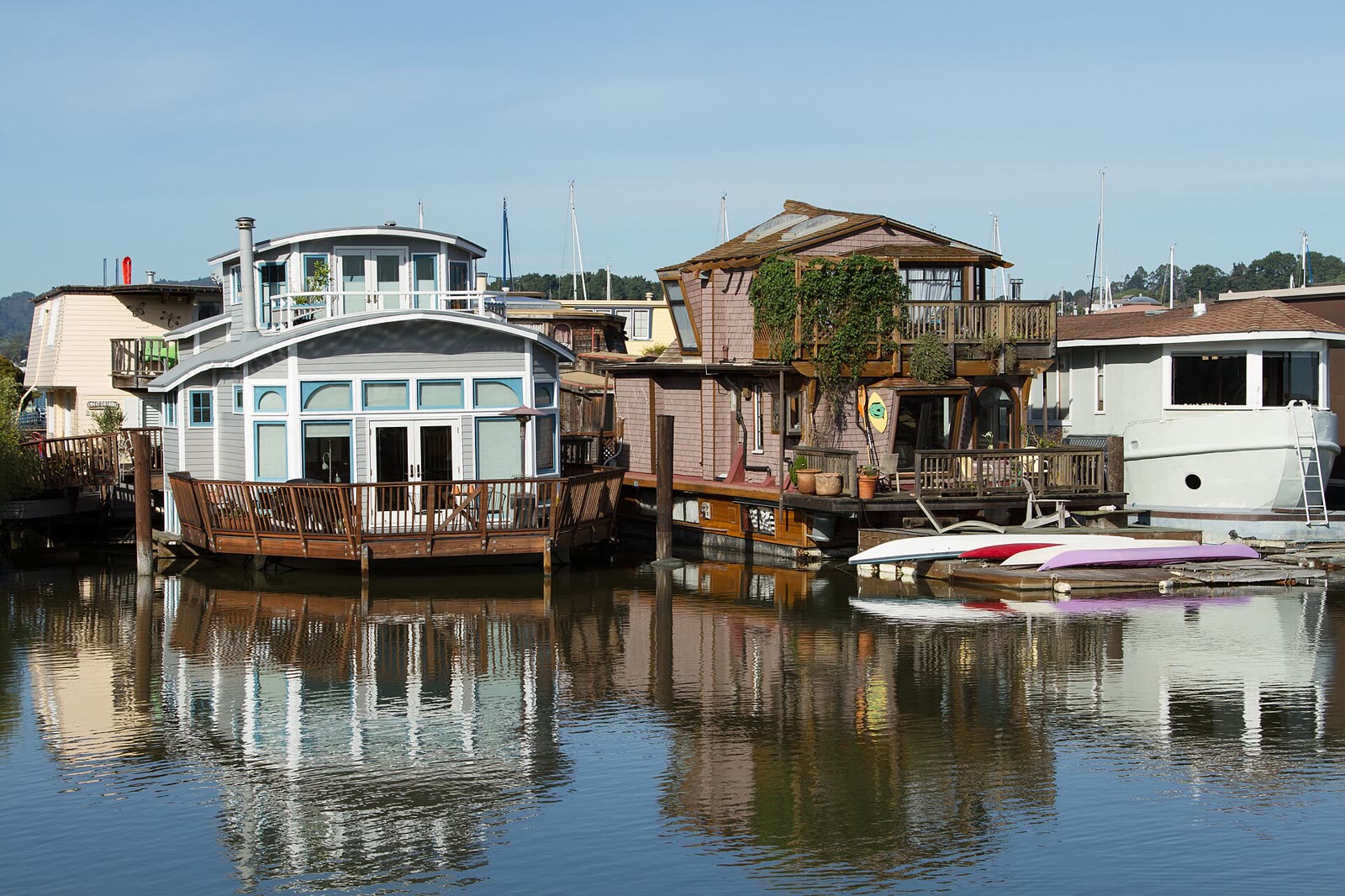
In fall 1977 he wrote about his own street: “Just now my neighborhood, the houseboat community in Sausalito, is being developed toward death. The bulldozers and protesters and cops are 50 yards from our door.” His thesis was blunt: “They are enforcing taste and calling it ecology.” The waterfront’s live-aboard story continues in our history of the live-aboard community at Galilee Harbor.
The WELL in the houseboat district
Brand dates the WELL, the Whole Earth ‘Lectronic Link, to 1984: “a computer teleconference system for the San Francisco Bay Area,” started with Larry Brilliant, Matthew McClure, Kevin Kelly and Cliff Figallo. Howard Rheingold dates its birth to spring 1985, so it was set up in 1984 and opened in 1985.
Brilliant offered the conferencing software and money for a minicomputer “in exchange for a half interest,” and the system started in Whole Earth Review’s “charming but ramshackle office.” Rheingold remembered arriving at “the rambling series of ancient offices in one of the last bohemian enclaves of the Sausalito houseboat district.”
Neighbours on the waterfront: Snake Theater and Antenna in CQ
Antenna Theater and its predecessor, Snake Theater and its productions, worked on the same waterfront, and Brand’s magazine noticed. His 1977 houseboat article ran a photograph of Snake Theater’s cardboard people standing guard over a cattail creek that was to become a parking lot. One caption, in the scanned text, begins “CARDBOARD PEOPLE, created by the Snake Theater,” and another reads “END of the cardboard people and of the creek.” The protest is told in the Cardboard Front on the Sausalito waterfront.
In summer 1982 CQ printed campaign-book reviews by Jack Van der Meulen, writing as Chris Hardman’s campaign manager for the city council: “Chris didn’t make it but his strong showing gained the respect of the town.” In winter 1983 it ran a review of Joann Green’s The Small Theatre Handbook signed by Annette Rose of Antenna Theater, which praised a “good-humored handbook.”
| Issue | What appears |
|---|---|
| No. 15, Fall 1977 | Photographs of Snake Theater’s cardboard people in Brand’s houseboat article |
| No. 34, Summer 1982 | Campaign-book reviews by Hardman’s campaign manager |
| No. 40, Winter 1983 | Annette Rose of Antenna Theater reviews The Small Theatre Handbook |
In 2006 Brand was listed among the Friends of the 2006 Fire and Ice benefit. That is the whole record: neighbours on one waterfront, noted in one magazine, with no sign of collaboration or influence. Antenna’s own inventions are in Walkmanology and Antenna’s other new theater forms, and the gear behind them in our history of headphones.
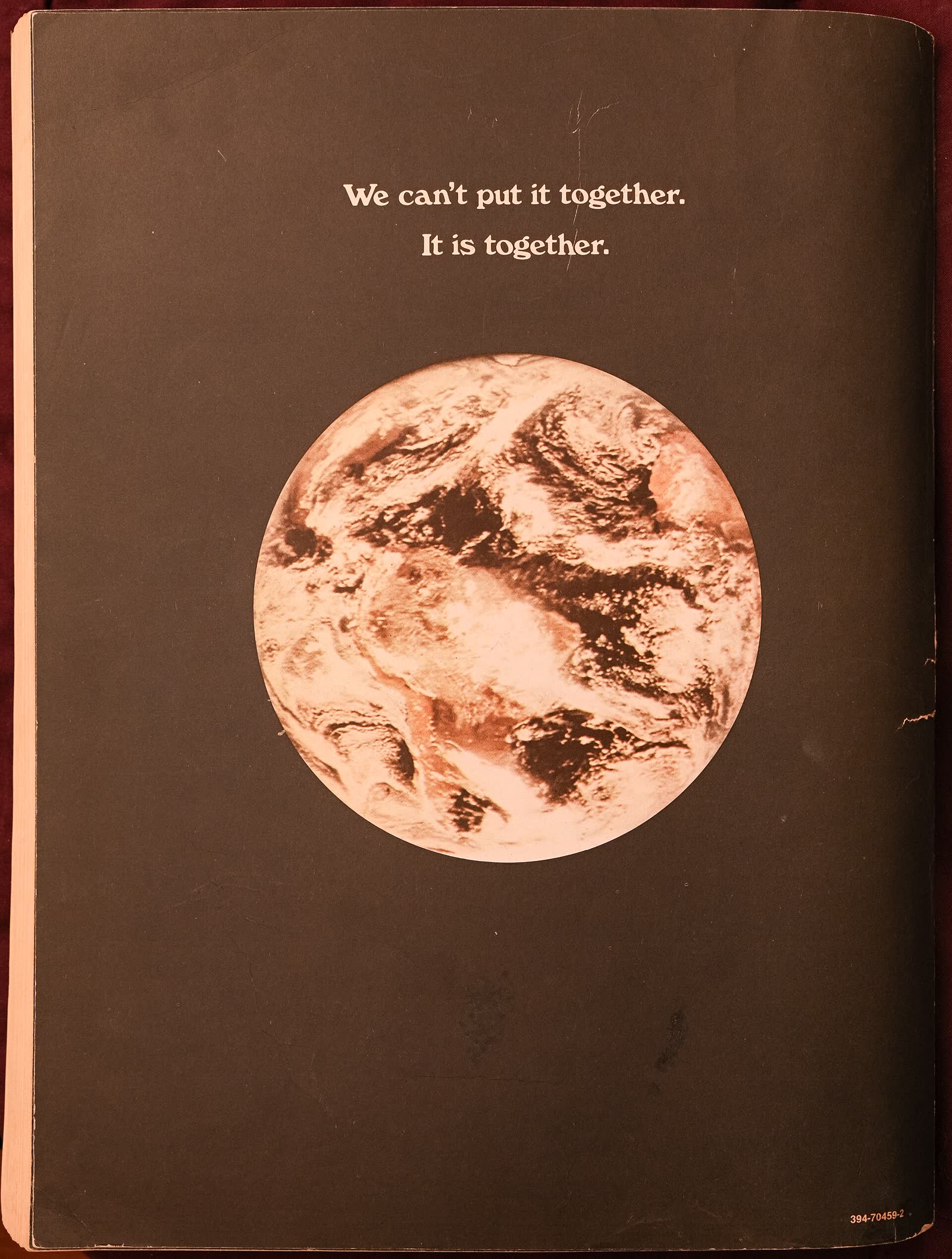
“Stay hungry. Stay foolish.”
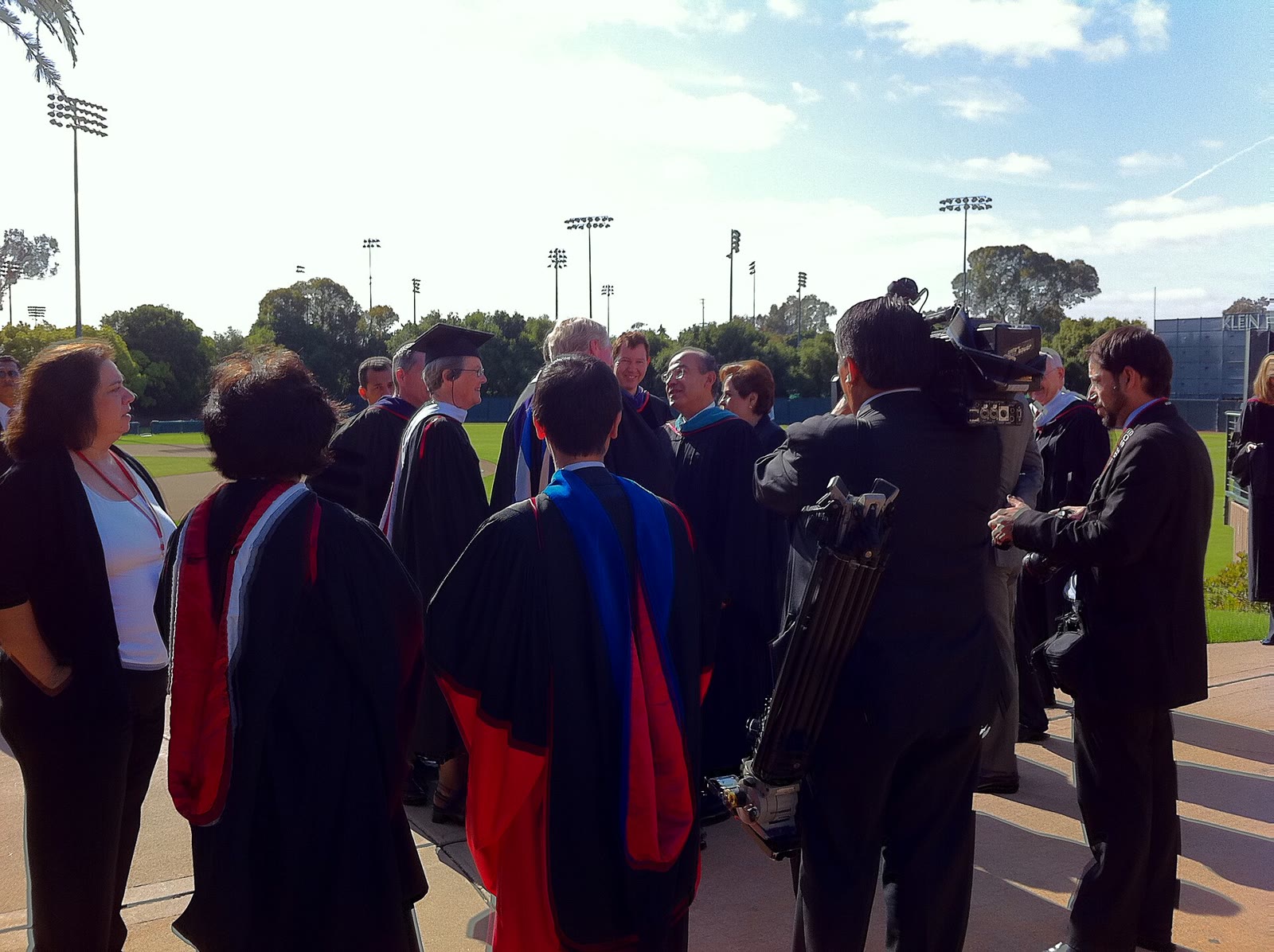
On June 12, 2005, Jobs told Stanford graduates that the back cover of the final issue showed “a photograph of an early-morning country road,” with the four famous words beneath it as “their farewell message as they signed off.” He dated that issue to the mid-1970s, later than the 1971 Last Catalog, so which issue he meant is unclear. For another California story checked against its record, see our Winchester Mystery House history.
| Year | Event | Where |
|---|---|---|
| 1966 | The Whole Earth photograph button | San Francisco |
| 1968 | First Whole Earth Catalog | Menlo Park |
| 1971 | Demise Party, 1,500 guests | Exploratorium |
| 1972 | National Book Award; Point Foundation | Not stated |
| 1974 | CoEvolution Quarterly begins | Sausalito (Box 428 by 1975) |
| 1982 | Brand moves onto the tugboat Mirene | Sausalito |
| 1984 | Last CQ, No. 43 | 27 Gate Five Road |
| 1984-85 | The WELL set up and opened | The same office |
| 2005 | Jobs quotes the farewell line | Stanford |
Frequently asked questions
When was the last Whole Earth Catalog?
The Last Whole Earth Catalog won the National Book Award in 1972, after a Demise Party at the Exploratorium in 1971. Later editions followed until 1998.
What was the Whole Earth connection to Sausalito?
CoEvolution Quarterly was edited there, at Box 428 and later 27 Gate Five Road, the WELL began in the same office, and Brand moved onto a tugboat there in 1982.
What was the WELL?
The Whole Earth ‘Lectronic Link, a computer teleconference system for the San Francisco Bay Area, founded by Stewart Brand with Larry Brilliant and others.
Did Stewart Brand work with Antenna Theater?
No source says so. His CoEvolution Quarterly pictured Snake Theater’s cardboard people in 1977 and printed a 1983 review by Annette Rose of Antenna Theater: neighbours on one waterfront.