History of Galilee Harbor, Sausalito’s Live-Aboard Co-op
At the foot of Napa Street, beside Dunphy Park, a few dozen boats make up one of the stranger success stories of the Bay Area waterfront. The history of Galilee Harbor in Sausalito takes in a Gold Rush shoreline, a wooden ship that came to rest in the mud, a boatyard torn down before dawn and a long legal fight.
Quick answer
What is Galilee Harbor?
Galilee Harbor is a live-aboard cooperative of about 38 boats on the Sausalito waterfront, named for the brigantine Galilee, which was beached there. It grew from Bob’s Boatyard, torn down on August 4, 1980, and after a long fight with state regulators won a 1996 settlement that keeps it affordable for artists and maritime workers.
A pier at the foot of Napa Street
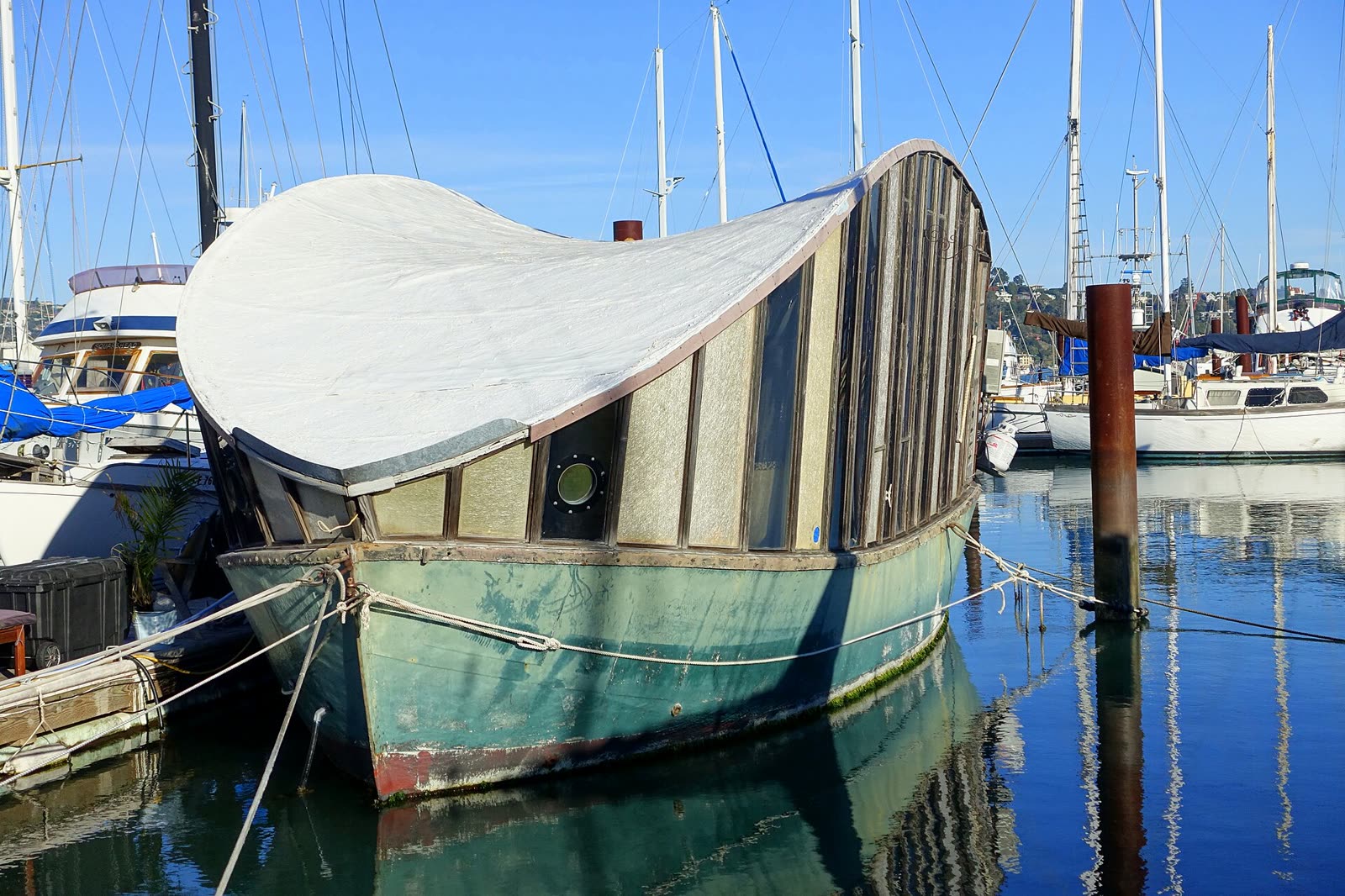
Latitude 38 wrote in 2013 that the site “has been involved in maritime trades since shortly after the Gold Rush,” and that by the turn of the 20th century a pier served fishing craft and live-aboard barges.
A 2026 San Francisco Chronicle article on Annette Rose put it this way: “The live-aboard vessels that now constitute Galilee Harbor have been around since the turn of the 20th century, providing affordable housing for fishermen and people who worked in the boatbuilding industry. Artists began moving in after World War II.”
The ship that gave the harbor its name
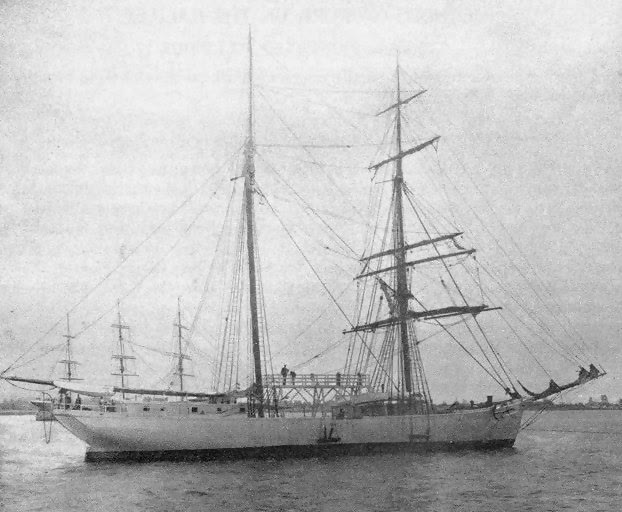
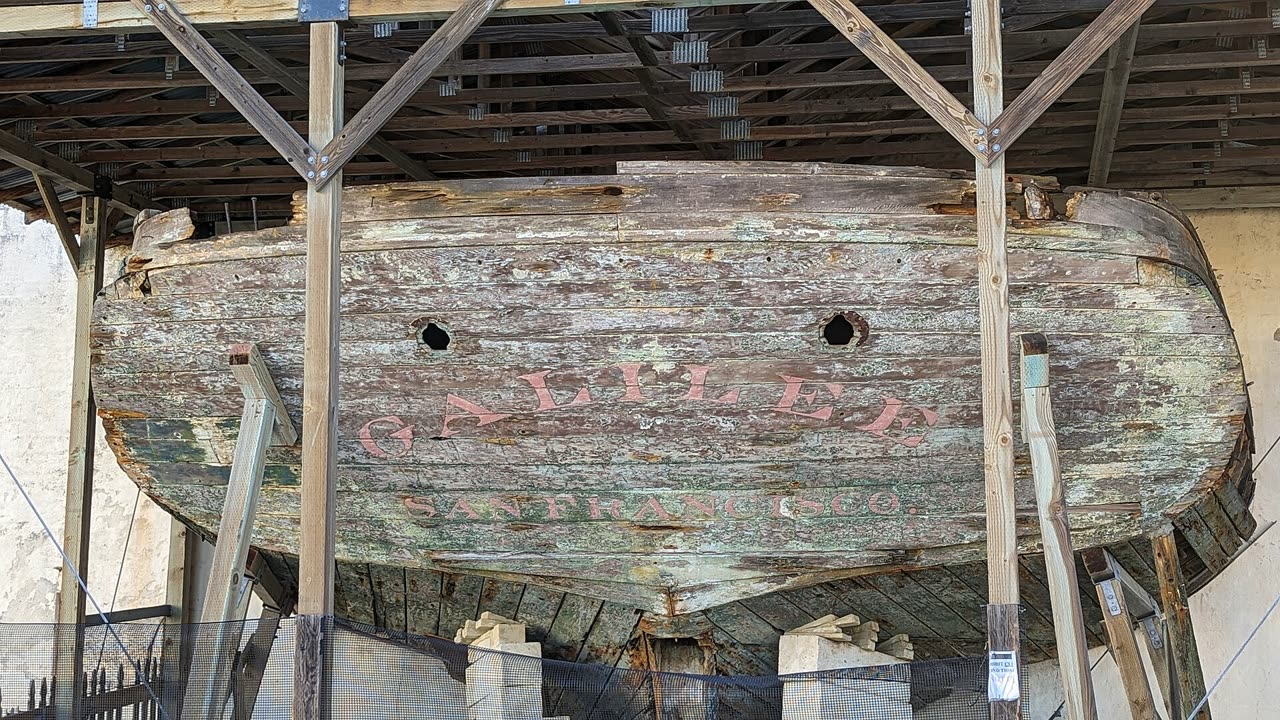
“The residents named their community after a wooden cargo ship built by renowned builder Matthew Turner in 1891,” Elena Kadvany wrote in the Chronicle in 2023. The Sausalito Historical Society explains the name: “Many of her passengers were missionaries, which is why the biblical name Galilee was chosen.”
The Galilee had several lives. After Turner died in 1909 she was sold to the Union Fish Company and rigged as a three-masted schooner; in 1936 Captain John Quinn made her a home. She ended up “beached in Sausalito at the foot of Napa Street where Galilee Harbor stands today.”
Sausalito condemned 22 vessels in 1962, the Galilee among them. Her stern was cut off for restoration in 1975, her bow went to Benicia in the mid-1980s, and the restored stern is on display at Fort Mason. Call of the Sea’s history of the Matthew Turner tells how a new brigantine was designed from Turner’s original plans.
August 4, 1980: the end of Bob’s Boatyard
“In the late 1970s, the Sausalito City Council sought to clean up the town’s waterfront,” the Chronicle wrote. A local timeline of the water wars records that in 1977 “Bob’s Boatyard in the area of Napa Street was under attack simultaneously”.
In the early hours of August 4, 1980, Bob’s Boatyard in Sausalito was torn down, and accounts differ on who ordered it. The 2023 Chronicle feature, citing resident Marianne Dolan’s documentary, says police officers came with a bulldozer. The 2026 Chronicle article on Rose says the yard “was demolished by a developer who had bought the property,” while Latitude 38 and CBS San Francisco say the city cleared it.
The residents answered in court. “They got a restraining order to block further demolition and started campaigning for a viable way to live at the Napa Street harbor.” The same year the boatyard’s people organized as a co-op and incorporated as Galilee Harbor.
Sixteen years with the regulators
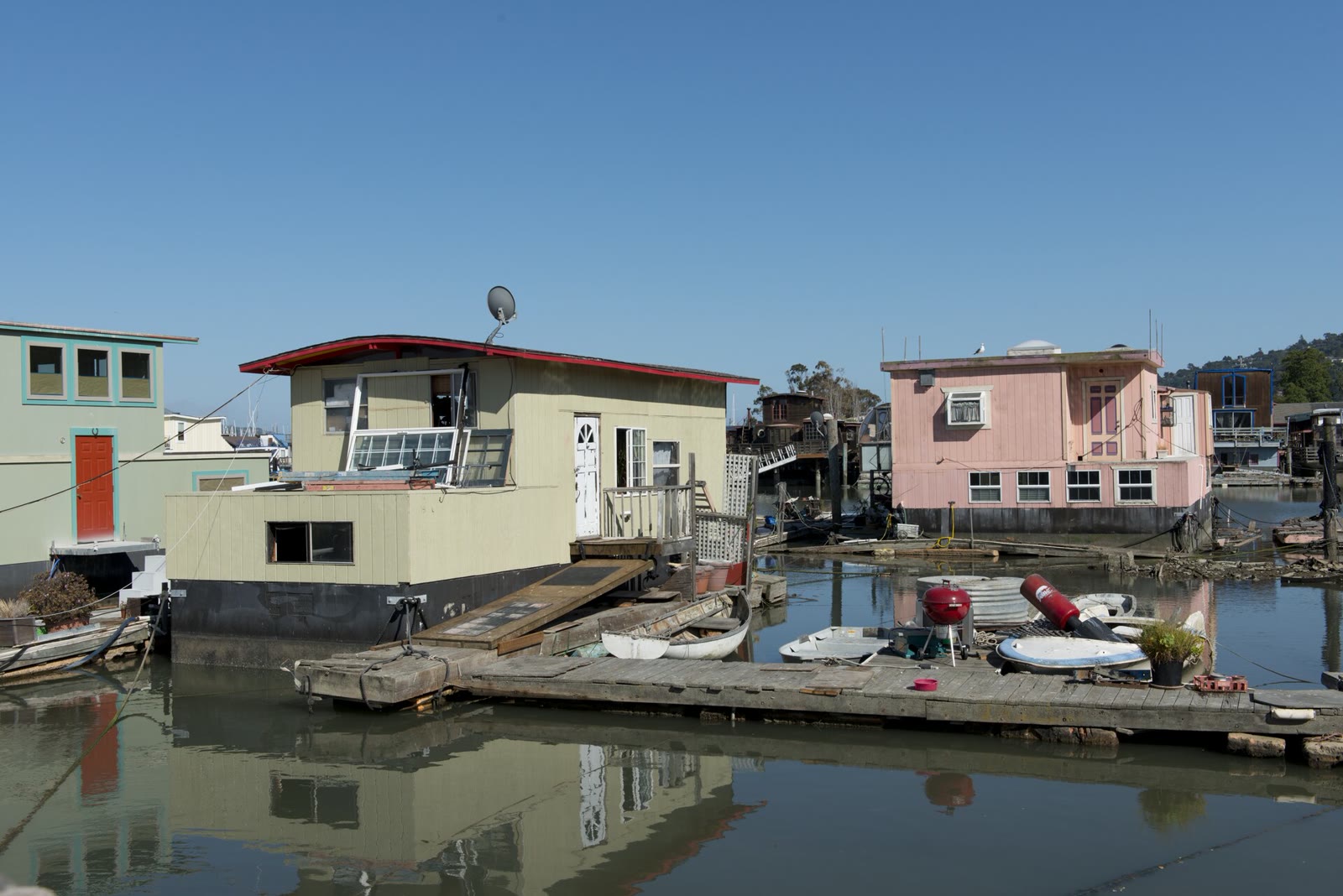
The harbor’s biggest opponent was the Bay Conservation and Development Commission, which in the Chronicle’s words “doesn’t permit residential use of the water”. The commission “sued Galilee and threatened to fine its residents.”
“Galilee countersued and won a settlement in 1996 whose purpose is to preserve affordable housing for artists and maritime workers,” with conditions that included restoring a neighboring marsh and keeping public shoreline parking.
Latitude 38 counted the cost in years: “After 18 years of haggling with various agencies,” the tenants won permits for a legal live-aboard marina, which puts the permits at the end of the 1990s. By 2010, “The Association now owns the much-upgraded property.”
Hardman, Rose and the harbor
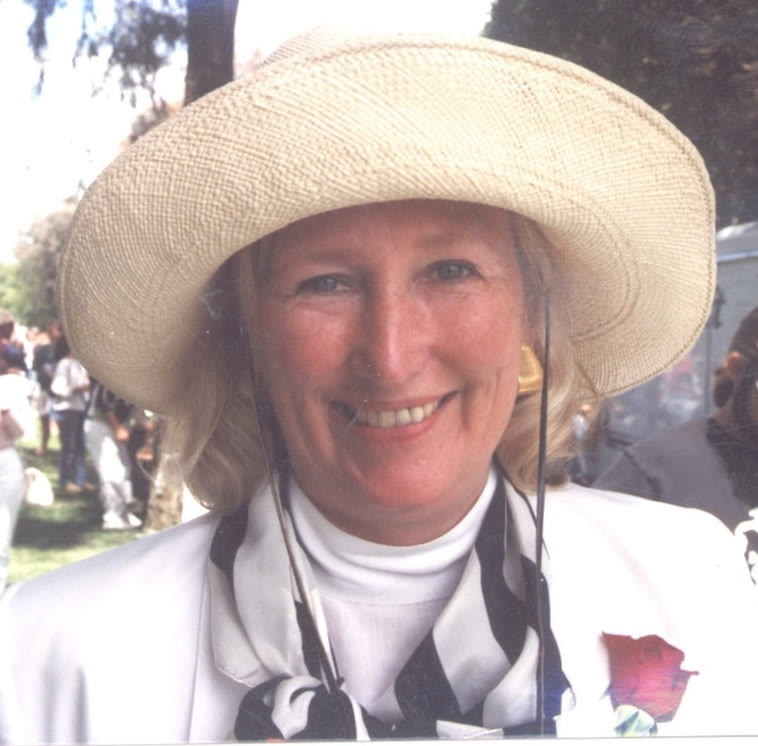
Chris Hardman, who founded Antenna Theater, and Annette Rose, its longtime managing director, were part of the harbor’s story from the start. When the boatyard came down, preservationists including the two of them “walked into a meeting of the Sausalito City Council carrying chainsaws. They didn’t have to start them up.”
In the mid-1980s they bought “the Escort, an 85-foot tugboat that they towed to Galilee Harbor and that became their home.” Rose was “the first and only Galilee Harbor resident to serve on the City Council”, elected in 1988 and mayor in 1991, and later the only one on the Marin County Board of Supervisors. Galilee’s longtime administrator remembered: “We were perceived as pirates on the waterfront, and she changed the perception.”
The harbor was a stage too. In 1993 Antenna’s town-wide show On Sight (in Sausalito) used its parking lot as a stop. Years earlier, Snake Theater had built the giant puppets of the 1977 houseboat protest. In 2006 a fire ended the couple’s last tugboat home, a night told in Fire and Ice, the piece it became.
| Year | Event | Source |
|---|---|---|
| Early 1980s | Maritime Day begins, marking the 1980 demolition | San Francisco Chronicle, 2026 |
| Mid-1980s | The tug Escort towed to Galilee as the family home | San Francisco Chronicle, 2026 |
| 1988-2004 | Rose, the only Galilee resident on the City Council and the Board of Supervisors | San Francisco Chronicle, 2026 |
| 1993 | On Sight (in Sausalito) uses the harbor’s parking lot as a stage | Reviews, via the On Sight post |
| 2006 | The tug Liberty burns; Fire and Ice follows | Antenna press release |
| 2024 | Maritime Day: “A Salute to Chris Hardman” | Floating Times |
One boat, one vote: the harbor today
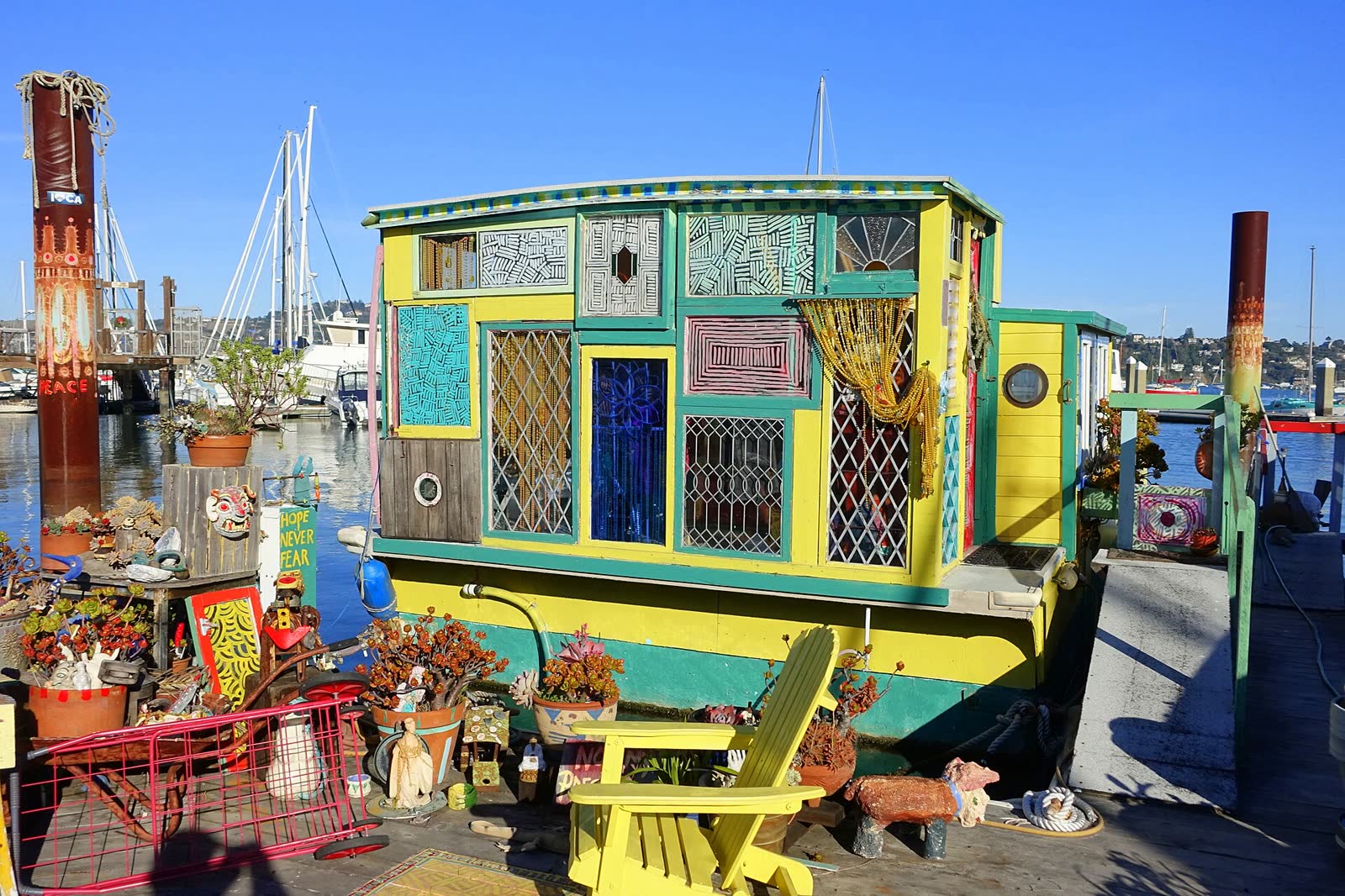
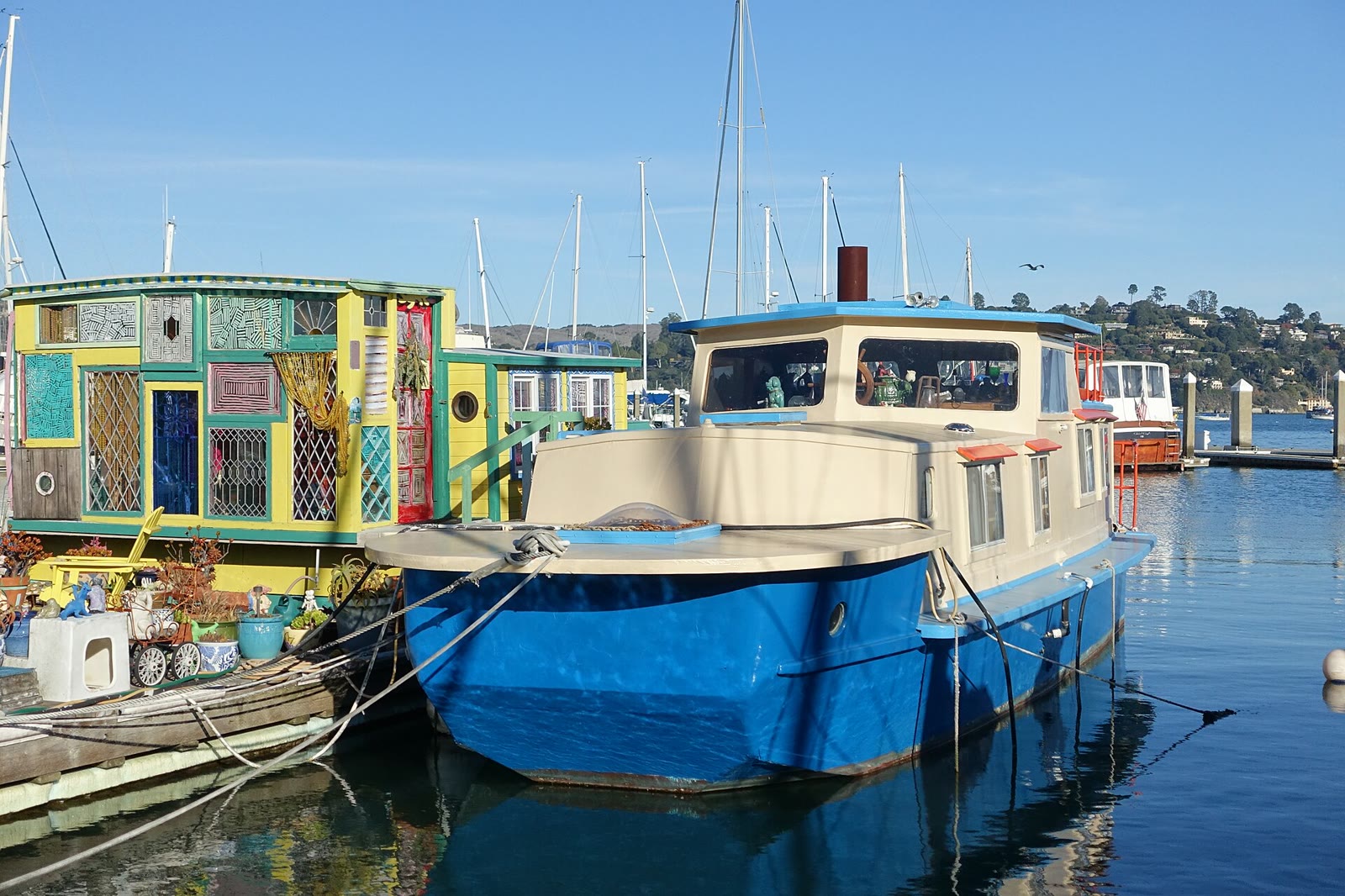
The 2023 Chronicle counted “38 boats docked at 300 Napa St. overlooking Richardson Bay” and called Galilee “thought to be the only wholly owned and operated live-aboard cooperative harbor in the country.” It runs itself: “Galilee functions democratically; its slogan is ‘one boat, one vote.’”
“Residents are either artists or maritime workers and must be voted in,” CBS San Francisco reported, and most must qualify as low income.
Galilee Harbor Maritime Day is the harbor’s summer festival, held the first weekend of August “to commemorate the date of Aug. 4, 1980, when Bob’s Boatyard on the waterfront was demolished”. Rose and Hardman started it in the early 1980s. Latitude 38’s note on Maritime Day describes exhibits, demonstrations, music, dinghy races and a flea market, and in 2024 the theme was “A Salute to Chris Hardman,” with his masks and props in the community garden.
The history of Galilee Harbor, Sausalito, in eight dates
| Year | Event | Source |
|---|---|---|
| c. 1900 | A Napa Street pier serves fishing boats and live-aboard barges | Latitude 38 |
| 1936 | The brigantine Galilee becomes a residence, later beached at the foot of Napa Street | Sausalito Historical Society |
| 1977 | Bob’s Boatyard “under attack” in the waterfront fights | Floating Times |
| 1980 | Bob’s Boatyard torn down on August 4; residents incorporate as Galilee Harbor | Chronicle; Floating Times |
| 1989 | City draft report on a 41-berth marine service harbor | CEQAnet |
| 1996 | Settlement with BCDC preserves affordable homes for artists and maritime workers | Chronicle |
| 2002 | Marin Community Foundation loan builds docks | Chronicle |
| 2023 | About 38 boats; “one boat, one vote” | Chronicle |
The harbor sits in the old Marinship district, a short walk from the Marinship and the Bay Model nearby. Across the water, the history of the Herbst Theatre is another Bay Area place story, and every Antenna production that touched Sausalito is in the Antenna chronology.
Frequently asked questions
Why is it called Galilee Harbor?
It is named for the brigantine Galilee, built by Matthew Turner in 1891 and later beached at the foot of Napa Street, where the harbor stands today.
What happened to Bob’s Boatyard?
It was torn down in the early hours of August 4, 1980. Residents won a restraining order and formed the co-op.
How did the harbor become legal?
After a lawsuit by the Bay Conservation and Development Commission, Galilee countersued and won a 1996 settlement to keep affordable homes for artists and maritime workers.
What is Maritime Day?
The harbor’s annual summer festival of boatbuilding and the working waterfront, held the first weekend of August in memory of August 4, 1980.