The History of Headphones: Who Really Invented Them?
The history of headphones has no single inventor, whatever the listicles say. Telephone operators, opera lovers at home, a Utah tinkerer writing in violet ink and a Milwaukee hi-fi dealer all have a claim. This guide follows the device itself, from operator harnesses to noise cancelling.
Quick answer
Who invented headphones?
No one person. Telephone operators wore head-mounted receivers by the early 1880s, and Ernest Mercadier patented his Bi-Telephone in 1891. Nathaniel Baldwin’s kitchen-built headset, tested by the US Navy around 1910, set the modern shape, and John Koss’s SP-3 of 1958 is credited by his company as the first stereo headphones.
Operators and opera lovers
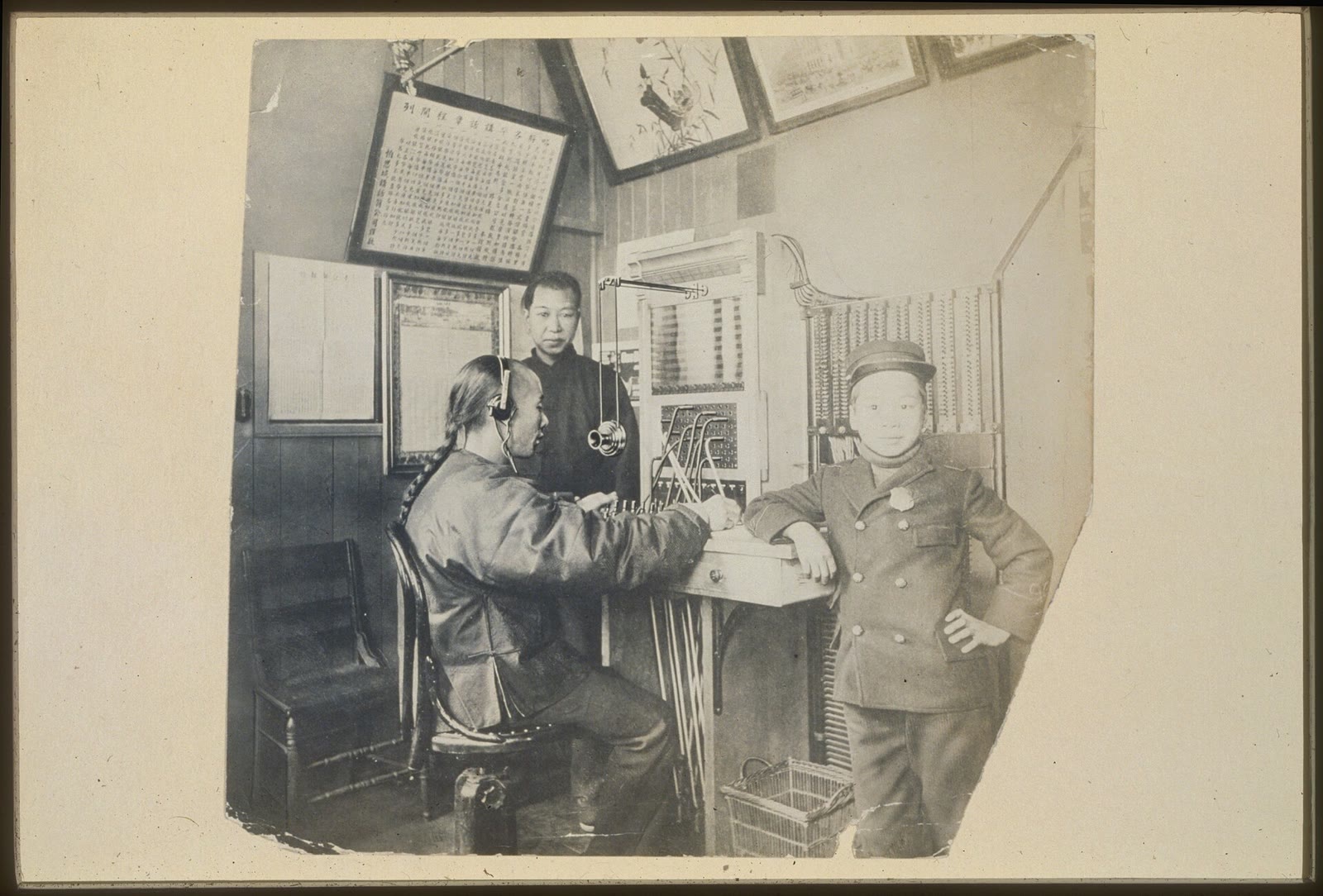
The broadcast engineer Mark Schubin put the problem neatly: “As for me, I don’t know who invented headphones … But I do know many who didn’t invent them. The list includes John Koss, Eugen Beyer, and Nathaniel Baldwin.” He points instead to the people who needed them first: “telephone operators.”
Ezra Gilliland “rigged a telephone transmitter (mouthpiece) and receiver (earpiece) into a contraption that sat on an operator’s shoulders.” By various reports it weighed between 6 and 11 pounds, and it was in use no later than 1881.
In 1888 The Electrical Engineer described a receiver “mounted on a strop or band, which goes over the head,” used “in Lisbon by subscribers who wish to hear the opera without leaving their residences.” On June 16, 1891, Ernest Mercadier “received U.S. Patent 454,138 for his headphones, called a Bi-Telephone.” Britain’s Electrophone service and its cousins belong to our history of headphone theater and the théâtrophone.
A letter in violet ink: Nathaniel Baldwin’s headphones
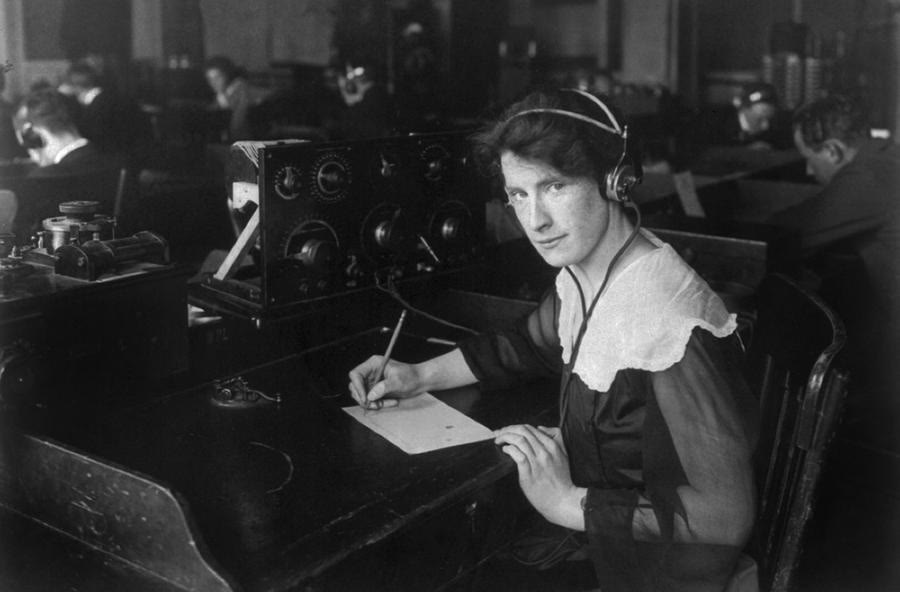
Nathaniel Baldwin was “an inventor, former physics professor and power plant operator” who had “a hard time hearing the voices from the speakers” in the Salt Lake Tabernacle. The US Navy’s own 1963 history, by Captain Linwood Howeth, tells what came next. Admiral Hepburn “came across a letter from Salt Lake City written with violet ink on blue and pink pad paper.”
“The phones arrived promptly, packed in an old baking powder tin.” Austin, the Navy’s tester, “laughingly took them for the requested testing,” then reported they were “about twice as sensitive as any he had tested.” The Navy tells of one pair in the tin; KSL says four headsets.
Baldwin, says the Navy’s history of Baldwin’s kitchen workshop, was “manufacturing these devices in his kitchen” and would take orders for only ten sets at a time. “In his little kitchen workshop, Baldwin had developed the modern headset.” The patent story is muddled: his letter called the phones patented, but when Hepburn urged a patent on the headband, “he replied that he would not demean himself by requesting a patent on such trivia.”
War made him. “Business really boomed with the start of World War I,” says KSL’s account of Baldwin’s rise and fall, and radiomen called his sets “Baldies.” By 1922 his factory had 150 workers building 150 headsets a day. In 1933 a Montana jury convicted him of mail fraud and conspiracy.
Studio and stereo
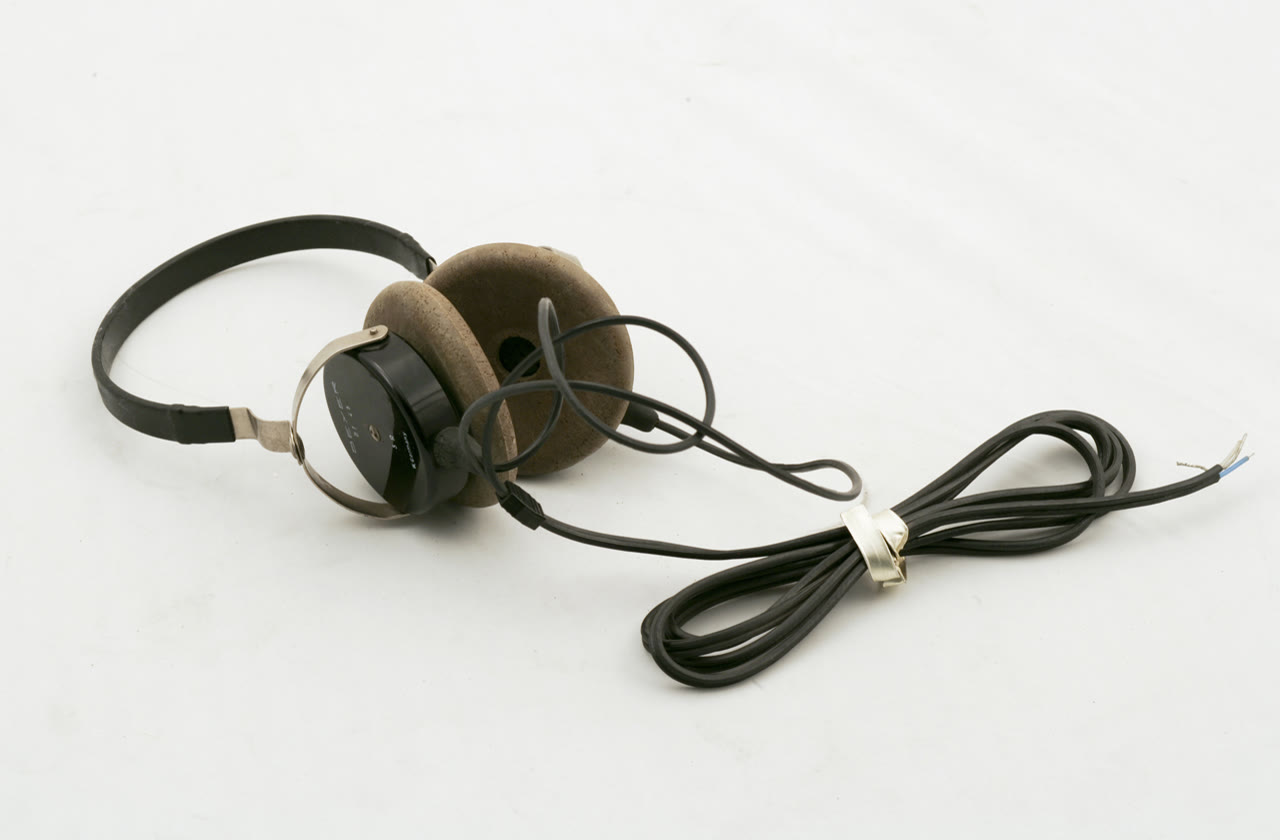
“In 1937, Beyer’s company introduced the first DT 48 headphones, still sold today,” Schubin wrote in 2011. Its successor, the DT 49 of 1953, “was very popular in stores that sold music recordings.”
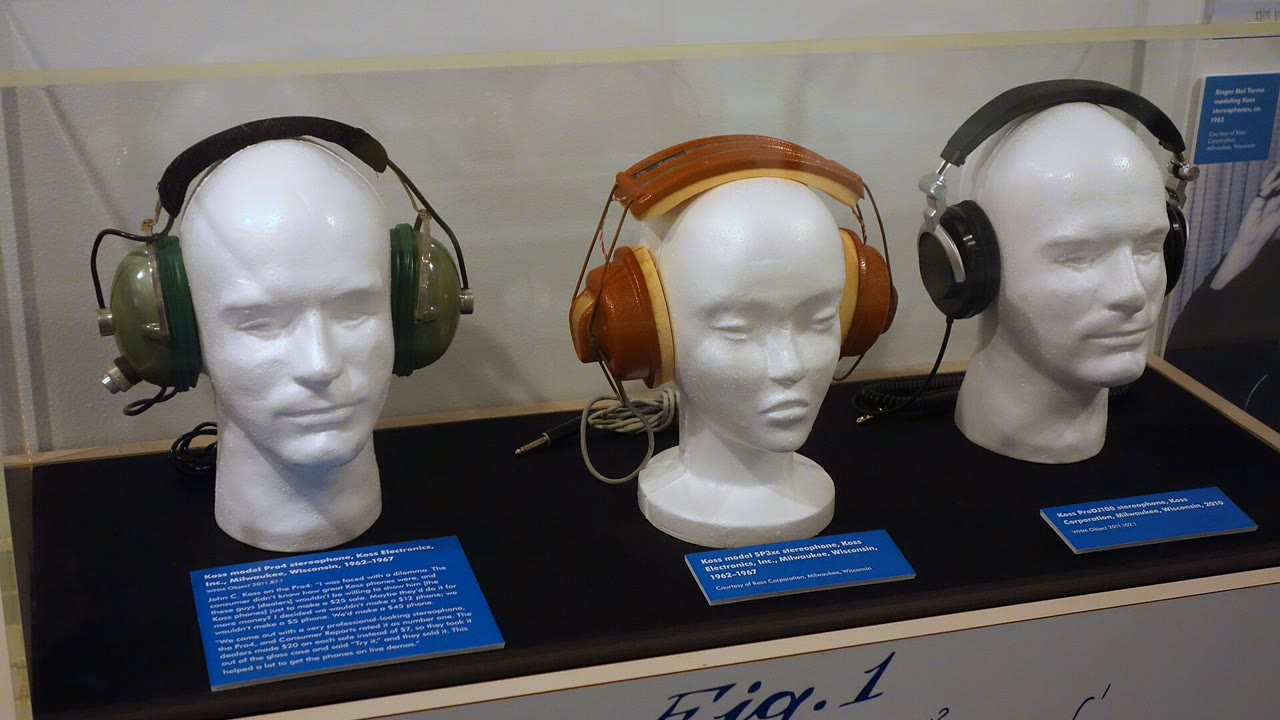
In Milwaukee in 1958, John Koss and Martin Lange took a phonograph to a hi-fi show with “a pair of aviator headphones,” and the headphones “were a bigger hit than the phonograph.” Koss’s own story has them putting “TV parts inside a makeshift set of headphones made from cut-out cardboard and a coat hanger.” Michael Koss remembered his father saying “it was like being in the band again.”
The company calls the SP-3 “the first set of stereo headphones,” a claim about music listening rather than headphones as such. The recording side of the story is in our history of stereo sound.
Open, light and portable
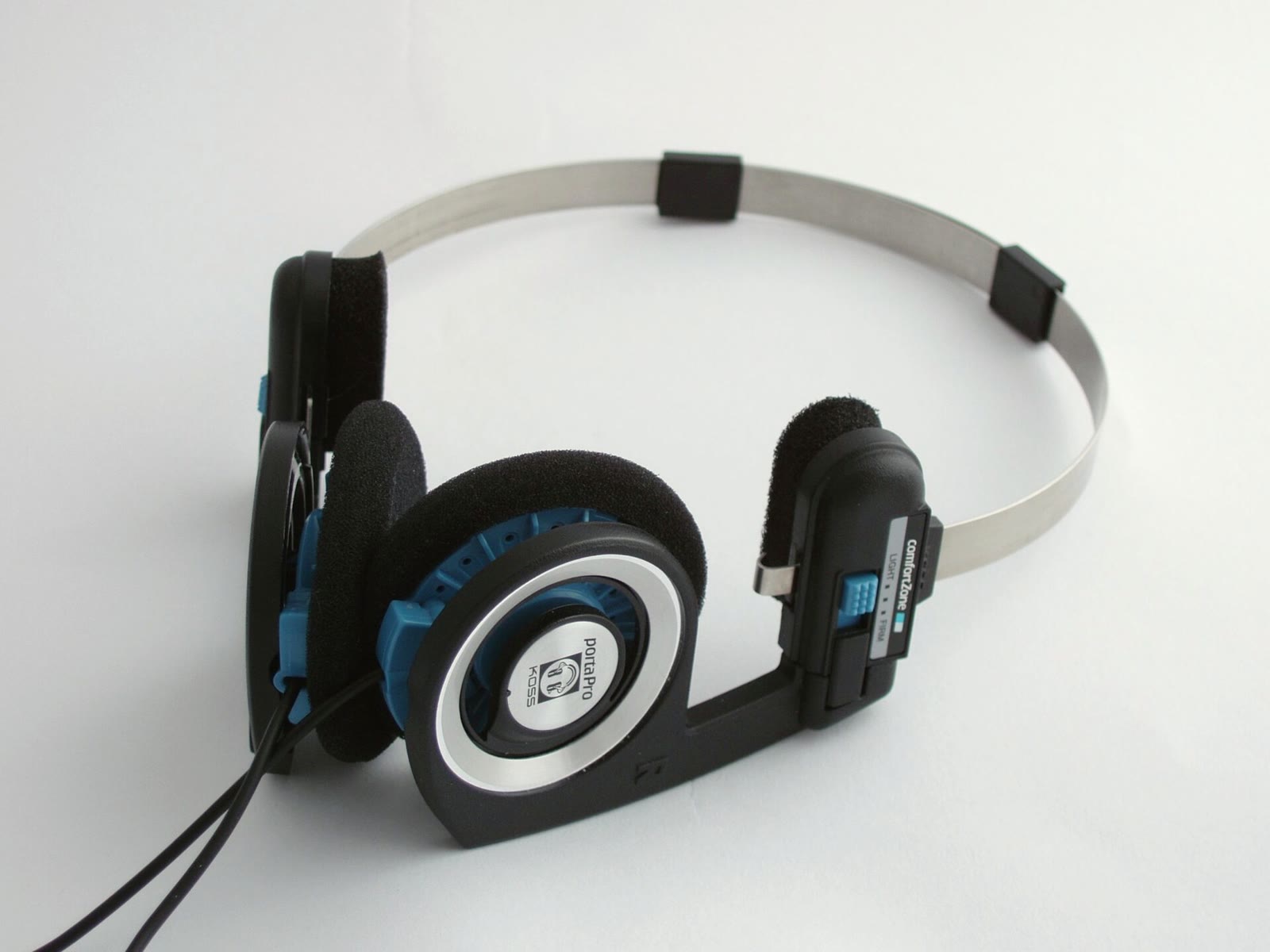
Sennheiser calls its HD 414 of 1968 “the world’s first open-back headphones and the bestselling, full-size headphones of all time.” Sound & Vision says it “weighed just 74 grams” and sold more than 10 million. Its first models had a 2,000-ohm impedance, echoing the figure Baldwin had guessed for the Navy.
Then came the step that put headphones in every pocket: “The company licensed Open-Aire technology to Sony for its first-generation Walkman headphones.” The player itself is in our history of the Sony Walkman. Michael Koss said the industry “changed the most in the early ’80s,” and claims Koss made the first collapsible sets for portables. “If your Walkman or Discman headphones didn’t work, then your product didn’t work.”
Cancelling the world
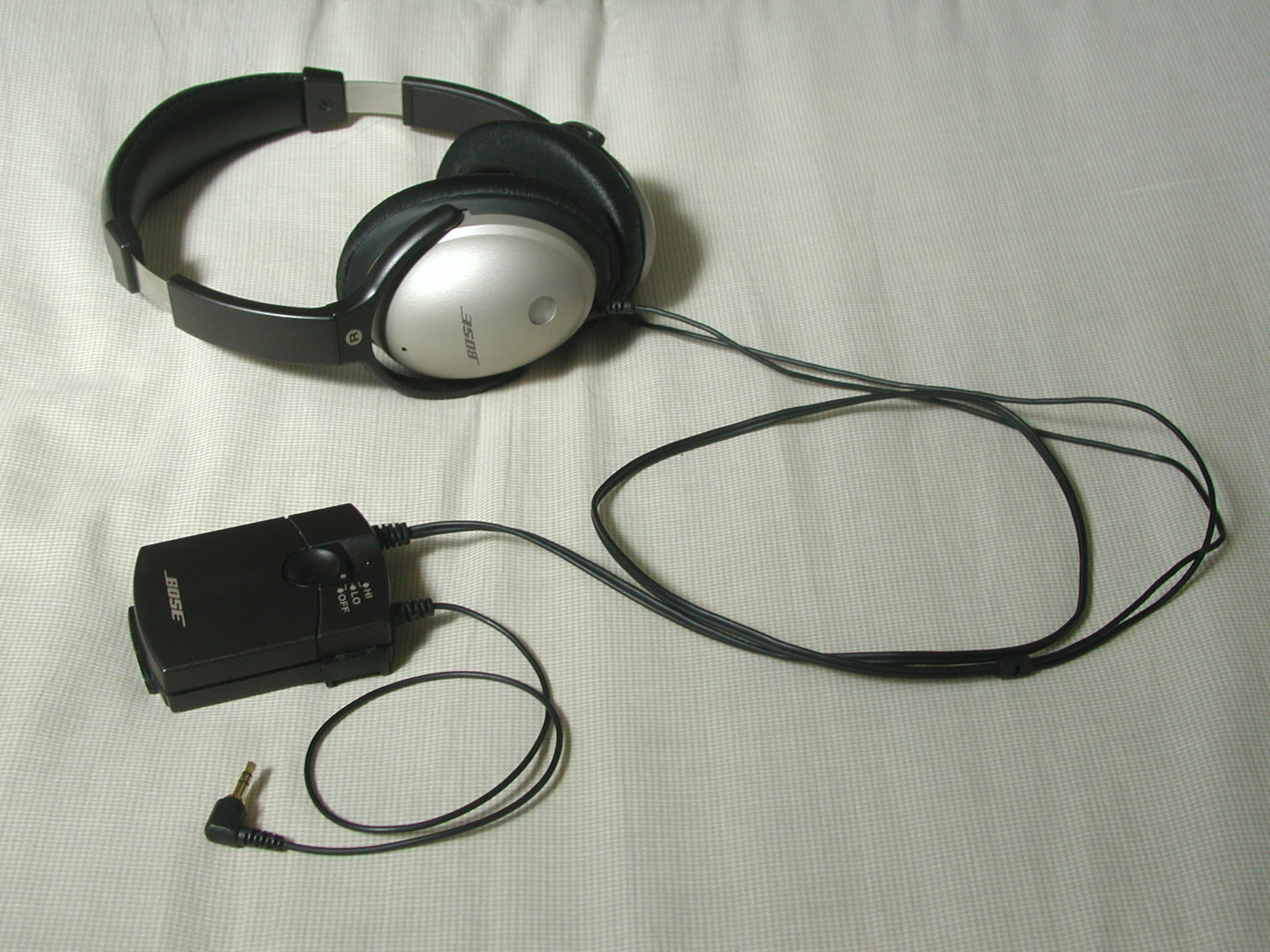
The last big change took the outside world away. CNBC reports that Bose “introduced the world’s first commercial noise-canceling headphones,” and that “The first noise-canceling headphones took $50 million and more than a decade of work.” Here is the whole history of headphones in one table, as the sources credit it.
| Year | Who | Credited with |
|---|---|---|
| By 1881 | Ezra Gilliland | An operator’s harness of 6 to 11 pounds |
| 1888 | Lisbon subscribers | A headband receiver for opera at home |
| 1891 | Ernest Mercadier | The Bi-Telephone, US Patent 454,138 |
| About 1910 | Nathaniel Baldwin | The Navy’s modern headset |
| 1937 | Eugen Beyer | The DT 48 |
| 1958 | John Koss, Martin Lange | SP-3 stereo headphones (company claim) |
| 1968 | Sennheiser | HD 414, open-back, 74 grams |
| Walkman era | Sony, under licence | Light open headphones for the Walkman |
| Later | Bose | The first commercial noise-cancelling headphones |
Headphones as a stage: Antenna Theater
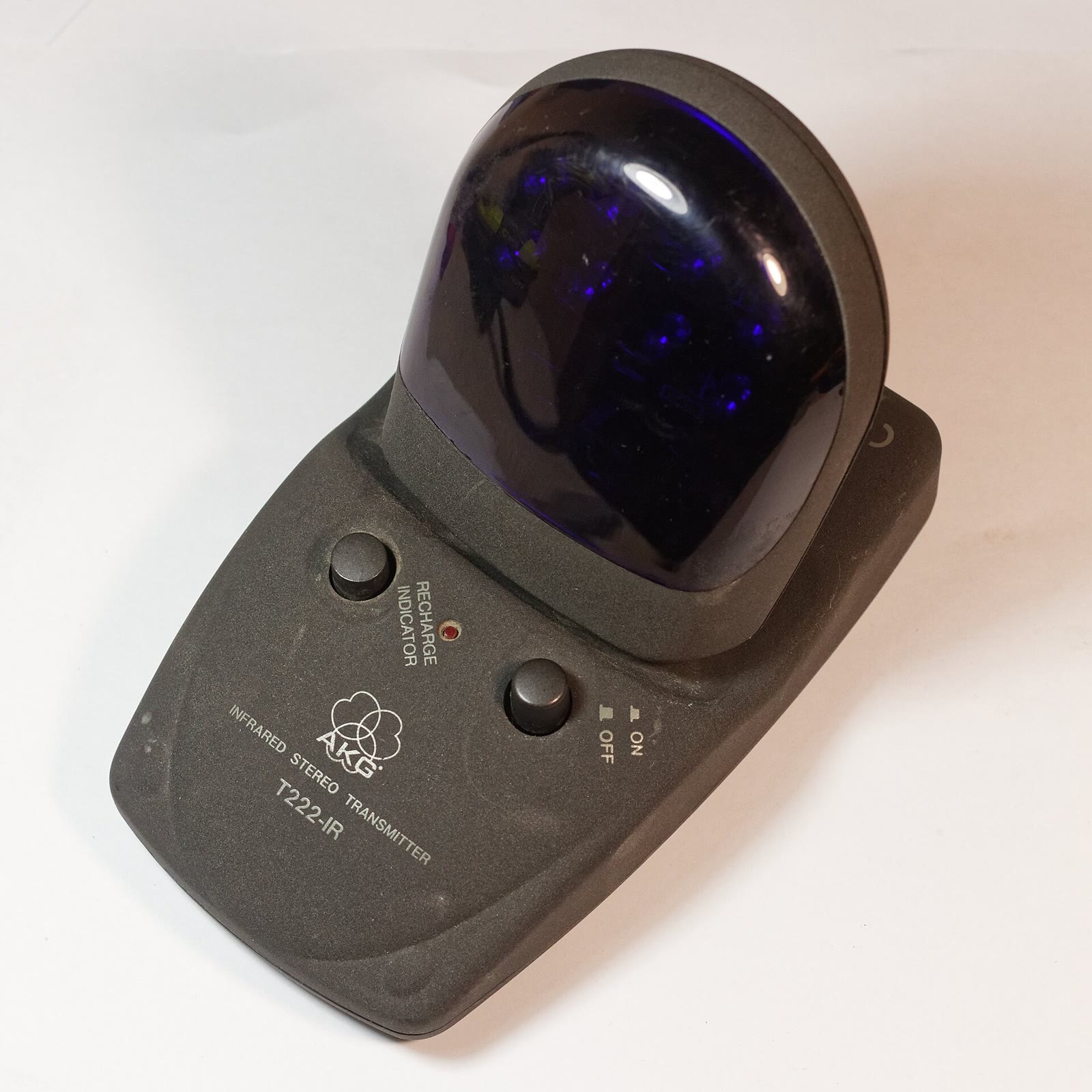
For one Sausalito company, headphones were the stage. Paul Moor told London Times readers in 1989 that Chris Hardman’s Walkmanology took its name “from Sony’s little tape machine which makes earphone listening possible.”
The cassette had a limit. “With Walkman technology,” Hardman told Robert Hurwitt in 1986, “it’s easy to send everyone the same information at different times; it’s nearly impossible to give everyone the same information at the same time.” So Dracula in the Desert was “Walkmanology without the Walkman,” its headsets picking up dialogue, effects and Brian Pezzone’s score “via infrared transmission.”
| Year | Production | On the audient’s head |
|---|---|---|
| 1981 | High School | Walkman cassette |
| 1986 | Dracula in the Desert | Headsets on infrared |
| 1987 | Radio Interference | Infrared headset receivers |
| 1995 | Skin & Bones | FM headsets, English and Spanish |
| 2000-2003 | Euphorium | Digital player cued by infrared beacons |
| 2012 | On the Edge | iPhones |
Antenna used whatever headset each decade offered, and no source says it shaped headphone design. Radio Interference’s infrared sets also staged a famous radio scare, told in our War of the Worlds broadcast guide. The company worked from Sausalito, the waterfront town in our Whole Earth Catalog history, and its inventions are gathered in Walkmanology and Antenna’s other new theater forms.
Frequently asked questions
Who invented headphones first?
No single person. Telephone operators wore a head harness by 1881, and Ernest Mercadier patented his Bi-Telephone in 1891. Nathaniel Baldwin built the Navy’s modern headset around 1910.
Did Nathaniel Baldwin really make headphones in his kitchen?
Yes, according to the US Navy’s 1963 history, which says his kitchen workshop limited him to orders of ten sets.
What were the first stereo headphones?
Koss’s SP-3 of 1958, by the company’s own account.
Why were Walkman headphones so light?
Sony licensed Sennheiser’s Open-Aire design for its first-generation Walkman headphones. Sennheiser’s open HD 414 weighed 74 grams.