Etiquette of the Undercaste: Antenna Theater’s Walk-Through of Poverty (1988-1995)
Etiquette of the Undercaste was the Antenna Theater production that asked visitors to die, be born again, and live a whole life on the wrong side of the economy in under an hour. It opened in San Francisco in 1988, toured until 1995, and spent two months in a Smithsonian gallery in 1992. Many of the reviews quoted here survive as reprints on Antenna’s former website, credited below to the original outlets.
Quick answer
What was Etiquette of the Undercaste?
Etiquette of the Undercaste was an interactive installation by Antenna Theater, first shown in San Francisco in 1988. Wearing a Walkman, each visitor lay in a morgue drawer, “died”, and was “reborn” into a life of poverty, walking through 13 rooms that ended on a park bench. It played the Smithsonian in 1992.
Why “undercaste”? Where the idea came from
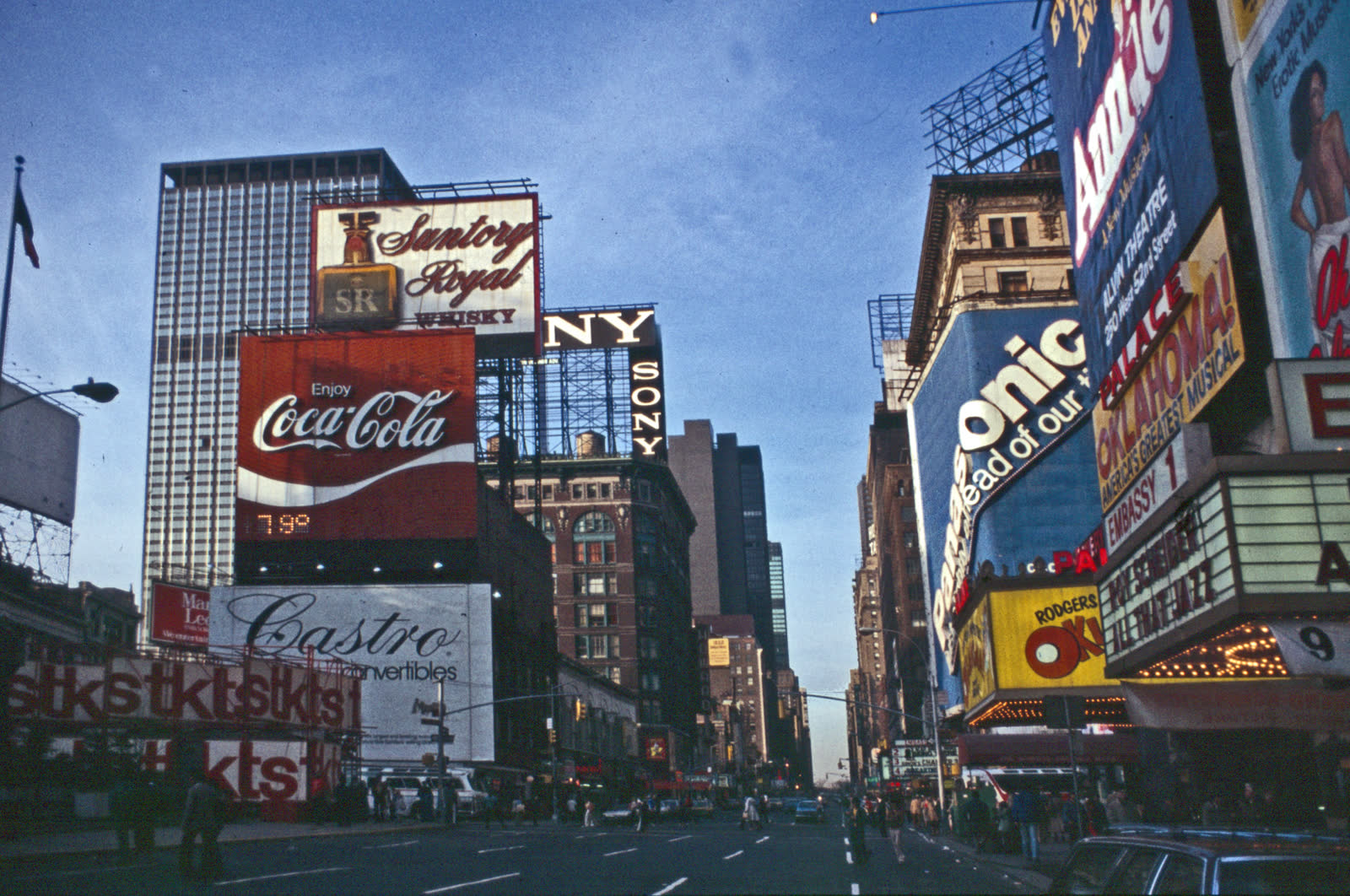
The sources disagree on when the idea began. The Christian Science Monitor reported in 1992 that Chris Hardman, Antenna’s founder and artistic director, conceived it in 1980, after seeing many homeless people in Times Square. The Philadelphia Inquirer wrote the same year that “Hardman says he was inspired” by “a 1985 visit to Times Square.”
The safe summary is that the idea dates to Times Square in the early to mid 1980s, and that the premiere came in autumn 1988. As for the title, Hardman told the Inquirer: “I felt that underclass was too soft.”
“You are going to die”: the morgue drawer
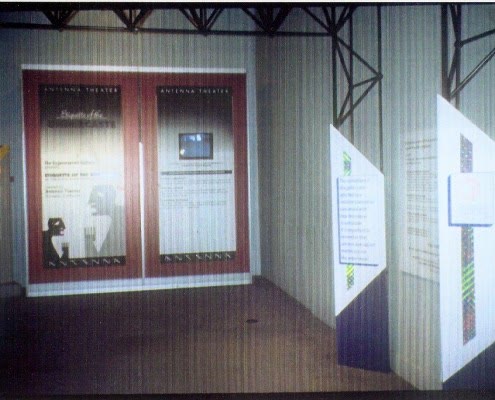
Steven Winn of the San Francisco Chronicle described the entrance in October 1988. Visitors “are equipped with a Sony Walkman and headset as they face a giant gray facade of morgue drawers.” One drawer opens, “the wary listener lies down on the slab and the drawer is shoved shut. ‘You are going to die,’ comes a voice in our ears.”
Antenna’s chronology gives the premise in one line: “Upon entering the installation, the visitor ‘died’ and was ‘reborn’ into a life characterized from birth by a succession of ever-worsening circumstances, ultimately leading to homelessness.” The Monitor reported that a spinning wheel chose the visitor’s new family, with parents addicted to cocaine, crack, heroin or alcohol.
Thirteen rooms, one life
The chronology calls it “a maze of 13 rooms where participants experienced poverty and powerlessness firsthand.” Between them, the critics named these stations.
| Station | What happened | Reported by |
|---|---|---|
| Rebirth | “a turning globe and a roulette wheel” | Philadelphia Inquirer |
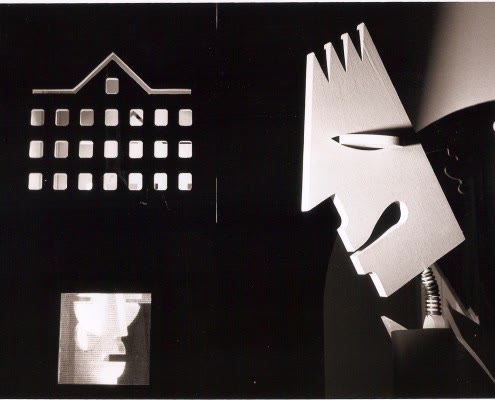
| Juvenile hall | “a Picasso-esque neo-primitive wooden sergeant” | 1988-1989 reviews |
| First job | Flipping plastic hamburgers “for $4.40 an hour” | 1988-1989 reviews |
| Job counselor | A figure “with wooden-disk lips on springs” | Christian Science Monitor |
| Boxing ring | “a massive, foam-rubber boxer suspended from above” | 1988-1989 reviews |
| Jail | Mirrors showing “our own image repeated ad infinitum” | 1988-1989 reviews |
| Welfare office, soup kitchen | Revolving doors at the welfare office, then a soup kitchen | 1988-1989 reviews |
| Park bench | A bench beside a bottle of Night Train | 1988-1989 reviews |
The Chronicle reported the closing words: “It’s your system. It’s my fault.” The Monitor noticed that visitors came out “silent and not smiling.”
Voices from the street: how the soundtrack was made
The New York Times reported in 1992 that the Walkman soundtrack used “statements given in interviews to Mr. Hardman and Due Qui Nguyen, a newscaster in California.” The Chronicle and The Times of London credited the set design to Ronald M. Davis.
Hardman described the work in two ways. The New York Times and Mother Jones quoted “I am calling this a social stimulator,” while the Monitor printed “social simulator.” He told Mother Jones: “I want to show that this image of ourselves as free agents in an open-ended society is bunk. Most poor people are trapped.”
The format itself is explained in our guide to how one-to-one maze productions guided a single visitor, and the Walkman behind it in our headphone theater history.
From SOMAR to the Smithsonian
San Francisco, Santa Barbara and the Marin Headlands
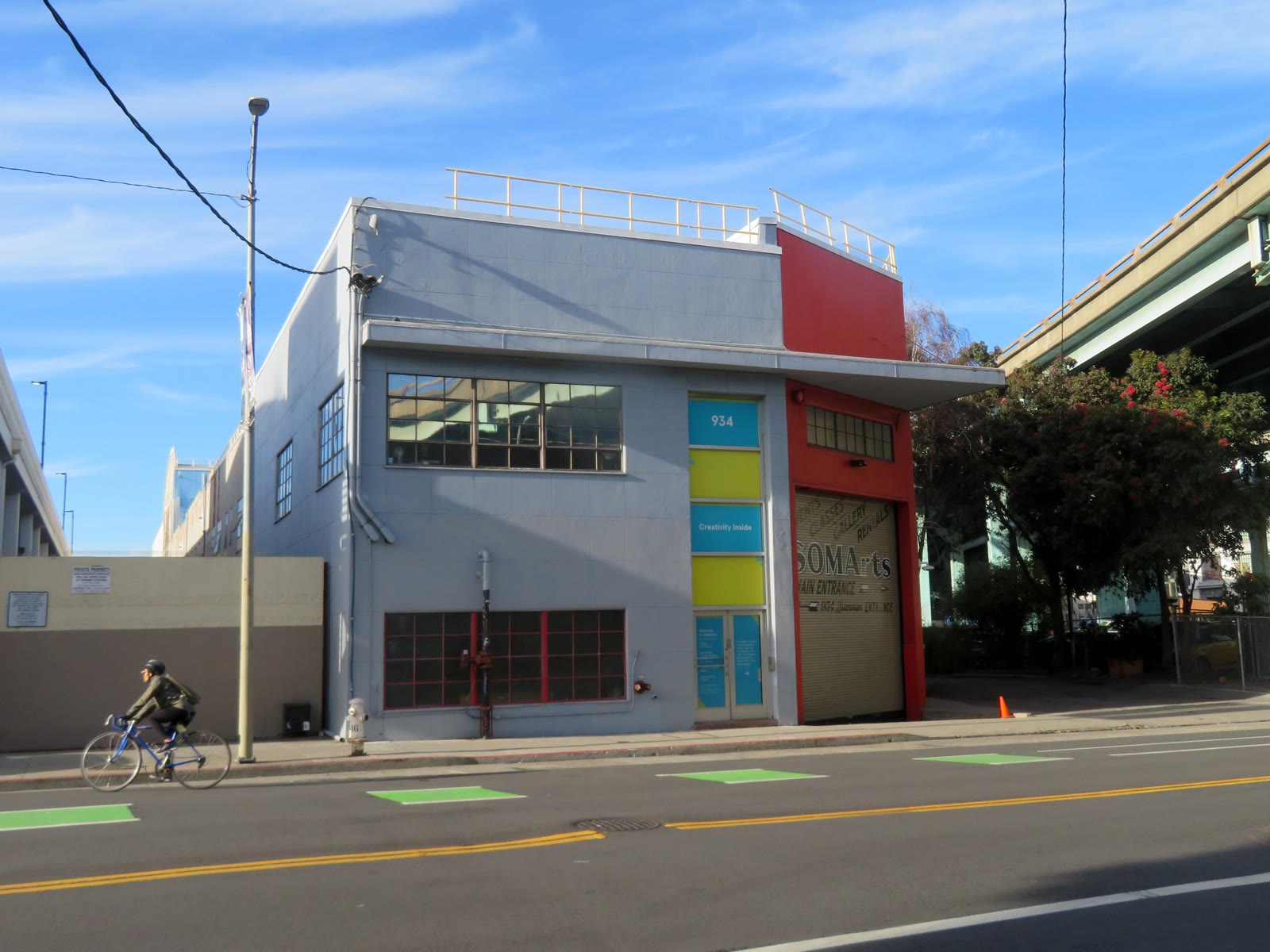
The premiere was at SOMAR, the South of Market Cultural Center, where the Chronicle said it ran “through December 11” in 1988. The New York Times later listed three showings before Washington: “the SOMAR Gallery in San Francisco, the Contemporary Arts Forum in Santa Barbara, Calif., and the Marin Headlands in Sausalito.”

The Santa Barbara run was in 1991, according to Antenna’s chronology. The Marin Headlands showing is undated and does not appear in the chronology at all.
The Experimental Gallery, 1992
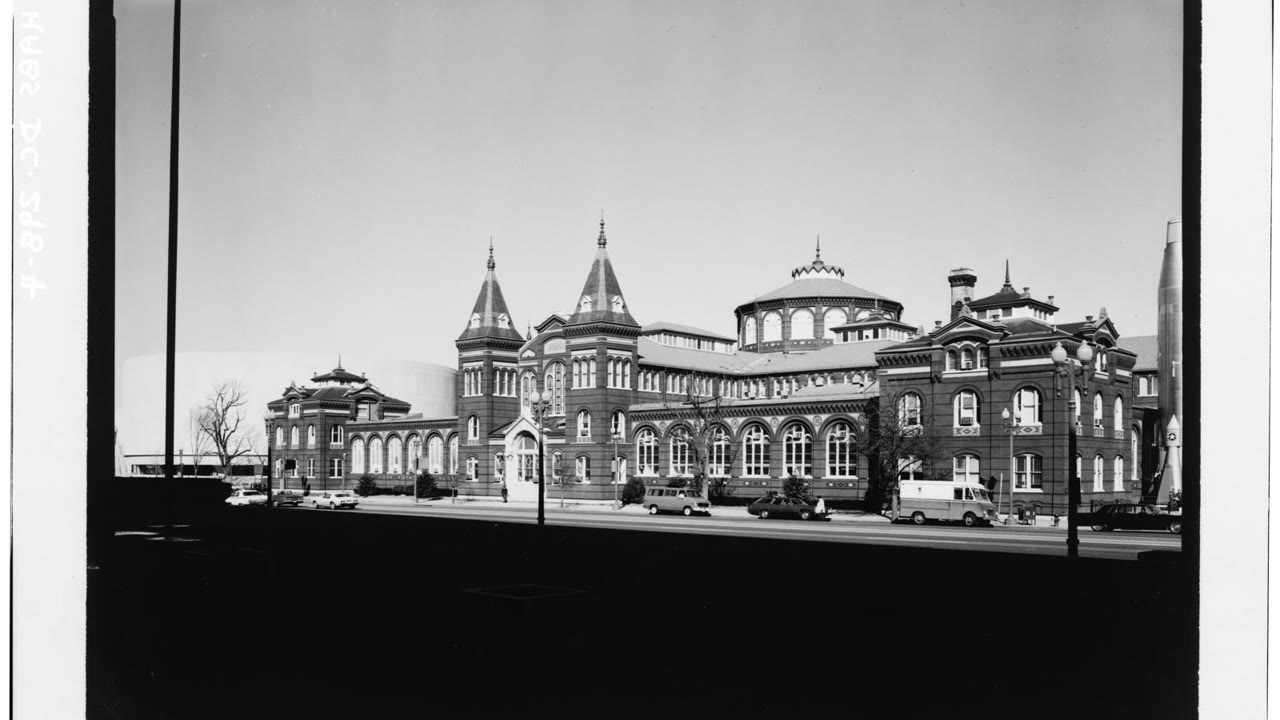
The Smithsonian’s Experimental Gallery, in the Arts and Industries Building, showed the work from February 14 to April 15, 1992. A Smithsonian Institution Archives photo caption records that “Visitors entered by lying on a morgue drawer and then were reborn in the exhibition.” The Archives also hold a folder titled “Budget for Etiquette of the Undercaste Exhibition.”
The Christian Science Monitor’s 1992 report on the exhibit that put visitors in the role of the homeless judged that it “makes an intelligent attempt at raising these issues.” The New York Times quoted Smithsonian Secretary Robert Adams calling it an example of “how museums must relate to the problems of the contemporary world,” and noted that “no Federal money will be spent for the homelessness exhibition here.”
There was pushback. Hardman later told the Seattle Times that “an editorial in The Washington Times attacked the Smithsonian” before the show opened; the Journal could not locate that editorial. The New York Times also quoted Allen Bliss, a man without housing, in Lafayette Park: “They should spend money on the homeless situation and on housing.”
Seattle and UCLA
The Seattle Times reported a 1993 showing in the Newmark building at Second and Pike, presented by the Seattle Junior League. The last listed venue was the UCLA Wight Art Gallery in Los Angeles in 1995, where the Daily Bruin called it “a hypnotic, suffocating, eye-opening and sometimes downright offensive journey.”
| Year | Venue | Time inside and entry interval |
|---|---|---|
| 1988 | SOMAR, San Francisco | 45 minutes (Chronicle, 1988; The Times, 1989); bookings every 15 minutes (The Times) |
| Before 1992 | Marin Headlands, Sausalito | Not reported |
| 1991 | Contemporary Arts Forum, Santa Barbara | Not reported |
| 1992 | Smithsonian Experimental Gallery | One visitor every three minutes (New York Times) |
| 1993 | Newmark building, Seattle | About 30 minutes, every 3½ minutes (Seattle Times) |
| 1995 | UCLA Wight Art Gallery | One visitor every three minutes (Daily Bruin) |
Antenna’s own pages give the run as 1988 to 1995 in the chronology but “1988 to 1994” on the 2005 show page; the January 1995 UCLA run supports the later date. The Seattle Times also dated the creation to 1989, which conflicts with the Chronicle’s 1988 review.
What critics said
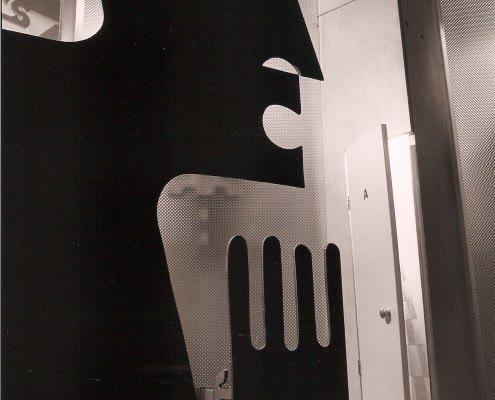
The line Antenna quoted most came from The Times of London in 1989: “Chris Hardman’s Antenna Theater has shown social engagement before, but never yet of this intensity. One emerges from ‘Etiquette of the Undercaste’ not only moved, but shaken.” It appears on Antenna’s press page, from Esquire to The Times.
Not everyone was persuaded. The Chronicle’s Winn wrote: “We get the manner more than the matter of what happens to people who wind up outside this society’s walls.” How the piece compares with seated drama is taken up in immersive theater vs traditional theater.
Frequently asked questions
What was Etiquette of the Undercaste?
An Antenna Theater walk-through installation in which each visitor, wearing a Walkman, died in a morgue drawer and was reborn into a life that ended in homelessness.
When was it at the Smithsonian?
From February 14 to April 15, 1992, in the Experimental Gallery of the Arts and Industries Building.
How long did it take to walk through?
Critics reported 45 minutes in 1988 and 1989 and about 30 minutes in Seattle in 1993.
Whose voices were on the soundtrack?
Statements from interviews recorded by Chris Hardman and Due Qui Nguyen, a California newscaster, according to the New York Times.
Why the word “undercaste”?
Hardman told the Philadelphia Inquirer: “I felt that underclass was too soft.”
The production sits among four decades of work in Antenna Theater’s full production chronology, alongside Antenna’s maze productions and Walkmanology and how Hardman turned the audience into audients.