Headphone Theater History: From the Théâtrophone to the Walkman
Headphone theater history is usually told in two halves that never meet. One half is about nineteenth-century telephone relays of opera, and the other starts with the binaural shows of the 2010s. The decade in between, when a Sony Walkman first turned a listener into a walking character, is the missing chapter, and Antenna Theater wrote much of it.
Quick answer
When did headphone theater begin?
Headphone theater began with the théâtrophone, shown in Paris in 1881, which let listeners hear a stage through two headphones. Walking headphone theater arrived after Sony’s Walkman (1979). Antenna Theater’s High School (1981, by Antenna’s chronology) sent each audience member through a real school with a Walkman, a form founder Chris Hardman called Walkmanology.
Before the Walkman: listening to theater down a wire (1881-1925)
The earliest ancestor was not made for headphones at all. It was a way of hearing a stage show from somewhere else, and the listener never moved.
The théâtrophone in Paris
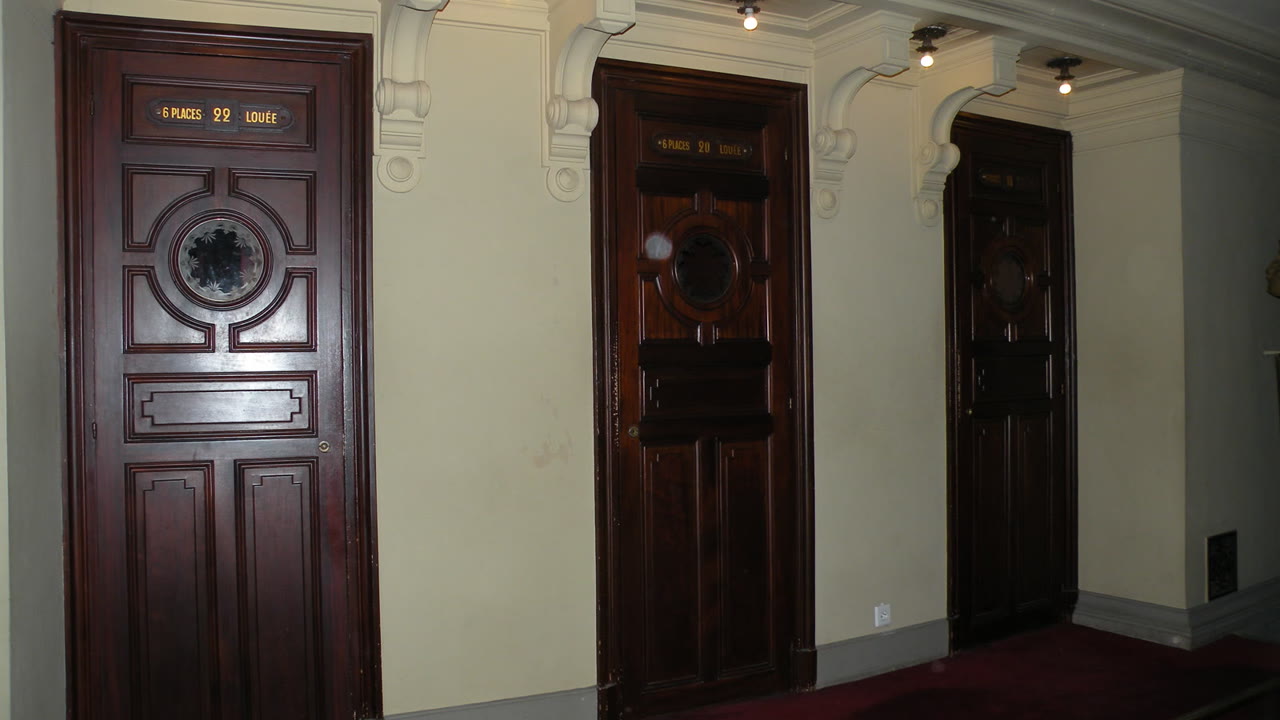
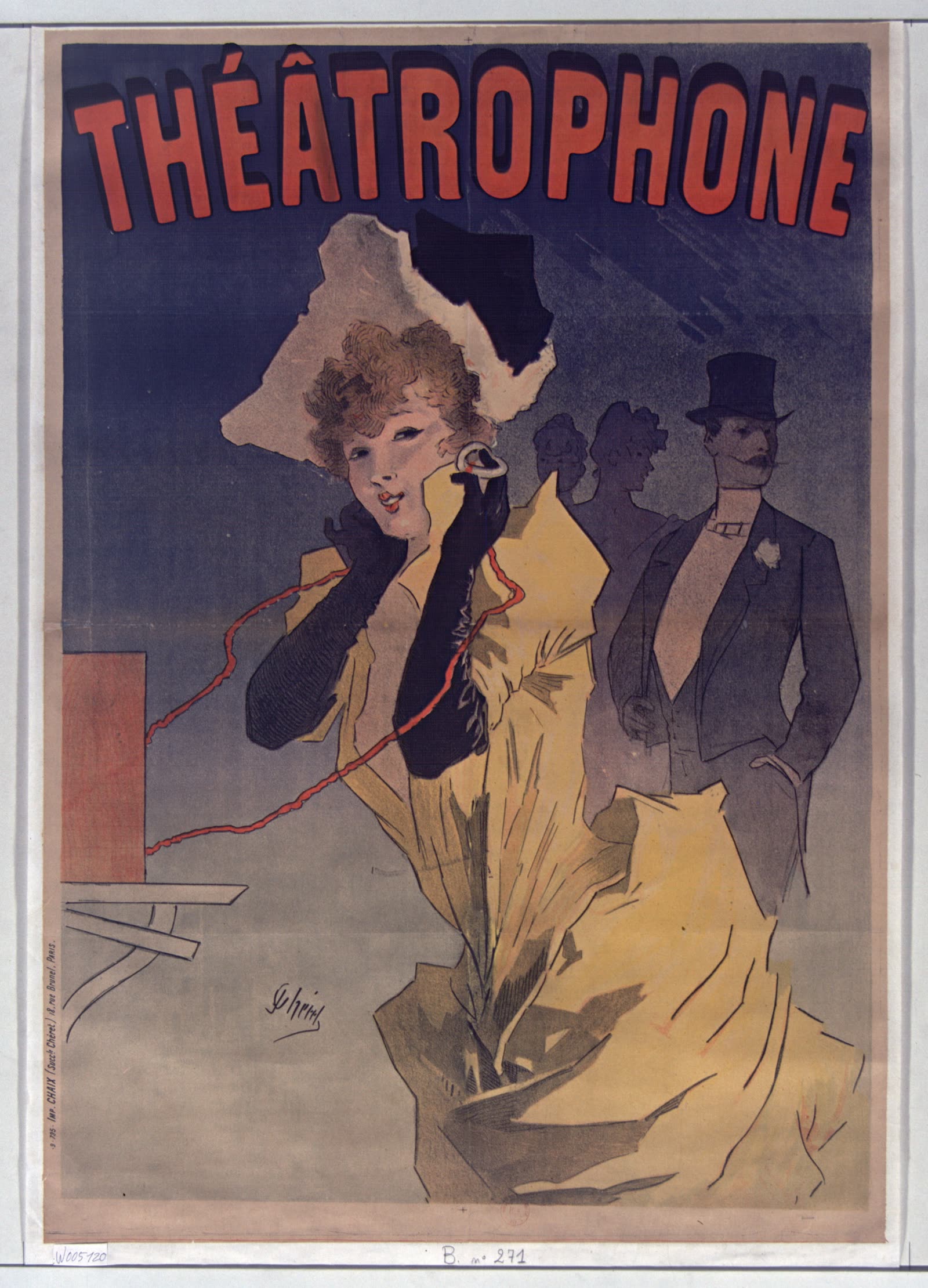
Wikipedia’s entry on the théâtrophone records that it was “demonstrated by Clément Ader at the 1881 International Exposition of Electricity in Paris,” and that listeners heard the performance “in stereo using two headphones.” A subscription service followed, and the company “ceased its operations in 1932.”
London’s Electrophone, and why radio ended it
London had its own version. The Electrophone “operated in the United Kingdom, primarily in London, between 1895 and 1925,” and “relayed live theatre performances, music hall shows, and Sunday church services” to headsets at home. It “ultimately failed due to the rise of radio broadcasting in the early 1920s.”
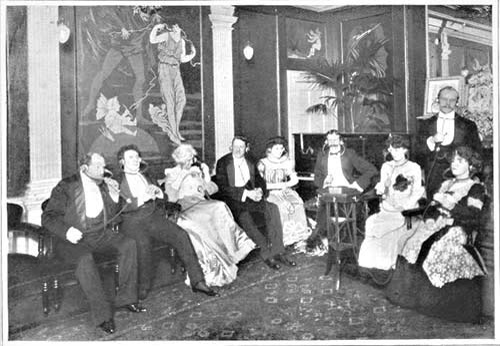
Neither was theater made for the ear: the wire carried a show built for the seats. The next step needed a device you could carry.
1979: a personal soundtrack you could walk with
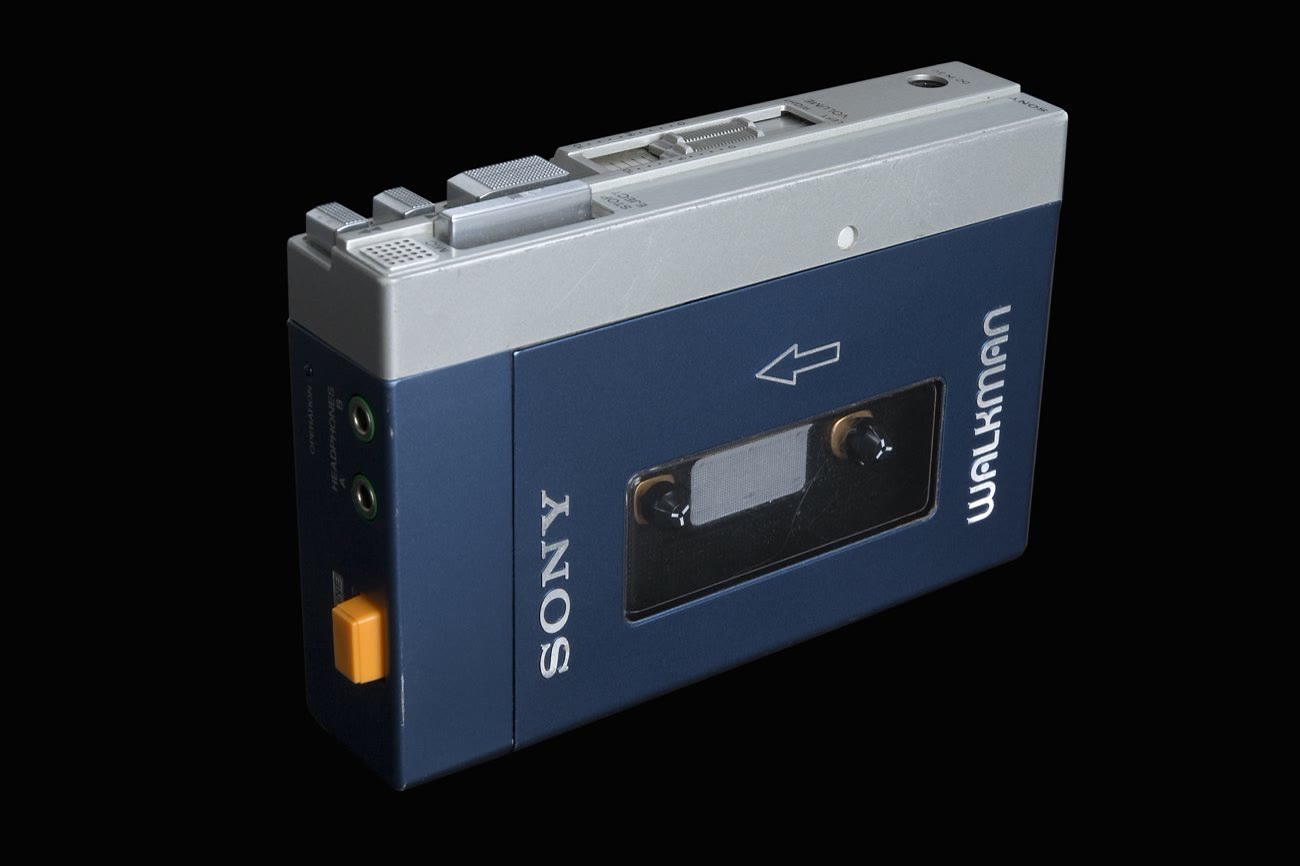
Nippon.com dates the Sony Walkman’s launch to July 1, 1979. JSTOR Daily, marking the machine’s 35th birthday in 2014, noted that “the Sony Walkman weighed in at a robust 14 ounces.” For the first time a recorded voice could follow a listener anywhere.
Walkmanology: Antenna Theater’s first Walkman shows (1981-1985)
Chris Hardman, Antenna’s founder and artistic director, told the origin story many times. The short version is that “this new fangled bizarre device came out on the market called a Walkman” and he bought one; the story of how the audient was born on a flight with a Walkman is told in full on its own page.
High School and the audient

Antenna’s chronology says the version of High School “that premiered in 1981, commissioned by the Bay Area Playwrights Festival, was the first use of Walkman technology by an artist.” It played Tamalpais High School in Mill Valley. Hardman’s own biography dates the show to 1982, so the safe statement is the early 1980s, with 1981 as the chronology’s year.
Elizabeth Boling’s 2014 case study in the International Journal of Designs for Learning says it “sent audients walking at night through an actual high school, each fitted with a Sony Walkman.” Audient was Antenna’s word for a listener who “would become the main actor in the center of the play.”
Pink Prom and the 1983 TDR manifesto
Pink Prom followed at the same school. The chronology describes “16 couples in prom dresses and white dinner jackets performed to pre-recorded stereo choreography,” and Hardman later wrote, “I staged a prom, pink prom, in July 1982.”
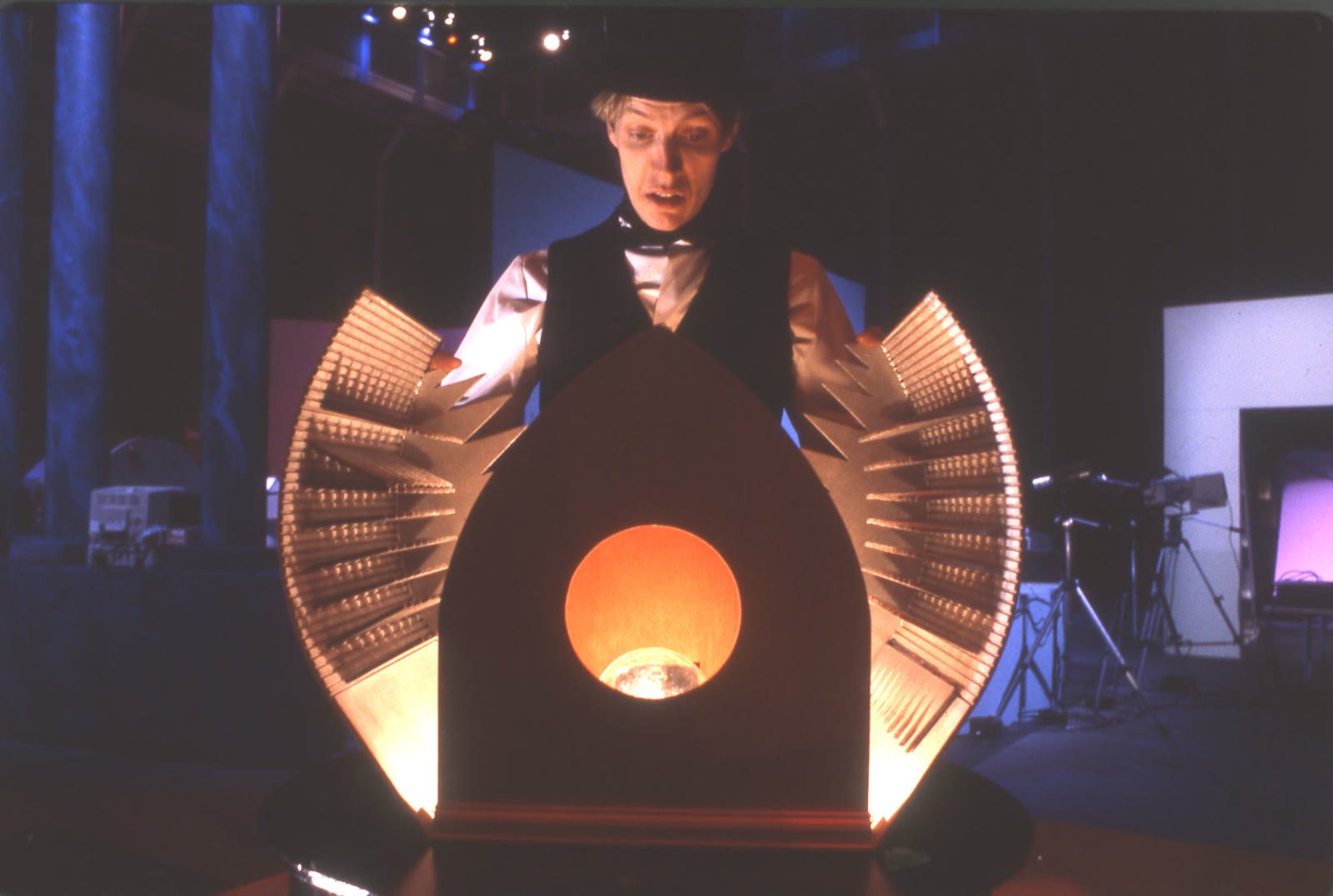
That line comes from his essay “Walkmanology,” published in The Drama Review: TDR (volume 27, number 4, winter 1983). As JSTOR Daily’s history of the Walkman at 35 quotes it, Hardman wrote that “The Walkman is the backbone of a new kind of theatrical experience.” He imagined a future in which “you, as the audient, will clip on a radio transceiver no larger than a saltine cracker.”
Artery and the 1983 “Walkman theater” review
Artery sent audients “through a 17 room performance maze” as the hero of “a noir-like mystery thriller.” David Sterritt reviewed it for the Christian Science Monitor on June 28, 1983: “An usher hangs a Sony Walkman tape player around your neck,” he wrote, and “From there, you’re on your own for 50 minutes.”
Sterritt concluded that “the possibilities of ‘Walkman theater’ are enormous.” How a maze built for a single visitor actually ran is covered in our guide to how maze and one-to-one theater productions work.
From theater to the Alcatraz audio tour (1987)
Boling records that “In 1987 the National Park Service and Golden Gate National Parks Conservancy launched the Alcatraz Cellhouse Tour,” and that Hardman “had pioneered, and by then had several years of experience using, mobile audio as a form of theater.” Antenna Audio, which Hardman’s biography says started with that tour, was a former division and is now owned by Antenna International. How a theater technique reshaped the museum tour is the subject of our audio walk vs audio tour comparison.
New devices, same idea (1987-2012)
Inside Antenna, the hardware kept changing while the idea stayed put. The Antenna chronology of Walkman and headset productions records each step.
- 1987, infrared headsets. Radio Interference “explored the subject of communications through the use of infrared headset receiver technology” during a residency at the MIT Media Lab.
- 1995-1996, FM radio. In Skin & Bones/Flesh & Blood, voices were “broadcasted to ‘audients’ through localized FM radio transmission.”
- 2007, MP3 players. Big Brother tested “a new use of MP3 player technology,” handing groups “soundtracks with differing instructions.”
- 2012, iPhones. On the Edge went outdoors: “At posted stops, visitors could use iPhones to hear the history.”
The binaural and app era: Cardiff, Rimini Protokoll, Punchdrunk
The art world reached a parallel form a decade after the Walkman. According to Janet Cardiff and George Bures Miller’s explanation of the audio walks, Cardiff “created her first audio walk in 1991 during a residency at the Banff Centre for the Arts,” with the sound “all recorded in binaural audio.”
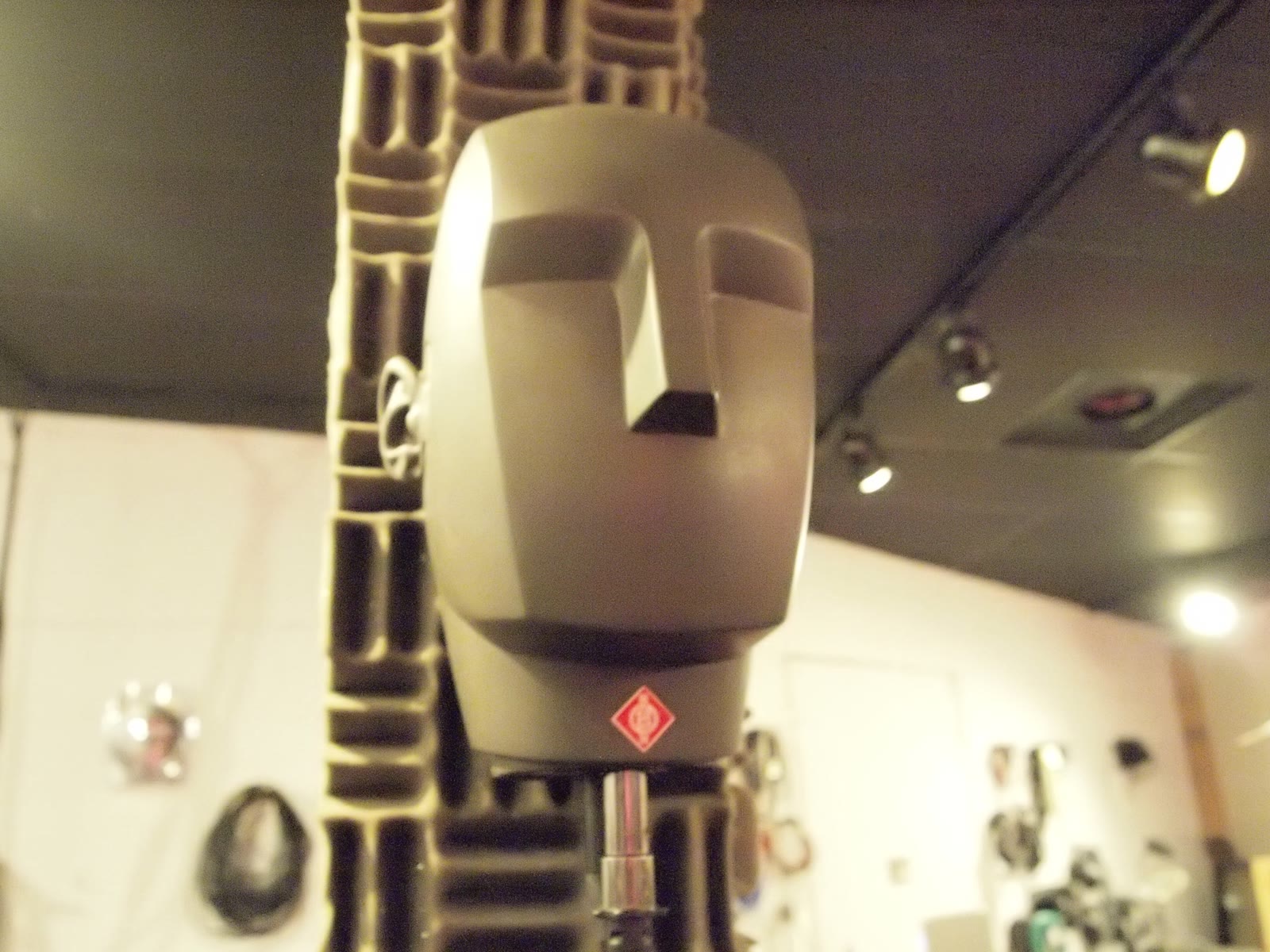
Rimini Protokoll’s Remote X, whose first listed run was in Berlin in April 2013, sent “a group of 50 people” into the city “wearing headphones.” In 2025 NPR described Punchdrunk’s Viola’s Room, where “six people at a time put on headphones and listen to a recorded story as they wind their way through a labyrinth.” Its sound designer, Gareth Fry, told NPR that binaural sound “really only works on headphones.”
How these shows differ from seated drama is set out in immersive theater vs traditional theater, compared.
Headphone theater history: a timeline, 1881-2025
| Era | Device | Where the listener was | Made for headphones? | Examples |
|---|---|---|---|---|
| Relay (1881-1932) | Telephone receivers | At home or in a salon, away from the stage | No, relays of stage shows | Théâtrophone, Paris 1881; Electrophone, London 1895-1925 |
| Walkman (1979-1990s) | Cassette Walkman, later infrared and FM | Inside the set, walking | Yes: Walkmanology and the audient | High School 1981; Pink Prom 1982; Artery 1982-1985; Alcatraz 1987 |
| Binaural and app (1991 on) | iPod, smartphone, binaural headphones | Inside a set or out in a city | Yes | Cardiff 1991; On the Edge 2012; Remote X 2013; Viola’s Room 2025 |
Frequently asked questions
What was the first headphone theater?
The earliest headphone listening to theater was the théâtrophone, shown in Paris in 1881, which relayed staged shows. Theater made for headphones, with the audience walking, came after the 1979 Walkman. Antenna’s chronology calls its 1981 High School the first use of Walkman technology by an artist.
What is Walkmanology?
Antenna Theater defined it as “the study of the portable audio player as a theatrical tool.” Chris Hardman published an essay by that name in The Drama Review in 1983.
What is an audient?
Antenna’s word for an individual audience member who walks through a piece on a personal soundtrack and becomes the main actor in the play.
Was “Walkman theater” reviewed at the time?
Yes. The Christian Science Monitor reviewed Artery on June 28, 1983, and wrote that the possibilities of Walkman theater were enormous.
Is headphone theater still made today?
Yes. NPR reported in 2025 that Punchdrunk’s Viola’s Room guides six people at a time through a labyrinth on headphones.
For the company behind the 1980s chapter, start with Walkmanology and Antenna’s new theater forms, then Chris Hardman’s own timeline as founder and press coverage of Antenna Theater from 1983 onward.