Adjusting the Idle: Antenna Theater’s Walkman Play About Cars
Antenna Theater’s Adjusting the Idle was a play about Americans and their cars, heard through a Walkman and acted out by the audience. It began in 1984 at a Los Angeles festival called Carplays, then grew into a “cafe theater” in San Francisco. Two reviews and the company’s own records tell how it worked.
Quick answer
What was Adjusting the Idle?
Adjusting the Idle was an Antenna Theater production about Americans and their cars. Commissioned for the Carplays festival of the Museum of Contemporary Art and the Mark Taper Forum in Los Angeles in 1984, it gave each visitor a Walkman tape of interviews and tasks, such as begging a parent for the car.
Carplays: Los Angeles, 1984
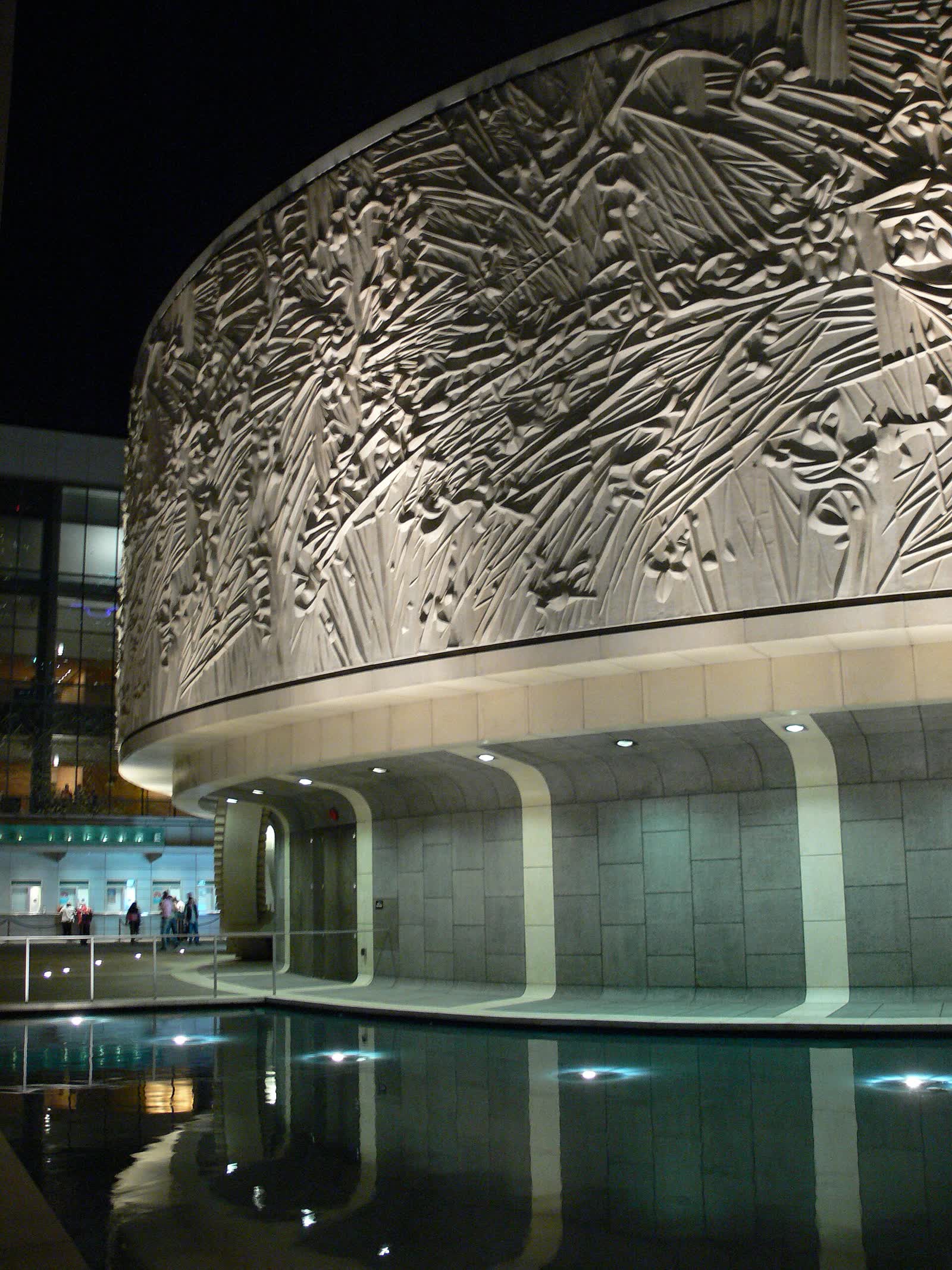
MOCA’s record of the Carplays festival describes “A three-day festival of performance works addressing how the automobile affects everyday life,” held from September 1 to 3, 1984. It was commissioned by the museum and the Mark Taper Forum, and presented with the Automobile and Culture exhibition and the Olympic Arts Festival.
Linda Burnham reviewed the festival for Artforum in January 1985. She described “a series of eight performances presented in various locations by this museum and the Center Theater Group/Mark Taper Forum,” which opened with “a parade of vintage and art cars” and commentary by Howard Hesseman. Other artists on the bill included Rachel Rosenthal, Spalding Gray and the Rudy Perez Dance Ensemble.
Antenna’s chronology says the piece “was commissioned for CARPLAYS by the Los Angeles Museum of Contemporary Art and the Mark Taper Forum.” Its subject, in the same entry, was “the American fascination with the automobile.”
| Fact | Detail | Source |
|---|---|---|
| Subject | Americans and the automobile | Antenna chronology |
| Form | 17 simultaneous portable stereo events | Antenna chronology |
| Premiere | Carplays, Los Angeles, September 1 to 3, 1984 | MOCA; Artforum |
| Second version | Theater Artaud, San Francisco, spring 1985 | San Francisco Chronicle |
| Later run | New Theatre, Seattle, 1990 | Antenna chronology only |
| Episode length | About 10 minutes each | San Francisco Chronicle |
| Visual design | Chris Hardman and Ronald M. Davis | San Francisco Chronicle |
The dates need one note. Contemporary sources fix the MOCA premiere in September 1984 and the Artaud run in 1985, while Antenna’s 2003 production history lists the show as “86-87”. The 1990 Seattle engagement appears only in the company’s chronology.
Seven rooms at MOCA
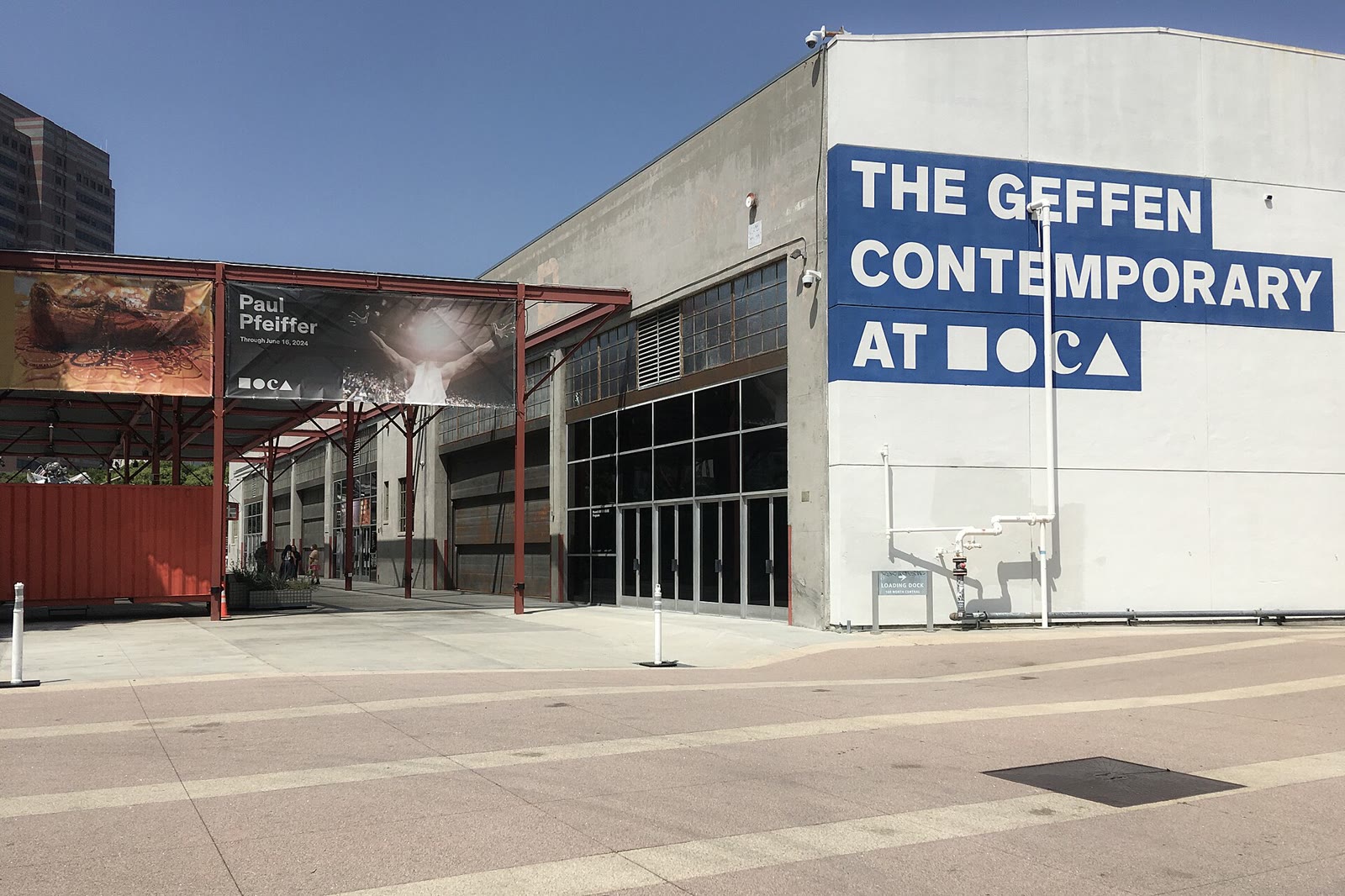
Burnham’s paragraph is the only eyewitness account of the first version. “Adjusting the Idle, by Antenna Theater’s Chris Hardman, was more intriguing,” she wrote, calling it Hardman’s latest experiment in Walkmanology. The piece, she said, “required audience members to move through seven rooms on the mezzanine at MoCA wearing audio headsets.”
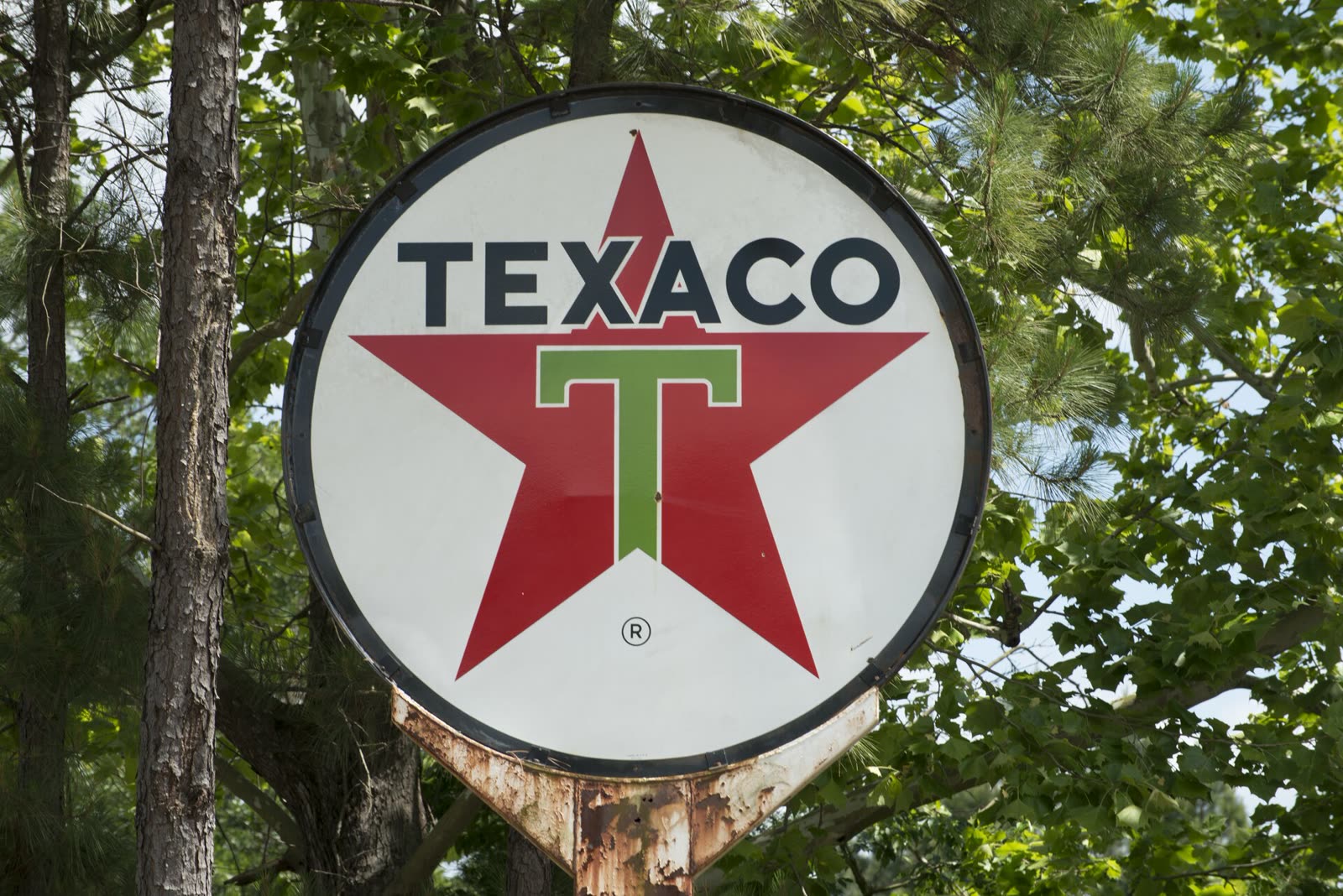
“The tapes they heard told stories about human-to-car relations and gave them tasks to do, such as begging Dad for the car or singing the Texaco song,” Burnham went on. “Hardman and his colleagues moved among the listeners, graciously conducting their movements.”
What struck her most was the solitude: “the headsets created private worlds in which one felt quite unembarrassed about acting out.” That private world is the idea behind Antenna’s audient, the listener who becomes the actor.
Cafe theater at Artaud
In spring 1985 the piece moved to Theater Artaud in San Francisco, presented “in conjunction with the Billboard Cafe and Theater Artaud.” Its collaborators called it cafe theater. Steven Winn, reviewing it in the San Francisco Chronicle on April 9, 1985, called it “Chris Hardman’s most scintillating conception yet.”
The format had grown from seven rooms to 17 Walkman-driven episodes running at once in an open space. Staff dressed as mechanics handed out and serviced the Walkmans, which Winn called the proper “tools”. The food was “Billboard Cafe fare dispensed from the trunk of a car, the only actual automobile on the premises.”
Jim Schelstrate’s lighting made the room “a kind of eerily punctuated void reminiscent of a freeway at night.” Winn also noted “gigantic car keys used as guitars” and “A towering hand-pushed car used in a driver education episode.”
| Aspect | MOCA, September 1984 | Theater Artaud, April 1985 |
|---|---|---|
| Layout | Seven rooms on the mezzanine | 17 episodes at once in an open space |
| Guides | Hardman and colleagues among the listeners | Staff dressed as mechanics |
| Food | None noted | Billboard Cafe fare from a car trunk |
| Lighting | Not described | Jim Schelstrate |
| Reviewer | Linda Burnham, Artforum | Steven Winn, San Francisco Chronicle |
Episodes
The tapes, Winn reported, “last about 10 minutes each.” Antenna’s chronology adds audients convincing a parent to let them drive, attending traffic school and buying a car. The table gathers every episode the sources name.
| Episode or task | What happened | Source |
|---|---|---|
| Chrome | Polish a mirror while wearing sunglasses | Chronicle |
| Drive In | Rock on a bench while a young woman recalls back-seat experiences | Chronicle |
| Under the Influence | Winn found it routine | Chronicle |
| She a Beauty | Winn found it ponderous | Chronicle |
| Driver education | A towering hand-pushed car | Chronicle |
| Repair shop | Audients push brooms around the shop | Chronicle |
| Auto-parts band | A percussion battery made of car parts | Chronicle |
| Begging for the car | Convince a parent to let you drive | Artforum; chronology |
| Traffic school and buying a car | Stage events for the audient | Chronology |
| The Texaco song | Sing it | Artforum |
A drunken driver’s arrest and a drive-in movie were staged on platforms. The noise had a cost: Winn wrote that the auto-parts episode “makes it difficult to hear the quieter ones nearby.”
Voices from the garage: the interview tapes
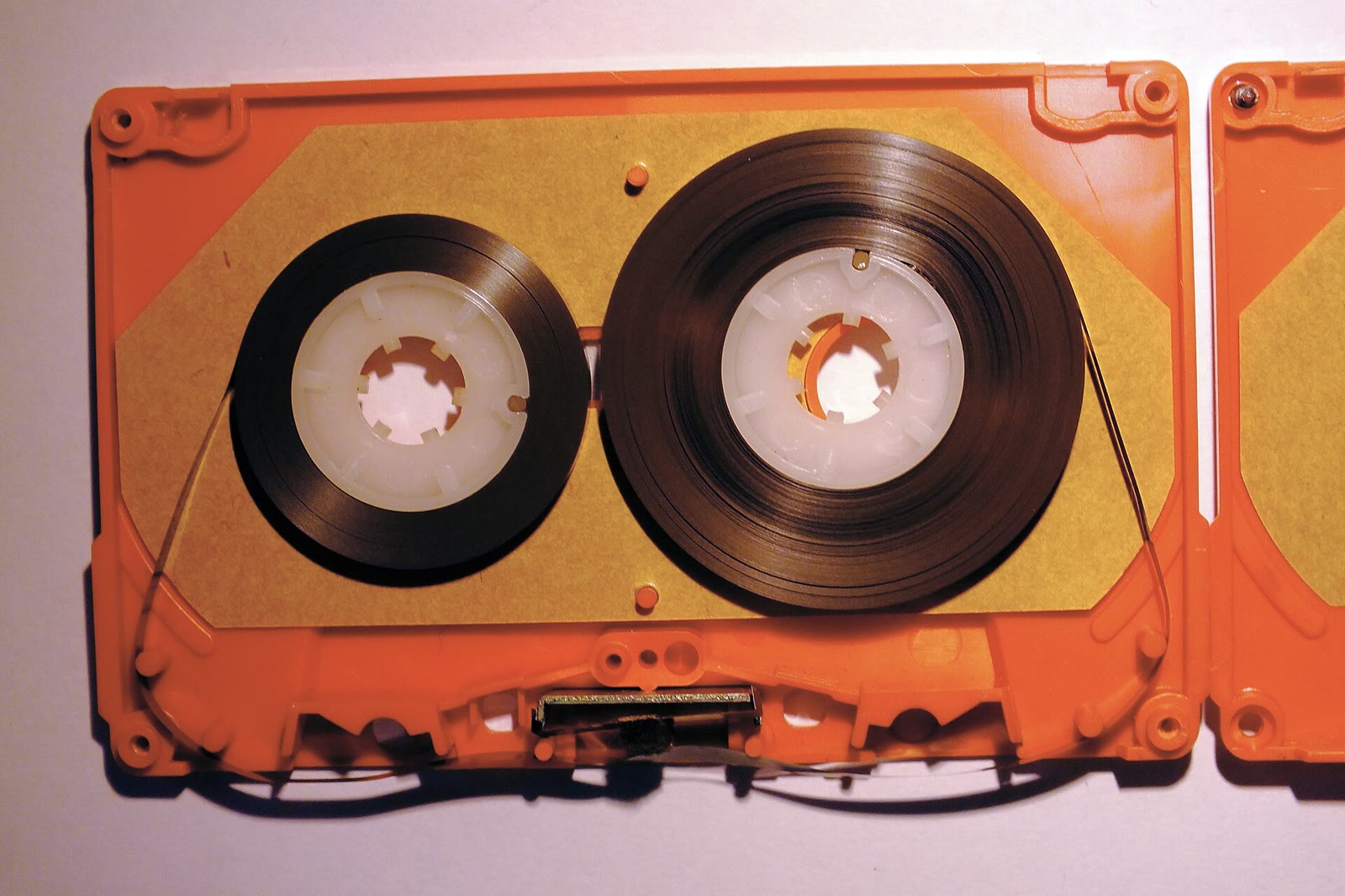
The tapes were built from real voices. Antenna’s 2005 page says “Each tape consists of edited interviews with such individuals as police officers, used car salesmen, auto designers, and mechanics.” Winn heard “a blend of scripted material and actual documentary interviews with mechanics, traffic cops, car hops, drivers and many others.”
That blend, Winn thought, softened “a certain dry, antiseptic quality” he found in earlier Hardman Walkman works, naming Artery, the Walkman maze of crime and romance and Amnesia, the Walkman clinic of lost memory. The company’s archived audio page kept two excerpts, titled Demo and Streetwalker.
The Walkman itself has a longer story, told in our headphone theater history timeline.
What critics said about Antenna Theater’s Adjusting the Idle
Only two reviews survive, one for each version. Burnham called it more intriguing and wrote that “The most interesting thing about the concept was the isolation the participant experienced.” Winn praised it highly and admitted, “I returned a second night.”
| Critic | Outlet and date | Version seen | Key line |
|---|---|---|---|
| Linda Burnham | Artforum, January 1985 | MOCA, 1984 | “was more intriguing” |
| Steven Winn | San Francisco Chronicle, April 9, 1985 | Theater Artaud, 1985 | “most scintillating conception yet” |
Cars came back in Antenna’s later work. Magic Bus San Francisco, a later Antenna show built around a vehicle, put its audience inside one.
Frequently asked questions
What was Carplays?
A three-day festival of performances about the automobile, held from September 1 to 3, 1984, by the Museum of Contemporary Art and the Mark Taper Forum in Los Angeles.
Where did Adjusting the Idle premiere?
At Carplays in Los Angeles in 1984, where audiences moved through seven rooms on the MOCA mezzanine, according to Artforum.
How long was each episode?
About 10 minutes, according to the San Francisco Chronicle’s 1985 review.
What was cafe theater?
The collaborators’ name for the 1985 Theater Artaud version, made with the Billboard Cafe, which served food from the trunk of a car.
Adjusting the Idle sits among four decades of work in Antenna Theater’s full production chronology, beside Walkmanology and Antenna’s other new theater forms.