The Columbus Quincentennial: Celebrations, Protests and a New Holiday
October 12, 1992 was the 500th anniversary of Columbus’s landing in the Americas. Washington had planned a national jubilee eight years ahead; what arrived was a bankrupt commission, a year of argument and protests from Quito to San Francisco. Columbus quincentennial history is also where the modern Indigenous Peoples Day begins.
Quick answer
What was the Columbus Quincentennial?
The Columbus Quincentennial was the 500th anniversary of Columbus’s 1492 landing, marked on October 12, 1992. Official plans stumbled, and celebrations met protests under the banner “500 Years of Resistance.” In San Francisco protesters blocked a reenacted landing, and Berkeley held the first city Indigenous Peoples Day.
From 1892 to 1992
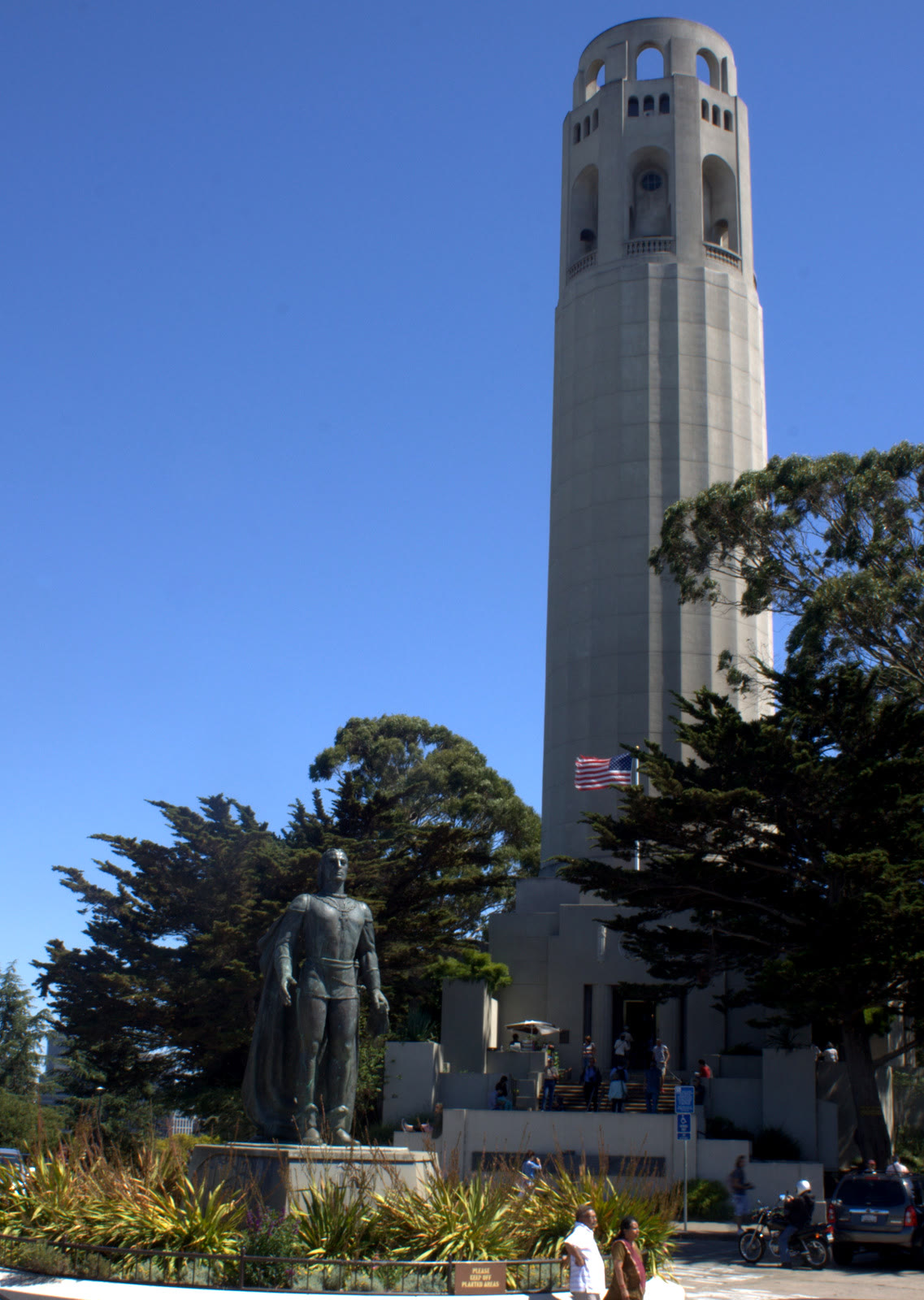
The 400th anniversary brought Chicago’s World’s Columbian Exposition of 1893, and the Pledge of Allegiance was written for Columbus Day in 1892. In 1934 Franklin D. Roosevelt proclaimed October 12 the official Columbus Day. In San Francisco, the Italian American community had been marking the day since 1869, with a parade and a costumed Columbus.
A jubilee that ran out of money
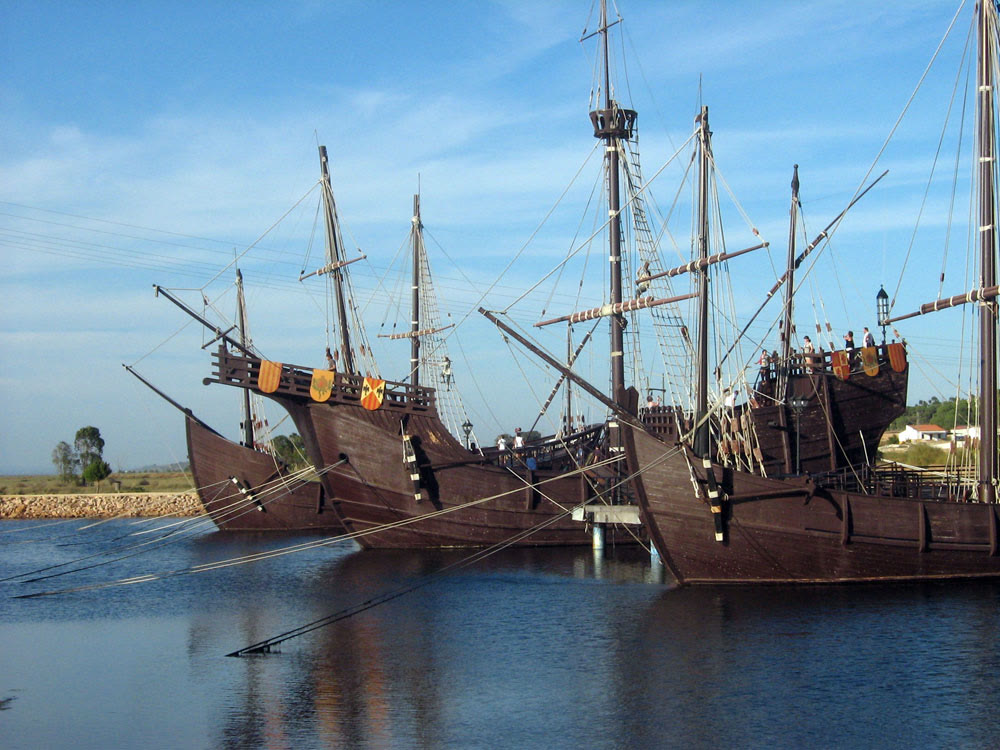
In 1984 Congress created the Christopher Columbus Quincentenary Jubilee Commission. Its law gave it “what is essentially ‘seed money’”, at most $2 million over nine years, and it relied on fundraising for the rest. Its centerpiece was a September 1989 deal with Texaco and a Spanish state company: Spain would build replicas of “the Nina, the Pinta, and the Santa Maria”, and “Texaco pledged to pay $5 million”.
Then it came apart. The General Accounting Office’s 1991 testimony to Congress on the Jubilee Commission lists “a spate of negative publicity, the withdrawal of the primary corporate sponsor, and the resignations of the Director in October 1990 and the Chairman in December 1990”. By the end of 1990 cash was down to $43,000 against liabilities of $764,000, and on January 4, 1991, Spain ended the caravel tour agreement.
The GAO’s verdict was blunt: “To date the Christopher Columbus Quincentenary Jubilee Commission has accomplished very little of what Congress envisioned as its mission and its financial condition is precarious.” The language changed too. Its executive director told Newsweek in 1991: “We don’t call it a celebration … We call it a commemoration”.
Ships, fairs and a lighthouse
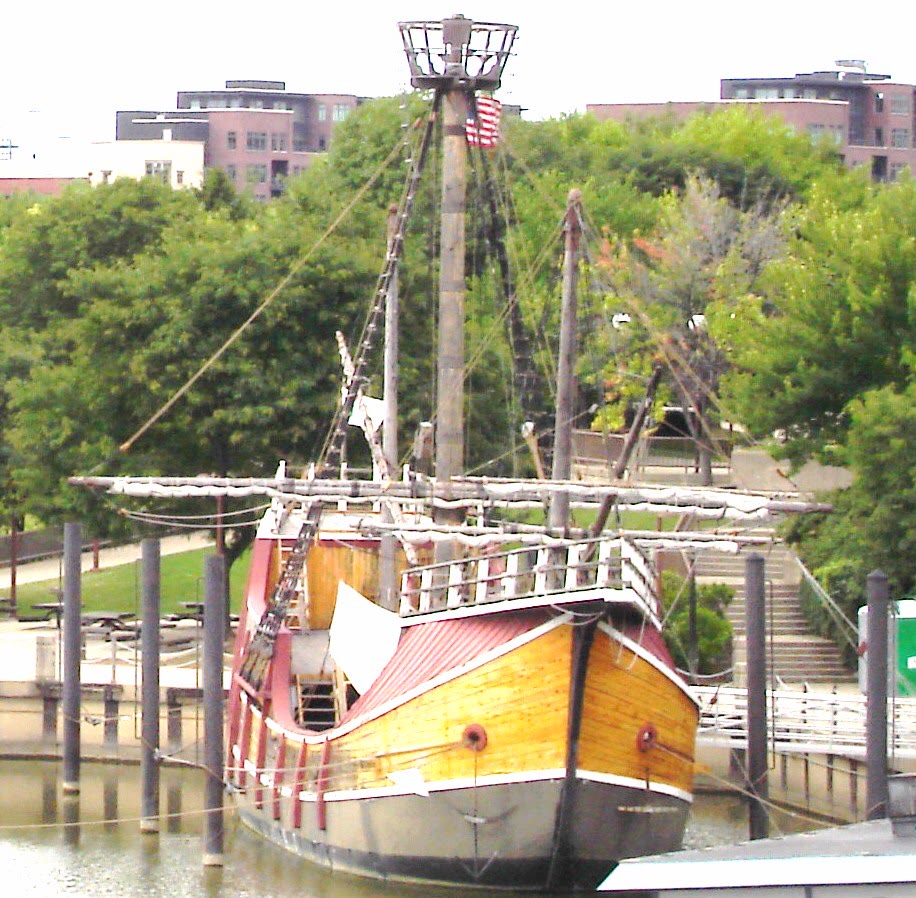
The anniversary happened anyway, run by others. The replicas came: an AP preview in February 1992 said they would dock in at least 21 American cities and “anchor from Oct. 2-25” in San Francisco, where plans included a reenacted landing and a tall ship rally. Columbus, Ohio, staged a six-month exposition budgeted at $95 million.
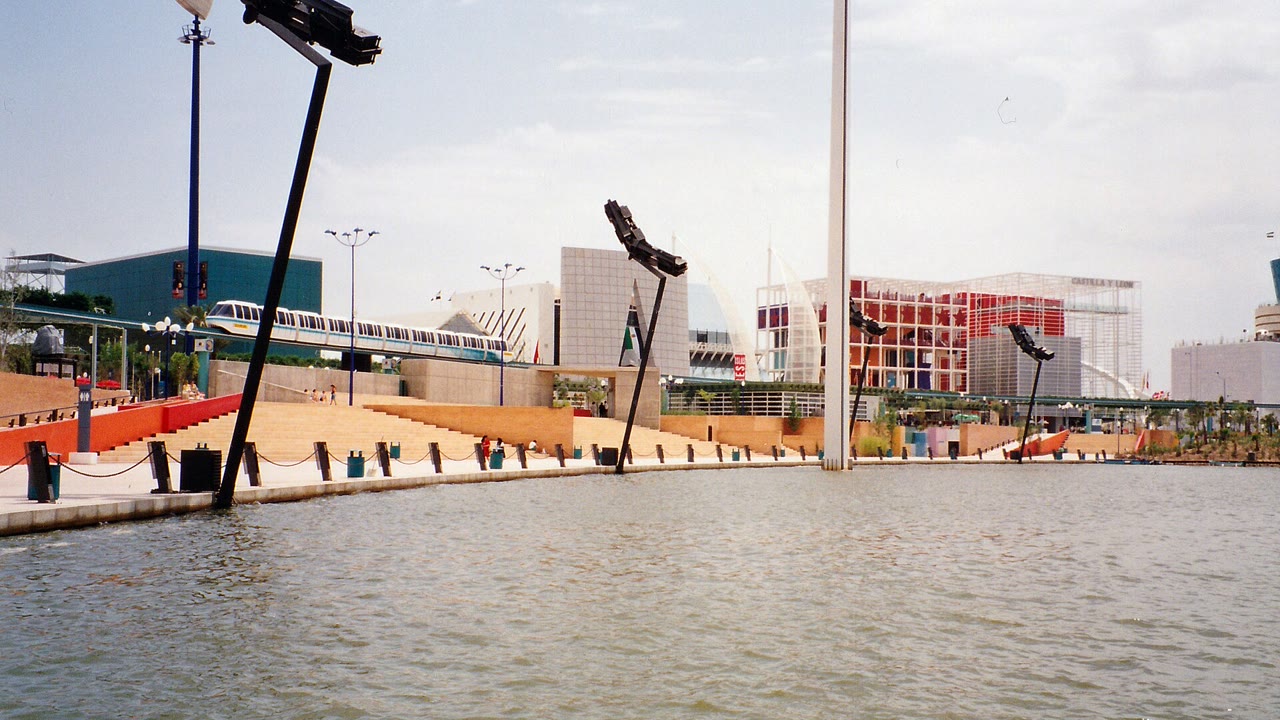
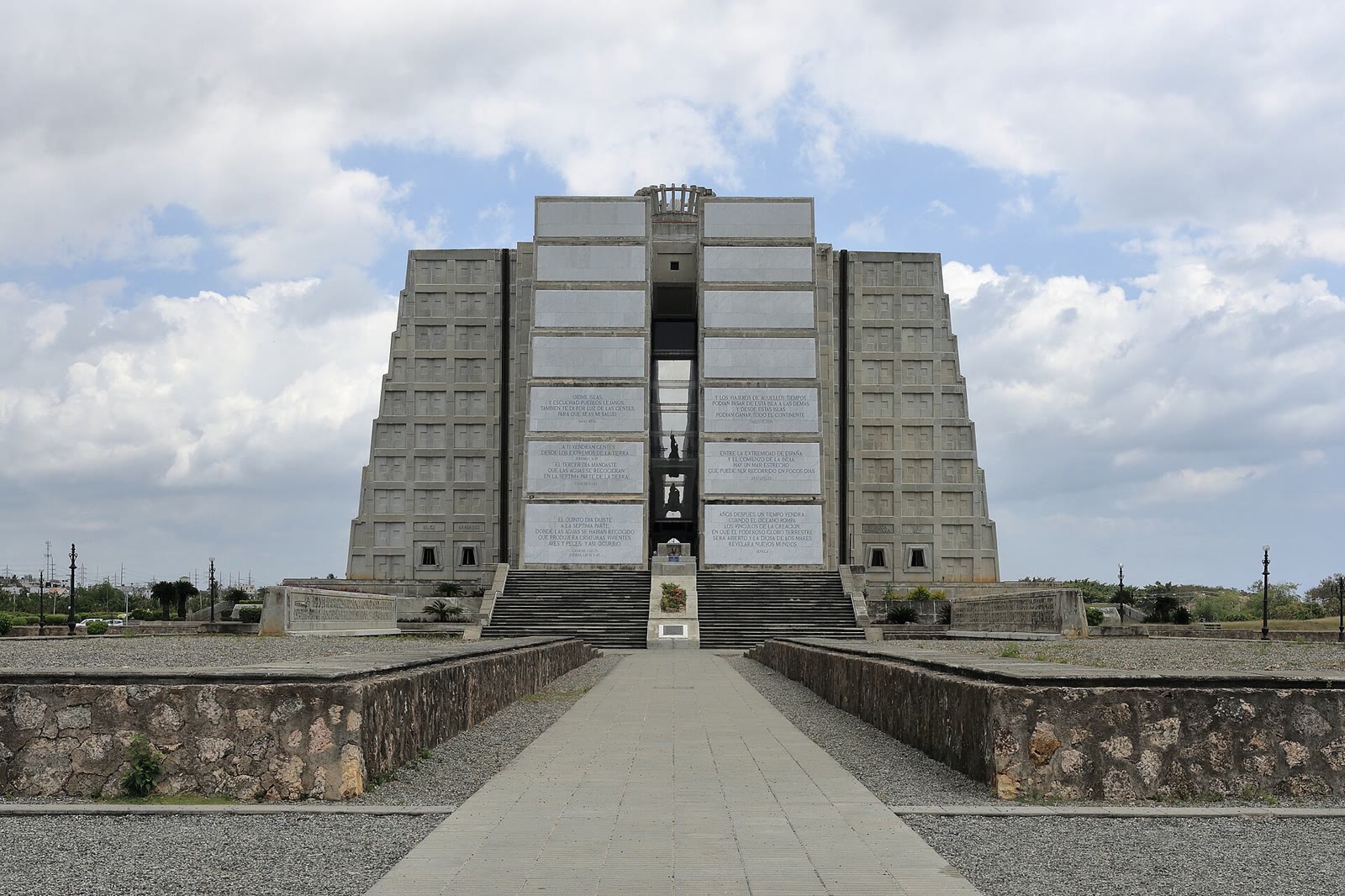
Abroad the mood was cooler. Columbus was “largely ignored at the 1992 World’s Fair held in Seville, Spain”; one reviewer wrote, “In the end he was an unwanted guest.” In Santo Domingo, the Faro a Colon “cost about $70 million to build”, and, by EBSCO’s account, “Fifty thousand people were evicted from their homes to make way for the structure”.
Columbus quincentennial protests
Kirkpatrick Sale’s 1990 book The Conquest of Paradise set much of the tone; Newsweek said he blamed the admiral “for every sin but littering”. The historian Dauril Alden objected: “I object to overloading Columbus with responsibility for everything that happened.” The National Council of Churches “called not for celebration, but for repentance as the appropriate way to mark the quincentenary”, Christianity Today reported in 1991.
The counter-movement had a name. “Organized under the theme of 500 Years of Resistance, protesters, disrupted anniversary festivals”, reported Windspeaker. The idea traced to a 1990 conference in Quito, Ecuador, on 500 years of Indian resistance.
In Ohio, Ken Irwin of the Ohio Indian Movement said: “We’re not going to celebrate Columbus. We are going to be there to mourn.” Denver’s parade was cancelled after activists threatened to disrupt it, and in Guatemala Rigoberta Menchu joined an all-night vigil.
The landing that never happened
Aquatic Park had seen protest before: on October 11, 1971, KPIX filmed a Columbus Day pageant there while Native Americans marked a National Day of Indian Mourning. In 1992 the plan was for Columbus to arrive by boat. “Joseph Cervetto was all dressed up and ready to wade ashore triumphantly,” CBS News reported.
He was met by about 4,000 protesters on the waterfront, by one account, and a protest flotilla that the organizer Sam Diener described as “This motley collection of canoes and kayaks and sailboats with signs and banners”. In BackStory’s account of the turned-back landing: “Columbus just waved from way out beyond the breakwater and kept on sailing.”
A wire report the next day confirmed that “The re-enactment never took place.” At the parade, “police arrested 40 demonstrators for disrupting the parade and inciting riot”. BackStory judged it “the first major Columbus Day protest to get this kind of widespread coverage.”
A beach play for the anniversary
Two days earlier, on October 9, Antenna Theater had opened The Appearance of Civilization, Antenna’s quincentennial night procession on Rodeo Beach, built from 16th-century documents and modern testimony. Steven Winn of the Chronicle placed it in “this quincentennial year of debunking the schoolbook discovery-of-America myth.”
Robert Hurwitt of the Examiner opened his review: “Christopher Columbus landing on the shores of the Pacific is nothing new to San Franciscans.” He found that the play “slips past the shallow question of whether Columbus was a good or a bad guy to get to more fundamental problems”. The show borrowed the outdoor form of the pageant play and Antenna’s giant puppets, and later that month it moved to Ocean Beach in San Francisco.
From Berkeley to the White House
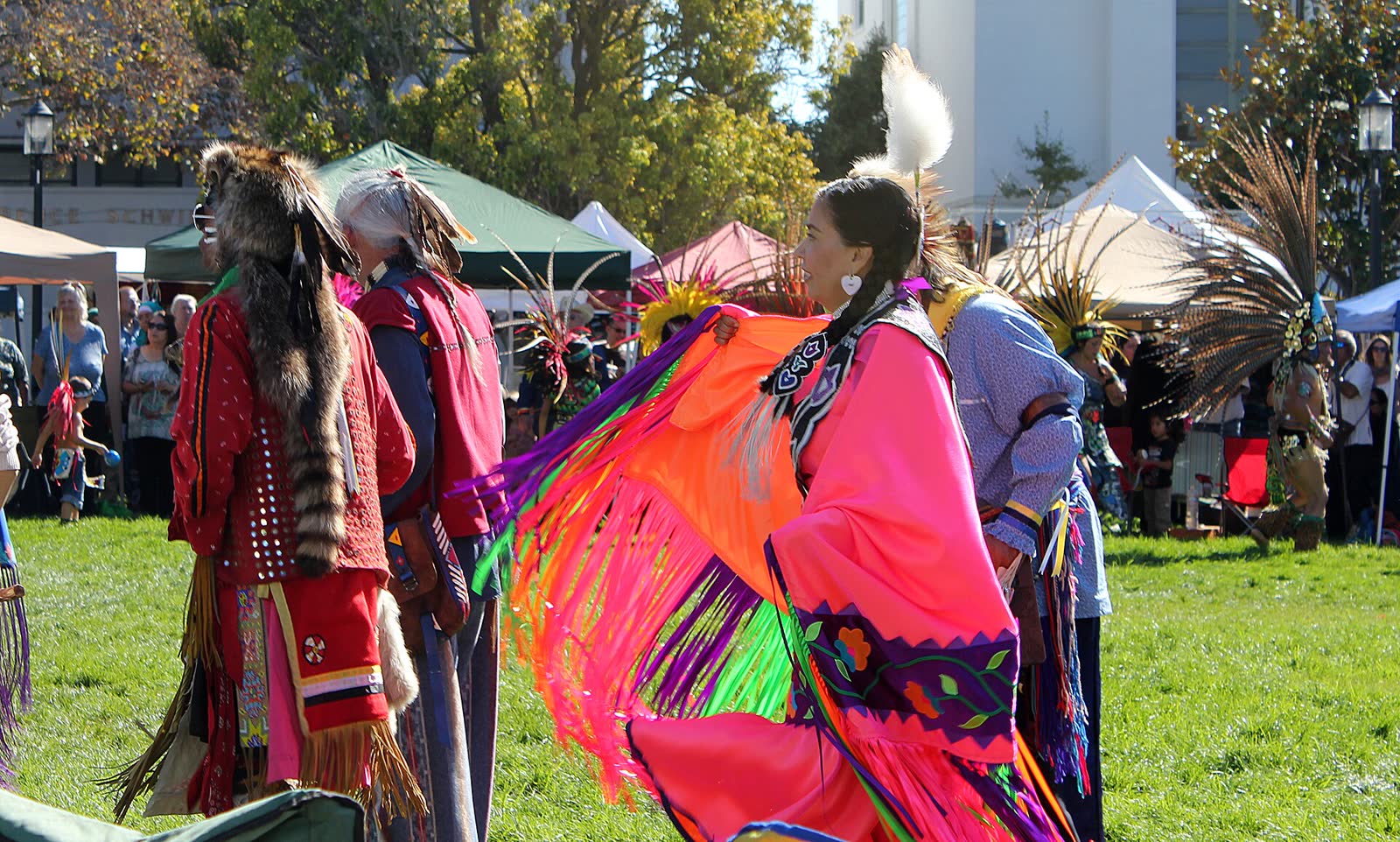
Berkeley “in 1992 became the first city in the country to formally recognize a new holiday challenging the idea that Christopher Columbus ‘discovered’ America”, TIME reported. Mayor Loni Hancock said Columbus Day celebrations had been “Eurocentric”. South Dakota had kept a Native American Day since 1990.
San Francisco followed in 2018, when supervisors voted 10 to 1 for Indigenous Peoples Day over the opposition of the city’s Italian community; a later vote named the day both Heritage Day and Indigenous Peoples Day. In 2021 President Biden proclaimed “October 11, 2021, as Indigenous Peoples’ Day”, the first president to do so.
| Date | Event |
|---|---|
| 1892 | 400th anniversary; the Pledge of Allegiance written for Columbus Day |
| 1934 | Roosevelt proclaims October 12 Columbus Day |
| 1984 | Congress creates the Jubilee Commission |
| Dec 1990 | Commission chairman resigns; cash down to $43,000 |
| Jan 4, 1991 | Spain ends the caravel tour contract |
| Oct 9, 1992 | Antenna’s The Appearance of Civilization opens on Rodeo Beach |
| Oct 11, 1992 | San Francisco’s reenacted landing turned back; 40 parade arrests |
| 1992 | Berkeley’s first Indigenous Peoples Day |
| 2018 | San Francisco votes 10-1 for Indigenous Peoples Day |
| 2021 | First presidential proclamation of Indigenous Peoples’ Day |
Another anniversary of the 1990s ended in a fight: the Enola Gay exhibit controversy of 1995. For a public day that San Francisco embraced instead, see the history of World Environment Day. Antenna’s broader approach is in Antenna’s new theater forms.
Frequently asked questions
What happened to the Columbus Quincentenary Jubilee Commission?
A 1991 GAO review found it had accomplished very little, was nearly out of cash at the end of 1990, and had lost its main corporate sponsor and its contract for a replica-ship tour.
What happened in San Francisco on Columbus Day 1992?
On October 11, 1992, protesters in boats and on shore stopped a costumed Columbus from landing at Aquatic Park, and police arrested 40 demonstrators at the parade.
Which city first held Indigenous Peoples Day?
Berkeley, California, in 1992, the first city to formally recognize the holiday.
How did Antenna Theater respond to the quincentennial?
With The Appearance of Civilization, a night procession on Rodeo Beach that opened on October 9, 1992, and later moved to Ocean Beach.