
What Is a Pageant Play? From Sherborne 1905 to Sausalito
In June 1905 a small Dorset town staged its own history in the ruins of its castle, with over 800 performers and about 30,000 visitors. Within a decade the idea had crossed the Atlantic and filled stadiums. So what is a pageant play, why did it boom and fade, and how did its habits turn up in the parades and civic rituals of a Sausalito theatre company?
Quick answer
What is a pageant play?
A pageant play is an outdoor drama of a community’s own history, told in a series of short episodes by hundreds of local amateurs, usually on a site where that history happened. The modern form began with Louis Napoleon Parker’s Sherborne Pageant in Dorset in 1905 and spread across Britain and America.
What makes a pageant play

The collector David Clarke called pageants “large scale open entertainment,” because they usually involved hundreds of participants outdoors. King’s College London’s archive exhibition on his collection sets out the pattern: “Pageants usually consisted of a series of episodes (or acts), each exploring a different historical event.”
The place mattered. A historical pageant was “Normally set in a site historically relevant to the local area,” with “a great deal of involvement from the local community.” It offered, the exhibition says, “a physical participation in history,” so that anyone could engage with the history of their town.
Sherborne, 1905: the mother of all pageants
A town plays itself
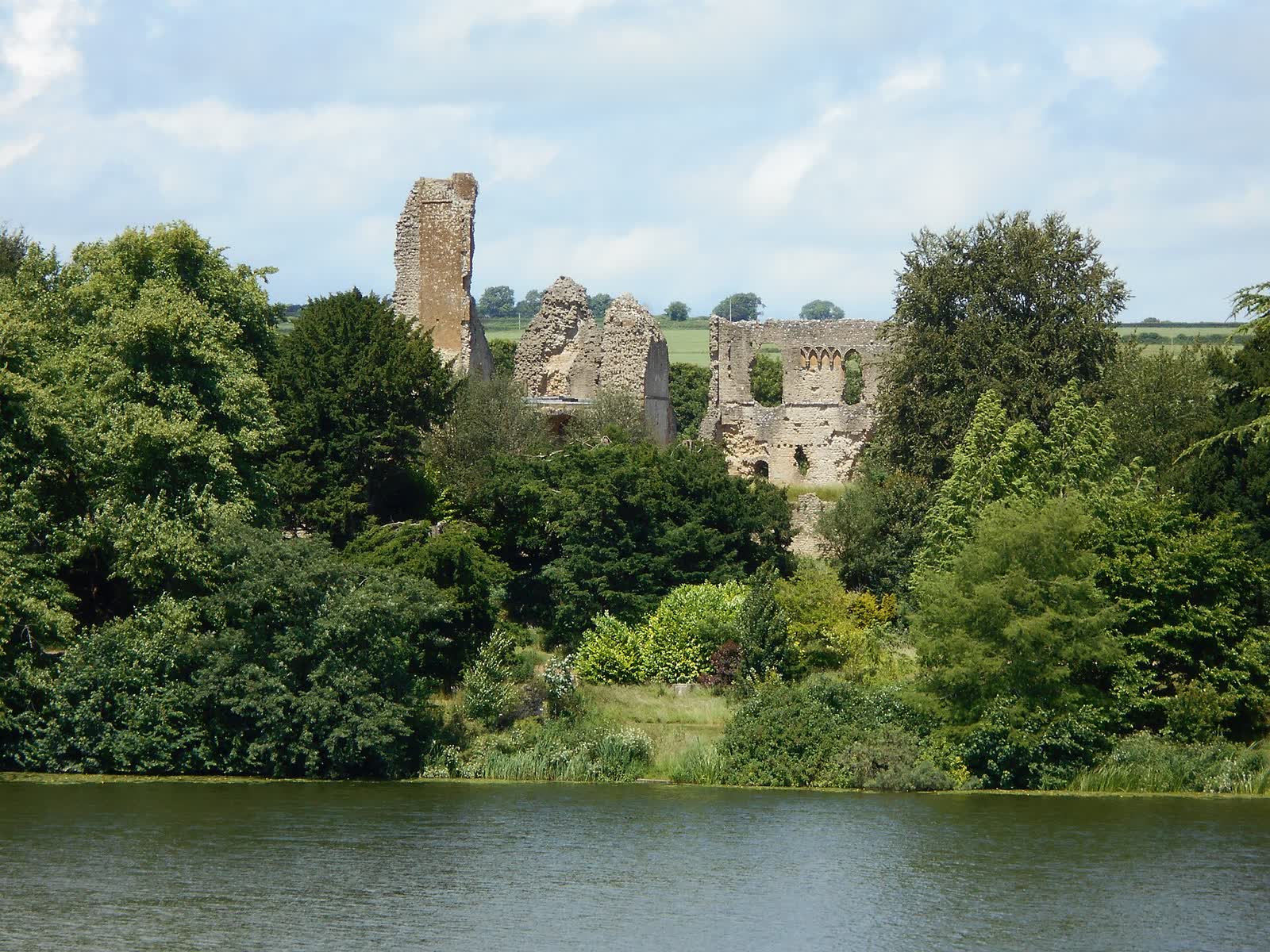
Pageant play history starts with Sherborne, which wanted to mark the 1,200th anniversary of its bishopric. The Rev. Arthur Field wrote to Louis Napoleon Parker, who suggested a historic pageant. Sources describe Parker differently: Somerset and Dorset Notes and Queries calls him “then a well-known London playwright, and formerly the Musical Director of Sherborne School,” while King’s College London calls him “A local music teacher.”
The pageant was “performed at Sherborne Old Castle between the 12 and 16 June 1905.” In the Notes and Queries account of the Sherborne Pageant, “Over 800 performers took part and all the actors, apart from one, Mabel Terry-Lewis who played the role of Lady Raleigh, were amateurs.”
Canon Mayo’s 1905 account shows how local it was. “Even the rich silks the ladies wore were woven in the town.” The cast played their own ancestors: “Gallor, of 1437, is the worthy butcher of today.” And the set was real: “The ruins are the actual ruins of the fortress where Sherborne men lived and fought and died.”
Pageant fever
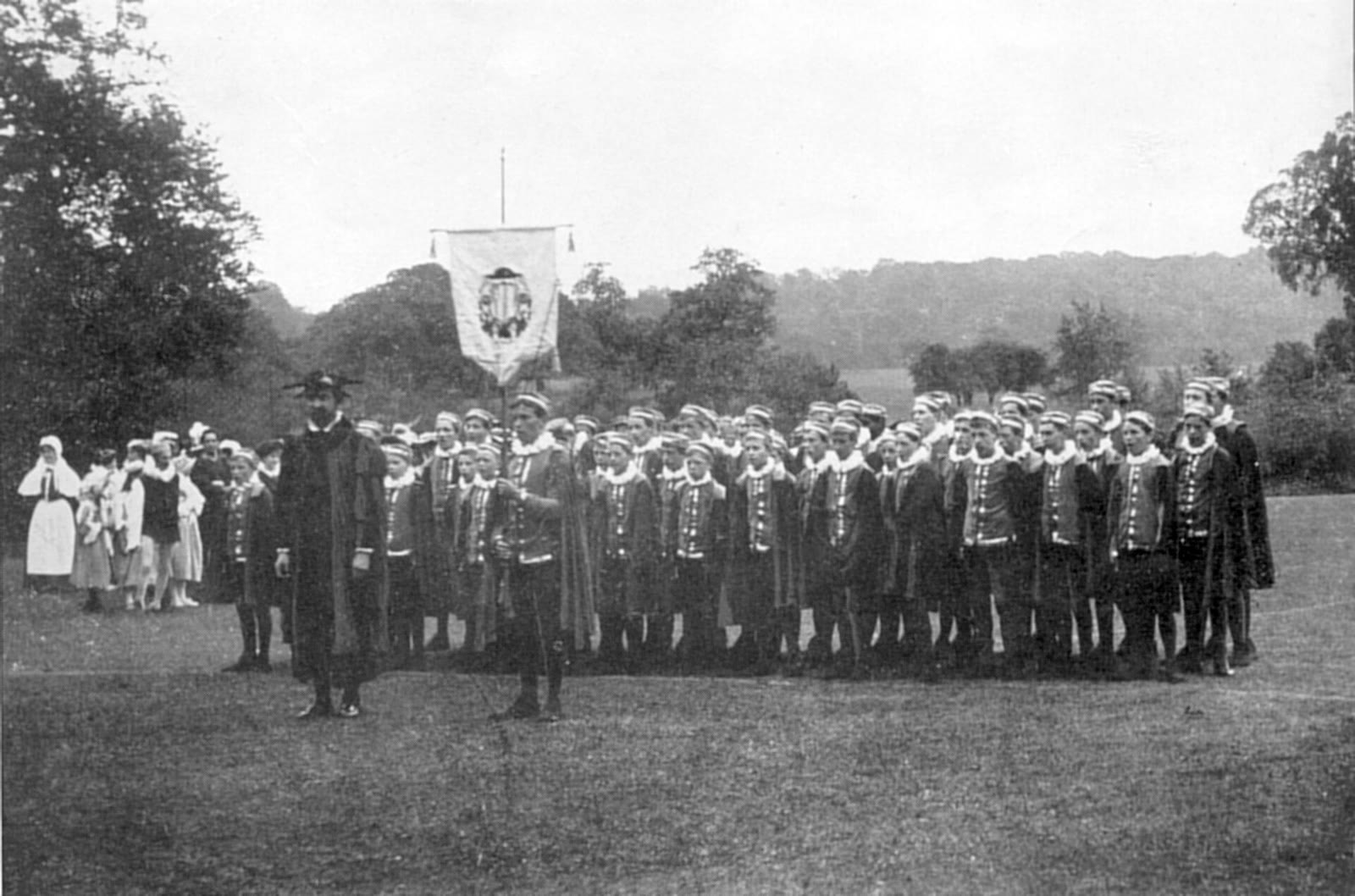
Parker went on to Warwick in 1906, then Bury St Edmunds, Dover, Colchester and York. He “only produced six of the large scale celebrations,” but “he was undoubtedly the inspiration for most others that came after.” Before the First World War, roughly 82 pageants were staged in the United Kingdom, and Paul Readman and others have called the craze “Pagentitis.”
Frank Lascelles produced sixteen pageants, from South Africa to Calcutta. His English Church Pageant at Fulham Palace in 1909 drew “Over 178,000 people.”
The American pageantry movement
America’s first came the same June. The Masque of ‘Ours’ was performed on June 22, 1905, at the estate of Augustus Saint-Gaudens in Cornish, New Hampshire; a Dartmouth Library exhibit says “It marked the beginning of pageantry in America.” In Philadelphia in 1908, Violet Oakley designed floats as living versions of her murals, and pageant-master Ellis Paxson Oberholtzer insisted his pageant was civic education, not entertainment.
The American pageantry movement, in the words of a dissertation on Percy MacKaye, “reached its peak just before the First World War,” and MacKaye was “the most important figure working within the movement.”
St. Louis 1914 and Caliban 1916
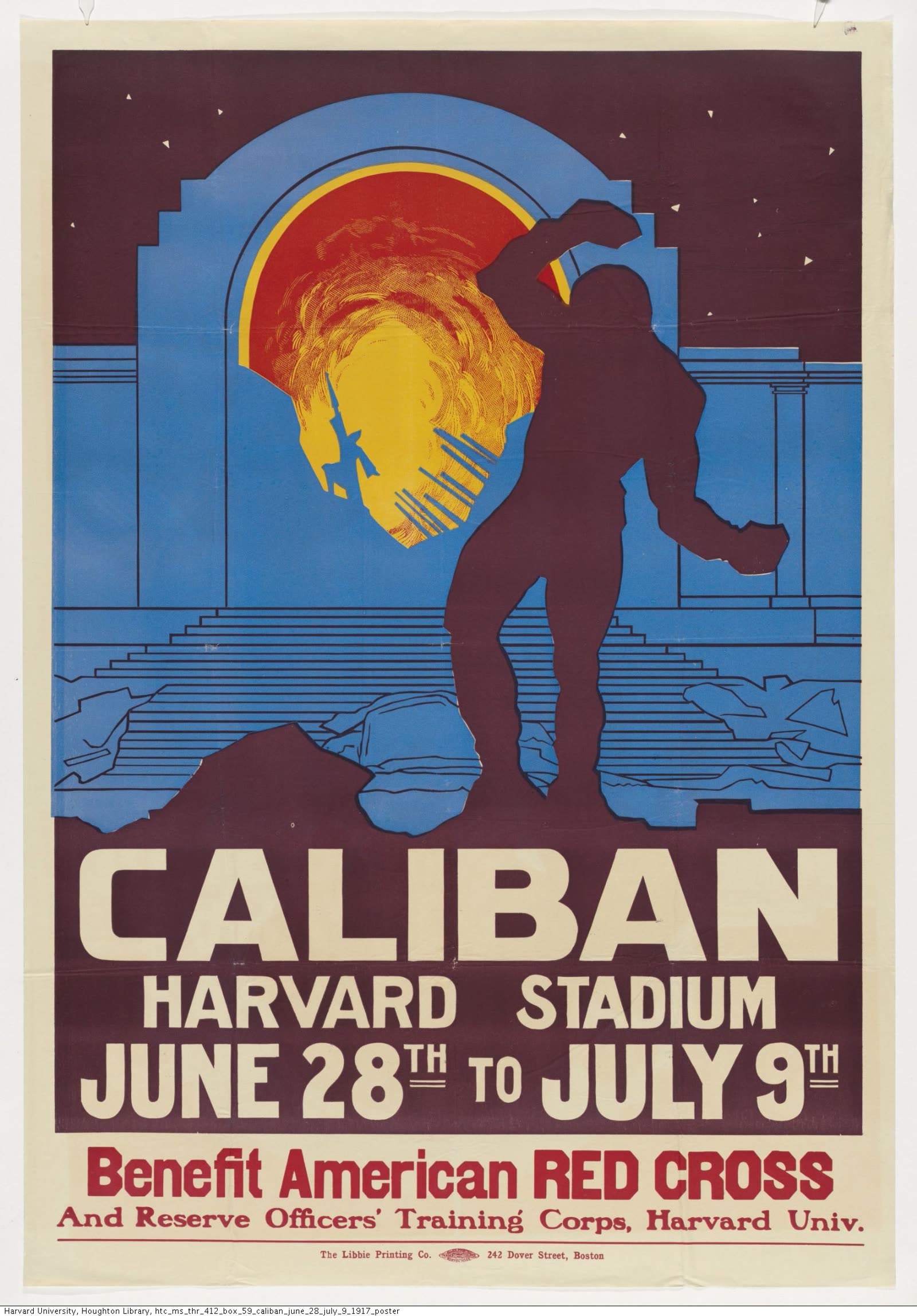
The numbers for St. Louis in 1914 vary. MacKaye wrote that “about seven thousand citizens of Saint Louis took part,” before nightly audiences he put at 150,000; Dartmouth gives over 7,500 residents and crowds of “well over 100,000.” Of the seven thousand actors, MacKaye noted, “only about fifteen spoke.”
His Caliban by the Yellow Sands followed in May 1916 at New York’s City College Stadium, with seats for about twenty thousand. In his preface, free in MacKaye’s Caliban at Project Gutenberg, he insisted “This work is not a pageant” in Parker’s sense; he called it a “Community Masque.” Pageantry, he wrote, was “a drama of and by the people, not merely for the people.”
| Year | Pageant | Place | Scale |
|---|---|---|---|
| 1905 | Sherborne Pageant (Parker) | Sherborne Old Castle, Dorset | Over 800 performers, about 30,000 visitors |
| 1905 | Masque of “Ours” | Cornish, New Hampshire | Dozens of local residents |
| 1909 | English Church Pageant (Lascelles) | Fulham Palace, London | Over 178,000 people |
| 1914 | Pageant and Masque of St. Louis | St. Louis | About 7,000 citizens (MacKaye) |
| 1916 | Caliban by the Yellow Sands (MacKaye) | City College Stadium, New York | Seats for about 20,000 |
Why pageants faded
British towns kept staging pageants until the 1970s and 1980s, when “rising costs” and “more affordable home entertainment” brought a sharp decline. The habit survives in big ceremonies: the exhibition notes that the 2012 Olympic opening and royal weddings “look like they have been picked straight from an act in a historical pageant.”
A pageant borrowed a historic site as its stage. Artists who make the site itself the work belong to a different story, told in what land art is and how it reshaped the landscape.
Pageantry at Antenna Theater

Chris Hardman learned pageantry from Bread and Puppet. Robert Hurwitt wrote in 1985 that Schumann’s Bread and Puppet work had “an emphasis on ritual and pageantry,” and that Hardman, in Los Angeles with Laura Farabough in 1971, “began creating theatre pieces and pageants based on his work with Bread and Puppet.” The tradition’s giant puppets in processions came with it.
Antenna’s All You Can Eat was a history pageant played for laughs. The company called it a “farce and grand processional” that “satirizes Bay Area history,” and the Marin Scope described “a mock history of the Bay Area history” (sic). Antenna’s 2003 page dates it to Bay Day in 1991; a 2010 production list files it under 1993.
Parades were part of the calendar. In January 2001 the company reported “its third consecutive prize for our entry in Sausalito’s 4th of July parade,” and noted that its 2000 Day of the Dead parade in San Rafael was rained out. Its later processions are covered in Antenna’s street processions and street theatre, and its 1992 night piece at Rodeo Beach belongs to the history of the Marin Headlands.
Calafia: a founding myth comes ashore
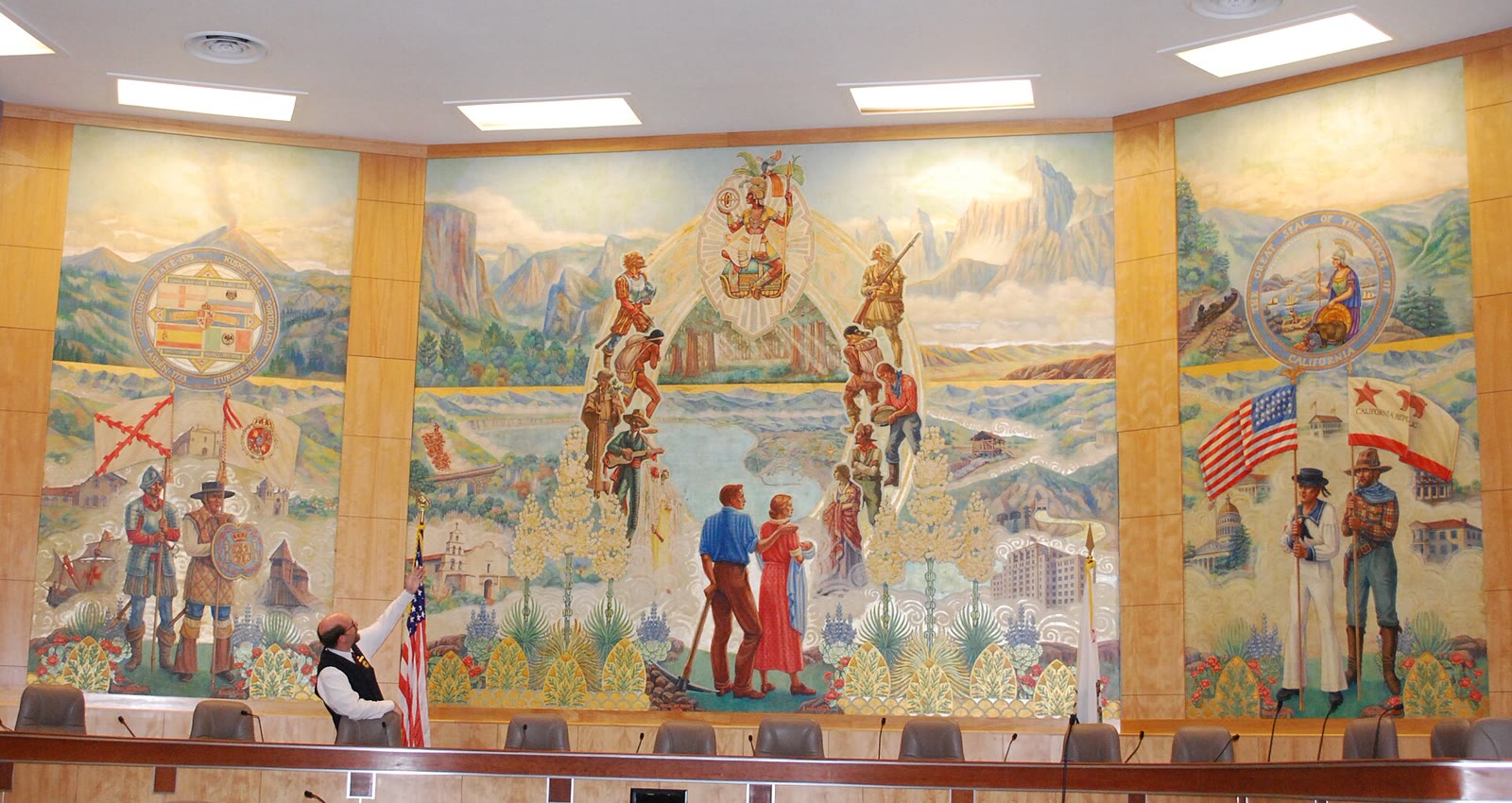
The Calafia Project worked like an old founders’ pageant. It restaged the legend behind California’s name, from a Spanish novel of chivalry by Garci Rodriguez de Montalvo, and on October 3, 2021, Queen Calafia sailed under the Golden Gate Bridge to Sausalito. She was “greeted by the Mayor of Sausalito, The Cal Alumni Band, Lighthouse Singers, Emperor Norton and many other dignitaries, performers, and well-wishers.”
Like the civic pageants, it sought official standing: proclamations from Oakland and Sausalito, a Calafian Great Seal painted by an audience, and a planned holiday the 2022 page hoped would become “an official California holiday.” Hardman said he included her story “as a homage to my father, Richards (Ric) Hardman.” The project’s own record is Calafia Returns to California, one of Antenna’s new theater forms.
Frequently asked questions
What was the first modern historical pageant?
The Sherborne Pageant, staged by Louis Napoleon Parker at Sherborne Old Castle in Dorset from June 12 to 16, 1905, for the 1,200th anniversary of the town’s bishopric.
What was the American pageantry movement?
A wave of civic pageants and masques in the United States that reached its peak just before the First World War, with Percy MacKaye as its leading figure.
Why did historical pageants decline?
King’s College London’s archive exhibition points to rising costs and more affordable home entertainment.
Did Antenna Theater make pageants?
Chris Hardman made theatre pieces and pageants in Los Angeles in 1971. Antenna’s All You Can Eat was a grand processional mock history of the Bay Area, and its Calafia Project restaged California’s naming myth in Sausalito in 2021.