ECOtime: Antenna Theater’s One-Minute Radio Shorts on the Natural Year
In 2008 and 2009, Chris Hardman, Antenna Theater’s founder, wrote and narrated a series of radio shorts about what nature was doing that week. ECOtime aired on Green 960 AM in the Bay Area and, four times that we know of, on public radio’s Living on Earth. Here is what survives: four scripts, two stations, and a short list of what isn’t known.
Quick answer
What was ECOtime?
ECOtime was a series of one-minute radio shorts written and narrated by Antenna Theater founder Chris Hardman in 2008 and 2009. Each explained a natural event of that week, from autumn leaves to animals’ eye shine. It aired on Green 960 AM in the Bay Area and on public radio’s Living on Earth.
From headphones to the radio dial
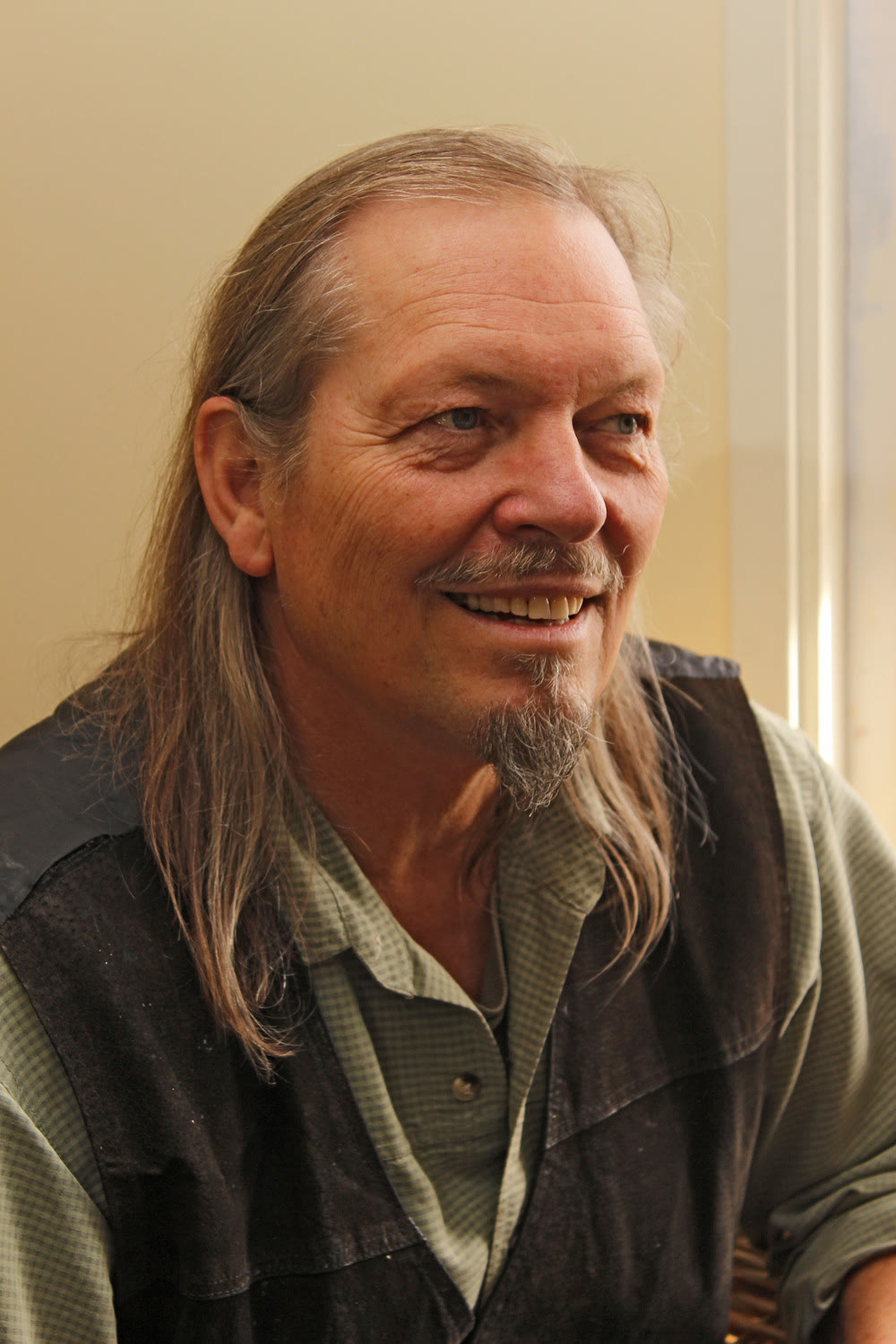
Antenna’s craft had always been a recorded voice in the listener’s ear: walk-through shows on Walkman headphones, and in 1984 Antenna’s Radio-Active Theater on KPFA. ECOtime dropped the walk and the set and kept the voice.
Antenna’s chronology says the pieces “were influenced by the ECOlogical Calendar and were recorded to provide an immersive, scientific way to reconnect the listener with the natural world.” Hardman began the ECOlogical Calendar, which starts its year at the winter solstice, in the early 2000s, and Pomegranate published it from 2005. In 2008 the calendar gained an iPhone edition as well as a radio voice. When the Long Now Foundation’s blog announced the radio debut in October 2008, it said the series would “reconnect people with the world around them.”
What an ECOtime short sounded like
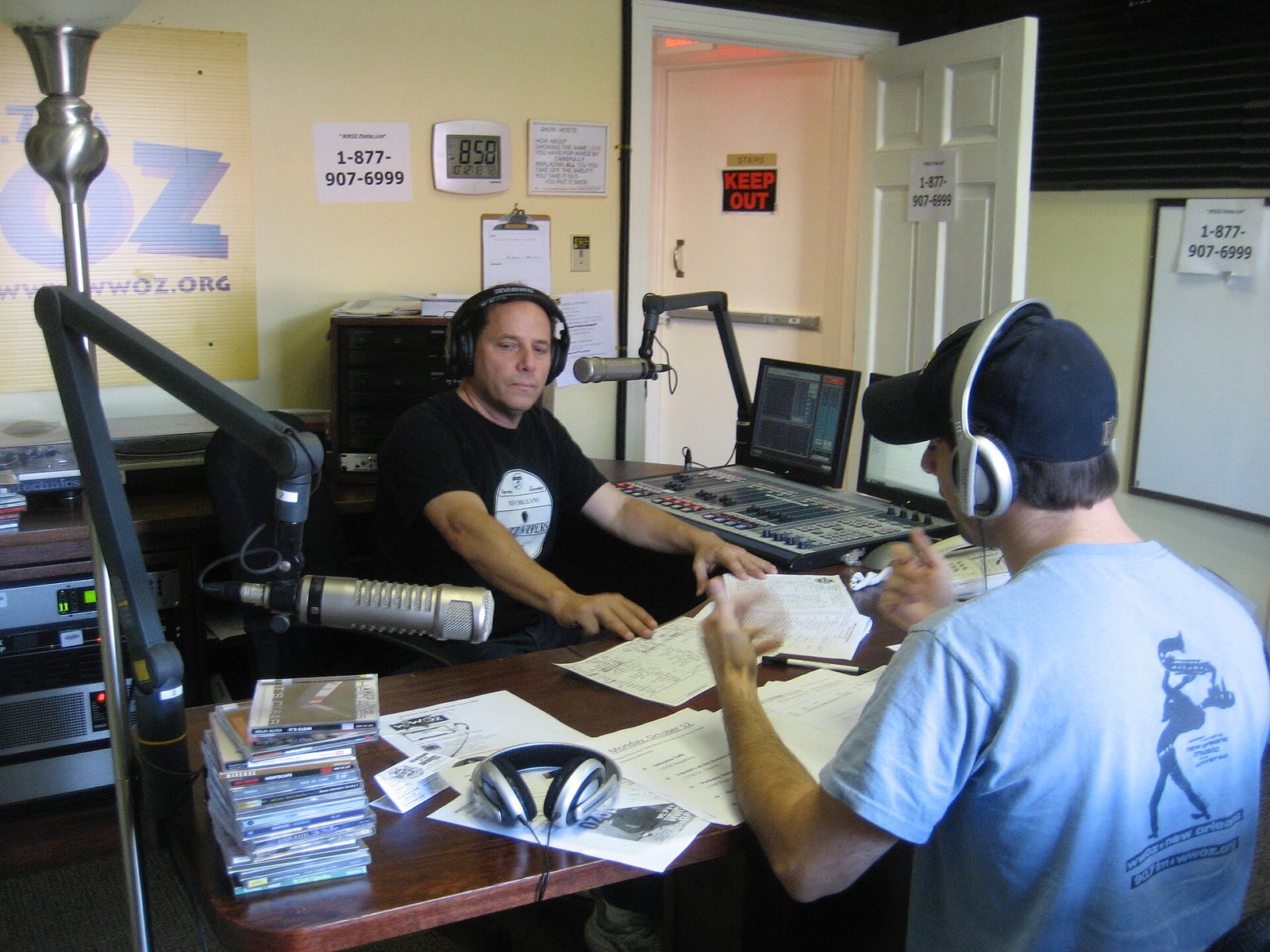
The format was simple. A theme played, a host introduced “the folks at the ECOcalendar project,” and Hardman named his subject in two or three words before explaining it. The host signed off: “That’s Chris Hardman with ECOtime, part of the ECOcalendar project.”
Living on Earth gave the series a standing blurb: “The planet’s natural calendar, with its cycles of hibernation, sprouting, fading and rebirth, can seem remote in our techno-filled lives. Tune in to the remedy: ECOtime.”
Each script runs about 75 to 150 words, about a minute on air. Antenna’s stage soundtracks had been layered from dozens of voices, the kind of sound collage cut from interviews and music critics described; ECOtime was one voice and, once, a sound effect.
Four episodes that survive
| Air week | Title | Subject | Host |
|---|---|---|---|
| October 24, 2008 | Flaming leaves | Why deciduous trees change color and drop their leaves | Gellerman |
| January 23, 2009 | Gray days | Why winter light is dim and white | Steve Curwood |
| February 13, 2009 | Eye Shine | Why some animals’ eyes glow at night | Gellerman |
| April 24, 2009 | The Silver Lining | Why spring clouds look brighter | Jeff Young |
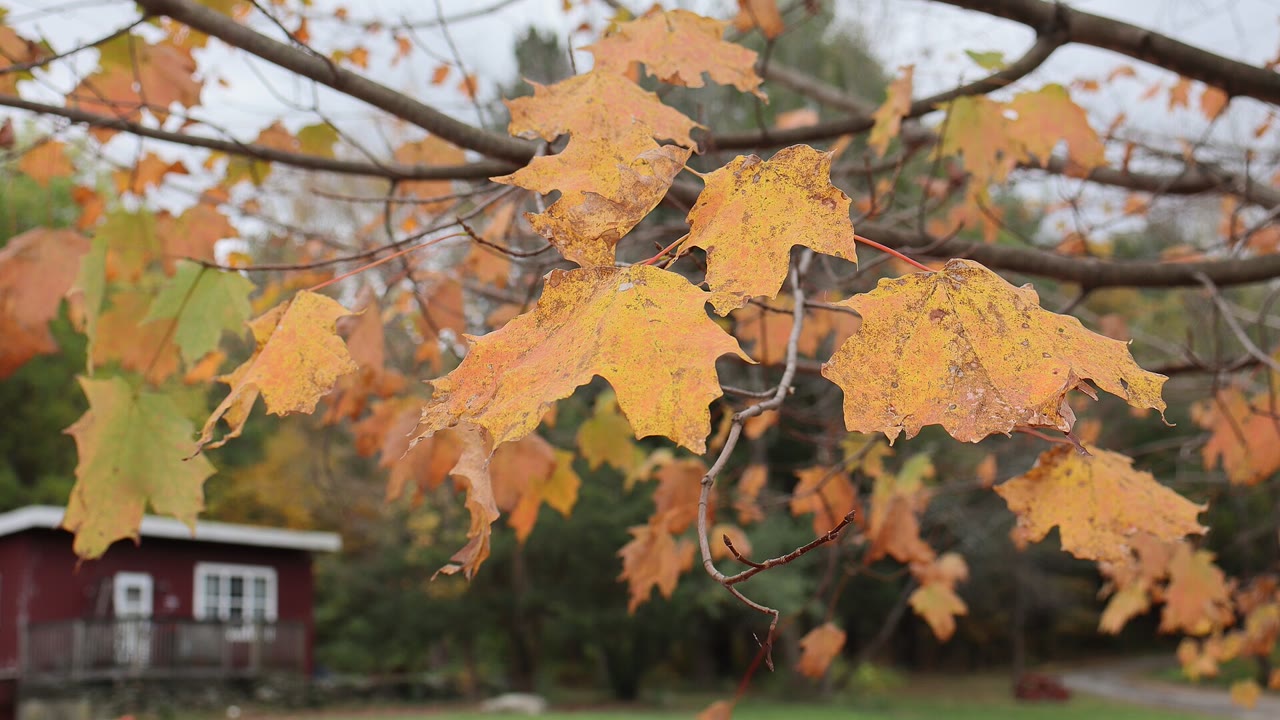
Flaming leaves. Introducing it, Gellerman called it “a feature Living on Earth will be airing in the coming months, called ECOtime.” The episode, in Living on Earth’s transcript of the first ECOtime short, opens with a definition and then an image: “Leaves are solar panels that use chlorophyll to transform those golden rays of sunshine into sugar stored in sap.” As the days shorten, the leaves flame out “in a final homage to that fiery energy ball which is the sun.”
Gray days. In January, Hardman explained that dark winter days come from the tilt of the earth, not its distance from the sun. With the sun low, “its rays have to pass through lots of earth’s atmosphere to get here,” so “the bright yellow of the sun is seen as bone white by the time it finally penetrates earth’s atmospheric filter.”
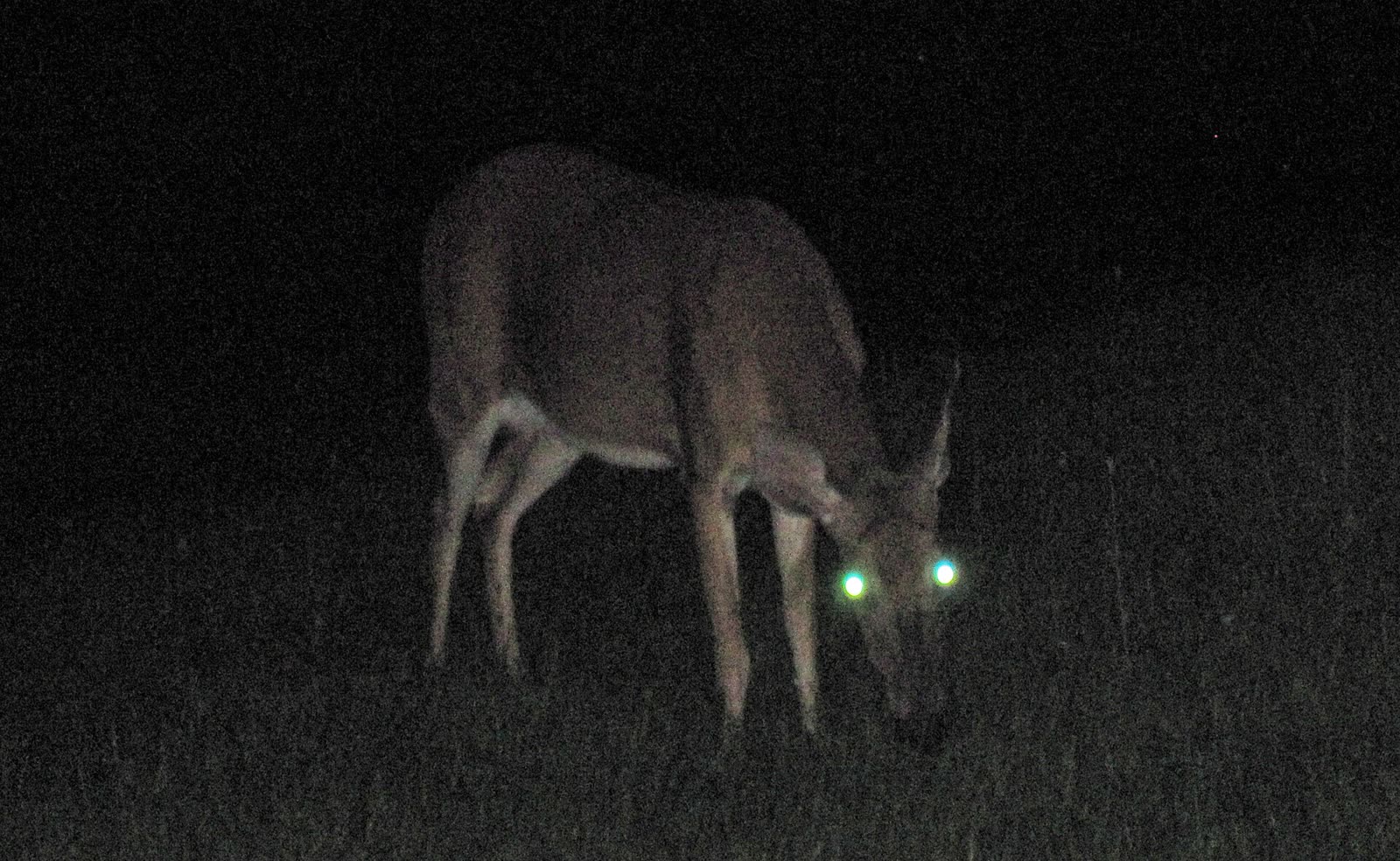
Eye Shine. “We humans are diurnal, meaning we’re daylight animals.” Other animals see in the dark because light “bounces off a mirror-like membrane, called the tapetum lucidum, to hit the receptors again, so they see the light twice.” Many of those animals are hunters, Hardman adds, and a howl follows.
The Silver Lining. By April the sun has climbed above the winter clouds: “So now, these same dark clouds have silver linings because they’re backlit.” Set side by side, the four scripts share a shape: name the subject, explain one piece of science tied to the week, end on an image. Gray days and the silver lining answer each other across a season.
Green 960 and Living on Earth
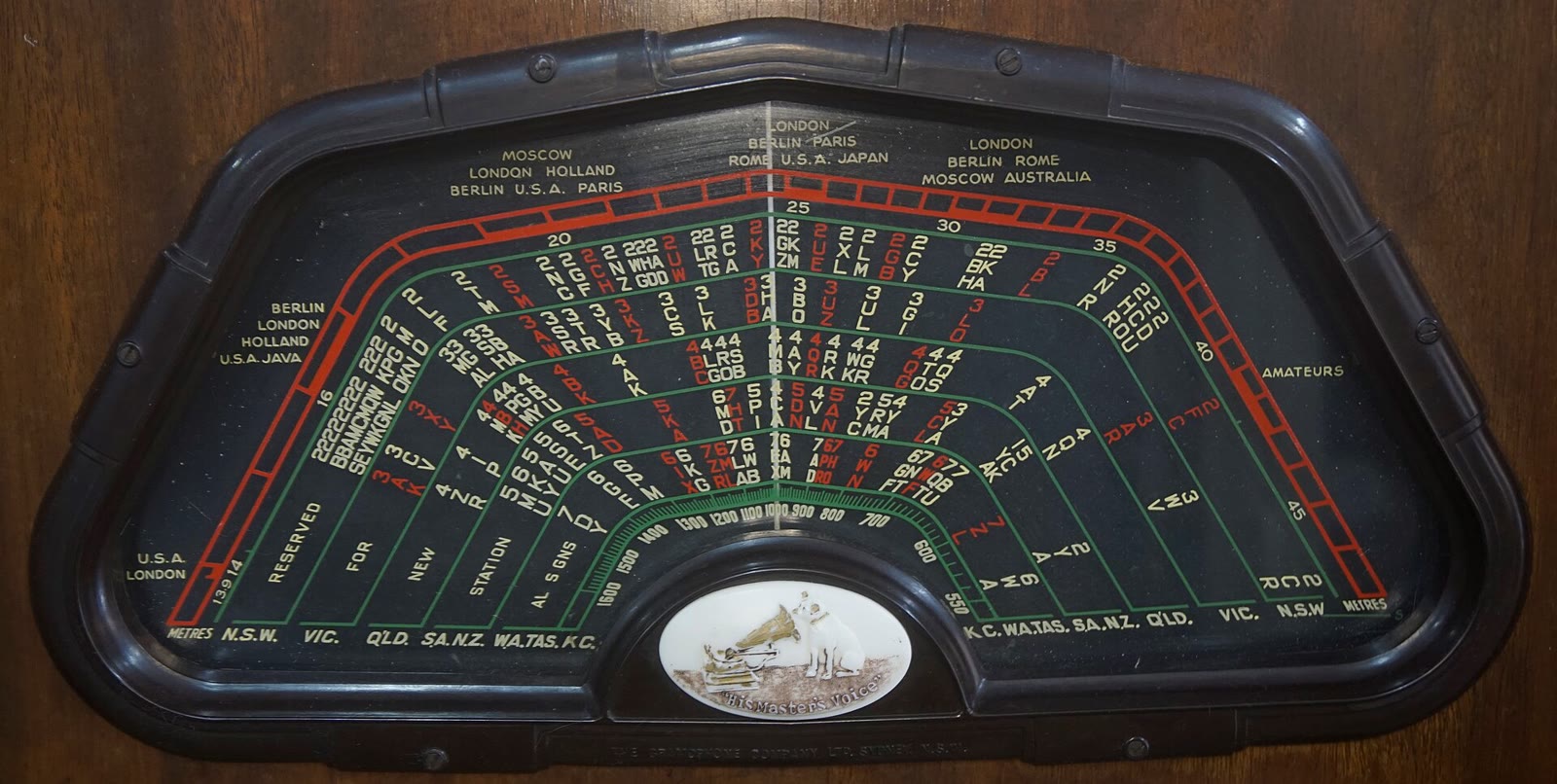
Green 960 was KKGN, a progressive talk station in Clear Channel’s San Francisco cluster. Radio World’s 2008 report on Green 960’s sustainability format says that from August 2007 it “now incorporates messaging about sustainability issues into the existing format,” and it scheduled short vignettes about Bay Area environmental businesses and leaders. Antenna says ECOtime “regularly aired” there; no schedule survives.
Living on Earth calls itself “the weekly environmental news and information program distributed by PRX,” hosted by Steve Curwood. Antenna’s chronology called it a National Public Radio program and the calendar’s website named Public Radio International, so “public radio’s Living on Earth” is the safe description.
| Outlet | Type | When | What is recorded |
|---|---|---|---|
| Green 960 AM (KKGN) | San Francisco talk station | 2008-2009 | “Regularly aired,” per Antenna |
| Living on Earth | Weekly public radio program | October 2008 to April 2009 | Four episodes, with transcripts |
| The World | Public radio page | August 2013 | The flaming leaves blurb, no credit |
A minute of nature: ECOtime among radio’s nature shorts
ECOtime joined an established genre. Pulse of the Planet describes itself as “a two-minute sound portrait of Planet Earth” each weekday; its producer Jim Metzner has made more than 5,000 short-format programs since 1979. EarthSky’s radio series ran from 1991 to 2013, and BirdNote has been a daily two-minute show since 2005.
What set ECOtime apart was its author, a theatre maker, and the calendar it followed. No source claims influence in either direction. Our post on ECOtime as ecotheatre without a stage places it in Antenna’s environmental work, and sound installations, where recorded sound stays in one place, are its opposite: sound fixed to a site rather than sent out over the air.
What isn’t known
No total episode count survives. Living on Earth’s archive shows four ECOtime segments and none after April 2009; how long the series ran on Green 960 is not recorded. A 2013 page on The World carries the flaming leaves blurb again, without a credit, so it cannot be called a rebroadcast.
Also unknown: who recorded the audio, who wrote the theme, and how many people listened. No audio of the series is publicly available.
Frequently asked questions
Who wrote and narrated ECOtime?
Chris Hardman, Antenna Theater’s founder, for the ECOlogical Calendar project. Living on Earth credited the shorts to the folks at the ECOcalendar project.
Where could you hear it?
On Green 960 AM in the San Francisco Bay Area, and in four episodes on public radio’s Living on Earth between October 2008 and April 2009.
How many episodes were made?
No total count survives. Four scripts are preserved as Living on Earth transcripts: flaming leaves, gray days, eye shine and the silver lining.
Is ECOtime still on the air?
No episode after April 2009 appears in Living on Earth’s archive, and Antenna dates the series 2008 to 2009.
ECOtime is listed in Antenna Theater’s full production chronology.