What Is Ecotheatre? Theatre About Ecology, Explained
The word sounds like a building with solar panels, and sometimes it is. But if you are asking what is ecotheatre, the better answer is about subject, not plumbing. It is theatre that treats the natural world as more than scenery, and it has a short, traceable history that began, in part, with protest.
Quick answer
What is ecotheatre?
Ecotheatre is theatre about ecology: plays and performances that put the natural world, non-human life and environmental justice at the center. The field took shape in the 1990s through Una Chaudhuri’s “Theatre and Ecology” issue and Theresa May’s ecodramaturgy. It is not environmental theater, which is about sharing space.
What is ecotheatre? A definition

The plainest definition comes from NYU Tisch’s profile of Una Chaudhuri, who “is a pioneer in the field of ‘eco-theatre’”. The page describes the field as “plays and performances that engage with the subjects of ecology and environment.”
The Latvian scholar Kitija Balcare gave a sharper version in 2022: “ecotheatre is a type of performance which represents and questions the interplay between human and non-human entities.” She adds that practitioners also “seek alternative means of creating theatre which prioritize conservation and sustainability.” So ecological theatre can mean what a show is about and how it is made.
Balcare frames the difference as a question. Ordinary drama asks who we are; ecotheatre, “including ecodramaturgy, seeks to answer the question ‘Where are we?’”
Ecotheatre vs environmental theater
The names cause confusion. Environmental theater, a form named by Richard Schechner in the late 1960s, is about space: it removes the line between audience and performers. Our guide to environmental theater in Schechner’s sense covers it in full.
| Aspect | Ecotheatre (ecodrama) | Environmental theater |
|---|---|---|
| What “environment” means | The natural world and non-human life | The theatre space itself |
| Framed by | Chaudhuri’s 1994 issue; May’s ecodramaturgy | Richard Schechner, late 1960s |
| Core question | “Where are we?” | Where do audience and actors stand? |
| Typical forms | Plays, processions, festivals, radio | Shared space, no fixed seats |
| On a proscenium stage? | Yes | Not in its pure form |
| Antenna example | All You Can Eat, ECOtime | Its walk-through mazes |
A short history of ecodrama
From protest theatre to “Theatre and Ecology” (1991-1994)
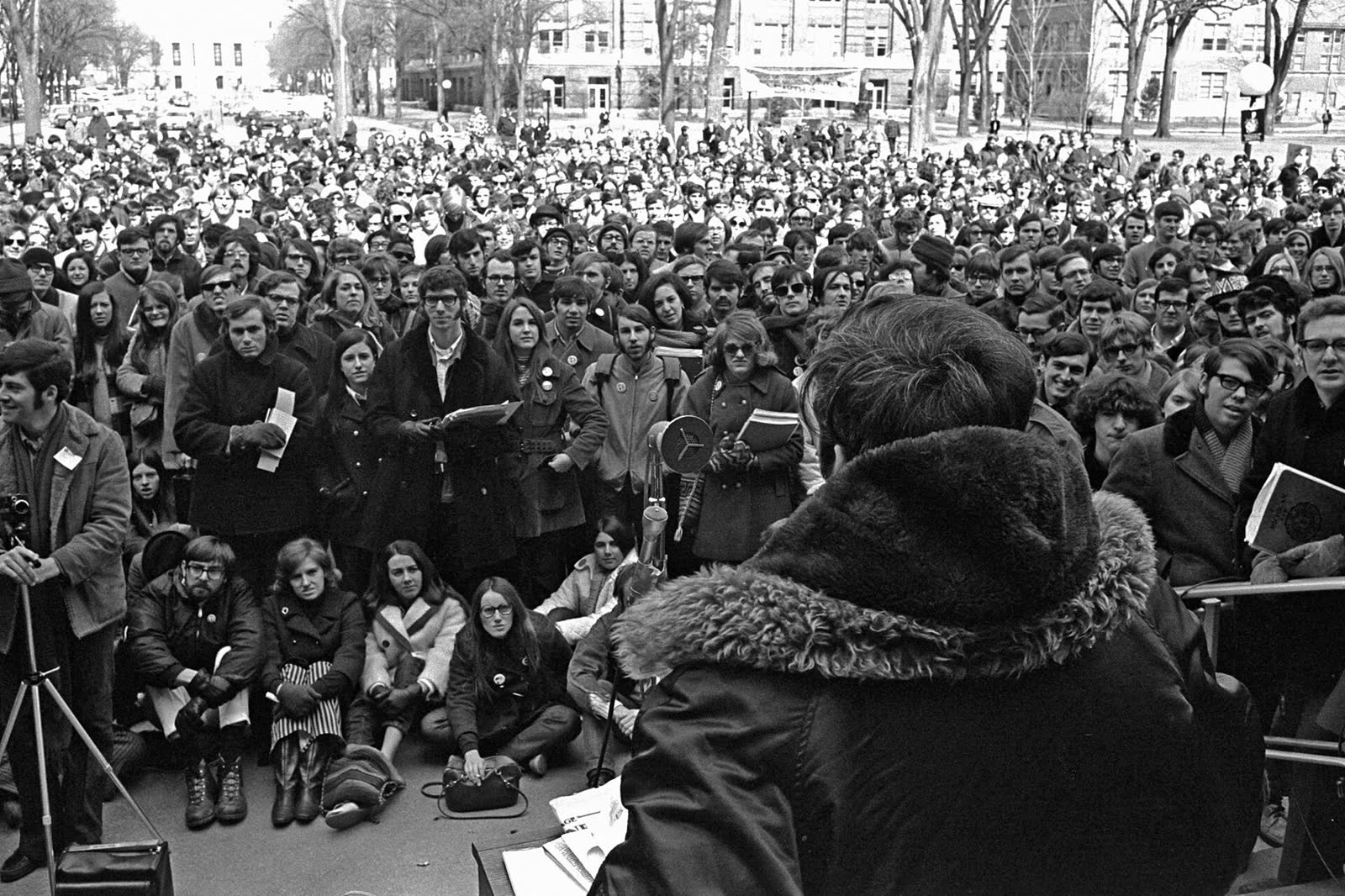
In 1991 Seattle’s Act Green hosted a conference called “Theatre in an Ecological Age.” Theresa May, who was there, remembers the mood: “At that time, ecodrama was popularly understood as protest theatre.”
Three years later the field got an academic home. Chaudhuri “helped launch both these fields when she guest-edited a special issue of Yale’s Theater journal on ‘Theatre and Ecology’ in 1994.” Her introduction, “There Must Be a Lot of Fish in That Lake,” “is widely credited as a seminal contribution to the field.”
Ecodramaturgy and Earth Matters on Stage (2004 onward)

May’s term ecodramaturgy names “theatre-making that centres ecological relatedness and kinship.” In May’s Critical Stages history of the EMOS ecodrama festival, she writes that “EMOS began in 2004 at Humboldt State University in California.”
Her 2021 book, Earth Matters on Stage, is billed as “the first book-length ecocritical study of American theater.” It reads plays from Death of a Salesman and A Raisin in the Sun to Cherríe Moraga’s Heroes and Saints.
| Year | Milestone |
|---|---|
| 1991 | “Theatre in an Ecological Age” conference, Seattle |
| 1991 | Antenna’s All You Can Eat for Earth Drama Lab’s Bay Day, San Francisco |
| 1994 | Chaudhuri guest-edits Theater’s “Theatre and Ecology” issue |
| 1997 | Antenna’s Star*Light on artificial and natural light |
| 2004 | Earth Matters on Stage begins at Humboldt State University |
| 2008 | ECOtime debuts on public radio’s Living on Earth |
| 2021 | May’s Earth Matters on Stage is published |
What ecotheatre looks like: plays, processions, radio

Ecotheatre is not one style. It can be a play about a poisoned town, a street procession, an outdoor walk or a minute of radio. Today climate change theatre is one strand of it, but the sources cover environmental injustice and kinship with non-human life as well.
Balcare calls ecotheatre in Latvia “the form of environmental activism or, so called artivism, of theatre practitioners.” That is close to what one Bay Area company was doing in 1991.
Antenna Theater’s ecological work
All You Can Eat and Earth Drama Lab (1991)
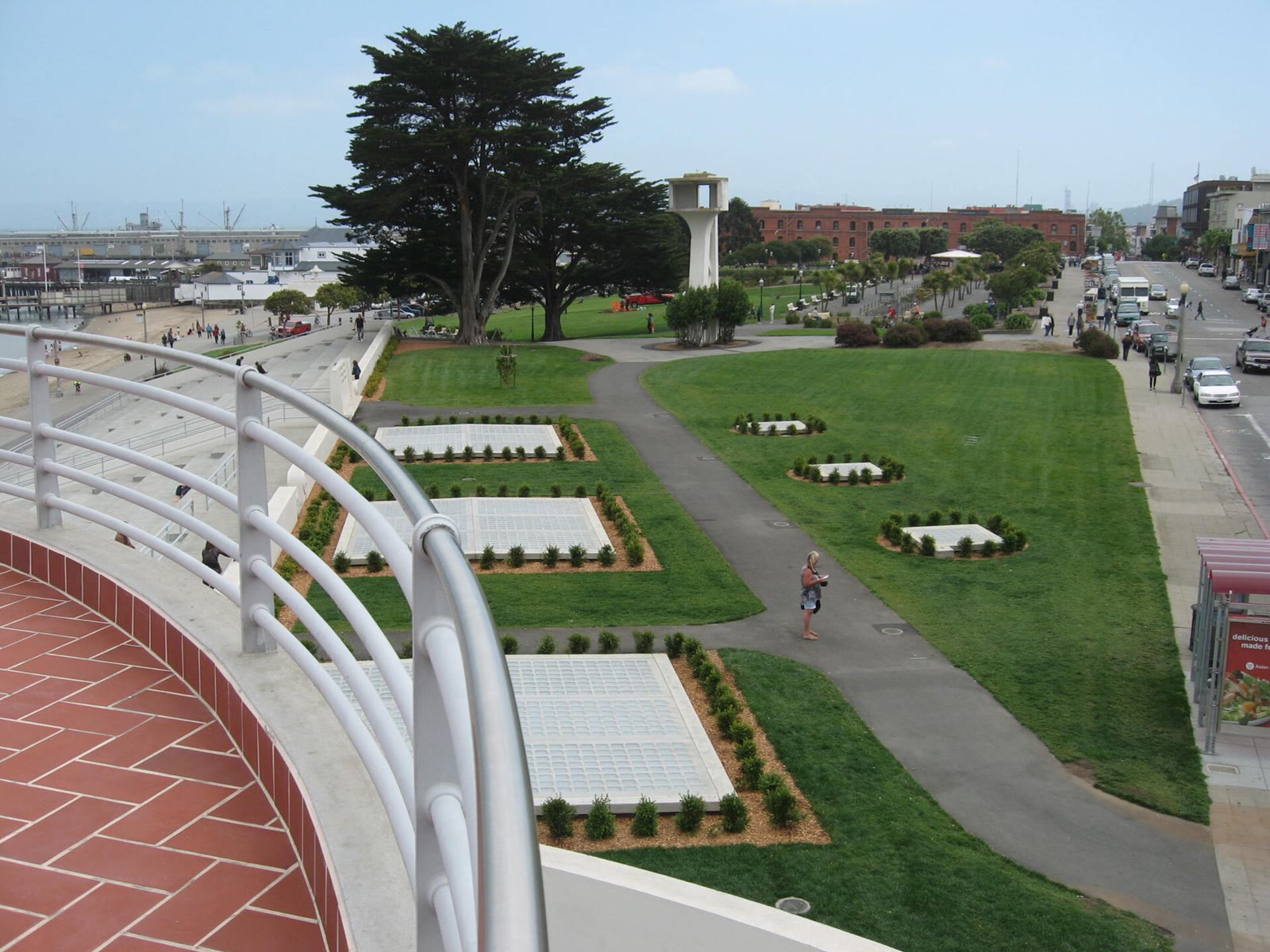
Antenna’s chronology describes All You Can Eat as “A satirical piece of the Bay Area’s history” that “illustrated how man’s greedy appetite has caused imbalance in the environment.” It was commissioned by Earth Drama Lab, whose Bay Day was “the kick-off event for Earth Drama Lab, an annual festival of environmentally inspired art that takes place around Earth Day.”
Annette Rose, who coordinated the day, explained the aim: “the goal was to merge the environmental action community with the theater arts community.” The public was invited to come “costumed as an endangered species,” and the procession was planned to be led by “giant puppets of endangered and extinct species,” a chapter in the history of giant puppets. Music troupes along the route were to present the planet’s diversity, from Taiko drumming and bagpipes to Tibetan bells.
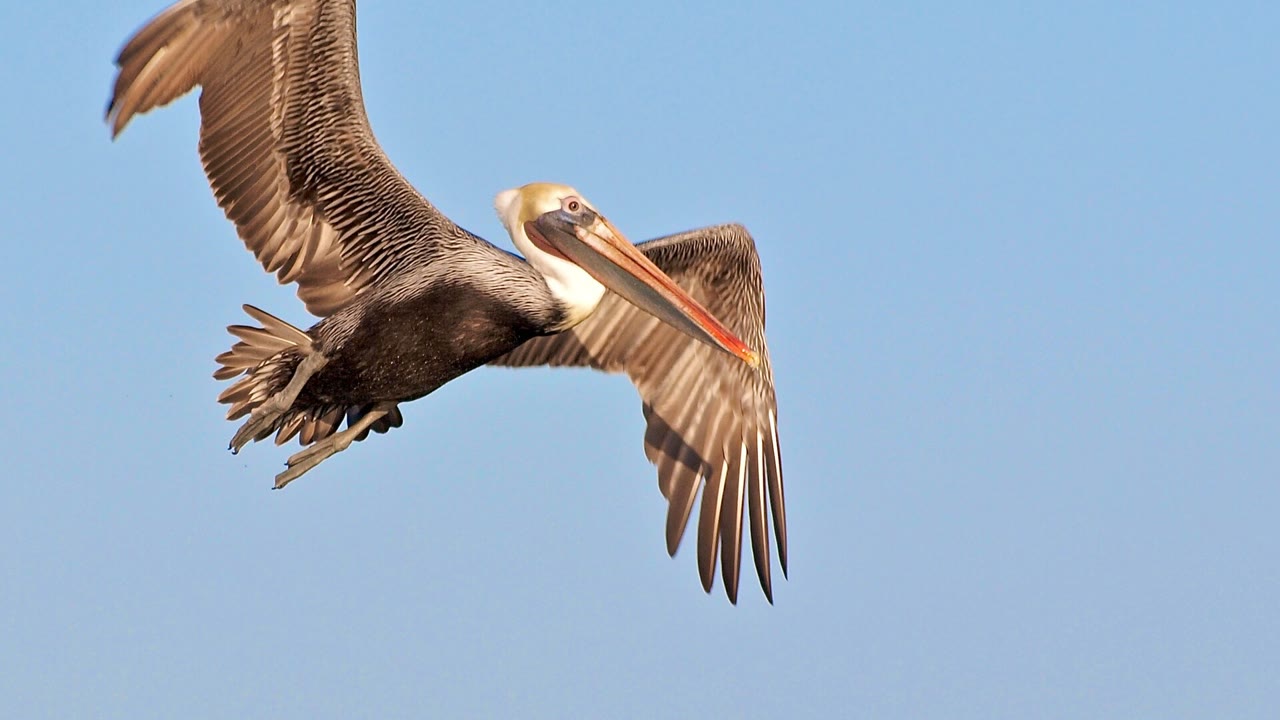
The Marin Scope preview called the show “a farce, a spoof on man’s appetite getting out of control,” with “a dancing brown pelican” and “life-size forks and spoons.” Afterwards environmental groups hosted information tables. The piece returned in 1993 at the Bay Model in Sausalito, a public visitor centre, the kind of setting explored in what museum theatre is.
Shows that followed the seasons
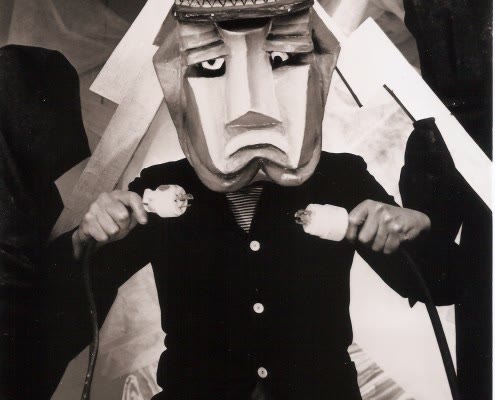
Star*Light (1997) “examined the tension between technology and nature, specifically artificial light and natural light,” at Fort Barry. Antenna’s seasonal page put it plainly: “Easily the most profound experience of nature is the changing of the seasons.” Its autumn show, Skin & Bones, played at a recycling center under the motto “Meet the Decomposers.” Spring belonged to Pandemonium, billed as “The World’s wake up call.”
ECOtime: ecology by the minute
The ECOlogical Calendar was “meant to help connect us with events outside ourselves, outside our culture, outside our species,” and the ECOlogical Calendar’s solstice year has its own post. From 2008 Chris Hardman wrote and narrated ECOtime, radio shorts on “ecological phenomena that occurred around the date of each broadcast,” heard on public radio’s Living on Earth.
The Long Now Foundation introduced it in 2008 as “This minute-long look at the natural phenomena occurring around us.” A 2013 ECOtime page on The World, which does not credit Hardman, called it “An audio remedy for nature-deficit syndrome.” It is ecotheatre without a stage at all.
The beach walk Sands of Time worked on a longer clock, much like a deep time walk through Earth’s history. All of it sits among Antenna’s new theater forms, from Walkmanology to processions.
Frequently asked questions
Is ecotheatre the same as environmental theater?
No. Environmental theater is Richard Schechner’s 1960s idea about sharing space with the audience. Ecotheatre is about ecology and can happen on any stage.
What is ecodramaturgy?
Theresa May describes it as theatre-making that centres ecological relatedness and kinship. It names both how plays are written and how scholars read them.
When did ecotheatre start?
In 1991, May recalls, ecodrama was popularly understood as protest theatre. Una Chaudhuri’s 1994 Theatre and Ecology issue of Theater helped launch the field.
Does ecotheatre have to be about climate change?
No. The sources also cover environmental injustice, kinship with the non-human world and greener ways of making theatre.