Experiments in Art and Technology: E.A.T., 9 Evenings and the Pepsi Pavilion
Experiments in Art and Technology, usually shortened to E.A.T., set out to put artists and engineers in the same room. It began with a Bell Labs engineer helping a few New York artists, and within four years it was running a pavilion at a world’s fair. Here is the story, with the places where the sources disagree.
Quick answer
What was Experiments in Art and Technology (E.A.T.)?
Experiments in Art and Technology was a non-profit founded in 1966 by the Bell Labs engineers Billy Klüver and Fred Waldhauer with the artists Robert Rauschenberg and Robert Whitman. It grew out of 9 Evenings, a 1966 festival of theatre and engineering in a New York armory, and went on to build the fog-wrapped Pepsi Pavilion at Expo ’70.
An engineer meets an artist
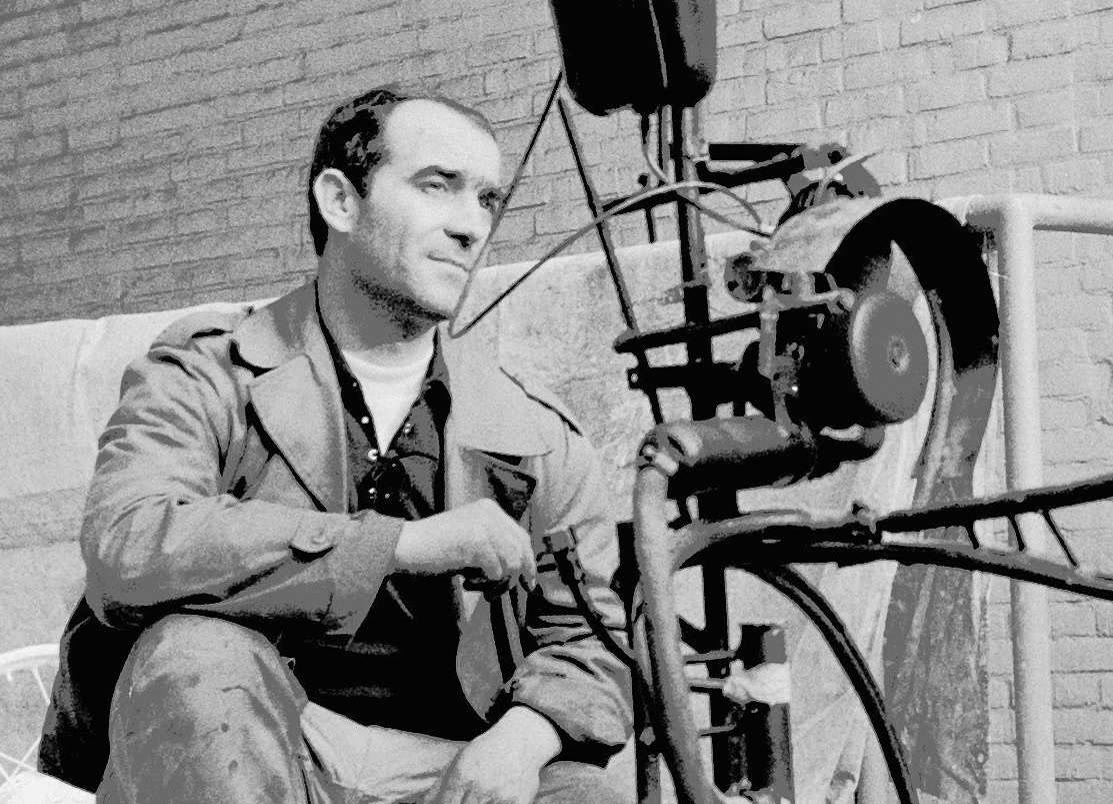
“In 1960, Rauschenberg met Billy Klüver while the two were working on Jean Tinguely’s Homage to New York,” writes Clarisse Bardiot in the Daniel Langlois Foundation’s study of 9 Evenings. The partnership led to Oracle (1962-1965), for which Klüver brought in two more Bell Labs engineers.
In 1965 the engineers helped John Cage with Variations V. “At Bell Labs (Murray Hill, NJ) we put together ten photocells which triggered switches that could turn on and off the audio,” Klüver recalled. When dancers passed the photocells, sounds came and went, which Bardiot calls “one of the first instances of the use of sensing devices in choreography.”
9 Evenings: Theatre and Engineering
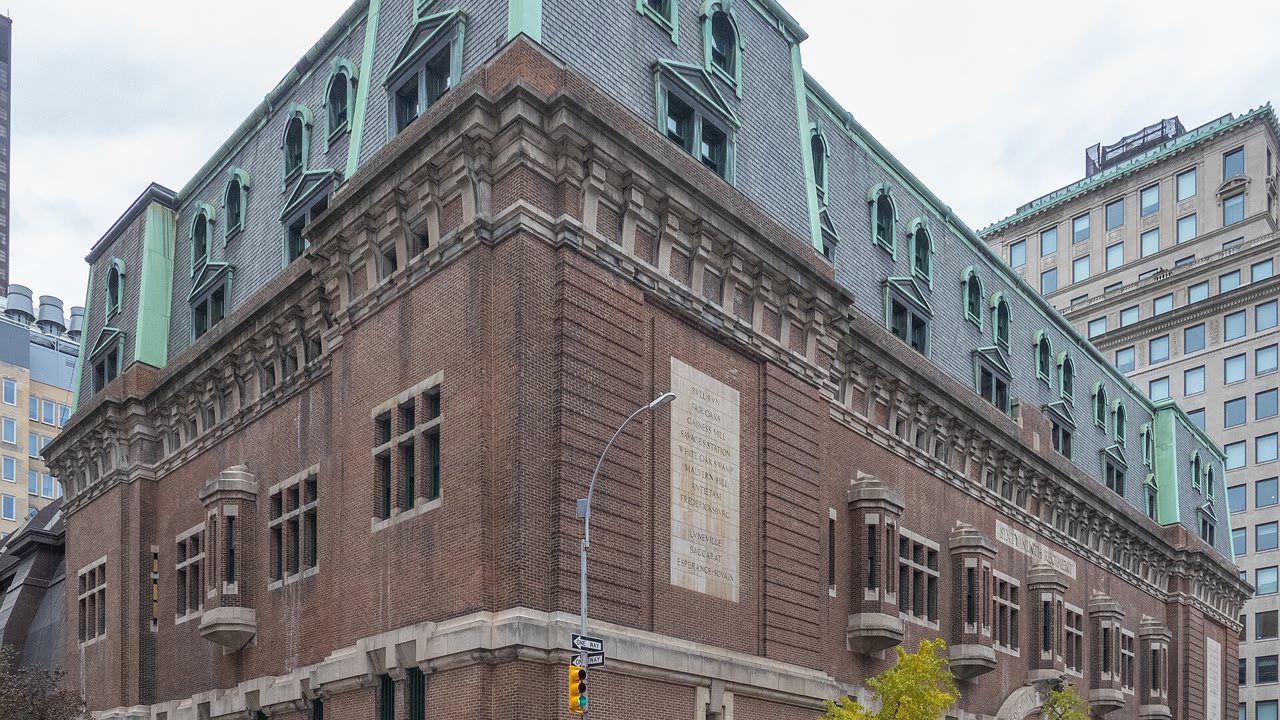
Klüver asked Bell Labs engineers to join “an interdisciplinary project blending avant-garde theatre, dance and new technologies.” It was meant for a Stockholm festival in 1966, but when that festival’s American program was cancelled, he moved it to the 69th Regiment Armory in New York.
It ran from October 13 to 23, 1966. John Cage, Lucinda Childs, Öyvind Fahlström, Alex Hay, Deborah Hay, Steve Paxton, Yvonne Rainer, Robert Rauschenberg, David Tudor and Robert Whitman “each created an original performance,” each artist paired with engineers. The Langlois Foundation’s 9 Evenings archive says “some 30 engineers,” the Getty says 30 and Klüver’s own note says 40, so about 30 to 40 is the honest range.
Open Score: tennis in the dark
The Armory was then used for tennis matches, so Rauschenberg staged one. Mimi Kanarek and Frank Stella played with rackets fitted with “an FM transmitter and contact microphone,” amplifying every hit, and the rackets triggered the lights.
Then the hall went dark. A crowd came out onto the blacked-out floor, and the audience saw it only as infrared images. Good American infrared equipment was classified, so “a Japanese model was mounted on a camera.”
Variations VII: sound from outside
Cage’s piece “employed radios and telephone lines to broadcast onto a stage, and in real time, sounds originating outside the performance venue.” His earlier mixed-media evenings are in our guide to Cage’s 1952 untitled event and the happenings, and Fluxus, which took the low-tech road of printed instructions, has its own guide to the Fluxus art movement and its event scores.
Founding Experiments in Art and Technology
Klüver’s archive note says the group “developed from the experience of 9 Evenings.” The Rauschenberg Foundation dates the co-founding to September 25, 1966, weeks before the festival. The safe wording is that it took shape around 9 Evenings, and its first meeting was on November 30, 1966.
Bell Labs, which also appears in our history of stereo sound and the Bell Labs experiments, supplied the first engineers. From a loft on East 16th Street, E.A.T.’s Technical Services “provided artists with access to new technology by matching them with engineers or scientists for a one-to-one collaboration,” with no judgment on the art.
By 1969 there were over 2,000 artist members and 2,000 engineer members. Local groups spread too, though Klüver counted about 15 to 20 while the Rauschenberg chronology says forty chapters.
| Year | Event |
|---|---|
| 1960 | Klüver and Rauschenberg meet on Tinguely’s Homage to New York |
| 1965 | Variations V uses Bell Labs photocells |
| 1966 | 9 Evenings at the 69th Regiment Armory, October 13-23 |
| 1966 | E.A.T. founded (September 25, per the Rauschenberg Foundation) |
| 1968-69 | Some More Beginnings at the Brooklyn Museum |
| 1970 | The Pepsi Pavilion at Expo ’70, Osaka |
| 1971 | Telex: Q&A links four cities |
| 2004 | Billy Klüver dies, aged 76 |
The Pepsi Pavilion at Expo ’70, Osaka
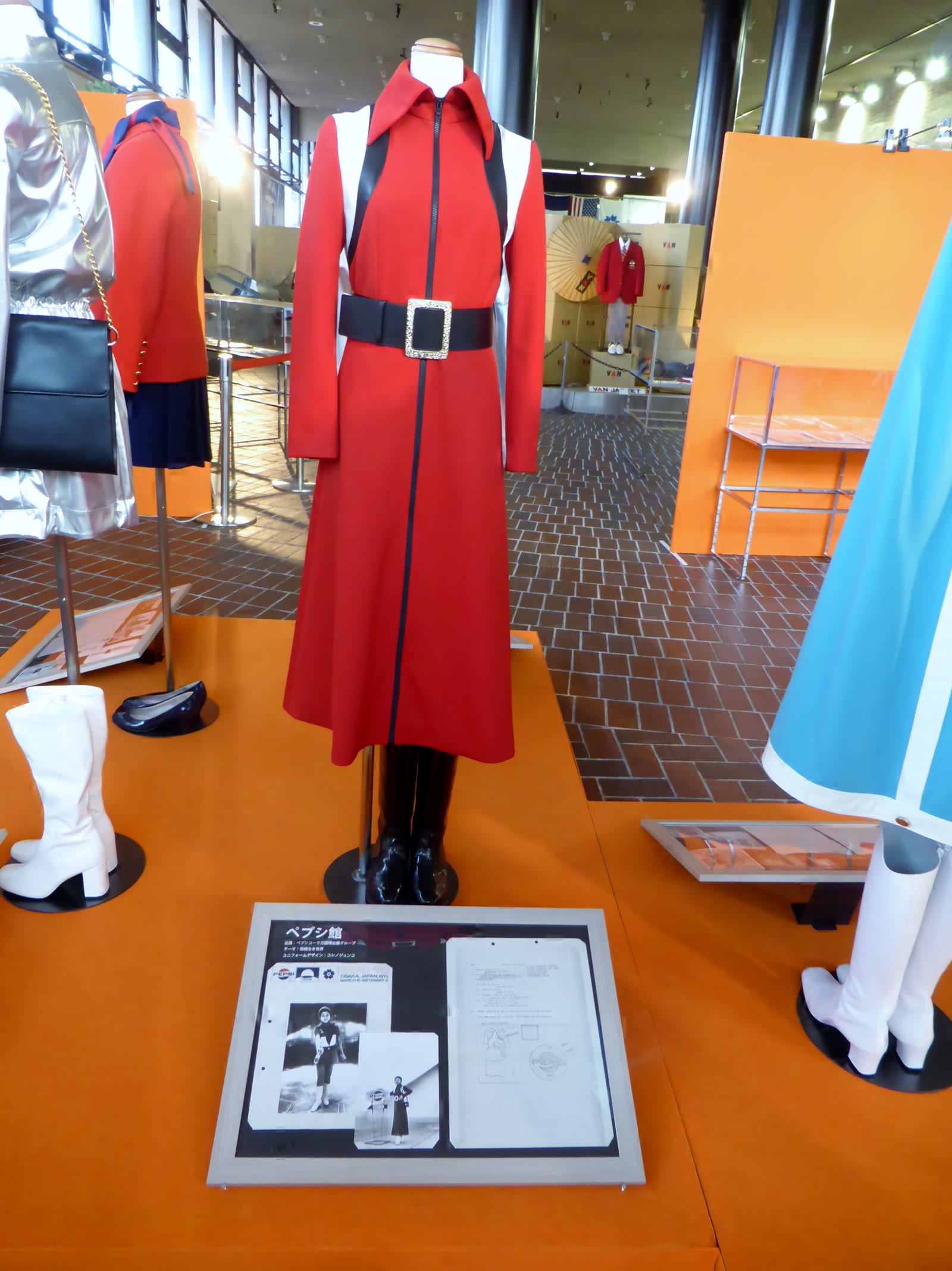
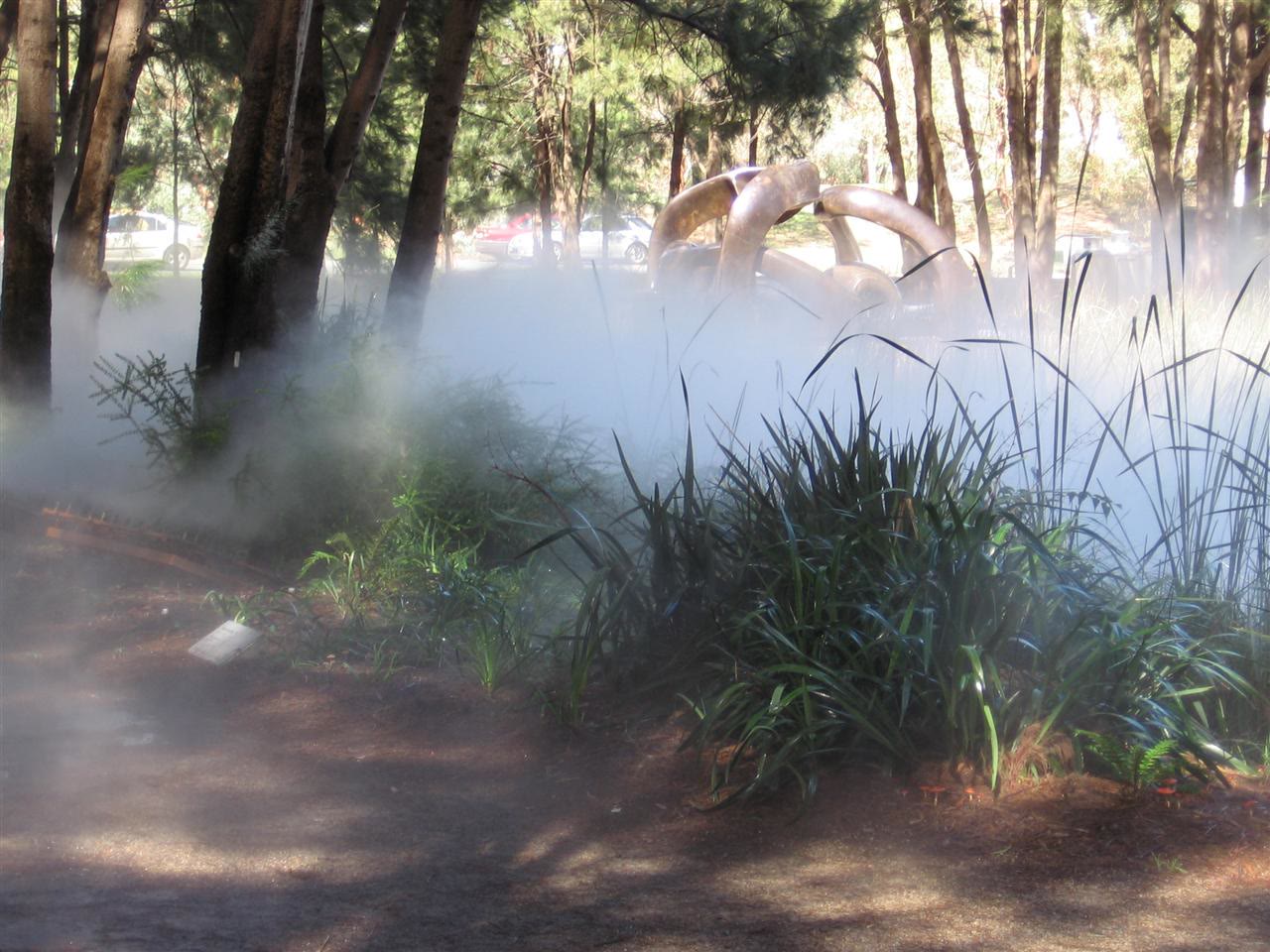
Pepsi had first planned “a simple bandshell.” What it got was “a slightly distorted 120-foot diameter faceted geodesic dome” by Tadashi Doi, wrapped in a cloud. Fujiko Nakaya and the physicist Thomas Lee designed the fog, which Smithsonian Magazine says was at times six feet thick.
Inside were the laser-lit Clam Room and the mirrored Dome Room, “a 90-foot diameter hemispherical mirror dome.” The Bureau International des Expositions says each visitor carried “a handset that included a torch and a speaker that played sounds according to where the visitor stood within the pavilion.” David Tudor designed the sound system.
The partnership did not last. The project was “hampered during the course of the Expo by creative differences and corporate discontent over its content,” and Pepsi cancelled E.A.T.’s program.
After Osaka
E.A.T. turned outward: the Anand Project (1969) on educational television for India, and Telex: Q&A (1971), linking public spaces in New York, Ahmadabad, Tokyo and Stockholm. In 1980 it gathered an archive of more than 300 of its own documents. Klüver died at his home in New Jersey in January 2004.
A later art-and-engineering theatre: Antenna
No source connects Antenna Theater with E.A.T. But the Sausalito company came at the same question from the theatre side. Its mission statement read: “ANTENNA seeks to invent, discover, and explore ways of involving a variety of artistic disciplines and new technologies in the theater experience.”
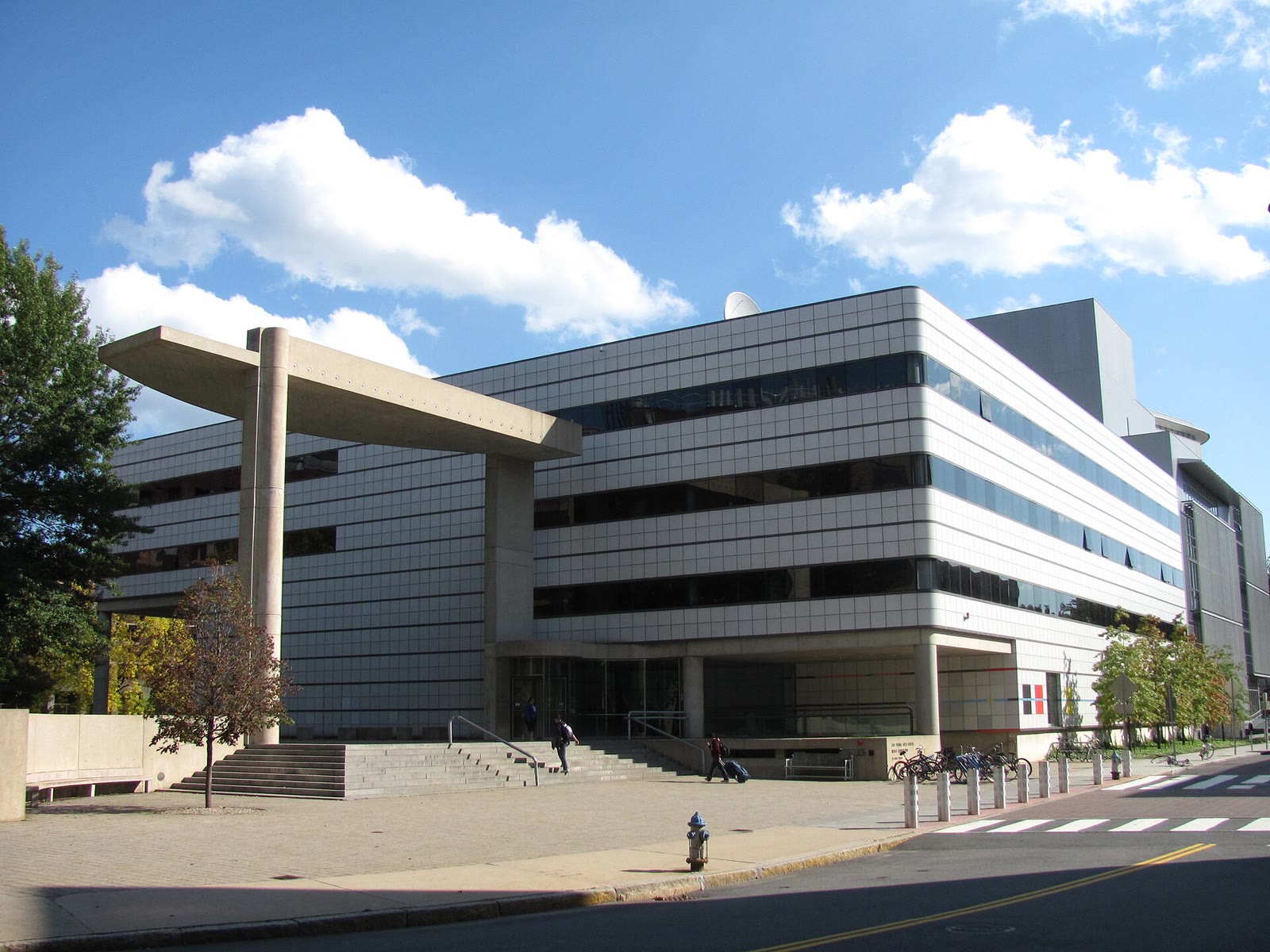
In 1985 Robert Hurwitt reported that Chris Hardman would develop Radio Interference at MIT, “using media cross-fertilization to explore basic human values in the age of mass communication.” Esquire’s Steve Erickson wrote that “he will begin a series of media projects at the Massachusetts Institute of Technology.” The show, made at the MIT Media Lab with infrared headsets in 1987, staged its own panic, told in our War of the Worlds broadcast guide.
Misha Berson wrote in 1989 that Hardman expected interactive art to employ “such space-age effects as three-dimensional projections, holographic images, and infrared sound.” By 2001, in Euphorium, where the audio followed your position, SF Weekly found “the Walkman’s beacon is triggered by your location.”
| Year | Work | What set off the sound |
|---|---|---|
| 1965 | Cage, Variations V | Dancers passing photocells |
| 1966 | Rauschenberg, Open Score | Tennis rackets wired to the lights |
| 1970 | Pepsi Pavilion | A handset that knew where you stood |
| 1987 | Antenna, Radio Interference | Infrared headsets |
| 2001 | Antenna, Euphorium | MP3 audio set off by location |
E.A.T.’s dancers and pavilion visitors set off sound by moving, and so, years later, did Antenna’s audients. That is the Journal’s comparison, not a line of descent. More is in Walkmanology and Antenna’s other new theater forms.
Frequently asked questions
What was 9 Evenings: Theatre and Engineering?
Ten new performances by artists including John Cage, Yvonne Rainer and Robert Rauschenberg, built with Bell Labs engineers at New York’s 69th Regiment Armory, October 13 to 23, 1966.
How many engineers took part in 9 Evenings?
The sources differ. The Langlois Foundation and the Getty say about 30, while Klüver’s archive note says 40.
What was the Pepsi Pavilion at Expo ’70?
E.A.T.’s pavilion in Osaka: a dome hidden in Fujiko Nakaya’s fog, with a mirror interior and handsets that played sounds according to where each visitor stood.
Who was Billy Klüver?
A Bell Labs engineer who worked with Tinguely and Rauschenberg, organised 9 Evenings and co-founded E.A.T. He died in 2004, aged 76.