The Fluxus Art Movement: From Wiesbaden to the Flux-Labyrinth
Between 1960 and 1978 the Fluxus art movement turned concerts into demolitions, sold art in cheap boxes and printed works as instructions anyone could follow. This guide runs from a magazine title to a booby-trapped maze in Berlin.
Quick answer
What was the Fluxus art movement?
Fluxus was an international art movement led by George Maciunas, who named it in 1960 and launched it at a festival in Wiesbaden in 1962. Its artists made short performances from written instructions, cheap boxed multiples and jokes against dead art, and its West Coast branch, Fluxus West, opened in San Francisco in 1966.
A word for a magazine
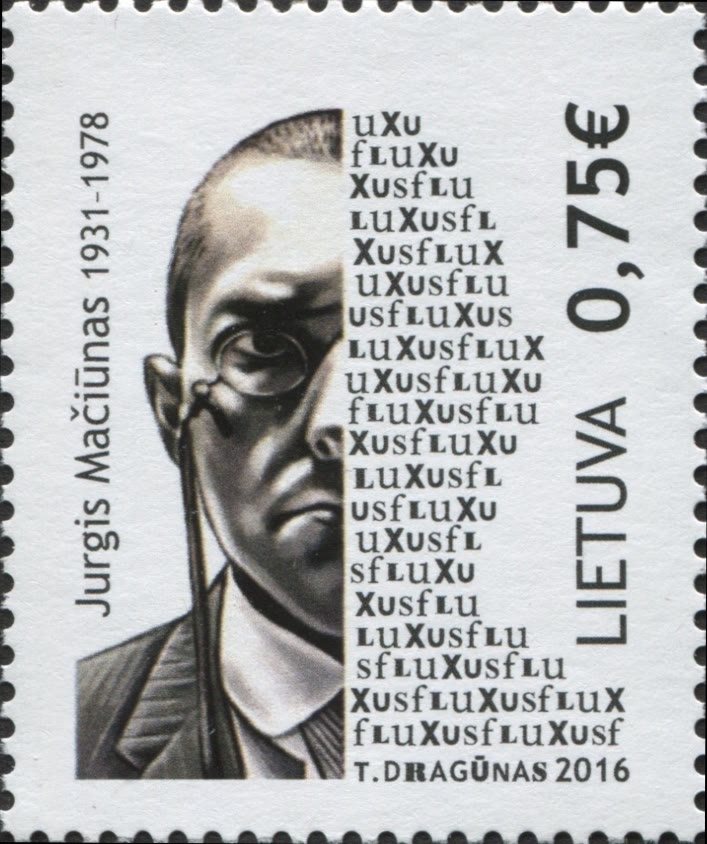
The name came before the movement. Clive Phillpot, writing for the George Maciunas Foundation, says Maciunas chose the word “in October 1960, as the title of a magazine for a projected Lithuanian Cultural Club in New York,” and that it “was too good to let go when that circumstance evaporated.” It comes from the Latin for flow.
Maciunas was born in Kaunas, Lithuania, in 1931; his family fled the advancing Red Army in 1944 and settled in New York in 1948. In the early 1960s he worked in Wiesbaden as a graphic designer for the US Air Force. His own definition of Fluxus was “a fusion of Spike Jones, gags, games, Vaudeville, Cage and Duchamp.”
Several future members had met in John Cage’s class at The New School, and in December 1960 La Monte Young began a concert series at Yoko Ono’s Chambers Street loft. The 1961 AG Gallery events and the event score are covered in how a Fluxus event differs from a happening.
Wiesbaden, September 1962
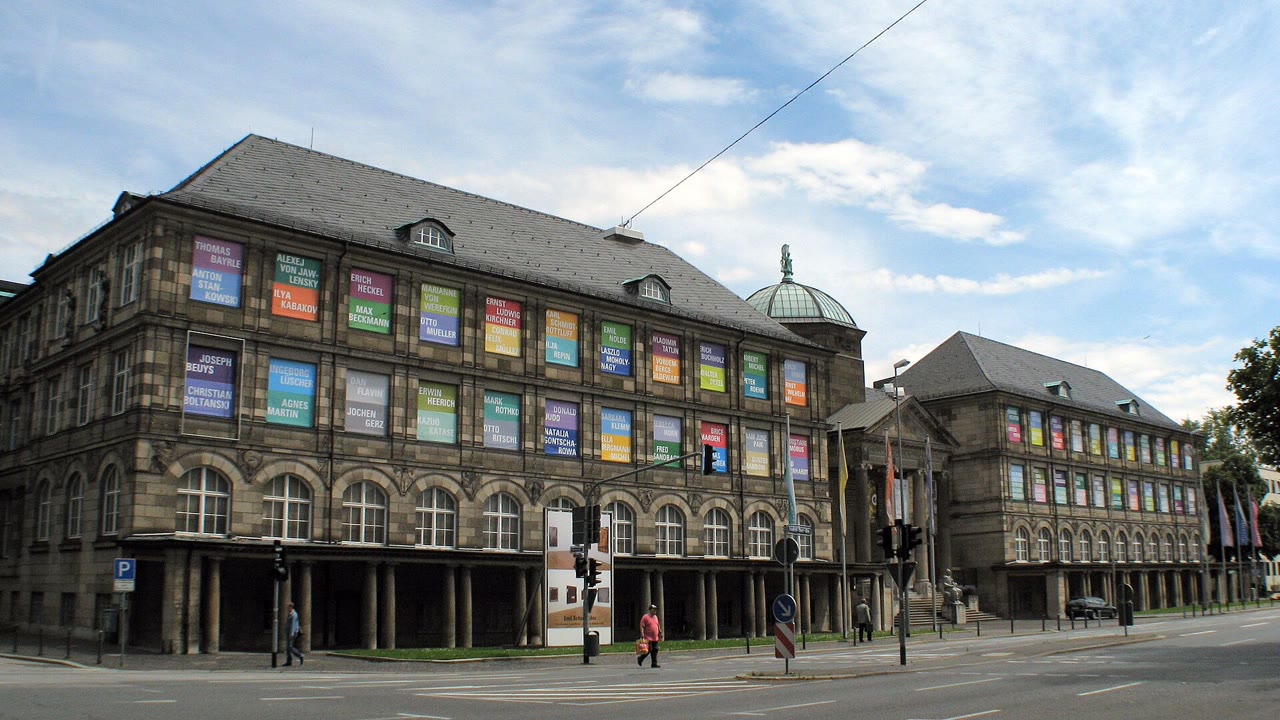
The movement went public in Germany. Fluxus: Internationale Festspiele Neuester Musik ran in the auditorium of the Städtisches Museum Wiesbaden from September 1 to 23, 1962, and Maciunas’s own curriculum vitae at the George Maciunas Foundation counts “14 concerts in Wiesbaden state museum, 6 concerts in Copenhagen, 7 in Paris.”
The piece people remember is Philip Corner’s Piano Activities, performed without Corner by Alison Knowles, Maciunas, Emmett Williams, Benjamin Patterson, Dick Higgins, Nam June Paik, Wolf Vostell and others. Maciunas recalled in 1978: “we systematically destroyed a piano which I bought for $5 and had to have it all cut up to throw away, otherwise we would have had to pay movers.”
Williams said “we were not following a score,” and Patterson that they learned it through George’s instructions. Fragments were sold “for fifty pfennigs each,” and in 2011 two recordings turned up in the archive of the Japanese musicologist Kuniharu Akiyama, as Activating Fluxus’s episode on Piano Activities recounts.
The manifesto and the boxes
Seven Fluxus festivals followed across Europe in 1962 and 1963. Maciunas’s 1963 manifesto set out to “PURGE the world of dead art” and to “PROMOTE A REVOLUTIONARY FLOOD AND TIDE IN ART.” In letters he insisted that “Fluxus should become a way of life not a profession.”
The art came in boxes. Fluxus 1, the first Fluxbox, was released in 1964 in a mailing crate, and the Fluxkits that followed were three-dimensional magazines sold for a few dollars each. The principle was that “anything can substitute for art and anyone can do it.”
| Work | Artist | Year | What happened |
|---|---|---|---|
| Piano Activities | Philip Corner (score) | 1962 | Performers took a $5 piano apart with crowbars, hammers and rocks |
| Drip Music | George Brecht | 1962-63 | Water dripped into an empty vessel |
| Nivea Cream Piece | Alison Knowles | 1962-63 | Performers rubbed cream-covered hands before a microphone |
| Cut Piece | Yoko Ono | 1964 | Audience members cut away her clothing |
| Flux-Labyrinth | Maciunas, Larry Miller and others | 1976 | Visitors walked a maze of trick doors and floors |
Yoko Ono’s instruction pieces
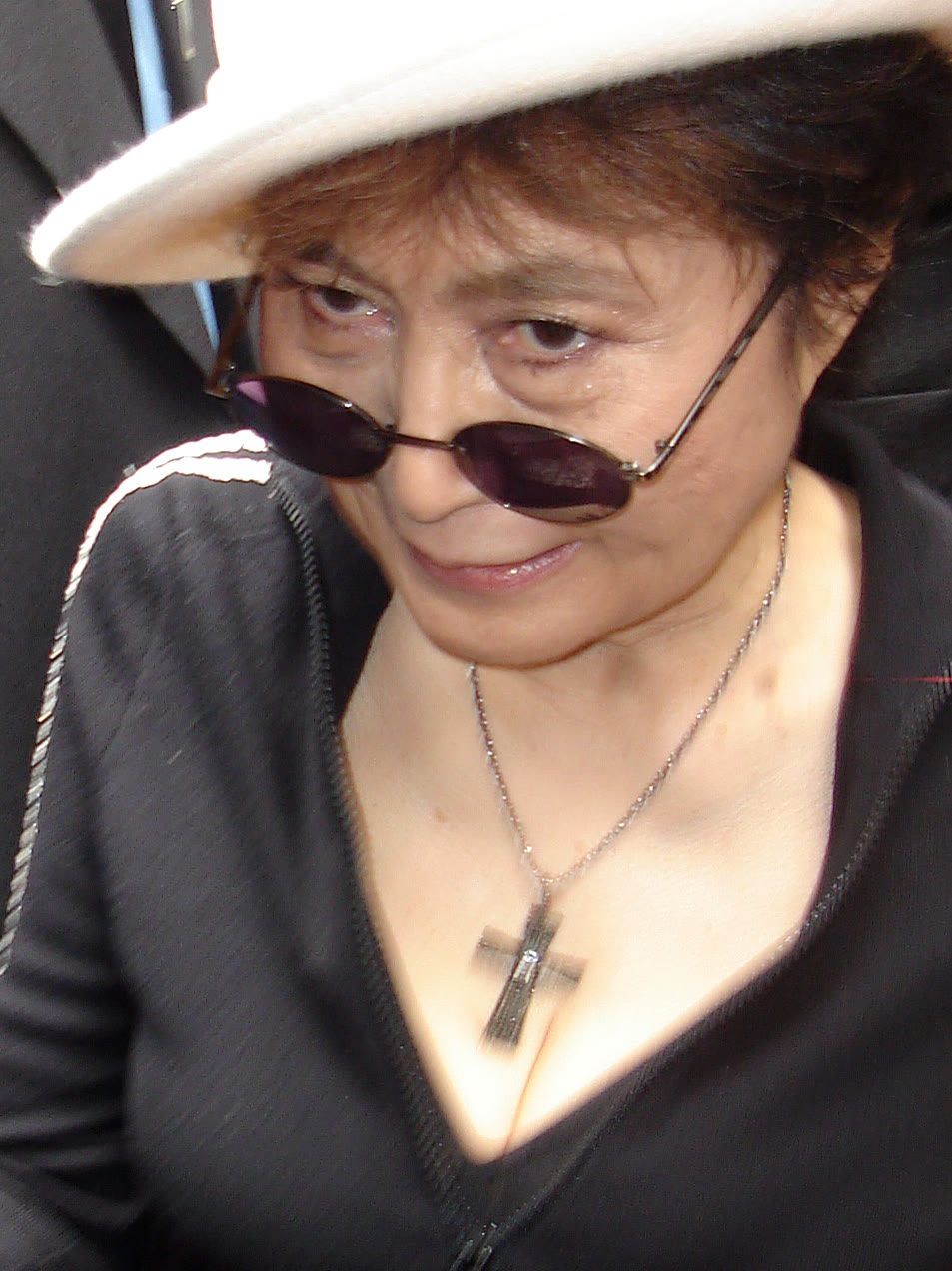
Yoko Ono’s instruction pieces were her best-known works of the early 1960s, so called “because the viewer is given instructions to follow.” Her book Grapefruit, first published in Tokyo in 1964 in an edition of 500 copies, “contains more than 150 works divided into five sections,” all of them conceptual instructions.
In Cut Piece, first performed in Japan in 1964, she sat still while audience members cut away pieces of her clothing. “I wanted people to take whatever they wanted to,” she said. The Art Story calls her “a reluctant part of the Fluxus art group,” a seminal figure at the start who valued her independence.
Fluxus West, San Francisco and the Fluxmobile
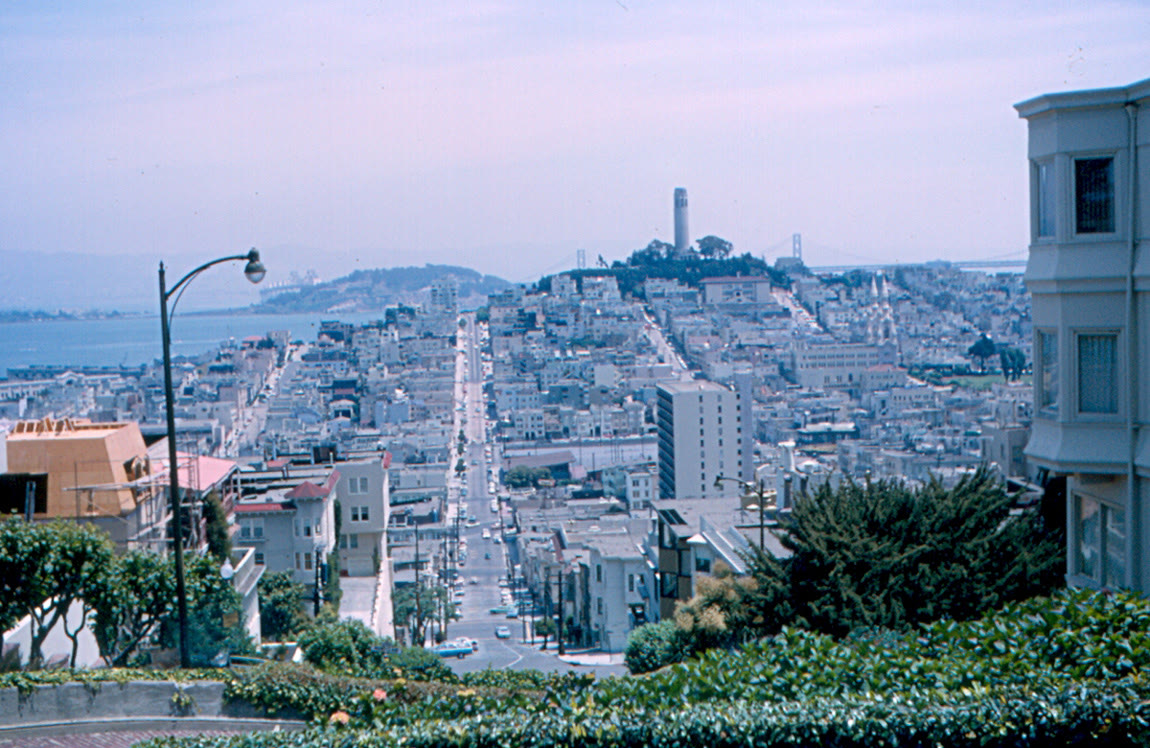
Fluxus reached the Bay Area in 1966. The Art Story says Maciunas and Ken Friedman launched Fluxus West, “setting up new Fluxus centers in San Francisco and San Diego,” while a UC San Diego finding aid credits Friedman as founder; the safe version is that Friedman set it up with Maciunas’s blessing.
Friedman bought a bus, the Fluxmobile. In his account, “By the fall of 1967, a regular pattern of Fluxmobile trips up and down the West Coast became established which continued through the early ’70s,” and Fluxus West took events and workshops to 40 of the 50 states.
The Flux-Labyrinth, Berlin, 1976
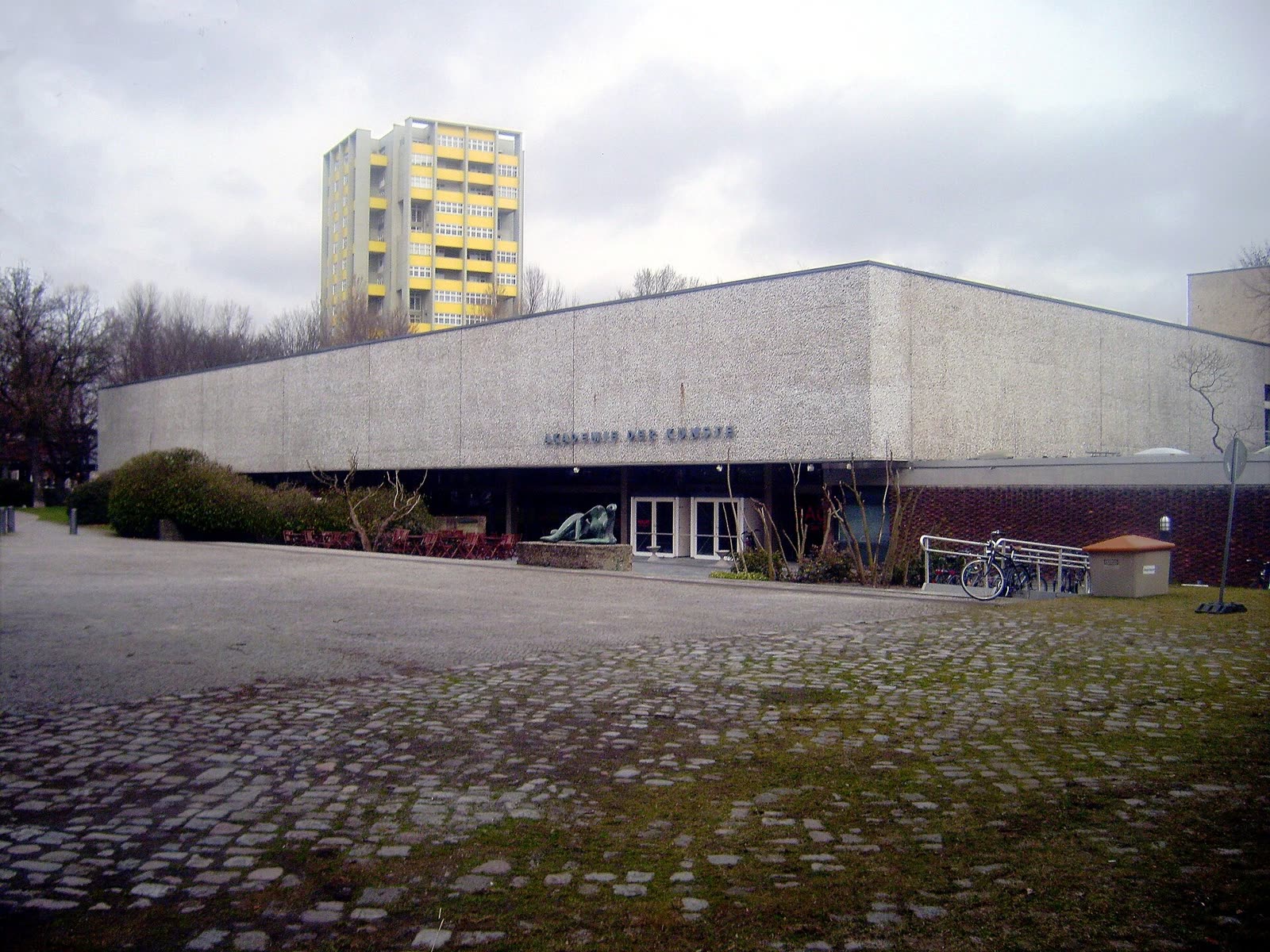
From September 5 to October 17, 1976, the Flux-Labyrinth at the Akademie der Künste in Berlin offered “the extensive maze of puzzling and obstacle-laden corridors.” It was realised by Maciunas and Larry Miller with Ay-O, George Brecht, Joe Jones, Yoshimasa Wada and Bob Watts.
One door swung “a large inflated ball on a pendulum” into the visitor’s face; another opened “only by playing a specific key on the piano connected to it.” There was “a slippery floor covered with marbles, and a sticky floor covered with tacky adhesive paper,” and thousands made their way through.
Instructions in the ear: a parallel at Antenna Theater
No source records any contact between Antenna Theater and Fluxus, so this is a parallel. Fluxus printed its instructions for anyone to perform; Antenna spoke them into one listener’s ear. Of Artery, the San Diego Reader wrote in 1999 that “Voices in a headset give instructions (‘open the door,’ ‘read Louise’s diary,’ ‘reach for that gun’),” and that “you are the performer.”
The audience was active, Esquire noted in 1986, “only and utterly on Hardman’s terms.” Six years after the Flux-Labyrinth, Artery, Antenna’s 17-room maze, opened in 1982, with a voice choosing which door you would open next.
The nearest brush with Fluxus’s teacher came in Ohio. In November 1989 The Grid, which opened the Wexner Center, premiered on the same opening day as John Cage’s audio work Essay; the two were separate projects.
| Aspect | Fluxus instruction | Antenna’s headset |
|---|---|---|
| Medium | A card, a box, a book | A taped voice in one ear |
| Who performs | Anyone | Each audient |
| Outcome | Open, left to chance | Scripted, step by step |
| A maze | Flux-Labyrinth, Berlin, 1976 | Artery, 17 rooms, 1982 |
After Maciunas
From 1967 Maciunas bought SoHo buildings for artists’ cooperatives, a story told in Maciunas’s artists’ co-ops and the Performing Garage. In 1978 he staged a FluxWedding to the poet Billie Hutching, and he died in Boston on May 9, 1978. The Art Story dates the movement from 1959 to 1978 and calls Maciunas “one of the first modern artists not to leave behind a physical body of work as his primary achievement.”
Frequently asked questions
Who founded Fluxus?
George Maciunas, a Lithuanian-born designer in New York, who chose the word in October 1960 and staged the first Fluxus festival at Wiesbaden in September 1962.
What does Fluxus mean?
It comes from the Latin for flow.
Was Yoko Ono part of Fluxus?
She hosted its forerunners at her Chambers Street loft and published Grapefruit in 1964, but The Art Story calls her a reluctant part of the group.
Was there Fluxus in San Francisco?
Yes. Fluxus West opened centres in San Francisco and San Diego in 1966, and its Fluxmobile toured the West Coast from 1967.
Related guides: Futurist synthetic theatre and Russolo’s noise machines, Experiments in Art and Technology, where artists worked with engineers, and Antenna Theater’s production chronology.