The History of Escape Rooms, from Flash Games to Kyoto and Beyond
A team is shut in a room, a clock is running, and somewhere in the furniture is the way out. The history of escape rooms is barely twenty years long, but it is tangled, with rival claims to be first and roots in video games, role-play and theatre.
Quick answer
When did escape rooms start?
Escape rooms grew out of online “escape the room” games. The first Real Escape Game was held in a Kyoto gallery on July 7, 2007, by Takao Kato’s magazine SCRAP. The format reached San Francisco in 2012, boomed across the United States from 2014 to 2017, and stood at just over 2,000 US venues in December 2025.
Before the rooms: point-and-click games, role-play and walk-throughs
The idea had a name before it had a building. Room Escape Artist’s short history of escape rooms says the genre “was given a style and name in the early 2000s in the form of Flash point-and-click puzzle games.” Crimson Room (2004) was one of them.
Live games were heading the same way. True Dungeon, a team game of physical puzzles against the clock, was first played at Gen Con in Indianapolis in 2003; by 2008 Wired called it “the single most popular event at one of the biggest gaming conventions in the world.”
Scott Nicholson, who wrote the first survey of escape-room facilities, looks wider. In an interview with the German site Adventure-Treff, he listed “six precursors to escape rooms,” from live-action role-play and point-and-click games to puzzle hunts and “interactive theater/haunted houses.”
Kyoto, July 7, 2007: the first Real Escape Game
The story most people mean begins in Kyoto, where Takao Kato ran SCRAP, a free paper launched in 2004 to introduce the city’s artists and events.
Kato told the origin on a TOKYO FM broadcast, in translation: “I asked a student what they’d been hooked on lately, and they said, ‘Web escape games.’ So I said, ‘Let’s actually do that!’”
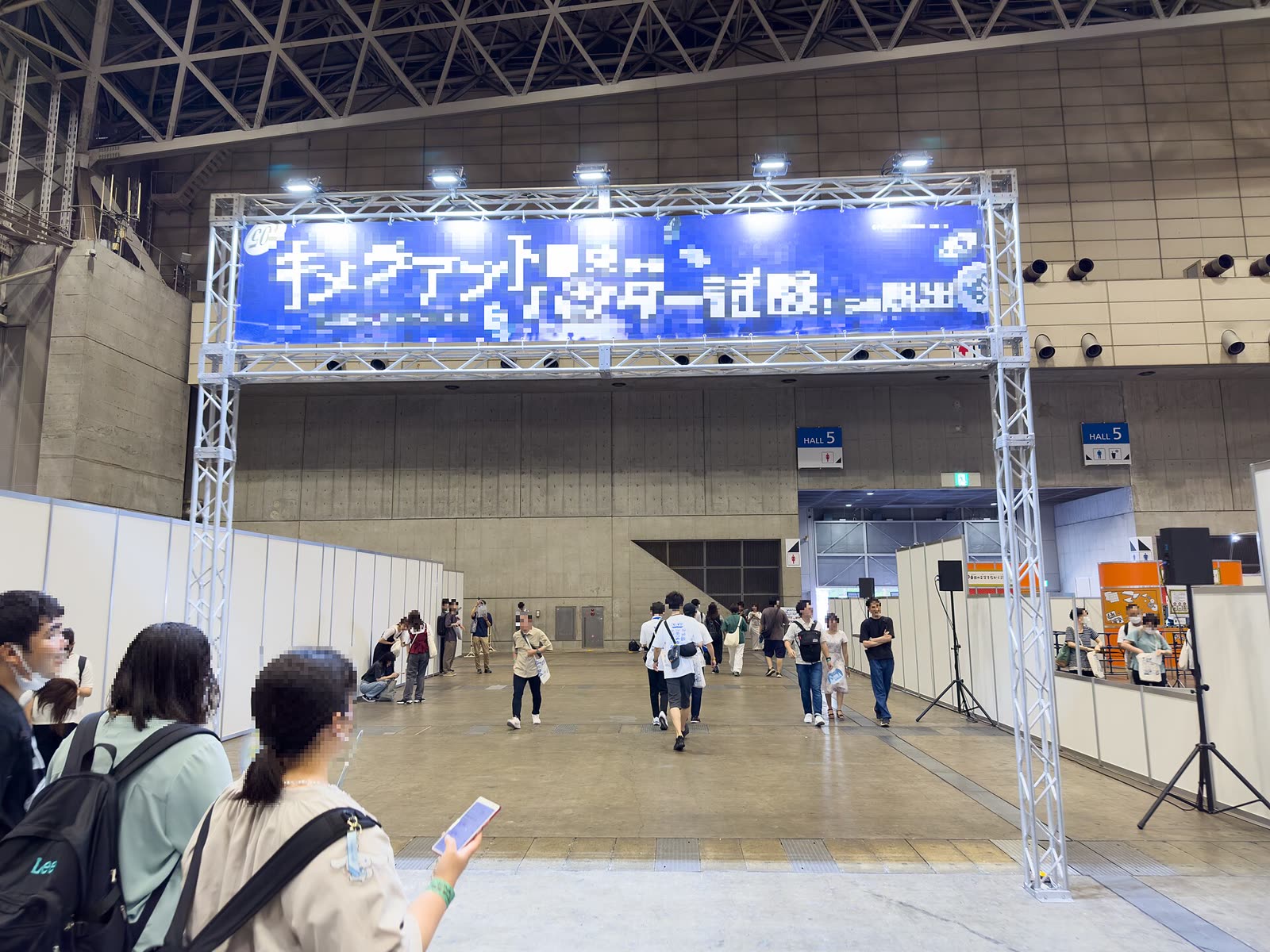
The first Real Escape Game took place on July 7, 2007, at a Kyoto gallery called Inspibro, with about 100 people in 14 teams of seven. Since 2023 the date has been registered in Japan as Real Escape Game Day.
One caveat: that night was a one-off group game in a gallery, not a permanent locked room, so it is safest to call it the first Real Escape Game rather than the first escape room in today’s sense.
Who was first? Kyoto, Budapest and other claims
English-language accounts settle on Japan. Room Escape Artist writes that “SCRAP opened the first documented ‘escape room’ in Kyoto, Japan,” and Inverse said in 2015 that the game was “first developed by the Japanese company SCRAP in Kyoto in 2007.”
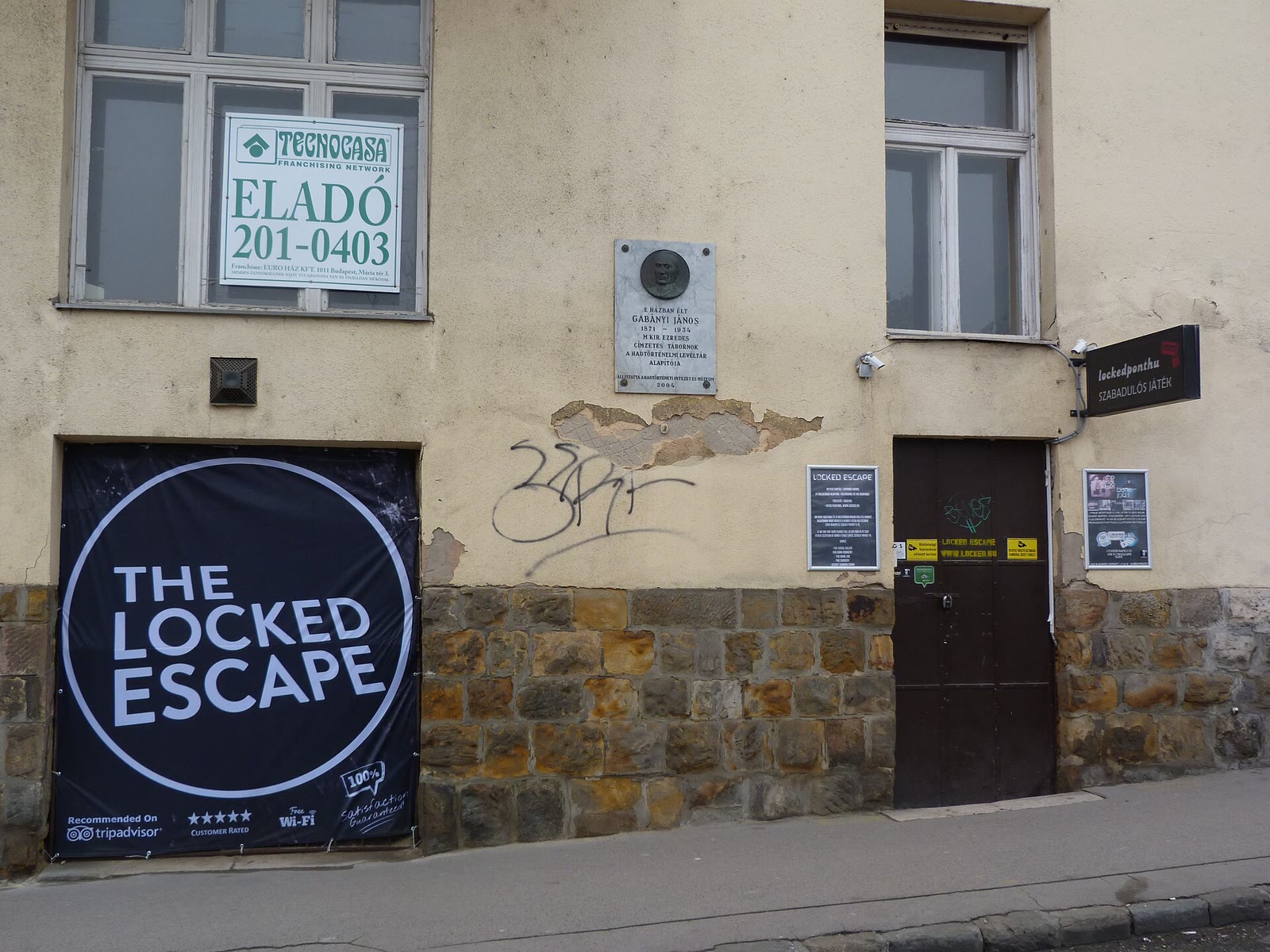
Hungary is the other name that keeps coming up. Parapark opened in Budapest in 2011, and its founder has said he knew nothing of the Japanese games. Room Escape Artist is blunt about the larger claim: “Budapest, Hungary is also frequently cited as the birthplace of escape rooms, but I cannot find anything solid to back up that claim.”
America and the boom, 2012-2017
SCRAP took the game abroad itself. Kazuya Iwata, a friend of Kato, brought Real Escape Game to San Francisco in 2012, and Room Escape Artist calls it “decidedly the first company in the Americas calling itself an ‘escape room.’”
Inverse found teams racing a “60-minute time limit,” and Iwata reckoned on “around a 20 percent success rate.”
American companies followed in late 2013, when “Puzzle Break & Escape the Room NYC opened their doors, initiating the first wave of US expansion.” Room Escape Artist then counted 22 US companies at the end of 2014 and just over 1,950 by mid 2017.
Safety, the pandemic and the plateau

A fire in an escape room in Koszalin, Poland, in January 2019 killed five teenagers and led to nationwide safety checks.
The pandemic cut the US count through 2020 and early 2021, Room Escape Artist’s December 2025 report shows. Then the line went flat: “there were just over 2,000 escape room facilities in the United States,” a figure stable since mid 2022.
The report’s summary of the decade: “It had a boom and a bust, exacerbated by the pandemic, but it has stabilized.”
The history of escape rooms at a glance
| Year | Event | Source |
|---|---|---|
| 2001, 2004 | MOTAS and Crimson Room, Flash “escape the room” games | Room Escape Artist |
| July 7, 2007 | First Real Escape Game, a Kyoto gallery, about 100 players in 14 teams | Japanese press |
| 2011 | Parapark opens in Budapest; the “birthplace” claim is doubted | Room Escape Artist |
| 2012 | SCRAP brings Real Escape Game to San Francisco | Room Escape Artist; Inverse |
| 2014 to 2017 | US count grows from 22 companies to about 1,950 | Room Escape Artist |
| 2019 | Koszalin fire in January; the Royal Court’s escape-room play in April | Royal Court archive |
| December 2025 | Just over 2,000 US facilities | Room Escape Artist |
The theatre branch of the family tree
Interactive theatre and haunted houses
Room Escape Artist says escape rooms “have close evolutionary ties to interactive theater, haunted houses, live-action roleplaying.” Nicholson contrasts them with parks that “open up haunted houses, which stream hundreds of people an hour.”
Two cousins have their own posts: the history of Sleep No More, from London to Seoul, and how Meow Wolf grew from a Santa Fe collective.
A 1983 forecast from a Sausalito maze-maker
Antenna Theater sits on that branch as a parallel, not an ancestor: no source links its shows to escape rooms. Artery, Antenna’s 17-room Walkman maze, sent one audient at a time through its rooms (Hardman’s 1983 essay says 20) on a taped story.
In that essay, “Walkmanology” in The Drama Review, Chris Hardman imagined more: “A sample future performance would begin as your pretaped intervoice asks you to step through a red door.” Then “you search the room,” and later come “Hesse-like games of chance or feats of skill.”
He even reached for the video-game comparison: “We’re coming closer to a time when choice-making could be a factor in theatre as it now is in adventure-format video games and in life.” Amnesia and its four memory paths (1983-84) at least varied the route.
The contrast is plain, though. An escape room is a team game with a goal and a clock; Artery was a solo story whose taped clues told you where to go rather than posing a puzzle. Antenna never built a puzzle room. See maze shows built for one visitor at a time and Antenna’s maze productions and other new theater forms.
| Aspect | Escape room | Antenna maze show (Artery) |
|---|---|---|
| Who goes in | A team (seven per team at the first Kyoto game) | One audient at a time |
| Goal | Solve puzzles and get out against the clock | Live through a story; no win or lose |
| Choice | Players decide what to try | Mostly scripted; choice imagined in the 1983 essay |
When a theatre built an escape room
The branches met on a main stage in April 2019, when London’s Royal Court staged Dismantle This Room., which its archive calls “an immersive escape-the-room experience.” The evening also appears in our post on theatre with no performers at all.
Frequently asked questions
Where was the first escape room?
The first Real Escape Game was held on July 7, 2007, in a Kyoto gallery, organised by Takao Kato of the magazine SCRAP. Room Escape Artist calls SCRAP’s the first documented escape room.
Did escape rooms come from video games?
In part. Kato said the idea came when a student told him they were hooked on web escape games, and Flash games such as Crimson Room (2004) had already named the genre.
How many escape rooms are there in the US?
Room Escape Artist counted just over 2,000 facilities in December 2025, a figure stable since mid 2022.
Are escape rooms a kind of theatre?
Researchers count interactive theatre and haunted houses among their precursors, and London’s Royal Court staged one as a play in 2019.