The History of Pirate Radio: From Offshore Ships to Low-Power FM
Pirate radio means broadcasting without a licence, and its history runs from a ferry anchored off the English coast to a federal law signed in 2011. This guide tells both halves: the offshore ships that brought pop records to Britain, and the American micro-power stations whose fight helped create licensed low-power FM.
Quick answer
What is the history of pirate radio, in short?
Pirate radio means broadcasting without a licence. Its best-known era began at Easter 1964, when Radio Caroline went on air from a ship off the English coast. In the United States, micro-power stations such as Free Radio Berkeley defied the FCC in the 1990s, and in 2000 the FCC created licensed low-power FM.
Records all day: Radio Caroline and the offshore ships
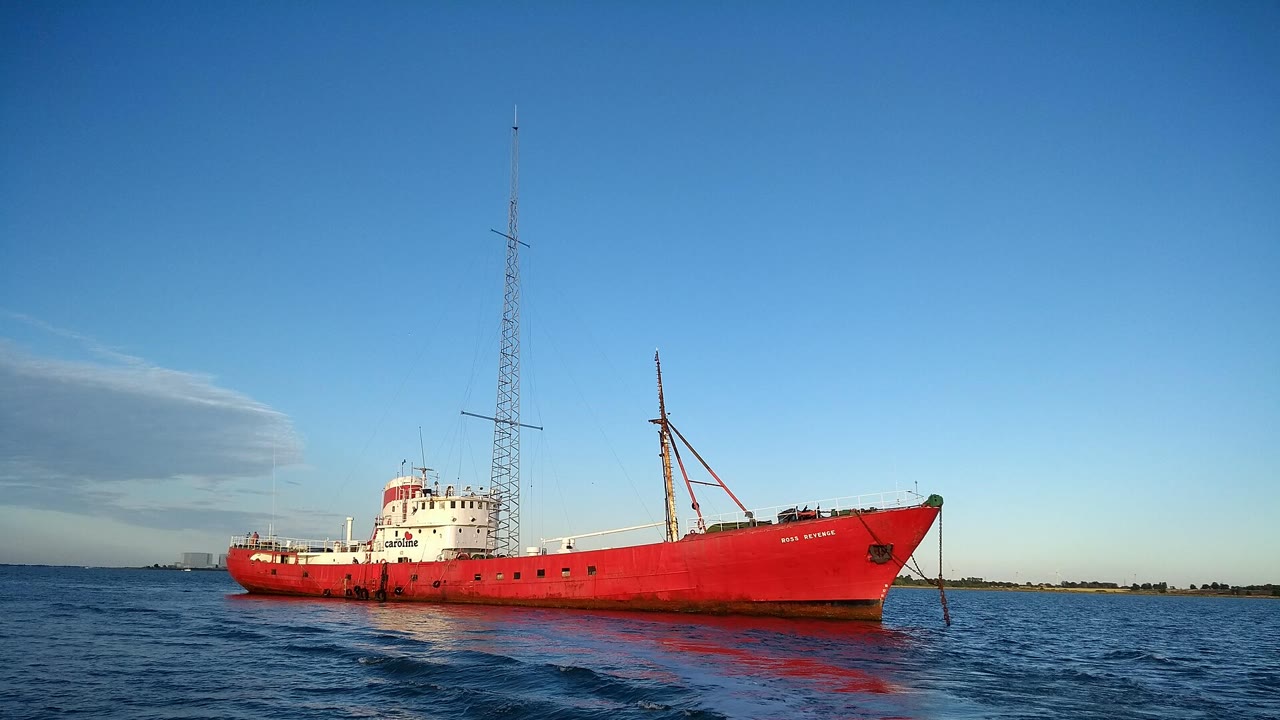
The best-known pirate began with Ronan O’Rahilly, whom the Offshore Radio Museum calls “the father of UK offshore radio.” He fitted out “the mv Fredericia, a former Danish ferry,” at his father’s port of Greenore. The ship “dropped anchor off Felixstowe on Good Friday,” and Radio Caroline went on air over Easter weekend 1964.
The format was the news. “The station played records all day, every day. No one else was doing that in the UK in 1964.”
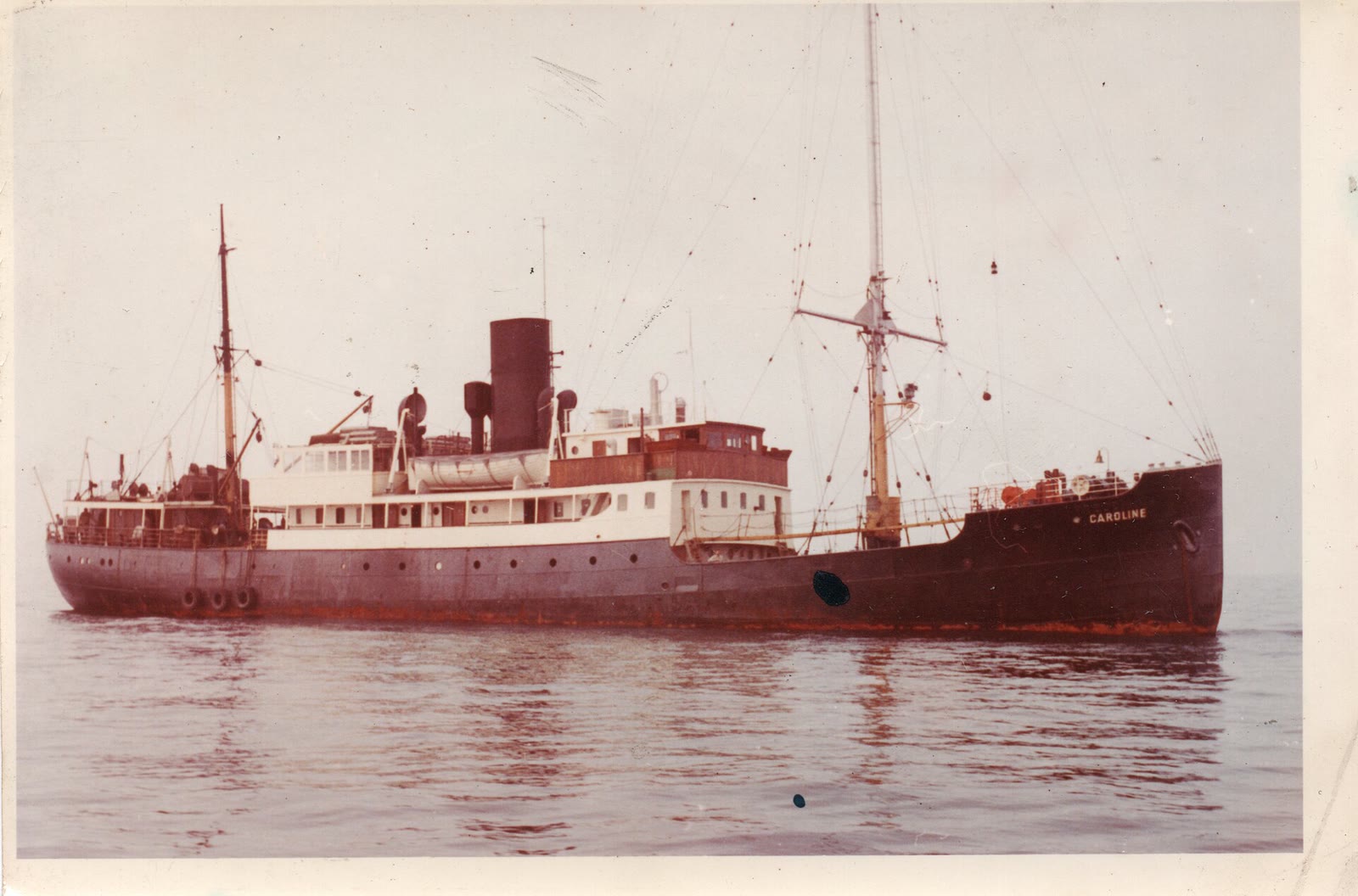
After a July 1964 deal with Radio Atlanta, Caroline’s ship moved to the Irish Sea off the Isle of Man as Radio Caroline North, and Radio Atlanta became Caroline South. The Pirate Radio Hall of Fame’s history of O’Rahilly and Radio Caroline tells the story in detail.
Outlawed and still on air
In the museum’s words, “in August 1967 the British government legislated to outlaw the pirates. All the other stations closed down.” Caroline carried on from abroad until March 1968, when its ships were impounded for unpaid bills.
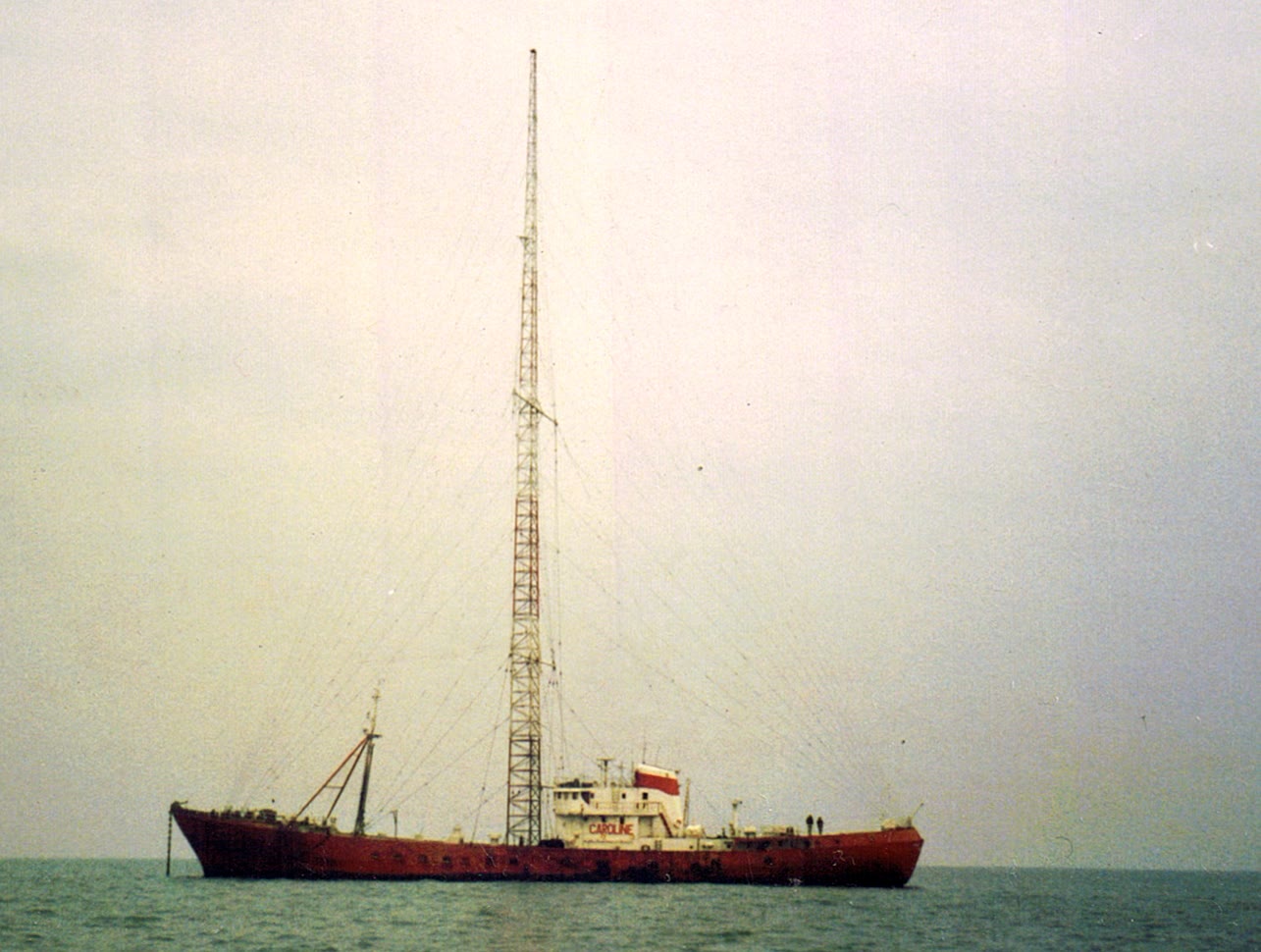
It came back from the Dutch coast at the end of 1972, and then “In 1974 the Dutch Government followed the British and passed legislation outlawing offshore radio.” The Ross Revenge “dropped anchor in the North Sea in August 1983,” and Caroline returned after 41 months of silence.
Radio Caroline closed down at sea for the last time on November 5, 1990. The museum notes that it “still exists as a licensed, legal broadcaster on land.”
Small transmitters in America
The American story turns on power levels. In 1978, the FCC’s own later order recalls, the Commission judged that 10-watt Class D stations used the band inefficiently. The Austin Chronicle adds that “In 1978, the FCC stopped issuing licenses to stations that operate at less than 100 watts,” which left “no license the stations could have applied for.”
In 1987 Mbanna Kantako, originally named DeWayne Readus, “began transmitting WTRA at a power of 4 watts from his apartment in a public housing development in Springfield,” Illinois, according to the University of Illinois Springfield archives. It later became Human Rights Radio, among other names.
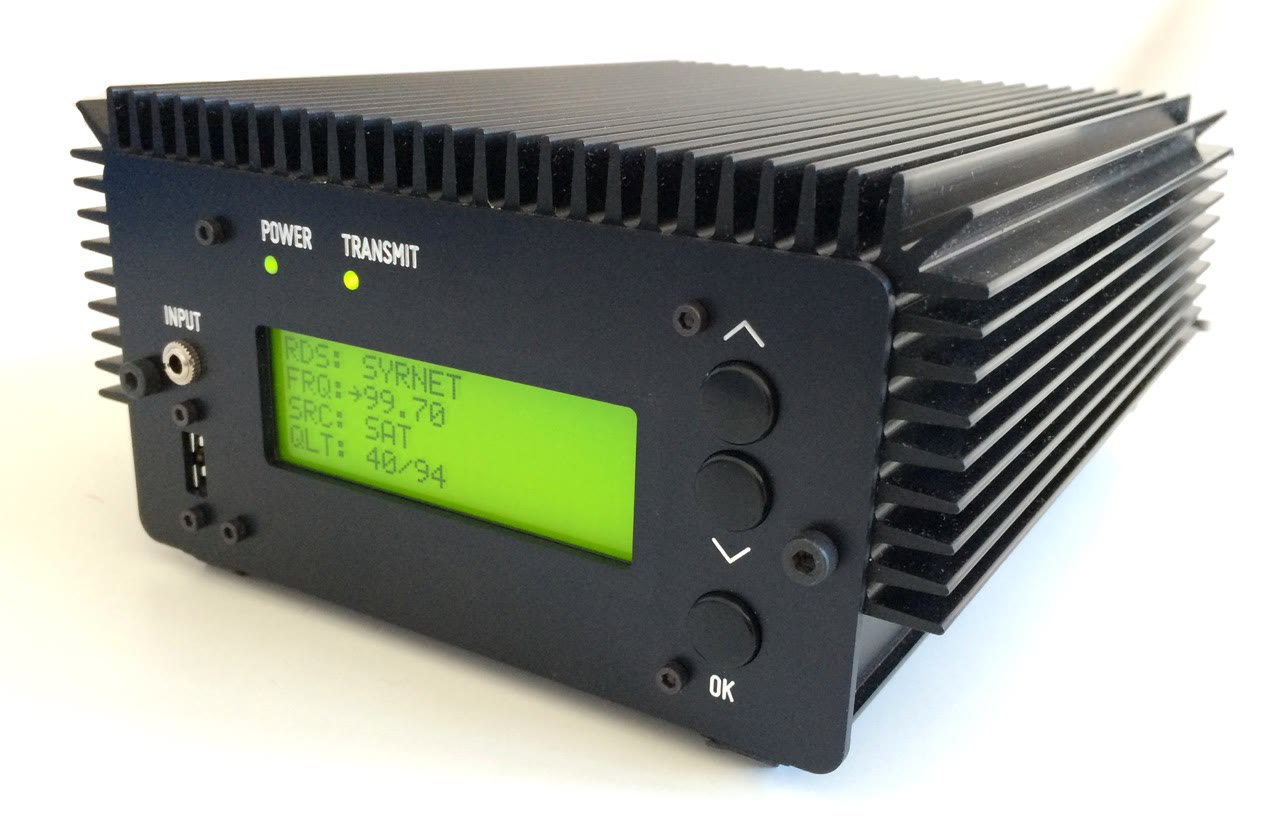
Small FM transmitters also have quieter, legal uses, such as kit-built FM transmitters at headphone concerts.
Free Radio Berkeley in court
Stephen Dunifer, a radio engineer, ran Free Radio Berkeley, a 25-watt FM station that by one 1997 account reached “some eight square miles.” In 1993 the FCC fined him $20,000, which he refused to pay. In January 1995 federal Judge Claudia Wilken turned down the FCC’s request for an injunction, finding that the government had “failed to show a probability of success on the central issue raised by the defendant.”
That issue was “whether the FCC’s complete prohibition of micro-radio is constitutional.” The station broadcast openly on 104.1 FM for three and a half years. In June 1998 Wilken granted the injunction on a technicality: the station “had never applied for (and been denied) a license,” so it could not raise the constitutional defence.
| Year | Event |
|---|---|
| 1964 | Radio Caroline goes on air from a ship off Felixstowe, Easter weekend |
| 1967 | Britain outlaws the offshore stations in August; Caroline carries on |
| 1978 | The FCC judges 10-watt Class D stations an inefficient use of the band |
| 1987 | Mbanna Kantako starts 4-watt WTRA in Springfield, Illinois |
| 1993 | The FCC fines Stephen Dunifer $20,000 |
| 1995 | Judge Wilken refuses the FCC an injunction against Free Radio Berkeley |
| 1998 | Wilken grants the injunction in June |
| 2000 | The FCC creates low-power FM; Congress limits it in December |
| 2011 | Local Community Radio Act signed, January 4 |
The FCC opens a door: low-power FM
On January 20, 2000, the FCC adopted a Report and Order creating a low-power radio service. It authorised “two new classes of FM radio stations,” at a maximum of 100 watts and 10 watts, run on a noncommercial educational basis by local groups. A 100-watt station reaches about 3.5 miles.
The order is frank about who pushed for it: “Many individuals insist that without radio ‘pirates,’ LPFM would not have been created.” The compromise let a former unlicensed broadcaster apply only if it had stopped by February 26, 1999, or within 24 hours of an FCC warning.
The FCC’s 2000 Report and Order creating low-power FM sets all of this out.
| Aspect | Low-power FM (from 2000) | Unlicensed (pirate) station |
|---|---|---|
| Who | Local noncommercial groups only | Anyone with a transmitter |
| Power | 100 watts or 10 watts | From 4 watts (WTRA) to 25 watts (Free Radio Berkeley) |
| Reach | About 3.5 miles at 100 watts | A neighbourhood, some eight square miles in Berkeley |
| Legal status | Licensed | Illegal; past pirates barred from low-power licences |
Congress narrows it, then reopens it
Late in 2000 Congress added a provision to an appropriations act requiring a further interference study. A Senate committee report later found that it “led to the elimination of at least 50 percent of the pending LPFM applications,” leaving “only one LPFM station licensed in the top 50 cities nationwide.” The Mitre study that followed took over two years, cost over $2 million and “confirmed the FCC’s initial findings.”
The Local Community Radio Act, signed on January 4, 2011, told the FCC to remove the third-adjacent distance rules. It kept one line from the pirate years: no low-power licence for an applicant who “has engaged in any manner in the unlicensed operation of any station.”
A theatre named Antenna
Antenna Theater took its name from the device. In a November 1985 profile, Robert Hurwitt reported that Chris Hardman “conceived of Antenna, he says, as an instrument for receiving information from the audience, transforming it and then transmitting that information back out.”
Its own radio work was small and local. In 1984 the company made Antenna’s Radio-Active Theater series on KPFA, a licensed listener-supported station. For Skin & Bones in 1995 it wrote: “Using our local radio system the audience follows a Marin County matron through the Marin Recycling Center.” Antenna’s devices, from Walkman to FM radio, are traced in the headphone theater history.
The parallel with pirate radio is the idea of radio as a local, personal medium rather than a mass one. No source links Antenna with any unlicensed broadcaster; the comparison is the Journal’s own. For radio as storytelling rather than protest, see the history of radio drama.
Frequently asked questions
What was Radio Caroline?
A British offshore station launched from a ship off Felixstowe at Easter 1964 by Ronan O’Rahilly. It played records all day and broadcast from ships until November 1990.
What was Free Radio Berkeley?
Stephen Dunifer’s unlicensed 25-watt FM station. Fined in 1993, it won a court reprieve in January 1995 and broadcast openly on 104.1 FM until an injunction in June 1998.
What is low-power FM?
A licensed, noncommercial service the FCC created in January 2000 for local groups, at 100 or 10 watts.
Can a former pirate get a low-power FM licence?
Not under the Local Community Radio Act, signed in January 2011, which bars any applicant who has run an unlicensed station.
For more, see Walkmanology and Antenna’s other new theater forms, Dial-A-Poem, John Giorno’s poetry by telephone, what makes a radio documentary, Pauline Oliveros and Deep Listening and Etienne Decroux and corporeal mime.