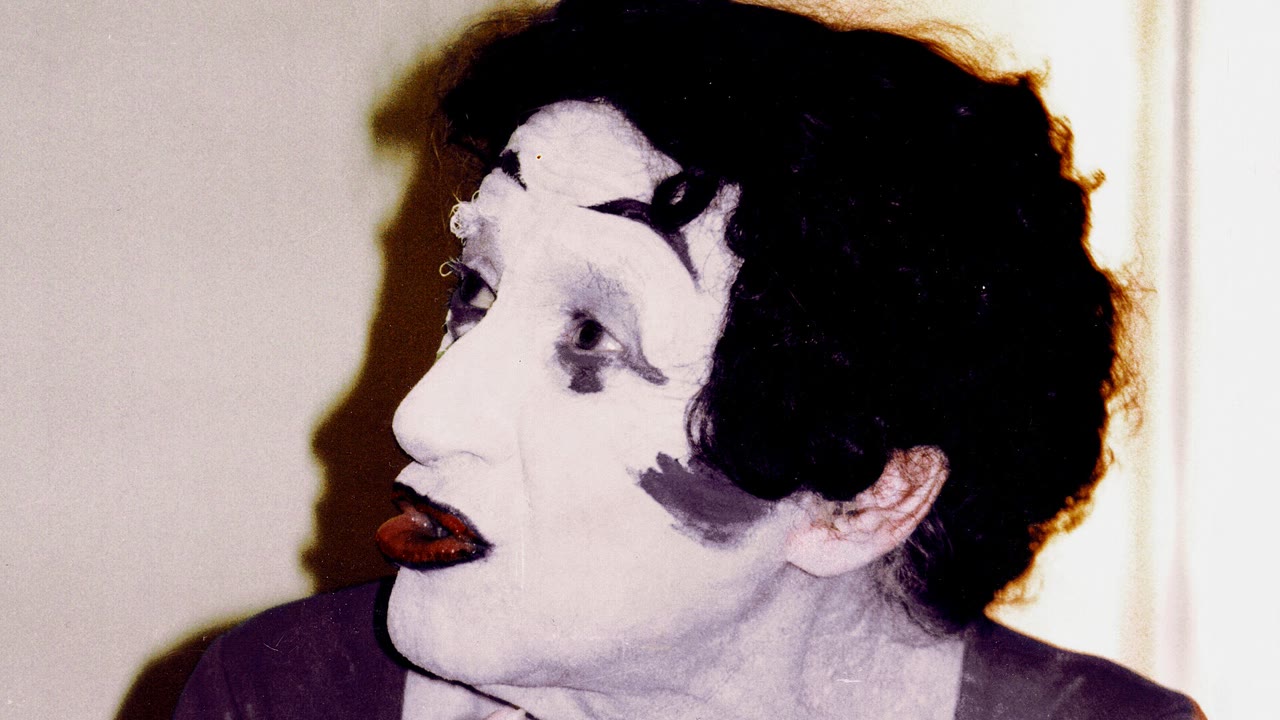
Etienne Decroux and Corporeal Mime: A Theatre of the Body Alone
Etienne Decroux wanted an actor with no words, no props, no music and, often, no face. What was left was the body, taken apart and rebuilt as a language. That language, corporeal mime, travelled from Jacques Copeau’s school in Paris to New York and the Bay Area, and it is not the white-faced pantomime most people picture.
Quick answer
What is corporeal mime?
Corporeal mime is a silent theatre of the whole body, created by the French actor Etienne Decroux (1898 to 1991). Trained at Jacques Copeau’s school, he broke movement into articulations and counterweights, veiled or neutralised the face, and banned text and music, so that the body alone carried the drama.
From Copeau’s masked exercises to a new art (1921 to 1925)
In 1921 the director Jacques Copeau founded a theatre school at his Vieux-Colombier in Paris. Annette Lust writes that Copeau introduced “mime exercises with a mask,” and that “Decroux trained with Jacques Copeau between 1923-25.” The scholars Kathryn Wylie and Maarjana Kurkinen suggest that Copeau’s 1924 Noh experiment, Kantan, shaped Decroux’s stylised movement, and Decroux himself called it significant.
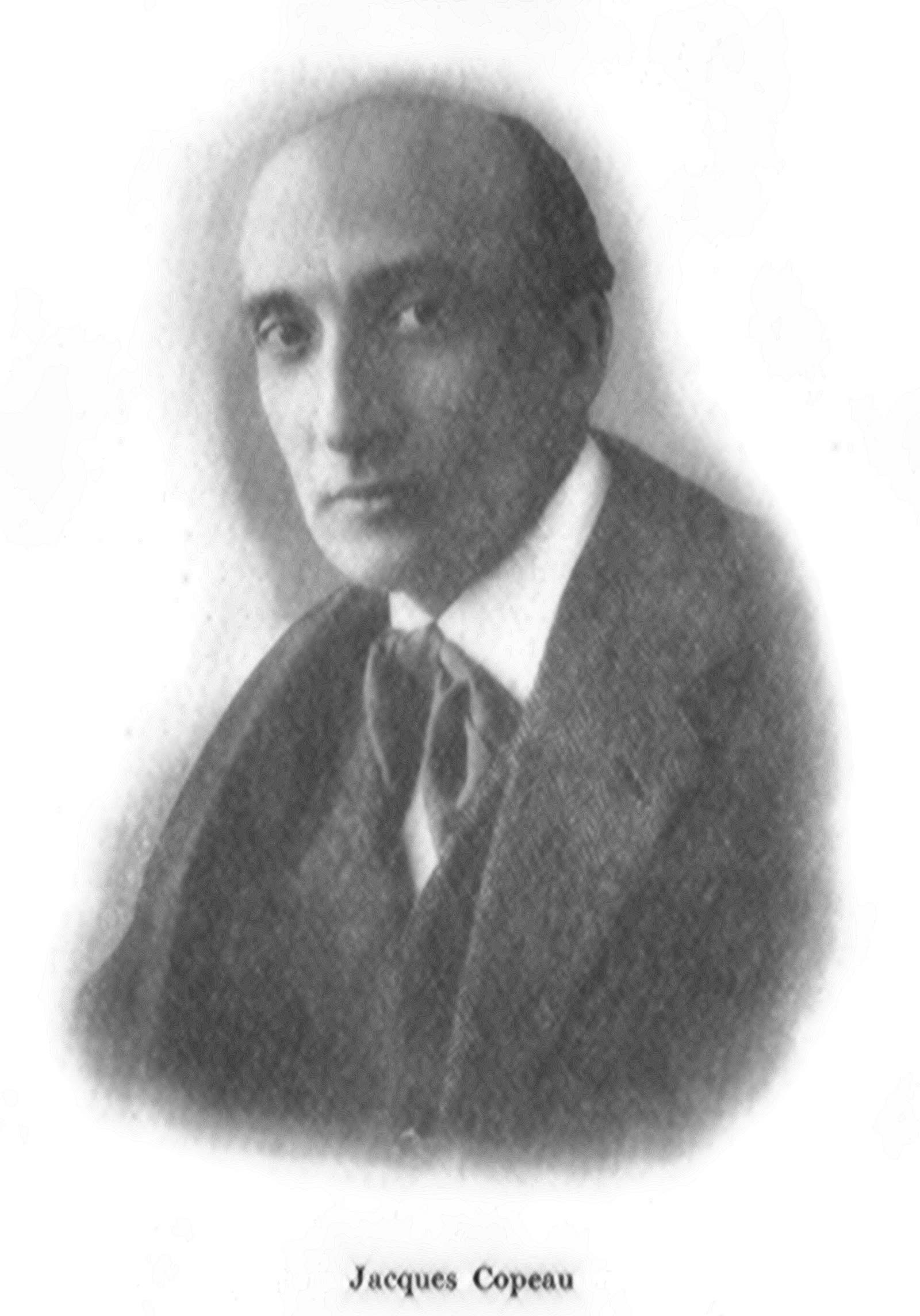
Corinne Soum, a former assistant, says that of all the actors who came out of Copeau’s school, “he was the only one to develop the idea of a physical theatre with a unique, precise, transcultural, and autonomous technique.”
The grammar of the body
Articulation and counterweight
Decroux called articulation “The essential aspect of my art.” It made the body, in Lust’s phrase, “analogous to the piano keyboard,” a set of parts that could be played one at a time. The Decroux technique adds counterweight, which Karl Toepfer describes as “a balancing of weighted and counter-weighted pressures (pushing and pulling movements) within the body.”
Mobile statuary and the veiled face
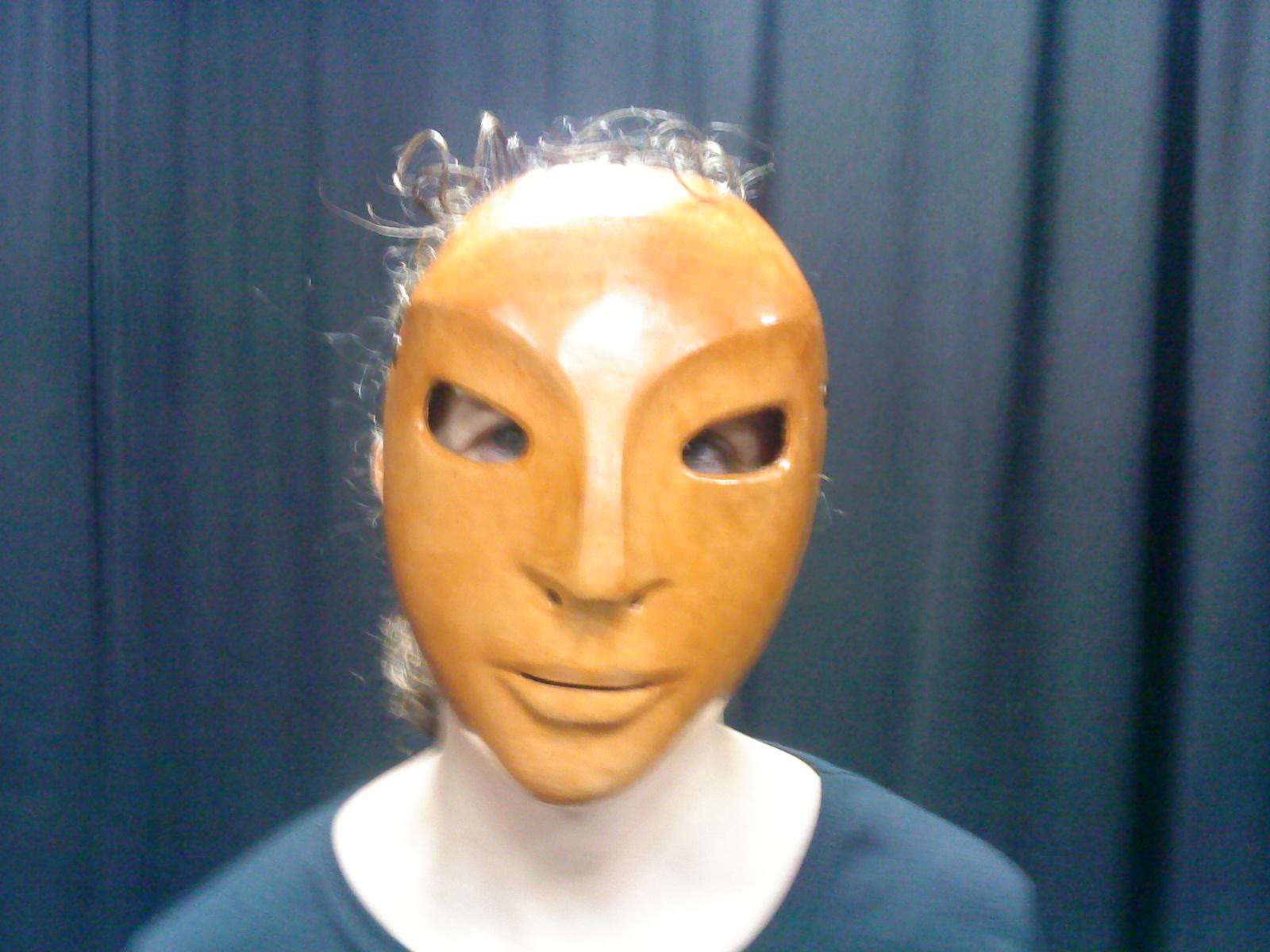
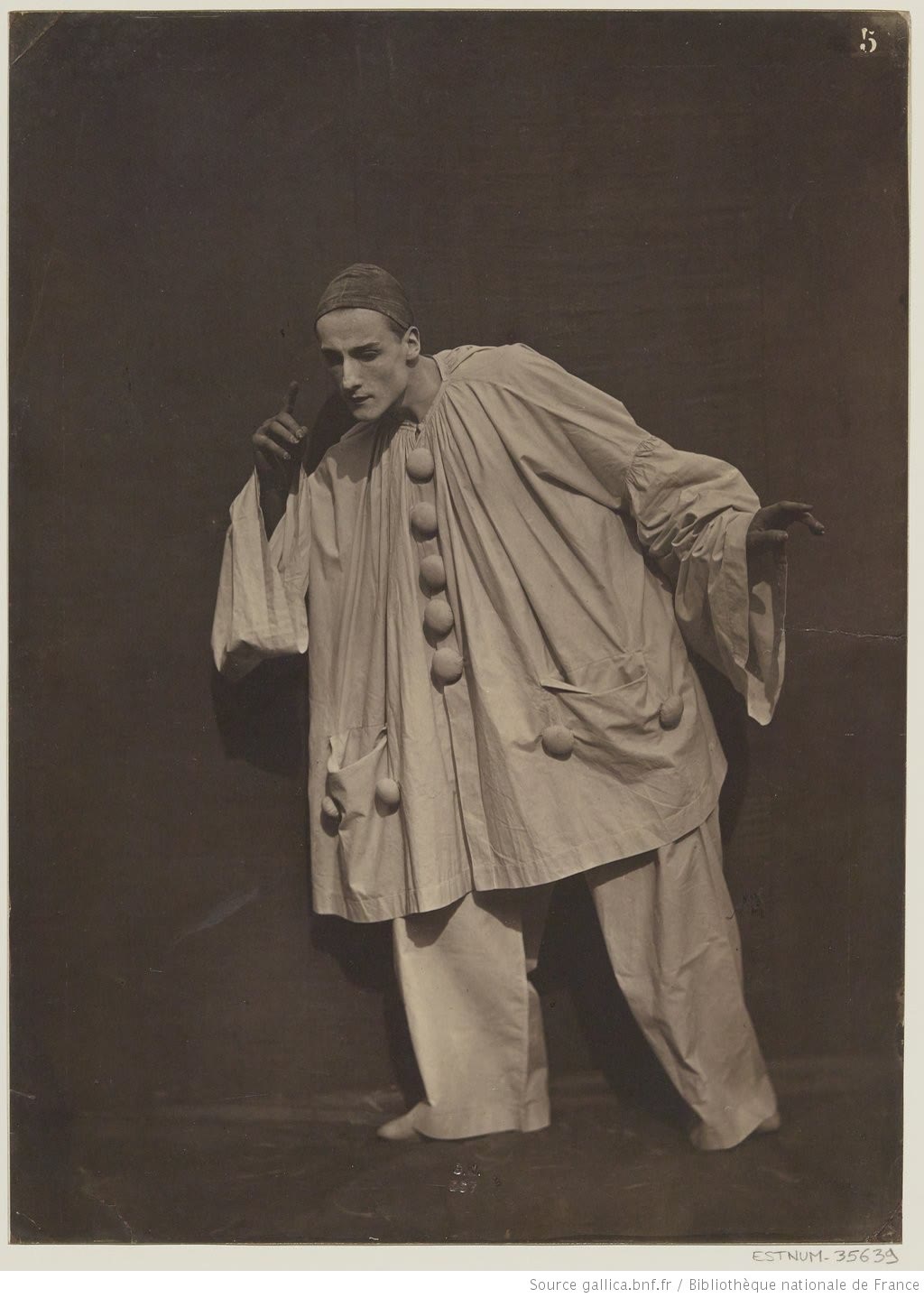
Sculpture was his model: he “regarded mime as a kind of ‘mobile statuary’.” In early demonstrations “Decroux wrapped a thin veil around his head,” and in Les Arbres four performers wore white body stockings and veils, “the face never having any importance in his aesthetic.”
What Decroux banned
His studio rules, as Karl Toepfer’s history of Decroux and postwar mime gives them: “This space contains no scenery, no costumes, no masks, and no props; the lighting is always flat and even; music is unnecessary and obtrusive; texts have no place here.” One aphorism sums it up: “The mime is no longer a mime if he uses music.”
Barrault, Marceau and the 1945 programme
Lust calls Decroux the “teacher of both Marcel Marceau and Jean-Louis Barrault.” He and Barrault had worked together since 1933, and the walk on the spot was “famously developed with Jean Louis Barrault.” On June 27, 1945, the two, with the students Éliane Guyon and Jean Dorcy, presented corporeal mime at the Maison de la Chimie in Paris: “eight pieces followed by Decroux’s lecture on the theory of corporeal mime.”
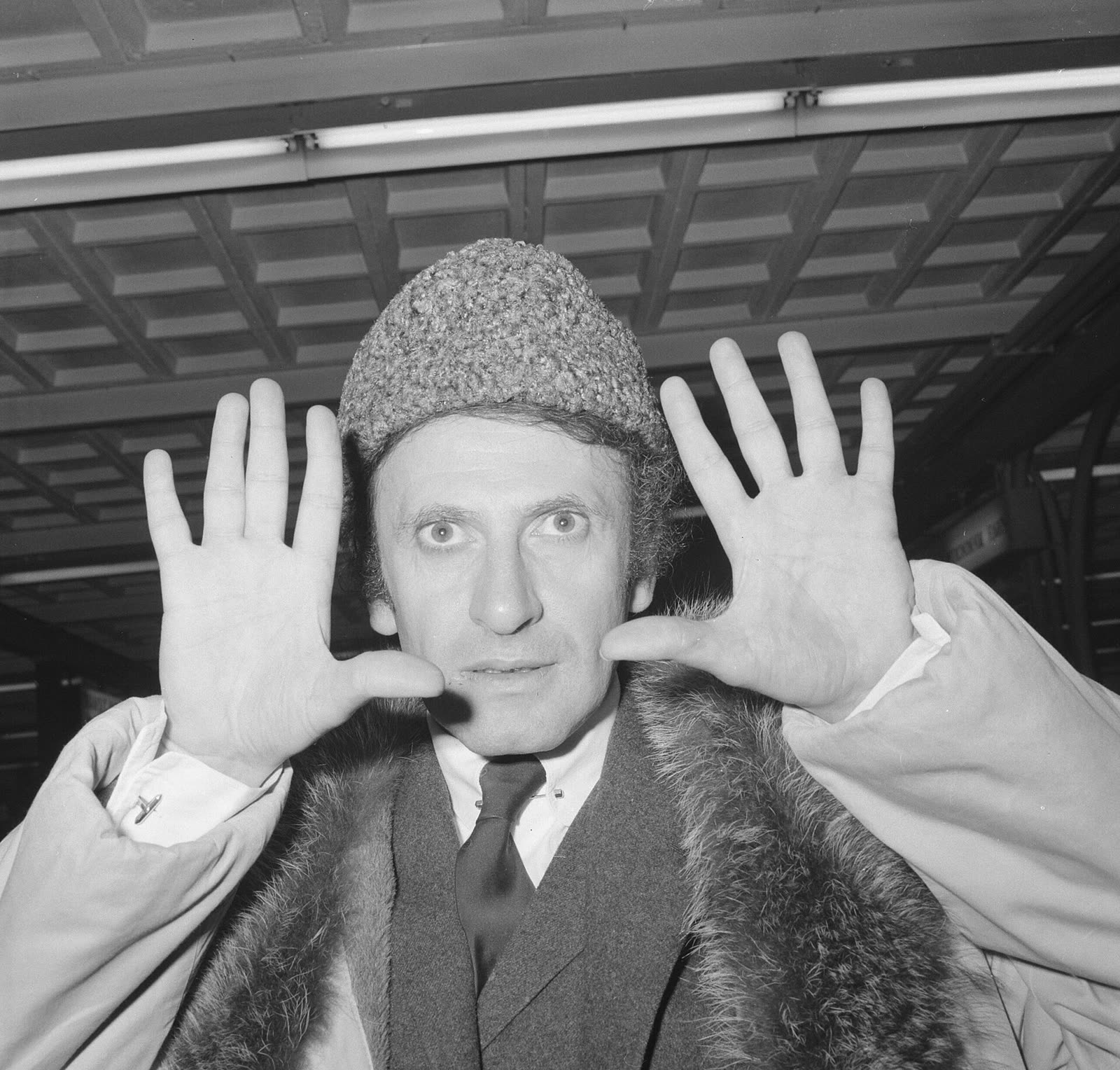
By then Decroux had his own small school in Paris, opened in the 1940s (Toepfer gives 1947). Marceau went another way: “In 1948, Decroux forbade another of his famous students, Marcel Marceau, from entering his school, because Marceau had cultivated an interest in pantomimic characterizations.” Dorcy remembered a hard master: “he was less pliable than a steel bar. He was intolerant, despotic.”
| Year | Event |
|---|---|
| 1898 | Decroux is born |
| 1921 | Copeau founds the Vieux-Colombier school |
| 1923-25 | Decroux trains with Copeau |
| 1945 | Programme at the Maison de la Chimie, June 27 |
| 1947 | His own small school in Paris, per Toepfer |
| 1948 | Bars Marceau from the school |
| 1957 | Eight weeks at the Actors Studio, New York |
| 1959-62 | School in New York |
| 1963 | Publishes Paroles sur le mime |
| 1991 | Decroux dies |
Corporeal mime vs pantomime
The Atelier des Mimes in Berlin defines Decroux’s form as “mute drama play using the expression of the body as a whole,” distinct from “pantomime in the style of Marcel Marceau (grimaces, gestures, imaginary objects, illusions).” The Atelier des Mimes’ page on mime corporel dramatique calls Decroux “the grammarian of mime.”
| Aspect | Corporeal mime (Decroux) | Pantomime (Marceau style) |
|---|---|---|
| Face | Neutral or veiled | Expressive, with grimaces |
| Text | None: texts have no place | Silent |
| Music | Unnecessary and obtrusive | Often used |
| The body | Articulates and counterweights the whole body | Draws imaginary objects and illusions |
Silent theatre took other forms again, as in another silent company, Mummenschanz.
Decroux in New York and his students in the Bay Area
In 1957 the Actors Studio in New York invited Decroux to teach for eight weeks. “In 1959, he returned to New York, opened a school, lectured at ten universities, and taught a course at New York University.” He went back to Paris in 1962, and in 1963 published his only book, Paroles sur le mime.
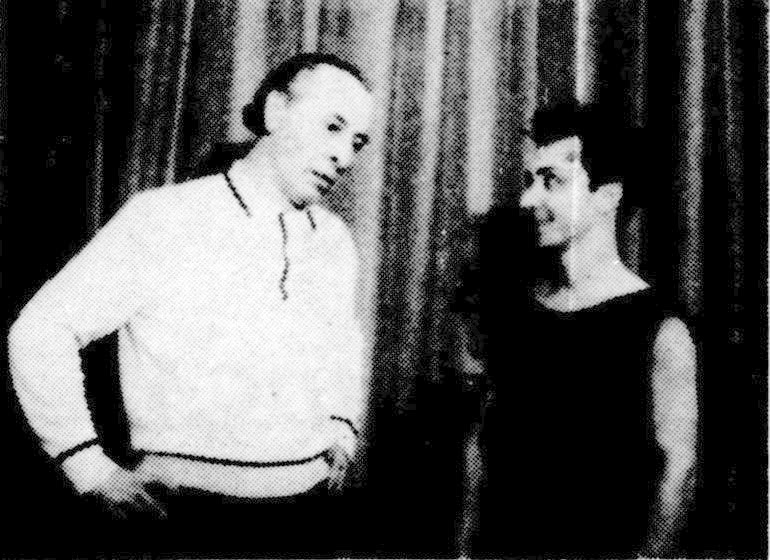
R.G. Davis went to Paris on a 1957 Fulbright to study with Decroux, then founded the San Francisco Mime Troupe. Leonard Pitt, of Berkeley, sailed to Europe in the early 1960s: “I got taken right away and spent four years with him. Six days a week!”
Geoff Hoyle studied with him in Paris before becoming Mr. Sniff at the Pickle Family Circus in the early 1970s.
| Student | With Decroux | In the Bay Area |
|---|---|---|
| R.G. Davis | Paris, on a 1957 Fulbright | Founded the San Francisco Mime Troupe |
| Leonard Pitt | Four years, from the early 1960s | Berkeley; a Decroux purist into the 1980s |
| Geoff Hoyle | Paris | Pickle Family Circus, as Mr. Sniff |
A different silence: Antenna’s masked actors
Antenna Theater’s early stage plays also used masked actors who did not speak, but they moved to exactly what Decroux shut out. In Vacuum, Antenna’s 1981 masked play, Bernard Weiner wrote that Ernesto Sanchez’s “performance is remarkably precise, and even while wearing a full mask, he is able to convey a variety of emotions, by expert physical maneuvering.” Peter Magnant praised “the movements and gestures so sharp.”
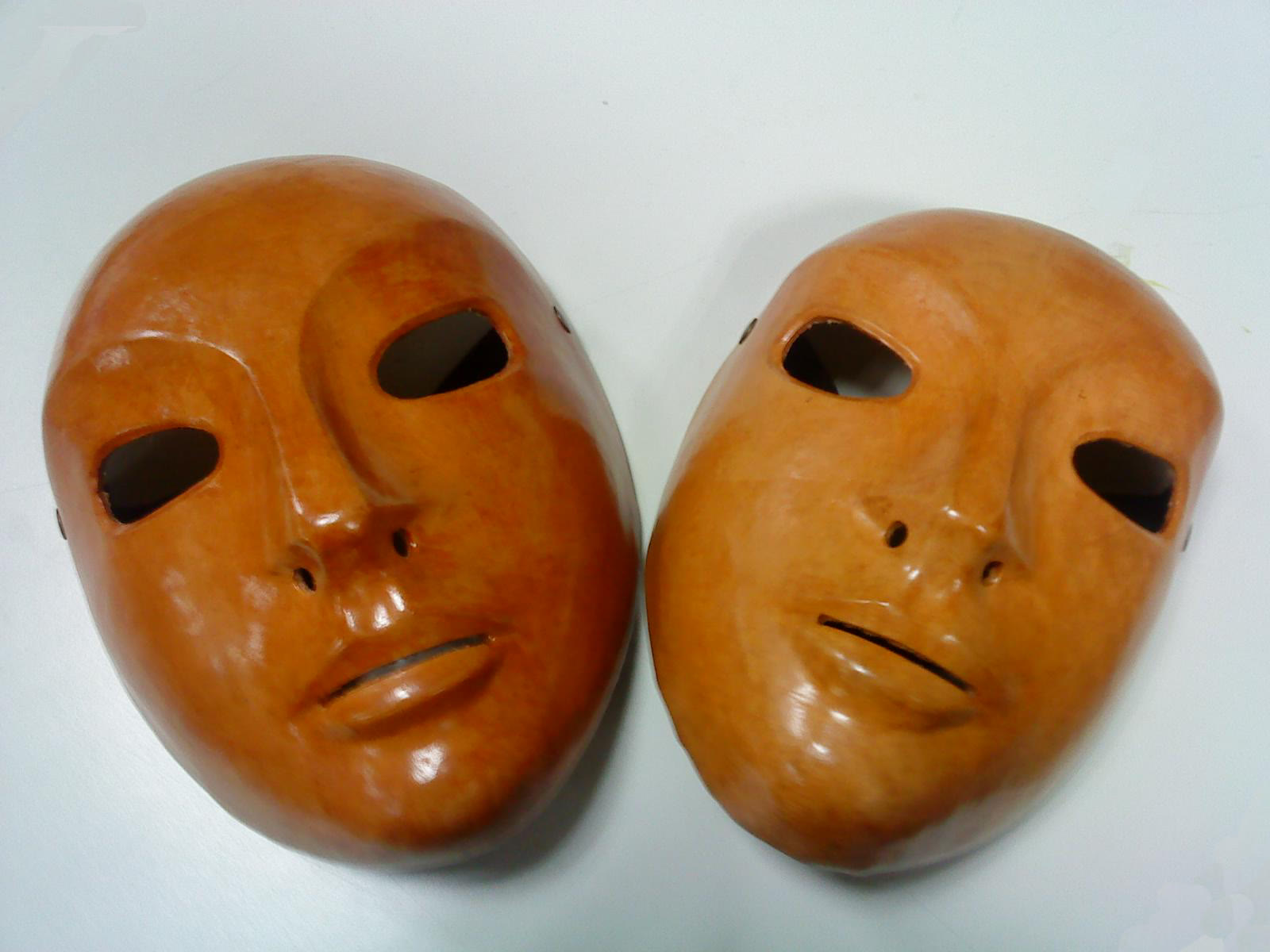
In Russia (1985), Will Torphy saw “mimed episodes and voices from taped interviewees,” and wrote: “Just as in Noh plays, we are strangely distanced intellectually, yet emotionally drawn toward the magic of the nuances.” Weiner was harder on the movement, faulting “the repetitive, imprecise choreography.”
Decroux hid the face and banned text and music so the body alone would speak; Antenna’s masked actors moved to taped voices and scores. No source connects Antenna or its performers with Decroux or his students, so the comparison is the Journal’s own. Antenna’s masks are covered in the wider history of mask theatre, from Noh to Lecoq.
Frequently asked questions
What is the Decroux technique?
A system of exercises that isolate, take apart and recompose the parts of the body, using articulation and counterweight so that the whole body carries a silent drama.
How is corporeal mime different from pantomime?
It rejects the grimaces, gestures, imaginary objects and illusions of pantomime in the style of Marcel Marceau. Decroux barred Marceau from his school in 1948 over his pantomimic characters.
Did Etienne Decroux teach Marcel Marceau?
Yes. Annette Lust calls him the teacher of both Marcel Marceau and Jean-Louis Barrault.
Did Decroux teach in America?
The Actors Studio invited him for eight weeks in 1957, and he ran a school in New York from 1959 until 1962.
For more, see Walkmanology and Antenna’s other new theater forms, the history of pirate radio and the history of ventriloquism, from belly-speakers to Charlie McCarthy.